Trồng người # 37 – Nov. 2015

GS Đặng Văn Ngữ và con trai Đặng Nhật Minh (ảnh tư liệu)
TN – Số 37 – November 2015
Contact: trongnguoi2014@gmail.com

THƯ TÒA SOẠN – EDITOR’S NOTE

Bạn đọc thân mến,

Tháng 10/2015 có một tin đáng lưu ý và có lẽ chính quyền Việt Nam cần lên tiếng –cải chính nếu cần, hoặc thừa nhận nếu đúng — để làm sáng tỏ một vấn đề mà miền Bắc đã vinh danh suốt từ thời kháng chiến: đó là bác sĩ Đặng Văn Ngữ đã khám phá ra vaccin chống sốt rét cho bộ đội từ thập niên 1960, trước khi ông tử trận tại mặt trận Bình-Trị-Thiên vào năm 1967.

Tiếp tục đọc “Trồng người # 37 – Nov. 2015”

‘Chưa hề thấy dự án TQ chống sốt rét’

    Bài cùng chuỗi:
    – Nobel Prize goes to modest woman who beat malaria for China
    – Bà Đồ U U và ‘thuốc chữa bộ đội VN’
    – For Vietnam: Artemisinin From China, Agent Orange From America
    – ‘Chưa hề thấy dự án TQ chống sốt rét’


BBC

13 tháng 10 2015 Cập nhật lúc 20:24 ICT

Đã không có hợp tác giữa Trung Quốc với Việt Nam để giúp miền Bắc Việt Nam điều trị hoặc nghiên cứu chống bệnh sốt rét trong thời kì chiến tranh, theo lời một nhân chứng, cựu chuyên gia chống sốt rét của Bắc Việt.

Một phần giải Nobel y học 2015 được trao cho nhà khoa học Trung Quốc, bà Đồ U U, nhờ chiết xuất được Thanh hao tố (Artemisinin) dùng để chữa bệnh sốt rét từ cây thanh hao hoa vàng. Tiếp tục đọc “‘Chưa hề thấy dự án TQ chống sốt rét’”

Bà Đồ U U và ‘thuốc chữa bộ đội VN’

    Bài cùng chuỗi:
    – Nobel Prize goes to modest woman who beat malaria for China
    – Bà Đồ U U và ‘thuốc chữa bộ đội VN’
    – For Vietnam: Artemisinin From China, Agent Orange From America
    – ‘Chưa hề thấy dự án TQ chống sốt rét’

      BBC

  • 6 tháng 10 2015
 Image copyright AFP

Một chương trình bí mật do Mao Trạch Đông cho lập ra để tìm thuốc chống sốt rét cho quân đội Bắc Việt Nam thời chiến tranh giúp bà Đồ U U được giải Nobel Y học 2015, theo báo Anh.

Là giáo sư Học viện Y học Cổ truyền Trung Quốc, bà Đồ U U, 84 tuổi, là người thứ ba nhận giải Nobel Y học năm nay, cùng nhà khoa học William Campbell, người Cộng hòa Ireland và giáo sư Satoshi Omura từ Nhật Bản. Tiếp tục đọc “Bà Đồ U U và ‘thuốc chữa bộ đội VN’”

For Vietnam: Artemisinin From China, Agent Orange From America

    Bài cùng chuỗi:
    – Nobel Prize goes to modest woman who beat malaria for China
    – Bà Đồ U U và ‘thuốc chữa bộ đội VN’
    – For Vietnam: Artemisinin From China, Agent Orange From America
    – ‘Chưa hề thấy dự án TQ chống sốt rét’

Four-ship formation on a defoliation spray run. (U.S. Air Force photo)       Operation Ranch Hand, spraying Agent Orange over Vietnam.

One half of this year’s Nobel Prize for Physiology or Medicine went to Tu Youyou for her discovery of the antimalarial drug artemisinin. Many of us who do research in the biological sciences have felt that this award was long overdue.

The discovery of artemisinin has saved the lives of millions. And so the Nobel is proper recognition for Dr. Tu, for China and for the advancing role of women in science here and around the world.

There is an interesting and illuminating back story to Dr. Tu’s discovery. India’s The Hindu relates the story here:

(In the 1960s North Vietnam and the Vietcong were were at war with the U.S. which had launched a massive invasion, and malaria was rampant in the region. jw) Struggling to deal with a malaria-ridden army, Vietnamese Prime Minister Ho Chi Minh requested Chairman Mao to establish a secret military research programme to look for a cure for malaria within the traditional Chinese medicine. Project 523 (as it began on May 23) began its search for a cure in 1967. It was officially shut down in 1981.

Mao’s prompting led to Tu’s discovery Tiếp tục đọc “For Vietnam: Artemisinin From China, Agent Orange From America”

Nobel Prize goes to modest woman who beat malaria for China

    Bài cùng chuỗi:
    – Nobel Prize goes to modest woman who beat malaria for China
    – Bà Đồ U U và ‘thuốc chữa bộ đội VN’
    – For Vietnam: Artemisinin From China, Agent Orange From America
    – ‘Chưa hề thấy dự án TQ chống sốt rét’

Updated 5 October 2015
(originally published
9 November 2011)


The origins of our best drug against malaria have long been a mystery.
Meet Tu Youyou, who scoured ancient Chinese medical texts for the cure.

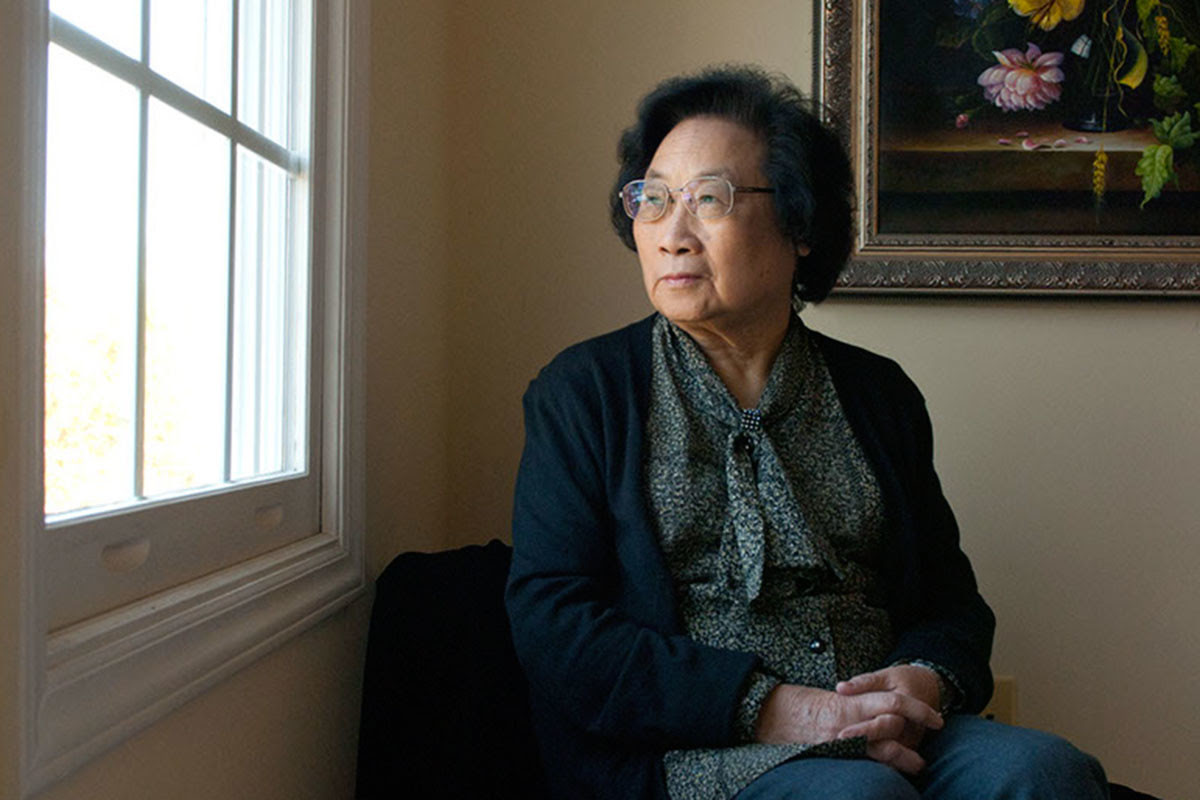
Tu Youyou, now 80, continues to study artemisinin at her lab in Beijing

Tu Youyou, now 80, continues to study Tu Youyou at her lab in BeijingSimon Griffiths

By Phil McKenna

Update: Tu Youyou has been awarded a share of the 2015 Nobel Prize for medicine or physiology for her discovery of artemisinin. She shared the prize with William C. Campbell and Satoshi Ōmura, whose work led to the development of ivermectin, an important treatment for roundworm parasite diseases.

FORTY years ago a secret military project in communist China yielded one of the greatest drug discoveries in modern medicine. Artemisinin remains the most effective treatment for malaria today and has saved millions of lives. Until recently, though, the drug’s origins were a mystery.

“I was at a meeting in Shanghai in 2005 with all of the Chinese malariologists and I asked who discovered artemisinin,” says Louis Miller, a malaria researcher at the US National Institutes of Health in Rockville, Maryland. “I was shocked that no one knew.” Tiếp tục đọc “Nobel Prize goes to modest woman who beat malaria for China”