New investigation casts doubt on a Singapore-listed palm oil giant’s green claims

ICIJ.org

Interviews with former workers by ICIJ partner The Gecko Project reveal new links between First Resources, the billionaire family that owns it, and a trio of companies that have reportedly cleared more forest for palm oil than any other firm in Southeast Asia.

By Scilla Alecci November 20, 2023
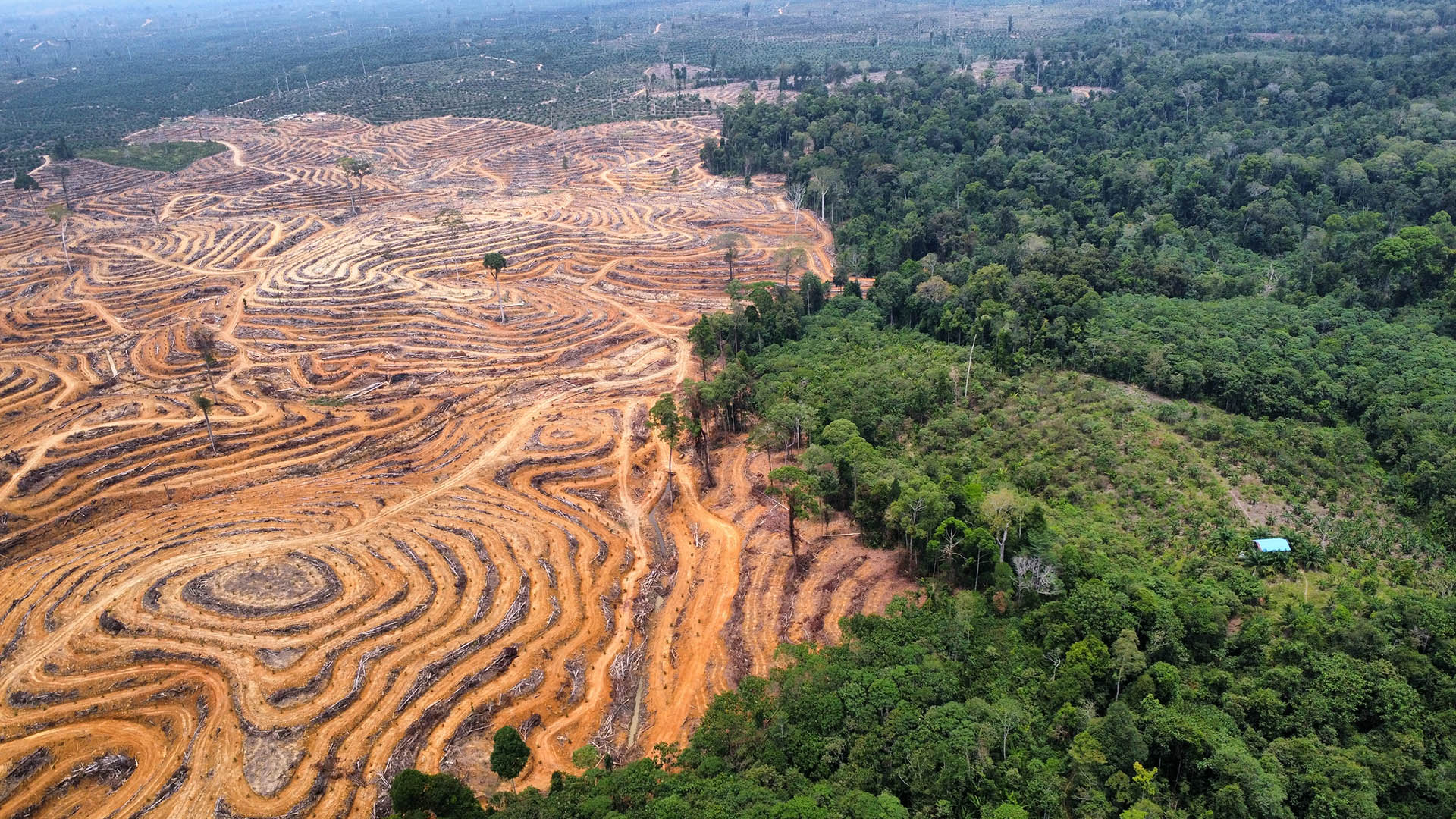
Deforested land in a New Borneo Agri company’s concession in East Kalimantan province, in September 2023.

In public statements, First Resources says it is committed to producing the palm oil that ends up in major Western brands’ cosmetics, foods and biofuel in a manner that doesn’t deplete natural resources and protects wildlife and the environment.

But an investigation by nonprofit newsroom The Gecko Project reveals how First Resources’ majority shareholders, the billionaire Fangiono family, have breached their company’s pledge of “sustainable” production by secretly controlling companies that environmental analysts found had cleared large areas of rainforest in Indonesia.

The investigation in collaboration with the International Consortium of Investigative Journalists also spotlights a loophole in the Singapore Exchange’s reporting rules that allows listed companies to publish so-called sustainability reports, without requiring that an independent firm audits the company’s green claims.

The findings are part of Deforestation Inc., a cross-border investigation led by ICIJ that exposed how a lightly regulated sustainability industry overlooks forest destruction and human rights violations when granting environmental certifications. Deforestation Inc. showed how major companies increasingly use certifications based on flawed audits to advertise products and operations as compliant with environmental standards, labor laws and human rights, misinforming shareholders as well as customers.

In a press release, First Resources said that in 2022 it recorded “its best performance” financially since listing on the Singapore exchange with $1.2 billion in revenues. In the sustainability report it published on its website, the company assured investors and customers that its supply chain is “transparent” and that it “encourages” its suppliers to adhere to its environmental standards.

The examination of First Resources’ practices by The Gecko Project appears to contradict the company’s statements.

Tiếp tục đọc “New investigation casts doubt on a Singapore-listed palm oil giant’s green claims”
Indonesia’s finance minister says palm oil export ban will hurt other countries, but necessary

By David Lawder and Andrea Shalal

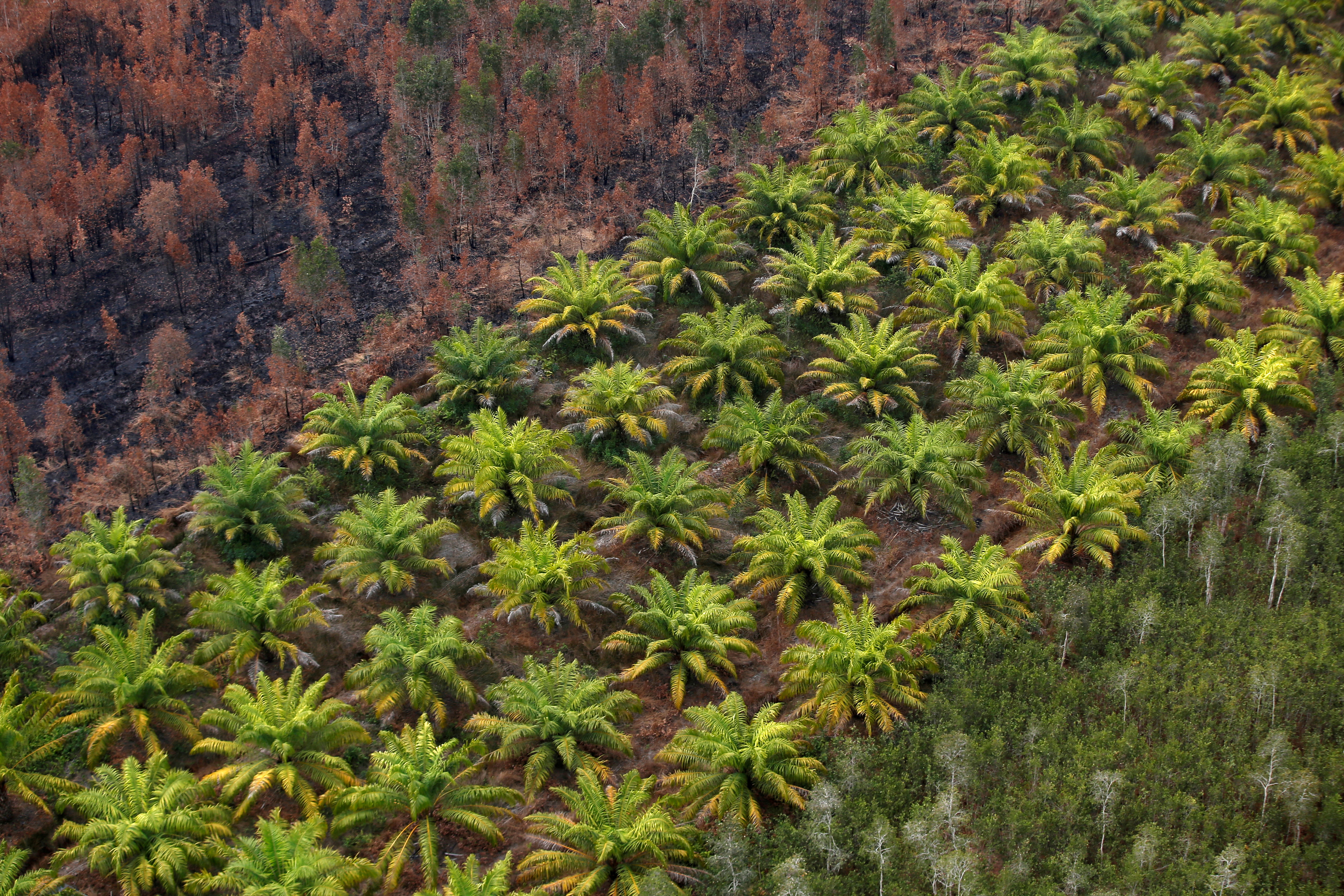
A palm oil plantation is pictured next to a burnt forest near Banjarmasin in South Kalimantan province, Indonesia
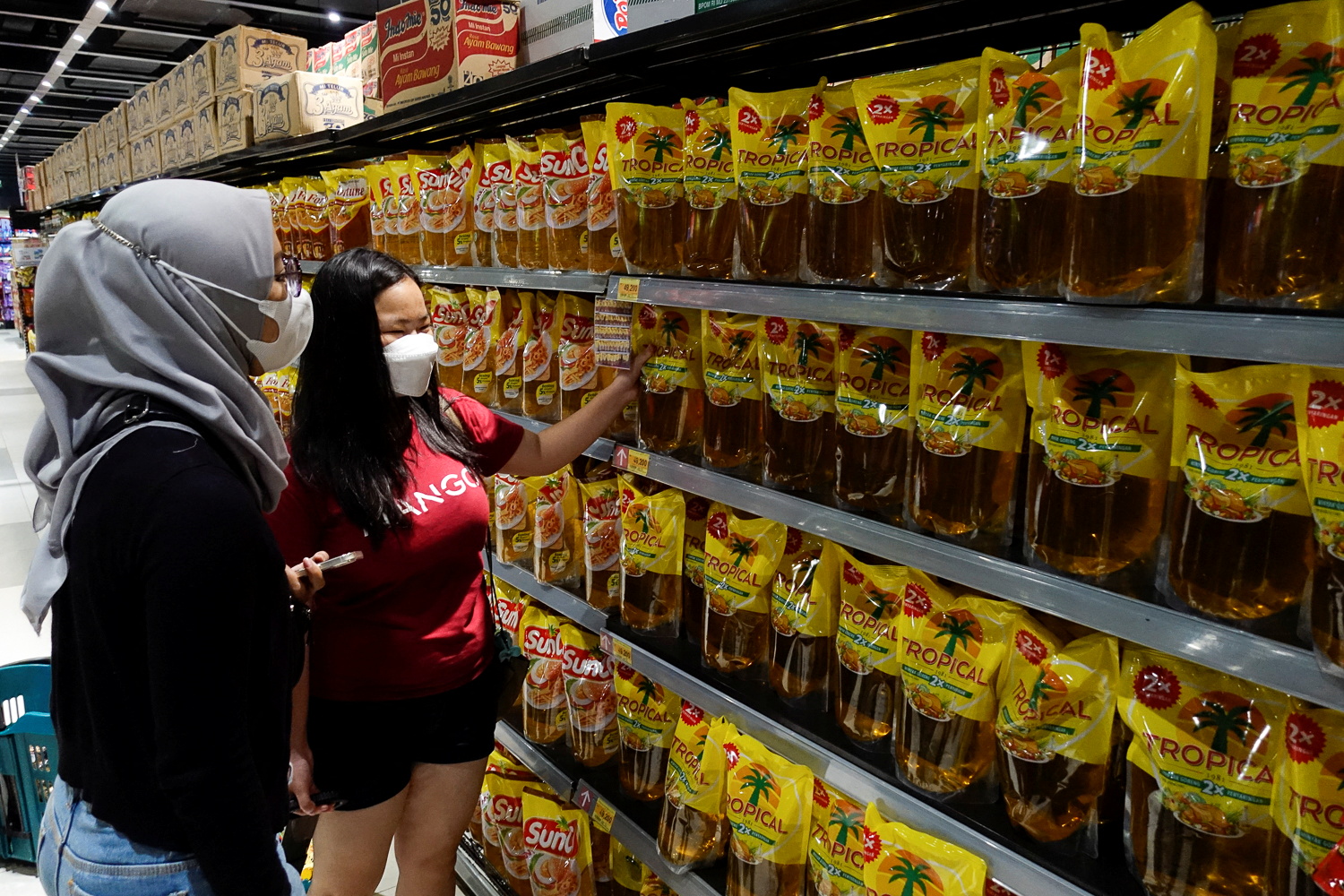
People shop for cooking oil made from oil palms at a supermarket in Jakart

People shop for cooking oil made from oil palms at a supermarket in Jakarta, Indonesia, March 27, 2022. REUTERS/Willy Kurniawan

reuter.com

WASHINGTON, April 22 (Reuters) – Indonesia’s new palm oil export ban will hurt other countries but is necessary to try to bring down the soaring domestic price of cooking oil driven up by Russia’s war in Ukraine, Indonesia’s finance minister told Reuters on Friday.

Sri Mulyani Indrawati said that with demand exceeding supplies, the ban announced earlier on Friday is “among the harshest moves” the government could take after previous measures failed to stabilize domestic prices. read more

“We know that this is not going to be the best result,” for global supplies, she said in an interview on the sidelines of the International Monetary Fund and World Bank spring meetings. “If we are not going to export, that’s definitely going to hit the other countries.”

China and India are among big importers of palm oil from Indonesia, the world’s largest producer accounting for more than half the world’s supply. Palm oil is used in products from cooking oils to processed foods, cosmetics and biofuels.

Indrawati said previous measures requiring producers to reserve stocks for domestic use did not result in “the level of prices that we want. It’s still too expensive for the ordinary household to buy those cooking oils.”

Tiếp tục đọc “Indonesia’s finance minister says palm oil export ban will hurt other countries, but necessary”

Coconut farmers in Southeast Asia struggle as palm oil muscles in on them

Nestlé, Hershey and Mars ‘breaking promises over palm oil use’

Guardian

This year’s Halloween confectionery will contain palm oil grown on land that should lawfully be habitat to orangutans, rhinos and clouded leopards, despite commitment to clean up supply chains

Forest land cleared for palm oil plantation in Sumatra, Indonesia.
Forest land cleared for palm oil plantation in Sumatra, Indonesia. Photograph: Ulet Ifansasti/Getty Images

Nestlé, Mars and Hershey have been accused of breaking pledges to stop using “conflict palm oil” from deforested Indonesian jungles, just days before the annual Halloween confectionery frenzy.

The Rainforest Action Network (RAN) says consumers have been “deceived” by promises from the brands to clean up their supply chains which were subsequently delayed, revised or watered down. Tiếp tục đọc “Nestlé, Hershey and Mars ‘breaking promises over palm oil use’”