TTCT – Trong kế hoạch chuyển đổi sang xe điện ở các đô thị lớn, nhìn ra thế giới, không ít bài học của các quốc gia đi trước có thể sẽ hữu ích cho Việt Nam.
Hiếm có nước nào chuyển đổi xe xăng sang xe điện nhanh và thành công như Trung Quốc. Ảnh: AFP
Theo kế hoạch từ ngày 1-7-2026, xe gắn máy chạy xăng dầu sẽ bị cấm lưu thông trong vành đai 1 ở thành phố Hà Nội. Từ ngày 1-1-2028, phạm vi hạn chế được mở rộng sang vành đai 2, bao gồm cấm xe máy và hạn chế xe ô tô cá nhân sử dụng nhiên liệu hóa thạch.
Nhìn ra thế giới, không ít bài học của các quốc gia đi trước có thể sẽ hữu ích cho Việt Nam.
With over 70 million scooters and motorcycles on the roads in Vietnam, over 90% of households own one, two wheelers in Vietnam are ubiquitous. They form the backbone of the shipping sector, easily navigating the chaotic traffic and narrow back alleys to deliver goods. However, this contributes to air that is clouded with exhaust for Vietnamese citizens.
Emissions in Vietnam have multiplied fivefold in the last 20 years. As pollution worsened, the demand for electric vehicles (EV) skyrocketed. Vietnam is now home to the third largest two-wheeler EV market in the world—but the sector still lags far behind that of the gasoline-powered two wheelers. Improved government policies and a two wheel EV ecosystem are needed to support Vietnam’s EV shift, reduce emissions, and clean up its air.
In Central Vietnam’s factory, wood chips are accumulated in the rear of a three-wheel vehicle used to transport acacia wood to the processing machine. Image by Thanh Nguyen.
Vietnam is ranked the fifth-largest country in the world, second in Asia, and the largest in Southeast Asia in furniture exports. Vietnamese furniture has been directly exported to 120 countries and territories.
However, behind this impressive figure is that series of natural forests that have been cut down and quickly. These forest land areas have been occupied for growing short-term timber trees.
Deforestation makes natural disasters in Vietnam more severe, local people suffer the most from the consequences.
The Ukraine war is complicating the calculus of China’s energy security and the prospect of a new energy deal with Russia
Can Beijing afford to be close to a Moscow that is increasingly politically and economically isolated?
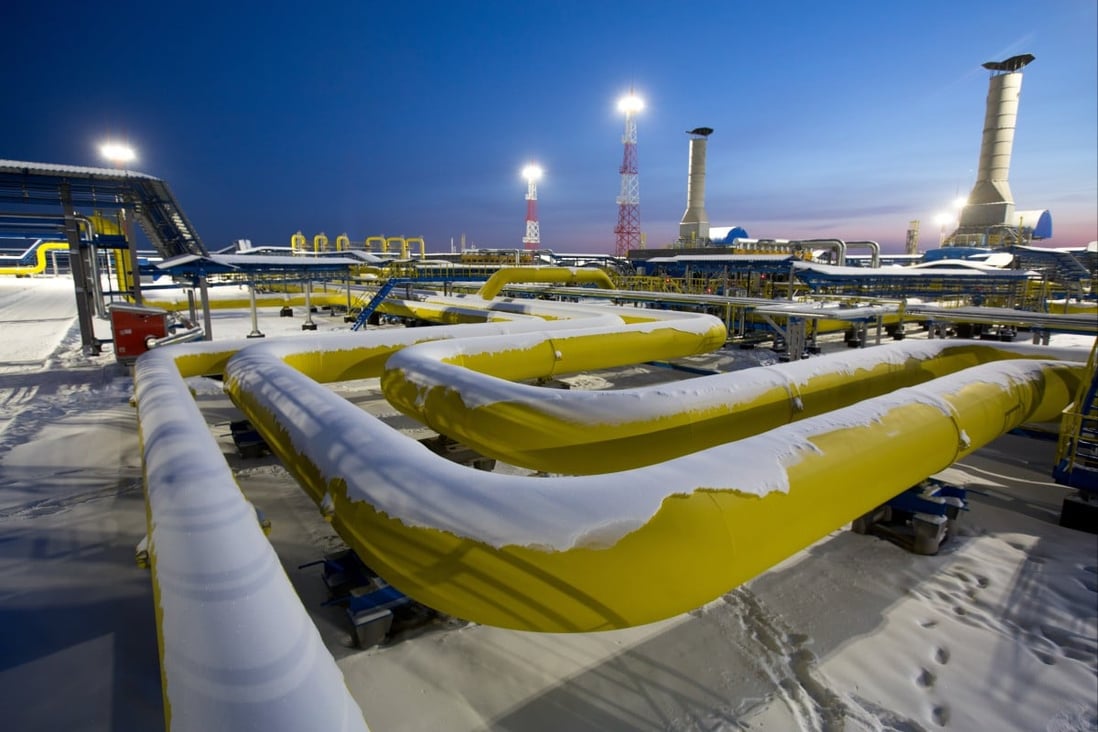
Snow covers sections of connected pipework at the Gazprom PJSC Atamanskaya compressor station, part of the Power Of Siberia gas pipeline extending to China, near Svobodny, in the Amur region, Russia, in 2019. Photo: Bloomberg
Two recent developments reveal the possibility of a new energy agreement between China and Russia. First, Russian gas giant Gazprom PJSC announced a contract to design the Soyuz Vostok pipeline across Mongolia towards China. Second, Beijing is reported to be discussing with its state-owned companies opportunities to buy stakes in Russian energy companies, and is also looking at a Power of Siberia 2 pipeline to China.
With the exit of international energy companies from Russia following its invasion of Ukraine, Germany’s decision to halt the certification process of the Kremlin-backed Nord Stream 2 pipeline, and rounds of sanctions on Russia, there are certainly new opportunities for the Chinese government and companies to strengthen their position in the Russian market.
However, even as domestic, regional and global factors may push China towards a new energy deal with Russia, Beijing could also face a range of challenges.
Firstly, Beijing’s ambition to be carbon-neutral by 2060 and replace much coal with gas is one of the most important domestic factors prompting China to further improve its relations with Russia.
Russian gas exports – whether liquefied natural gas or pipeline gas delivered through the original Power of Siberia, for example – would help China reduce greenhouse gas emissions as the country makes a green transition.
Secondly, the withdrawal of Western energy companies such as BP and Shell from Russia due to the Ukraine war creates opportunities for Chinese energy companies, especially state-owned ones, to invest in Russia and diversify their portfolio.
Thirdly, while China also imports gas from Turkmenistan, Russian gas is one of the cheapest options for Chinese consumers, making a new energy deal with Russia that much more attractive.
However, there could also be obstacles to such a deal. One problem could be the political and economic uncertainties now looming over Russia; the deterioration of the Russian business environment under current sanctions might discourage Chinese companies from investing in Russia.
Particularly, sanctions led by Washington seem to inspire caution in Beijing and Chinese companies. For example, the state-run Sinopec Group recently suspended talks about a major petrochemical investment and a gas marketing venture in Russia, apparently heeding a government call to tread carefully with Russian assets.
Cho đến nay, ngay cả những quốc gia tiên tiến về KH&CN vẫn chưa có giải pháp nào coi là hoàn hảo về một nguồn năng lượng xanh không phát thải carbon.
TS. Trần Chí Thành là một chuyên gia về công nghệ hạt nhân và an toàn hạt nhân. Ảnh: Thanh Nhàn.
Tuy nhiên, ngay cả khi không tồn tại giải pháp nào hoàn hảo thì vẫn có những lựa chọn tối ưu – nghĩa là vừa đảm bảo an ninh năng lượng mà vẫn hạn chế phát thải, TS. Trần Chí Thành, Viện trưởng Viện Năng lượng nguyên tử Việt Nam, cho biết như vậy qua góc nhìn của một chuyên gia về công nghệ hạt nhân và an toàn hạt nhân.
(KTSG) – Hội nghị Biến đổi khí hậu của Liên hiệp quốc (COP26) tại Glasgow, Vương quốc Anh đang khép lại với những cam kết hành động mạnh mẽ của các lãnh đạo toàn cầu về cắt giảm phát thải, đầu tư tài chính và hỗ trợ chuyển dịch năng lượng. Tương lai năng lượng và mô hình tăng trưởng của Việt Nam sẽ như thế nào sau COP26?
Cam kết “đột phá” của Việt Nam tại COP26
Từ những ngày đầu COP26, những thông tin tích cực từ nước Anh cho thấy sẽ có bước đột phá của Việt Nam về cam kết giảm phát thải khí nhà kính, chung tay cùng nhân loại làm giảm sự nóng lên toàn cầu.
Ngày 1-11, trong bài phát biểu tại COP26, Thủ tướng Phạm Minh Chính đã đưa ra một tuyên bố lịch sử: “Mặc dù là nước đang phát triển mới chỉ bắt đầu tiến trình công nghiệp hóa trong hơn ba thập kỷ qua, Việt Nam là một nước có lợi thế về năng lượng tái tạo, sẽ xây dựng và triển khai các biện pháp giảm phát thải khí nhà kính mạnh mẽ bằng nguồn lực của mình, cùng với sự hợp tác và hỗ trợ của cộng đồng quốc tế, nhất là các nước phát triển, cả về tài chính và chuyển giao công nghệ, trong đó có thực hiện các cơ chế theo Thỏa thuận Paris, để đạt mức phát thải ròng bằng 0” vào năm 2050”.
Europe’s energy ambitions are clear: to shift to a low-carbon future by remaking its power generating and distribution systems. But the present situation is an expensive mess. A global supply crunch for natural gas, bottlenecks for renewable energy and wind speeds in the North Sea among the slowest in 20 years, idling turbines, have contributed to soaring electricity prices. As winter approaches, governments are preparing to intervene if needed in volatile energy markets to keep homes warm and factories running.
1. What’s the problem here?
Energy prices skyrocketed as economies emerge from the pandemic — boosting demand just as supplies are falling short. Coal plants have been shuttered, gas stockpiles are low and the continent’s increasing reliance on renewable sources of energy is exposing its vulnerability. Even with mild weather in September, gas and electricity prices were breaking records across the continent and in the U.K. Italy’s Ecological Transition Minister Roberto Cingolani said he expected power prices to increase by 40% in the third quarter. In the U.K., CF Industries Holdings Inc., a major fertilizer producer, shut two plants, and Norwegian ammonia manufacturer Yara International ASA curbed its European production because of high fuel costs, as the crunch started to hit industrial companies.
Vietnam has been a Southeast Asia solar success story. It went from having barely any generation in 2018 to a quarter of its total installed capacity being solar – a 100-fold increase in two years.
This rapid growth is mainly down to the Vietnamese government’s feed-in tariff which provides a guaranteed above-market price for renewable energy producers; other incentives signed off in 2017 in an attempt to pivot away from lagging fossil fuel projects; and cheaper solar panels, some of which are assembled domestically.
Around 99% of the installed solar panels in Vietnam come from China. At the same time, China is one of the few countries that still lends Vietnam money to build coal plants.
China’s future role in Vietnam’s power system will be shaped by the latter’s newest plan for its power sector. The final version of the Power Development Plan 8 is due to be published in June, though it has been postponed before and may be again.
Năm 2016, chỉ thị đầu tiên về tự do hóa thị trường điện châu Âu (năm 2006) kỷ niệm 20 năm ngày ban hành. Chúng ta có thể rút ra kết luận gì từ hai thập kỷ tự do hóa thị trường điện? Một số nhà quan sát, thậm chí những người có tiếng, [1] cũng đang tranh luận rằng thử nghiệm này là một thất bại.Theo định kỳ, các hội nghị được tổ chức tại Brussels hoặc các thủ đô khác để thảo luận về những cải cách mới được cho là cần thiết để cứu ngành điện châu Âu. Ủy ban Châu Âu đề xuất những thay đổi sau khi tham khảo ý kiến của các bên liên quan trên thị trường. [2]
Bài báo đưa ra một quan điểm lạc quan hơn đó là: tự do hóa ngành điện của châu Âu đã hoàn thành hầu hết các mục tiêu ban đầu của chỉ thị. Phải thừa nhận rằng có thể và sẽ cần phải cải tiến, nhưng chúng ta đã đi được một chặng đường dài. Vì vậy, ly nước đã đầy một nửa. Trong thời điểm nghi ngờ về sự thành công của hội nhập châu Âu, ngành điện cho chúng ta nhiều cơ sở để hài lòng.
Air conditioning was devised not for comfort but for industry, specifically to control temperature and humidity in a color printing factory in Brooklyn. The process required feeding paper into the presses a number of times, once for each of the component colors, and the slightest misalignment caused by changes in humidity produced defective copies that had to be thrown away. Tiếp tục đọc “Air Conditioning Wasn’t Invented to Provide Comfort to Human Beings”→
Trong bối cảnh thoái vốn nhiệt điện than đang diễn ra mạnh mẽ trên toàn cầu, Việt Nam được cảnh báo đối mặt với nguy cơ bị mắc kẹt vào tổn thất kép cả về tài chính và môi trường, nếu định hướng năng lượng vẫn chủ yếu dựa vào nhiệt điện than.
“SÓNG” THOÁI VỐN NHIỆT ĐIỆN THAN. Một cảnh báo mới về các thị trường vốn toàn cầu được cựu thống đốc ngân hàng Anh Mark Carney đưa ra mới đây, dự báo về “cơn sóng thần” tổn thất tài sản do bị mắc kẹt bởi nhiên liệu hóa thạch. Khả năng lên tới 20.000 tỉ USD nếu thế giới không tuân thủ Thỏa thuận Khí hậu Paris.
Drax từng là nhà máy nhiệt điện than lớn nhất châu Âu, đang chuyển đổi sang cung cấp năng lượng sinh khối vào năm 2021. Ảnh: Christopher Furlong/Getty Images
The Lancang-Mekong River is being decimated by hundreds of tributary and mainstream hydroelectric projects from the Tibetan Plateau in China to Lower Sesan in Cambodia. On the Mekong, the Laos Government has constructed the majority of these projects and it is planning even more. But why does it only focus on hydroelectric power plants (HPP’s)? What about other renewable energy sources? Can Nam Ngum solar replace Mekong hydro?
Dòng sông Lan Thương–Mekong đang bị tàn phá bởi hàng trăm dự án thủy điện trên dòng chính và các phụ lưu của nó từ cao nguyên Tây Tạng ở Trung Quốc tới hạ lưu sông Sê san ở Campuchia. Riêng trên dòng chính Mekong, Chính phủ Lào đóng vai trò chính trong việc xây dựng những dự án này và thậm chí đang có kế hoạch xây thêm. Nhưng tại sao nước này lại chỉ tập trung vào các nhà máy thủy điện (hydroelectric power plants – HPPs)? Còn những nguồn năng lượng tái tạo khác thì sao? Liệu điện mặt trời Nam Ngum có thể thay thế thủy điện trên dòng Mekong ở đất nước này?
Ngày 01 tháng 11 năm 2019 Kỹ sư Phạm Phan Long, Quỹ Sinh thái Việt (Viet Ecology Foundation)
Biên dịch: Giải pháp vì Môi trường
Hình 1. Sự nở rộ các nhà máy thủy điện trên lưu vực sông Lan Thương – Mekong
Tôi đã thực hiện một nghiên cứu khả thi đơn giản về kinh tế – kỹ thuật để trả lời câu hỏi quan trọng ở trên, và kết quả là có, hoàn toàn có thể. Một trang trại điện mặt trời nổi (floating solar-with-storage, FSS) với công suất thiết kế 11.400 MW là hoàn toàn khả thi về mặt kỹ thuật để sản xuất ra một lượng điện tương đương 15.000 GWh/năm và chi phí thấp hơn so với cả 3 dự án thủy điện hiện đang được lên kế hoạch xây dựng tại Lào – gồm Pak Lay, Pak Beng và Luang Prabang. Quy mô dự án FSS Nam Ngum là rất lớn nhưng có thể thực hiện trong 15 năm với công suất 760 MW/năm với sản lượng 1.000 GWh/năm.
This issue brief—the third in Stimson’s “Letters from the Mekong” series — continues to challenge the prevailing narrative that the current rapid pace of dam construction on the Mekong River in mainland Southeast Asia will continue until the entire river is turned into a series of reservoirs. Certainly, the construction of even a few large dams will severely impact food security in the world’s most productive freshwater fishery and sharply reduce the delivery of nutrient-rich sediment needed to sustain agriculture, especially in Cambodia and Vietnam’s Mekong Delta. However, our team’s extensive research over a number of years, including site visits and meetings with regional policymakers, provides compelling evidence that not all of the planned dams will be built due to rising political and financial risks, including questions about the validity of current supply and demand projections in the greater Mekong region. As a consequence, we have concluded that it is not yet too late for the adoption of a new approach that optimizes the inescapable “nexus” tradeoffs among energy, export revenues, food security, and fresh water and protects the core ecology of the river system for the benefit of future generations.
In particular, through a continued examination of rising risks and local and regional responses to those risks, we believe that Laos and Cambodia will fall far short of current plans for more than 100 dams on the Mekong mainstream and tributaries. This reality will have particular implications for Laos, which seeks to become the “Battery of Southeast Asia” by setting the export of hydropower to regional markets as its top economic development priority.
In the case of Laos in particular, the reluctant recognition that its dream of damming the Mekong are in jeopardy may cause a reconsideration of its development policy options. Fewer Lao dams will mean that national revenue targets will not be met. Already the government has begun to make overtures for US and other donor assistance in managing the optimization of its hydropower resources. This is not surprising since Lao decision makers depend almost entirely on outside developers to build out its planned portfolio of dams under commercial build-own-operate-transfer (BOOT) concessions for export to neighboring countries. All of these dams are being constructed in a one-off, project-byproject manner with no prior input from the intergovernmental Mekong River Commission (MRC) or neighboring countries, and hence there is little practical opportunity for synergistic planning that could optimize the benefits of water usage on a basin-wide scale.
Because planners cannot see past the next project, it is impossible to determine to what extent the targets for the final power output of either Laos or the basin as a whole are achievable. Further, critical red lines of risk tolerance, particularly toward the environmental and social risks that impede dam construction, are unidentifiable because the government has little stake invested in the projects and derives few resources from the BOOT process to mitigate risk.
By 2020 roughly 30% of the Mekong basin’s power potential in Laos will be tapped by existing dams and those currently under construction. Beyond 2020 the prospect for completing the remaining 70 plus dams planned or under study by the Lao Ministry of Energy and Mines is unknowable. As Lao officials begin to realize they will not necessarily meet their development goals, there will still be time to transition to a basin-wide, strategic energy plan that meets projected revenue goals while minimizing impacts on key environmental flows through a combination of fewer dams and other non-hydropower sources of clean energy generation.



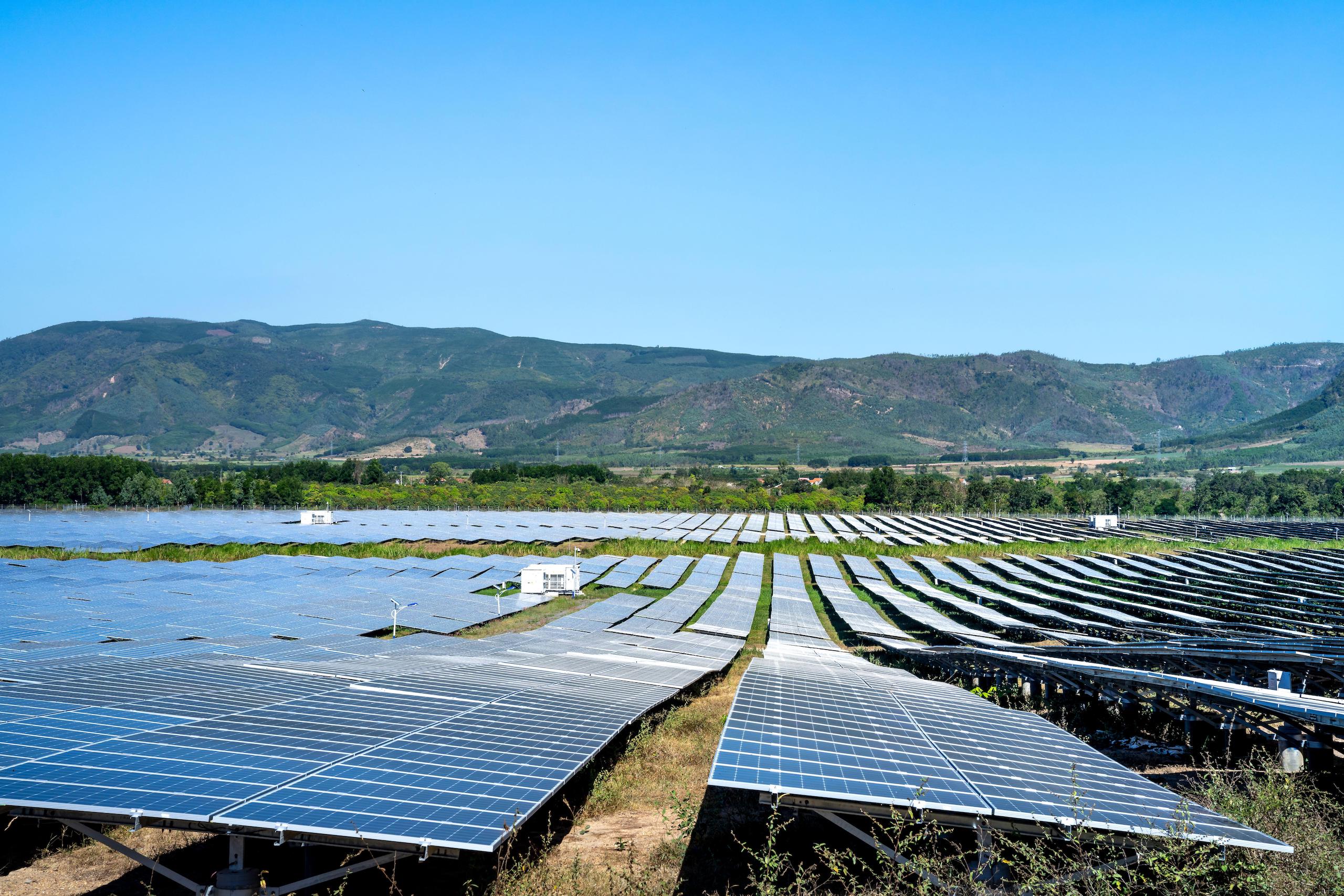 Solar energy in Vietnam has grown rapidly since 2018, supported by Chinese finance and technology (Image: Alamy)


 CVD
CVD 
