Headlines on a Climate Deadline: International media falters in linking Nepal flood to climate crisis

nepalitimes.com

In coverage of the catastrophic Bhote Kosi flood, many mainstream western news outlets have failed to confidently state the significance of the climate crisis, or to cite the human-made structures that produce it.
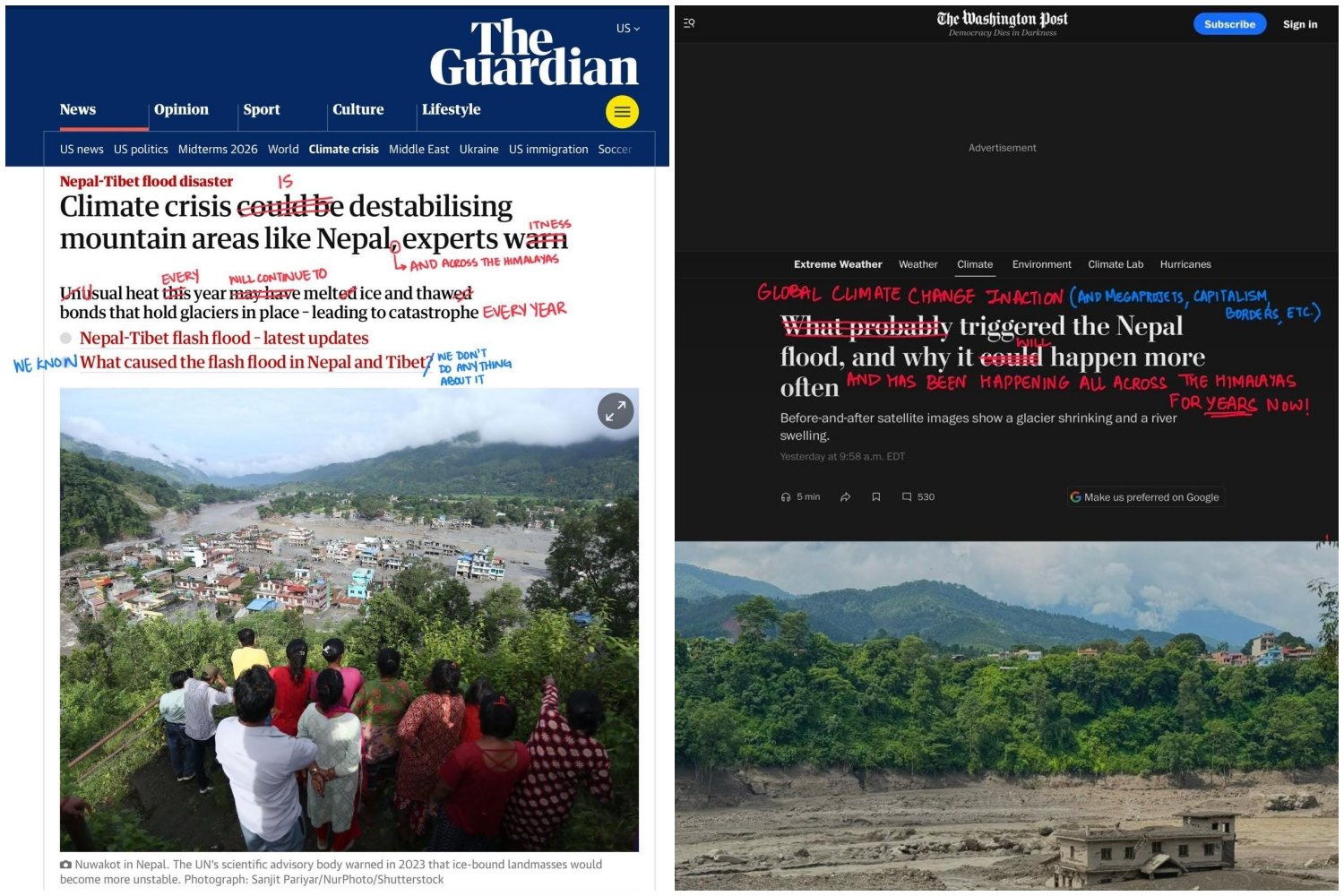
Headlines from The Guardian (left) and The Washington Post (right) covering the Nepal-Tibet flood, marked in red by designers and former Harvard classmates Fatima Hamdani and Bhavya Jain. Photos: FATIMA HAMDANI AND BHAVYA JAIN / INSTAGRAM
In coverage of the catastrophic Bhote Kosi flood, many mainstream western news outlets have failed to confidently state the significance of the climate crisis, or to cite the human-made structures that produce it.

Two days after catastrophic flooding began, designers and former Harvard classmates Bhavya Jain and Fatima Hamdani posted a carousel of headlines plucked from mainstream western news outlets on their Instagram.

By taking a red pen to each headline in the style of Alexandra Bell’s Counternarratives series, Hamdani and Jain called attention to journalists’ noncommittal tone, which served to obfuscate the connection between the Bhote Kosi flood and climate change.

The post went viral, with more than 32,000 likes at press time. In an accompanying article on Hamdani and Jain’s shared Substack, Climate Without Borders, they write that news agencies “quote survivors’ shock and panic” but not “experts’ warning from decades past on the climate crisis.”

“Ambiguity is always dangerous because it shies away from responsibility,” Jain tells me. “It is the work of the media to bring attention to evidence that has been ignored or years now.”

DENIALISM

While Hamdani and Jain call out mainstream western media for failing to establish a strong causal link between the flood, glacial collapse, and the warming atmosphere, some argue that western journalists are using climate change as “an explanation without evidence.”
Tiếp tục đọc “Headlines on a Climate Deadline: International media falters in linking Nepal flood to climate crisis” →

Nepal disaster was a warning to fix its early-warning system

nepalitimes.com

One phone call saved thousands of lives after river gauges were swept away on 26 August

Devesh Belbase·Aug 31, 2026·NEWS

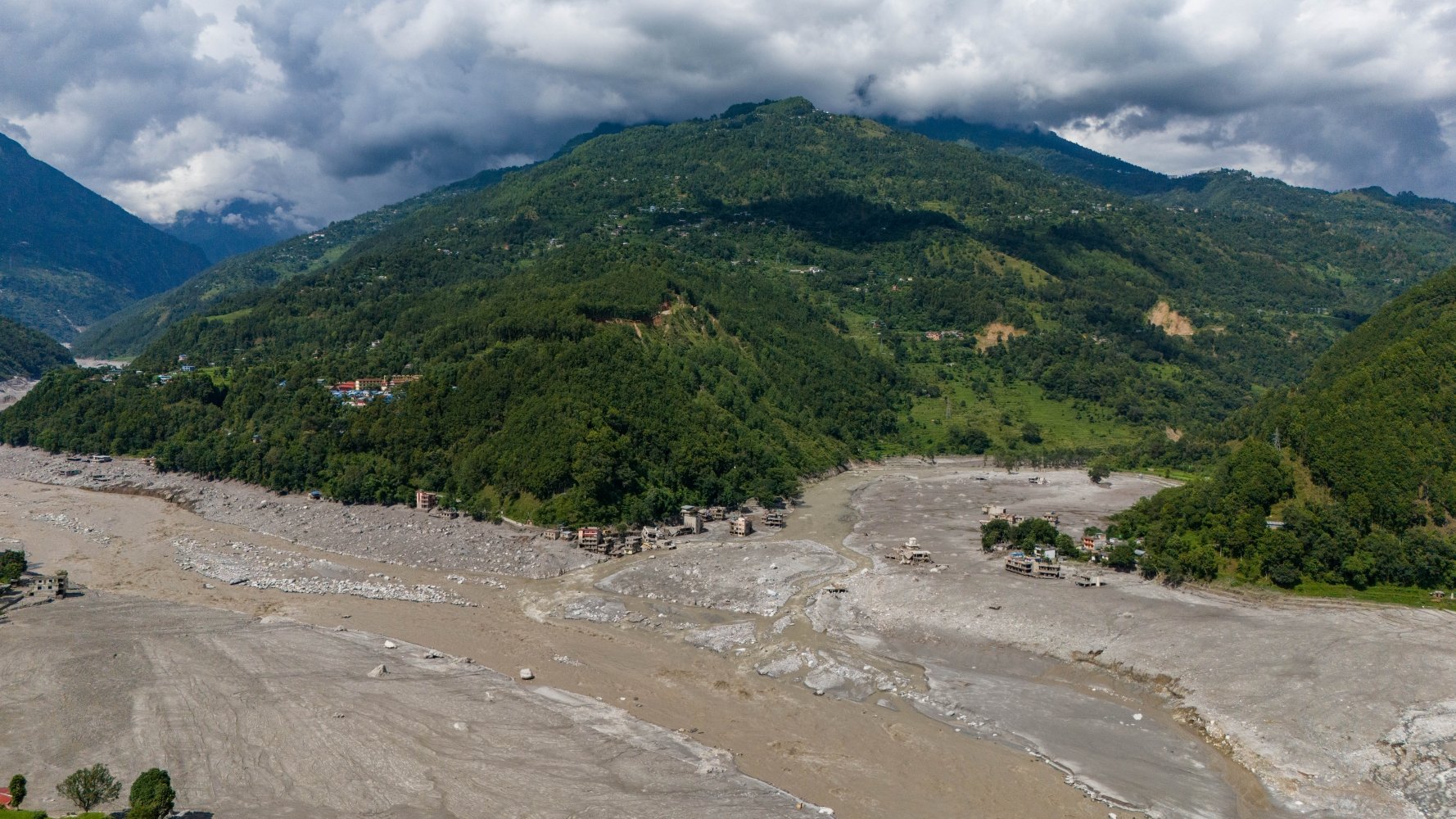
Photo: SUMAN NEPALI

Going by the numbers Nepal uses to define danger, the flood of 26 August was unremarkable.

At 8:40am on 26 August, the automatic gauge on the Bhote Kosi on Nepal’s border with China recorded the water level at 1.62m. It was low, and falling. 

That was the last reading of the Rasuwagadi station. The wall of water coming down the Lhende Khola destroyed the equipment before the next reading was due. The gauge at Syaphrubesi 15km downstream died when the water level reached 3.8m. Betrawati was knocked out at 3.55m. These were all below the prescribed Amber warning thresholds.

It was 4pm by the time the flood peaked at 6.57m in Devghat, 170km downstream on the Narayani River. That was the highest point measured during this flood event, but still below the Amber warning level of 7.3m (see charts).

Devghat is the last gauge on the river, and it stayed green throughout the flood of 26 August.  

But upstream, hundreds of people had already been swept away the fury of the mudflow. Between Rasuwa to Chitwan, 22 concrete bridges were washed away, a dozen hydropower plants were damaged or destroyed, as were four of the flood monitoring stations built to protect them.

Tiếp tục đọc “Nepal disaster was a warning to fix its early-warning system” →

Hải tặc Mũ Rơm và câu chuyện của Gen Z

HẢI MINH – 19/09/2025 18:16 GMT+7

TTCT – Khi một lá cờ cướp biển phấp phới trên đầu những người biểu tình ở Jakarta vào tháng 7, nhiều chính trị gia lớn tuổi thấy khó hiểu, nhưng khắp châu Á, gần như bất kỳ ai sinh vào khoảng cuối những năm 1990 đầu 2000 đều nhận ra nó.

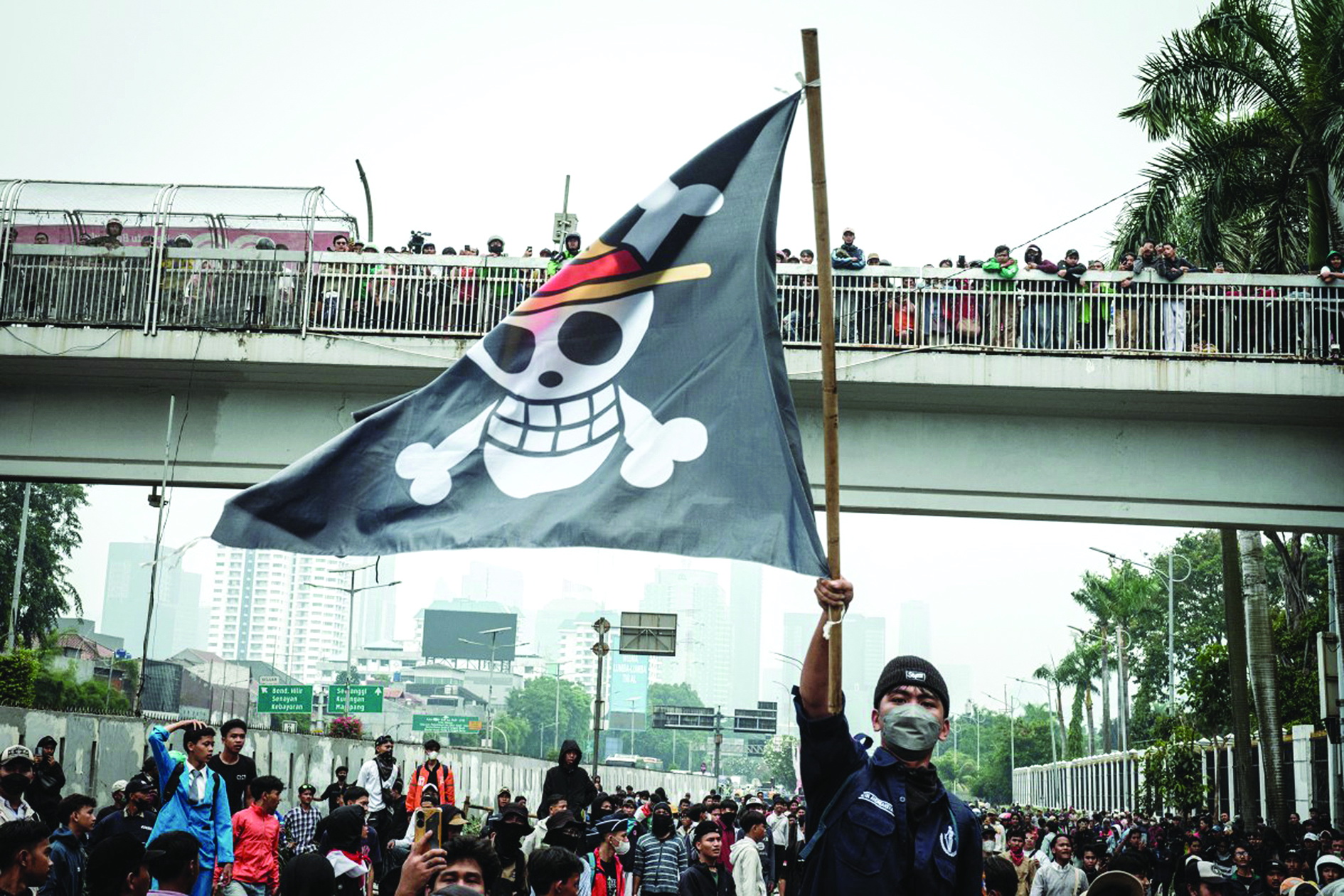
Hải tặc Mũ Rơm và câu chuyện của Gen Z - Ảnh 1.
Lá cờ của Luffy Mũ Rơm xuất hiện ở Indonesia. Ảnh: AFP

Lá cờ đó đã lại xuất hiện một lần nữa trong những biến động chính trị ở Nepal tuần qua.

Đó là lá cờ của băng hải tặc Mũ Rơm do Monkey D. Luffy làm thủ lĩnh – nhân vật chính trong bộ manga nổi tiếng toàn cầu Onepiece. Với hầu hết người lớn, nội dung Onepiece thuần túy chỉ là để giải trí, có phần trẻ nít, thậm chí là ngờ nghệch. 

Câu chuyện kể về hành trình của một băng hải tặc đi tìm kho báu với một thủy thủ đoàn là các nhân vật có những năng lực đặc biệt, cùng nhiều cảnh đánh đấm ngộ nghĩnh và không ít câu chuyện có phần sướt mướt hoặc thuần túy là lên lớp về đạo đức.

Tiếp tục đọc “Hải tặc Mũ Rơm và câu chuyện của Gen Z” →