The Guardian
As the United States turns to electric vehicles, solar and wind for its clean energy transition, the demand for lithium – used in rechargeable batteries – is on the rise.
Conversations on Vietnam Development

The Guardian
As the United States turns to electric vehicles, solar and wind for its clean energy transition, the demand for lithium – used in rechargeable batteries – is on the rise.
Vietnam is increasingly seeing its development affected by climate change and now faces critical questions about how to respond. The Vietnam Country Climate and Development Report proposes that Vietnam shift its development paradigm by incorporating two critical pathways – resilient pathway and decarbonizing pathway – that will help the country balance its development goals with increasing climate risks.
After more than two decades of steady growth, Vietnam has set an ambitious goal of reaching high-income status by 2045. It has been recognized in the 2021-2030 Socioeconomic Development Strategy that the country’s economic transformation will greatly depend on better management of natural capital – the extensive stocks of agricultural, forest, and mineral resources that have helped drive development.
Yet Vietnam, with over 3,200 km of coastline and many low-lying cities and river delta regions, is one of the most vulnerable countries in the world to climate change. Climate change impacts – mainly higher and more variable temperatures and sea level rise – are already disrupting economic activity and undermining growth. Initial calculations suggest that Vietnam lost $10 billion in 2020, or 3.2 percent of GDP, to climate change impacts.
Tiếp tục đọc “Country Climate and Development Report for Vietnam”
the guardian – Mon 20 Jun 2022
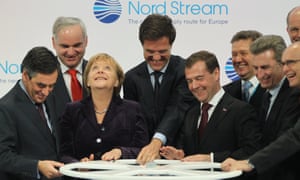
Germany has been forced to admit it was a terrible mistake to become so dependent on Russian oil and gas. So why did it happen?
Written by Patrick Wintour, read by Andrew McGregor and produced by Tony Onuchukwu. Executive producers: Max Sanderson and Isabelle Roughol
Tiếp tục đọc “‘We were all wrong’: how Germany got hooked on Russian energy – podcast”

Analysis by Tara Subramaniam, CNN Business
Updated 0046 GMT (0846 HKT) June 26, 2022
‘Years of economic mismanagement’: Why Sri Lanka has a fuel crisis 05:11
(CNN Business)In Sri Lanka, people queue for miles to fill a tank of fuel. In Bangladesh, shops shut at 8 p.m. to conserve energy. In India and Pakistan, power outages force schools to shut, businesses to close and residents to swelter without air conditioning through deadly heat waves in which temperatures top 100 degrees Fahrenheit (37 degrees Celsius).
These are just some of the more eye-catching scenes playing out in the Asia Pacific region, where various countries are facing their worst energy crisis in years — and grappling with the growing discontent and instability caused by knock-on increases in the cost of living.
Tiếp tục đọc “Energy prices are causing chaos in Asia. Here’s why the rest of the world should worry”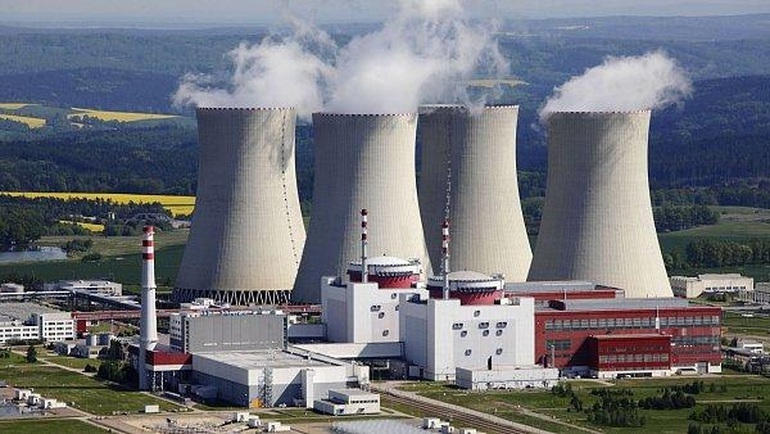
DT – Thứ ba, 21/06/2022 – 12:00
Vấn đề điện hạt nhân tiếp tục được đề cập tại kỳ họp Quốc hội vừa qua. Theo Ủy ban Kinh tế, với lộ trình giảm phát thải tiến tới đạt mức phát thải ròng bằng 0 vào năm 2050, đây là lĩnh vực cần được nghiên cứu, xem xét trong quá trình phát triển giai đoạn tiếp theo.
Quốc hội nước ta đã phê duyệt chủ trương xây dựng nhà máy điện hạt nhân Ninh Thuận năm 2009 và Thủ tướng đã phê duyệt quy hoạch 8 địa điểm xây dựng các nhà máy. Năm 2016 vì các lý do khách quan, Quốc hội ban hành nghị quyết dừng thực hiện dự án này. 8 địa điểm đã được quy hoạch trong quyết định của Thủ tướng, trong đó có 2 địa điểm ưu tiên tại Ninh Thuận (Phước Dinh và Vĩnh Hải) được sử dụng cho nhà máy điện hạt nhân đầu tiên, đến nay về nguyên tắc đang được bảo lưu, chờ quyết định mới của Thủ tướng.
Tại nghị trường vừa qua, một đại biểu đề nghị xóa bỏ quy hoạch các địa điểm này, số khác muốn duy trì để sử dụng khi tái khởi động dự án điện hạt nhân Ninh Thuận trong tương lai. Bộ trưởng Bộ Công Thương thì khẳng định việc dừng thực hiện chủ trương đầu tư dự án điện hạt nhân Ninh Thuận không có nghĩa là “hủy bỏ”. Như vậy đây là vấn đề còn bỏ ngỏ, chờ quyết định cuối cùng của cấp có thẩm quyền.
15:09 | 02/06/2022
– Ngày 2/6/2022, tại Hà Nội, Bộ Công Thương phối hợp với Đại sứ quán Đan Mạch tổ chức Lễ ra mắt Báo cáo triển vọng năng lượng Việt Nam 2021. Thứ trưởng Bộ Công Thương ông Đặng Hoàng An và Đại sứ Đan Mạch tại Việt Nam ông Kim Højlund Christensen đồng chủ trì sự kiện.
8 phát hiện và khuyến nghị chính của Báo cáo Triển vọng năng lượng Việt Nam 2021:
1. Hoàn toàn khả thi để phát triển một hệ thống năng lượng có mức phát thải ròng bằng không với chi phí tăng thêm chỉ 10% so với kịch bản cơ sở nếu thực hiện đúng cách.
2. Để đạt được mức phát thải ròng bằng không vào năm 2050 với chi phí thấp nhất, các nguồn năng lượng tái tạo cần là nguồn thay thế chính cho nhiên liệu hoá thạch. Hệ thống điện cần đáp ứng 70% nhu cầu năng lượng vào năm 2050. Các nguồn năng lượng tái tạo chính là điện mặt trời (75%) và điện gió (21%).
3. Quá trình chuyển đổi xanh của hệ thống điện cần nhiều vốn, tương đương mức đầu tư 167 tỷ USD/năm vào năm 2050 với kịch bản net-zero, tức là khoảng 11% GDP dự kiến năm 2050. Do đó việc tiếp cận các giải pháp tài chính chi phí thấp là tối cần thiết.
Tiếp tục đọc “Công bố Báo cáo triển vọng năng lượng Việt Nam 2021 – Đan Mạch khuyến nghị “
By Michael Edesess | May 5, 2022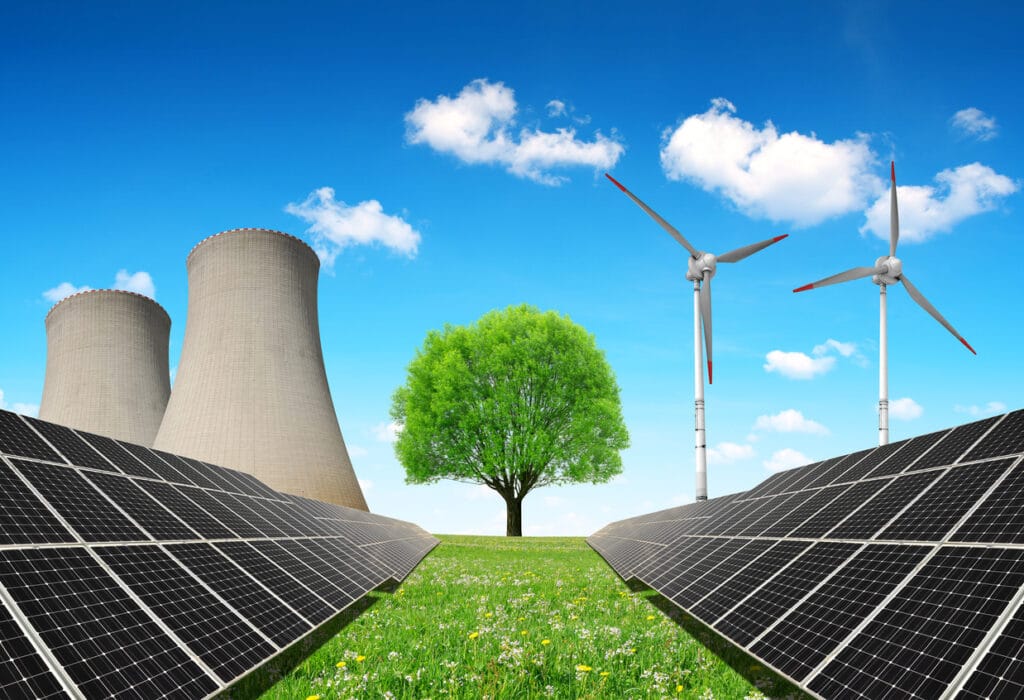
One of my favorite quotes is from Sherlock Holmes: “Once you have eliminated the impossible, whatever remains, however implausible, must be the truth.”[1] This motto implicitly guides the ambitious plan to decarbonize all energy envisioned by most renewable energy enthusiasts. The only problem is that, not only is the alternative they dismiss not impossible, it could be much less implausible than the one they advocate.
The renewables army. A huge number of extremely earnest and bright people are working on trying to make the renewable energy future come true. They work at, or have passed through, the most elite institutions of our time, the top universities, the top financial firms, the most innovative corporations and startups. At the center of much of their effort is the Rocky Mountain Institute, the nonprofit research think-tank whose board I chaired more than 20 years ago. (They call it a “think-and-do” tank, which is more fitting.) RMI coordinates meetings (recently mostly Zoom meetings) with very smart participants from some of the foremost companies working on decarbonizing their businesses, companies like Google, Apple, Microsoft. It’s a pleasure to watch them think, discuss, and work out problems. It was an enormous pleasure to be on RMI’s board, especially to interact intellectually with the most brilliant individual I have ever met, RMI’s co-founder Amory Lovins.
The first phase of the global energy crunch was driven by the natural gas shortage, now comes the coal crisis.
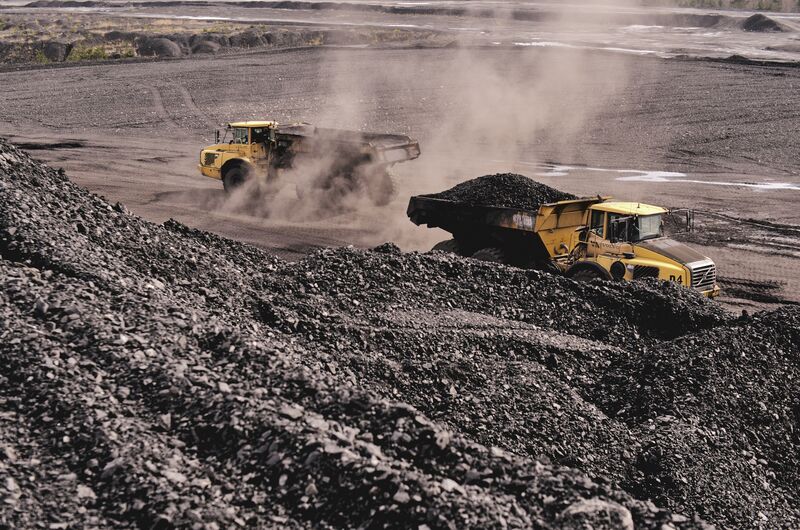
By Will Wade and Stephen Stapczynski
25 April 2022, 11:01 GMT+7
In Germany and Italy, coal-fired power plants that were once decommissioned are now being considered for a second life. In South Africa, more coal-laden ships are embarking on what’s typically a quiet route around the Cape of Good Hope toward Europe. Coal burning in the U.S. is in the midst of its biggest revival in a decade, while China is reopening shuttered mines and planning new ones
Tiếp tục đọc “Russia’s War Is Turbocharging the World’s Addiction to Coal”
wsj – The U.S. is investigating whether solar panels shipped from Malaysia, Thailand, Vietnam and Cambodia dodge decade-old China tariffs

By Niharika MandhanaFollow
Apr. 15, 2022 10:00 am ETPRINTTEXT
SINGAPORE—For the past five years, Southeast Asia has ranked as America’s top source of solar panels from abroad, driven in large part by Chinese manufacturers who expanded into the region after the U.S. in 2012 imposed duties on exports from China. A new U.S. probe has cast a shadow over that growth run.
Washington wants to know how much China-made material is used in solar panels shipped from Malaysia, Vietnam, Thailand and Cambodia—countries that accounted for 85% of American imports last year. It is investigating whether producers do small-time processing in these countries to skirt tariffs while reaching back into China-based supply chains for critical components.
Tiếp tục đọc “Probe threatens Southeast Asia’s role as U.S.’s top solar supplier”
Hoàng Thanh/nld.com.vn – 22/04/2022
Sau 9 năm thu hồi đất để làm thủy điện Đắk Đrinh là tình trạng dân làng đánh nhau vì tranh giành đất, là khu tái định cư bỏ hoang, mục nát vì dân không ở.
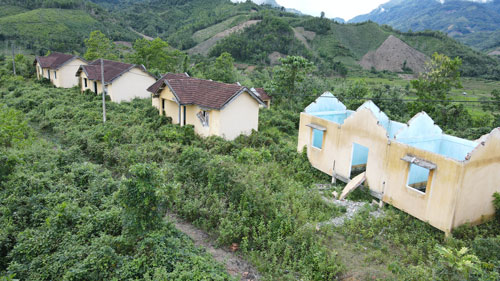
Thủy điện Đắk Đrinh nằm trên địa bàn 2 tỉnh Kon Tum và Quảng Ngãi với công suất 125 MW. Năm 2013, để thực hiện dự án này, hàng trăm hộ dân của xã Đắk Nên, huyện Kon Plong, tỉnh Kon Tum đã phải nhường toàn bộ nhà cửa, đất đai của mình. Đến nay, sau 8 năm kể từ khi thủy điện hoàn thành, chi phí bồi thường vẫn chưa được giải quyết dứt điểm. Theo ông Trần Thanh Minh, Chủ tịch UBND xã Đắk Nên, huyện Kon Plông, chỉ riêng ở xã này thì chủ đầu tư vẫn còn nợ hơn 33 tỉ đồng tiền bồi thường, hỗ trợ các hộ bị ảnh hưởng.
This paper discusses the evolving rules and policies of wholesale markets that can create barriers to local governments’ achievement of an effective and rapid clean energy transition. The report reviews the current barriers associated with transmission, market rules, and stakeholder processes across these markets while considering how these barriers affect local government clean energy and decarbonization goals, and the role of effective engagement in addressing these barriers.

DOI https://doi.org/10.46830/wriwp.21.00097
RegionNorth AmericaMarch 30, 2022
This Working Paper is part of Electricity Market Design within our Energy Program. Reach out to Zach Greene for more information.
Authors
Elise Caplan, Zach Greene, Joseph Womble, Katrina McLaughlin and Lori Bird
Quỳnh Thư – 21/02/2022 10:30
(KTSG Online) – Đáng buồn là chuyện khan hiếm xăng ở nhiều nơi tại TPHCM lại rơi vào đúng kịch bản đã được cảnh báo từ trước. Mấy ngày hôm nay, nhiều người tiêu dùng tại TPHCM gặp một hiện tượng mà báo Tuổi Trẻ gọi là “cây xăng ba ngón tay”. Báo này đăng ảnh một nhân viên bán xăng đưa ba ngón tay về phía khách hàng ngụ ý chỉ bán cho mỗi người 30.000 đồng tiền xăng! Bài báo nói thẳng: “cây xăng găm hàng”(*).
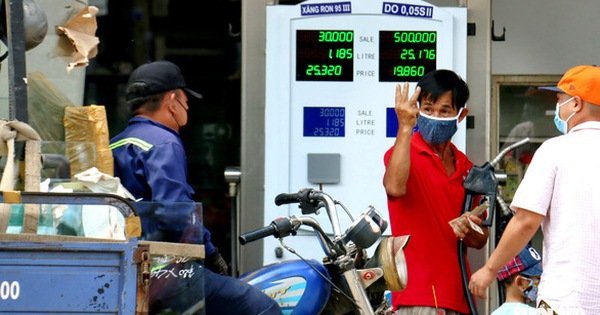
“Cây xăng ba ngón tay”
January 25, 2022 | 17:00
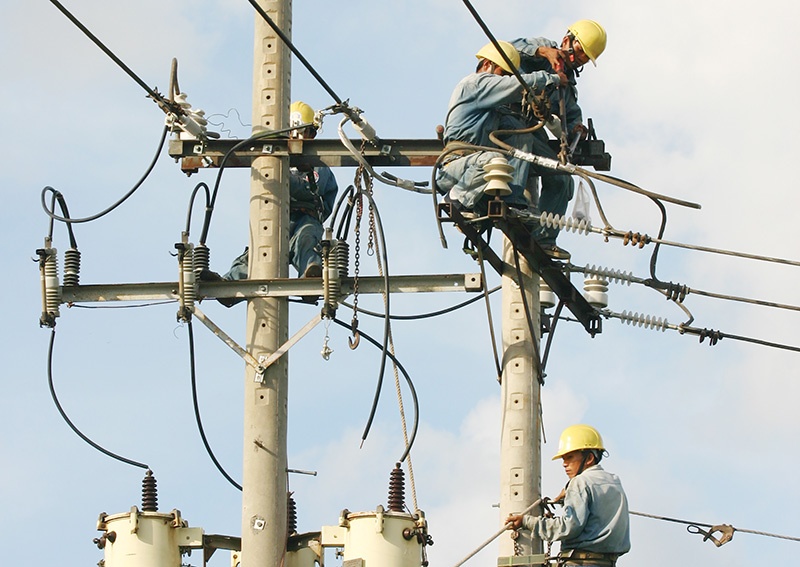
A retail electricity market would mark a step towards market liberalisation efforts that enable consumers to choose who they wish to buy electricity from. To realise such a market, Vietnam’s Law on Electricity, as well as related documents will require certain adjustments to accommodate purchase agreements and other tools.
 |
| Electricity market revamp on cards |
The Electricity Regulatory Authority of Vietnam (ERAV) is finalising its report to the prime minister about planned direct power purchase agreements (DPPA) – a mechanism to allow renewable energy producers to sell electricity directly to end-users, as Nguyen Anh Tuan, director of the authority said on January 18.
The DPPA mechanism, if implemented, will be the first step in the development of the electricity retail market, allowing renewable energy generators with a capacity greater than 30MW to sell to customers for industrial production purposes. Parties can negotiate and agree on purchase and sale prices through long-term contracts if the scale of their deal is not exceeding 1,000MW.
Since 2012, the electricity market has contributed to increasing transparency in mobilising power plants, creating a competitive environment, enhancing the initiative of market participants, and gradually abolishing the monopoly in the industry.
The Lao Government has given the green light for two private companies to carry out a feasibility study on the construction of a 220kV transmission line which would carry electricity from five dams in northern Laos to Vietnam.
VNA Tuesday, February 08, 2022 14:55
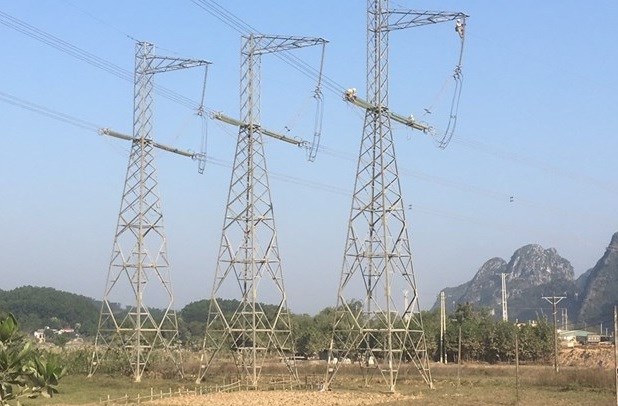
If the study is approved, the line will transmit electricity from Nam Ou dams No.3, 4, 5, 6 and 7 through Luang Prabang and Phongsaly provinces to Vietnam.
Tiếp tục đọc “Laos allows private firms to study building power line to Vietnam”
Lan Nhi – 09/02/2022 16:39
(KTSG Online) – Công ty TNHH Lọc hoá dầu Nghi Sơn (NSRP), nơi đảm bảo 30-35% nguồn cung xăng dầu trong nước, chỉ cắt giảm sản lượng 20% thì thị trường xăng dầu trong nước, nhất là khu vực miền Nam, đã lao đao từ tháng 1 đến nay. Tuy nhiên, hệ lụy của việc này không dừng ở việc thiếu xăng dầu cục bộ tại một số địa phương.
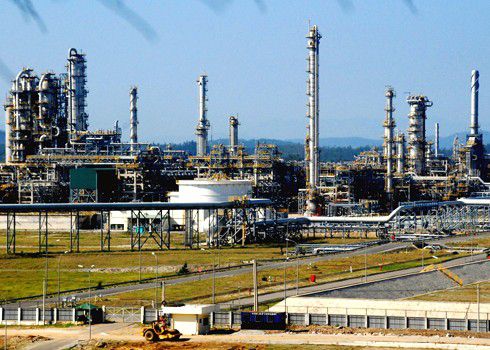
Hệ lụy đầu tiên mà ai cũng nhìn thấy là NSRP đã gây sức ép thành công để Tập đoàn Dầu khí Việt Nam (PVN) và Chính phủ phải thực hiện cam kết hỗ trợ tài chính cho dự án Nhà máy lọc dầu Nghi Sơn, hay nói khác đi là bù lỗ cho dự án.
 CVD
CVD 