ABD launches South, Southeast Asia clean transition fund

Alongside the GEAPP, the bank will support projects in India, Indonesia, Vietnam, Pakistan, and Bangladesh

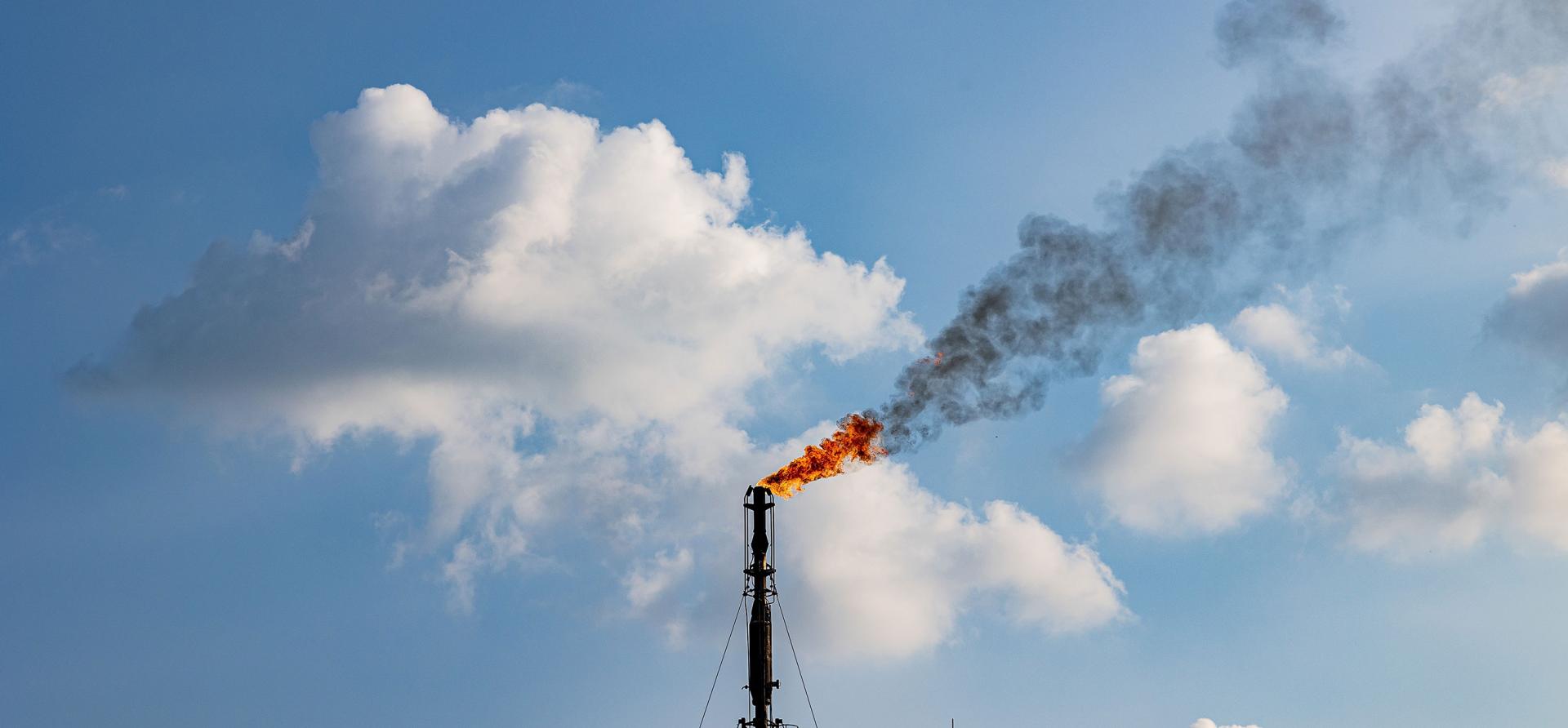
 14 April 2023  Other News[Image: Peter Franken/Unsplash] Renews.biz

RELATED STORIES

European Commission launches green industrial plan1 FEBRUARY 2023NZ investor sets up Singapore clean power arm10 SEPTEMBER 2021Asia Pacific renewables ‘cheaper than coal by 2030’26 NOVEMBER 2020Macquarie unveils 20GW clean power push25 SEPTEMBER 2019Swiss fund eyes green Asia11 JULY 2017

The Asian Development Bank (ADB) and the Global Energy Alliance for People and Planet (GEAPP) have launched a new capital fund to accelerate clean energy access and transitions in countries across South and Southeast Asia including India, Indonesia, Vietnam, Pakistan, and Bangladesh.

GEAPP will provide an initial US$35m of catalytic capital towards the fund, which will be established and administered by ADB. 

With this partnership ADB and GEAPP aim to address the challenges of climate change and energy access and transition in Asia and beyond.

Tiếp tục đọc “ABD launches South, Southeast Asia clean transition fund”

Germany bids farewell to its last nuclear plants, eyes hydrogen future

By FRANK JORDANStoday

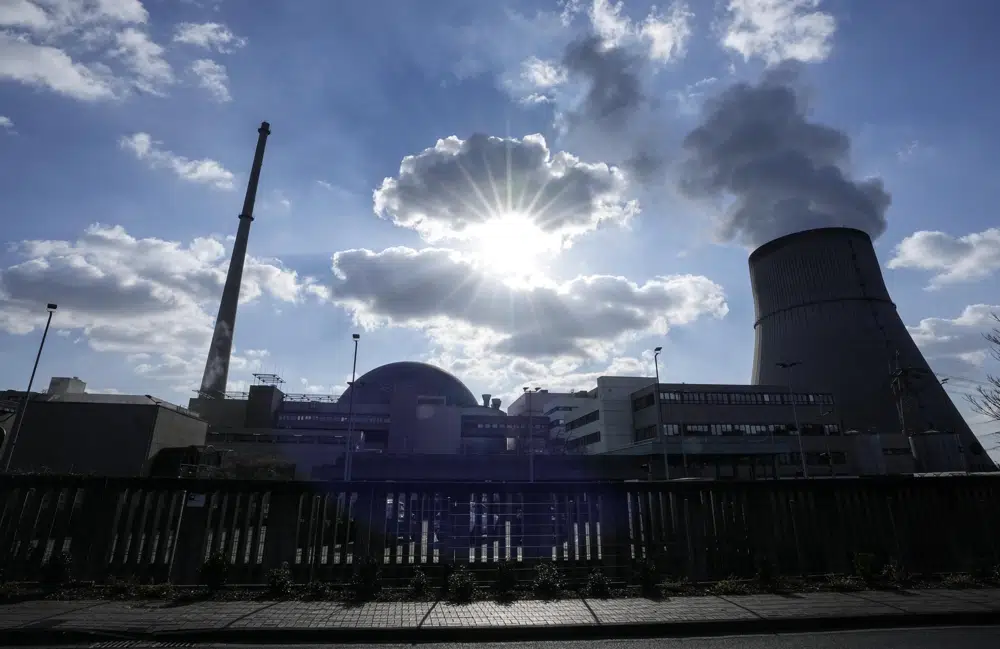
FILE - Water vapor rises from the RWE nuclear power plant Emsland in Lingen, western Germany, March 18, 2022. Germany is shutting down this nuclear power plant and two others on Saturday, April, 2023, as part of an energy transition agreed by successive governments. (AP Photo/Martin Meissner, File)

FILE – Water vapor rises from the RWE nuclear power plant Emsland in Lingen, western Germany, March 18, 2022. Germany is shutting down this nuclear power plant and two others on Saturday, April, 2023, as part of an energy transition agreed by successive governments. (AP Photo/Martin Meissner, File)

LINGEN, Germany (AP) — For 35 years, the Emsland nuclear power plant in northwestern Germany has reliably provided millions of homes with electricity and many with well-paid jobs in what was once an agricultural backwater.

Now, it and the country’s two other remaining nuclear plants are being shut down. Germany long ago decided to phase out both fossil fuels and nuclear power over concerns that neither is a sustainable source of energy.

Tiếp tục đọc “Germany bids farewell to its last nuclear plants, eyes hydrogen future”

Global Electricity Review 2023

Ember-climate.org

Wind and solar reached a record 12% of global electricity in 2022, and power sector emissions may have peaked.

Malgorzata Wiatros-Motyka

Senior Electricity Analyst

12 April 2023 | 85 min read

Ember’s fourth annual Global Electricity Review aims to provide the most transparent and up-to-date overview of changes in global electricity generation in 2022 and a realistic summary of how “on track” the electricity transition is for limiting global heating to 1.5 degrees.

The report analyses electricity data from 78 countries representing 93% of global electricity demand and includes estimated changes in the remaining generation. It also dives deeper into the top ten CO2 emitting countries and regions, accounting for over 80% of global CO2 emissions.

We make all of the data freely accessible to empower others to do their own analysis and help speed the switch to clean electricity. Use our Data Explorer to find out more.

Thank you to all of the contributors at Ember and to the peer reviewers on the Advisory Board.

Download report >>

Global Electricity Review 2023

Wind and solar reached a record 12% of global electricity in 2022, and power sector emissions may have peaked.

Malgorzata Wiatros-Motyka

Senior Electricity Analyst

12 April 2023 | 85 min read

Avail

About

Ember’s fourth annual Global Electricity Review aims to provide the most transparent and up-to-date overview of changes in global electricity generation in 2022 and a realistic summary of how “on track” the electricity transition is for limiting global heating to 1.5 degrees.

The report analyses electricity data from 78 countries representing 93% of global electricity demand and includes estimated changes in the remaining generation. It also dives deeper into the top ten CO2 emitting countries and regions, accounting for over 80% of global CO2 emissions.

We make all of the data freely accessible to empower others to do their own analysis and help speed the switch to clean electricity. Use our Data Explorer to find out more.

Thank you to all of the contributors at Ember and to the peer reviewers on the Advisory Board.

Executive summary

Wind and solar reach a record 12% of global electricity in 2022

As soon as 2023, wind and solar could push the world into a new era of falling fossil generation, and therefore of falling power sector emissions.

The global electricity sector is the first sector that needs to be decarbonised, in parallel with electricity demand rising, as electrification unlocks emissions cuts throughout the entire economy. The IEA Net Zero Emissions scenario points to a 2040 net zero power sector; ten years ahead of a net zero economy in 2050. Tracking the electricity transition, therefore, is critical to assess our climate progress.

The decarbonisation of the power sector is underway, as record growth in wind and solar drove the emissions intensity of the world’s electricity to its lowest ever level in 2022. It will be an impressive moment when power sector emissions begin to fall year-on-year, but the world is not there yet, and emissions need to be falling fast.

  • 01 Electricity at its cleanest, as wind and solar generate 12% of global power. The carbon intensity of global electricity generation fell to a record low of 36 gCO2/kWh in 2022, the cleanest-ever electricity. This was due to record growth in wind and solar, which reached a 12% share in the global electricity mix, up from 10% in 2021. Together, all clean electricity sources (renewables and nuclear) reached 39% of global electricity, a new record high. Solar generation rose by 24%, making it the fastest-growing electricity source for 18 years in a row; wind generation grew by 17%. The increase in global solar generation in 2022 could have met the annual electricity demand of South Africa, and the rise in wind generation could have powered almost all of the UK. Over sixty countries now generate more than 10% of their electricity from wind and solar. However, other sources of clean electricity dropped for the first time since 2011 due to a fall in nuclear output and fewer new nuclear and hydro plants coming online.
  • 02 Limited coal increase, gas plateaus. Power sector emissions rose in 2022 (+1.3%), reaching an all-time high. Electricity is cleaner than ever, but we are using more of it. Coal generation increased by 1.1%, in line with average growth in the last decade. The ‘coal power phasedown’ agreed at COP26 in 2021 may not have begun in 2022, but also the energy crisis didn’t lead to a major increase in coal burn as many feared. Gas power generation fell marginally (-0.2%) in 2022–for the second time in three years–in the wake of high gas prices globally. Gas-to-coal switching was limited in 2022 because gas was already mostly more expensive than coal in 2021. Only 31 GW of new gas power plants were built in 2022, the lowest in 18 years. But 2022 saw the lowest number of coal plant closures in seven years, as countries look to maintain back-up capacity, even as the transition picks up speed. 
  • 032022 may be “peak” power emissions. Wind and solar are slowing the rise in power sector emissions. If all the electricity from wind and solar instead came from fossil generation, power sector emissions would have been 20% higher in 2022. The growth alone in wind and solar generation (+557 TWh) met 80% of global electricity demand growth in 2022 (+694 TWh). Clean power growth is likely to exceed electricity demand growth in 2023; this would be the first year for this to happen outside of a recession. With average growth in electricity demand and clean power, we forecast that 2023 will see a small fall in fossil generation (-47 TWh, -0.3%), with bigger falls in subsequent years as wind and solar grow further. That would mean 2022 hit “peak” emissions. A new era of falling power sector emissions is close.

Download report >>

Saudi Arabia và Iran: Bán anh em xa…

SÁNG ÁNH 25/03/2023 13:32 GMT+7

TTCTSaudi Arabia làm lành với Iran mở ra hy vọng về một Trung Đông bớt đi những tang thương bom đạn.

4 h sáng 14-9-2019, quân Houthi (thân Iran) từ Yemen bắn qua Saudi 25 máy bay không người lái, có lẽ giá thành là 15.000 USD một chiếc, tức tổng trị giá 375.000 USD. 19 chiếc trúng đích là khu Nhà máy dầu Abqaiq-Khurais, làm tê liệt sản xuất trong hai tuần. 

Khu nhà máy này chiếm 1/2 sản xuất dầu của Saudi (mà dầu của Saudi thì chiếm 5% của thế giới) – khoảng 5,7 triệu thùng/ngày.

Cuộc tấn công khiến Saudi mất 365 triệu đô la một ngày với giá dầu lúc đó là 64 USD/thùng. Tuy dần dà cũng khắc phục được, thị trường chứng khoán Saudi mất ngay 40 tỉ USD. 

Tiếp tục đọc “Saudi Arabia và Iran: Bán anh em xa…”

Doanh nghiệp mòn mỏi chờ cơ chế đấu nối điện mặt trời – “Mắc cạn” điện mặt trời, điện gió (3 bài)

VNE – Thứ tư, 22/2/2023, 20:32 (GMT+7)

Doanh nghiệp mòn mỏi chờ cơ chế đấu nối điện mặt trời

Hai năm kể từ khi Tập đoàn Điện lực Việt Nam (EVN) công bố tạm ngừng đấu nối điện mặt trời mái nhà, các doanh nghiệp vẫn mòn mỏi chờ cơ chế.

Băn khoăn về chính sách điện mặt trời được nhiều doanh nghiệp nêu tại buổi giám sát Việc thực hiện chính sách, pháp luật về phát triển năng lượng giai đoạn 2016-2021 của Đoàn đại biểu Quốc hội TP HCM, ngày 22/2.

Tổng giám đốc Công ty Sao Nam Nguyễn Thượng Quân, chuyên sản xuất điện mặt trời, cho biết Việt Nam khuyến khích phát triển điện mặt trời từ năm 2016, nhiều doanh nghiệp và người dân đua nhau đầu tư. Lượng điện này sẽ hoà vào mạng lưới quốc gia và được EVN mua theo giá FIT 2 trong vòng 20 năm. Tuy nhiên, chính sách này hết hiệu lực vào 31/12/2020, từ đó đến nay, hệ thống điện mặt trời không còn được đấu nối vào lưới điện.

Lắp đặt điện mặt trời mái nhà tại TP HCM. Ảnh: EVNHCM.

Tiếp tục đọc “Doanh nghiệp mòn mỏi chờ cơ chế đấu nối điện mặt trời – “Mắc cạn” điện mặt trời, điện gió (3 bài)”

Tái cơ cấu ngành Công thương: Loại bỏ bao cấp, độc quyền ngành năng lượng

Đề án tái cơ cấu ngành Công thương đến năm 2030 nêu rõ, kiên quyết loại bỏ bao cấp, độc quyền, thiếu minh bạch ngành năng lượng.

baogiaothong.vn

Phó Thủ tướng Chính phủ Trần Hồng Hà vừa ký Quyết định 165/QĐ-TTg phê duyệt Đề án tái cơ cấu ngành Công Thương giai đoạn đến năm 2030.

Mục tiêu tổng quát của Đề án là tái cơ cấu ngành Công thương nhằm thúc đẩy chuyển dịch cơ cấu nền kinh tế, nâng cao năng suất, chất lượng, giá trị gia tăng và năng lực cạnh tranh của ngành…

Với mục tiêu này, Bộ Công thương cũng được đề ra từng nhiệm vụ cụ thể, bao gồm: Tái cơ cấu ngành công nghiệp, tái cơ cấu ngành năng lượng, tái cơ cấu lĩnh vực xuất nhập khẩu, tái cơ cấu thị trường trong nước và hội nhập kinh tế quốc tế.

tái cơ cấu ngành công thương: loại bỏ bao cấp, độc quyền ngành năng lượng

Tiếp tục đọc “Tái cơ cấu ngành Công thương: Loại bỏ bao cấp, độc quyền ngành năng lượng”

Trợ cấp nhiên liệu đi ngược xu hướng phát triển bền vững

Song Hảo – Thứ Bảy, 10/09/2022

(KTSG) – Đức đã quyết định tăng thêm 40 tỉ euro (40 tỉ đô la) cho trợ cấp năng lượng để giúp người dân đỡ gánh nặng chi tiêu trong mùa đông khắc nghiệt sắp tới. Trong khi đó, Indonesia lại quyết định tăng giá nhiên liệu thêm 30% sau khi lo ngại ngân khố không kham nổi.

Hai chính sách có vẻ trái chiều của hai nền kinh tế lớn nhất EU và ASEAN buộc các nhà quan sát nhìn lại mặt trái của chính sách trợ cấp nhiên liệu. Liệu người nghèo có được bảo vệ tốt hơn trong các chính sách này và liệu các gói trợ cấp như vậy có đang song hành với trào lưu năng lượng sạch trên toàn cầu.

Tiếp tục đọc “Trợ cấp nhiên liệu đi ngược xu hướng phát triển bền vững”

Big Oil’s Big Lies: How the industry denied global warming – 2 parts

Big Oil’s Big Lies: How the industry denied global warming – Part 1 | People and Power

https://www.youtube.com/watch?v=Oq8_YRXjJk4

Big Oil’s Big Lies: How the industry denied global warming – Part 2 | People and Power

https://www.youtube.com/watch?v=ujOrbr5hKRE

Al Jazeera English – 9-2-2023

More than 40 years ago, the world’s largest and most profitable oil companies began to understand the effects their products were having on our climate. Their own scientific research told them so – well before it became common knowledge.

But for the next four decades – time we could have better spent transitioning to greener forms of energy – they sought to discredit and downplay evidence of global warming and the calamities it would lead to; wildfires, rising sea levels, extreme storms and much else besides. Tiếp tục đọc “Big Oil’s Big Lies: How the industry denied global warming – 2 parts”

Xung đột nguồn nước: Đi tìm lời giải?

tiasang  – Thanh An

Ô nhiễm môi trường và biến đổi khí hậu khiến cơn khát “giọt nước, giọt vàng” xuất hiện thường xuyên ở nhiều vùng đất, qua đó châm ngòi cho những xung đột nguồn nước.

Dòng Vu Gia – Thu Bồn là khởi nguồn của xung đột nguồn nước diễn ra trong nhiều năm. Nguồn: Báo Đà nẵng.

Một tương lai ngày càng khát

Chảy qua hai xã cạnh nhau là Đại Đồng và Đại Quang, huyện Đại Lộc (tỉnh Quảng Nam), suối Mơ và suối Thơ không chỉ có vẻ đẹp nguyên sơ thu hút nhiều du khách mà còn là nguồn cấp nước quan trọng cho người dân nơi đây. Tuy nhiên, cuộc sống xoay quanh hai con suối không thơ mộng như cái tên của nó: “Hầu như năm nào ở đây cũng xảy ra xung đột nghiêm trọng vào mùa khô do khan hiếm nước. Cả hai xã đều cho rằng nguồn nước không được quản lý và phân bổ công bằng. Xung đột vẫn diễn ra hằng năm và vẫn chưa tìm được biện pháp phù hợp để giải quyết vấn đề”, PGS.TS. Huỳnh Văn Chương, Chủ tịch Hội đồng Đại học Huế, kể lại sau chuyến khảo sát về tình trạng tranh chấp nước ở khu vực này vào năm 2019.

Tiếp tục đọc “Xung đột nguồn nước: Đi tìm lời giải?”

The Global Energy Crisis 2021-2023 and Political Upheaval: Could It Get Worse?

energytracker.com

What started as a sharp post-pandemic rise in energy prices in mid-2020 has turned into a full-blown global energy crisis. How is this affecting the political stability of countries?

17 January 2023 – by Heba Hashem

Last updated on 24 January 2023

The world is going through a global energy crisis. Fuel costs affect many parts of daily life, including energy for heating and lighting, individual travel and commodities transportation.

The world is now facing a cost-of-living catastrophe. Millions of households are struggling to cover basic needs after energy prices spiked to levels not seen in decades.

Is There a Global Energy Crisis Today in 2023?

Actually, there is a global energy crisis. From Indonesia to the UK and Peru, people across the globe have taken their anger to the streets. As many as 92 countries witnessed protests against high fuel prices between January and September 2022. These include developed European countries like France, Spain and the UK.

Tiếp tục đọc “The Global Energy Crisis 2021-2023 and Political Upheaval: Could It Get Worse?”

REPowerEU: affordable, secure and sustainable energy for Europe

Tweet

European Commission  @EU_Commission

EU official organization

Contrary to Russia’s plans, Europe has secured enough energy to be safe this winter. Thanks to the efforts of Europeans, we have cut our gas use by 20%, well above our target of 15% set in July. More about the #REPowerEU plan → http://europa.eu/!wbD6NW

________________

Tiếp tục đọc “REPowerEU: affordable, secure and sustainable energy for Europe”

Đầu tư cho KH&CN hạt nhân thế nào cho hiệu quả?

TS – Thanh Nhàn

Nếu đơn thuần chỉ nhìn vào lợi ích kinh tế, rất nhiều người không thấy được giá trị mà cơ sở hạ tầng khoa học và các thiết bị nghiên cứu lớn như lò phản ứng nghiên cứu có thể đem lại cho một ngành, nhiều ngành, thậm chí cho cả xã hội.

Đoàn công tác VINATOM làm việc với TS. Khaled Toukan, Chủ tịch Ủy ban Năng lượng nguyên tử Jordan và các cán bộ của Ủy ban.

Jordan tháng mười một, khoảng thời gian đẹp nhất, dễ chịu nhất trong năm của quốc gia có khí hậu theo kiểu Địa Trung Hải: mát mẻ, nhiều mưa vào mùa đông và nóng khô mùa hè. Mặc dù thuộc về khu vực Trung Đông, kho dầu mỏ hàng đầu thế giới, nhưng vùng đất này không có nhiều tài nguyên thiên nhiên, và đặc biệt không có dầu mỏ. Có lẽ, đây là một phần lý do giải thích vì sao giữa các quốc gia Trung Đông giàu có nhờ khai thác vàng đen như UAE, Qatar, Kuwait… thì Jordan lại có vẻ kém tiếng, thậm chí lép vế. Tuy nhiên đó đã là quá khứ bởi từ năm, sáu năm trở lại đây, Jordan đã nổi lên như một hiện tượng. “Jordan hầu như đã đạt tới tầm quốc tế trong lĩnh vực năng lượng nguyên tử, họ đang dần dần phát triển theo hướng đó bởi có trong tay những cơ sở hạ tầng mơ ước nhất về năng lượng nguyên tử và vật lý hạt nhân là lò phản ứng nghiên cứu đa mục tiêu và trung tâm máy gia tốc Synchrotron. Và hơn nữa, họ có những con người có năng lực và tầm nhìn”, TS. Trần Chí Thành, Viện trưởng Viện Năng lượng nguyên tử Việt Nam (VINATOM), nhận xét như vậy ngay khi còn chưa rời Jordan.

Tiếp tục đọc “Đầu tư cho KH&CN hạt nhân thế nào cho hiệu quả?”

Thổn thức bản nghèo (3 kỳ)

Thổn thức bản nghèo-Kỳ 1: Bóng tối dưới chân đèn

02/08/2022 | 10:32

TP Trong chiều dài một km nhưng sông Nậm Mộ đã phải gánh 3 nhà máy thủy điện. Hệ lụy nhãn tiền, người dân oằn mình chịu đựng. Lợi đâu chưa thấy nhưng khó khổ đã thấy nhiều.

Những hộ dân ở bến thượng lưu lòng hồ thủy điện Bản Vẽ

Ngược dòng Nậm Mộ

Giữa tháng 7, chúng tôi trở lại xã Tà Cạ, huyện Kỳ Sơn (Nghệ An). Con đường xưa cũ nay được mở rộng, thảm nhựa giúp chúng tôi đến với Tà Cạ nhanh hơn. Những bản làng nằm vắt vẻo bên sườn núi, bờ sông là nơi sinh tồn bao đời nay của cộng đồng dân tộc Thái, Khơ Mú…. Giao thông đã thuận lợi hơn những năm về trước nhưng Tà Cạ vẫn thế, như một đóa hoa rừng chưa đến thì bung nở. “Thủy điện lần lượt chắn dòng, sông Nậm Mộ bị chia cắt thành nhiều đoạn, chỉ 1km đã có 3 nhà máy, nếu tính mật độ và số lượng nhà máy thủy điện thì không địa phương nào nhiều hơn Tà Cạ. Thế nhưng, 3 bản của xã vẫn chưa có điện lưới. Ánh sáng từ điện còn chưa có, nói gì đến phát triển kinh tế”, ông Vi Văn Mằn – Chủ tịch xã Tà Cạ trầm buồn lí giải.

Tiếp tục đọc “Thổn thức bản nghèo (3 kỳ)”

Opinion: Energy importers must consider true ‘sustainability’ of Laos hydropower

Proponents describe regional power grids as a way to promote economic growth, energy security and renewables in Southeast Asia, but this might come at a heavy cost

Lat Tha Hae temple in Luang Prabang province, Laos, half submerged by the Nam Ou 1 hydropower dam (Image: Ton Ka/China Dialogue)

Ming Li Yong

the third pole – August 23, 2022

On 23 June 2022, the import of 100 megawatts (MW) of hydropower from Laos to Singapore through Thailand and Malaysia was hailed as a historic milestone. Part of a pilot project known as the Lao PDR-Thailand-Malaysia-Singapore Power Integration Project (LTMS-PIP), this event represented Singapore’s first ever import of renewable energy, and also the first instance of cross-border electricity trade involving four countries from the Association of Southeast Asian Nations (ASEAN).

However, this development takes place amid rising concerns for the ecological future of the transboundary Mekong River and the millions of people who depend on it. A 2018 study by the Mekong River Commission concluded that further hydropower development on the river would negatively affect ecosystems, and would reduce soil fertility, rice production, fish yields and food security, while increasing poverty in the river basin.

Tiếp tục đọc “Opinion: Energy importers must consider true ‘sustainability’ of Laos hydropower”

In the Mekong Basin, an ‘unnecessary’ dam poses an outsized threat

  • A dam being built in Laos near the border with Cambodia imperils downstream communities and the Mekong ecosystem as a whole, experts and affected community members say.
  • The Sekong A dam will close off the Sekong River by the end of this year, restricting its water flow, blocking vital sediment from reaching the Mekong Delta in Vietnam, and cutting off migration routes for a range of fish species.
  • Experts say the energy to be generated by the dam — 86 megawatts — doesn’t justify the negative impacts, calling it “an absolutely unnecessary project.”
  • This story was supported by the Pulitzer Center’s Rainforest Investigations Network where Gerald Flynn is a fellow.

Tiếp tục đọc “In the Mekong Basin, an ‘unnecessary’ dam poses an outsized threat”