Du lịch thích ứng thời tiết: Một chuyện từ nhà phao Tân Hóa

HUY NGUYỄN 18/03/2023 11:07 GMT+7

TTCT Sống thong dong trên những ngôi nhà phao ngay giữa mùa nước lũ, người dân Tân Hóa (Quảng Bình) từ lâu đã là một hình mẫu về du lịch thích ứng với thời tiết.

Vùng Tân Hóa, Quảng Bình (Ảnh: Oxalis cung cấp)

Xã Tân Hóa, huyện Minh Hóa được coi là rốn lũ của Quảng Bình, nơi nước lụt có thể dâng đến 10m trong khu dân cư. Đa số những hình ảnh nước ngập mái nhà mà chúng ta thấy trên truyền thông vào những năm có lụt được chụp ở Tân Hóa. 

Tiếp tục đọc “Du lịch thích ứng thời tiết: Một chuyện từ nhà phao Tân Hóa”

Coffee, rubber and many others affected by new EU policies on anti-deforestation

VNN – February, 25/2023 – 07:36

Việt Nam, one of the EU’s main importer of forestry-based products is facing great challenges in adapting to these new policies from the EU.

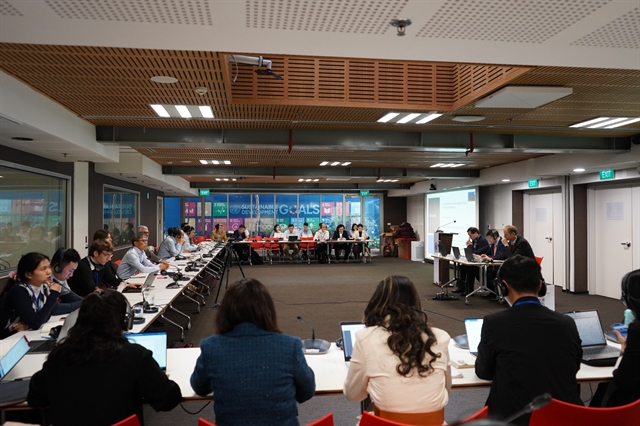
The workshop in Green One UN House in Hà Nội on Friday. — Photo courtesy of UNDP Việt Nam

HÀ NỘI — Around 90 per cent of deforestation in the world is currently provoked by the expansion of agricultural land, according to a report from the European Union.

This is one of the main reasons why the EU is enforcing regulations on trade in legal and “deforestation-free” commodities and products.

Tiếp tục đọc “Coffee, rubber and many others affected by new EU policies on anti-deforestation”

Những người tiên phong kéo sợi tơ từ lá dứa

Nông nghiệp – Thứ Tư 06/07/2022 , 06:35 (GMT+7)

Khi thấy cô người mẫu Tây mặc váy dệt bằng sợi tơ dứa của mình trình diễn tại Thụy Sĩ, Nguyễn Văn Hạnh, Vũ Thị Liễu – đồng sáng lập Ecosoi mừng muốn phát khóc.

Người mẫu mặc trang phục dệt bằng sợi tơ dứa của Ecosoi. Ảnh: Nhân vật cung cấp.
Người mẫu mặc trang phục dệt bằng sợi tơ dứa của Ecosoi. Ảnh: Nhân vật cung cấp.

Một bộ váy 5 – 6 triệu

Không mừng sao được khi các công ty may đang loay hoay tìm vùng nguyên liệu xanh và bền vững để đáp ứng nhu cầu xuất khẩu đi các thị trường khó tính như châu Âu, Nhật, trong khi đó Công ty CP Nghiên cứu sản xuất và Phát triển sợi (Ecosoi) mới thành lập đã tiên phong khai thác sợi từ lá dứa, biến rác phế phẩm nông nghiệp thành tài nguyên.

Tiếp tục đọc “Những người tiên phong kéo sợi tơ từ lá dứa”

Hơn 900 bãi chôn lấp rác, Việt Nam xử lý cách nào?

Tống Minh – 09:55 11/04/2020

(TN&MT) – Theo thống kê của Tổng cục Môi trường (Bộ Tài nguyên và Môi trường – TN&MT), tại Việt Nam hiện có hơn 900 bãi chôn lấp chất thải sinh hoạt, trong đó chưa đến 20% bãi chôn lấp hợp vệ sinh. Tình trạng ô nhiễm môi trường từ hàng trăm bãi chôn lấp này là hiện hữu.

Vẫn khó xử lý, cải tạo

Trong hơn 900 bãi chôn lấp chất thải sinh hoạt, ngoài 20% bãi chôn lấp hợp vệ sinh, còn lại là các bãi chôn lấp không hợp vệ sinh hoặc các bãi tập kết chất thải cấp xã. Một số bãi rác này hiện đã “đóng cửa”.

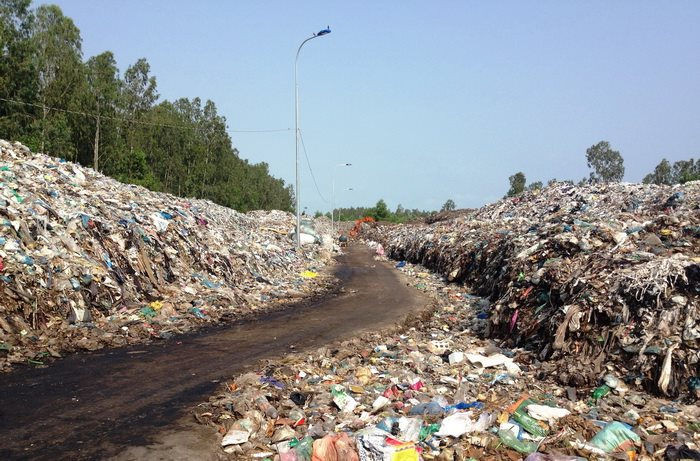
Việt Nam có hơn hơn 900 bãi chôn lấp chất thải sinh hoạt, có nguy cơ gây ô nhiễm môi trường

Tiếp tục đọc “Hơn 900 bãi chôn lấp rác, Việt Nam xử lý cách nào?”

Chợ “thịt thú rừng” vẫn nhộn nhịp trên đất Phật chùa Hương

Bảo An 03/02/2023 15:00:00

(CHG) Cứ đến dịp lễ hội, Chùa Hương lại tấp nập đón du khách thập phương hành hương về đất Phật. Lợi dụng sự đông đúc này, những chủ nhà hàng lại tiếp tục đeo bám, chèo kéo thực khách, và chợ “thịt thú rừng” lại mở nhộn nhịp như nhiều năm trước.

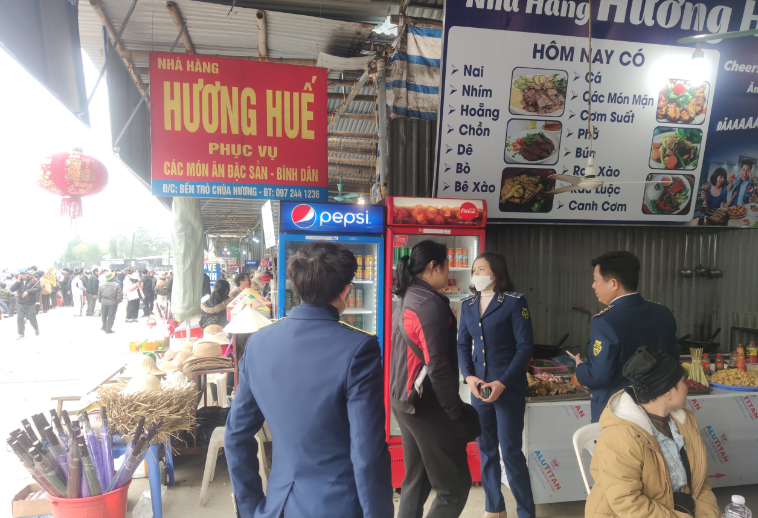
Các nhà hàng công khai treo biển quảng cáo bán thịt thú rừng 

Thay nhưng không đổi

Vẫn như mọi năm, khu chợ “thịt thú rừng” lại mở bán ở những hàng quán ăn ven bến đò và quảng cáo rầm rộ. Khu vực này có khoảng 30 nhà hàng, quán kinh doanh ăn uống, và hầu như nhà hàng, quán ăn nào cũng có thực đơn là những món “thịt thú rừng”, công khai quảng cáo là thịt hươu, nai, hoẵng, nhím, chồn….

Tiếp tục đọc “Chợ “thịt thú rừng” vẫn nhộn nhịp trên đất Phật chùa Hương”

Những “hiệp sĩ” giải cứu mèo hoang dã

27-01-2023 – 18:07|

(NLĐO)– Từ những việc làm thầm lặng, không ngại khó khăn, thậm chí là nguy hiểm, có thể lên đường bất cứ lúc nào của những “hiệp sĩ” yêu động vật, mà nhiều cá thể mèo hoang dã bất hạnh đã được giải cứu

Trung tâm Bảo tồn Động vật hoang dã tại Việt Nam (Save Vietnam’s Wildlife; gọi tắt là SVW) nằm tại Vườn Quốc gia Cúc Phương (huyện Nho Quan, tỉnh Ninh Bình) được xem là “ngôi nhà hạnh phúc” của rất nhiều loài động vật hoang dã. SVW đã phối hợp với các cơ quan chức năng ngăn chặn, giải cứu thành công hàng ngàn cá thể động vật hoang dã trước nạn săn bắt, buôn bán trái phép. Tại đây, nhiều cá thể mèo rừng may mắn được giải cứu, tái sinh thêm lần nữa.

Sẵn sàng lên đường bất cứ lúc nào

Những hiệp sĩ giải cứu mèo hoang dã - Ảnh 1.

Anh Trần Văn Trường chia sẻ với phóng viên về hành trình giải cứu mèo hoang dã trong suốt nhiều năm qua

Tiếp tục đọc “Những “hiệp sĩ” giải cứu mèo hoang dã”

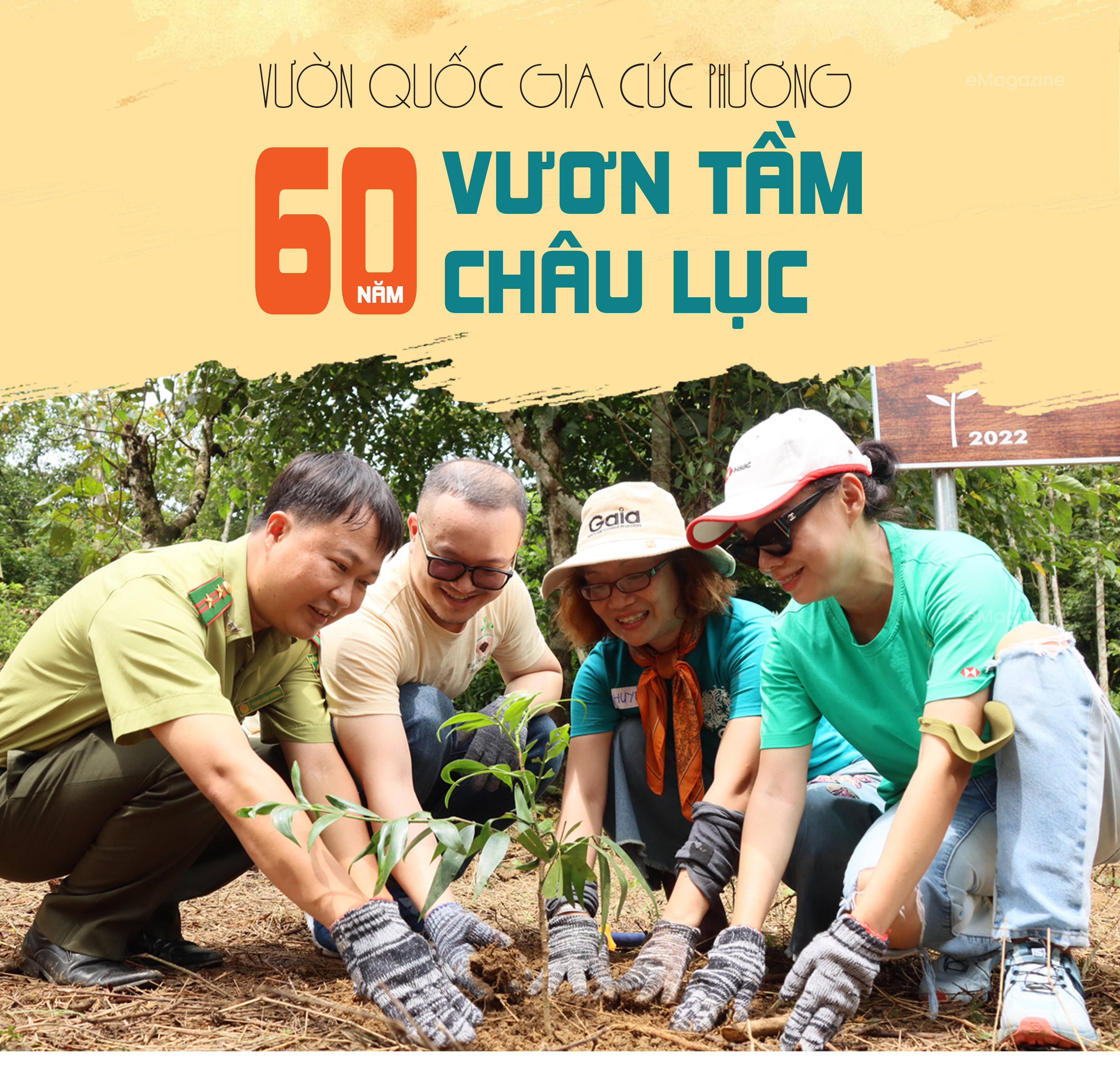
Vườn Quốc gia Cúc Phương: 60 năm vươn tầm châu lục

NNSau 60 năm hình thành và phát triển, Vườn Quốc gia Cúc Phương đã có những chương trình cứu hộ, bảo tồn, giáo dục về môi trường vươn đến tầm châu lục, thế giới.

Là vườn quốc gia đầu tiên của Việt Nam, ra đời vào năm 1962, đến nay Cúc Phương vẫn là vườn quốc gia đứng đầu cả nước về công tác bảo tồn đa dạng sinh học. Với hệ giá trị đặc biệt, từ địa chất địa mạo, cổ sinh học, lâm sinh, cảnh quan và văn hóa bản địa, Cúc Phương được so sánh ngang hàng với những khu rừng nhiệt đới hàng đầu thế giới.

Tiếp tục đọc “Vườn Quốc gia Cúc Phương: 60 năm vươn tầm châu lục”

Popular weedkiller Roundup on trial again as cancer victims demand justice

theguardian.com

Mike sitting in the living room of his Phoenix home. Contemplating what his latest biopsy results will reveal.
Mike Langford in the living room of his Phoenix home, contemplating what his latest biopsy results will reveal. Photograph: Matt Williams/The Guardian

A long list of upcoming trials complicating Bayer’s efforts to escape the costly, ongoing litigation over the health effects of Roundup

Cancer has taken an unrelenting toll on 72-year-old Mike Langford. After being diagnosed with non-Hodgkin lymphoma (NHL) in 2007 he suffered through five recurrences despite multiple rounds of chemotherapy and a stem cell transplant. Now he struggles with chemo-related neuropathy in his arms and legs, and new tests show the cancer is back.

Langford blames his cancer on his longtime use of the popular weed-killing product Roundup, which he applied countless times over decades using a backpack sprayer around his five-acre California property and a vacation lake home. He alleges in a lawsuit that Monsanto, the longtime Roundup maker now owned by the German company Bayer AG, should have warned of a cancer risk.

Last month, a San Francisco judge ruled that Langford’s health is so poor that he is entitled to a speedy hearing of his claims. A trial is set for 7 November in San Francisco county superior court.

“I’ve had it so long. I’m very angry,” Langford told the Guardian a day after doctors biopsied an enlarged lymph node. “The future doesn’t look too terribly promising,” he said, trying to hold back tears. He learned last week that the preliminary biopsy results show a return of NHL.

Tiếp tục đọc “Popular weedkiller Roundup on trial again as cancer victims demand justice”

Vietnam loses sacred cranes after habitat change

In 2020 and 2022, no sarus cranes were spotted in Cham Trim National Park. PHOTO: Nguyen Van Hung

mekongeye – By Tran Nguyen

19 September 2022 at 8:05 (Updated on 22 September 2022 at 17:13)

A vulnerable bird that usually migrated to the wetlands of the Mekong Delta has become a rare visitor to the area

DONG THAP, VIETNAM – Twenty years ago, Nguyen Van Liet took scientists to the wetlands near his hometown of Tram Chim on Vietnam’s Mekong Delta to find sarus cranes, a vulnerable bird species according to the IUCN Red List, native to Southeast Asia, South Asia and Australia.

“We had to go very early so the cranes wouldn’t know it,” Liet said of the expedition, which aimed to study the crane’s movements using a navigation device. “After sedating them, attaching tracking devices to their legs, the crew found shelter to wait for them to wake up and leave safely.”

Memories of those trips will forever be a source of pride for the 58-year-old. His efforts, no matter how humble, have contributed to helping Tram Chim become known worldwide as a place to preserve this rare crane species, which are world’s tallest flying birds.

Tiếp tục đọc “Vietnam loses sacred cranes after habitat change”

Hợp tác cấp vùng về thương mại điện năng

IUCN – 06 Th12, 2022

Trong lúc việc phát triển và mở rộng năng lượng mặt trời và gió sẽ là yếu tố quan trọng giúp Việt Nam giảm tiêu thụ than và đáp ứng yêu cầu trong lộ trình thực hiện các cam kết tại COP26, thì việc tăng cường nhập khẩu điện từ các nước láng giềng là một giải pháp bổ sung. Trong Kế hoạch Phát triển Điện lực 8 của Việt Nam (PDP 8) ban hành tháng 4 năm 2022 đã đưa ra dự đoán lượng điện nhập khẩu sẽ tăng từ 572 MW vào năm 2020 lên khoảng 4.000 MW vào năm 2025.

content hero image

Photo: A solar project invested by Trung Nam Group © Trung Nam Group

Tương lai thì nguồn điện nhập khẩu vào Việt Nam phần lớn sẽ đến từ CHDCND Lào và có thể từ Campuchia. Tuy nhiên, cách thức Việt Nam tham gia thương mại điện năng với các nước láng giềng này sẽ có ảnh hưởng trực tiếp đến việc phát triển các dự án phát điện ở các quốc gia này. Phần lớn nguồn điện năng mà Việt Nam nhập khẩu từ CHDCND Lào đến từ các đập thủy điện và các đập này có thể có tác động tiêu cực đáng kể cho Việt Nam.

Tiếp tục đọc “Hợp tác cấp vùng về thương mại điện năng”

What Is “Loss and Damage” from Climate Change? 8 Key Questions, Answered

WRI.org

The planet has already warmed by 1.1 degrees C (2 degrees F) due to human-induced climate change. Millions of people today are facing the real-life consequences of higher temperatures, rising seas, fiercer storms and unpredictable rainfall. Rapidly reducing emissions is essential to limit temperature rise and secure a safer future for us all, as is making major investments to protect communities from severe impacts that will continue to worsen.

Yet collective efforts to curb greenhouse gas emissions and adapt are currently not enough to tackle the speed and scale of climate impacts, meaning that some losses and damages from climate change are inevitable. How countries handle these losses and damages has been a key issue at UN climate negotiations and beyond.

Here, we provide an explainer on the concept of loss and damage and what’s needed to address it:

1) What Is Loss and Damage?

“Loss and damage” is a general term used in UN climate negotiations to refer to the consequences of climate change that go beyond what people can adapt to, or when options exist but a community doesn’t have the resources to access or utilize them. This could include the loss of coastal heritage sites due to rising sea levels, or the loss of homes and lives during extreme floods.

Tiếp tục đọc “What Is “Loss and Damage” from Climate Change? 8 Key Questions, Answered”

In Vietnam, a forest grown from the ashes of war falls to a resort project

mongabay – by Le Quynh on 19 December 2022

  • Planted in the 1970s as part of Vietnam’s post-war reforestation program, the Dak Doa forest has become both a burgeoning tourist attraction and a lifeline for ethnic minority farmers living in the district.
  • The forest is under threat due to a planned tourism, housing and golf complex slated to cover 517 of the forest’s 601 hectares (1,278 of 1,485 acres).
  • Work on the project is currently suspended due to the death of more than 4,500 trees in a botched relocation operation, as well as sanctions imposed on local leaders by central party leadership, which found local officials to have committed a series of violations related to land management.
  • While currently suspended, the project could still be revitalized if a new investor takes over.

DAK DOA, Vietnam — At the end of the rainy season, the hillsides in Dak Doa district, in central Vietnam’s Gia Lai province, turn pink as the Cỏ Hồng grass blushes in the basaltic soil of a 50-year-old pine forest.

Tiếp tục đọc “In Vietnam, a forest grown from the ashes of war falls to a resort project”

Những chuyến ly hương của người già Đồng bằng Sông Cửu Long

Tiasang – Võ Kiều Bảo Uyên, Nhung Nguyễn

Những biến đổi về môi trường, khí hậu đã đẩy người lớn tuổi ở Đồng bằng Sông Cửu Long (ĐBSCL) phải rời quê tìm đường mưu sinh.  

Bà Nguyễn Thị Áp (63 tuổi) tại chỗ ngủ của mình – một tầng hầm để xe ở chung cư nơi bà làm nhân viên vệ sinh. Ảnh: Thành Nguyễn

Chuyến rời quê đầu tiên trong đời bà Nguyễn Thị Áp* là khi bà đã bước qua tuổi 63. Sáng sớm một ngày tháng Bảy, người phụ nữ tóc bạc trắng xách giỏ quần áo, một mình ra lộ bắt xe đi khỏi quê nhà Chợ Mới, An Giang, tỉnh thượng nguồn ĐBSCL đến Thành phố Hồ Chí Minh (TP.HCM). Không chỉ mưu sinh, với bà, đó còn là một cuộc chạy trốn.

Khoản nợ hơn 100 triệu đồng tích tụ “từ ngày còn mần lúa”, lãi chồng lãi, cùng bệnh tim của người chồng đã đẩy bà Áp – gần như cả đời chỉ quen ruộng vườn – đến đô thị xa lạ tìm kiếm việc làm. Đích đến ban đầu trong kế hoạch của bà là Bình Dương, khu công nghiệp lớn nhất nước, nhưng những hàng xóm đi trước rỉ tai rằng nơi ấy chỉ có việc cho người trẻ. Cuối cùng, theo lời họ hàng chỉ, bà đặt cược vào TPHCM, nơi sẵn công việc làm thuê qua ngày.

“Ruộng đã bán. Con cái có gia đình riêng, và cũng khổ. Dì ở lại [quê] hết đời cũng không thể trả hết nợ”, bà Áp nói, không quên dặn người phỏng vấn giấu danh tính vì sợ chủ nợ nhận ra.

Tiếp tục đọc “Những chuyến ly hương của người già Đồng bằng Sông Cửu Long”

Earthquakes Triggered by Dams

internationalrivers.org

Exposing the Hidden Dangers of Dam-Induced Earthquakes

Earthquakes can be induced by dams. Globally, there are over 100 identified cases of earthquakes that scientists believe were triggered by reservoirs (see Gupta 2002). The most serious case may be the 7.9-magnitude Sichuan earthquake in May 2008, which killed an estimated 80,000 people and has been linked to the construction of the Zipingpu Dam.

How Do Dams Trigger Earthquakes?

In a paper prepared for the World Commission on Dams, Dr. V. P Jauhari wrote the following about this phenomenon, known as Reservoir-Induced Seismicity (RIS): “The most widely accepted explanation of how dams cause earthquakes is related to the extra water pressure created in the micro-cracks and fissures in the ground under and near a reservoir. When the pressure of the water in the rocks increases, it acts to lubricate faults which are already under tectonic strain, but are prevented from slipping by the friction of the rock surfaces.”

Given that every dam site has unique geological characteristics, it is not possible to accurately predict when and where earthquakes will occur. However, the International Commission on Large Dams recommends that RIS should be considered for reservoirs deeper than 100 meters.

What Are Some Characteristics of RIS?

A leading scholar on this topic, Harsh K. Gupta, summarized his findings on RIS worldwide in 2002:

  • Depth of the reservoir is the most important factor, but the volume of water also plays a significant role in triggering earthquakes.
  • RIS can be immediately noticed during filling periods of reservoirs.
  • RIS can happen immediately after the filling of a reservoir or after a certain time lag.

Many dams are being built in seismically active regions, including the Himalayas, Southwest China, Iran, Turkey, and Chile (see map). International Rivers calls for a moratorium on the construction of high dams in earthquake-prone areas.

Click here for the factsheet on RIS worldwide.

Problems With Big Dams

By 2015, the dam industry had choked more than half of the Earth’s major rivers with some 57,000 large dams. The consequences of this massive engineering program have been devastating. The world’s large dams have wiped out species; flooded huge areas of wetlands, forests and farmlands; and displaced tens of millions of people.


Courtesy of James Syvitski at Colorado University, who produced the video with Bob Stallard of the USGS and Albert Kettner at CSDMS. Data from Alex de Sherbinin (CIESIN, University of Colorado), and Bernhard Lehner (Department of Geography, McGill University).

The “one-size-fits-all” approach to meeting the world’s water and energy needs is also outdated: better solutions exist. While not every dam causes huge problems, cumulatively the world’s large dams have replumbed rivers in a massive experiment that has left the planet’s freshwaters in far worse shape than any other major ecosystem type, including tropical rainforests. In response, dam-affected communities in many parts of the world are working to resolve the legacies of poorly planned dams. Elsewhere (and especially in North America), communities are starting to take down dams that have outlived their usefulness, as part of a broader river restoration movement.

Impacts of Dams

Dam Basics

Fact sheets:

Earthquakes trigger call for detailed research, dams suspect

VNE – By Phan Anh   May 12, 2022 | 10:31 am GMT+7

Earthquakes trigger call for detailed research, dams suspect

A map shows the location of an earthquake epicenter in Kon Tum Province (red star), April 18, 2022. Photo courtesy of the Institute of GeophysicsRecent earthquakes in the Central Highlands are a cause for concern, says the Institute of Geophysics, calling for extensive studies and research to ascertain causes and draw up response plans.

In a report released Wednesday, it said that the earthquakes that occurred from March 2021 to April 2022, with magnitudes of 1.6 to 4.5 on the Richter scale in Kon Plong District, Kon Tum Province and other nearby areas were not “severe” but there was a need to evaluate risks and dangers.

“To ascertain the causes of the earthquakes and to have a foundation for predicting seismic trends and earthquakes’ intensity in the future so that the risk of damage to residential structures and hydropower plants can be evaluated, there needs to be surveys and research on Kon Tum and neighboring areas’ geological characteristics,” the Voice of Vietnam cited the report as saying.

Tiếp tục đọc “Earthquakes trigger call for detailed research, dams suspect”