Can Nam Ngum solar replace Mekong hydro in Laos?

pv-magazine.com

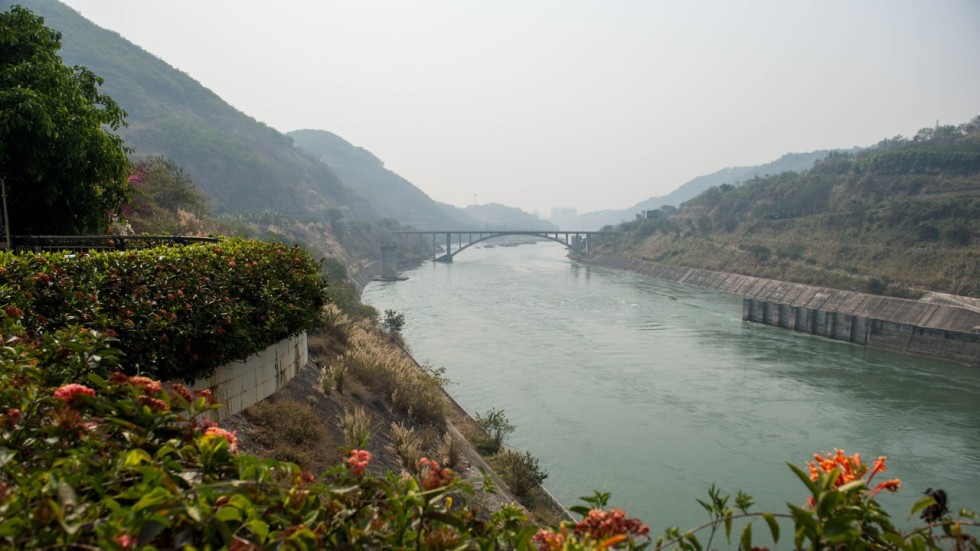
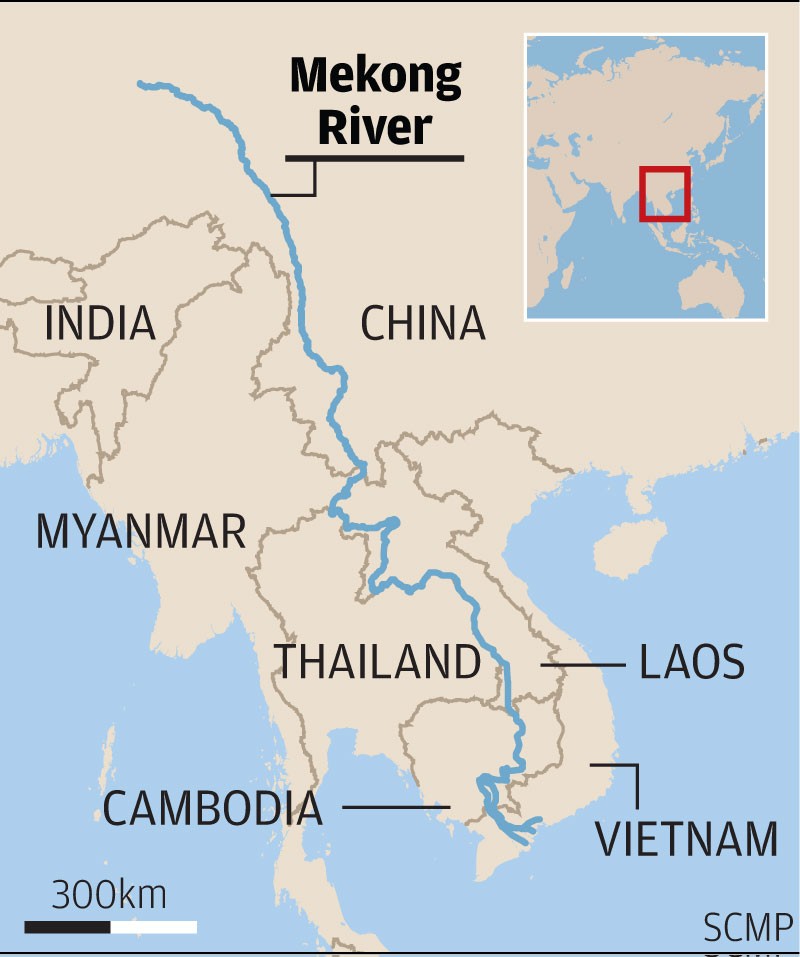
The Lancang-Mekong River is being decimated by hundreds of tributary and mainstream hydroelectric projects from the Tibetan Plateau in China to Lower Sesan in Cambodia. On the Mekong, the Laos Government has constructed the majority of these projects and it is planning even more. But why does it only focus on hydroelectric power plants (HPP’s)? What about other renewable energy sources? Can Nam Ngum solar replace Mekong hydro?


5 điểm chính về Hội nghị Thượng đỉnh Hợp tác Lan Thương – MêKông

English: Five things to know about the Lancang-Mekong Cooperation summit

TĐH: Chúng ta chưa hề được nghe các thảo luận của báo chí trong nước về Kế hoạch năm năm của Trung Quốc. Nên tự hỏi, liệu Việt Nam sẽ có cuộc thảo luận công khai về kế hoạch này, hay là bất cứ ai tham dự hội nghị LMC sẽ chỉ đơn giản chấp nhận kế hoạch thay mặt cho Việt Nam?

Kế hoạch phát triển năm năm, bao gồm cả việc xây dựng các đập thủy điện, dự kiến sẽ là chương trình được ưu tiên thảo luận hàng đầu tại hội nghị các quốc gia sông MêKông tại Campuchia.

Khi Trung Quốc và lãnh đạo các quốc gia dọc sông MêKông họp tại hội nghị thượng đỉnh Hợp tác MêKông – Thái Lan tại Cam-pu-chia, thiết lập kế hoạch phát triển 5 năm dự kiến sẽ là mục hàng đầu của chương trình nghị sự, bao gồm việc xây dựng các đập thủy điện và các dự án khác cho khu vực – và chỉ ra tầm quan trọng về kế hoạch vành đai và con đường đầy tham vọng của Trung Quốc. Tiếp tục đọc “5 điểm chính về Hội nghị Thượng đỉnh Hợp tác Lan Thương – MêKông”

The Mekong river under THREAT

Milton Osborne

Even if no dams are built on the mainstream below China, the cascade to which it is committed will ultimately have serious effects on the functioning of the Mekong once the dams are used to control the river’s flow. This will be the case because the cascade will:

• alter the hydrology of the river and so the current ‘flood pulse’, the regular rise and fall of the river on an annual basis which plays an essential part in the timing of spawning and the migration pattern. This will be particularly important in relation to the Tonle Sap in Cambodia, but will have an effect throughout the river’s course;

• block the flow of sediment down the river which plays a vital part both in depositing nutrients on the agricultural regions flooded by the river and also as a trigger for fish migration — at present well over 50% of the river’s sediment comes from China;

• at least initially cause problems by restricting the amount of flooding that takes place most importantly in Cambodia and Vietnam; and

• lead to the erosion of river banks.

So China’s dam-building plans are worrying enough, but the proposed new mainstream dams would pose even more serious concerns. Those built at sites higher upstream would cause the least damage to fish stocks, but if, as currently seems possible, the most likely dams to be built would be at Don Sahong and Sambor the costs to fish stocks could be very serious. This is because unanimous expert opinion judges that there are no ways to mitigate the blocking of fish migration that would occur if these dams are constructed. None of the suggested possible forms of mitigation — fish ladders, fish lifts, and alternative fish-passages — are feasible for the species of fish in the Mekong and the very large biomass that is involved in their migratory pattern. Fish ladders were tried and failed at the Pak Mun dam on one of the Mekong’s tributaries in Thailand in the 1990s. Tiếp tục đọc “The Mekong river under THREAT”

Five things to know about the Lancang-Mekong Cooperation summit

TĐH: We don’t hear discussion on the VNese media about this China-pushed five-year development plan at all. I wonder if Vietnam will have a public discussion about this plan, or whoever attending the LMC summit will just simply approve the plan on behalf of Vietnam?


scmp: Five-year development plan, including construction of hydropower dams, is expected to top agenda at Mekong River nations’ conference in Cambodia

PUBLISHED : Tuesday, 09 January, 2018, 8:03am
UPDATED : Tuesday, 09 January, 2018, 2:57pm

When China and the leaders of nations along the Mekong River meet on Wednesday at the Lancang-Mekong Cooperation summit in Cambodia, a top item will be mapping out a five-year development plan that would include building hydropower dams and other projects for the region – pointing to its importance in China’s ambitious belt and road infrastructure plan.

But while the cooperation mechanism was created to help ease tension over development projects, environmentalists remain unsatisfied.

Concern is growing that the potential for causing ecological damage will make the Mekong a flashpoint for China and Southeast Asia’s territorial disputes – effectively creating a new South China Sea.

Amid the backdrop of the river’s importance in connecting Europe through Southeast Asia and beyond in the grand infrastructure programme launched by President Xi Jinping, Chinese delegation leader Premier Li Keqiang will be looking to bolster China’s influence in the Mekong region as he faces his counterparts from Cambodia, Vietnam, Thailand, Laos and Myanmar.

Here are five key things to know about the summit and the significance of the Mekong River:
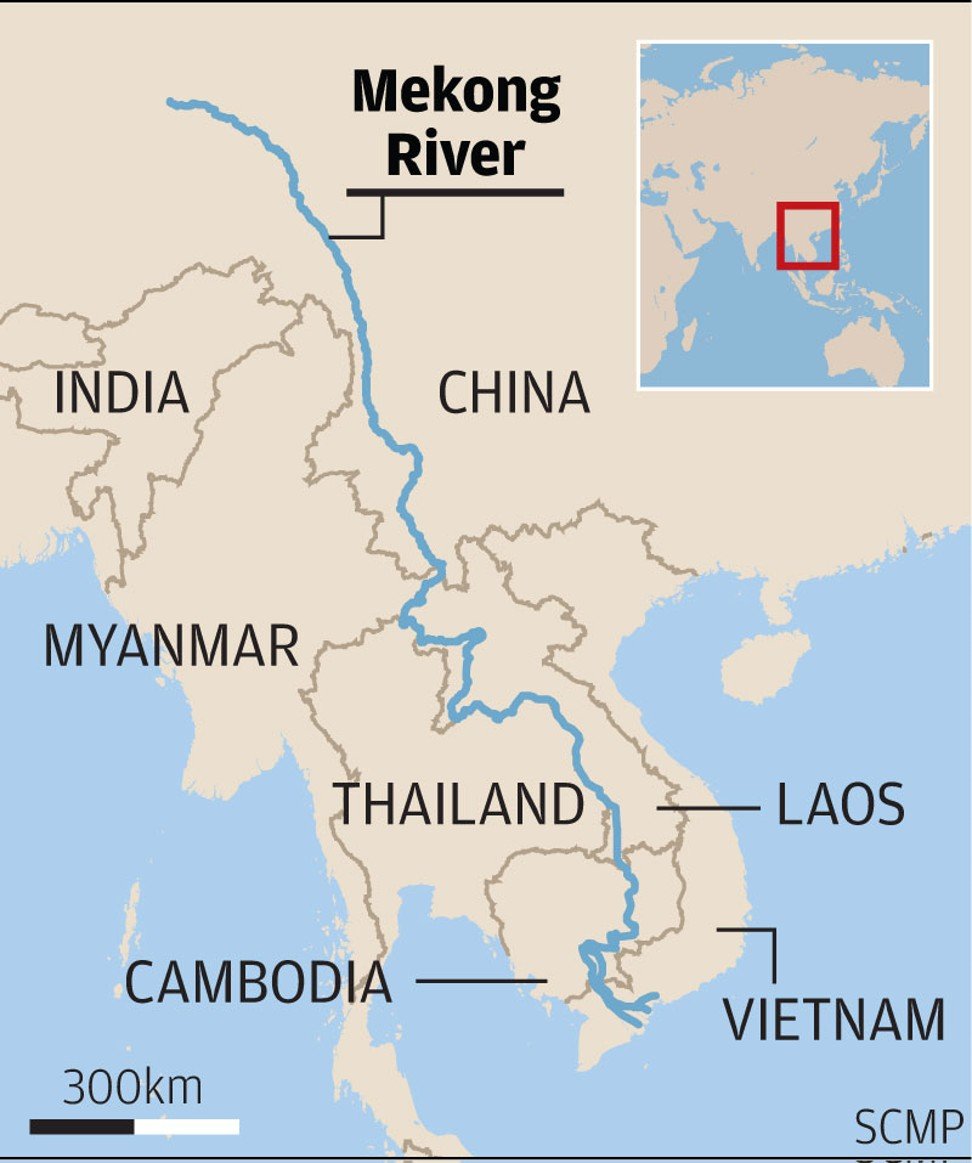
1. The river’s significance for China and Southeast Asia

Tiếp tục đọc “Five things to know about the Lancang-Mekong Cooperation summit”