5 shocking facts about inequality, according to Oxfam’s latest report

weforum.org

  • Oxfam’s Time To Care report looks at wealth inequality and how it’s partly driven by the burden placed on women to provide unpaid – and underpaid – care work.
  • The charity proposes six solutions to “close the gap between care workers and the wealthy elite”.

“Governments around the world can, and must, build a human economy that is feminist and benefits the 99%, not only the 1%.”

That’s the message from Oxfam, the aid and development charity, in its latest report on the state of global inequality, Time To Care.

It focuses on the impact that unpaid and underpaid care work has on the prospects and livelihoods of women and girls across the world – and how that’s driving growing inequality.

Oxfam lists six recommendations to “close the gap between care workers and the wealthy elite who have profited most from their labour”, from ending extreme wealth to challenging harmful norms and sexist beliefs. Tiếp tục đọc “5 shocking facts about inequality, according to Oxfam’s latest report”
Bất bình đẳng mang diện mạo người phụ nữ – The women’s face of inequality

Oxfam – Nếu tất cả công việc chăm sóc do phụ nữ đang thực hiện không lương trên toàn cầu được chuyển cho một công ty đảm nhận thì công ty này sẽ có doanh thu hàng năm là 10 ngàn tỉ đô la – gấp 43 lần doanh thu của Apple. (Trích từ báo cáo của Oxfam, tháng 1 năm 2019)  

Việt Nam đã cam kết đạt được Mục tiêu Phát triển Bền Vững (SDG) số 10 vì một xã hội công bằng cho tất cả mọi người. Vậy mục tiêu này có ý nghĩa như thế nào đối với phụ nữ nghèo? Tiếp tục đọc “Bất bình đẳng mang diện mạo người phụ nữ – The women’s face of inequality”

Joseph Stiglitz on artificial intelligence: ‘We’re going towards a more divided society’

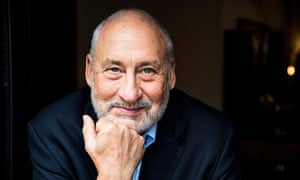
‘All the worst tendencies of the private sector in taking advantage of people are heightened by these new technologies’ … Joseph Stiglitz. Photograph: Alexandre Isard/Paris Match/Contour/Getty Images

The technology could vastly improve lives, the economist says – but only if the tech titans that control it are properly regulated. ‘What we have now is totally inadequate’

theguardian – by  Science editor – Sat 8 Sep 2018 

It must be hard for Joseph Stiglitz to remain an optimist in the face of the grim future he fears may be coming. The Nobel laureate and former chief economist at the World Bank has thought carefully about how artificial intelligence will affect our lives. On the back of the technology, we could build ourselves a richer society and perhaps enjoy a shorter working week, he says. But there are countless pitfalls to avoid on the way. The ones Stiglitz has in mind are hardly trivial. He worries about hamfisted moves that lead to routine exploitation in our daily lives, that leave society more divided than ever and threaten the fundamentals of democracy.

Tiếp tục đọc “Joseph Stiglitz on artificial intelligence: ‘We’re going towards a more divided society’”