CNA More than half of Chinese adults are overweight or obese, a potential ticking timebomb for the country’s healthcare sector. So, last March, China announced greater efforts to tackle rising obesity rates, with health authorities rolling out a nationwide weight management campaign during the annual ‘Two Sessions’ meeting.
How did China go from food scarcity two generations ago to rapid weight gain now? What does diet, lifestyle and education have to do with it? As beating obesity becomes a national priority, can China beat the bulge?
mekongeye.com Produced in partnership with the Putlizer Center
Long-term intensive chemical use in Laos’ banana farms has degraded the country’s once-fertile soil, and it may take nearly half a century to restore it.
Laos’ fertile soil and its proximity to China have created ideal conditions for banana cultivation to meet the surging demand from Chinese consumers.
This fruit frenzy has attracted Chinese companies to seek farmland in Laos, a landlocked country that has embraced a “green agriculture” approach to combat poverty.
With government approval, the sector has expanded, offering jobs, infrastructure development, and revenue from land once considered undervalued.
However, an investigation by Mekong Eye and the Rainforest Investigations Network (RIN) reveals that the fruit plantation boom has left a legacy of soil degradation and uncertain livelihoods for many local farmers.
OUDOMXAY & BOKEO, LAOS – Northern Laos is experiencing soil degradation after years of monocropping and widespread chemical use on banana farms operated by Chinese entrepreneurs.
Thiep doesn’t remember the name of the Chinese fruit company that leased his family’s land, only that it was one of the first to arrive in his northern Lao village in 2007.
After a decade of monocropping bananas, the company left and then returned the land to his family. But in the interim, the earth had changed in ways Thiep and his household couldn’t have anticipated.
“The soil is unusually hard and dry, not like it used to be. We had to replace the plow with a stronger one just to break the ground,” Thiep recalled.
His family members invested extra effort into its first rice crop after reclaiming the plotland. That year, they enjoyed a bumper harvest that was more than they had before the arrival of the Chinese company. But it was the last time they saw such abundance.
“The yield kept decreasing after that,” Thiep said, planting seedlings in the flooded paddy. “Before we leased it out, this plot produced 60 bags of rice. Now it’s down to 30, not enough for the family to eat.”
Nearly two decades ago, Chinese entrepreneurs, attracted by geographic proximity, blanketed northern Laos with banana plantations.
Exporting bananas to China quickly became an economic mainstay, replacing the long reliance on subsistence rice farming. The plantations not only created local jobs but also increased income for households leasing their land to companies.
But investment capital is bittersweet: it may have provided the region with a ladder out of the depths of poverty, but it has ushered in new perils.
Some local workers have reportedly fallen ill or died after pesticide spraying on farms.
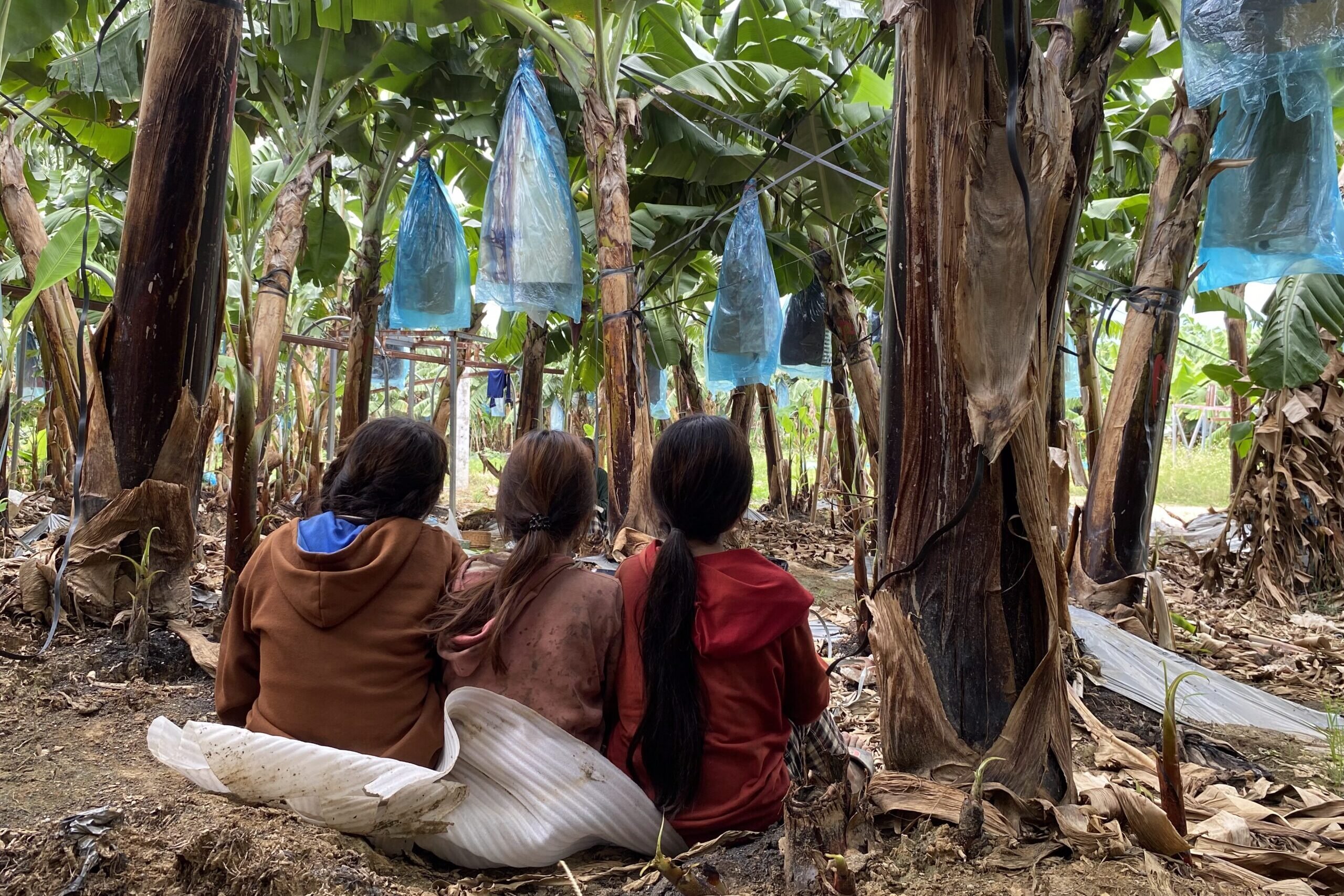
Young Hmong workers rest after long hours of labor on a banana plantation in Oudomxay province, northern Laos. Many, including children under 15, face direct exposure to hazardous agricultural chemicals used in the plantations.
A 2017 study, conducted with the Lao government’s involvement, found that agricultural chemicals – used intensively and without consistent management on banana plantations – had poisoned rivers and soil, and harmed the health of residents and plantation workers.
Among the chemicals identified were paraquat – a highly toxic herbicide banned in several countries, including Laos and China – and chlorothalonil, a hazardous substance banned in the EU in 2020 due to its potential to pollute groundwater and cause cancer.
Facing the issue, an official from the Ministry of Industry and Commerce verbally stated in early 2017 that the Prime Minister’s Office had ordered a ban on all commercial banana cultivation, according to the Laos News Agency. However, our reporter was unable to find any official orders on public platforms dating back to 2016.
the major drivers of food insecurity and malnutrition: conflict, climate extremes and economic shocks, combined with growing inequalities…..
despite progress in some regions, global trends in child undernutrition – including stunting and wasting, deficiencies in essential micronutrients, and overweight and obesity in children, continue to be of great concern.
The 2022 edition of The State of Food Security and Nutrition in the World (SOFI) highlights the intensification of the major drivers of food insecurity and malnutrition: conflict, climate extremes and economic shocks, combined with growing inequalities.
Vietnam food and beverage market size is poised to report strong growth rate over the forecast period due to increasing population, rising disposable incomes, coupled with changing trends and product innovations. On the other hand, intense government regulations, raw material price fluctuations can negatively impact the growth of the market.
The increasing number of restaurants, fast-food chains, and food delivery apps such as grub hub, caviar, and others enhance the availability to consumers, resulting in strong growth in the food and beverage industry. Besides, rising demand for organic, natural and fresh foods among consumers due to rising health awareness is the major factor expected to enhance the demand for the food and beverage market. Tiếp tục đọc “Vietnam Food And Beverages Market Business Attractiveness and Forecast to 2026”→
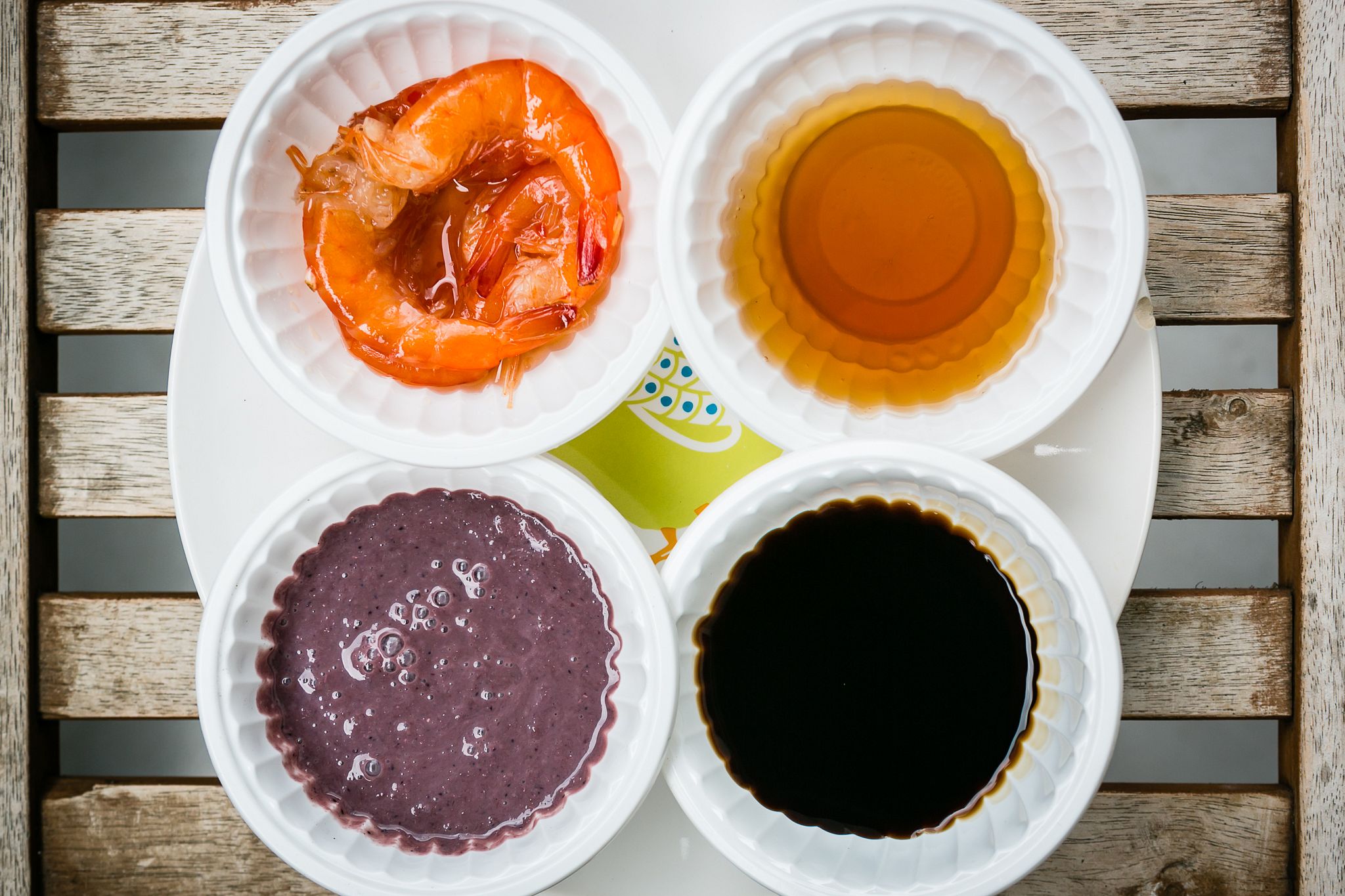
It is a well-known fact among Vietnamese that their home country has a rich portfolio of fermented food, from mắm chua (pickled shrimp) to mắm tôm (shrimp paste). Here is a comprehensive look into not only these funky condiments’ history, taste and production, but also the emerging food science behind them.
For thousands of years, Vietnamese cuisine has taken great pride in its arsenal of preserved foodstuffs. Indeed, the category constitutes some of the most essential elements of Vietnamese flavors — think nước tương (soy sauce), nước mắm (fish sauce) or mắm tôm (shrimp paste) — these are condiments that few dishes go without.
Nước Mắm (Fish Sauce)
Fish sauce is fiercely coveted by diners across Southeast Asia and even in smaller pockets across the continent as a whole. For example, in Japan it is known as shottsuru and widely used in nabemono, the nation’s version of a hotpot. Indeed, any self-confessed addict of Vietnamese cuisine must have a soft spot for the sauce. An iconic example was Anthony Bourdain imparting the flavors of Hanoian bún chả to former US President Barack Obama. It is incredibly versatile, useful to garnish any dish in its concentrated form and makes an exquisite broth on its own if diluted. Tiếp tục đọc “Shrimp Paste and Fish Sauce: A Brief Primer on Vietnam’s Dipping History”→
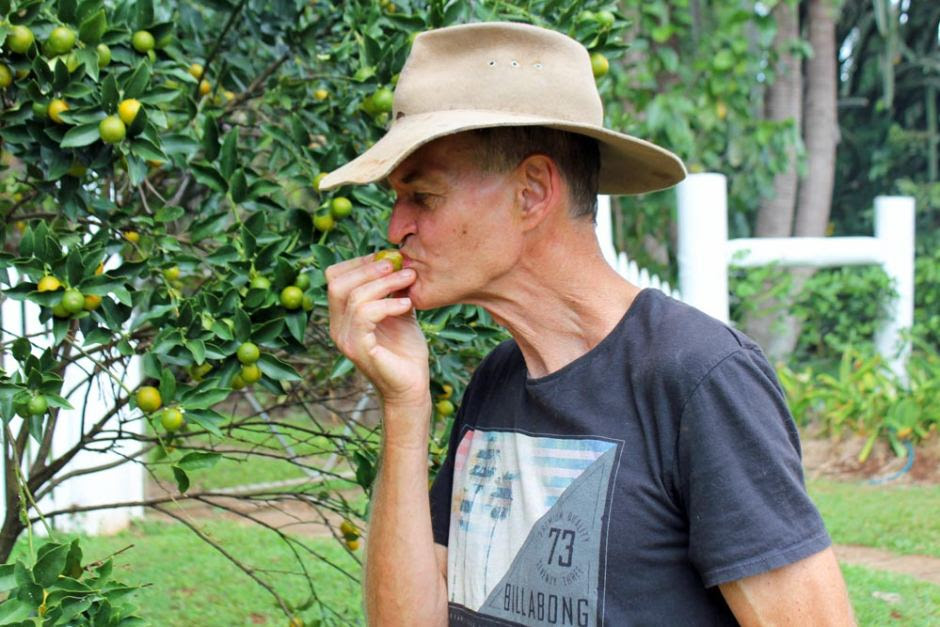
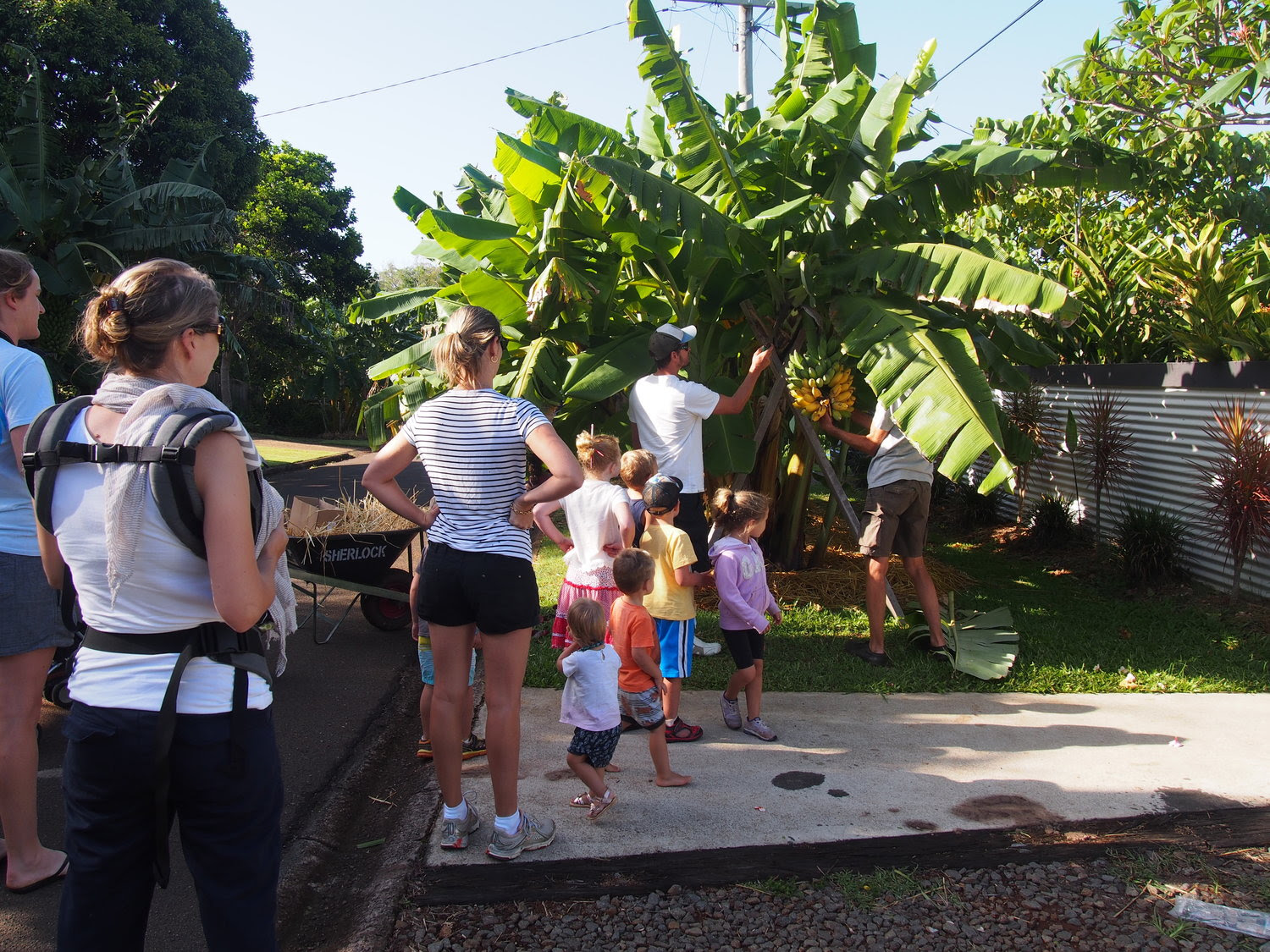
Tại một thị trấn nhỏ ở Queensland có một con đường đặc biệt , sở dĩ đặc biệt là bởi vì đây là con đường “ăn được”.
Đúng thế, chính là “ăn được”!
Trên con đường này hai bên đường khắp nơi đều có trồng các loại rau củ quả hữu cơ không ô nhiễm, tươi ngon và đầy dinh dưỡng. Chỉ cần cắn một miếng thôi bạn sẽ cảm nhận được cảm giác ngọt ngào mà không có bất cứ loại trái cây đắt tiền nào sánh bằng.



 CVD
CVD 