A groundbreaking new report, “Resilience, Readiness, and Response,” from Project CASA (Climate and Security Action through Civil-Military Cooperation in Climate-Related Emergencies) highlights the increasing and essential role of national militaries in addressing the escalating global climate crisis.
The report is the result of a comprehensive two-year study which provides the first cross-national dataset on military involvement in climate disasters. Edited by Ronald A. Kingham and Dr. Ashley McIlvain Moran and published by the Environment & Development Resource Centre (EDRC), the report serves as both a critical resource and a call to action for policymakers and practitioners grappling with climate-worsened disasters.
New research analyzing more than 3,000 tropical forest sites reveals that areas with fewer seed-dispersing animals store up to four times less carbon than forests with healthy wildlife populations.
The study found that 81% of tropical trees rely on animals to disperse their seeds, establishing an ancient partnership now threatened by human activities such as deforestation, road construction, and hunting.
Researchers mapped global “seed dispersal disruption” and found it explains a 57% reduction in carbon storage potential across proposed forest restoration areas.
Al JazeeraSeveral delegates express dismay at the failure to break a deadlock at the sixth round of talks in under three years.
Piles of plastic waste at a recycling plant in Erftstadt, Germany [File: Jana Rodenbusch/Reuters]
Published On 15 Aug 2025
Global talks to develop a landmark treaty to tackle plastic pollution have once again failed to reach an agreement, despite efforts late into the night to strike a deal.
Delegates at a closing meeting of the Intergovernmental Negotiating Committee (INC) in Geneva on Friday spoke of their dismay at the failure to break a deadlock at the sixth round of talks in under three years, as countries remained deeply divided over the scope of any treaty.
“South Africa is disappointed that it was not possible for this session to agree a legally binding treaty and positions remain far apart,” its delegate told a closing meeting.
Cuba’s delegate said that negotiators had “missed a historic opportunity but we have to keep going and act urgently”, the AFP news agency reported.
Some fear the world is fast approaching temperature levels where professional risk managers will no longer be able to offer cover for financial services.
Günther Thallinger, a board member at Allianz, one of the world’s biggest insurers, says the climate crisis could make adaptation economically unviable.
Zurich Insurance Group, meanwhile, said alongside a recent research paper assessing climate resilience that the outlook looks “alarmingly bleak.”
A firefighting helicopter flies near as a home burns from the Mountain Fire on November 6, 2024 in Camarillo, California.
David Mcnew | Getty Images News | Getty Images
Top insurers fear the climate crisis could soon outpace industry solutions, effectively threatening to make entire regions around the world uninsurable.
Günther Thallinger, a board member at Allianz, one of the world’s biggest insurers, recently outlined how the world is fast approaching temperature levels where insurers will no longer be able to offer cover for financial services, such as mortgages and investments.
In practice, this scenario implies some may face difficulty being able to afford home insurance cover, which is typically a prerequisite for getting a mortgage.
In a LinkedIn post published in late March, Thallinger made the case for rapid decarbonization, pointing out that entire asset classes were “degrading in real time” as extreme weather events take their toll. Perhaps most strikingly of all, he warned the worsening climate crisis appears to be on track to destroy capitalism.
Insurance, which is regarded as the invisible lubricant of the global economy, has a unique role to play in addressing climate-related risks. As professional risk managers, insurers routinely allow investors to take on calculated risks, protecting individuals and businesses against financial losses.
Thallinger, who is responsible for investment management and sustainability at Allianz, told CNBC that approximately two-thirds of economic losses from natural catastrophes are currently uninsured, indicating a “major societal problem.”
mekongeye.com Produced in partnership with the Putlizer Center
Long-term intensive chemical use in Laos’ banana farms has degraded the country’s once-fertile soil, and it may take nearly half a century to restore it.
Laos’ fertile soil and its proximity to China have created ideal conditions for banana cultivation to meet the surging demand from Chinese consumers.
This fruit frenzy has attracted Chinese companies to seek farmland in Laos, a landlocked country that has embraced a “green agriculture” approach to combat poverty.
With government approval, the sector has expanded, offering jobs, infrastructure development, and revenue from land once considered undervalued.
However, an investigation by Mekong Eye and the Rainforest Investigations Network (RIN) reveals that the fruit plantation boom has left a legacy of soil degradation and uncertain livelihoods for many local farmers.
OUDOMXAY & BOKEO, LAOS – Northern Laos is experiencing soil degradation after years of monocropping and widespread chemical use on banana farms operated by Chinese entrepreneurs.
Thiep doesn’t remember the name of the Chinese fruit company that leased his family’s land, only that it was one of the first to arrive in his northern Lao village in 2007.
After a decade of monocropping bananas, the company left and then returned the land to his family. But in the interim, the earth had changed in ways Thiep and his household couldn’t have anticipated.
“The soil is unusually hard and dry, not like it used to be. We had to replace the plow with a stronger one just to break the ground,” Thiep recalled.
His family members invested extra effort into its first rice crop after reclaiming the plotland. That year, they enjoyed a bumper harvest that was more than they had before the arrival of the Chinese company. But it was the last time they saw such abundance.
“The yield kept decreasing after that,” Thiep said, planting seedlings in the flooded paddy. “Before we leased it out, this plot produced 60 bags of rice. Now it’s down to 30, not enough for the family to eat.”
Nearly two decades ago, Chinese entrepreneurs, attracted by geographic proximity, blanketed northern Laos with banana plantations.
Exporting bananas to China quickly became an economic mainstay, replacing the long reliance on subsistence rice farming. The plantations not only created local jobs but also increased income for households leasing their land to companies.
But investment capital is bittersweet: it may have provided the region with a ladder out of the depths of poverty, but it has ushered in new perils.
Some local workers have reportedly fallen ill or died after pesticide spraying on farms.
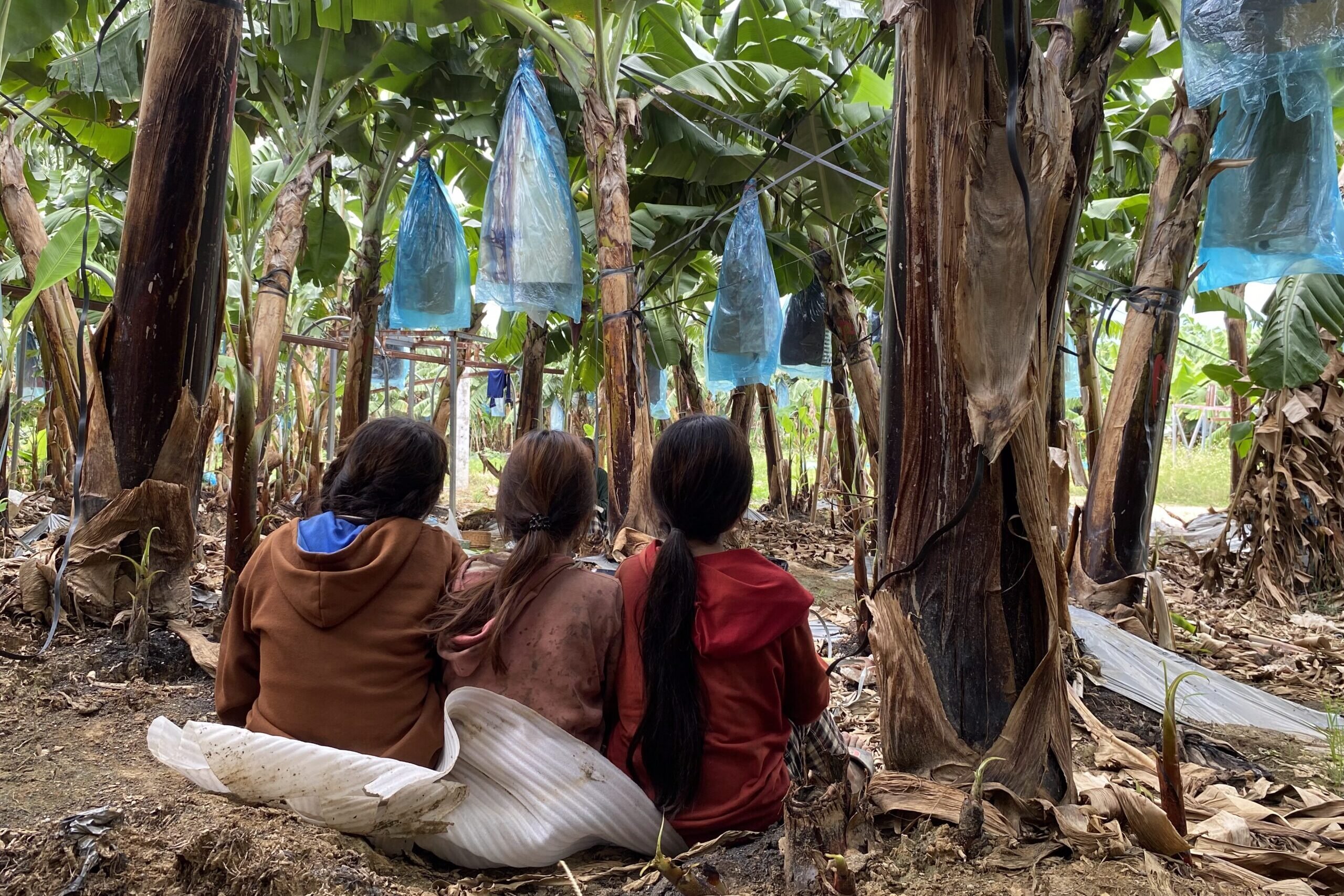
Young Hmong workers rest after long hours of labor on a banana plantation in Oudomxay province, northern Laos. Many, including children under 15, face direct exposure to hazardous agricultural chemicals used in the plantations.
A 2017 study, conducted with the Lao government’s involvement, found that agricultural chemicals – used intensively and without consistent management on banana plantations – had poisoned rivers and soil, and harmed the health of residents and plantation workers.
Among the chemicals identified were paraquat – a highly toxic herbicide banned in several countries, including Laos and China – and chlorothalonil, a hazardous substance banned in the EU in 2020 due to its potential to pollute groundwater and cause cancer.
Facing the issue, an official from the Ministry of Industry and Commerce verbally stated in early 2017 that the Prime Minister’s Office had ordered a ban on all commercial banana cultivation, according to the Laos News Agency. However, our reporter was unable to find any official orders on public platforms dating back to 2016.
Microplastics have permeated the region’s food chain, hitting countries like Indonesia and the Philippines the hardest. The programme Insight looks at the health risks and what is being done to boot plastic from our plates.
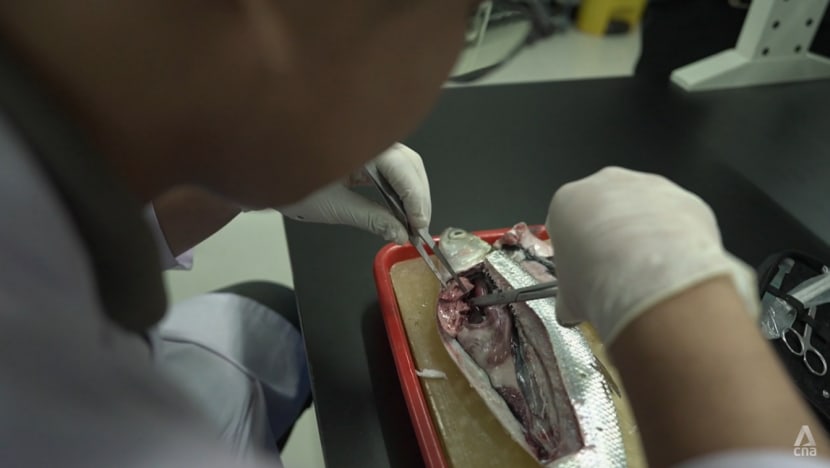
A study found that in nearly 94 per cent of fish sampled from Jakarta Bay, their gills and guts were laced with microplastics.
JAKARTA and MANILA: Milkfish — grilled, fried or floating in fragrant soup — is a staple on Indonesian dining tables. Its flesh is tender, its flavour delicately sweet.
What has no taste, however, would be the microplastics inside its body.
A study last year found that in nearly 94 per cent of fish sampled from Jakarta Bay, their gills and guts were laced with these toxic fragments, each no larger than five millimetres.
“If the microplastics are absorbed by fish and then consumed by humans, it means they’ll accumulate in humans,” warns Widodo Setiyo Pranowo, principal investigator at Indonesia’s National Research and Innovation Agency. “That’s dangerous.”
People swim in the lagoon in Funafuti, Tuvalu, on November 28, 2019. Mario Tama/Getty ImagesSydney, AustraliaCNN —
More than a third of the population of Tuvalu has applied to move to Australia, under a landmark visa scheme designed to help people escape rising sea levels.
The island nation – roughly halfway between Hawaii and Australia – is home to about 10,000 people, according to the latest government statistics, living across a clutch of tiny islets and atolls in the South Pacific.
On June 16, Australia opened a roughly one-month application window for what it says is a one-of-a-kind visa offering necessitated by climate change. Under the new scheme, Australia will accept 280 visa winners from a random ballot between July and January 2026. The Tuvaluans will get permanent residency on arrival in Australia, with the right to work and access public healthcare and education.
More than 4,000 people have applied under the scheme, according to official figures seen by CNN.
“The opening of the Falepili Mobility Pathway delivers on our shared vision for mobility with dignity, by providing Tuvaluans the opportunity to live, study and work in Australia as climate impacts worsen,” Australian Foreign Minister Penny Wong said in a statement.
CNN has reached out to the Tuvalu government.
According to Tuvalu’s Prime Minister Feleti Teo, more than half of Tuvalu will be regularly inundated by tidal surges by 2050. By 2100, 90% of his nation will be regularly under water, he says.
Fongafale, the nation’s capital, is the largest and most populated islet in Tuvalu’s main atoll, Funafuti. It has a runway-like strip of land just 65 feet (20 meters) wide in some places.
“You can put yourself in my situation, as the prime minister of Tuvalu, contemplating development, contemplating services for the basic needs of our people, and at the same time being presented with a very confronting and disturbing forecast,” Teo told the United Nations Oceans Conference this month in Nice, France.
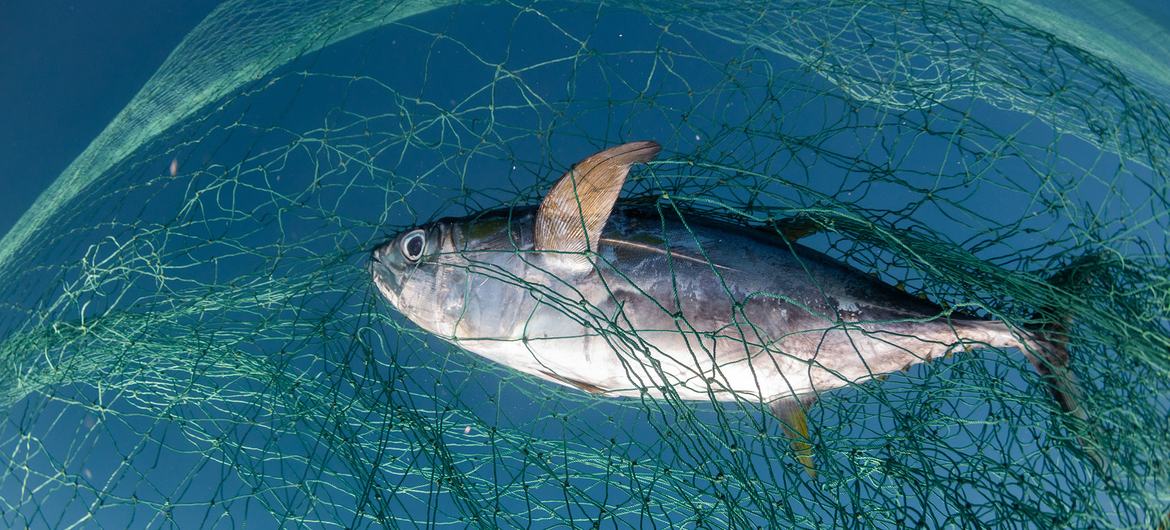
At the Third UN Ocean Conference in Nice, the “catch of the day” wasn’t a seabass or a red mullet – it was a figure: 35 per cent. That’s the share of global fish stocks now being harvested unsustainably, according to a new UN report released Wednesday.
As yachts bobbed gently and delegates streamed by in a rising tide of lanyards and iPads at Port Lympia, Nice’s historic harbor, that statistic sent a ripple through the conference’s third day – a stark reminder that the world’s oceans are under growing pressure from overfishing, climate change and unsustainable management.
World leaders have renewed calls for a global moratorium on deep-sea mining at the 2025 U.N. Ocean Conference (UNOC) in Nice, France, as the U.S. moves to mine the deep sea in international waters under its own controversial authority.
Four additional countries have joined the coalition of nations calling for a moratorium, precautionary pause, or ban on deep-sea mining, bringing the total number to 37.
The U.S., which did not have an official delegation at UNOC, is pushing forward with its plans to mine in international waters — a decision that has drawn criticism from the international community.
Indonesia received the most funding from China over the last decade, according to a new report by Zero Carbon Analytics. But uncertainties caused by US-driven tariff plans could see Southeast Asian countries retract green investments, said an analyst.
China’s PowerChina Huadong Engineering Corporation Limited constructed the Cirata floating solar plant in West Java, Indonesia. Image: PLN Nusantara
China is the leading source of public clean energy investments in Southeast Asia over the last decade, channeling over US$ 2.7 billion into projects across the region, according to a report by international research organisation Zero Carbon Analytics.
A deep dive into the rationale behind some of Asia’s reclamation projects, the toll they take on our environment and communities, and the search for more sustainable alternatives.
Reclamation is seen as a solution for countries to deal with increasing land demands, by expanding their territory and rehabilitating previously uninhabitable lands or seas. Yet, the process guzzles an alarming amount of sand, causing massive environmental damage as well as a rise of transnational criminal syndicates trading in illegal sand.
Coastlines, ecosystems, and entire populations are now facing adverse impacts due to increased sand-mining activity, with one of the major driving forces being land reclamation. This practice of creating new land at sea is often touted as a solution to urban expansion and climate change.
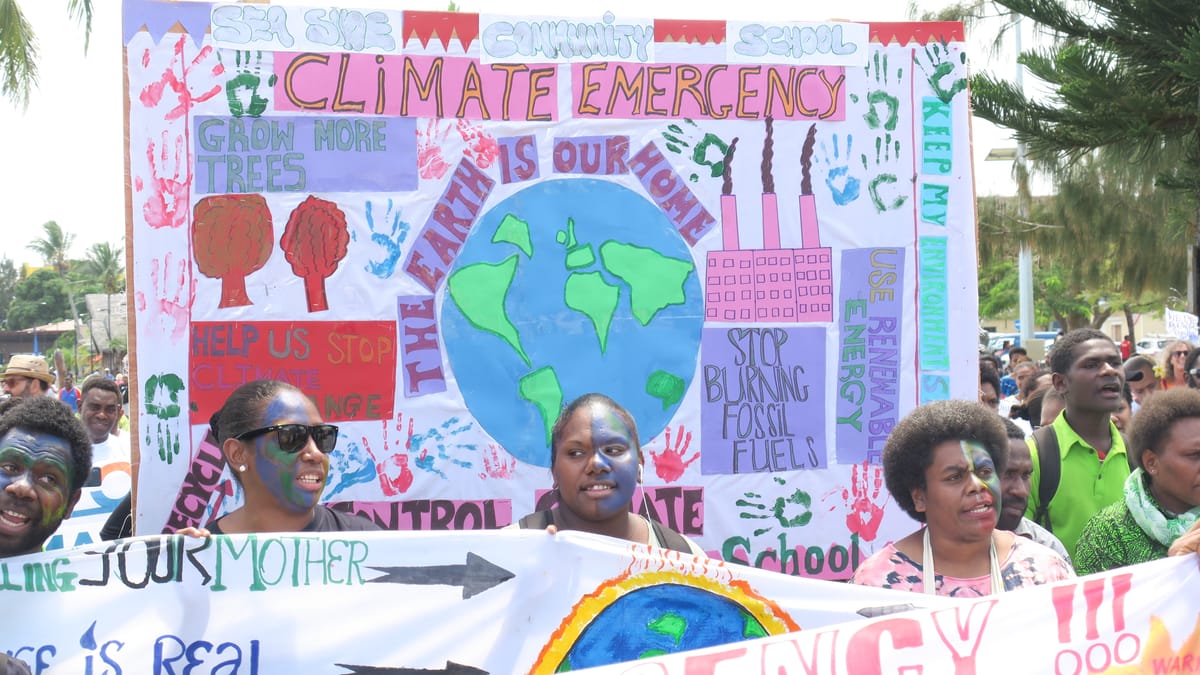
The climate crisis is the single greatest global public health threat of this century, health professionals say. Human rights experts warn it poses an unprecedented risk to human rights. For the world’s poor and most vulnerable people and communities on the frontlines of climate impacts like rising seas, it is an existential crisis threatening their very survival.
Yet the global response to what scientists say is undoubtedly a global emergency has fallen woefully short, through a United Nations governance framework that essentially rests upon voluntary pledges that nations of the world submit – called Nationally Determined Contributions – to reduce their greenhouse gas emissions. Last year, leading climate experts wrote to top UN officials calling for reform of the international climate negotiations, arguing that the “current structure simply cannot deliver the change at exponential speed and scale, which is essential to ensure a safe climate landing for humanity.”
Southern China is facing a surge in agricultural pests migrating from neighboring Southeast Asian countries, including Laos, Myanmar, and Cambodia. This pest migration, driven by climate-related factors, poses a growing threat to regional food security.
A recent study highlights the role of extreme weather in this phenomenon. Researchers found that the ongoing El Niño event, marked by unusually warm ocean temperatures in the Equatorial Pacific, is contributing to hotter and more humid conditions, which are ideal for pest breeding.
In addition to favorable breeding conditions, strong seasonal winds are carrying these pests into Southern China, facilitating their rapid spread and increasing the risk of crop damage.
While wind is a major factor in their movement, scientists note that insect migration is also influenced by environmental stressors such as extreme heat, drought, and the presence of predators.
Insects migrate in response to immediate environmental cues, the study explains. They may move to escape harsh conditions, find food, avoid overcrowding, or locate new habitats suitable for reproduction.
The problem isn’t confined to China. In Laos, climate change is also taking a toll. The country has experienced record-breaking heatwaves, reaching 43.2 degrees Celsius in 2024, along with persistent water shortages and weakened agricultural infrastructure.
These factors have led to crop failures, livestock losses, and growing food insecurity. An estimated 82 percent of households lack access to safe water, compounding the crisis for rural communities.
Globally, climate change is expected to worsen food insecurity. Rising temperatures and shifting rainfall patterns are already making it more difficult to grow crops in traditional farming regions.
By 2100, nearly 30 percent of the world’s food crops may be exposed to climate conditions they have never encountered before. While much of the focus is on staple crops like rice and wheat, many other plants grown in equatorial regions could also suffer under the changing climate.
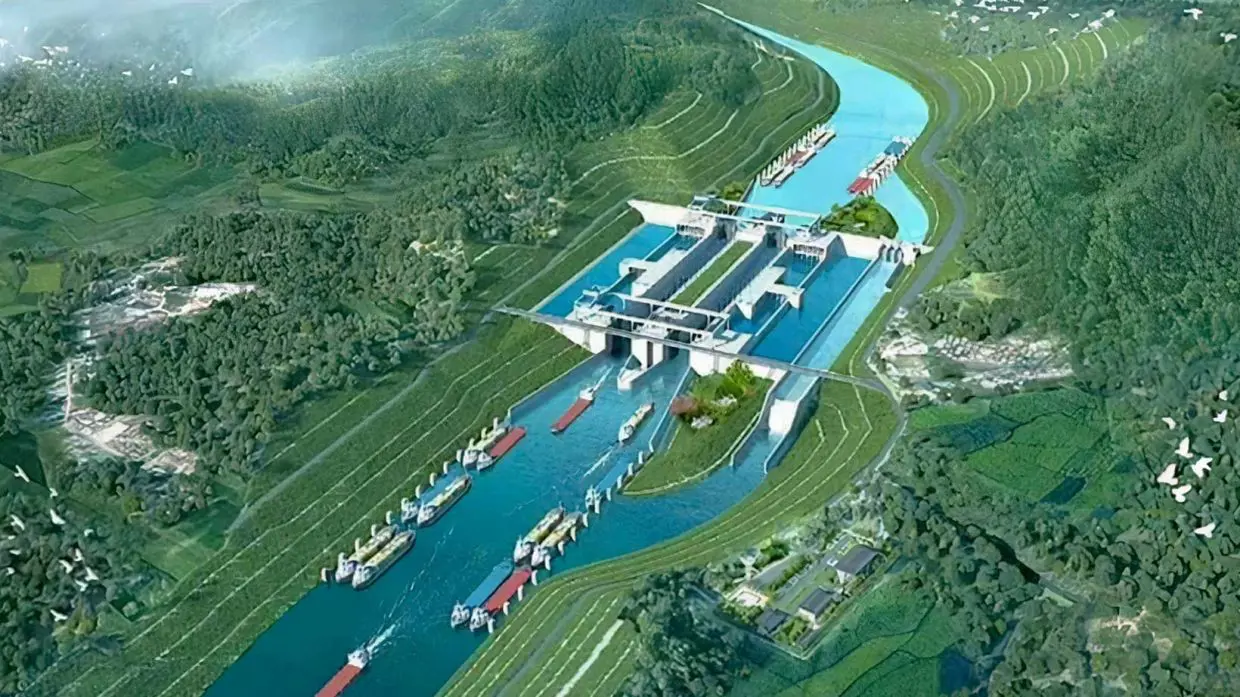
PHNOM PENH, Cambodia (AP): Cambodia and China have signed a US$1.2 billion deal to finance an ambitious canal project that aims to boost trade efficiency by linking a branch of the Mekong River near Phnom Penh to a port on the Gulf of Thailand, the Cambodian government agency heading the project has announced,
The deal to fund the Funan Techo Canal was signed Thursday during the state visit to Cambodia of Chinese President Xi Jinping, the agency said in a news release. Xi returned home Friday after a three-nation Southeast Asian tour that also included Vietnam and Malaysia.
Author Mehebub SahanaLeverhulme Early Career Fellow, Geography, University of Manchester
China recently approved the construction of the world’s largest hydropower dam, across the Yarlung Tsangpo river in Tibet. When fully up and running, it will be the world’s largest power plant – by some distance.
Yet many are worried the dam will displace local people and cause huge environmental disruption. This is particularly the case in the downstream nations of India and Bangladesh, where that same river is known as the Brahmaputra.
The proposed dam highlights some of the geopolitical issues raised by rivers that cross international borders. Who owns the river itself, and who has the right to use its water? Do countries have obligations not to pollute shared rivers, or to keep their shipping lanes open? And when a drop of rain falls on a mountain, do farmers in a different country thousands of miles downstream have a claim to use it? Ultimately, we still don’t know enough about these questions of river rights and ownership to settle disputes easily.
The Yarlung Tsangpo begins on the Tibetan Plateau, in a region sometimes referred to as the world’s third pole as its glaciers contain the largest stores of ice outside of the Arctic and Antarctica. A series of huge rivers tumble down from the plateau and spread across south and south-east Asia. Well over a billion people depend on them, from Pakistan to Vietnam.




 CVD
CVD 