Tại VN, phụ nữ làm việc trong lĩnh vực khoa học vẫn phải đối mặt với nhiều khó khăn và rào cản. Việc các nhà khoa học nữ thiếu cơ hội phát triển nghề nghiệp và khẳng định năng lực lãnh đạo phản ánh định kiến giới còn tồn tại trong lĩnh vực khoa học – công nghệ cũng như trong xã hội nói chung.
VN sẽ khó có thể bứt phá mạnh mẽ nếu trí tuệ của phụ nữ – vốn được xem là một nửa nguồn lực quý giá của xã hội – bị lãng phí. Vì vậy, Nhà nước cần tạo điều kiện thuận lợi để phụ nữ nâng cao năng lực trong lĩnh vực khoa học cũng như mọi lĩnh vực nghề nghiệp khác. Bởi đây là bước đi đúng đắn, góp phần thúc đẩy bình đẳng giới và đưa đất nước đi lên.
Tảo hôn vẫn diễn ra dai dẳng ở nhiều nhóm dân tộc thiểu số tại Việt Nam. Để giải quyết tình trạng này, Nhà nước cần tạo mọi điều kiện nhằm giúp trẻ em DTTS, đặc biệt là trẻ em gái, được dễ dàng tiếp cận các cơ hội học tập và tìm kiếm việc làm. Khi thấy tương lai rộng mở phía trước, các em gái DTTS sẽ thêm vững tin trên con đường học tập và tự chủ kinh tế. Từ đó, các em có thể làm chủ cuộc đời mình và góp phần nâng cao nhận thức cộng đồng để đẩy lùi nạn tảo hôn.
(vhds.baothanhhoa.vn) – Tảo hôn. Học sinh bỏ trường, bỏ lớp đi… “lấy chồng”, rồi lại làm bố, làm mẹ ở cái tuổi “ăn chưa no, lo chưa tới”. Giấc mơ đời, vì thế cứ quẩn quanh…
Thứ 6, 27/06/2025 | 08:00 GMT+7
Trường PTDT Bán trú THCS Trung Lý (Mường Lát) tổ chức cho học sinh thi bóng chuyền.
Việt Nam nằm trong những quốc gia có tỷ lệ phụ nữ tham gia lực lượng lao động cao nhất khu vực Đông Á – Thái Bình Dương. Tuy nhiên, tỷ lệ cao không đồng nghĩa với việc làm chất lượng hay cơ hội tiếp cận việc làm tốt hơn.
Tại Việt Nam và các nước trong khu vực, nhiều người, đặc biệt là phụ nữ và thanh niên, vẫn chủ yếu làm các công việc có năng suất thấp hoặc công việc phi chính thức. Trong khi đó, dân số trong độ tuổi lao động đang thu hẹp đúng vào lúc việc nâng cao kỹ năng và năng suất trở nên quan trọng hơn bao giờ hết để duy trì tăng trưởng.
👩💼 Vậy Việt Nam cần làm gì để tạo nhiều việc làm chất lượng hơn, nâng cao năng suất và tăng khả năng chống chịu cho nền kinh tế?
In Viet Nam and across the region, many people, especially women and youth, remain in low-productivity or informal jobs. At the same time, the working-age population is shrinking just as strengthening skills and productivity becomes more critical than ever to sustain growth.
👩💼So what will it take for Viet Nam to create more quality jobs, boost productivity, and build a more resilient economy
Giuditta FontanaAssociate Professor in International Security, University of Birmingham
Argyro KartsonakiSenior researcher, Institute for Peace Research and Security Policy, University of Hamburg
Natascha NeudorferProfessor of Political Economy, Heinrich Heine Universität Düsseldorf
Stefan WolffProfessor of International Security, University of Birmingham
Disclosure statement
Giuditta Fontana is a past recipient of grant funding from the Leverhulme Trust, the Northern Ireland Department for the Economy, the UK Global Challenges Research Fund, the United States Institute of Peace, and British Academy. She is co-convenor of the Political Studies Association Specialist Group on Ethnopolitics and University of Birmingham Representative for the European Consortium of Political Research.
Argyro Kartsonaki has received funding from the German Federal Foreign Office and the Organization for Security and Co-operation in Europe (OSCE). She is past recipient of grants from the United States Institute of Peace and from the Economic and Social Research Council (UK). She is a part of the Centre for OSCE Research at IFSH, co-editor of OSCE Insights, and consults the OSCE as a member of the OSCE Expert Network.
Natascha Neudorfer, or the projects she worked on, have received funding from the ESRC (UK), USIP (US), the Bavarian State (Germany), the Daimler and Benz Foundation (Germany), and the European Union’s Fifth Framework Programme.
Stefan Wolff is a past recipient of grant funding from the Natural Environment Research Council of the UK, the United States Institute of Peace, the Economic and Social Research Council of the UK, the British Academy, the NATO Science for Peace Programme, the EU Framework Programmes 6 and 7 and Horizon 2020, as well as the EU’s Jean Monnet Programme. He is a Trustee and Honorary Treasurer of the Political Studies Association of the UK and a Senior Research Fellow at the Foreign Policy Centre in London.
Twenty-five years ago, on October 31, 2000, the United Nations unanimously adopted its landmark security council resolution 1325 (WPS 1325). The resolution on women, peace and security reaffirmed “the important role of women in the prevention and resolution of conflicts, peace negotiations, peace-building, peacekeeping, humanitarian response and in post-conflict reconstruction”. It also stressed the “importance of their equal participation and full involvement in all efforts for the maintenance and promotion of peace and security”.
Nhà sáng lập, CEO Doanh nghiệp Xã hội Hope Box Đặng Thị Hương từng phải rời vùng quê Lập Thạch, Vĩnh Phúc lên Hà Nội làm giúp việc từ khi 13 tuổi do hoàn cảnh gia đình khó khăn. Thế nhưng, chị không từ bỏ việc học mà miệt mài giành được học bổng Quản trị kinh doanh quốc tế của trường Box Hill Institute, thành phố Melbourne, Úc rồi thạc sĩ kinh doanh tại Đại học Công nghệ Swinburne.
Nhà sáng lập, CEO Hope Box Đặng Thị Hương. Ảnh: Nhân vật cung cấp.
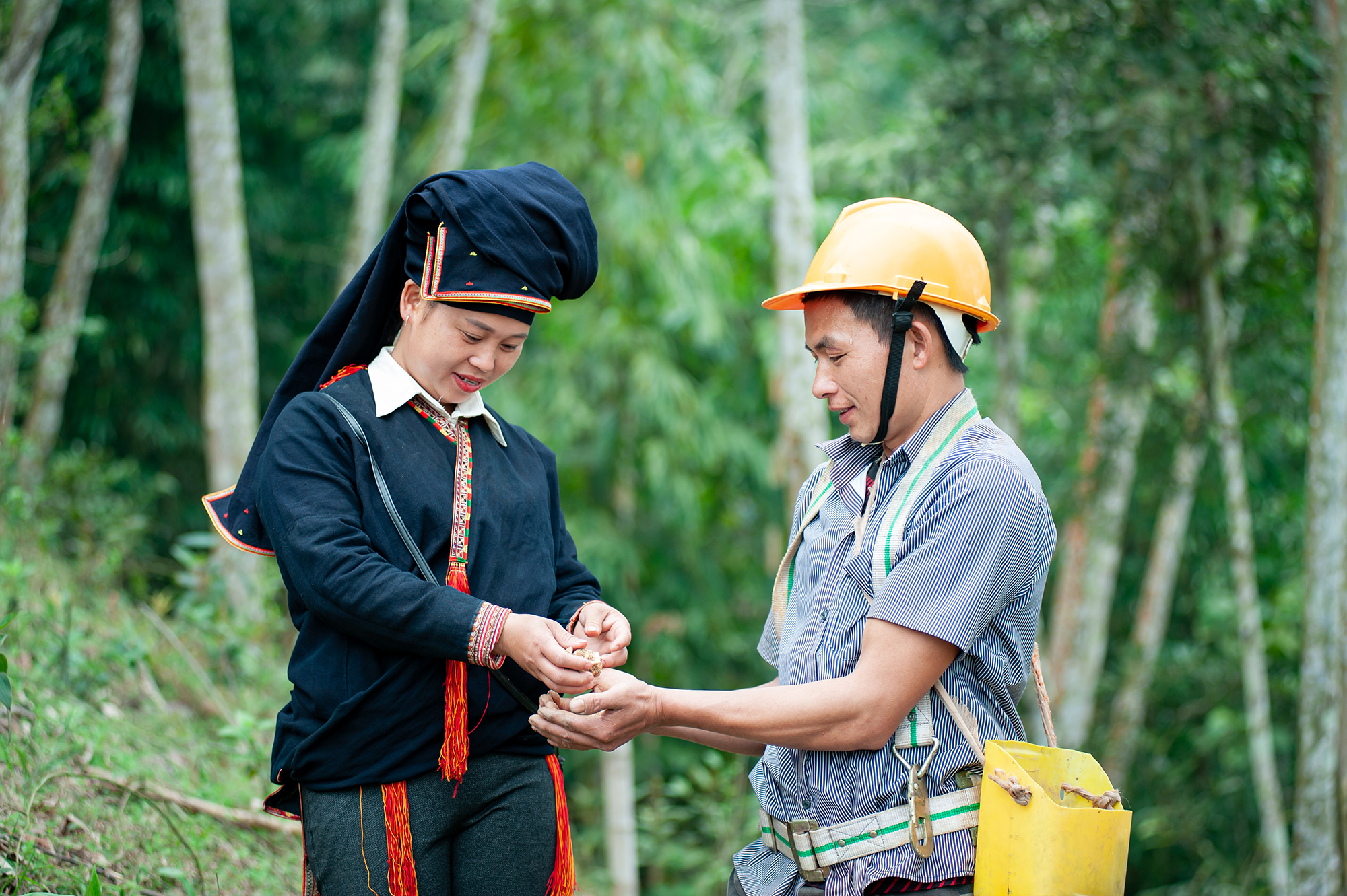
“Ngày trước phụ nữ chúng tôi không có mấy ngày vui, giờ thì cuộc sống của tôi đã thay đổi hoàn toàn”. Đó là tâm sự của những người phụ nữ Dao khi được tiếp cận với khoa học kỹ thuật, biết cách khai thác tài nguyên quý giá của núi rừng để mang về sự ấm no và hạnh phúc.
Đón chúng tôi vào thăm nhà, chị Triệu Thị Liều, xã Nậm Tha, huyện Văn Bàn, tỉnh Lào Cai vui vẻ mời khách ngồi uống nước, trò chuyện cùng các chị em đang làm một công việc góp phần giúp họ “đổi đời”. Những người phụ nữ Dao tay thoăn thoắt cầm dao để cạo những khối đá cứng như thạch anh.
Chị Liều giới thiệu: “Đây là nhựa của cây bồ đề chúng tôi vừa thu hoạch, đang sơ chế để bán cho công ty đấy”. Tiếp đó là tiếng nói cười rộn ràng của các chị khi kể lại câu chuyện “bén duyên” cùng nhựa bồ đề của mình. Ẩn hiện lẫn trong làn khói mờ ảo đang tỏa ra từ chiếc bếp củi, là những nụ cười hạnh phúc của các chị khi được làm công việc mới, mang đến thu nhập cho gia đình.
Phụ nữ VN – Nhiều khách du lịch có dịp quay lại các thôn bản vùng cao Tây Bắc đã vô cùng bất ngờ trước sự tự tin và năng động của những người phụ nữ dân tộc Mường, dân tộc Thái, dân tộc Mông. So với tính cách trầm lặng trước đây, họ dường như đã trở nên vui vẻ hơn, độc lập hơn và cũng cởi mở hơn từ khi làm du lịch cộng đồng.
Đến bản Sà Rèn (thị xã Nghĩa Lộ, tỉnh Yên Bái), điều chúng tôi ấn tượng hơn cả, đó là sự tự tin, cởi mở, tràn đầy tâm huyết của những người phụ nữ – các “bà chủ” homestay nơi đây. Đón đoàn chúng tôi là bà Hoàng Thị Loan, chủ homestay Loan Khang – người đi đầu mở đường cho phong trào làm du lịch cộng đồng tại bản.
Three years ago, Dinh Thi Huyen had a vision: her cooperative farm in Van Ho district, Son La Province, could improve living standards for her Muong ethnic minority community—if only their local specialty rice could reach more customers in Hanoi and tourist locations. Today, holding a beautifully packaged box of Seng Cu rice, she reports that there has been a doubling in the number of farmers working with the cooperative and a 20-percent-increase in their incomes.
“Our product has better quality, a recognized brand name, and a stronger position in the national market,” she says.
Quang Kim, Viet Nam — The villagers of the Giay ethnic minority are often at the mercy of the weather, so UN Women is helping them avert losses in their main livelihoods of farming and raising chickens and fish.
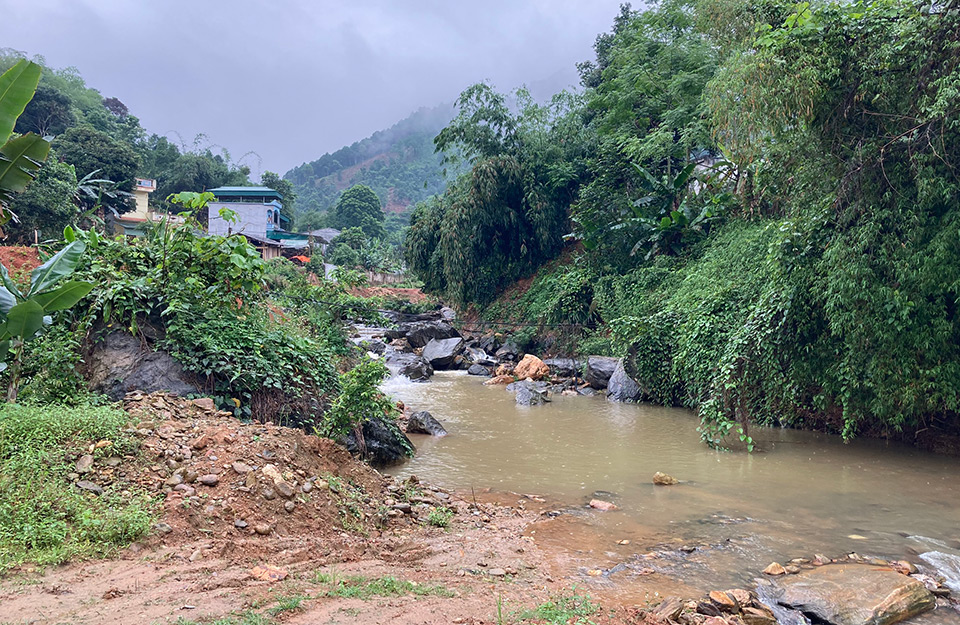
Quang Kim, a commune in Ta Trang village near the capital of Lao Cai province in northern Viet Nam, is often hit by flash floods and landslides during the storm season.
Quang Kim, shown here on 6 April 6, 2021 is always at high risk of flooding. Photo: UN Women/Thao Hoang
“The income of my family depends much on planting rice and selling chicken and fish, but all were buried by the flood in October last year,” said Ho Thi Nhung, 38, who lives here with her husband and two sons. “In recent years the weather has become more unpredictable and extreme, and more rains make the chickens easily get sick and die. … Every six months I raised around 100 chickens, but more than half of them could not survive.”
TTCT – Bên cạnh các khoản thưởng tiền tỉ, những lời tán dương không dứt, các cô gái của bóng đá Việt Nam còn nhận một phần quà đặc biệt ý nghĩa sau thành tích giành vé dự World Cup: suất học bổng đại học.
Đội trưởng tuyển nữ Việt Nam Huỳnh Như. Ảnh: Nguyên Khôi
Với riêng các nữ tuyển thủ ở TP.HCM, có ít nhất hai trường đại học trao tặng học bổng cho họ, là Đại học Hoa Sen và Đại học Công nghệ thông tin.
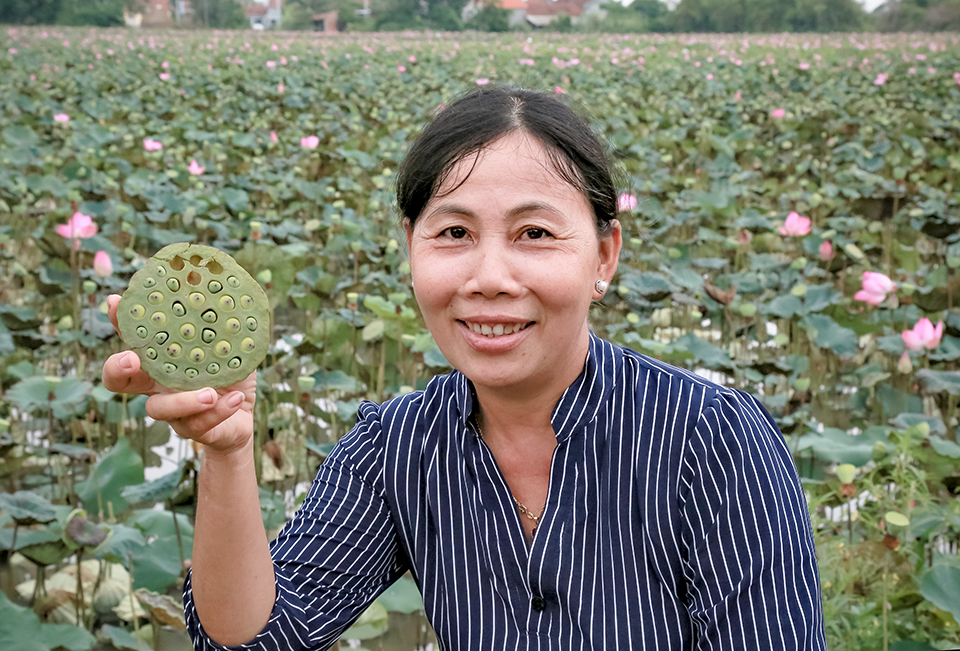
When Tran Thi My Linh, a 51-year-old rural woman first said that she would replace her rice fields with lotus fields, she raised many eyebrows. In the little commune of Hoa Dong in Phu Yen province, just south of Viet Nam’s capital, Ha Noi, villagers had planted rice for generations. However, with the changing weather patterns in recent years, millions of people have been affected in Phu Yen and in rural Viet Nam in general and people have started looking for new livelihoods.
Tran Thi My Linh, 51-year-old. Photo: UN Women/Thao Hoang
Đằng sau chuyện “trồng nấm trên rơm rạ” của Fargreen là lời giải cho một bài toán khó nhưng đầy tiềm năng về cả mặt xã hội và kinh doanh.
Bà Lưu Thị Sim đang thu hạch nấm được trồng trong thùng nhựa đựng thực phẩm có thể tái chế.
Làm sao để người nông dân đừng đốt rơm rạ?
Cách đây hai năm, Trần Thị Khánh Trang được giới truyền thông của Việt Nam chú ý sau khi chị được tạp chí Foreign Policy bình chọn là một trong 100 Global Thinkers năm 2015 với cương vị là người sáng lập Fargreen, một startup xây dựng và kết hợp với một mạng lưới các hộ nông dân trồng nấm trên rơm rạ như một mũi tên trúng hai đích: vừa đảm bảo sinh kế cho người dân, vừa bảo vệ môi trường. Đây là danh sách gồm những người đến từ nhiều lĩnh vực, ngành nghề, có những ý tưởng và hành động thiết thực giải quyết những vấn đề nóng bỏng của thế giới.
Vụ bê bối sửa điểm của trường Đại học Y khoa Tokyo vừa vỡ lở: Trong ít nhất là một thập kỷ, trường này đã hạ 20% điểm đầu vào của phần lớn nữ sinh và tăng 20% điểm của nam sinh để đảm bảo tỉ lệ nữ sinh trong trường không quá 30%. Lí do được đưa ra là, các sinh viên nữ ra trường có nguy cơ bỏ việc nửa chừng khi sinh con, gây thiếu bác sĩ trong tương lai. Cuộc trao đổi giữa Tia Sáng với TS. Khuất Thu Hồng (Viện trưởng Viện Nghiên cứu phát triển xã hội) cho thấy mặc dù đây là hành động cực đoan, nhưng quan điểm phân biệt đối xử với nữ giới đằng sau nó, lại rất phổ biến trên thế giới, kể cả Việt Nam.
Lãnh đạo trường Đại học Y khoa Tokyo xin lỗi vì vụ bê bối. Ảnh: TheGuardian.
Two female computer programmers wire the right side of the Electronic Numerical Integrator and Computer, an early general-purpose electronic computer, with a new program.
PHOTOGRAPH BY SCIENCE HISTORY IMAGES, ALAMY
You can thank female inventors for these now-everyday things.
Coffee filters. Monopoly. Windshield wipers. Wireless tech. These very different inventions share one thing in common: they were created by women. Despite their significant contributions, many of these female inventors have gone unrecognized.
In honor of International Women’s Day, take a moment to appreciate these six inventions we wouldn’t have without women.
Coffee Filters
Thanks to Melitta Bentz from Germany, you don’t have to worry about grounds in your cup of joe. In 1908, Bentz was in search of a better coffee-drinking experience. She was annoyed with the beverage’s bitter taste and floating grounds, so she began experimenting with sheets of blotting paper.
After punching holes in the bottom of a brass cup and lining it with the paper, she found a solution and created the paper coffee filter. She received a patent for her invention and started her own coffee-filter company from a room in her apartment.
Monopoly
Elizabeth “Lizzie” Magie came up with the first version of the game, patenting it in 1904 as The Landlord’s Game. She wanted to use the game to teach the masses about economic inequality, so she sold the patent to Parker Brothers for $500.
Thirty years later, a man named Charles Darrow renamed and redesigned her concept as Monopoly. He sold it to the Parker Brothers in 1935, with no mention of The Landlord’s Game.
Thủ tướng đề nghị thí điểm biện pháp hỗ trợ các cặp vợ chồng sinh đủ 2 con như: khuyến khích nam, nữ kết hôn trước 30 tuổi, không kết hôn muộn và sớm sinh con, phụ nữ sinh con thứ 2 trước 35 tuổi; giảm thuế thu nhập cá nhân, miễn giảm các khoản đóng góp công ích theo hộ gia đình cho phụ nữ sinh đủ 2 con; ưu tiên mua nhà ở xã hội, thuê nhà ở, ưu tiên cho con vào các trường công lập, hỗ trợ chi phí giáo dục trẻ em đối với các cặp vợ chồng sinh đủ 2 con;
Thủ tướng đề nghị thí điểm biện pháp hỗ trợ các cặp vợ chồng sinh đủ 2 con như: giảm thuế thu nhập cá nhân; ưu tiên mua nhà ở xã hội, thuê nhà ở, ưu tiên cho con vào các trường công lập…


 Trường PTDT Bán trú THCS Trung Lý (Mường Lát) tổ chức cho học sinh thi bóng chuyền.










 CVD
CVD 