Banana Boom, Soil Bust

mekongeye.com Produced in partnership with the Putlizer Center

Long-term intensive chemical use in Laos’ banana farms has degraded the country’s once-fertile soil, and it may take nearly half a century to restore it.

  • Laos’ fertile soil and its proximity to China have created ideal conditions for banana cultivation to meet the surging demand from Chinese consumers.
  • This fruit frenzy has attracted Chinese companies to seek farmland in Laos, a landlocked country that has embraced a “green agriculture” approach to combat poverty.
  • With government approval, the sector has expanded, offering jobs, infrastructure development, and revenue from land once considered undervalued.
  • However, an investigation by Mekong Eye and the Rainforest Investigations Network (RIN) reveals that the fruit plantation boom has left a legacy of soil degradation and uncertain livelihoods for many local farmers.

OUDOMXAY & BOKEO, LAOS – Northern Laos is experiencing soil degradation after years of monocropping and widespread chemical use on banana farms operated by Chinese entrepreneurs.

Thiep doesn’t remember the name of the Chinese fruit company that leased his family’s land, only that it was one of the first to arrive in his northern Lao village in 2007. 

After a decade of monocropping bananas, the company left and then returned the land to his family. But in the interim, the earth had changed in ways Thiep and his household couldn’t have anticipated.

“The soil is unusually hard and dry, not like it used to be. We had to replace the plow with a stronger one just to break the ground,” Thiep recalled.

His family members invested extra effort into its first rice crop after reclaiming the plotland. That year, they enjoyed a bumper harvest that was more than they had before the arrival of the Chinese company. But it was the last time they saw such abundance.

“The yield kept decreasing after that,” Thiep said, planting seedlings in the flooded paddy. “Before we leased it out, this plot produced 60 bags of rice. Now it’s down to 30, not enough for the family to eat.”

Nearly two decades ago, Chinese entrepreneurs, attracted by geographic proximity, blanketed northern Laos with banana plantations. 

Exporting bananas to China quickly became an economic mainstay, replacing the long reliance on subsistence rice farming. The plantations not only created local jobs but also increased income for households leasing their land to companies.

But investment capital is bittersweet: it may have provided the region with a ladder out of the depths of poverty, but it has ushered in new perils. 

Some local workers have reportedly fallen ill or died after pesticide spraying on farms.
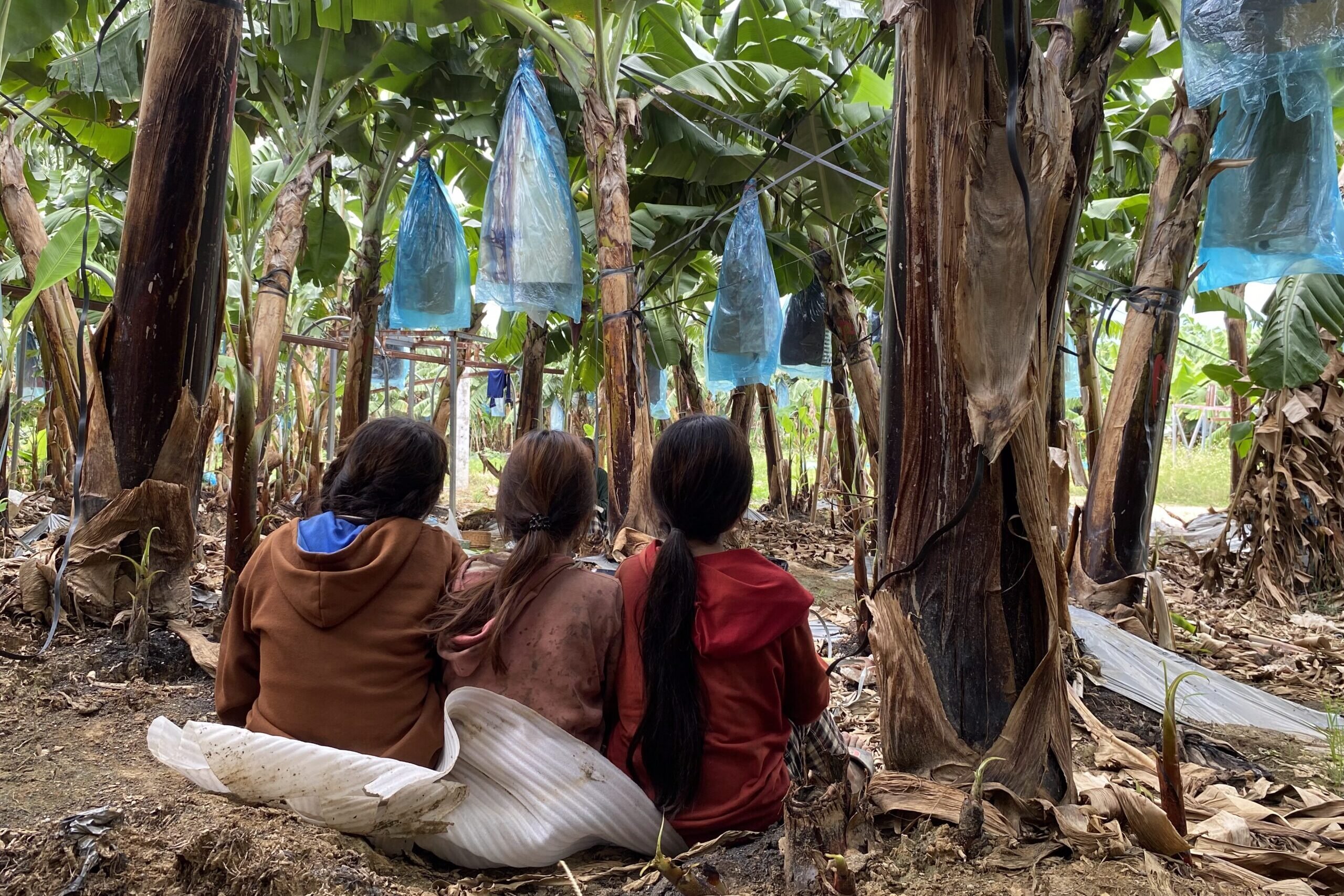
laos banana worker
Young Hmong workers rest after long hours of labor on a banana plantation in Oudomxay province, northern Laos. Many, including children under 15, face direct exposure to hazardous agricultural chemicals used in the plantations.

A 2017 study, conducted with the Lao government’s involvement, found that agricultural chemicals – used intensively and without consistent management on banana plantations – had poisoned rivers and soil, and harmed the health of residents and plantation workers. 

Among the chemicals identified were paraquat – a highly toxic herbicide banned in several countries, including Laos and China – and chlorothalonil, a hazardous substance banned in the EU in 2020 due to its potential to pollute groundwater and cause cancer.

Facing the issue, an official from the Ministry of Industry and Commerce verbally stated in early 2017 that the Prime Minister’s Office had ordered a ban on all commercial banana cultivation, according to the Laos News Agency. However, our reporter was unable to find any official orders on public platforms dating back to 2016.

Tiếp tục đọc “Banana Boom, Soil Bust”

Fruits of spoil: Laos’ forests disappearing as fruit farms flourish (2 parts)

Fruits of spoil: Laos’ forests disappearing as fruit farms flourish

Mekong eyes – 16 December 2024 at 9:27 (Updated on 16 December 2024 at 15:40)

The country’s improved railway connectivity facilitates fruit exports to China but has also sparked a boom in foreign-owned banana and durian farms, leading to forest clearance

A Chinese-owned banana plantation on land that was once forested, located in Attapeu province, southern Laos, in August 2024.

The report was produced with support from the Pulitzer Center’s Rainforest Investigations Network (RIN) and Internews’ Earth Journalism Network as part of the “Ground Truths” collaborative reporting project on soils. 

ATTAPEU, LAOS — The new high-speed railway has enabled faster fruit exports from Laos to China, attracting more investment in large-scale plantations. However, this growth has come at the cost of deforestation.

Bananas and the “king of tropical fruit” – durians – are very popular in China, but they typically ripen within a few days of harvesting.

However, that problem was resolved with the launch of the Laos-China Railway in 2021, which has enabled landlocked Laos to deliver its fruit quickly to China’s 1.4 billion consumers.

Tiếp tục đọc “Fruits of spoil: Laos’ forests disappearing as fruit farms flourish (2 parts)”

China’s New $6B Railway in Laos: Massive Debt Trap or Megaproject Success?

A $6 billion Chinese-built railway in Laos is transforming a small town on the border of China, easing transportation and promising new products for export. The 262-mile rail line is a key part of China’s Belt and Road Initiative, aimed at upgrading trade and transport networks from Africa to the Pacific. China is looking to link its companies with new overseas markets while Laos has hopes of growing a robust export market. But what are the costs of developing this massive infrastructure? WSJ explores the ambition behind China’s envisioned rail network, the economic implications for Laos and challenges as other railways eye development.

Cuộc đua Liên vận quốc tế bằng đường sắt giữa Việt Nam và Lào, Thái Lan

An Thanh 08:01 11/02/2023

Kinhtedothi Ngày 7/2, đoàn tàu chở 19 container lạnh chứa khoảng 280 tấn rau tươi đã rời Côn Minh, (Vân Nam, Trung Quốc) đã đến thủ đô Bangkok của Thái Lan sau hành trình dài 55 giờ. Chiều về, đoàn tàu Liên vận quốc tế sẽ chở hoa quả Thái Lan nhập vào Trung Quốc.

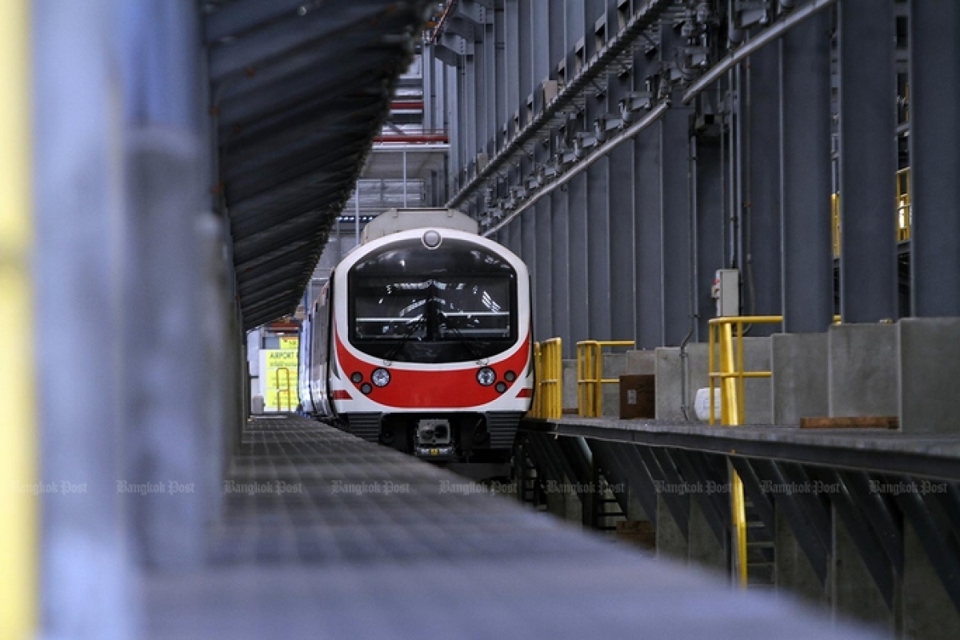
Ngày 7/2/2023 đoàn tàu chở 19 container lạnh chứa khoảng 280 tấn rau tươi đã rời Côn Minh, (Vân Nam, Trung Quốc) đã đến thủ đô Bangkok của Thái Lan. Ảnh: The Bangkok Post.

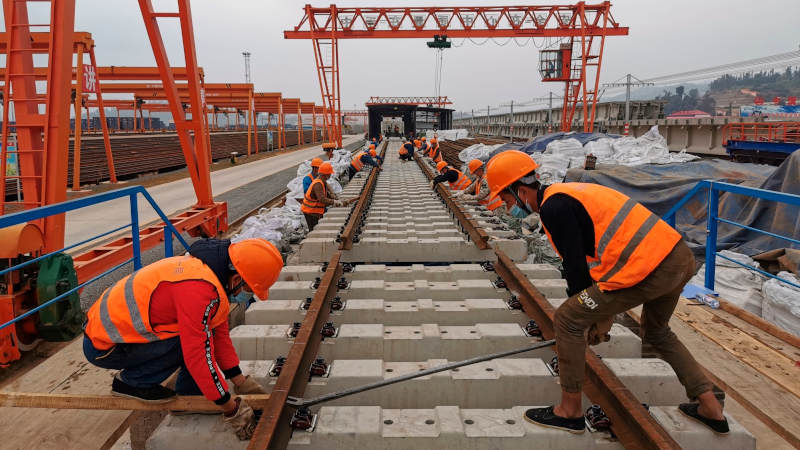
Đã từ lâu vận tải đường sắt luôn được xem là giải pháp quan trọng để giảm giá thành hàng hóa xuất khẩu. Sau 5 năm thi công, tuyến đường sắt tốc độ cao Lào – Trung quốc, dài 414 km từ thị trấn biên giới Boten giáp Vân Nam tới thủ đô Vientiane đã đi vào hoạt động từ cuối năm 2021. Mới đây, tuyến đường sắt này đã được nối với đường sắt Thái Lan, tạo nên cuộc đua liên vận quốc tế (LVQT) trong tương lai hứa hẹn quyết liệt.

Tiếp tục đọc “Cuộc đua Liên vận quốc tế bằng đường sắt giữa Việt Nam và Lào, Thái Lan”

China-indebted Laos way more broke than advertised

asiatimes.com

World Bank predicts public debt will swell to 95% of GDP by year’s end while ‘hidden debts’ to China likely take the figure north of 120%

By DAVID HUTTOCTOBER 14, 2022

Laos will be hard-pressed to meet its external debt obligations. Photo: Faceboo
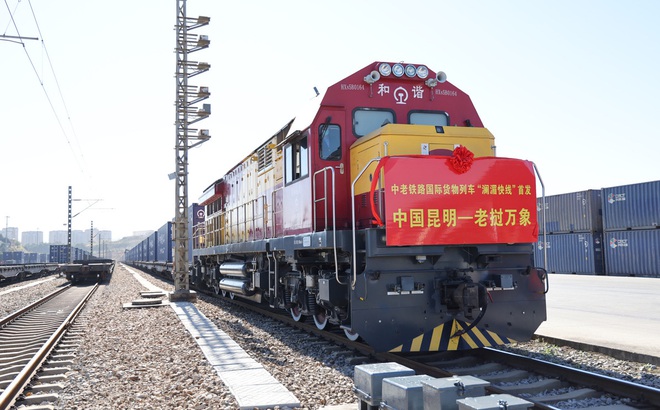
Laos’ public debt could climb to nearly 95% of GDP by the end of 2022, making it one of the most heavily indebted and mostly likely to default nations in Asia, according to World Bank estimates published this month

Significantly, the World Bank’s already dire debt figures do not encompass all of the small Southeast Asian nation’s liabilities.

Asia Times’ reporting and analysis show that Laos’ total debt, including other publicly guaranteed liabilities not included in headline figures, could take the state’s total financial obligations well over 100% of GDP for the first time ever this year. And that’s only the debt officially recognized by the Lao government.

Tiếp tục đọc “China-indebted Laos way more broke than advertised”

Laos economic crisis intensifies amid massive Chinese debt

DW – 09.08.2022 – Enno Hinz

Laos is facing one of its worst economic crises in decades, with the country experiencing galloping inflation and staring at a debt default.   

Inflation in Laos has hit a 22-year high, causing a scarcity of essential commodities like fuel

Laos’ economy has been on the brink of collapse due to a spiraling debt crisis that is crippling the country’s finances and bringing it perilously close to default.

In June, the Southeast Asian nation’s Statistics Bureau announced that inflation hit a 22-year high of 23.6%, causing staple goods to become scarce and eroding the population’s purchasing power.

Tiếp tục đọc “Laos economic crisis intensifies amid massive Chinese debt”

Thái Lan sắp hưởng lợi khủng từ đường sắt Lào-Trung: Việt Nam đành “đứng ngoài cuộc chơi”?

VPDF –  20/01/2022 – 16:09

Thái Lan đã lên kế hoạch để tận dụng tuyến đường sắt Lào – Trung mới được khánh thành.

Thái Lan sắp hưởng lợi khủng từ đường sắt Lào-Trung: Việt Nam đành "đứng  ngoài

Thái Lan hưởng lợi từ đường sắt Lào – Trung

Theo China Daily, các chuyên gia cho biết Thái Lan sẽ thúc đẩy hơn nữa hoạt động thương mại quốc tế và kích thích nền kinh tế trong nước bằng cách tăng tốc kết nối với tuyến đường sắt Trung Quốc-Lào.

Tiếp tục đọc “Thái Lan sắp hưởng lợi khủng từ đường sắt Lào-Trung: Việt Nam đành “đứng ngoài cuộc chơi”?”

Mỏ kim loại khủng ở Lào: Việt Nam dừng bước, “của hiếm” đổ hết sang Trung Quốc

vpdf – Ngày đăng: 09/12/2021 – 17:17

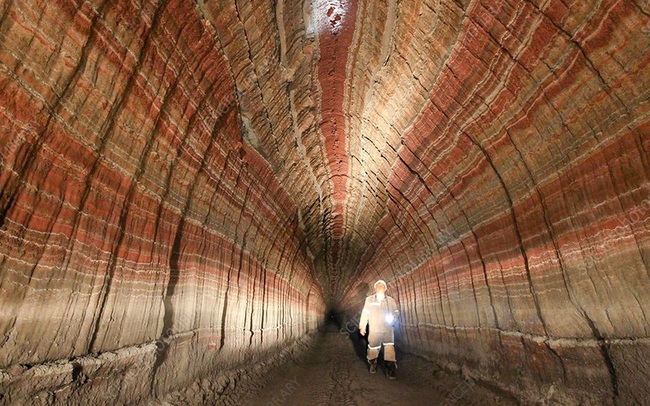
Dự kiến hàng triệu tấn kali khai thác ở Lào sẽ được xuất khẩu sang Trung Quốc nhờ tuyến đường sắt cao tốc mới khánh thành.

Mỏ kim loại khủng ở Lào: Việt Nam dừng bước, "của hiếm" đổ hết sang Trung

Tiếp tục đọc “Mỏ kim loại khủng ở Lào: Việt Nam dừng bước, “của hiếm” đổ hết sang Trung Quốc”

Càng xây đập ồ ạt, Lào càng lún vào bẫy nợ Trung Quốc

baovemoitruong – 09/06/2020

Covid-19 khiến Lào khá điêu đứng và chật vật trong việc bán trái phiếu đô la, gây thêm áp lực cho quốc gia trong cơn xoay sở trả nợ, đặc biệt là với chủ nợ Trung Quốc.

Các nguồn tin thân cận cho hay Chính phủ Lào đã và đang áp dụng thái độ “kiên nhẫn chờ đợi” trước khi tiến hành bán trái phiếu. Tuy nhiên, Ngân hàng Trung ương Lào vẫn xác nhận liệu việc bán trái phiếu có tiếp tục diễn ra trong năm nay hay không.

Công nhân thi công tuyến đường sắt cao tốc Côn Minh-Vientiane, đoạn ở Ngọc Khê, phía tây nam tỉnh Vâm Nam, Trung Quốc. (Ảnh: AP) Tiếp tục đọc “Càng xây đập ồ ạt, Lào càng lún vào bẫy nợ Trung Quốc”

Các con đập hủy hoại Mê Kông như thế nào?

02/11/2019 – BVR&MT 

Khi người Trung Quốc đến làng Lat Thahae – ngôi làng tọa lạc trên một khúc cong đục ngầu của một nhánh sông Mê Kông, họ vẽ nguệch ngoạc mấy chữ tiếng Trung lên các bức tường nhà cửa, trường học và chùa chiền.

Một gia đình sống trôi nổi trên sông Mê Kông ở Campuchia vào tháng 12, gần khu vực con đập được đề xuất. Các quan chức và công ty Trung Quốc hy vọng rằng việc xây dựng các đập mới trong khu vực sẽ bù đắp cho sự tăng trưởng chậm lại ở quê nhà. (Ảnh: Sergey Ponomarev/The New York Times).
Không ai trong ngôi làng biệt lập ở miền bắc Lào này hiểu những chữ đó có nghĩa là gì. Nhưng chữ có nghĩa là “phá bỏ” ấy ảnh hưởng đến số phận của hàng trăm cộng đồng dọc theo dòng sông lớn châu Á.

Tiếp tục đọc “Các con đập hủy hoại Mê Kông như thế nào?”

Lao Citizens Displaced by China-Linked Railroad Project Still Not Paid For Losses

A stretch of railroad is shown under construction in Vientiane's Na Xaythong district in an undated photo.

A stretch of railroad is shown under construction in Vientiane’s Na Xaythong district in an undated photo.

RFA

Thousands of Lao families ordered from their land and homes to make way for a high-speed railway linking the country with China are still waiting for compensation promised by their government though construction has surged ahead, sources in the country say.

Plans now call for work on the railway to end in 2021, with Chinese companies promising completion by that date despite the challenges of boring tunnels in mountainous areas of the country’s north.

Landlocked Laos expects the railroad to lower the cost of exports and consumer goods while boosting socioeconomic development in the impoverished nation of nearly 7 million people.

Under Lao Decree 84 issued in April 2016, Lao citizens losing land to development projects must be compensated for lost property and income, with project owners guaranteeing that living conditions for those displaced will be at least as good as they were before the project began.

In Chaengsavang village in the Na Xaythong district of the capital Vientiane, meanwhile, construction crews have measured and staked out the railroad’s proposed route and begun to build, though no one has spoken yet to affected households about compensation, a local resident recently told RFA’s Lao Service Tiếp tục đọc “Lao Citizens Displaced by China-Linked Railroad Project Still Not Paid For Losses”

Hợp tác sông Mekong: Hãy xới to vấn đề

TVNTheo như châm ngôn của Eisenhower về việc xới tung vấn đề để giải quyết nó, việc mở rộng hợp tác vượt quá khuôn khổ nguồn nước tiến tới năng lượng và các lĩnh vực tài nguyên khác sẽ mở ra những cơ hội mới cho hợp tác khu vực trên cơ sở có qua có lại và hiệp lực. 

Khi được hỏi về thành công của mình với tư cách là một người lính và một chính trị gia, Tổng thống Mỹ Eisenhower đã trả lời: Bất cứ lúc nào tôi gặp phải vấn đề không thể giải quyết, tôi luôn luôn xới to nó lên. Tôi không thể giải quyết nó bằng cách cố gắng ép nó nhỏ đi, nhưng nếu tôi làm cho nó đủ lớn, tôi có thể nhìn thấy bản phác họa của giải pháp”.

Cách tiếp cận của Eisenhower có thể tương tự với tình hình của sông Mekong ngày nay.

Thủy điện,Mekong,Đồng bằng sông Cửu Long,Lào,Campuchia
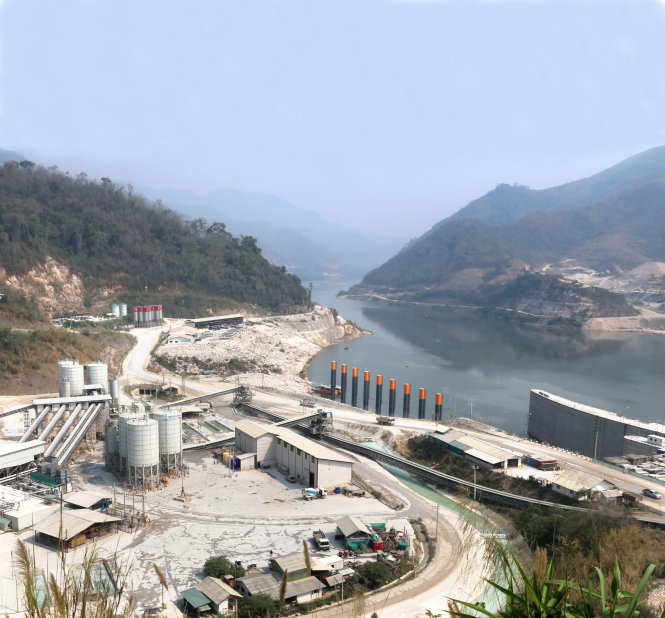
Hình ảnh công trình xây dựng đập thủy điện Xayaburi của Lào trong quá trình gấp rút hoàn thành (tháng 4/2016). Ảnh: TTO

Tiếp tục đọc “Hợp tác sông Mekong: Hãy xới to vấn đề”