The Rise of Chinese Capital: Impact on ASEAN’s Manufacturing Landscape

vietnam-briefing.com November 21, 2023

Amid evolving dynamics in Asia’s supply chain and labor markets, extensive discussions have unfolded regarding the notable shift of manufacturing operations to Southeast Asian countries. While much of this discourse has traditionally centered around foreign companies relocating from China in pursuit of cost-effective alternatives, a compelling aspect often overlooked is the surge in such endeavors by Chinese corporations themselves.

Driven in part by rising domestic wages and operational costs, Chinese companies have increasingly directed their investments towards the manufacturing sector in ASEAN countries. What was once a less pronounced trend has rapidly transformed, reflecting a strategic recalibration of Chinese business interests and a major shift in where the majority of global manufacturing takes place.

The significance of Chinese investment in ASEAN’s manufacturing landscape is underscored by the fact that China holds the position of ASEAN’s largest trade partner, and is fast becoming one of the most important sources of investment in the region.

Tiếp tục đọc “The Rise of Chinese Capital: Impact on ASEAN’s Manufacturing Landscape”
China has plans for grand canals

economist.com

The building scheme is part of an effort to become a “transportation power”

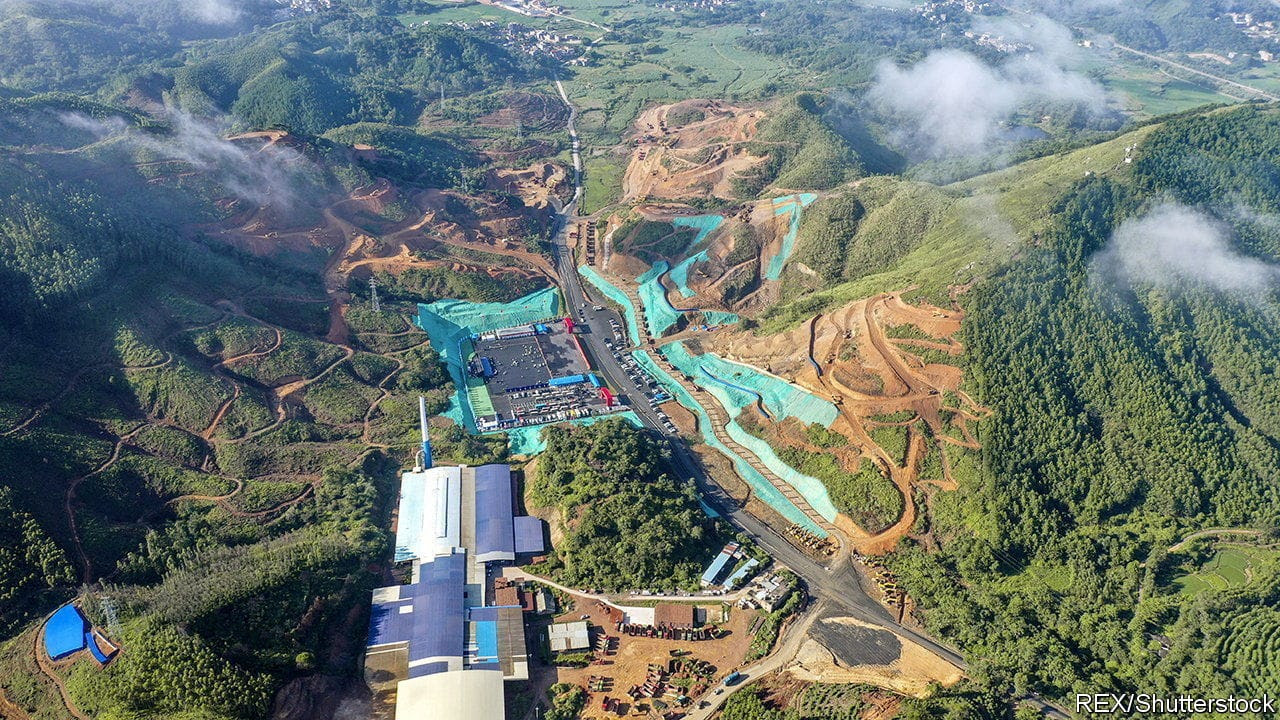
Mandatory Credit: Photo by Xinhua/Shutterstock (13331262b)Aerial photo taken on Aug. 28, 2022 shows a construction site of the Pinglu Canal project in Lingshan County, south China's Guangxi Zhuang Autonomous Region. The construction of the Pinglu Canal project officially kicked off on Sunday. The canal, stretching about 135 km, aims to link Xijiang River with ports in the Beibu Gulf. Upon completion, the canal, starting from the Xijin reservoir in city of Hengzhou and ending at Luwu Town of Lingshan County, where ships could reach the Beibu Gulf via the Qinjiang River, will open a shorter route to the sea for Guangxi and other regions in southwest China.China Guangxi Pinglu Canal Project Construction - 28 Aug 2022

Sep 15th 2022Share

These are good times for local officials who want to build expensive infrastructure. To revive a flagging economy, battered by draconian pandemic-control measures, the central government is giving them freer rein. The southern province of Guangxi has a project that fits the bill: a canal costing $10.5bn that will link its main river system to the sea. It will involve a spree of demolition, digging, dredging and building over the next four and a half years. Mulled over for more than a century, the project began last month.

Tiếp tục đọc “China has plans for grand canals”

“The Mekong is Dying”: How China’s River Diplomacy Neglects Locals, Exacerbates Climate Change

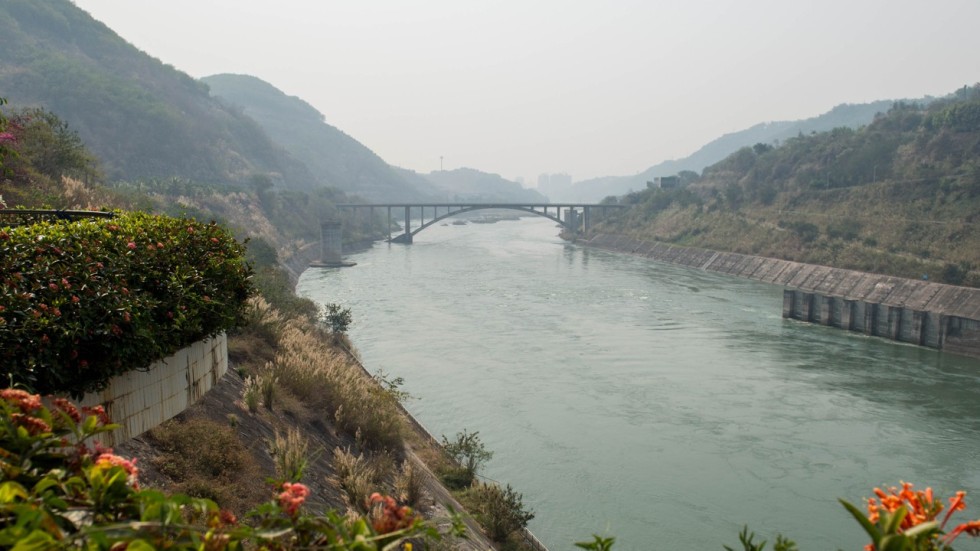
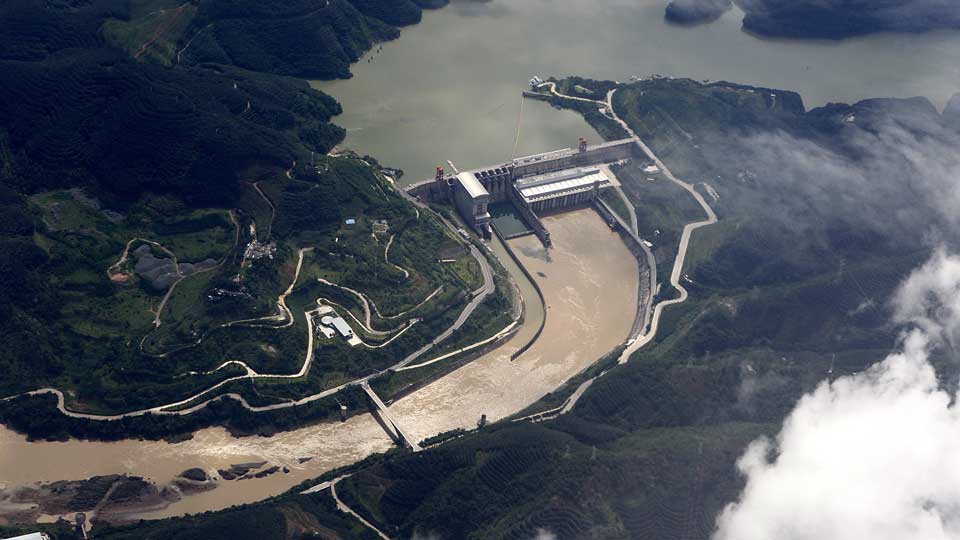
File image of the aerial view of the Jinghong Hydropower Station on the Lancang River, the Chinese part of the Mekong River, in Jinghong city, Xishuangbanna Dai Autonomous Prefecture, southwest China’s Yunnan province. Imaginechina Limited / Alamy Stock Photo

Chinaglobalsouth.com

The rainy season would usually start in May, but this was late June and it was still not raining much. Niwat Roykaew, who grew up on the bank of the Mekong River in Thailand’s northern Chiang Rai province, noticed. 

Born and raised in the Chiang Khong district, Roykaew, 63, was taught to observe the Mekong River to tell the season. But, in the past two decades, the river has become unpredictable like it has “pulsated out of tune”.

Niwat Roykaew is a Thai activist who campaigns for China to share data about water restrictions by its dams upstream.

“The water would get high for two days, then on the third day it would suddenly drop, even during the rainy season,” said Roykaew. 

Local residents like him knew that this delay could mean another year of drought. Since at least 2019, that’s what has happened: the monsoon rain is late, and when it comes, it departs early.

The Mekong River’s water levels in the lower basin, including in Thailand, are now very unstable, being heavily affected both by climate change and hydropower dams upstream that are mostly powered by China, according to local residents, activists, and experts.

Tiếp tục đọc ““The Mekong is Dying”: How China’s River Diplomacy Neglects Locals, Exacerbates Climate Change”

Southeast Asians sticking with China on Taiwan: survey

asiatimesDemocracy Perception Index survey shows most Southeast Asians would not support cutting economic ties with China if it invades Taiwan

By DAVID HUTTJUNE 1, 2022Print

Military helicopters carrying large Taiwan flags do a flyby rehearsal on October 5, 2021, ahead of National Day celebrations amid escalating tensions between Taipei and Beijing. Photo: AFP / Ceng Shou Yi / NurPhoto

A recent Democracy Perception Index survey of worldwide public opinion found that a majority of Southeast Asians would not support their governments cutting economic ties with China if Beijing launched an invasion of Taiwan. 

The same report found that only Singaporeans, from the six Southeast Asian countries surveyed, favored cutting economic ties with Russia because of its invasion of Ukraine in February. Indonesians and Vietnamese were two of the three nationalities who believed most strongly that ties with Russia should be maintained.  

The Democracy Perception Index 2022 survey, published this month by Latana and the Alliance of Democracies Foundation, asked respondents: “If China started a military invasion of Taiwan, do you think your country should cut economic ties with China?” 

Tiếp tục đọc “Southeast Asians sticking with China on Taiwan: survey”

2022 State of Southeast Asia Survey: Diverse Perspectives and Hard Realities

fulcrum.sg

PUBLISHED 16 FEB 2022

TERENCE CHONG

The US has gained ground against China in the contest for regional influence in Southeast Asia, according to the latest State of Southeast Asia Survey. ASEAN continues to be seen as ineffective in the eyes of respondents; at the same time, they are willing to give it credit when it is due.

The United States is gaining significant ground against China in the battle to win friends and influence countries, with respondents across Southeast Asia confident that Washington would be able to lead on issues such as championing free trade and upholding the rules-based regional order. 

A fresh reading of The State of Southeast Asia Survey also showed that pressing issues — the Covid-19 pandemic, unemployment and economic retraction as well as climate change – continue to be prioritised by respondents. In their view, however, ASEAN is seen as too slow and ineffective to cope with rapid developments.

Tiếp tục đọc “2022 State of Southeast Asia Survey: Diverse Perspectives and Hard Realities”

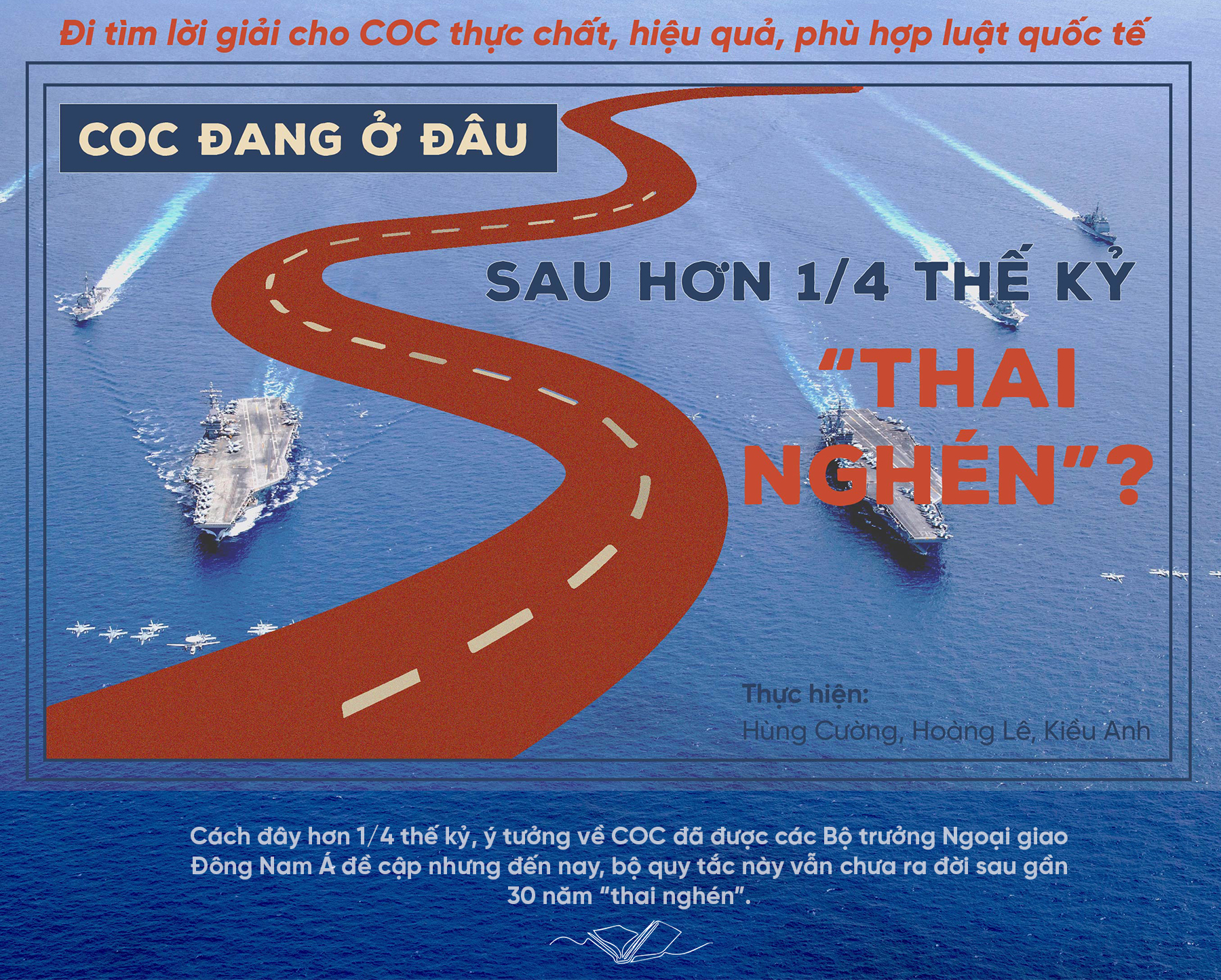
COC đang ở đâu sau 1/4 thế kỷ “thai nghén”?

VOV – 25/01/2022 – 11:57

Cách đây hơn 1/4 thế kỷ, ý tưởng về  COC đã được các Bộ trưởng Ngoại giao Đông Nam Á đề cập nhưng cho đến nay, bộ quy tắc này vẫn chưa ra đời sau gần 30 năm “thai nghén”

Khi các tranh chấp là vấn đề nổi cộm ở Biển Đông, có rất nhiều ví dụ về các thỏa thuận quản lý nghề cá, khai thác dầu khí… có thể giúp ích cho các cuộc đàm phán về xây dựng Bộ Quy tắc ứng xử ở Biển Đông (COC) giữa Trung Quốc và các nước Đông Nam Á. Nhưng câu hỏi cơ bản là liệu Bắc Kinh đã sẵn sàng đưa ra bất kỳ nhượng bộ thiện chí nào để đạt được thỏa thuận như vậy hay chưa? Suốt hơn 20 năm qua, câu trả lời chỉ là không.

Tiếp tục đọc “COC đang ở đâu sau 1/4 thế kỷ “thai nghén”?”

Nhận diện thách thức an ninh biển với Đông Nam Á

NGHIÊN CỨU BIỂN ĐÔNG 28/08/2021 – 10:00

Theo các học giả khu vực, có bốn thách thức với Đông Nam Á về an ninh biển: (i) Trung Quốc là nhân tố gây bất ổn chính tại Biển Đông; (ii) Đông Nam Á còn nhiều hạn chế trong năng lực biển; (iii) Đông Nam Á không có chung nhận thức về vấn đề Biển Đông; và (iv) các nước Đông Nam Á chịu sức ép từ cạnh tranh nước lớn.

Trung Quốc gia tăng các hoạt động để độc chiếm Biển Đông - VietNamNet

Tác giả: Hoàng Đỗ, Thùy Anh & Lê Long, Viện Biển Đông, Học viện Ngoại giao.  

Cuối tháng 6 và đầu tháng 7/2021, một số tọa đàm về an ninh biển tại khu vực Ấn Độ Dương – Thái Bình Dương đã được tổ chức, trong đó có webinar “Biển Đông: Thách thức, cơ hội và triển vọng hợp tác” (của Viện Nghiên cứu quốc tế và chiến lược Malaysia (ISIS) và Đại sứ quán Mỹ tại Malaysia) và webinar “An ninh biển tại Đông Nam Á: Vấn đề, viễn cảnh và thách thức với hợp tác” (của Diễn đàn Thái Bình Dương).

Các tọa đàm quy tụ nhiều diễn giả nổi tiếng trong khu vực như Collin Koh, (Trường S. Rajaratnam, Singapore), Blake Herzinger (Diễn đàn Thái Bình Dương), Satu Limaye (Trung tâm Đông – Tây), Ivy Kwek Ai Wei (Viện Nghiên cứu phát triển xã hội Malaysia) và Shahriman Lockman (ISIS Malaysia). Nội dung nổi bật của các tọa đàm như sau:

Tiếp tục đọc “Nhận diện thách thức an ninh biển với Đông Nam Á”

Giữa hai đại dương và một ASEAN trung lập bền vững

  • TTCT – HỮU NGHỊ
  • 28.06.2019, 13:08

Cuối cùng, các nhà lãnh đạo ASEAN cũng đã cùng nhìn và thấy khu vực Đông Nam Á là một trong vài điểm nóng “chết người” của thế giới trong thế kỷ 21 này, để cùng đưa ra một “Tầm nhìn Ấn Độ Dương – Thái Bình Dương của ASEAN”. 

Văn bản nhẹ nhàng đó là tất cả những gì mà các quốc gia, dù góc nhìn và vị trí khác nhau, đã có thể đồng thuận, ngoài các khúc mắc nội bộ.

ASEAN cùng hướng tới tương lai, tranh của họa sĩ người Philippines Jessica Lopez. -Ảnh: wordpress.com

Trong cuộc họp báo khép lại Hội nghị thượng đỉnh ASEAN ngày
23-6, Thủ tướng nước chủ nhà Thái Lan Prayuth Chan-ocha đã thuật lại quá trình đạt đến tầm nhìn chung nói trên: “Sau khi cân nhắc toàn diện vấn đề này, ASEAN đã xây dựng Tầm nhìn của ASEAN trên Ấn Độ Dương – Thái Bình Dương, điều này rất có ý nghĩa do nay ASEAN đã có cách tiếp cận chung, theo đề xuất mà tôi đưa ra tại Hội nghị thượng đỉnh Đông Á ở Philippines năm 2017, rằng ASEAN cần đóng vai trò “bắc cầu” kết nối Thái Bình Dương và Ấn Độ Dương. Do đó, tôi muốn bày tỏ sự đánh giá cao của mình với ngài tổng thống Indonesia, người đã đóng một vai trò quan trọng trong việc thúc đẩy Tầm nhìn của ASEAN trên Ấn Độ Dương – Thái 
Bình Dương…”. Tiếp tục đọc “Giữa hai đại dương và một ASEAN trung lập bền vững”

5 điểm chính về Hội nghị Thượng đỉnh Hợp tác Lan Thương – MêKông

English: Five things to know about the Lancang-Mekong Cooperation summit

TĐH: Chúng ta chưa hề được nghe các thảo luận của báo chí trong nước về Kế hoạch năm năm của Trung Quốc. Nên tự hỏi, liệu Việt Nam sẽ có cuộc thảo luận công khai về kế hoạch này, hay là bất cứ ai tham dự hội nghị LMC sẽ chỉ đơn giản chấp nhận kế hoạch thay mặt cho Việt Nam?

Kế hoạch phát triển năm năm, bao gồm cả việc xây dựng các đập thủy điện, dự kiến sẽ là chương trình được ưu tiên thảo luận hàng đầu tại hội nghị các quốc gia sông MêKông tại Campuchia.

Khi Trung Quốc và lãnh đạo các quốc gia dọc sông MêKông họp tại hội nghị thượng đỉnh Hợp tác MêKông – Thái Lan tại Cam-pu-chia, thiết lập kế hoạch phát triển 5 năm dự kiến sẽ là mục hàng đầu của chương trình nghị sự, bao gồm việc xây dựng các đập thủy điện và các dự án khác cho khu vực – và chỉ ra tầm quan trọng về kế hoạch vành đai và con đường đầy tham vọng của Trung Quốc. Tiếp tục đọc “5 điểm chính về Hội nghị Thượng đỉnh Hợp tác Lan Thương – MêKông”

Power stacked against Southeast Asia’s poor as China dams Mekong

channelnewsasia

Communities along the mighty Mekong blame China for their shrinking catches. (Photo: AFP/TANG CHHIN SOTHY)

Read more at https://www.channelnewsasia.com/news/asiapacific/power-stacked-against-southeast-asia-s-poor-as-china-dams-mekong-9841686

KANDAL, Cambodia: Cambodian fisherman Sles Hiet lives at the mercy of the Mekong: A massive river that feeds tens of millions but is under threat from the Chinese dams cementing Beijing’s physical – and diplomatic – control over its Southeast Asian neighbours.

The 32-year-old, whose ethnic Cham Muslim community live on rickety house boats that bob along a river bend in Kandal province, says the size of his daily catch has been shrinking by the year. Tiếp tục đọc “Power stacked against Southeast Asia’s poor as China dams Mekong”

Is Mekong River set to become the new South China Sea for regional disputes?

The Beijing-led Lancang-Mekong Cooperation mechanism was set up to help ease tensions over development projects, but environmental groups are yet to be convinced

 South China Morning Post PUBLISHED : Tuesday, 02 January, 2018, 9:00pm
UPDATED : Wednesday, 03 January, 2018, 12:09am

Foreign ministers from the six countries through which the Mekong flows met in southwestern China last month to approve a draft of a five-year development plan for the river. But as state leaders prepare to finalise the proposal at a meeting in Cambodia later this month, environmental groups have expressed concern over what it could mean for Southeast Asia’s longest waterway.

Tiếp tục đọc “Is Mekong River set to become the new South China Sea for regional disputes?”

China’s high-speed train plans in Southeast Asia stumble

Disagreements over costs and land procurement are adding years to schedules

asia.nikkei.com

YUKAKO ONO, Nikkei staff writer

Officials attend the groundbreaking ceremony of the rail project linking Bangkok and Nakhon Ratchasima, on Dec. 21 in Nakhon Ratchasima, Thailand. (Photo by Yukako Ono).

NAKHON RATCHASIMA, Thailand Exports of high-speed railway systems by China to Southeast Asian nations are lagging behind schedule due to problems over cost sharing and delays in land procurement.

A China-led project in Thailand is finally about to get underway, two years after a groundbreaking ceremony for a part of the route. But the outlook for connecting the line with China’s planned pan-Asian railway network is still dim.

The situation is a matter of concern to China as high-speed railway exports represent a core of the Belt and Road Initiative to reinforce its relations with neighboring countries through infrastructure projects.

The Thai government on Dec. 21 held a groundbreaking ceremony for a 250km, 179 billion baht ($5.46 billion) high-speed rail project linking Bangkok and the northeastern Thai province of Nakhon Ratchasima. Tiếp tục đọc “China’s high-speed train plans in Southeast Asia stumble”

Multiple Mekong forums risk igniting rivalry

ASEAN+ January 03, 2018 01:00

THE NATION 

LEADERS FROM six riparian states along the Mekong River will be busy this year as meetings on many cooperation schemes in the region are scheduled in a situaton that observers have said is overlapping.

 The youngest forum, the Lancang-Mekong Cooperation (LMC), will call its second summit meeting next Wednesday in Phnom Penh to endorse a five-year action plan (2018-2022) regarding its cooperation projects.

Its participants – six counties in the Mekong basin comprising China, Myanmar, Laos, Thailand, Cambodia and Vietnam – have all been involved in many cooperation schemes over the past decades.
Tiếp tục đọc “Multiple Mekong forums risk igniting rivalry”

FTA ASEAN-Trung Quốc và Hồng Kông: Đừng để doanh nghiệp Việt Nam ngó nhìn lợi ích

TS. Phạm Sỹ Thành (*) Thứ Bảy,  23/12/2017, 12:11 

Trong 3-4 năm trở lại đây, đầu tư của Trung Quốc vào ASEAN tăng vọt trong lĩnh vực hạ tầng và kinh tế. Ảnh: NGUYỄN NAM

(TBKTSG) – ASEAN vốn là một khu vực quan trọng trong chính sách ngoại giao của Trung Quốc. Thái độ mềm dẻo đột ngột kết thúc vào năm 2009 khi Trung Quốc ngày càng có các hành động cứng rắn trong các vấn đề ở khu vực. Tuy nhiên, bất chấp tình trạng “chính trị lạnh”, quan hệ kinh tế Trung Quốc và ASEAN vẫn phát triển rất nồng ấm, đặc biệt kể từ khi Hiệp định thương mại tự do ASEAN – Trung Quốc (ACFTA) có hiệu lực từ tháng 7-2005. Tiếp tục đọc “FTA ASEAN-Trung Quốc và Hồng Kông: Đừng để doanh nghiệp Việt Nam ngó nhìn lợi ích”