US Senate Resolution 412:calls on China to withdraw its HD-981 drilling rig and associated maritime forces from their current positions

First posted on UNCLOSforum.wordpress.com on July 11, 2014

There are 2 summaries for this bill.
Bill summaries are authored by CRS.

Shown Here:
Reported to Senate amended (05/20/2014)

States that the Senate: (1) condemns coercive actions or the use of force to impede freedom of operations in international airspace to alter the status quo or to destabilize the Asia-Pacific region; (2) urges China to refrain from implementing the declared East China Sea Air Defense Identification Zone and to refrain from taking similar provocative actions elsewhere in the Asia-Pacific region; (3) commends Japan and the Republic of Korea for their restraint; and (4) calls on China to withdraw its HD-981 drilling rig and associated maritime forces from their current positions, refrain from maritime maneuvers contrary to the Convention on the International Regulations for Preventing Collisions at Sea, and return to the status quo as it existed before May 1, 2014.

Sets forth U.S. policy regarding: (1) supporting allies and partners in the Asia-Pacific region; (2) opposing claims that impinge on the rights, freedoms, and lawful use of the sea; (3) managing disputes without intimidation or force; (4) supporting development of regional institutions to build cooperation and reinforce the role of international law; and (5) assuring continuity of operations by the United States in the Asia-Pacific region.

Vietnam’s Position paper on the sovereignty of Viet Nam over the Hoang Sa Archipelago

First posted on UNCLOSforum.wordpress.com on July 6, 2014

Position paper on the sovereignty of Viet Nam over the Hoang Sa Archipelago
07-07-2014, 09:56 am
http://www.vietnam-un.org/en/index.php


THE SOVEREIGNTY OF VIET NAM OVER THE HOANG SA ARCHIPELAGO

The Socialist Republic of Viet Nam rejects as completely unfounded, in fact and in law, China’s sovereignty claims over the Hoang Sa archipelago (which China calls “the Xisha islands”, also known as the Paracel Islands) in the annexes to the letters dated 22 May 2014 and 09 June 2014 from the Chargé d’affaires a.i. of the Permanent Mission of the People’s Republic of China to the United Nations addressed to the Secretary-General of the United Nations as contained in documents A/68/887 and A/68/907 respectively. Viet Nam affirms that the Chinese claims have no legal or historical foundation. Tiếp tục đọc “Vietnam’s Position paper on the sovereignty of Viet Nam over the Hoang Sa Archipelago”

Phân tích pháp lý lá thư của Thủ tướng Phạm Văn Đồng gửi Thủ tướng Chu Ân Lai ngày 14 tháng 9 năm 1958

First posted on UNCLOSforum.wordpress.com on July 6, 2014

Quá nhiều ồn ào trống rỗng, quá nhiều pháp thuật phù thủy, cho lá thư chỉ có 2 đoạn ngắn của Thủ tướng VN Phạm Văn Đồng gửi đến Thủ tướng TQ Chu Ân Lai ngày 14 tháng 9 năm 1958.

TQ thẩy lá thư lên Internet, phong cho nó chức Công Hàm Ngoại Giao. Và ai đó dịch sang tiếng Anh là diplomatic note.

Và Trung quốc, bậc thầy về nghệ thuật thả hỏa mù, nói Công hàm này có nghĩa là TT Phạm Văn Đồng đồng ý với tuyên bố chủ quyền của TQ về Hoàng Sa và Trường Sa.

Rất tiếc, một số quý vị chống cộng ở nước ngoài nhặt các tuyên truyền của TQ, và quảng cáo rầm rộ lá thư là Công Hàm Bán Nước. Vì vậy, lá thư trở thành huyền thoại, nhờ tuyên truyền của TQ.

Nhưng sự thật là tất cả mọi học giả tôi biết, kể cả các học giả không là luật sư, đều đồng ý là lá thư PVĐ chỉ nói đến một điều giản dị, đó là Thủ tướng PVĐ đồng ý với lãnh hải 12 hải lý mà TQ công bố năm 1958.

Phiên tòa giả lập dưới đây do tôi viết, giữa luật sư cho TQ (LsTQ), luật sư cho VN (LsVN) và thẩm phán đoàn 5 người của tòa trọng tài UNCLOS, thẩm vấn các luật sư qua một thẩm phán (TP), là dịp để chúng ta phân tích, tìm hiểu và chứng minh ý định của Thủ tướng PVĐ trong lá thư của ông. Tiếp tục đọc “Phân tích pháp lý lá thư của Thủ tướng Phạm Văn Đồng gửi Thủ tướng Chu Ân Lai ngày 14 tháng 9 năm 1958”

Deciphering the letter of PM Phạm Văn Đồng to PM Zhou En Lai on September 14, 1958

First posted on UNCLOSforum.wordpress.com on July 3, 2014

Too many empty noises, too much sorcery, for this 2-paragraph letter from PM Phạm Văn Đồng to PM Zhou En Lai on Sept. 14, 1858.

China threw it onto the Internet, crowning it as Công Hàm. I am not sure what Công Hàm really means, but it sounds important and mysterious. Someone translated the name into Diplomatic Note.

And the Chinese, masters in the art of smoke blowing, said the Công Hàm meant that Prime Minister Phạm Văn Đồng agreed to China’s sovereignty over the Paracels and the Spratlys.

Unfortunately, a bunch of anti-commie overseas Vietnamese picked it up after the Chinese, and advertised the letter as Công Hàm Bán Nước (Công Hàm to sell the country). So, the letter became famous, thanks to Chinese propaganda.

But indeed, all the scholars I know (including the non-lawyer scholars) agree that the letter said only one simple thing, that Prime Minister PVĐ agreed to the 12-mile territorial sea adopted by the Chinese in 1958.

I wrote the following imaginary trial between Counsel for China (Cch), Counsel for Vietnam (Cvn) and a five-judge arbitration panel, talking mainly through one judge (J), to show what PM PVĐ intended to write in his letter. Tiếp tục đọc “Deciphering the letter of PM Phạm Văn Đồng to PM Zhou En Lai on September 14, 1958”

The Operation of the HYSY 981 Drilling Rig: Vietnam’s Provocation and China’s Position

First posted on UNCLOforum.wordpress.com on June 7, 2014

The Operation of the HYSY 981 Drilling Rig: Vietnam’s Provocation and China’s Position

2014/06/08

I. The operation of the HYSY 981 drilling rig

On 2 May 2014, a Chinese company’s HYSY 981 drilling rig started its drilling operation inside the contiguous zone of China’s Xisha Islands (see Annex 1/5 for the locations of operation) for the purpose of oil and gas exploration. With the first phase of the operation completed, the second phase began on 27 May. The two locations of operation are 17 nautical miles from both the Zhongjian Island of China’s Xisha Islands and the baseline of the territorial waters of Xisha Islands, yet approximately 133 to 156 nautical miles away from the coast of the Vietnamese mainland.

Tiếp tục đọc “The Operation of the HYSY 981 Drilling Rig: Vietnam’s Provocation and China’s Position”

Letter dated 6 June 2014 from the Permanent Representative of Viet Nam to the United Nations addressed to the Secretary-General concerning Haiyang Shiyou oil rig

First poste on unclosforu.wordpress.com on June 6, 2014

Viet Nam & UN
Letter dated 6 June 2014 from the Permanent Representative of Viet Nam to the United Nations addressed to the Secretary-General
06-23-2014, 03:41 pm

Sixty-eighth session

Agenda item 76 (a)

Oceans and the law of the sea

Letter dated 6 June 2014 from the Permanent Representative of Viet Nam to the United Nations addressed to the Secretary-General

Upon instructions from my Government, I have the honour to transmit herewith a diplomatic note dated 4 June 2014 from the Ministry of Foreign Affairs of the Socialist Republic of Viet Nam addressed to the Ministry of Foreign Affairs of the People’s Republic of China concerning China’s continued illegal operation of the oil rig Haiyang Shiyou 981 in the exclusive economic zone and the continental shelf of Viet Nam (see annex). Tiếp tục đọc “Letter dated 6 June 2014 from the Permanent Representative of Viet Nam to the United Nations addressed to the Secretary-General concerning Haiyang Shiyou oil rig”

Luật sư gốc Việt lập diễn đàn thảo luận về UNCLOS

Fít posted on unclosforum.wordpress.com on June 5, 2014

(Sinhvienusa.org) Ông Trần Đình Hoành, một luật sư kỳ cựu ở Mỹ vừa tổ chức diễn đàn trực tuyến (http://unclosforum.com) để cung cấp kiến thức xung quanh Công ước quốc tế về luật biển (UNCLOS).ts-tran-dinh-hoanh

Sinhvienusa.org đã có cuộc trao đổi với luật sư Trần Đình Hoành xoanh quanh chủ đề đấu tranh bảo vệ chủ quyền biển đảo.

Tiến sĩ Trần Đình Hoành, luật sư về đầu tư quốc tế và một số vấn đề liên hệ đến Việt Nam, trụ sở tại Washington DC; chất vấn Giáo sư Su Hao trong phần hỏi đáp của buổi hội thảo “An Ninh Hàng Hải Biển Ðông” do Trung Tâm Nghiên Cứu Chiến Lược Quốc Tế Hoa Kỳ (CSIS) tổ chức ngày 20 tháng Sáu, 2011. (ảnh Hà Giang/Người Việt)

Thưa luật sư Trần Đình Hoành, ông có thể cho biết những giá trị mà diễn đàn về UNCLOS do ông vừa sáng lập có thể mang lại? Tiếp tục đọc “Luật sư gốc Việt lập diễn đàn thảo luận về UNCLOS”

TQ cô đơn, VN đơn cử trận Hoàng Sa 1974 – Hội thảo An Ninh Biển Ðông (kỳ chót)

Người Việt

Hà Giang/Người Việt

First posted on unclosforum.wordpress.com on June 4,m 2014

WASHINGTON (NV) – Dù đã kết thúc từ đầu tuần, âm vang của cuộc hội thảo có tên “An Ninh Hàng Hải Biển Ðông” vẫn còn rất rõ trong tâm trí cả những diễn giả lẫn cử tọa của buổi họp – căn cứ trên số lượng các bài báo, tường trình, phỏng vấn, chương trình phát thanh, những khúc phim ngắn, và các bài bình luận hiện vẫn còn đang xuất hiện trên mọi phương tiện truyền thông đại chúng.

Tiến sĩ Trần Đình Hoành, luật sư về đầu tư quốc tế và một số vấn đề liên hệ đến Việt Nam, trụ sở tại Washington DC; chất vấn Giáo sư Su Hao trong phần hỏi đáp của buổi hội thảo “An Ninh Hàng Hải Biển Ðông” do Trung Tâm Nghiên Cứu Chiến Lược Quốc Tế Hoa Kỳ (CSIS) tổ chức tại Hoa Thịnh Ðốn ngày 20 tháng Sáu, 2011. (Hình: Hà Giang/Người Việt) Tiếp tục đọc “TQ cô đơn, VN đơn cử trận Hoàng Sa 1974 – Hội thảo An Ninh Biển Ðông (kỳ chót)”

Hội Thảo An Ninh Biển Đông: Những Điểm Tranh Luận

VOA

First posted on: June 3, 2014, UNCLOSForum.wordpress.com

Hội thảo về An ninh Hàng Hải ở Biển Đông do Trung tâm nghiên cứu Chiến lược Quốc tế (CSIS) tổ chức ở thủ đô Washington đã kết thúc hôm thứ Ba, 21 tháng Sáu. Trong phần trao đổi khá sôi nổi vào lúc cuối ngày, một số câu hỏi đã được nêu lên với các diễn giả chính, kể cả những thắc mắc về bản đồ hình chữ U, vẽ vùng biển mà Trung Quốc đòi chủ quyền; và vì sao Hà nội không phản đối Bắc Kinh hồi năm 1974, khi Trung Quốc chiếm một phần quần đảo Hoàng Sa sau một cuộc chiến ngắn với hải quân Việt Nam Cộng hòa.

Phần thuyết trình của Tiến sĩ Trần Trường Thủy, Giám Đốc Trung Tâm Nghiên cứu các vấn đề Biển Đông thuộc Học Viện Ngoại giao Việt Nam, ngày 20 tháng 6, 2011

Phần thuyết trình của Tiến sĩ Trần Trường Thủy, Giám Đốc Trung Tâm Nghiên cứu các vấn đề Biển Đông thuộc Học Viện Ngoại giao Việt Nam, ngày 20 tháng 6, 2011

Hầu hết những người phát biểu, ngoại trừ các đại diện của Trung Quốc, đều cho rằng những lập luận được dùng làm cơ sở cho đòi hỏi chủ quyền của Trung Quốc trên phần lớn diện tích Biển Đông, không có tính thuyết phục. Tiếp tục đọc “Hội Thảo An Ninh Biển Đông: Những Điểm Tranh Luận”

Is China building a Great Wall under the East Sea?

Last update 08:40 | 21/06/2017

VietNamNet Bridge – Chinese plan to set up an underwater observation system under the East Sea, according to experts, with the aim of showing that it is becoming an ocean power.vietnam economy, business news, vn news, vietnamnet bridge, english news, Vietnam news, news Vietnam, vietnamnet news, vn news, Vietnam net news, Vietnam latest news, Vietnam breaking news, tsunami waning system, East Sea, India

The Global Times reported that China is planning to build a large-scale underwater observation system, compared with an underwater Great Wall, across disputed areas in the East China Sea and East Sea, which serves ‘scientific research’.

According to Hoang Viet, a lecturer at HCMC Law University, a member of the Foundation for East Sea Studies, the plan was first mentioned in February 2017, while the Chinese press has recently reported that the plan was approved by the Chinese administration.

The system, as affirmed by the Chinese side, will serve civil purposes. It will help warn tsunamis and seafloor seismic activity and will serve natural resource exploration and exploitation.

Chinese plan to set up an underwater observation system under the East Sea, according to experts, with the aim of showing that it is becoming an ocean power.

The Global Times also quoted Chinese political circles as saying that it will also be used for security and navigation safety purposes.

As China has not said clearly how it would set up an observatory system, it is still early to comment about it.

On the other hand, setting up and implementing the plan are quite different. China has many times drawn up plans, but it has failed to implement them. Tiếp tục đọc “Is China building a Great Wall under the East Sea?”

On A Move That Will Anger China, Vietnam Says Yes, India Denies

On A Move That Will Anger China, Vietnam Says Yes, India Denies

BrahMos missiles were co-developed by Russia’s NPO Mashinostroeyenia and India’s DRDO.

Highlights

  1. India-China in military stand-off for over 2 months at Sikkim border
  2. Vietnam indicates it has got BrahMos missile from India
  3. Missile signals Vietnam’s defending its claim to disputed South China Sea

New Delhi: For the first time ever, the government of Vietnam today confirmed – albeit carefully – that it has acquired BrahMos anti-ship cruise missiles from India. At a time when Delhi and China are locked in their worst military confrontation in decades, sources in the Defence Ministry denied selling the missile systems to Vietnam, though they did not want to comment on record. Tiếp tục đọc “On A Move That Will Anger China, Vietnam Says Yes, India Denies”

Philippines says China has agreed no new expansion in South China Sea

channelnewsasia

 
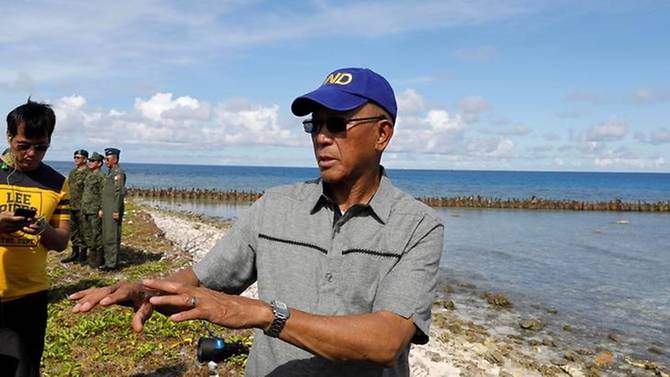
Filipino Defence Secretary Delfin Lorenzana talks to reporters in Philippine occupied Thitu Island in the Spratly Islands at disputed South China Sea, April 21, 2017. REUTERS/Erik De Castro/Files

MANILA: China has assured the Philippines it will not occupy new features or territory in the South China Sea, under a new status quo brokered by Manila as both sides try to strengthen their relations, the Philippine defence minister said on Tuesday (Aug 15).

The minister, Delfin Lorenzana, told a congressional hearing that the Philippines and China had reached a “modus vivendi”, or a way to get along, in the South China Sea that prohibits new occupation of islands. Tiếp tục đọc “Philippines says China has agreed no new expansion in South China Sea”

HỘI NGHỊ ASEAN:  Đằng sau những câu chữ

  • DANH ĐỨC
  • 11.08.2017, 13:43

TTCT – Cuộc họp cấp ngoại trưởng ASEAN (AMM) năm nay, và tiếp theo đó là Diễn đàn khu vực ASEAN (ARF), đã diễn ra trong bầu không khí đầy tranh cãi, phản ánh cục diện thế sự ngày nay. Các văn kiện chính, trên bề nổi, phản ánh xu thế đó. Song, trong chiều sâu, lại phản ánh một sự đồng thuận nhất định.

 Đằng sau những câu chữ
Bộ trưởng Ngoại giao Trung Quốc Vương Nghị. Philstar.com bình luận rằng với Bắc Kinh, COC đi kèm những điều kiện “mơ hồ và không công bằng”.-Ảnh: rappler.com

Nếu so sánh ARF lần thứ nhất hồi năm 1994 tại Bangkok, mà Việt Nam tham dự với tư cách quan sát viên, với ARF năm nay tại Manila, rõ ràng diễn đàn năm nay quá ư là “gay cấn”. Những biến chuyển của chính trường thế giới đã đặt ra những thách thức mới so với cách đây 23 năm. Tiếp tục đọc “HỘI NGHỊ ASEAN:  Đằng sau những câu chữ”

China protests US ship near South China Sea island

Al Jazeera , Friday, Aug. 11, 2017
Thursday’s ‘freedom of navigation’ operation by the US is the third under President Trump [File: Na Son Nguyen/AP]

China has voiced discontent with the United States after an American warship sailed near an artificial island in the disputed South China Sea.

The USS John S McCain sailed within six nautical miles of Mischief Reef in the Spratly Islands on Thursday as part of a “freedom of navigation” operation, which prompted the Chinese navy to warn off the US destroyer.

Foreign ministry spokesman Geng Shuang said on Friday the operation had violated Chinese and international law, “seriously” impairing the country’s sovereignty and security as well as “endangering lives”. Tiếp tục đọc “China protests US ship near South China Sea island”

Decades after war, what’s behind US-Vietnamese military cooperation

Mattis Pentagon Ngo
© US Defense Department

sputniknews – 21:36 10.08.2017 (updated 18:15 12.08.2017)

During the recent meeting between Vietnamese Defense Minister Ngo Xuan Lich and his US counterpart James Mattis, the two defense leaders agreed to deepen mutual military cooperation. Speaking to Sputnik Grigory Lokshin explained what lies at the heart of US-Vietnamese rapprochement.

Although the last time a US aircraft carrier visited Vietnam’s shores was when it participated in the evacuation of American advisers and supporters of the Saigon government in spring 1975, today Hanoi regards the US as one of its most important partners. Tiếp tục đọc “Decades after war, what’s behind US-Vietnamese military cooperation”