Bài học từ thất bại bảo tồn Tê giác Java tại Việt Nam

BVR&MT – Khi xác con tê giác Java cuối cùng được phát hiện tại Việt Nam vào năm 2010 tại Vườn Quốc gia Cát Tiên, câu chuyện đã trở thành một “bi kịch” trong giới bảo tồn.

Thiếu quyết tâm chính trị trong việc ra quyết định bảo tồn, thiếu thông tin chính xác về số lượng cá thể tê giác còn lại, thiếu nỗ lực bảo tồn trọng tâm… rất nhiều nguyên nhân được xác định và đã trở thành bài học đắt giá cho các nỗ lực bảo tồn các loài động vật ăn cỏ lớn khác. Kết luận trên từ báo cáo “Bài học từ việc mất đi hoa tiêu: Tê giác Javan Rhinoceros sondaicus annamiticus tuyệt chủng tại Việt Nam” được thực hiện bởi nhóm các nhà khoa học từ nhiều quốc gia, được đăng tải trên tạp chí Biological Conservation, hy vọng sẽ trở thành bài học cho những nỗ lực bảo tồn hiện tại và trong tương lai, đặc biệt đối với khu vực Đông Nam Á.

Tê giác Java cuối cùng ở Việt Nam. (Ảnh: WWF)

Tê giác Java cuối cùng ở Việt Nam. (Ảnh: WWF) Tiếp tục đọc “Bài học từ thất bại bảo tồn Tê giác Java tại Việt Nam”

When you eat a Mekong Giant Catfish, you are paying criminals

By Marc Goichot   July 25, 2018 | 09:39 am GMT+7

When you eat a Mekong Giant Catfish, you are paying criminals

Cambodia Fisheries personnel release a Mekong giant catfish. Photo by Reuters

Vietnamese restaurant owners, chefs and customers are complicit in the crime of catching, advertising, serving and eating an endangered species.

Most people in Vietnam knows it is illegal to sell tiger meat or pangolin scales or rhino horn.

It is common knowledge that trading elephant ivory is a criminal offense, punishable by fines and jail time. But few of us seem to know that it is just as illegal to sell a Mekong Giant Catfish or Giant Barb.

But it is. Every restaurant advertising these endangered giants is breaking the law. Every time you eat a plate of Mekong Giant Catfish in Hanoi or Da Nang or Ho Chi Minh City, you are helping a criminal. In fact, you are paying a criminal.

And you are also helping to drive this extraordinary species toward extinction.

Instead of choosing one of these dishes from the menu, you should choose to contact the Provincial Department of Fisheries. The government and Vietnamese people have taken significant steps in recent years to tackle wildlife crime and trafficking of species like tigers, elephants and rhinos. It is time we ended the illegal trade in the Mekong’s most magnificent fish.

Tiếp tục đọc “When you eat a Mekong Giant Catfish, you are paying criminals”

Bảo vệ động vật hoang dã ở Việt Nam

VNA – 10/07/2018 00:01 GMT+7

Trong hơn một thập kỷ qua, Việt Nam đã có những chính sách và hành động được thế giới đánh giá cao, cụ thể như tuyền truyền nâng cao nhận thức cộng đồng, thành lập các trung tâm cứu hộ động vật hoang dã trong việc thực thi những cam kết về bảo vệ các loài động vật hoang dã, quý hiểm trong sách đỏ.


Trung tâm cứu hộ Linh Trưởng nguy cấp (EPRC) Cúc Phương hiện đang có 6 loài linh trưởng quý hiếm mà không nơi nào trên thế giới nuôi nhốt bảo tồn được. Ảnh: Công Đạt
Tiếp tục đọc “Bảo vệ động vật hoang dã ở Việt Nam”

“Khai quật” thế giới ngầm buôn bán động vật hoang dã ở Việt Nam – 6 kỳ

Chợ trung tâm ở Sầm Nưa với nhiều sạp thịt thú rừng được bày bán.

***

“Khai quật” thế giới ngầm buôn bán động vật hoang dã ở Việt Nam

BVR&MT – Nhập vai đệ tử của một quan chức có máu mặt đang cần gấp nguồn “hàng hiếm”, nhóm phóng viênBảo vệ Rừng và Môi trườngđã thâm nhập được vào đường dây buôn bán động vật hoang dã tương đối lớn mà ở đó không chỉ có sự móc ngoặc giữa những “ông trùm” nội địa mà còn thông qua rất nhiều đầu nậu xuyên biên giới, đặc biệt là từ Lào, Campuchia và châu Phi. Tiếp tục đọc ““Khai quật” thế giới ngầm buôn bán động vật hoang dã ở Việt Nam – 6 kỳ”

ENV ra mắt ấn phẩm “Hướng dẫn thực thi pháp luật về bảo vệ động vật hoang dã”

ENV – Trung tâm Giáo dục Thiên nhiên (ENV) là một tổ chức xã hội trực thuộc Liên hiệp các Hội Khoa học và Kỹ thuật Việt Nam (VUSTA) được thành lập từ năm 2002 với mục tiêu bảo vệ đa dạng sinh học của đất nước thông qua việc hỗ trợ các cơ quan chức năng tăng cường thể chế, chính sách và thực thi pháp luật về bảo vệ động vật hoang dã (ĐVHD) cũng như khuyến khích cộng đồng cùng tham gia bảo vệ ĐVHD.

anh-bia Tiếp tục đọc “ENV ra mắt ấn phẩm “Hướng dẫn thực thi pháp luật về bảo vệ động vật hoang dã””

Critically Endangered Giant Fish on Menu at Luxury Restaurants

FROM THE OUTSIDE Nha Hang Lang Nghe, in Danang, looks like any other respectable restaurant in Vietnam. Tables are invitingly laid out in the shade of a lush garden, and festive traditional art lines attractive brick walls. Families laugh over hot pots, and businessmen clink glasses.

Yet the veneer of wholesome normality masks a dark truth: Critically endangered giant river fish are Lang Nghe’s signature dish. Although it’s illegal to sell them in Vietnam, signs at the entryway entice diners with photos of imperiled Mekong giant catfish (“tasty meat, rich in omega-3”) and giant barbs (“good for men”), while a video showing a 436-pound giant catfish being cooked and eaten plays on a screen inside. Advertisements on social media likewise boast of the delightful flavor of the enormous fish, and of their rarity.
Tiếp tục đọc “Critically Endangered Giant Fish on Menu at Luxury Restaurants”

Báo động thú ăn chơi hủy hoại môi trường và nhân tính

Phóng sự 3 kỳ

Hoàng Thiên Nga

Ai từng sống giữa những cánh rừng nguyên sinh mới hiểu được hết sự giàu có phong phú của đại ngàn, cảm nhận được vẻ đẹp hài hòa của sự cân bằng sinh thái mà con người được ban tặng từ Trái đất. Bây giờ, với số đông, điều đó chỉ còn thấy… trong phim hoạt hình, mà tài nguyên vẫn không ngừng bị tàn phá bằng rất nhiều thú chơi bạo tàn, chiếm đoạt.  

Một chú chồn hương hoang dã sắp bị làm thịt

>> Kỳ I: Báo động thú ăn chơi hủy hoại môi trường: Ăn tới… tuyệt chủng!

Kỳ II- Những cuộc chơi đẫm máu muôn loài Phong trào chơi đủ bộ chim-hoa-cá-đá vài năm qua lan rộng, từ thành thị tới thôn quê, đâu cũng có những ngôi nhà treo lồng chim lủng lẳng. Sáng sớm thong dong thưởng trà, nghe chim hót dưới giàn phong lan, ngắm mảnh vườn nhung xanh điểm vài gốc bonsai lạ mắt quanh hồ cá cảnh, non bộ chất chồng những khối đá thạch anh, mã não… Tiếp tục đọc “Báo động thú ăn chơi hủy hoại môi trường và nhân tính”

Hợp tác sông Mekong: Hãy xới to vấn đề

TVNTheo như châm ngôn của Eisenhower về việc xới tung vấn đề để giải quyết nó, việc mở rộng hợp tác vượt quá khuôn khổ nguồn nước tiến tới năng lượng và các lĩnh vực tài nguyên khác sẽ mở ra những cơ hội mới cho hợp tác khu vực trên cơ sở có qua có lại và hiệp lực. 

Khi được hỏi về thành công của mình với tư cách là một người lính và một chính trị gia, Tổng thống Mỹ Eisenhower đã trả lời: Bất cứ lúc nào tôi gặp phải vấn đề không thể giải quyết, tôi luôn luôn xới to nó lên. Tôi không thể giải quyết nó bằng cách cố gắng ép nó nhỏ đi, nhưng nếu tôi làm cho nó đủ lớn, tôi có thể nhìn thấy bản phác họa của giải pháp”.

Cách tiếp cận của Eisenhower có thể tương tự với tình hình của sông Mekong ngày nay.

Thủy điện,Mekong,Đồng bằng sông Cửu Long,Lào,Campuchia
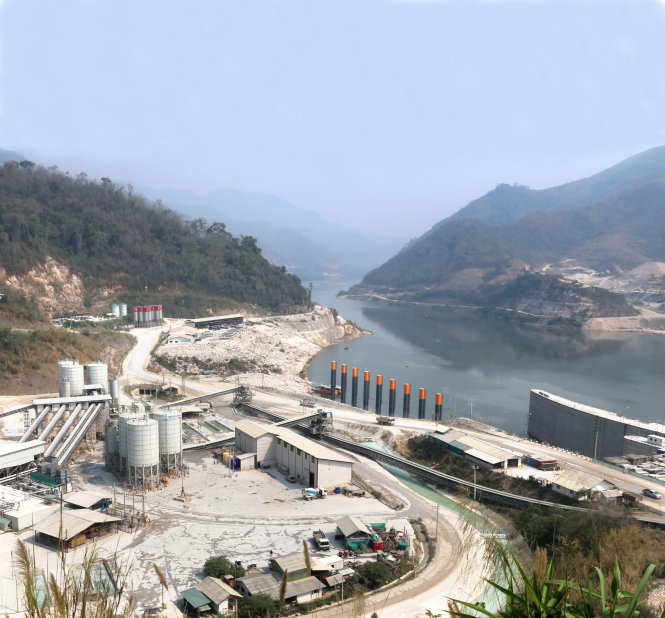
Hình ảnh công trình xây dựng đập thủy điện Xayaburi của Lào trong quá trình gấp rút hoàn thành (tháng 4/2016). Ảnh: TTO

Tiếp tục đọc “Hợp tác sông Mekong: Hãy xới to vấn đề”

Law on wildlife crimes takes effect, but enforcement still weak

Last update 07:30 | 21/03/2018
VietNamNet Bridge – On January 1, 2018, the 2017 amended Criminal Code with stricter provisions and heavier sanctions on wildlife crime took effect. 

vietnam economy, business news, vn news, vietnamnet bridge, english news, Vietnam news, news Vietnam, vietnamnet news, vn news, Vietnam net news, Vietnam latest news, Vietnam breaking news, wildlife trafficking, environment protection law, MONRE

Criminals can be sentenced up to 15 years in prison

Criminals can be sentenced up to 15 years in prison and a pecuniary penalty of up to VND15 billion.

The first Criminal Code in 1985 only mentioned crimes related to forest management and protection and the illegally poaching of birds and animals. The maximum penalty stipulated in the law was three years imprisonment.

In the 1999 Criminal Code, the term ‘wildlife’ for the first time was legalized. The pecuniary penalty was raised to a maximum of VND50 million, while the crimes were subject to seven years in prison. Tiếp tục đọc “Law on wildlife crimes takes effect, but enforcement still weak”

Using artificial intelligence to investigate illegal wildlife trade on social media

Sciencedaily.com

Date:March 12, 2018 Source:University of Helsinki

FULL STORY

These are Southern white rhinoceros (Ceratotherium simum simum) in an undisclosed protected area in South Africa.
Credit: Enrico Di Minin

Illegal wildlife trade is one of the biggest threats to biodiversity conservation and is currently expanding to social media. This is a worrisome trend, given the ease of access and popularity of social media. Efficient monitoring of illegal wildlife trade on social media is therefore crucial for conserving biodiversity.

In a new article published in the journal Conservation Biology, scientists from the University of Helsinki, Digital Geography Lab, argue that methods from artificial intelligence can be used to help monitor the illegal wildlife trade on social media. Tiếp tục đọc “Using artificial intelligence to investigate illegal wildlife trade on social media”

Amazing family saves primates

Last update 15:45 | 30/01/2018

VietNamNet Bridge – The Endangered Primate Rescue Centre in the Cuc Phuong National Park is run by enthusiastic experts who have overcome many problems over the past 20 years. Le Huong & Hong Van pay them a visit.

Cuc Phuong National Park, Endangered Primate Rescue Centre, Vietnam economy, Vietnamnet bridge, English news about Vietnam, Vietnam news, news about Vietnam, English news, Vietnamnet news, latest news on Vietnam, Vietnam
In the family: Hien (left) and Tilo have nurtured their happiness at the centre. Courtesy Photo of the family

A bright morning and the sun sends fragile rays through layers of leaves in Cuc Phuong National Park in the northern province of Ninh Binh.

The twittering of birds and chattering monkeys is a natural alarm for staff at the Endangered Primate Rescue Centre (EPRC).

Two attendants slowly walk on the path between the trees and cages of primates that need special cares. They talk about the monkeys they put geographical positioning rings on yesterday. They will release them back into the wild in few days.

For the past 20 years, Nguyen Thi Thu Hien and Tilo Nadler have enjoyed the start of each day walking round the centre. Tiếp tục đọc “Amazing family saves primates”

Nghe An residents in conflict with wild elephants

Last update 07:05 | 24/01/2018
VietNamNet Bridge – Together with Dak Lak and Dong Nai, Nghe An is one of three localities in Vietnam with the highest wild elephant populations. However, their natural habitat is shrinking.vietnam economy, business news, vn news, vietnamnet bridge, english news, Vietnam news, news Vietnam, vietnamnet news, vn news, Vietnam net news, Vietnam latest news, Vietnam breaking news, Nghe An, elephant, habitat

There are 13-15 wild elephants in Nghe An

A survey found that there are 13-15 wild elephants in Nghe An, including 11-13 living in Pu Mat National Park. There are two groups of elephants, one in Khe Thoi in the national park’s core area, and another in the buffer zone.

In recent years, the second group of elephants has entered cultivated areas and residential quarters, damaging crops and houses and threatening people’s lives. Tiếp tục đọc “Nghe An residents in conflict with wild elephants”

Lack of care leads to elephant rampages

Last update 11:34 | 12/01/2018
VietNamNet Bridge – For centuries, residents in Phuc Son Commune, central province of Nghe An have lived comfortably with wild elephants, but as bamboo forests – the main diet of many elephants – are replaced with industrial trees, things are changing. Many elephant herds are now finding it difficult to find enough food to survive. 
Pu Mat National Park, wild elephants, Vietnam economy, Vietnamnet bridge, English news about Vietnam, Vietnam news, news about Vietnam, English news, Vietnamnet news, latest news on Vietnam, Vietnam
Elephants at the Pu Mat National Park in the central province of Nghe An. Many elephant herds in the province are now finding it difficult to find enough food to survive. — Photo: baonghean.vn

Last October, six wild elephants went on a rampage in a commune village and destroyed family crops.

The family called neighbours for help to chase the elephants away. However, the wild beasts refused to go until they had destroyed two hectares of acacias and other trees. Tiếp tục đọc “Lack of care leads to elephant rampages”

Tour firms may be fined for environmental offenses

Last update 11:00 | 16/12/2017

VietNamNet Bridge –  Madelon Willemsen, head of the Vietnam office of the wildlife trade monitoring network TRAFFIC, said that the wildlife-related tourism activities that have been popular in the country for decades, such as elephant riding, souvenirs made of wild animal parts, the consumption of  bear bile and dishes cooked with wild animal meats, need a radical rethinking.

Wildlife trade monitoring network, tourist firms, environmental protection, Vietnam economy, Vietnamnet bridge, English news about Vietnam, Vietnam news, news about Vietnam, English news, Vietnamnet news, latest news on Vietnam, Vietnam
Tourists ride elephants in Central Highlands Province of Dak Lak. Elephant riding will be banned as of 2018. – VNA/VNS Photo

When the 2015 version of the Vietnam’s Penal Code takes effect on the first day of 2018, tourism businesses operating programmes that exploit wildlife could be charged with new offenses, she said at a conference for sustainable tourism development held in Hue City on Wednesday.

“The charge will not only result in penalties but also harm the business’s reputation. Certainly, no one could develop sustainably with negative comments from customers,” Willemsen said. Tiếp tục đọc “Tour firms may be fined for environmental offenses”

WWF report: Vietnamese, Chinese tourists blamed for wildlife trafficking

Update: November, 03/2017 – 10:30 vietnamnews

HÀ NỘI — A major driver of the illegal wildlife trade in the Golden Triangle – the border area where Thailand, Laos and Myanmar – is tourists from Việt Nam and China.

This was one of the conclusions of a report released on Thursday by the World Wildlife Fund to highlight ten of the Most Widely Traded Endangered Species in the markets of the Golden Triangle.

The tourists are believed to travel to areas such as MongLa and Tachilek in Myanmar, and border areas such as Boten and the Golden Triangle Special Economic Zone in Laos. Tiếp tục đọc “WWF report: Vietnamese, Chinese tourists blamed for wildlife trafficking”