9-10-2025 – Nguyễn Đình Đức
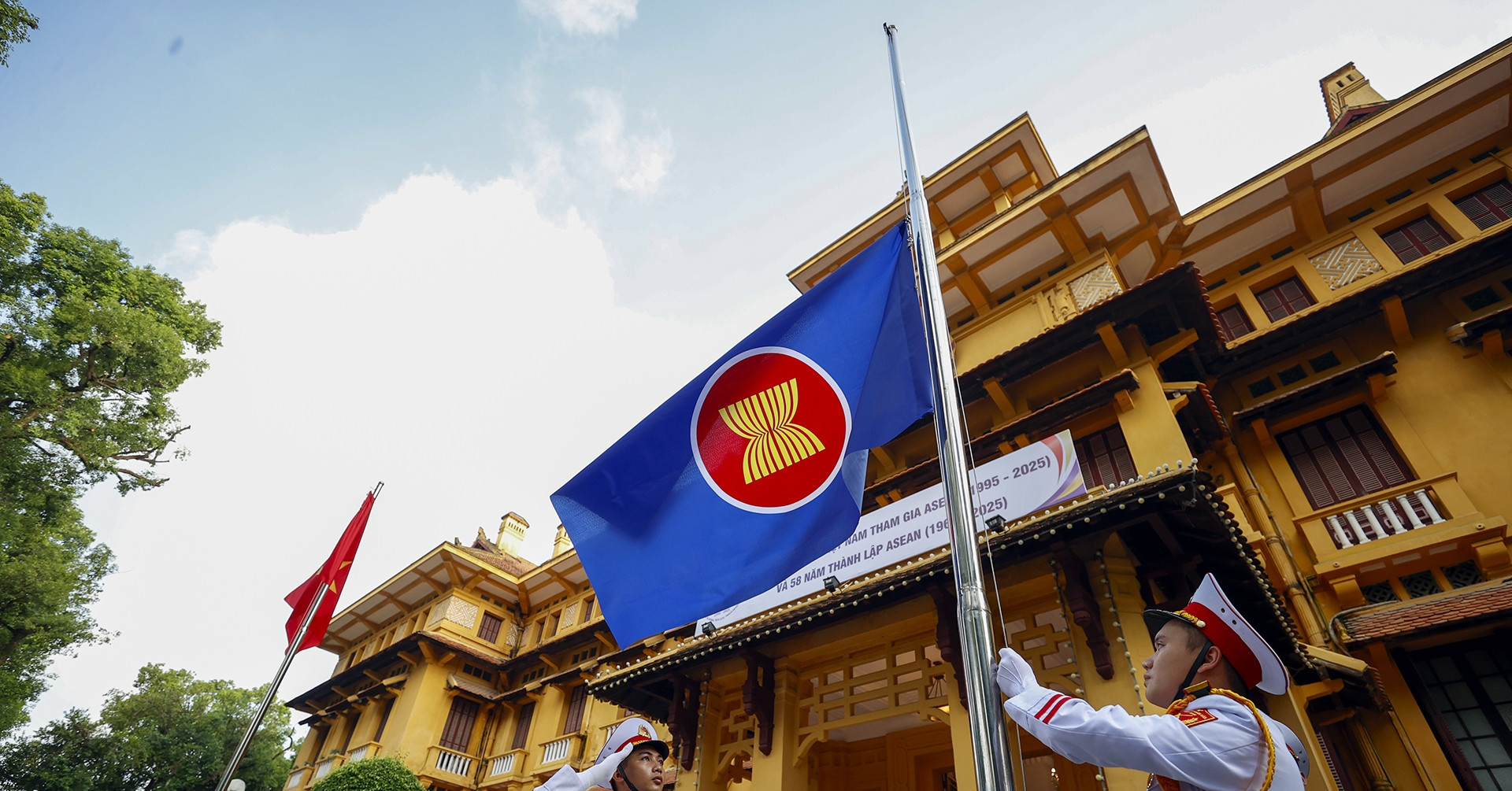
Tiasang – Năm 2025 đánh dấu 30 năm Việt Nam tham dự ASEAN và năm năm tới, Việt Nam dự kiến sẽ trở thành chủ tịch tổ chức khu vực này. Việt Nam có thể làm gì để đưa sự gắn kết trong khu vực lên một nấc thang mới?
Conversations on Vietnam Development

9-10-2025 – Nguyễn Đình Đức
Tiasang – Năm 2025 đánh dấu 30 năm Việt Nam tham dự ASEAN và năm năm tới, Việt Nam dự kiến sẽ trở thành chủ tịch tổ chức khu vực này. Việt Nam có thể làm gì để đưa sự gắn kết trong khu vực lên một nấc thang mới?

Lucia Millar, Lives in Asia 3y
Question: Do the Vietnamese think their country is in Northeast Asia (East Asia) and not Southeast Asia?
Answer: The majority of the Vietnamese know their country has frequently joined the Southeast Asian game “Seagame”. Recently, Vietnam become a host of the 31st Seagame in Hanoi City.
Vietnam’s supporters in the Hanoi Seagame 31
Tiếp tục đọc “Do the Vietnamese think their country is in Northeast Asia (East Asia) and not Southeast Asia?”
Nghiên cứu Quốc tế – 03/02/2025 – 17:24
Những diễn biến lớn ở Biển Đông trong năm 2024 không báo hiệu điều tốt lành cho năm 2025.

Nguồn: Carl Thayer, “The State of the South China Sea: Coercion at Sea, Slow Progress on a Code of Conduct,” The Diplomat, 27/01/2025
Biên dịch: Nguyễn Thị Kim Phụng
Có bốn diễn biến chính định hình môi trường an ninh ở Biển Đông năm 2024: (1) Trung Quốc gia tăng hành vi cưỡng ép đối với tàu thuyền và máy bay của hải quân Philippines; (2) Philippines thông qua chiến lược phòng thủ biển mới; (3) Việt Nam tăng cường hoạt động xây dựng tại quần đảo Trường Sa; và (4) đàm phán về Bộ Quy tắc Ứng xử (COC) tiến triển chậm chạp.
Tiếp tục đọc “Tóm tắt tình hình Biển Đông năm 2024”
CNA Insider – 30-7-2024
Last November, the World Health Organisation declared loneliness a ‘Global Public Health Concern’. Meanwhile, Gen Zs are emerging as the loneliest generation ever. Filipino youths are the loneliest in Southeast Asia. About 6 in 10 Filipinos say they are lonely, more than double the global average, and much higher than neighbouring countries in ASEAN. For a country known for their friendliness, why do young Filipinos struggle with social alienation? From the stigma around mental health, to the overuse of social media, to poverty, Insight explores why young pinoys feel increasingly alone.
Tiếp tục đọc “Gen Z & lonely in the Philippines: Why do Filipino youths feel so alone?”HUY ĐĂNG – 27/07/2024 12:28 GMT+7
TTCT – Việt Nam tham dự Olympic Paris 2024 với số lượng vận động viên ít nhất trong 4 kỳ thế vận hội mùa hè gần đây, chỉ 16 người.
Trong khi đó, đoàn thể thao Thái Lan dự giải với 53 VĐV, Indonesia cũng có 29 người, Malaysia có 26 người…

Không giống như SEA Games hay Asiad, những kỳ đại hội ngày càng bị pha loãng bởi chương trình thi đấu thay đổi liên tục, Olympic giữ nguyên kết cấu ổn định qua từng năm. Tại Paris 2024 chỉ có hơn 10.700 VĐV tham dự, ít hơn cả 4 kỳ Olympic trước đó (từ Bắc Kinh 2008 đến Tokyo 2020).
Tiếp tục đọc “Đông Nam Á ở đâu tại Olympic?”HẢI MINH 15/07/2024 18:15 GMT+7
TTCT – Lương tối thiểu, vốn gắn liền với mức sống của người lao động và chi phí của doanh nghiệp sử dụng lao động, trở thành đề tài nóng ở hàng loạt nước Đông Nam Á, bao gồm Việt Nam, trong thời gian qua.

Kế hoạch tăng lương tối thiểu của chính quyền Thái Lan đang gây nhiều tranh luận. Ảnh: HRM Asia
Báo chí các nước giật tít gần như đồng loạt: “Tăng lương ở ASEAN gây lo ngại cho các ngành hưởng lợi từ dịch chuyển chuỗi cung ứng” (Nikkei Asia 2-7), “Thủ tướng Thái Lan hối thúc ASEAN cùng tăng lương tối thiểu” (Thailand Business News 22-1), “Indonesia có chi phí tổ chức kinh doanh cao nhất ASEAN-5” (Jakarta Globe 24-6), “Lương tối thiểu của Philippines cao nhất trong khu vực” (BusinessWorld Online 13-3), “Malaysia đứng thứ tư về lương trung bình ở Đông Nam Á” (thesun.my 8-6).
Tiếp tục đọc “Lương tối thiểu và ý nghĩa của tăng trưởng kinh tế”
ANTG – Thứ Ba, 09/07/2024, 08:18
Mặc dù chưa ký hiệp định thương mại tự do (FTA) với ASEAN, nhưng EU vẫn duy trì sự hiện diện kinh tế mạnh mẽ trong khu vực. EU hiện là đối tác thương mại lớn thứ ba của ASEAN, chỉ sau Trung Quốc và Mỹ.
Thương mại ASEAN – EU năm 2022 đạt 295,2 tỷ USD – tăng 9,6% so với năm 2021. Ngoài ra, EU là nguồn FDI lớn thứ ba của ASEAN, với 24 tỷ USD năm 2022. Theo dữ liệu từ Báo cáo đầu tư ASEAN cùng kỳ, các quốc gia thành viên EU như Pháp, Đức và Hà Lan nằm trong số các nguồn FDI hàng đầu của ASEAN.


CSIS
Indonesia, this year’s Association of Southeast Asian Nations (ASEAN) chair, held a flurry of ministerial meetings earlier this month. From July 11-12, it hosted the ASEAN Foreign Ministers’ Meeting in Jakarta. Timor Leste, which became an ASEAN observer state last year, sent a delegation for the first time. Chief among the ministers’ conversation topics was the ongoing civil war in Myanmar; moreover, ministers shared their continued concerns regarding aggressive Chinese behavior in the South China Sea. On July 13, ASEAN foreign ministers, joined by their counterparts from Japan, China, and South Korea, met for the 24th ASEAN Plus Three Foreign Ministers’ meeting. Lastly, Indonesia hosted the ASEAN Regional Forum on July 14, setting the stage for ASEAN partners such as the United States, Russia, and China, to meet on the sidelines.
Tiếp tục đọc “The Latest on Southeast Asia (July 20, 2023)”Indonesia proposal for first-ever bloc exercises in South China Sea meets vocal resistance from China’s top regional ally Cambodia
By RICHARD JAVAD HEYDARIAN JUNE 17, 2023 Asia Times

Rising Sino-American rivalry and fears of an accidental superpower clash are forcing states to step up their diplomatic games.
That’s particularly true for the Association of Southeast Asian Nations (ASEAN), which is now scrambling to forge greater internal unity and nudge the US and China toward greater dialogue to avoid a conflict in its neighborhood.
Tiếp tục đọc “Cambodia seeks to sink joint ASEAN naval drills”Báo Thanh Niên – 1-6-2023
Kênh đào Bình Lục đổ vào Vịnh Bắc Bộ với kinh phí 10,3 tỉ USD mà Trung Quốc đang xây dựng có thể giúp nước này xích lại gần hơn với khu vực Đông Nam Á.
HUY THỌ – 13/05/2023 09:58 GMT+7
TTCT – Đã hơn nửa đường SEA Games 32 trôi qua, và điều đọng lại lớn nhất trong tôi chính là chủ nhà!
Campuchia là một quốc gia nghèo trong khu vực Đông Nam Á. Tính thu nhập bình quân đầu người, trong khu vực họ chỉ đứng trên Myanmar và Đông Timor.

Ảnh: Inside The Games
Vậy mà lần đầu tiên tổ chức SEA Games, một sự kiện phải chăm sóc cả chục ngàn con người tham gia, chưa tính du khách, họ đã làm rất tốt.
Tiếp tục đọc “Mỗi tuần một chuyện: Tre Campuchia thật là dẻo…”
HUY ĐĂNG – 13/05/2023 07:01 GMT+7
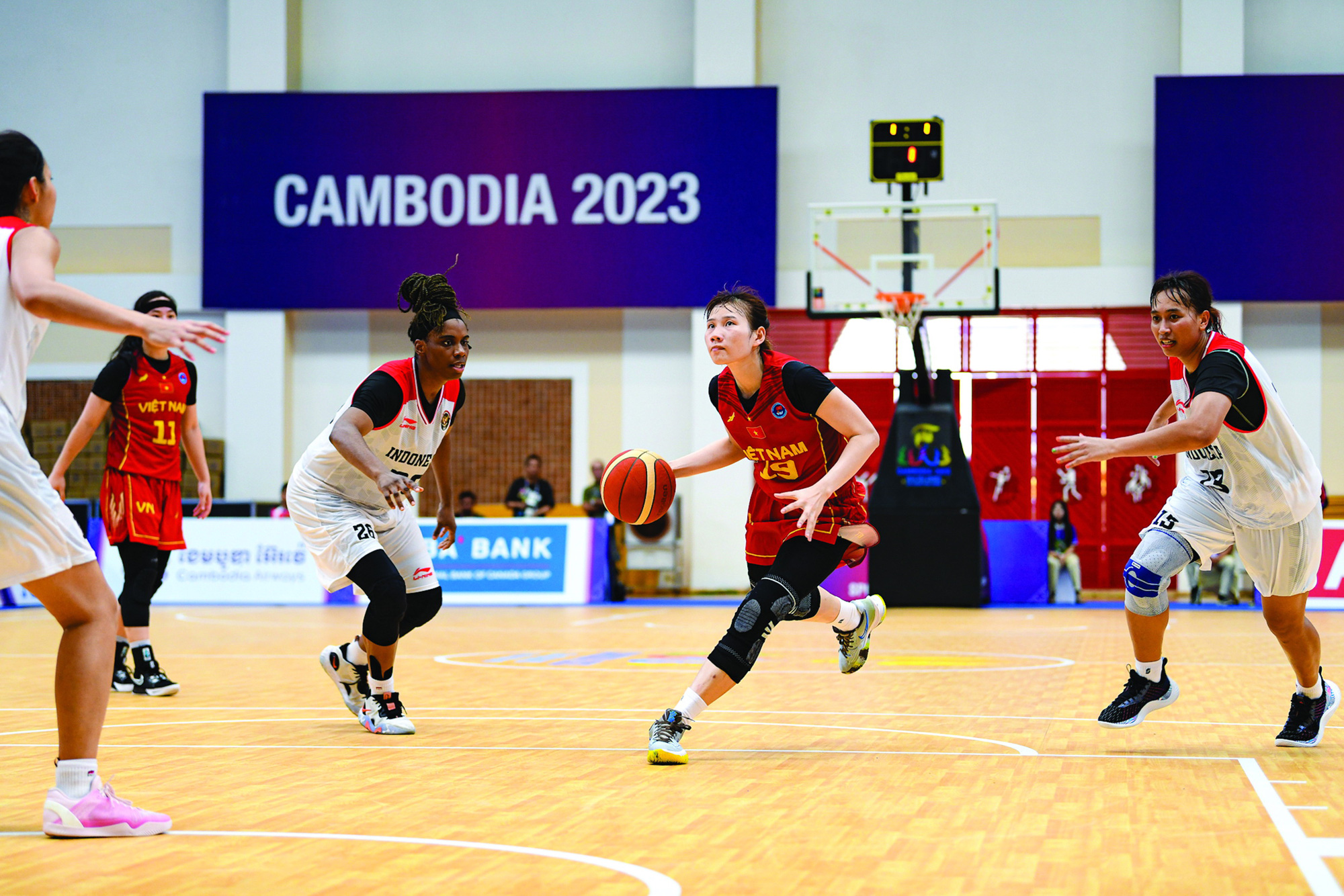
TTCT – Với nhiều môn thể thao, tấm HCV ở các kỳ đại hội lớn (Olympic, Asiad, SEA Games) là mục tiêu đỉnh cao. Nhưng với một số khác, đó lại chỉ là bước đệm.
Danh sách này gồm bóng đá, bóng rổ, quần vợt, cầu lông, các môn đấu võ đài… Đó thường là những môn thể thao nhà nghề có tính giải trí cao với lực lượng người hâm mộ đông đảo.
HUY THỌ – 01/05/2023 10:52 GMT+7
TTCT – Đam mê thành tích thật ra không phải chuyện xấu.

Từ phương Đông tới phương Tây, có bậc phụ huynh nào không muốn con đi học có thành tích tốt, được vinh danh trên bảng vàng, được nguyên thủ quốc gia viết thư khen… Còn trong thể thao, đi thi đấu thì ai chẳng thích nhận huy chương.
Vấn đề nằm ở chỗ thành tích đạt được có đúng với thực lực hay không? Vì vậy, có phê phán bệnh đam mê thành tích cần thêm cụm từ “bằng mọi giá”.

Download Report from Yusof Ishak Institute >>
The ASEAN Studies Centre (ASC) at ISEAS – Yusof Ishak Institute released “The State of Southeast Asia 2023 Survey Report” online at 1130 hr on 9 February 2023 (Singapore time).
Findings from the latest run of the State of Southeast Asia Survey conducted by the ASEAN Studies Centre at the ISEAS – Yusof Ishak Institute reveal that Southeast Asia’s top preoccupations are with recessionary pressures, potential military tensions, and a ‘slow and ineffective’ ASEAN. China continues to be regarded as the most influential economic and political power in the region and the US has sharpened its edge over China in the event of a forced choice while Japan remains its most trusted major power. Click to read the full Media Release.
For current and past years reports, click here.
For Event Highlights of the discussion, click here.
To view the discussion, click here.
Media Coverage:
Tiếp tục đọc “The State of Southeast Asia – 2023 Survey Report” CVD
CVD 