All affected families petition UBND of HCMC to compensate them for “damages” to their homes from street repair works. If HCM City say “no” then they should think aout suing the City in Court.- PTH.
Phan Van Ket watches the waist-high water in the alley through the window of his house.
The “upgrading” of a street along Lo Gom Canal in HCMC’s District 8 has left its houses lower than the road level, meaning floods inundate the homes every time it rains.
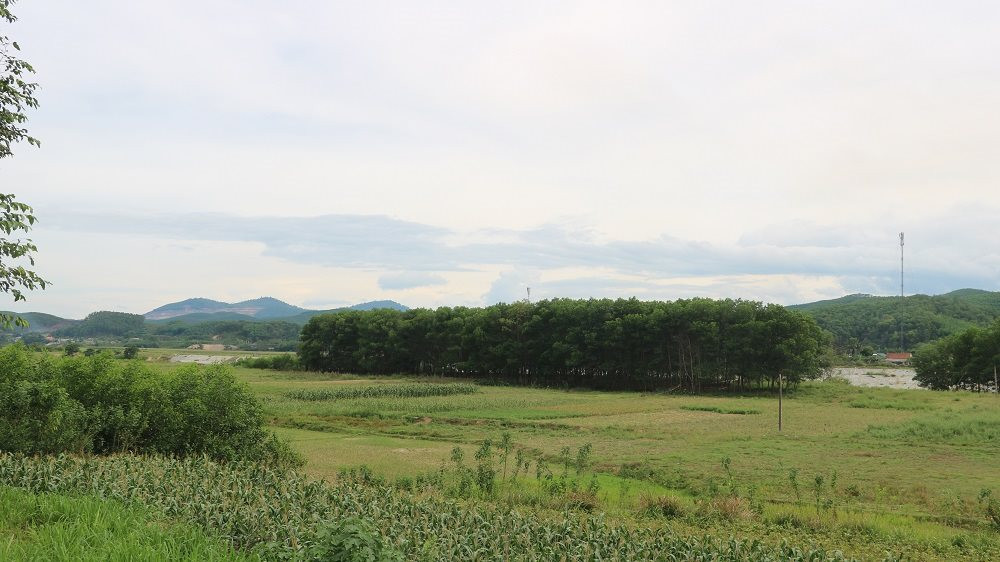
Nhiều diện tích đất trồng cây hàng năm trên địa bàn Hà Tĩnh được phủ xanh bởi các loại cây lâm nghiệp. Điều đáng nói, việc sử dụng sai mục đích đất được giao sẽ mang nhiều hệ lụy nhưng người dân vẫn không hề hay biết ?.
Rừng trên đất trồng cây hàng năm
Những loại cây lạc, đậu, khoai.. đã gắn bó trên những cánh đồng sản xuất hoa màu quen thuộc bao đời nay. Tuy nhiên, trước tình hình biến đổi khí hậu khiến việc sản xuất bấp bênh, diện tích nhỏ, manh mún, cho hiệu quả không như mong muốn, một bộ phận người dân sử dụng đất đã chuyển sang trồng cây lâm nghiệp trong thời gian gần đây.
Rừng được trồng trên đất sản xuất hoa màu ở xã Hương Minh, huyện Vũ Quang
Tại Khu kinh tế mới Nam Sơn, xã Cẩm Sơn, huyện Cẩm Xuyên (Hà Tĩnh) ngút ngàn màu xanh của keo lá tràm. Được biết, những diện tích này thuộc dự án khai hoang xây dựng đồng ruộng bằng nguồn ngân sách nhà nước từ năm 2001. Nhiều năm nay, các hộ được giao khoán đã bỏ sản xuất hoa màu, chuyển sang trồng cây keo lá tràm vì cho rằng mang lại hiệu quả kinh tế cao hơn.
Tháng 9/1980, quân đội Iraq bất ngờ mở chiến dịch tấn công nước láng giềng Iran, khởi đầu cho cuộc chiến tranh Iraq – Iran kéo dài 8 năm, khiến hơn 500.000 người chết, trong đó phần lớn tổn thất thuộc về Iran.
Chiến tranh Iraq – Iran là một trong những cuộc chiến khốc liệt nhất kể từ sau Thế chiến 2.
Iran ngày nay là một trong những thế lực quân sự hàng đầu ở Trung Đông mà Mỹ và các đồng minh luôn dè chừng. Tuy nhiên, Iran trong lịch sử từng bị quốc gia láng giềng Iraq tấn công bất ngờ vì cho là đang không mạnh. Iran phản ứng ra sao? Mỹ nhìn nhận và hành động như thế nào? Mời độc giả cùng nhìn lại những diễn biến quan trọng trong cuộc chiến qua loạt bài này.
Mamta Kumari, a farm worker, takes a brief break between harvesting wheat on a farm in Nanu village in Uttar Pradesh state, India, on Oct. 17, 2023. As the annual U.N.-led climate summit known as COP is set to convene later this month in Abu Dhabi, experts are urging policymakers to respond to climate change’s disproportionate impact on women and girls, especially where poverty makes them more vulnerable. (Uzmi Athar/Press Trust of India via AP)
BY UZMI ATHAR, PRESS TRUST OF INDIA, AP, Updated 9:02 AM GMT+7, November 21, 2023
NEW DELHI (AP) — Manju Devi suffered in pain for two months last year as she worked on a farm near Delhi, unable to break away from duties that sometimes had her standing for hours in the waist-deep water of a rice paddy, lifting heavy loads in intense heat and spraying pesticides and insecticides. When that pain finally became too much to bear, she was rushed to a hospital.
Với các giá trị văn hóa, lịch sử, kiến trúc và không gian rộng mở của một di sản công nghiệp, Nhà máy Xe lửa Gia Lâm được lựa chọn để trở thành nơi tổ chức chuỗi hoạt động chính của Lễ hội Thiết kế sáng tạo Hà Nội 2023.
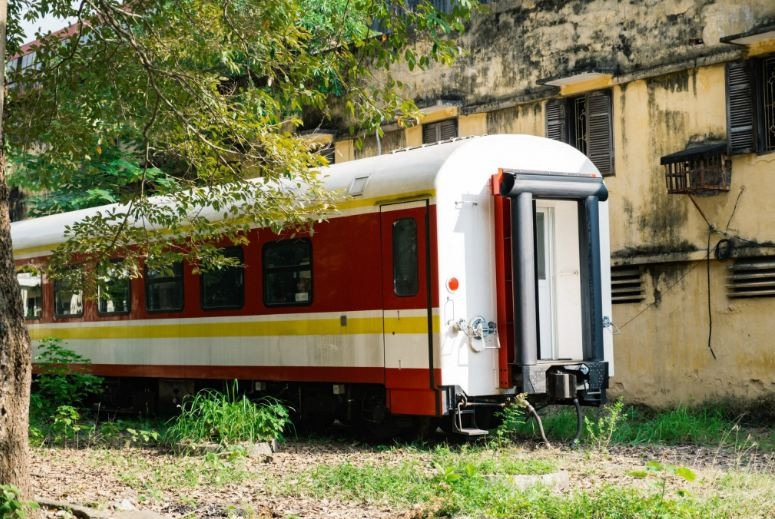
Nhà máy Xe lửa Gia Lâm (còn gọi là Nhà máy Hỏa xa Gia Lâm) thành lập từ năm 1905, được đặt tại giao điểm của 4 tuyến đường sắt phía Bắc, như một nhân chứng lịch sử của Thủ đô xuyên suốt thời kỳ Pháp thuộc. Đến nay, từ một nhà máy cũ nằm trong diện cần di dời, Nhà máy Xe lửa Gia Lâm được cải tạo thành tổ hợp sáng tạo nhằm “đánh thức” di sản lâu đời, làm đẹp thêm diện mạo Thủ đô.
Một toa tàu trưng bày để du khách tham quan tại Nhà máy Xe lửa Gia Lâm.
Mô hình cải tạo di sản công nghiệp thành không gian văn hóa đã có từ lâu. Trên thế giới có Station F, được biết đến như vườn ươm khởi nghiệp cho giới kinh doanh, được xây dựng trên nền nhà ga xe lửa cũ Halle Freyssinet (Pháp); hay Công viên Landschafts Park, được chuyển đổi từ một tổ hợp sản xuất quặng than và thép (Đức); khu nghệ thuật Art Zone 798, ban đầu là một nhà máy sản xuất đồ điện tử (Trung Quốc)… Ở Việt Nam cũng đã có những mô hình tương tự như: Khu tổ hợp Complex 01 (quận Đống Đa) dựa trên nền nhà máy in bỏ hoang; Trung tâm văn hóa Pháp L’Espace (quận Hoàn Kiếm) cũng là một bằng chứng cải tạo di sản công nghiệp thành công, từ xưởng in cũ của Báo Nhân Dân…
Chia sẻ với phóng viên Báo Quân đội nhân dân, TS, kiến trúc sư Phan Đăng Sơn, Chủ tịch Hội Kiến trúc sư Việt Nam cho biết: “Nhà máy Xe lửa Gia Lâm là một di sản công nghiệp đáng quý ở Hà Nội. Việc cải tạo nhà máy thành các không gian sáng tạo nhằm viết tiếp câu chuyện “đánh thức” di sản công nghiệp, phục vụ sự phát triển của Thủ đô nói riêng và nền công nghiệp văn hóa đất nước nói chung. Đây cũng là phương pháp mà thế giới đang theo đuổi. Ở nước ta, hoạt động này còn thí điểm cho sự “lột xác” các địa điểm lịch sử khác đang có nguy cơ xuống cấp hoặc phải di dời trên cả nước. Lễ hội lần này thực sự là cơ hội để các kiến trúc sư, nghệ sĩ tài năng tạo nên những không gian trải nghiệm, triển lãm ấn tượng; thổi hồn cho không khí hân hoan của lễ hội, đóng góp cho mục tiêu gìn giữ những giá trị lịch sử, văn hóa truyền thống Thủ đô”.
Không gian rộng lớn khoảng 20ha được cải tạo thiết kế, sắp đặt thành một không gian nghệ thuật độc đáo, Nhà máy Xe lửa Gia Lâm mang tới những câu chuyện lý thú với nhiều cung bậc cảm xúc về Thủ đô ngàn năm văn hiến, một Hà Nội sáng tạo, mới lạ, mang đậm tinh thần nghệ thuật. Không gian triển lãm nhà máy khai thác các tài liệu lịch sử, những di sản công nghiệp, kết hợp với tinh thần sáng tạo ra những giá trị văn hóa mới. Đặc biệt, Triển lãm “Thí điểm kiến trúc và sắp đặt không gian ga” diễn ra ở 3 địa điểm: Ga Long Biên, ga Gia Lâm và ga Hà Nội. Thí điểm này mang đến cách nhìn mới mẻ về 3 nhà ga. Đó còn là sự kết hợp hài hòa giữa kiến trúc và nghệ thuật đương đại, với tinh thần nghệ thuật là một phần quan trọng trong công cuộc bảo tồn di sản công nghiệp.
Tạo điểm nhấn cho triển lãm, Ban tổ chức mời du khách trải nghiệm hành trình xe lửa di sản với điểm tham quan từ bốt Hàng Đậu-ga Long Biên-ga Gia Lâm-Nhà máy Xe lửa Gia Lâm. Từ đây, du khách tham quan nhà máy, nơi tổ chức các hoạt động chính tại Lễ hội Thiết kế sáng tạo Hà Nội 2023, tham quan nhiều công trình kiến trúc và đầu máy xe lửa hơi nước Tự Lực, biểu tượng của ngành đường sắt Việt Nam.
Bài và ảnh: THÁI PHƯƠNG
[Ảnh] Khám phá “không gian nghệ thuật” tại Nhà máy Xe lửa Gia Lâm
nhandan.vn – Trong khuôn khổ Lễ hội Thiết kế Sáng tạo Hà Nội 2023, người dân Thủ đô và du khách thật sự choáng ngợp trước các tác phẩm nghệ thuật sắp đặt được trưng bày tại Nhà máy Xe lửa Gia Lâm.
Twelve documentary makers withdraw after organisers condemn use of ‘From the river to the sea’ by onstage protesters
A dozen film-makers and artists have withdrawn their work from the world’s largest documentary festival after its organisers strongly condemned the use of the slogan “From the river to the sea, Palestine will be free” at an opening-night protest.
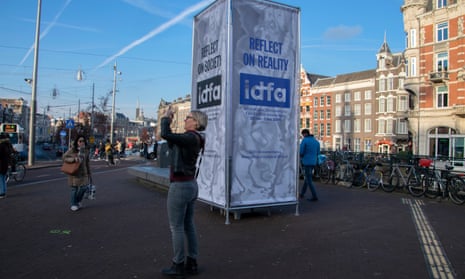
The International Documentary Festival Amsterdam said the use of the words ‘From the river to the sea’ went against its aim to provide a safe space for debate Photograph: Robert vant Hoenderdaal/Alamy
During a speech by the artistic director of the International Documentary Festival Amsterdam (IDFA), Orwa Nyrabia, at the start of the event last Thursday, three activists took to the stage holding a sign with the slogan, which some say is a call for a secular state in historic Palestine but which others note is used by radical Islamist groups to promote the eradication of Israel.
Customers wait in line to buy coin pancakes on Hoi Vu Street, Hanoi, September 2023. Photo by Thanh Lan
When Kieu Oanh heard that the latest new drink, hand-pounded lemon tea, had become popular in Hanoi, she did not hesitate to travel 30 km from Bac Ninh to stand in line.
This is not the first time the 24-year-old girl was quick to try out foods that had gone viral on social media. Whenever she discovered a new food or hangout spot within a 200 km radius, she invited her friends to go with her.
“Instead of listening to other people’s experiences, I want to experience it myself,” the office worker said.
As calls grow louder for a Gaza ceasefire, Netanyahu is providing few clues about his strategy or post-war plans
11/12/2023 November 12, 2023
DW.com Israeli Prime Minister Netanyahu continues to oppose a cease-fire despite pleas from around the world. In the meantime, more than 200 hostages are still being held captive by Hamas, and civilian casualties in Gaza are growing amid Israel’s ongoing offensive.
More than five weeks into Israel’s war with Hamas, Prime Minister Benjamin Netanyahu has not outlined his future vision for Gaza.
He has said many times the war will continue until Hamas is eradicated. But his battle plan for achieving that objective is far from clear.
As calls grow louder around the world for a ceasefire, Israel is finding itself under increasing pressure to respond. This is placing more scrutiny on Netanyahu’s overall strategy for prosecuting the war – and what could happen after it’s over.
China’s alleged abuse of the world’s oceans was examined in recent studies into its vast fishing fleet, which is accused of destroying maritime ecosystems far from its shores and perpetuating the industry’s forced labor practices.
China-flagged ships on the high seas were involved in “theft on a grand scale, unrestricted warfare on natural resources,” said a report by the SeaLight project, which says it uses “commercially available technology to shed light on the maritime ‘gray zone.'”
Illegal, unregulated and unreported (IUU) fishing by Chinese vessels was happening throughout the Asia-Pacific, including within other countries’ exclusive economic zones (EEZ), according to SeaLight, which is under Stanford’s Gordian Knot Center for National Security Innovation.
FILE – Demonstrators use the flashlights on their mobile phones as they protest against Israeli attacks on Gaza, in Barcelona, Spain on Nov. 11, 2023. (AP Photo/Emilio Morenatti, File)
BY THE ASSOCIATED PRESSUpdated 12:43 PM GMT+7, November 18, 2023Share
In the weeks since the Israel-Hamas war erupted on Oct. 7, people across the globe have taken to the streets en masse — some in support of Israel and some in support of Palestinians.
In Tel Aviv, Israel, friends and family of some 240 hostages held by Hamas in Gaza call for their return as they participate in a five-day “March for the Hostages” from Tel Aviv to the Prime Minister’s Office in Jerusalem.
In Manila, capital of the Philippines, activists scuffle with police while marching toward the United States Embassy in solidarity with the Palestinians. In Washington, D.C., a river of people fills the National Mall in support of Israel — a sea of Israeli and U.S. flags.
President Joseph R. Biden, Jr. today held a Summit with President Xi Jinping of the People’s Republic of China (PRC), in Woodside, California. The two leaders held a candid and constructive discussion on a range of bilateral and global issues including areas of potential cooperation and exchanged views on areas of difference.
President Biden emphasized that the United States and China are in competition, noting that the United States would continue to invest in the sources of American strength at home and align with allies and partners around the world. He stressed that the United States would always stand up for its interests, its values, and its allies and partners. He reiterated that the world expects the United States and China to manage competition responsibly to prevent it from veering into conflict, confrontation, or a new Cold War.
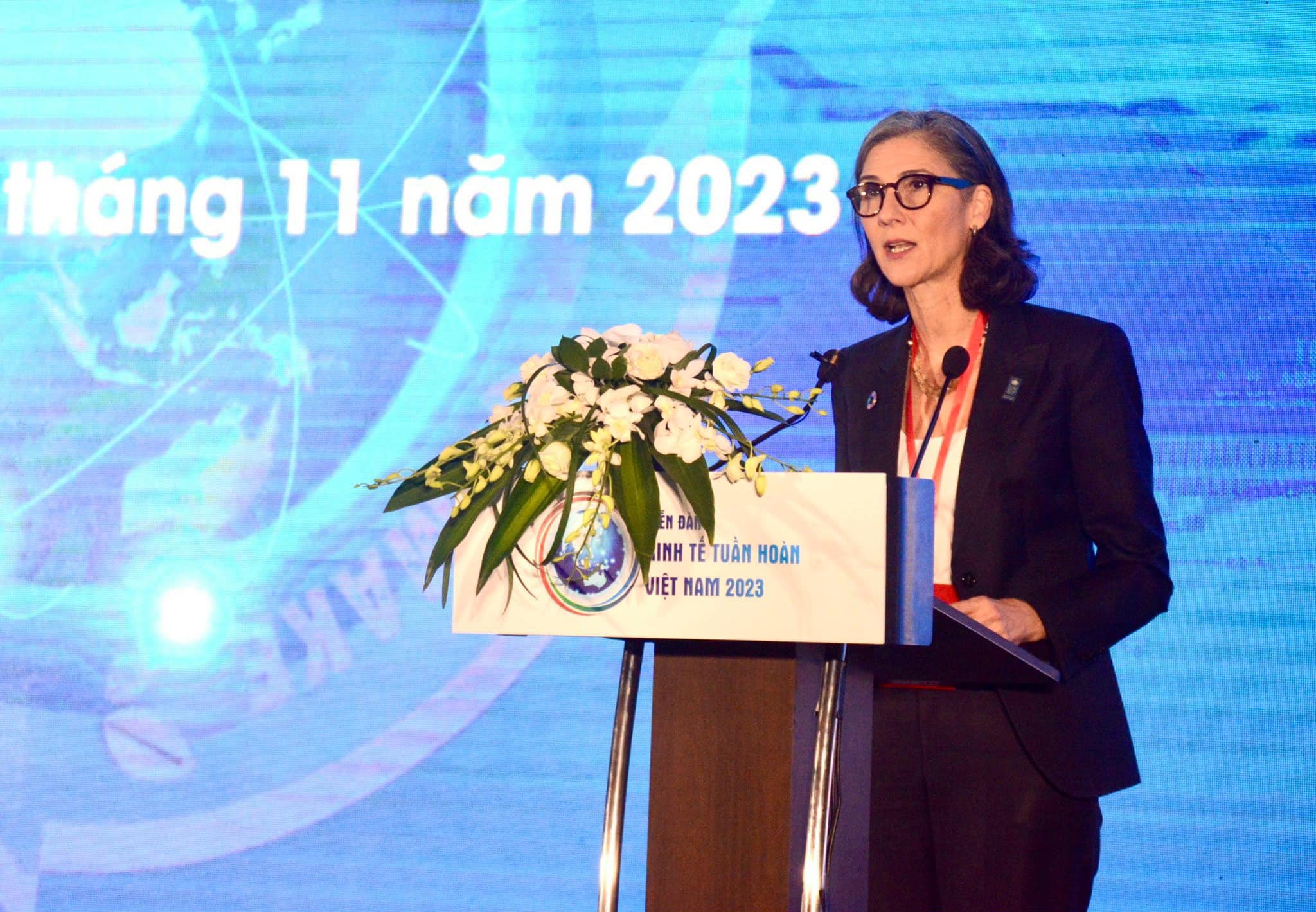
Keynote Address by Ms. Ramla Khalidi, UNDP Resident Representative in Viet Nam
NOVEMBER 16, 2023
Excellency Mr. Tran Hong Ha, Deputy Prime Minister of Viet Nam Excellency Mr. Dang Quoc Khanh, Minister of Natural Resources and Environment Ladies and Gentlemen,
Good morning!
It’s an honour to join you at this national forum on circular economy. Congratulations to MONRE for organising this successful CE Forum that underlines Viet Nam’s commitment to transform the economy in a way that not only protects the environment but also boosts innovation and competitiveness and improves people’s lives.
In just over half a century, the liquefied natural gas (LNG) industry has radically transformed from its nascent stages into a globally traded energy source. LNG trade has quadrupled over the past two decades and is poised to double again in the next 20 years.
While LNG trade is becoming more liquid and inclusive, it remains disproportionately concentrated in production and consumption. Three countries – Japan, China, and South Korea – accounted for half of the world’s total LNG imports in 2022. Meanwhile, another three – Qatar, Australia, and the United States – commanded a staggering 65% of global exports. Despite this stark concentration, the sector is interdependent, and supply disruptions in one corner of the globe can send shockwaves across the entire market.