VNE – Chủ nhật, 15/10/2023, 12:54 (GMT+7)
Trung bình một người Việt ăn 134 g thịt mỗi ngày, trong đó có 95,5 g thịt đỏ, trong khi nhu cầu khuyến nghị là 70 g, dẫn đến gia tăng nhiều bệnh mạn tính.

Conversations on Vietnam Development

VNE – Chủ nhật, 15/10/2023, 12:54 (GMT+7)
Trung bình một người Việt ăn 134 g thịt mỗi ngày, trong đó có 95,5 g thịt đỏ, trong khi nhu cầu khuyến nghị là 70 g, dẫn đến gia tăng nhiều bệnh mạn tính.
>> Xu hướng gia tăng tảo hôn: Lời cầu hôn tuổi 15
Trong rất nhiều hủ tục, tập tục lạc hậu, có một vấn nạn đã tồn tại lâu nay đó chính là nạn tảo hôn và hôn nhân cận huyết thống. Luật pháp về hôn nhân và gia đình đã quy định tuổi kết hôn ở phụ nữ là từ đủ 18 và nam giới là từ đủ 20, nhưng theo thống kê gần đây nhất thì 11% phụ nữ tuổi từ 20 đến 49 đã kết hôn hoặc đã sống chung như vợ chồng trước tuổi 18 và vùng trung du miền núi phía Bắc là các tỉnh có tỷ lệ tảo hôn cao hơn so với các vùng khác trong cả nước.
Vấn nạn tảo hôn vẫn đang là một thực trạng nhức nhối ở một số địa phương hiện nay. Điều này không những vi phạm pháp luật mà còn để lại những hệ luỵ nghiêm trọng, lâu dài về mặt xã hội.
Theo kết quả khảo sát, tình trạng tảo hôn ở người dân tộc thiểu số là 21,9%. Tất cả 53 dân tộc thiểu số đều có tình trạng tảo hôn, trong đó, 5 dân tộc tỉ lệ tảo hôn cao nhất gồm: dân tộc Mông (51,5%), Cờ Lao (47,8%), Mảng (47,2%), Xinh Mun (44,8%), Mạ (39,2%).
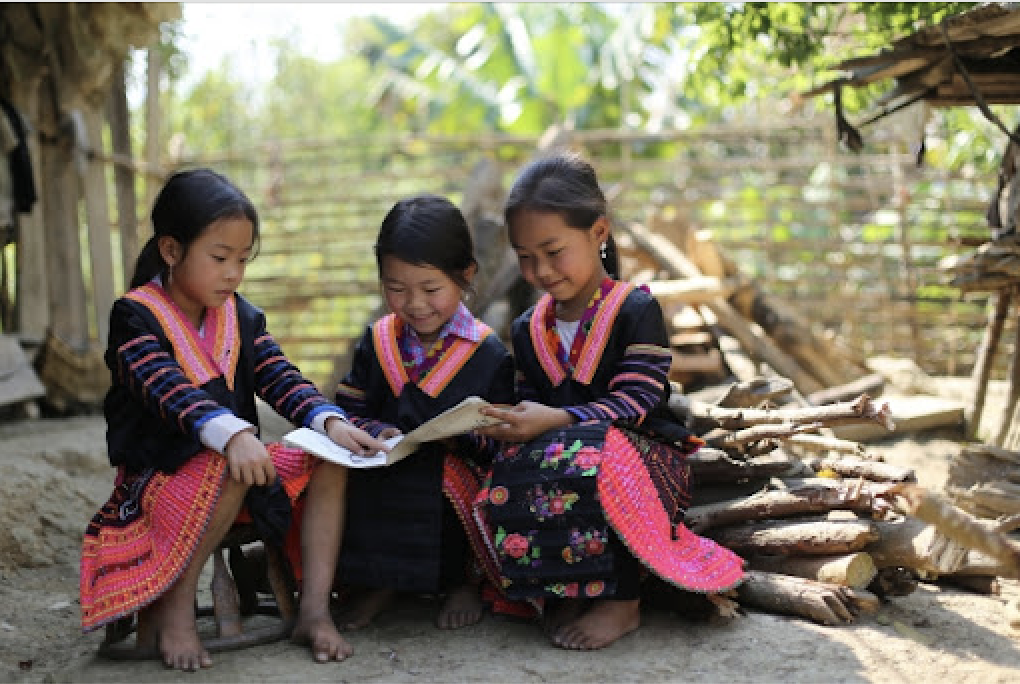
Kết hôn cận huyết thống không chỉ ảnh hưởng nghiêm trọng đến sức khỏe của bà mẹ và trẻ em, mà còn kéo lùi nền kinh tế của cả nước. Trẻ em sinh ra từ các cặp vợ chồng tảo hôn và hôn nhân cận huyết thống có tỉ lệ mắc các bệnh di truyền, dị tật bẩm sinh, suy dinh dưỡng, suy giảm sức khỏe và tử vong sơ sinh cao hơn trẻ em bình thường khác.
By Sanket Jain // 12 December 2023
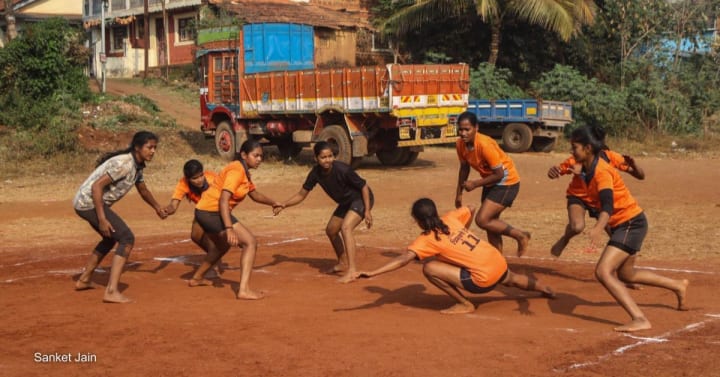
When Pandurang Terase, a sugarcane and rice farmer from India’s Maharashtra state, failed to turn his passion for kabaddi into a career, he ventured on a mission to train rural girls in sports for free. He never envisioned his work would someday save thousands from early and child marriage.
Every minute, 23 girls are married globally before they turn 18, according to the United Nations Population Fund. That’s over 12 million young women every year. So widespread is the problem that nearly 650 million women alive today became brides before turning 18 years old. India is home to 223 million child brides, the world’s highest. India accounts for one in three of the world’s child brides, UNICEF data shows.
Tiếp tục đọc “How an Indian farmer uses sports to save girls from early marriage”Thứ tư, 13/12/2023, 16:01 (GMT+7)
1. Nhận lời mời của Tổng Bí thư Ban Chấp hành Trung ương Đảng Cộng sản Việt Nam Nguyễn Phú Trọng, Chủ tịch nước Cộng hòa xã hội chủ nghĩa Việt Nam Võ Văn Thưởng, Tổng Bí thư Ban Chấp hành Trung ương Đảng Cộng sản Trung Quốc, Chủ tịch nước Cộng hòa nhân dân Trung Hoa Tập Cận Bình đã thăm cấp Nhà nước tới Việt Nam từ ngày 12 đến ngày 13 tháng 12 năm 2023.
Trong thời gian chuyến thăm, Tổng Bí thư, Chủ tịch nước Tập Cận Bình đã có các cuộc hội đàm với Tổng Bí thư Nguyễn Phú Trọng, Chủ tịch nước Võ Văn Thưởng, các cuộc hội kiến với Thủ tướng Phạm Minh Chính, Chủ tịch Quốc hội Vương Đình Huệ.
Hai bên cho rằng, Việt Nam và Trung Quốc là láng giềng tốt, bạn bè tốt, đồng chí tốt, đối tác tốt, đều là nước xã hội chủ nghĩa do Đảng Cộng sản lãnh đạo, chế độ chính trị tương đồng, lý tưởng niềm tin tương thông, con đường phát triển gần gũi, cùng chung chí hướng, chia sẻ tương lai chung, đều nỗ lực vì nhân dân hạnh phúc và đất nước giàu mạnh, nỗ lực vì sự nghiệp cao cả hòa bình và tiến bộ của nhân loại.
Tiếp tục đọc “Vietnam China Joint Statement (Vietnamese & English)”“This isn’t about pro-Israel or anti-Israel, this guy (Netanyahu) is pro-war, he is anti-peace, …Netanyahu doesn’t want a peace deal, he didn’t it then, he doesn’t want it now…Netanyahu gets elected when there is war. It’s all about his personal interest. …He is never gonna make peace, he openly brags about it. The Gaza war isn’t accident. It’s exactly what Netanyahu wants, for it keeps him in political power.“
In the video, which is from 2001, Netanyahu — who reportedly did not know his speech was being recorded — speaks frankly in Hebrew about relations with the Clinton White House and the peace process. As noted in Haaretz, Netanyahu seems to boast of his knowledge of the US by saying, “I know what America is. America is a thing you can move very easily, move it in the right direction. They won’t get in their way.””*
ANTG – Thứ Tư, 16/08/2023, 10:35
Trong những số liệu mới được Văn phòng Thống kê Liên bang Đức (Destatis) công bố ngày 11/8, có không ít những tín hiệu tích cực. Tuy vậy, đối với các chuyên gia quốc tế, dường như đó cũng chỉ là thứ ánh sáng lập lòe của hiện tượng, chứ không phản ánh đúng bản chất thực tế. Và do đó, khi “trái tim của cựu lục địa” tiềm ẩn nhiều vấn đề đáng lo ngại, cả cơ thể – Liên minh châu Âu (EU) cũng sẽ có những lý do để lo âu.

Sự trì trệ của nền kinh tế Đức cũng chính là mối lo âu dành cho toàn EU cũng như Eurozone.
Tiếp tục đọc “Ngã ba đường cho nước Đức”P.XUÂN LOAN 11/12/2023 15:28 GMT+7
TTCT – Tại Hà Lan, cuộc bầu cử Quốc hội trước thời hạn hôm 22-11 đã dẫn tới kết quả khiến tờ The New York Times lo âu: “Hà Lan có nguy cơ đứng trước bờ vực bất ổn chính trị mới sau 13 năm cầm quyền của Mark Rutte”.

Ông Geert Wilders. Ảnh: Reuters
NYT nhấn mạnh chiến thắng của Đảng Tự do do ông Geert Wilders lãnh đạo sẽ “nối dài chuỗi thành công của các đảng cực hữu ở Bắc Âu”.
Chiến thắng thuyết phục của Đảng Tự do thật bất ngờ, vì ngay trước ngày bầu cử, cơ hội chiến thắng của cả ba thế lực chính ở Hà Lan được coi là ngang nhau. Đảng Tự do đã nhận được sự ủng hộ tích cực trong tuần cuối cùng trước bầu cử nhờ chiến thuật tranh cử của Wilders. Ông nhấn vào các chủ đề được quan tâm nhất hiện nay ở Hà Lan là di cư và người tị nạn, chăm sóc sức khỏe và bảo trợ xã hội.
Tiếp tục đọc “Hà Lan: “Cơn ác mộng” hay “làn gió đổi thay” ở châu Âu?”TỊNH ANH – 12/12/2023 09:51 GMT+7
TTCT – Tham dự không sót kỳ COP (hội nghị khí hậu của Liên Hiệp Quốc) nào, nhưng đến đúng lúc mọi thứ có vẻ dần thành hình thì lại vắng mặt, vì đã từ giã cõi đời đúng một tháng trước. Đó là chuyện của nhà khoa học người Bangladesh Saleemul Huq.

Saleemul Huq phát biểu tại một sự kiện ở Bangladesh năm 2022. Ảnh: IIED
04 June 2021 Written by Regina Asariotis, Article No. 75 [UNCTAD Transport and Trade Facilitation Newsletter N°90 – Second Quarter 2021]
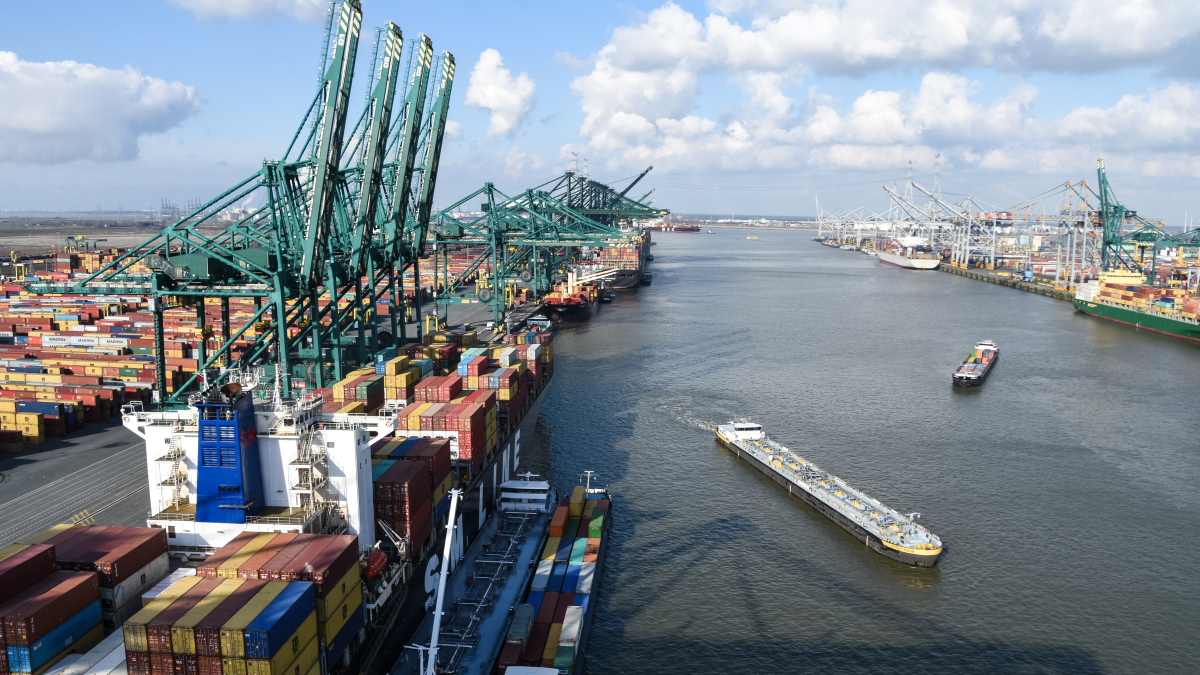
Seaports are essential for global trade-led development, and for the ‘Blue Economy’. They provide access to global markets and supply-chains for all countries, and are integral to maritime transport, as well as fisheries, offshore energy development, and many economic activities in coastal zones. With over 80 % of world trade volume carried by sea – from port to port -, they are crucial infrastructure nodes that underpin global supply chains and are key to future trade and development prospects, particularly of developing States which currently account for around 60 % of goods loaded and unloaded globally. At the same time, ports are particularly exposed to various natural hazards, due to their locations along open coasts or in low-lying estuaries and deltas; their setting makes them susceptible to impacts of climatic hazards such as rising sea levels, storm surges, waves and winds, riverine and pluvial flooding, as well as tectonic events (e.g. tsunamis).
Tiếp tục đọc “Climate change impacts on seaports: A growing threat to sustainable trade and development”Việt Nam là một trong số những quốc gia chịu ảnh hưởng nặng nề nhất của biến đổi khí hậu (BĐKH) trên thế giới. Trong những năm gần đây, biến đổi khí hậu đã gây ra nhiều hiện tượng như lũ lụt, sạt lở đất, gió bão, nước biển dâng, xâm nhập mặn…với tần suất ngày càng cao, mức độ tàn phá ngày càng nặng nề hơn đối với môi trường, đời sống kinh tế – xã hội Việt Nam.
Với bờ biển dài (trên 3.200km) và diện tích đồng bằng ven biển rộng lớn (135.946km2), Việt Nam đã xây dựng được hơn 405 đô thị ven biển. Đó là các thành phố cảng, trung tâm kinh tế biển, các đô thị du lịch và thương mại, dịch vụ – đóng vai trò quan trọng trong sự phát triển kinh tế của Việt Nam. Biến đổi khí hậu tạo ra những thiệt hại về kinh tế – xã hội ở các đô thị ven biển nhiều hơn bất cứ nơi nào khác vì vậy quy hoạch đô thị khu vực này cần phải có giải pháp kịp thời về cấu trúc đô thị, sử dụng đất, tổ chức không gian môi trường, cơ sở hạ tầng, cảnh quan, … để đô thị phát triển bền vững và chống chịu, tự phục hồi trước những diễn biến bất thường của BĐKH. Bài viết giới thiệu những ảnh hưởng của BĐKH đối với hệ thống đô thị ven biển Việt Nam và một số giải pháp quy hoạch đô thị nhằm giảm nhẹ và thích ứng với các tác động của BĐKH.
1. Giới thiệu
Việt Nam có bờ biển dài, đồng bằng ven biển rộng là cái nôi để phát triển hệ thống đô thị ven biển đa dạng, phong phú trở thành những trung tâm kinh tế, du lịch và dịch vụ quan trọng, đóng góp to lớn cho sự phát triển kinh tế của Việt Nam. Là một trong số những quốc gia được đánh giá là bị ảnh hưởng nghiêm trọng nhất trên thế giới, Biến đổi khí hậu có ảnh hưởng sâu rộng đến mọi lĩnh vực của đời sống, kinh tế – xã hội và môi trường Việt Nam. Đặc biệt các đô thị ven biển Việt Nam hiện nay đang phải đối mặt với các thách thức lớn của BĐKH như hiện tượng nước biển dâng, xâm nhập mặn, lũ lụt, và thiên tai… làm giảm quỹ đất xây dựng, phá hoại hệ thống hạ tầng xã hội và hạ tầng kỹ thuật, suy giảm nguồn nước, xáo trộn và ảnh hưởng đến chất lượng cuộc sống, sinh kế của người dân đô thị. Trước những yêu cầu thực tế, Quy hoạch đô thị cần có những thay đổi về cách tiếp cận để góp phần giảm thiểu các tác động bất lợi của BĐKH, giúp các đô thị ven biển Việt Nam chuyển hóa, thích ứng và chống chịu được BĐKH.
Tiếp tục đọc “Một số vấn đề ứng phó với biến đổi khí hậu trong quy hoạch các đô thị ven biển Việt Nam”bloomberg.com By Jennifer A Dlouhy, Jess Shankleman, and Laura Millan Updated on
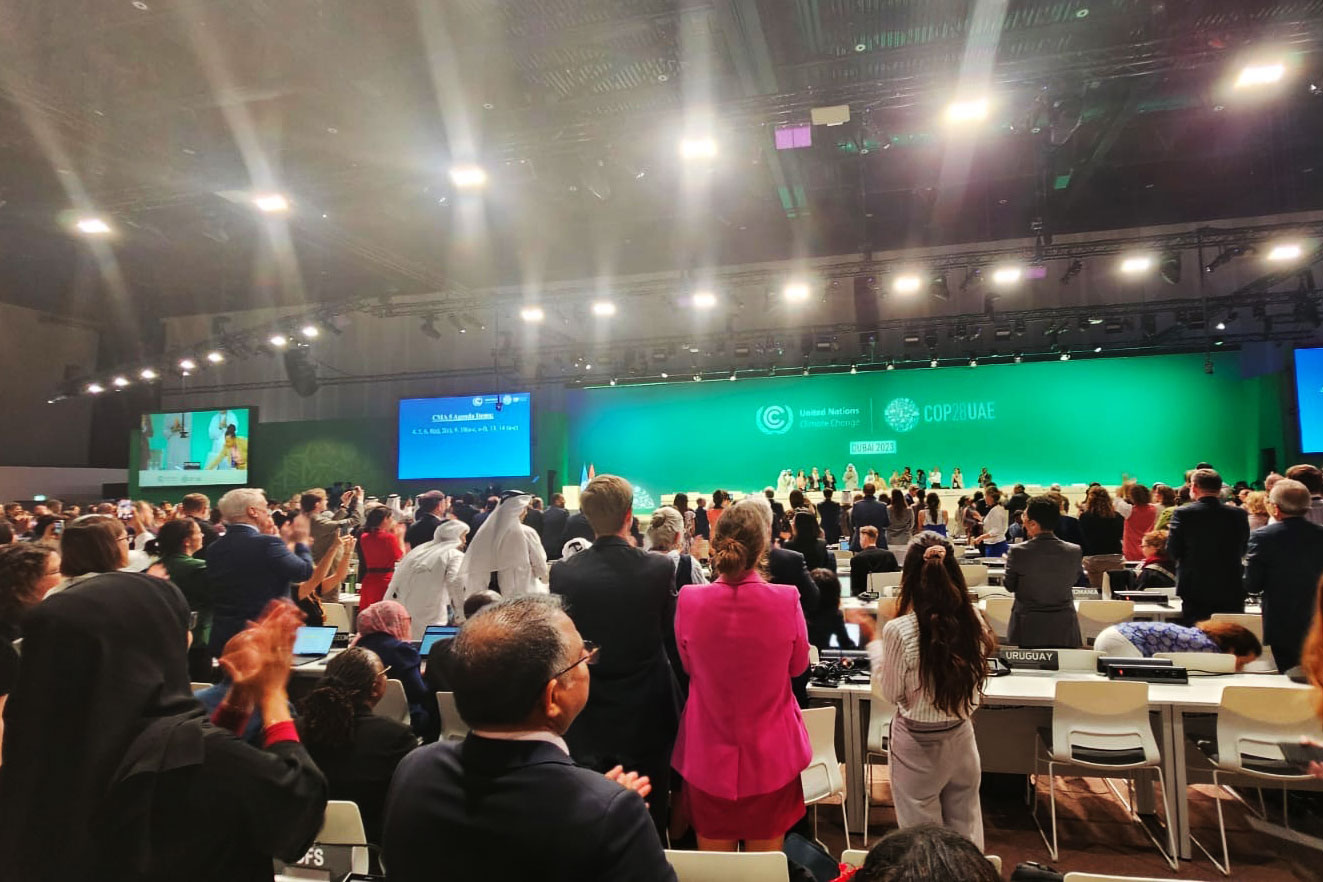
The COP28 climate talks in Dubai ended in a deal that saw a commitment to transition away from all fossil fuels for the first time.
The president of this year’s UN-sponsored summit, the UAE’s Sultan Al Jaber, brokered an agreement that was strong enough for the US and European Union on the need to dramatically curb fossil fuel use while keeping Saudi Arabia and other oil producers on board.
The agreement calls for countries to quickly shift energy systems away from fossil fuels in a just and orderly fashion, qualifications that helped convince the skeptics. Under the deal, countries also are called to contribute to a global transition effort — rather than being outright compelled to make that shift on their own.
Tiếp tục đọc “COP28 Ends With Deal on Transition Away From Fossil Fuels”
Voting record:


 CVD
CVD 