Trung Quốc đạt thặng dư thương mại 1.000 tỷ USD như thế nào

Thứ bảy, 13/12/2025, 16:30 (GMT+7) VNExpress

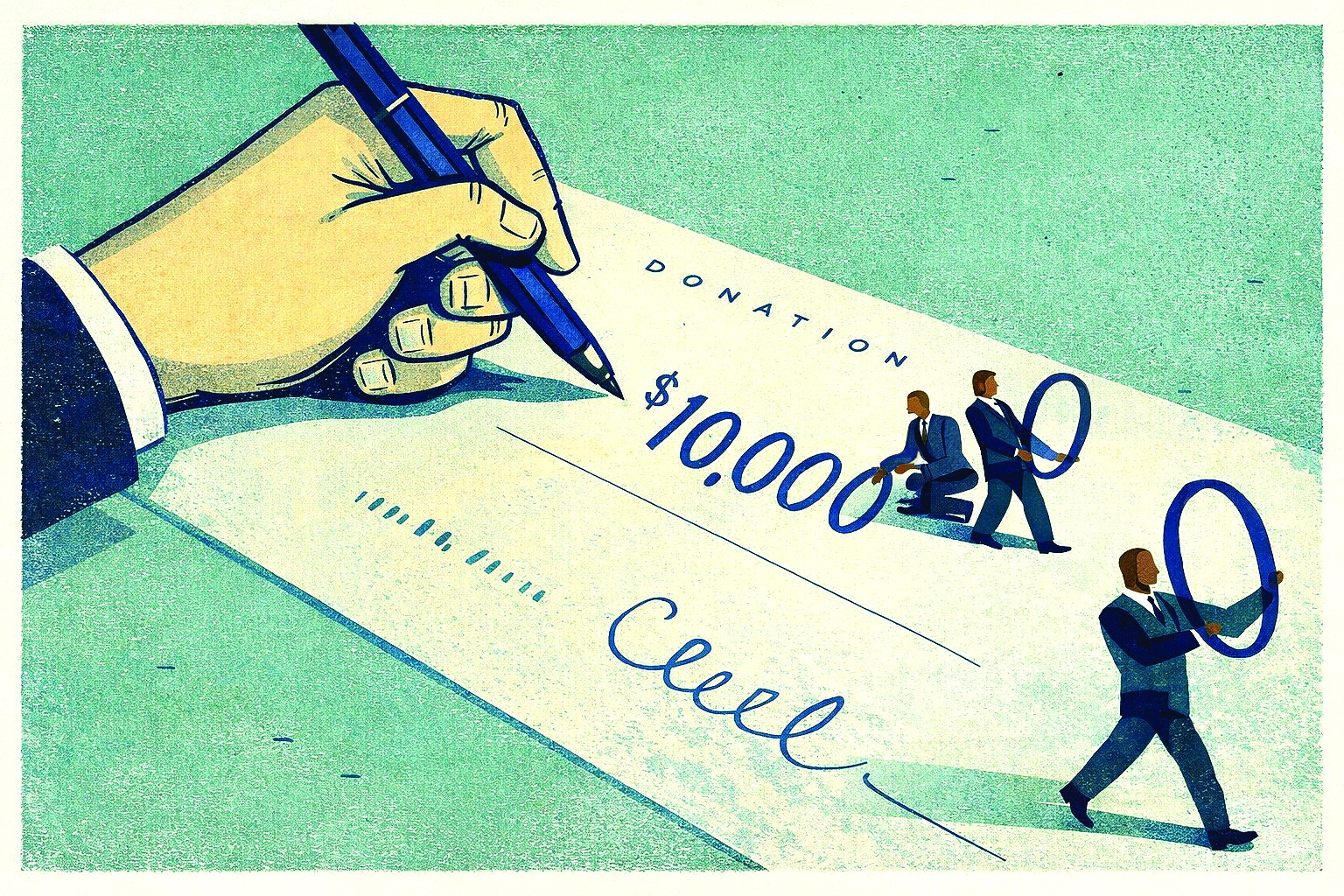
Bất chấp sức ép từ thuế nhập khẩu của Mỹ, Trung Quốc vẫn thặng dư 1.000 tỷ USD chỉ trong 11 tháng – kỷ lục chưa quốc gia nào đạt được.

Một năm trước, ông Donald Trump tái đắc cử Tổng thống Mỹ. Lo ngại cuộc chiến thương mại mới diễn ra, các hãng sản xuất Trung Quốc gấp rút đẩy mạnh xuất khẩu. Trong chiến dịch tranh cử, ông Trump tuyên bố sẽ áp thêm thuế nhập khẩu lên hàng hóa Trung Quốc, nhằm thu hẹp thâm hụt thương mại ngày càng lớn của Mỹ.

Một năm sau, Tổng thống Mỹ thực hiện đúng cam kết. Nhưng Trung Quốc cũng đã chuyển hướng chiến lược, và thậm chí còn xuất khẩu nhiều hơn.

Tiếp tục đọc “Trung Quốc đạt thặng dư thương mại 1.000 tỷ USD như thế nào”

Vietnam recently surpassed the Philippines’ GDP per capita. Do you think the Philippines can regain its place back given the current infrastructure boom the Philippines is having?

Profile photo for Huey Truong

Huey Truong · Former Civil Engineer/entrepreneur Upvoted by David Wood, lives in The Philippines (2017-present) Updated 4y

I think both country has its own problems to deal with in order to growth.

If you look at Philippines economy easy to see why Philippines falling behind Vietnam. The starting point between the two were miles away when Vietnam was a poorest country after 70 while Philippines was already a star, but then it took Vietnam about 25 years to surpassed Philippines and during that period, Vietnam focus on one thing create a enviroment that could attract FDI and help the local to start standing on its feet once these FDIs leave.

Tiếp tục đọc “Vietnam recently surpassed the Philippines’ GDP per capita. Do you think the Philippines can regain its place back given the current infrastructure boom the Philippines is having?”

Crypto mogul Do Kwon sentenced to 15 years in prison for $40 billion stablecoin fraud

CNN – Story by Associated Press

Dec 12, 2025

Police officers escort Do Kwon after he served his prison sentence in Podgorica, Montenegro, on March 23, 2024.

Police officers escort Do Kwon after he served his prison sentence in Podgorica, Montenegro, on March 23, 2024. Filip Filipovic/Getty Images

New YorkAP — 

Onetime cryptocurrency mogul Do Kwon was sentenced Thursday to 15 years in prison after a $40 billion crash revealed his crypto ecosystem to be a fraud. Victims said the 34-year-old financial technology whiz weaponized their trust to convince them that the investment — secretly propped up by cash infusions — was safe.

Kwon, a Stanford graduate known by some as “the cryptocurrency king,” apologized after listening as victims — one in court and others by telephone — described the scam’s toll: wiping out nest eggs, depleting charities and wrecking lives. One told the judge in a letter that he contemplated suicide after his father lost his retirement money in the scheme.

Tiếp tục đọc “Crypto mogul Do Kwon sentenced to 15 years in prison for $40 billion stablecoin fraud”

Gaza boycotts batter American fast-food chains in Malaysia, Indonesia

business-standard.com

Starbucks, KFC, Pizza Hut, and McDonald’s suffer sales slumps as Gaza war boycotts continue across Asia, boosting local and Palestinian brands

Starbucks, KFC, Pizza Hut, and McDonald’s suffer sales slumps amid Gaza war boycotts

Gaza boycotts batter fast-food chains Starbucks, KFC, Pizza Hut, and McDonald’s and other US brands in Malaysia and Indonesia | Photo: PexelsVasudha Mukherjee New Delhi

In Malaysia and Indonesia, some of the biggest names in fast food — Starbucks, KFC, Pizza Hut, and McDonald’s — are still struggling to recover from the financial hit caused by boycotts sparked by the war in Gaza, according to a report by Nikkei Asia.

Steep sales drops for US fast food chains in Malaysia

In Malaysia, Starbucks operator Berjaya Food reported an 18 per cent year-on-year revenue drop in early 2024, with net losses widening to 37.2 million ringgit (US $9 million). Its share price has fallen another 15 per cent this year. The chain has leaned on heavy localisation efforts — drinks curated by Malaysian baristas, locally designed merchandise, and menu items by a popular local chef — but store managers expect the total number of outlets to shrink from 350 to under 300 by 2026.

QSR Brands, which runs KFC and Pizza Hut, swung from a pre-tax profit of 49.6 million ringgit in 2023 to a 66.2 million ringgit loss in 2024. It has cut prices, pizzas as low as 5 ringgit, stressed its halal credentials, and hired more local staff to appeal to customers.

Tiếp tục đọc “Gaza boycotts batter American fast-food chains in Malaysia, Indonesia”

Australia’s Strategic Priorities and Challenges with Southeast Asia

lowyinstitute.org By Susannah Patton 6 November 2025

On this page

Listen to this journal article

Introduction

Going into the 2022 election, improving relations with Southeast Asia was at the top of the foreign policy to-do list for the Australian Labor Party, led by now prime minister Anthony Albanese. While the outgoing Liberal-National coalition government had notched up some achievements in its engagement with the region, there was also a sense of drift. The Pacific Step Up policy had focused on boosting ties with one of Australia’s two near regions, but Southeast Asia had not received the same level of diplomatic focus. Among the Labor Party’s pledges were appointing a special envoy for Southeast Asia, providing A$470 million in new aid to the region, and creating an office for Southeast Asia within the Department of Foreign Affairs and Trade. [1] For the most part, the Albanese government has followed through on its commitment to strengthen ties with Southeast Asia through more active diplomatic outreach, an economic strategy to boost two-way trade and investment, and a more nuanced approach to managing sensitive issues in Australia’s relations with the region, especially China-related issues and Middle East policy.

During the new term of government beginning in 2025, it is likely that the Albanese government will maintain Southeast Asia, along with the Pacific Islands, as a region of high priority. Albanese’s July 2025 John Curtin Oration articulated what he called Labor’s “constructive and creative role” and gave high billing to efforts to intensify economic engagement with Southeast Asia and deepen security cooperation with Indonesia. [2] While other global relationships may fluctuate according to events, the central importance of Southeast Asia within this distinctively Labor worldview suggests that engagement with this region, especially Indonesia, will remain high on Australia’s agenda for the next three years.

This essay analyzes the achievements of the Albanese government in its relations with Southeast Asia. It also assesses the continued challenges Australia faces both in deepening economic relations with the region and in continuing to balance regional ties with the U.S. alliance, especially given a less predictable and more demanding administration in Washington.

Tiếp tục đọc “Australia’s Strategic Priorities and Challenges with Southeast Asia”

Vietnam and South Korea are both influenced by China. Why has South Korea become a developed country while Vietnam is still a poor country?

QUORA

Profile photo for Lucia Millar

Lucia Millar · 

Quran user at Quora (company) (2020–present)Updated 4y

Question: Vietnam and South Korea are both influenced by China. Why has South Korea become a developed country while Vietnam is still a poor country?

Answer: It is true that Vietnam and South Korea or Korea had culturally influenced by China. However, South Korea become developed has nothing to do with China but the US. Vietnam is another story that the US did not want Vietnam to become independent and reunited from 1950–1975. The conflicting interests between both countries lasted from 1950–1995 with the US-Vietnamese normalization of their relationship. After that, Vietnam has started to grow fast and is no longer one of the poorest countries in Asia.

Tiếp tục đọc “Vietnam and South Korea are both influenced by China. Why has South Korea become a developed country while Vietnam is still a poor country?”

Thực trạng quản lý và sử dụng rừng ở Việt Nam ý nghĩa đối với các quyền và thị trường các-bon rừng trong tương lai

mkresourcesgovenance.org

Việt Nam đang đẩy mạnh triển khai các cam kết quốc tế về giảm phát thải khí nhà kính theo Công ước khung của Liên Hợp Quốc về Biến đổi khí hậu và Thỏa thuận Paris, với mục tiêu đạt phát thải ròng bằng “0” vào năm 2050 do Thủ tướng Chính phủ công bố tại COP26. Trong chiến lược đó, rừng được xác định là một trong những trụ cột quan trọng nhất nhờ vào khả năng hấp thụ và lưu giữ các-bon tự nhiên, đồng thời có tiềm năng hình thành thị trường các-bon rừng – một cơ chế tài chính mới nhằm thúc đẩy bảo vệ và phát triển rừng theo hướng bền vững.

Hiện nay, Cục Lâm nghiệp và Kiểm lâm đang chủ trì xây dựng Nghị định về các-bon rừng và Bộ tiêu chuẩn các-bon rừng quốc gia, nhằm tạo nền tảng pháp lý thống nhất cho đo đạc, thẩm tra, chứng nhận và giao dịch tín chỉ các-bon từ rừng. Mặc dù sau hơn ba thập kỷ bảo vệ và phát triển rừng, Việt Nam đã đạt được nhiều kết quả đáng kể, hệ thống pháp luật hiện hành vẫn thiếu các quy định cụ thể về quyền các-bon rừng — bao gồm quyền sở hữu, quyền giao dịch, quyền định đoạt và quyền hưởng lợi từ kết quả giảm phát thải. Những khoảng trống này đặt ra nhiều câu hỏi cho các nhà hoạch định chính sách và các chủ rừng, đặc biệt trong giai đoạn chuẩn bị vận hành thị trường các-bon.

Trong bối cảnh đó, Mạng lưới Nghiên cứu Chính sách tổ chức webinar “Thực trạng quản lý và sử dụng rừng ở Việt Nam – Ý nghĩa đối với các quyền và thị trường các-bon rừng trong tương lai” nhằm phân tích và thảo luận các vấn đề nêu trên.

Webinar tập trung vào các nội dung:

  • Phân tích thực trạng quản lý và sử dụng rừng tại Việt Nam, bao gồm cấu trúc quyền của các nhóm chủ rừng và các vấn đề pháp lý liên quan.
  • Làm rõ khái niệm và nội hàm của quyền các-bon rừng, bao gồm các rủi ro, khoảng trống pháp lý và tác động tới các chủ thể khác nhau.
  • Thảo luận các hàm ý chính sách cho thị trường các-bon rừng, trong bối cảnh Việt Nam chuẩn bị ban hành Nghị định và Bộ tiêu chuẩn các-bon rừng.

Nghịch lý trong ly cà phê Việt Nam

Bài liên quan: Xuất khẩu cà phê kỷ lục khiến Tây Nguyên cạn nước và người nghèo nghèo thêm

bbw.vn

Nhìn vào dữ liệu của Cafely năm 2025, có thể thấy người Việt chỉ đứng top 50 về tiêu thụ cà phê toàn cầu. Mỗi người chúng ta đang uống khoảng 0,4 ly mỗi ngày, tương đương mức của Philippines và thấp hơn nhiều so với Nhật Bản (1 ly) hay Hàn Quốc (0,9 ly). Điều này đặc biệt tương phản với bức tranh tiêu dùng ở châu Âu, nơi mức tiêu thụ dao động 2–5 ly/ngày. Thậm chí các quốc gia sản xuất lớn và là những nền kinh tế đang phát triển như Brazil hay Colombia cũng có mức tiêu thụ cao hơn Việt Nam.

Đáng chú ý, Việt Nam hiện đứng thứ hai thế giới về sản lượng cà phê, tương đương 17% thị phần toàn cầu và chỉ đứng sau Brazil (37%). Việt Nam cũng bỏ xa nhóm kế sau: cao hơn Colombia khoảng 2,2 lần và cao gần gấp 3 lần so với Indonesia hay Ethiopia.
Vậy nguyên nhân nằm ở đâu? Một quốc gia xuất khẩu tới 90% sản lượng, đạt kim ngạch 5,48 tỉ USD năm 2024 (tương đương 3% GDP quốc gia và 10% GDP ngành nông nghiệp), lại chỉ tiêu thụ nội địa ở mức tối thiểu – dù văn hóa cà phê đã ăn sâu vào đời sống đô thị lẫn nông thôn. Khoảng cách giữa vị thế “đại bàng sản xuất” và thói quen “uống rất ít” cho thấy dư địa tăng trưởng thị trường trong nước lớn đến mức nào.

Tiếp tục đọc “Nghịch lý trong ly cà phê Việt Nam”

Have you ever traveled to Vietnam?

Quora.

Mohit Bareja · Traveller (2021–present) May 1

Yes, I have traveled to Vietnam, and what an experience it was! I’ll admit, I had always overlooked it because of my fascination with the Western world. But Vietnam shattered my stereotype. Sure, you can Google lists of things to do and places to visit, but personally, this is why I loved Vietnam:

Tiếp tục đọc “Have you ever traveled to Vietnam?”

Tiếng Việt từ TK 17: các cách dùng đầu rau, các cơm, ghế cơm, nhà vưng/bếp, lò, vua bếp/táo quân (phần 51)

Nguyễn Cung Thông 1

Phần này bàn về các cách dùng đầu rau, các cơm/thổi cơm, ghế cơm, nhà vưng/bếp, lò, vua bếp/táo quân, câm lốc từ TK 17.

Đây là lần đầu tiên cách dùng này hiện diện trong tiếng Việt qua dạng con chữ La Tinh/Bồ (chữ quốc ngữ), điều này cho ta dữ kiện để xem lại một số cách đọc chính xác hơn so với các dạng chữ Nôm cùng thời. Ngoài ra, phần này bàn rộng ra hơn về các cách dùng bếp, nằm bếp, truyền thuyết Táo quân cũng như sự biến mất đặc biệt của đầu rau trong xã hội Việt Nam ngày nay..

Tiếp tục đọc “Tiếng Việt từ TK 17: các cách dùng đầu rau, các cơm, ghế cơm, nhà vưng/bếp, lò, vua bếp/táo quân (phần 51)”

Fast and dubious: How electric cars are tiring the Mekong – Xe điện phát triển nóng đang bào mòn Mê Kông

mekongeye.com

This five-part series explores how the acceleration of electric vehicle adoption could increase the demand for rubber—a commodity that has historically driven deforestation and land grabbing across the Mekong region. Experts say the EV transition will boost rubber demand, as EVs need specialized tires that can bear heavier vehicle weight and high torque.

This matters to the Mekong region. Our data analysis shows that Cambodia, Laos, Myanmar, Thailand, and Viet Nam together supply nearly 50% of the world’s natural rubber. About 70% of global rubber goes into tires. Without effective traceability in place, deforestation and land conflicts, many of which are ongoing and affecting the lives and livelihoods of local communities—are unlikely to be solved.

Story by Mekong Eye’s investigation team
This series was produced in partnership with Earth Journalism Network and the Pulitzer Center

Electric vehicles (EVs) are on the rise — from Bangkok to Hanoi to Vientiane — promising a cleaner future as part of the global shift to clean energy, with more than 17 million electric cars sold worldwide in 2024.

But there is still a cost to pay for these ‘green cars’. With their heavier battery weight and higher torque, EVs wear out their tires faster than gasoline-powered cars, and therefore consume more tires throughout their lifetime.

In every tire is natural rubber, the key raw material that ensures durability, elasticity and strength.

The growing demand for EV tires has had significant implications for the Mekong region — Cambodia, Laos, Myanmar, Thailand and Viet Nam — which produces about 50% of the world’s natural rubber and hosts major plants for multinational tire manufacturers and EV makers.

Tiếp tục đọc “Fast and dubious: How electric cars are tiring the Mekong – Xe điện phát triển nóng đang bào mòn Mê Kông”

Japan pulls out of Vietnam nuclear project, complicating Hanoi’s power plans​

Reuters.com By Francesco Guarascio and Phuong Nguyen Updated December 8, 2025

Workers repair an electric grid in Hanoi
  • Summary
  • Timeline for Vietnam project too tight, Hanoi envoy says
  • Ties already strained over petrol motorbike ban hurting Honda
  • Demand surging from industry, expanding middle class
  • Extreme weather events also threatening supply

HANOI, Dec 8 (Reuters) – Japan has dropped out of plans to build a major nuclear power plant in Vietnam because the time frame is too tight, Japanese ambassador Naoki Ito told Reuters, potentially complicating Vietnam’s long-term strategy to avoid new power shortages.

Vietnam, home to large manufacturing operations for multinationals including Samsung and Apple, has faced major power blackouts as demand from its huge industrial sector and expanding middle class often outpaces supplies, strained by increasingly frequent extreme weather, such as droughts and typhoons.

The Reuters Power Up newsletter provides everything you need to know about the global energy industry. Sign up here.

“The Japanese side is not in a position to implement the Ninh Thuan 2 project,” the ambassador to Vietnam said, referring to a plant with a planned capacity of 2 to 3.2 gigawatts. The project is part of Vietnam’s strategy to boost power generation capacity.

Tiếp tục đọc “Japan pulls out of Vietnam nuclear project, complicating Hanoi’s power plans​”

As a Vietnamese, or a person who had lived/traveled to Vietnam, what do you not like about this country?

Peter Barron · Lives in Viet Nam 4y qoura.com

I live in Viet Nam and are married into a large Vietnamese family. There are a few things that I dislike no matter where I am but there are really only a couple of things I dislike that seem to be Vietnamese.

Tiếp tục đọc “As a Vietnamese, or a person who had lived/traveled to Vietnam, what do you not like about this country?”

379 TỔ CHỨC PHI CHÍNH PHỦ NƯỚC NGOÀI ĐANG ĐÓNG GÓP TÍCH CỰC VÀO SỰ PHÁT TRIỂN BỀN VỮNG CỦA VIỆT NAM

Hội nghị quốc tế lần thứ V về hợp tác giữa Việt Nam và các tổ chức phi chính phủ nước ngoài

Ngày 4/12/2025, Oxfam vinh dự cùng đại diện từ hơn 300 tổ chức phi chính phủ nước ngoài (TCPCPNN) tại Việt Nam tham gia Hội nghị quốc tế lần thứ 5 về hợp tác giữa Việt Nam và các TCPCPNN, các đối tác vì sự phát triển thịnh vượng và bền vững do Ủy ban Công tác về các tổ chức phi chính phủ nước ngoài (COMINGO) và Liên hiệp các tổ chức hữu nghị Việt Nam (VUFO) tổ chức.

🌟 Hội nghị đã đánh giá kết quả quan hệ đối tác giữa Việt Nam và các TCPCPNN giai đoạn 2019 – 2025, xác định phương hướng hợp tác và nâng cao hiệu quả viện trợ trong 5 năm tiếp theo, xây dựng các kiến nghị, đề xuất với Chính phủ và Thủ tướng Chính phủ nhằm tăng cường quan hệ đối tác giữa Việt Nam với các TCPCPNN, nhà tài trợ và doanh nghiệp quốc tế trong thời gian tới.

📍 Tính đến 30/11, có 379 tổ chức PCPNN hoạt động thường xuyên tại Việt Nam với tổng giá trị viện trợ giai đoạn 2020-2024 đạt gần 1,14 tỷ USD. Các dự án trải rộng trên phạm vi cả nước, tập trung vào những lĩnh vực thiết yếu như y tế, phát triển kinh tế – xã hội, giải quyết các vấn đề xã hội, giáo dục – đào tạo, tài nguyên – môi trường, xây dựng năng lực tổ chức và hỗ trợ tư pháp…

Phát biểu tại hội nghị, Phó Thủ tướng Bùi Thanh Sơn ghi nhận và đánh giá cao những đóng góp thiết thực, bền bỉ của các tổ chức phi chính phủ và các đối tác đối với Việt Nam trong nhiều thập kỷ qua, nhất là trong y tế, giáo dục, giảm nghèo, phát triển cộng đồng, chống biến đổi khí hậu, ứng phó với thiên tai, bảo vệ nhóm yếu thế, thúc đẩy bình đẳng giới, phát triển nông thôn.

Tiếp tục đọc “379 TỔ CHỨC PHI CHÍNH PHỦ NƯỚC NGOÀI ĐANG ĐÓNG GÓP TÍCH CỰC VÀO SỰ PHÁT TRIỂN BỀN VỮNG CỦA VIỆT NAM”