Dự thảo Luật Sở hữu trí tuệ sửa đổi mở đường để quyền sáng chế, tác phẩm và giải pháp công nghệ có thể định giá, giao dịch và thế chấp như tài sản kinh tế.
Chiều 27/10, Chính phủ trình Quốc hội dự án Luật sửa đổi, bổ sung một số điều của Luật Sở hữu trí tuệ. Đây là lần điều chỉnh quy mô lớn nhất từ trước tới nay, với 75 điều được sửa đổi, hai điều bổ sung và 8 điều bãi bỏ. Mục tiêu là hoàn thiện hành lang pháp lý cho đổi mới sáng tạo, thương mại hóa kết quả nghiên cứu và quản lý hiệu quả tài sản trí tuệ trong nền kinh tế số.
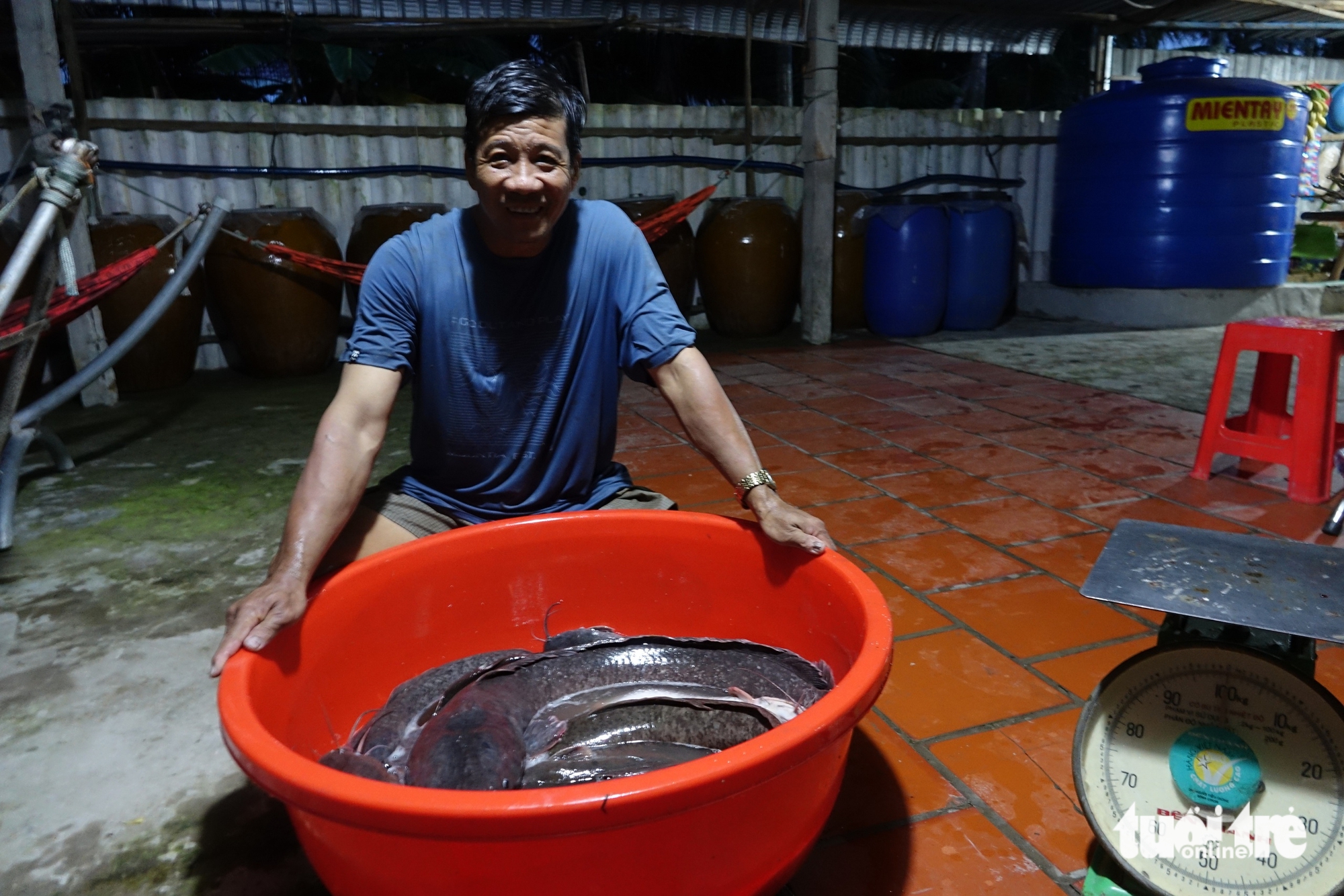
Sau khi đặt dớn dưới kênh xáng Nàng Mau (xã Vĩnh Thuận Đông, TP Cần Thơ) mùa nước nổi, anh Đà may mắn bắt được luồng cá trê khủng, ú tròn, có con cá trê dài gần 1m, nặng khoảng 8kg.
Anh Đà đổ dớn dính nhiều con cá trê khủng – Ảnh: CHÍ CÔNG
Sáng 27-10, anh Trang Văn Đà – người dân ở xã Vĩnh Thuận Đông (Cần Thơ) – cho biết mấy ngày qua mưa lớn kéo dài kết hợp với mùa nước nổi tràn về, nên các cánh đồng và kênh xáng Nàng Mau đều bị ngập nước.
Nước đục ngầu phù sa, anh Đà cũng như người dân tranh thủ đi đặt dớn, giăng lưới, cắm câu, đẩy côn bắt các loại cá đồng như cá lóc, cá trê, cá rô… để kiếm thêm thu nhập.
“Nước nổi về là thời điểm ăn nên làm ra của người dân nông thôn như tôi. Tranh thủ thời gian rảnh tôi đi đặt dớn, giăng lưới kiếm cá.
Chính phủ do Thủ tướng Phạm Minh Chính đứng đầu hiện có 9 phó thủ tướng và 17 bộ trưởng, trưởng ngành, sau khi Quốc hội kiện toàn nhân sự vào cuối tuần qua.
The United States of America (the United States) and the Socialist Republic of Viet Nam (Viet Nam) have agreed to a Framework for an Agreement on Reciprocal, Fair, and Balanced Trade to strengthen our bilateral economic relationship, which will provide both countries’ exporters unprecedented access to each other’s markets. The Agreement on Reciprocal, Fair, and Balanced Trade will build upon our longstanding economic relationship, including the U.S.-Viet Nam Bilateral Trade Agreement signed in 2000 that entered into force in 2001.
Ban Tuyên giáo và Dân vận Thành ủy TP HCM đề nghị cân nhắc không mời nghệ sĩ có ca khúc trái thuần phong mỹ tục, lệch chuẩn văn hóa, dự sự kiện của thành phố.
Công văn ngày 24/10 gửi đến Sở Văn hóa và Thể thao TP HCM, Hội Âm nhạc, các thành viên Hội đồng Lý luận, Phê bình văn học nghệ thuật và các cơ quan báo chí, đề nghị định hướng, chấn chỉnh hoạt động âm nhạc.
Sáng 25/10, Quốc hội phê chuẩn ông Lê Quang Mạnh giữ chức Tổng thư ký, Chủ nhiệm Văn phòng Quốc hội; ông Nguyễn Hữu Đông làm Chủ nhiệm Ủy ban Công tác đại biểu; và bà Nguyễn Thanh Hải làm Chủ nhiệm Ủy ban Khoa học, Công nghệ và Môi trường nhiệm kỳ 2021-2026.
Quốc hội phê chuẩn bổ nhiệm nguyên Bộ trưởng Nội vụ Phạm Thị Thanh Trà và nguyên Bí thư Tỉnh ủy Gia Lai Hồ Quốc Dũng giữ chức Phó thủ tướng nhiệm kỳ 2021-2026.
Nghị quyết phê chuẩn được thông qua sáng 25/10 trong phiên họp kín của Quốc hội, theo tờ trình của Thủ tướng Phạm Minh Chính.
Phó thủ tướng Phạm Thị Thanh Trà 61 tuổi, quê Nghệ An; Thạc sĩ Quản lý giáo dục, Cử nhân Sư phạm Ngữ văn; Ủy viên Trung ương Đảng khóa 12, 13; Đại biểu Quốc hội khóa 15.
Phó thủ tướng Phạm Thị Thanh Trà. Ảnh: Media Quốc hội
Bà trưởng thành từ ngành giáo dục, khởi đầu là giáo viên phổ thông cơ sở, sau đó làm cán bộ, Phó trưởng phòng Giáo dục và Đào tạo huyện Trấn Yên (tỉnh Yên Bái cũ). Bà từng đảm nhiệm nhiều vị trí lãnh đạo tại địa phương này như Phó chủ tịch huyện Trấn Yên, Bí thư Tỉnh đoàn, Trưởng ban Tuyên giáo Tỉnh ủy, Phó chủ tịch tỉnh, Bí thư Thành ủy Yên Bái, Chủ tịch tỉnh, Bí thư Tỉnh ủy và Chủ tịch HĐND tỉnh Yên Bái.
Sáng 25/10, Quốc hội phê chuẩn bổ nhiệm ông Lê Hoài Trung làm Bộ trưởng Ngoại giao, ông Đỗ Thanh Bình làm Bộ trưởng Nội vụ và ông Trần Đức Thắng làm Bộ trưởng Nông nghiệp và Môi trường, nhiệm kỳ 2021-2026.
Ông Lê Hoài Trung 64 tuổi, quê Thừa Thiên Huế, tiến sĩ Luật, thạc sĩ Luật quốc tế và Ngoại giao, Ủy viên Trung ương Đảng khóa 12, 13, Ủy viên Ban Bí thư khóa 13. Ông từng giữ các vị trí Bí thư thứ ba, Tham tán Công sứ, Phó trưởng Phái đoàn đại diện Thường trực Việt Nam tại Liên Hợp Quốc, Vụ trưởng Vụ Các tổ chức quốc tế, Thứ trưởng Ngoại giao và Đại sứ, Trưởng Phái đoàn thường trực Việt Nam tại Liên Hợp Quốc giai đoạn 2011-2014.
Tháng 3/2021, ông được Bộ Chính trị điều động giữ chức Trưởng ban Đối ngoại Trung ương, tháng 10/2023 được bầu bổ sung vào Ban Bí thư, và tháng 2/2025 được phân công làm Chánh văn phòng Trung ương Đảng. Tháng 8/2025, ông được Thủ tướng giao Quyền Bộ trưởng Ngoại giao và nay được Quốc hội phê chuẩn làm Bộ trưởng.
Bộ trưởng Ngoại giao Lê Hoài Trung. Ảnh: Báo Quốc tế
Bộ Ngoại giao là cơ quan của Chính phủ, thực hiện chức năng thống nhất quản lý nhà nước về đối ngoại, gồm các lĩnh vực: ngoại giao, biên giới và lãnh thổ quốc gia, công tác về cộng đồng người Việt Nam ở nước ngoài, điều ước và thỏa thuận quốc tế; quản lý các cơ quan đại diện Việt Nam ở nước ngoài và hoạt động của cơ quan đại diện nước ngoài tại Việt Nam…
TP HCM: Dự án thủy cung 500 tỷ đồng lấn biển Vũng Tàu, với tuyến đê vây dài 300 m bằng đá hộc, bêtông, dừng thi công sau khi tổng giám đốc bị bắt vì dùng hơn 15.000 tấn chất thải xây dựng san lấp.
Tính đến cuối tháng 10, có 6 Chủ tịch UBND tỉnh, thành phố được kiện toàn sau thời điểm sáp nhập; trong đó có 2 Ủy viên Trung ương và 3 Ủy viên dự khuyết.
Trong tháng 9 và 10, một loạt tỉnh, thành như Đà Nẵng, Quảng Ninh, Khánh Hoà, Thanh Hoá, Cần Thơ và Lạng Sơn đã tổ chức kỳ họp HĐND chuyên đề để kiện toàn chức danh Chủ tịch UBND. Những thay đổi nhân sự này diễn ra chỉ trong vòng ba tháng sau sáp nhập, nâng số gương mặt mới trong đội ngũ Chủ tịch 34 tỉnh, thành lền 6 người.
Các chủ tịch tỉnh thành hiện nay có độ tuổi trung bình khoảng 52. Trong đó, 15 người ở độ tuổi 42-52, chiếm 44,12%; 19 người trên 52 tuổi, tương đương 55,88%. Tỷ lệ này gần tương đồng với thời điểm sau sáp nhập (55,82% trên 52 tuổi và 41,10% ở nhóm 42-52), phản ánh xu hướng duy trì độ chín về tuổi đời và kinh nghiệm hành chính ở cấp điều hành tỉnh.
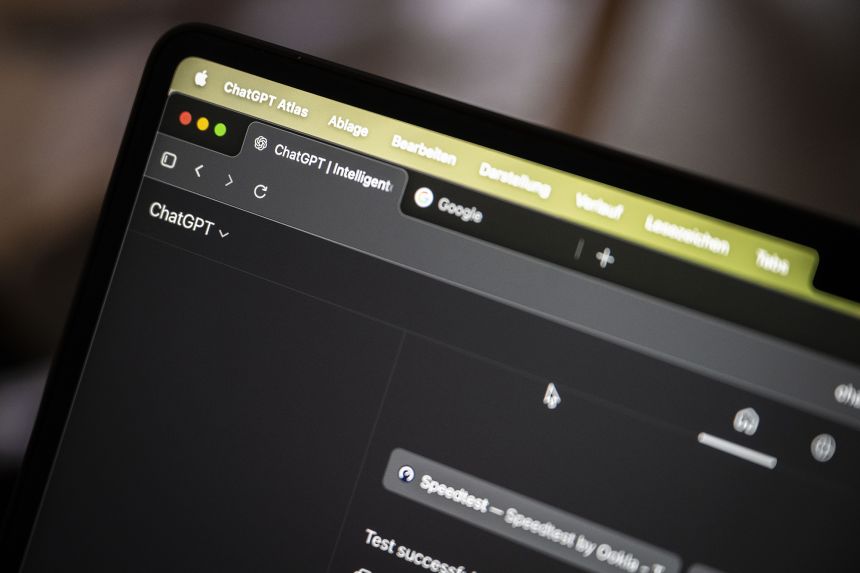
OpenAI’s new ChatGPT Atlas browser is a challenge to Google Chrome. Philip Dulian/picture alliance/dpa/Getty Images
The tug-of-war over the internet’s future escalated dramaticallyon Tuesday after OpenAI unveiled a new product that takes direct aim at the heart of Google’s core business: controlling the world’s front door to the internet.
OpenAI this week released ChatGPT Atlas, a desktop web browser infused with the popular AI chatbot. The product is more than just a way to expand ChatGPT, which now has more than 800 million weekly users. It’s an attempt to become the pathway to websites, social media and other online services, giving it a more direct role in everything people do online. Google has dominated that business for two decades. OpenAI is betting it can start to take over.
Các quý vị báo chí thân mến, đừng gán ghép phụ nữ với bông hồng và xinh đẹp nữa. Gán ghép kiểu đó là đã xưa cả ngàn năm nay rồi. Và đó là phong cách coi thường phụ nữ như là “phái yếu”. Bây giờ là 2025, hãy tôn trọng trí tuệ của phụ nữ chúng tôi, và xem chúng tôi ngang hàng hay có thể cao hơn nhiều người nam về trí tuệ.
Thành thật cảm ơn các bạn nam về tôn trọng phụ nữ.
Mẹ của các bạn đều là phụ nữ.
Dưới đây là vài tiêu đề báo chí viết về phụ nữ, mình dẫn links cho các bạn đến đó:
Chị đẹp – là từ ngữ nâng phụ nữ lên hay hạ phụ nữ xuống?
Hãy xem xét ví dụ sau:
Ngày 18-1-2023, sau khi Quốc hội miễn nhiệm Chủ tịch nước Nguyễn Xuân Phúc, phó chủ tịch nước Võ Thị Ánh Xuân được giữ Quyền Chủ tịch nước. Bà được đánh giá đã “hội tụ đủ 5 chữ T gồm ‘trí tuệ, tự tin, trẻ đẹp, tiến bộ và thành công’” (*).
Mong muốn bảo tồn giá trị văn hóa và lan tỏa giá trị của dừa sáp, anh Trần Duy Linh (38 tuổi, ngụ xã Tam Ngãi, Vĩnh Long – trước đây là xã Thạnh Phú, H.Cầu Kè, Trà Vinh) xây dựng bảo tàng với kinh phí hơn 20 tỉ đồng.
Tri ân người mang dừa sáp về Việt Nam
Tọa lạc tại xã Tam Ngãi, Vĩnh Long, bảo tàng dừa sáp khánh thành ngày 13.12.2024 sau gần 2 năm xây dựng, với tổng vốn đầu tư hơn 20 tỉ đồng. Công trình được xây dựng trên diện tích gần 1.500 m2, gồm 1 trệt và 2 lầu.
Nơi đây tái hiện sinh động câu chuyện về cây dừa sáp, từ sự xuất hiện đầu tiên đến hành trình gắn bó với đời sống của người dân bản địa. Không gian trưng bày tôn vinh sự giao thoa văn hóa độc đáo giữa 3 cộng đồng Kinh, Khmer và Hoa, những cư dân đã chung tay tạo nên nét văn hóa đặc sắc cho vùng đất này.
Công việc luôn luôn có, đặc biệt là việc không lương, chỉ là ta có muốn làm hay không. Các việc không lương thường là việc làm tình nguyện với các tổ chức thiện nguyện (non-profit organizations). Làm việc gì cũng giúp cho chúng ta phát triển mọi kỹ năng làm việc, đồng thời giúp đỡ cho đất nước và thế giới.
Chúng ta cần thay đổi tư duy về bản chất công việc. Công việc không phải là nơi để ta kiếm tiền hay để thỏa mãn đam mê. Công việc là nơi để ta phục vụ mọi người. Làm việc, dù có lương hay không, là để phục vụ chính mình, phục vụ mọi người, và cao nhất là phục vụ Trời, Phật, Chúa. Làm việc là để phát triển tâm linh của mình.
Nắm vững bản chất công việc như thế, chúng ta không còn phải trăn trở giữa những lựa chọn như làm thầy hay làm thợ, công việc ít tiền hay nhiều tiền, công việc có tương lai hay không có tương lai…
Người có đạo đức làm việc luôn luôn làm việc tận tâm và hứng khởi, dù đó là việc không lương hay có lương.
PTH
Dưới đây có 5 bài tượng trưng (Để có danh sách đầy đủ, hãy đọc ĐCN)
(VNExpress) Hơn 1,6 triệu thanh niên không việc làm, không đào tạo
(TĐH) Làm việc cho người
(TĐH) Tiền đi trước hay chất lượng công việc đi trước?
(TĐH) Vui với ít tiền – Happy with little money
(PTH) Làm việc không công
***
Hơn 1,6 triệu thanh niên không việc làm, không đào tạo
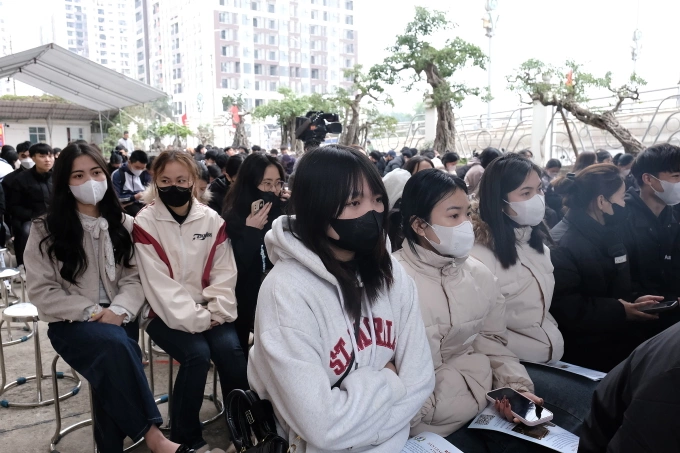
Quý III/2025, cả nước ghi nhận 1,6 triệu thanh niên 15-24 tuổi không có việc làm, không tham gia học tập đào tạo, chiếm 11,5% tổng số thanh niên Việt Nam.
Thanh niên nghe tư vấn về việc làm tại Bắc Ninh đầu năm 2025. Ảnh: Gia Đoàn
This ARSET training covers general approaches to apply satellite remote sensing data when studying or forecasting climate-sensitive infectious diseases.
Description
Climate-sensitive vector-borne diseases such as malaria impact millions of people each year, causing more than 700,000 deaths annually, according to the World Health Organization (WHO). Satellite remote sensing data can provide valuable insights for monitoring conditions which support disease vectors. In this training, participants will learn the basic principles of how satellite remote sensing data can be applied to track climate-sensitive vector-borne disease outbreaks and provide early warnings for potential outbreaks. Participants will learn about general approaches to apply satellite remote sensing data when studying or forecasting climate-sensitive infectious diseases. These will be illustrated with a case study example in the forecasting of malaria. Participants will also become familiar with some of the common, freely available NASA remote sensing datasets used in these applications, as well as where and how to access them and how to decide which datasets are fit for their purpose.
Part 1: How Remote Sensing Can be Used to Study Climate-Sensitive Infectious Diseases
Identify environmental variables and conditions that can be observed from space which are relevant to climate-sensitive infectious disease outbreaks.
Identify how satellite observations can improve the assessment and forecasting of climate-sensitive infectious disease outbreaks.
List the steps of a conceptual framework for incorporating remote sensing data into the study of climate-sensitive infectious diseases.
Recognize several remote sensing datasets commonly used to study and forecast climate sensitive infectious diseases, along with their key attributes such as resolution, coverage, latency, and uncertainty.
Select appropriate remote sensing datasets for studying climate-sensitive infectious diseases based on the disease characteristics, region of interest, and relevant environmental parameters.
Examine common benefits and challenges of using remote sensing data for studying climate-sensitive infectious diseases.
Part 2: Case Study in the Use of Remote Sensing to Study Climate-Sensitive Infectious Diseases
Identify environmental variables and conditions relevant to malaria that can be observed from space.
Recognize why the remote sensing datasets used in this case study were chosen, based on their key attributes.
Recognize the steps taken for accessing and preparing remote sensing data for use in this case study.
Identify the steps used by the EPIDEMIA system for integrating remote sensing data.
Examine the benefits and challenges of using remote sensing data for tracking and forecasting malaria in Ethiopia, and how these were addressed through the case study.
Examine the primary outcomes of the case study and ways its approach might be expanded in the future.





 CVD
CVD 