The Khmer Rouge were monsters, but they were China’s monsters.
Pol Pot was useful, kept Vietnam busy and the Soviets out. When the Vietnamese army marched into Phnom Penh to stop the killing-they humiliated Deng Xiaoping.
Because Vietnam had possibly the worst possible set of circumstances post WWII of any country in the entire world. First, the French did not immediately give it independence the way the British did with India. Instead Vietnam had to fight a war against France, which later turned into a war against the US. In the process millions died and millions more left, often the educated and businessman Vietnamese who were important to the economy. A lot of the country was devastated. Then after Vietnam finally gained its independence completely in the 1970’s (way later than countries like Indonesia, India, Philippines, etc), it had to fight wars with Cambodia and China.
All along western sanctions were still imposed until the 90’s. Diplomatic relations with the US were not re-established until the 90’s. The economy in the 70’s and 80’s did not do well because it was closed off from the rest of the world and heavily socialist and dependent on the USSR. Finally around 1986 the government at least reformed the economy to be more free market. Since that time Vietnam has grown fast. It is now a stable country with one of the fastest growing economies in the world.
Lần đầu tiên, lãnh đạo cao nhất của Đà Nẵng công khai nhận trách nhiệm và xin lỗi doanh nghiệp vì những chậm trễ, phiền hà trong giải quyết thủ tục hành chính, đồng thời kêu gọi doanh nghiệp phản ánh trực tiếp nếu bị nhũng nhiễu.
Chuyển đổi số hứa hẹn sẽ mang đến cho người nông dân nhiều lợi ích từ khâu sản xuất đến tiêu thụ sản phẩm. Tuy nhiên, trên thực tế, nhiều người nông dân vẫn cảm thấy khó khăn để tiếp cận và làm chủ công nghệ số. Bên cạnh đó, nhiều sảm phẩm công nghệ đưa ra chưa đáp ứng đúng nhu cầu sử dụng của người nông dân.
Chuyển đổi số sẽ đem lại kết quả to lớn cho nông dân và ngành nông nghiệp chỉ khi có sự đồng hành, đào tạo, hỗ trợ liên tục và phối hợp làm việc giữa nhà nước, công ty công nghệ và người nông dân.
VOV.VN – Dù được coi là chìa khóa nâng cao năng suất, chất lượng và đầu ra bền vững, chuyển đổi số trong nông nghiệp vẫn đang là bài toán khó với nhiều nông dân, hợp tác xã (HTX). Thiếu hạ tầng, thiếu kỹ năng, thiếu nguồn lực và thiếu kết nối thị trường đang khiến họ loay hoay giữa làn sóng công nghệ.Tiếp tục đọc “Nông dân loay hoay trước chuyển đổi số “→
Thị trường xuất khẩu lao động (XKLĐ) ở VN đã có hơn 40 năm qua nhưng vẫn còn sơ khai.
“Phải minh bạch về cơ hội lao động ở nước ngoài, về giấy tờ, luật pháp. Nhà nước cần liệt kê tất cả các công ty tham gia ngành dịch vụ XKLĐ, buộc họ tuân thủ pháp luật để người dân đi lao động qua những công ty có trách nhiệm và phải chế tài thật nặng những cá nhân – tổ chức hoạt động môi giới chợ đen.” (Trích Trách nhiệm của nhà nước với thị trường xuất khẩu lao động).
PTH
Điều tra, khởi tố hàng trăm vụ án liên quan đến đưa người lao động đi làm việc nước ngoài
Trách nhiệm của nhà nước với thị trường xuất khẩu lao động
Đó là thông tin được đại tá Nguyễn Huy Khích – Phó cục trưởng Cục An ninh chính trị nội bộ (Bộ Công an) – cho biết tại cuộc đối thoại với doanh nghiệp đưa người Việt Nam đi làm việc ở nước ngoài theo hợp đồng.
Thứ trưởng Bộ Nội vụ Vũ Chiến Thắng – Ảnh: CHÍ TÂM
CNA Few countries are better prepared against China threatening their rare earth supplies than Japan, says David Fickling for Bloomberg Opinion.
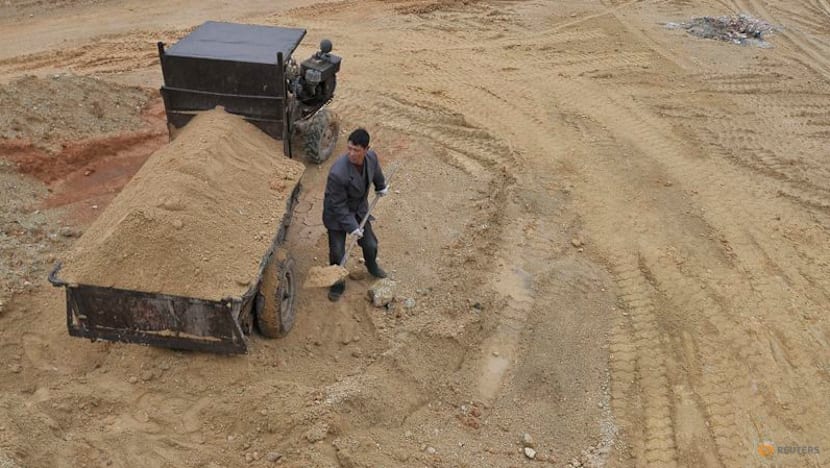
A labourer works at a site of a rare earth metals mine at Nancheng county, Jiangxi province, China, on Mar 14, 2012. (File photo: Reuters)
David Fickling 09 Jan 2026 05:59AM(Updated: 09 Jan 2026 09:30AM)
SYDNEY: To a hammer, every problem is a nail. If your most potent means of geopolitical leverage is threatening supplies of high-strength magnets, rare earth elements will always be the solution.
The most obvious victim of this threat will be rare earth magnets made with the elements neodymium and praseodymium, and increasingly spiced up with rarer samarium, dysprosium and terbium. They’re used everywhere from charging cables to the switchgear in wind turbines to motors powering electric vehicles, missile guidance systems and aircraft flaps.
(BKTO) – Qua kiểm toán các Chương trình mục tiêu quốc gia (MTQG), Kiểm toán nhà nước (KTNN) chỉ ra hàng loạt bộ, ngành, địa phương được giao dự toán vượt quá khả năng thực hiện, dẫn đến tỷ lệ giải ngân thấp, thậm chí kéo dài từ năm này sang năm khác..
Dư nguồn lớn, quyết toán nhỏ giọt
Kết quả kiểm toán năm 2024 của KTNN đối với các Chương trình MTQG cho thấy: Việc giao dự toán chưa phù hợp khả năng thực hiện, dẫn đến tỷ lệ giải ngân thấp, thậm chí có đơn vị không giải ngân hết kinh phí sự nghiệp kéo dài từ năm 2022 sang 2023.
(sav.gov.vn) – Kiểm toán nhà nước (KTNN) vừa công bố kết quả kiểm toán công tác quản lý, bảo vệ môi trường tại các khu công nghiệp, cụm công nghiệp và công tác quản lý, bảo vệ môi trường nước phục vụ sản xuất và cung cấp nước sinh hoạt giai đoạn 2021-2023. Kết quả kiểm toán đã chỉ ra hàng loạt bất cập, hạn chế.
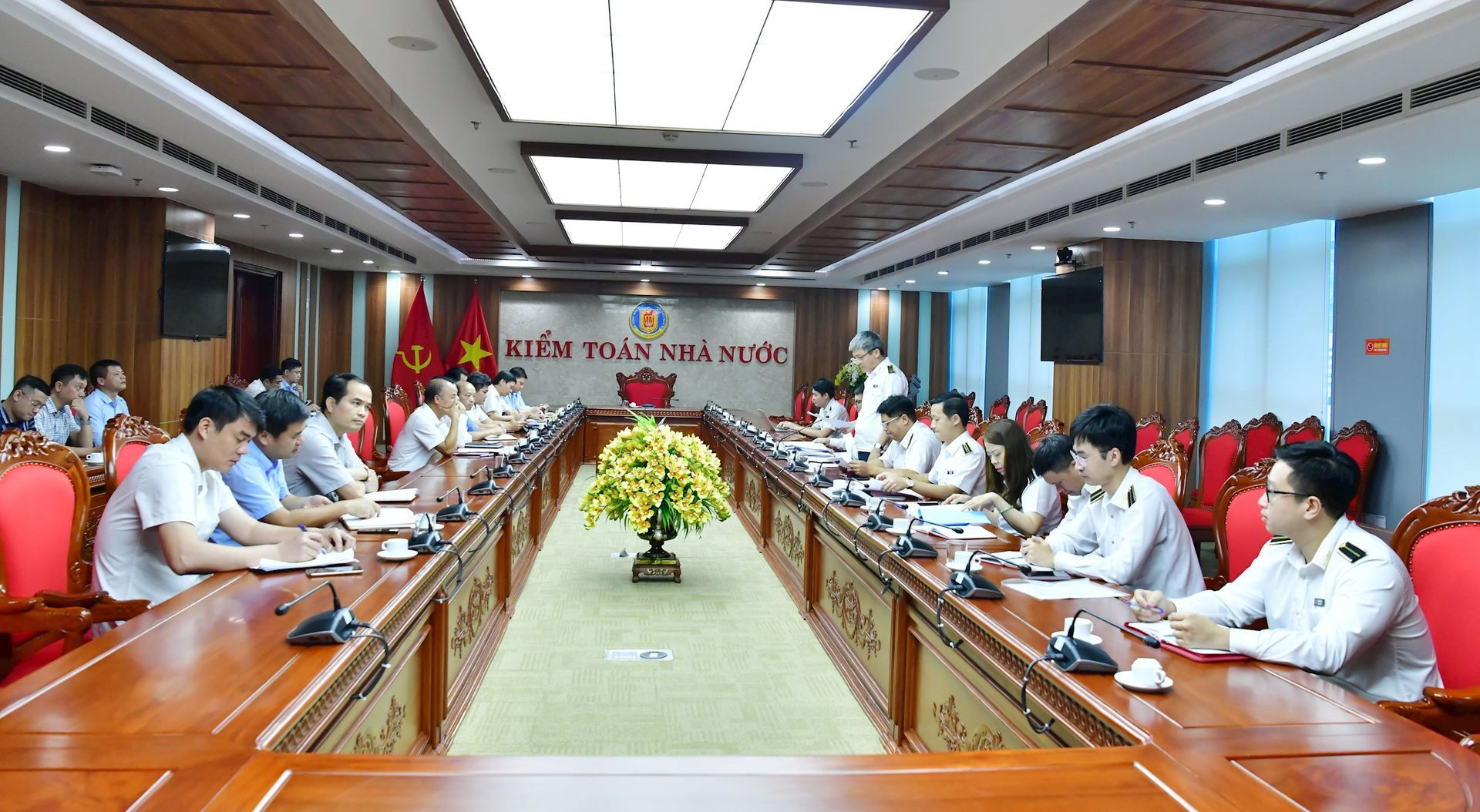
Hội nghị công bố Quyết định kiểm toán hoạt động công tác quản lý, bảo vệ môi trường nước phục vụ sản xuất và cung cấp nước sinh hoạt giai đoạn 2021-2023 tại 4 thành phố: Hà Nội, Hồ Chí Minh, Cần Thơ, Đà Nẵng, ngày 09/9/2024. Ảnh: TL
Tiasang – COP30 đã thay đổi cách đánh giá và phân bổ tài chính cho thích ứng với biến đổi khí hậu. Từ nay, dòng tài trợ chỉ đến quốc gia nào chứng minh được rủi ro, đo được hiệu quả sử dụng tiền tài trợ và quản trị minh bạch. Vốn rất cần nguồn tài trợ quốc tế để chống chịu và phục hồi, Việt Nam sẽ phải điều chỉnh cách tiếp cận nguồn tài chính quốc tế như thế nào?
Trở lại Khu bảo tồn Vườn Quốc gia (VQG) Tràm Chim những ngày cuối tháng 9, nhìn những cá thể sếu đầu đỏ được tiếp nhận từ vườn thú Thái Lan vào cuối tháng 4 đang tung cánh, chúng tôi không khỏi xúc động. Bởi, để có thể đưa đàn sếu trở lại VQG Tràm Chim đó là cả một hành trình dài, là nỗ lực bền bỉ của nhiều cán bộ, nhà khoa học, cộng đồng, cùng sự đồng hành giúp sức của bạn bè quốc tế dành cho Đồng Tháp.
QUYẾT TÂM PHỤC HỒI HỆ SINH THÁI
Có thời điểm, loài sếu đầu đỏ gần như biến mất khỏi VQG Tràm Chim, nơi từng là ngôi nhà của chúng. Nguyên nhân không chỉ đến từ biến đổi khí hậu, mà còn do sự suy giảm sinh cảnh cùng những tác động tiêu cực từ hoạt động sản xuất của con người. Sự vắng bóng của sếu đầu đỏ là hồi chuông báo động, cảnh báo về nguy cơ tổn thương nghiêm trọng của hệ sinh thái Ramsar thứ 2.000 của thế giới.
Nếu bạn nghỉ dưỡng trong rừng, resort mà bạn đang thưởng thức hiện diện tại đó vì hàng trăm hecta rừng phòng hộ đã bị phá đi để xây resort du lịch, bạn chẳng thể nghỉ dưỡng trong resort giữa rừng mà không đau nhức vì thấy tận mắt rừng đã mất để resort ra đời. Hãy nghĩ đễn nỗi đau của Mẹ Đất, Mẹ Rừng. Tẩy chay các khu resort phá Đất Mẹ.
Say “no” với du lịch nghỉ dưỡng giữa rừng thiên nhiên.
Đồng Nai đang khẩn trương thực hiện đấu giá quyền sử dụng đất tại khu vực có 106,8 ha rừng phòng hộ chuyển mục đích sử dụng để triển khai dự án du lịch sinh thái, nghỉ dưỡng, giải trí núi Chứa Chan. Dự án đang nhắm đến lựa chọn Tập đoàn Sun Group làm chủ đầu tư.
(PLO)- Sau khi thắng kiện hành chính, người dân làm hồ sơ nhưng vẫn chưa được cấp sổ hồng; họ mong các cơ quan chức năng phối hợp xử lý dứt điểm để chấm dứt chuỗi ngày đi lại, chờ đợi kéo dài.
Ông Dương Bá Tuân (xã An Khương, huyện Hớn Quản, Bình Phước, nay là xã Tân Hưng, tỉnh Đồng Nai) phản ánh đến báo Pháp luật TP.HCM về việc chậm được cấp giấy chứng nhận quyền sử dụng đất (sổ hồng) theo Bản án số 08/2019/HC-ST ngày 21-5-2019 của TAND tỉnh Bình Phước (cũ) khiến quyền lợi chính đáng của ông bị ảnh hưởng.
Nạn đinh tặc đã diễn ra từ lâu và ở nhiều nơi, gây rất nhiều thiệt hại về tài sản, công việc, học tập… cho người đi đường, thậm chí còn gây ra các tai nạn nguy hiểm đến tính mạng.
Những quãng đường bị rải đinh thường gần những tiệm sửa xe máy, cho nên việc điều tra không khó. Tại sao bao nhiêu năm nay vẫn không xử lý được vấn đề này?
Dù đã có quy định pháp luật để xử phạt tiền và phạt tù cho người rải đinh, nhưng xem ra hình phạt vẫn còn nhẹ. Cần phạt tù nặng cho tất cả các hành vi rải đinh để chấm dứt việc làm phạm pháp và vô đạo đức này.
Đại diện Phòng Cảnh sát giao thông (PC08) Công an TP.HCM cảnh báo ‘đinh tặc’ tiếp tục rải đinh bằng inox nhằm vô hiệu hóa xe hút đinh nam châm, các tình nguyện viên phải thu gom bằng tay.
“Đinh tặc” rải những mảnh “át rô” bằng inox khiến việc hút đinh của các tình nguyện viên gặp khó khăn – Ảnh: PC08
Bài viết này nêu lên một số vấn đề ảnh hưởng tới chất lượng đại biểu Quốc hội Việt Nam theo quy định của pháp luật hiện nay; đồng thời, đề xuất một số giải pháp nhằm nâng cao chất lượng đại biểu Quốc hội trong thời gian tới.
Những khuyết điểm, yếu kém của một bộ phận không nhỏ cán bộ và những hạn chế, bất cập trong công tác cán bộ cũng là một nguyên nhân chủ yếu làm cho đất nước phát triển chưa tương xứng với tiềm năng, thế mạnh và mong muốn của chúng ta, làm suy giảm niềm tin của nhân dân đối với Đảng và Nhà nước[1]. Quốc hội khóa XIV chưa bầu đủ 500 đại biểu, vẫn còn trường hợp sau khi trúng cử phát hiện không đủ tư cách đại biểu Quốc hội[2] (ĐBQH) và vấn đề nhức nhối hơn cả là mới đến kỳ họp thứ 5 mà đã có tới 06 ĐBQH miễn nhiệm, bãi nhiệm do vi phạm. Chính vì thế, việc xây dựng đội ngũ cán bộ ĐBQH phải được tiến hành thường xuyên, thận trọng, khoa học, chặt chẽ và hiệu quả.