FILE PHOTO: Russian President Vladimir Putin and Turkish President Tayyip Erdogan leave after their joint news conference following the talks in Moscow, Russia March 5, 2020. Sputnik/Mikhail Klimentyev/Kremlin via REUTERS
ANKARA (Reuters) – Turkish President Tayyip Erdogan urged his Russian counterpart Vladimir Putin on Sunday to declare a ceasefire in Ukraine, open humanitarian corridors and sign a peace agreement, his office said.
NATO member Turkey shares a maritime border with Russia and Ukraine in the Black Sea and has good ties with both. Ankara has called Russia’s invasion unacceptable and offered to host talks, but has opposed sanctions on Moscow.
The newest report from the Intergovernmental Panel on Climate Change (IPCC) paints a troubling picture: Climate change is already impacting every corner of the world, and much more severe impacts are in store if we fail to halve greenhouse gas emissions this decade and immediately scale up adaptation.
Following on the first installment of the IPCC’s Sixth Assessment Report, Working Group II’s contribution, released on February 28, 2022, draws from 34,000 studies and involved 270 authors from 67 countries. It provides one of the most comprehensive examinations of the intensifying impacts of climate change and future risks, particularly for resource-poor countries and marginalized communities. The 2022 IPCC report also details which climate adaptation approaches are most effective and feasible, as well as which groups of people and ecosystems are most vulnerable.
UN Secretary-General Antonio Guterres called the report “an atlas of human suffering and a damning indictment of failed climate leadership.
Here are six takeaways from the report:
1. Climate impacts are already more widespread and severe than expected.
Climate change is already causing widespread disruption in every region in the world with just 1.1 degrees C (2 degrees F) of warming.
Russian troops seize Europe’s largest nuclear power plant in southeastern Ukraine, after attack sparks fire.
Published On 4 Mar 20224 Mar 2022
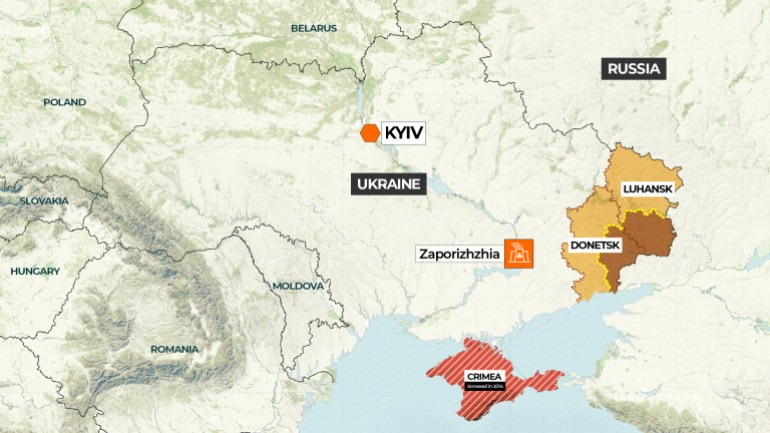
Russian forces have captured Ukraine’s Zaporizhzhia nuclear power plant, the largest in Europe, according to regional officials.
Ukrainian authorities said on Friday Russian shelling had caused a fire at a building in the plant complex that was later put out. The blaze raised alarm from leaders worldwide of a potential massive disaster. Russia blamed the attack on Ukrainian saboteurs, calling it a “monstrous provocation”.
Here is what we know so far:
Where is it located?
The Zaporizhzhia nuclear power plant is located in the southern Ukraine steppe on the Dnieper River, some 550 kilometres (342 miles) southeast of Ukraine’s capital, Kyiv, and about 525km (325 miles) south of Chernobyl, the site of the world’s worst nuclear power plant accident in 1986, which has also now been seized by Russian forces.
The plant has a total capacity of about 6,000 megawatts, enough to power about roughly four million homes.
On Wednesday, residents carrying Ukrainian flags had blocked the road to the plant, in an apparent standoff with Russian forces.
What happened?
But on Friday Russian troops were accused of attacking the plant, in an assault Ukraine’s President Volodymyr Zelenskyy branded “nuclear terror” and said could endanger the continent.
A video feed from the plant showed shelling and smoke rising near a building at the plant compound.
Marnie Hunter and Forrest Brown, CNN • Updated 1st March 2022
Tourists take boat tours through the Thu Bon River on April 24, 2021, in Hoi An, Vietnam. (Linh Pham/Getty Images)
(CNN) — Vietnam was the only destination added to the US Centers for Disease Control and Prevention’s highest-risk Level 4 category for travel on Monday.
The “very high” risk category still contains more destinations than all the other levels put together, with nearly 140 places now at Level 4. In early January, there were around 80 destinations listed there.
The CDC places a destination at “Level 4: Covid-19 Very High” risk when more than 500 cases per 100,000 residents are registered in the past 28 days.
To recap, a single destination was added to Level 4 on February 28:
It is the first time in 40 years the security council has referred a crisis to the assembly and only the 11th time an emergency session of the UN general assembly has been called since 1950.
The United Nations has voted overwhelmingly for a resolution deploring Russia’s invasion of Ukraine and called for the immediate withdrawal of its forces, in a global expression of outrage that highlighted Russia’s increasing isolation.
In an emergency session of the UN’s general assembly, 141 of the 193 member states voted for the resolution, 35 abstained, and five voted against. The only countries to vote no in support of Moscow were Belarus, North Korea, Eritrea and Syria. Longstanding allies Cuba and Nicaragua joined China in abstaining.
The resolution said the UN “deplores in the strongest terms the aggression by the Russian Federation against Ukraine”. It demanded that “the Russian Federation immediately cease its use of force against Ukraine” and “immediately, completely and unconditionally withdraw all of its military forces”.
The resolution is not legally binding, but is an expression of the views of the UN membership, aimed at increasing pressure on Moscow and its ally, Belarus.
“It isn’t going to stop Russian forces in their stride, but it’s a pretty enormous diplomatic win for the Ukrainians and the US, and everyone who has got behind them,” Richard Gowan, UN director at the International Crisis Group, said.
Speaking before the vote, the US ambassador to the UN, Linda Thomas-Greenfield, compared the Russian invasion to the Nazi conquest of Europe.
“A few of the eldest Ukrainians and Russians might recall a moment like this, a moment when one aggressive European nation invaded another without provocation to claim the territory of its neighbour, a moment when a European dictator declared he would return his empire to its former glory and invasion that caused a war so horrific, that it spurred this organization into existence,” Thomas-Greenfield said.
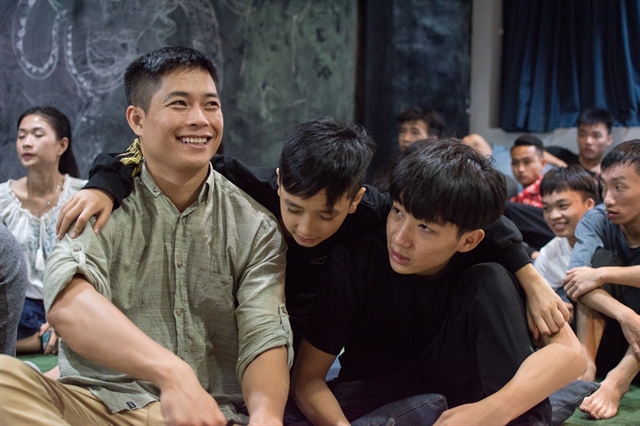
HÀ NỘI — At 15 years old, Đỗ Duy Vị left his hometown to make a living on the streets of Hà Nội. Two decades later, he is now one of the Chief Executives of the foundation that rescued him.
Vị might be one of many street kids that return to work at Blue Dragon, and one of the few that have spent more than ten years with the organisation, but his story has special significance as he has witnessed the growth of Blue Dragon even before it was established.
Đỗ Duy Vị with some of the children at the shelter. — Photo courtesy of Blue Dragon Children’s Foundation
Born to a family of farmers in Nam Định Province, Vị and his three other siblings stayed with their mother while their father often travelled to other provinces for work.
VNN – Bao nhiêu phần trăm sinh viên đại học, học viên cao học ở các cơ sở đào tạo của Việt Nam biết cách viết một bài tiểu luận đảm bảo tiêu chuẩn về đạo đức học thuật? Bao nhiêu phần trăm biết cách trích dẫn đúng trong một luận văn, luận án tốt nghiệp?
Con số đó là cực kỳ thấp, kể cả ở những trường đại học tốp đầu Việt Nam. Đó là nhận định của chính các giảng viên đang giảng dạy trong trường đại học. Thậm chí, một bộ phận lớn vẫn còn rất xa lạ với khái niệm “đạo văn” và mới chỉ dừng lại ở những hiểu biết sơ khai về vấn đề này.
Sinh viên Việt Nam: Ý thức chống đạo văn gần như bằng 0
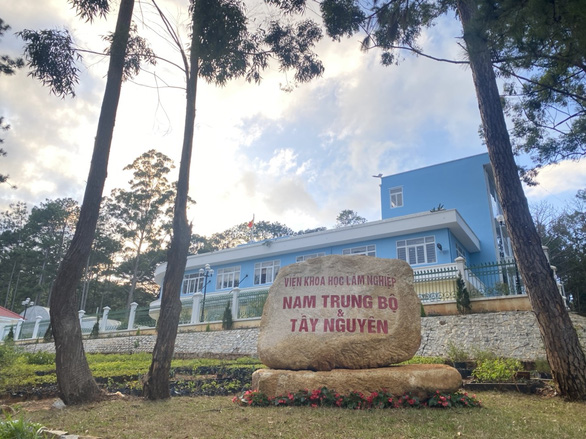
TTO – Viện Khoa học lâm nghiệp Nam Trung Bộ và Tây Nguyên được giao 3.280 ha rừng, đất rừng nhưng từ khi quản lý, đơn vị này lại để mất tới hơn 2.000 ha rừng, đất rừng.
Viện Khoa học lâm nghiệp Nam Trung Bộ và Tây Nguyên (tại số 9 đường Hùng Vương, TP Đà Lạt, Lâm Đồng) – Ảnh: fsih.gov.vn
Ngày 28-2, Sở Tài nguyên và môi trường Đắk Nông cho biết vừa ban hành kết luận thanh tra về công tác quản lý đất đai, bảo vệ rừng tại lâm phần do Viện Khoa học lâm nghiệp Nam Trung Bộ và Tây Nguyên (trụ sở tại xã Đắk Som, huyện Đắk Glong) quản lý.
TN – Thắng Lợi – tổ đoàn kết vươn khơi xa bám ngư trường Hoàng Sa (Đà Nẵng) nhiều năm qua là điển hình trong tương trợ giữa các tàu cá, cũng như tăng cường sự hiện diện, góp phần bảo vệ chủ quyền biển đảo thiêng liêng của Tổ quốc.
Thành viên Tổ đoàn kết Thắng Lợi treo cờ Tổ quốc lên tàu trước giờ trực chỉ Hoàng SaẢNH: HOÀNG SƠN
“Chúng tôi là anh em”
Giữa cái nắng mùa hè miền Trung cháy da, trở về sau chuyến biển dài ngày từ ngư trường truyền thống Hoàng Sa, ông Nguyễn Phương Bình (46 tuổi, chủ tàu cá ĐNa 91095), Tổ phó Tổ đoàn kết Thắng Lợi, chưa kịp nghỉ ngơi, thì nhận được điện thoại từ một thành viên báo tin tàu đang lên đà sửa chữa… Ông Bình liền ra âu thuyền Thọ Quang (Q.Sơn Trà, Đà Nẵng) để kịp thời giúp đỡ tàu bạn.
Tại Liên hoan điện ảnh châu Á Vesoul, Pháp, vừa bế mạc ngày 08/02/2022, bộ phim “Along the sea” ( Những cô gái bên bờ biển ) của đạo diễn Nhật Bản Fujimoto Akio đã được trao Giải thưởng lớn của ban giám khảo quốc tế.
Bộ phim nói về cuộc sống đầy gian nan, vất vả của những thực tập sinh kỹ thuật người Việt, bị bóc lột thậm tệ nên phải bỏ nơi làm việc và như vậy trở thành những người lao động bất hợp pháp. Theo cảm nhận của các thành viên ban giám khảo Festival Vesoul, “Along the sea“ “đặt khán giả đối diện với những vấn đề xã hội-kinh tế mà các nhân vật đang gặp phải, tuy gần gũi về mặt địa lý với các nước phát triển, nhưng lại sống trong những điều kiện ngược lại hoàn toàn”.
TTO – Nhà chức trách Đức xác định một ‘mạng lưới khổng lồ’ buôn người Việt đang ‘hoạt động khắp châu Âu’, đem về lợi nhuận khổng lồ cho bọn tội phạm. Quận Lichtenberg ở Berlin, nơi có Trung tâm Đồng Xuân của người Việt, là một trong số điểm tập kết.
Trung tâm Đồng Xuân là một trong những chợ châu Á lớn nhất nước Đức – Ảnh chụp màn hình DW
Thông tin được ông Carsten Moritz, người đứng đầu đơn vị chống buôn người thuộc Cục Cảnh sát hình sự liên bang Đức (BKA), hé lộ trong một cuộc phỏng vấn với đài RBB.
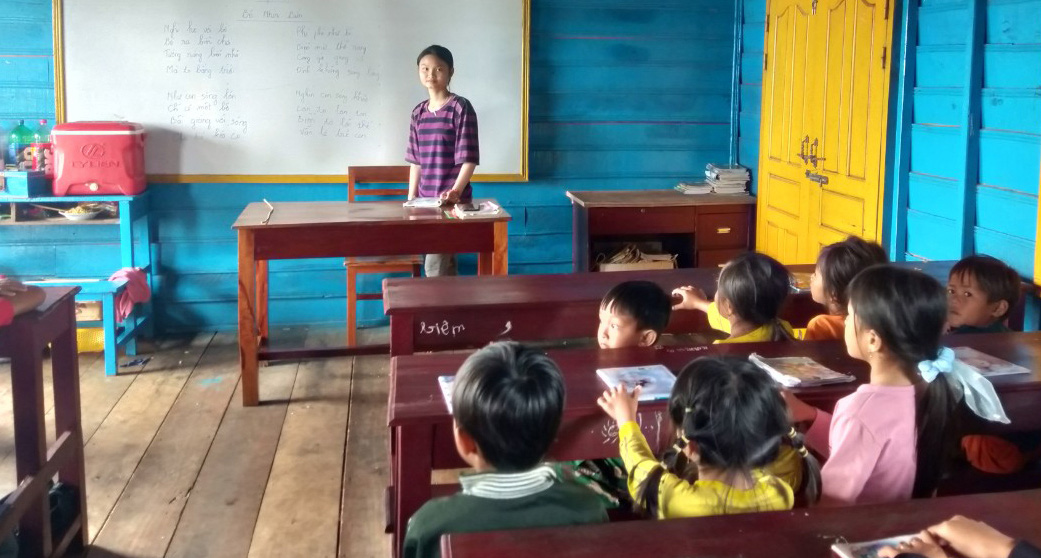
TTO – Ở vùng sâu thẳm Sa Son, Biển Hồ (Campuchia) có một lớp học dành cho trẻ em Việt Nam. Đứng lớp là cô gái 18 tuổi, dạy cho trên 80 học sinh vừa học vừa phải lặn lội ra biển mưu sinh.
Cô giáo Min dạy học cho trẻ em gốc Việt ở Sa Son, Biển Hồ, tỉnh Pursat, Campuchia – Ảnh: NGÔ LY
Cô giáo của lớp học đặc biệt này là Nguyễn Thị Min. Cô Min chỉ học hết lớp 8 rồi đi làm công nhân, ngẫu nhiên trở thành cô giáo trong một lần từ Việt Nam sang Campuchia thăm cha mẹ.
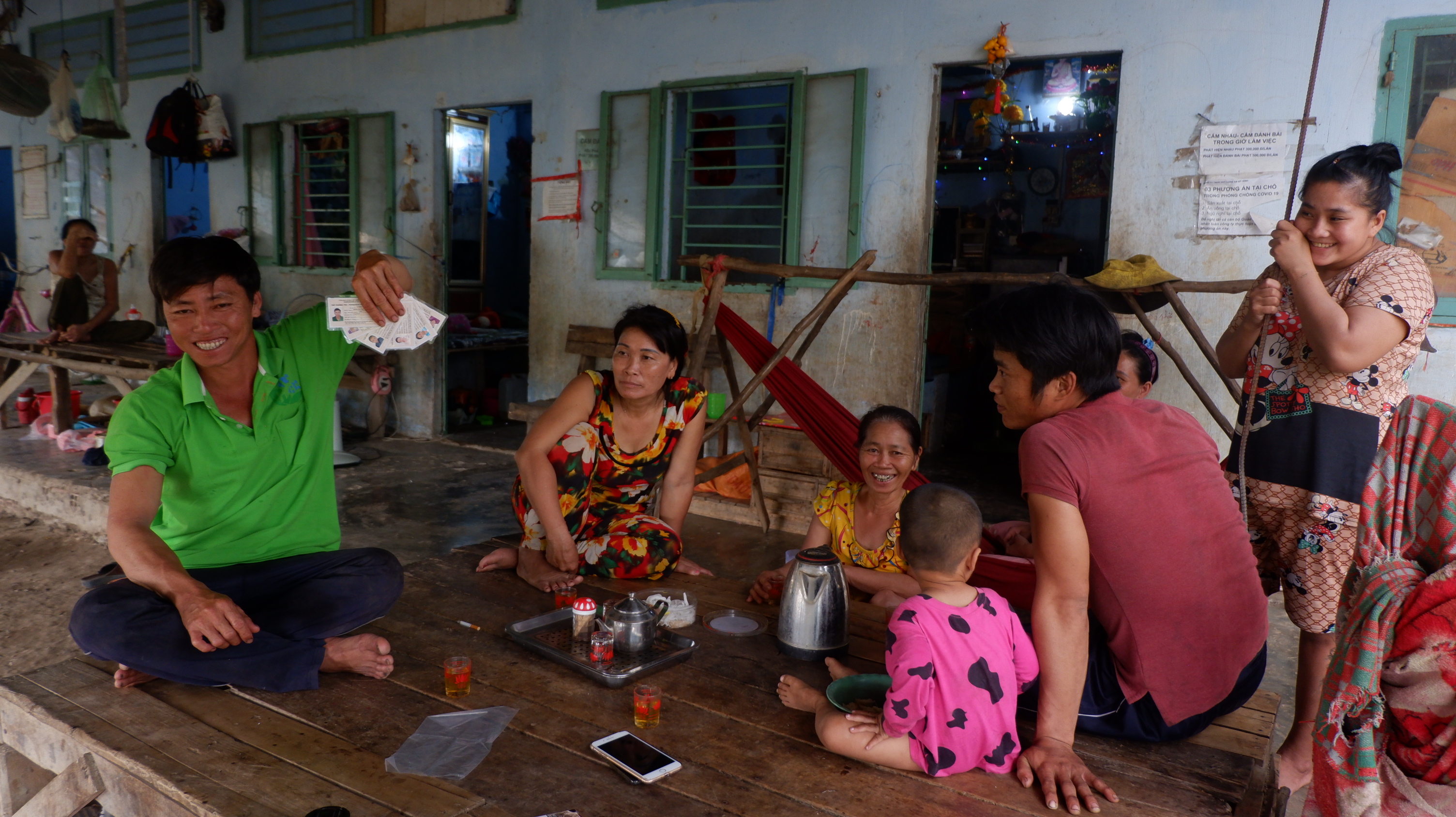
TTO – “Bàn chân lõm” từng là một hình ảnh khi nói về những Việt kiều từng lênh đênh trên vùng Biển Hồ (Campuchia) khi nhiều đời chỉ sống trên ghe thuyền, theo con tôm con cá để rồi lận đận bao đời trên xứ người.
Những hộ gia đình từ Biển Hồ trở về đã sinh sống, làm việc ổn định hơn 5 năm qua giữa vườn chuối với nhiều thay đổi lớn – Ảnh: SƠN LÂM
Chúng tôi vừa gặp lại họ sau Tết. Bàn chân của họ như đã đầy hơn, vững vàng hơn ở hiện tại và tương lai khi đã ổn định công việc và cuộc sống trên quê hương Việt Nam.
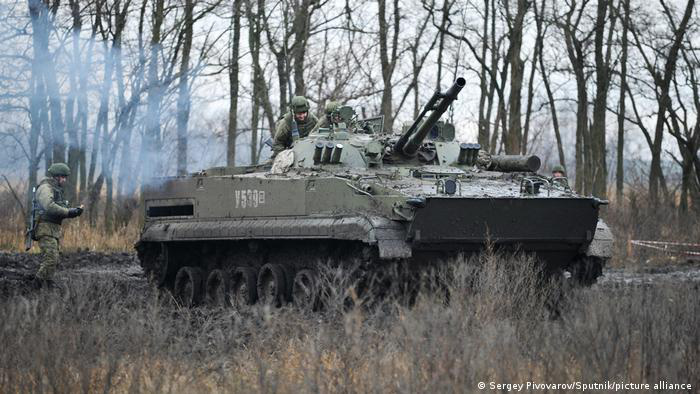
TTO – Tiền đề dẫn đến căng thẳng giữa Nga và Ukraine, đỉnh điểm là “chiến dịch quân sự đặc biệt” của Nga ở đông Ukraine sáng 24-2, không xảy ra trong một sớm một chiều. Đây là kết quả của tương tác chính trị giữa 2 nước trong suốt 30 năm qua.
Thiết giáp Nga tập trận gần biên giới Ukraine tháng 12-2021 – Ảnh: SPUTNIK
Quãng đường 30 năm có thể chia làm 3 giai đoạn, mỗi giai đoạn kéo dài một thập niên với những sự kiện bước ngoặt riêng. Đài DW của Đức tóm tắt như sau:






 Áp phích của phim Along the sea tranh giải Liên hoan điện ảnh châu Á Vesoul 2022. © Festival de Vesoul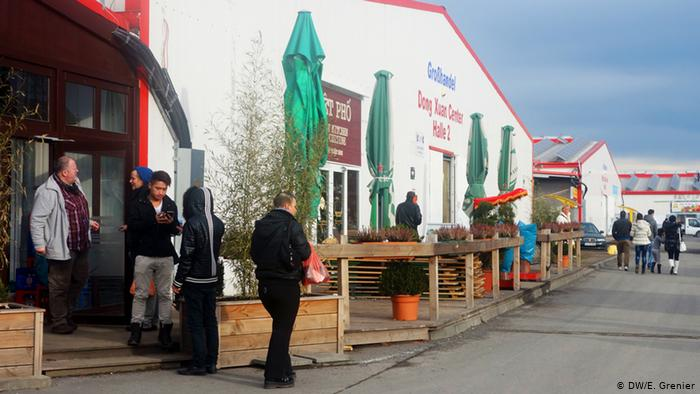
 CVD
CVD 