An armada of poorly regulated, scrapyard-ready tankers is hauling sanctioned oil through the region’s bustling shipping lanes. With that, they’re carrying an ever-present threat of environmental catastrophe
Smoke rises from the oil tanker Pablo after it suffered from multiple explosions on 1 May off the coast of Malaysia. The ship was registered to Gabon and was part of the so-called “ghost fleet” of little-regulated tankers. Photo courtesy of the Malaysian coast guard.
On the morning of 3 May, residents of Batam, Indonesia, the largest city of the country’s Riau Islands, woke up to beaches black with oil.
Abu Dhabi, United Arab Emirates, 29 August 2023 – The fossil fuel price crisis has accelerated the competitiveness of renewable power. Around 86 per cent (187 gigawatts) of all the newly commissioned renewable capacity in 2022 had lower costs than fossil fuel-fired electricity.
Renewable Power Generation Costs in 2022, published by the International Renewable Energy Agency (IRENA) today shows that the renewable power added in 2022 reduced the fuel bill of the electricity sector worldwide. New capacity added since 2000 reduced the electricity sector fuel bill in 2022 by at least USD 520 billion. In non-OECD countries, just the saving over the lifetime of new capacity additions in 2022 will reduce costs by up to USD 580 billion.
Despite the risk of social stigma and disapproval from their families, friends and peers, Vietnamese women and foreign men are turning to one of Singapore’s largest international matchmakers to find life partners. Mark Lin, originally from Taiwan, claims to have arranged more than 1,000 marriages between Vietnamese women and Singaporean men. Lin, who said he considers love a transaction like any other, offered a look at how he tries to help those willing to pay to find love in the modern world.
If Hanoi agrees to a comprehensive strategic partnership with the U.S., it would represent a remarkable breakthrough in bilateral ties. Still, such a partnership would not represent a significant shift in Hanoi’s foreign policy.
United States President Joe Biden recently announced that he would be visiting Vietnam “shortly”, likely on his return trip from the G20 Summit in India on 9-10 September. While the specifics of the trip have not been confirmed, international media have speculated that the visit may result in an upgrade of bilateral relations. Unofficial reports suggest that the two countries, which are currently in a “comprehensive partnership”, may skip the “strategic partnership” level to move directly to the “comprehensive strategic partnership” (CSP) level.
If true, this will represent a remarkable breakthrough in bilateral ties, as the CSP is the highest level of partnership in Vietnam’s diplomatic hierarchy. The country only forms such partnerships with those that it views as of great importance for its security, prosperity, and international standing. So far, Vietnam has only established CSPs with four countries: China, India, Russia and South Korea.
Unofficial figures point to a mental health crisis amid severe restrictions on Afghan women’s lives
Zahra Nader and Zan Times reportersMon 28 Aug 2023 10.00 BST
First, her dreams of becoming a doctor were dashed by the Taliban’s ban on education. Then her family set up a forced marriage to her cousin, a heroin addict. Latifa* felt her future had been snatched away.
“I had two options: to marry an addict and live a life of misery or take my own life,” said the 18-year-old in a phone interview from her home in central Ghor province. “I chose the latter.”
It was not an isolated act of desperation. Since the Taliban took control of Afghanistan in the summer of 2021, there has been a disturbing surge in the number of women taking their own lives or attempting to do so, data collected from public hospitals and mental health clinics across a third of Afghanistan’s provinces shows.
1 of 4 | A Japanese tourist smokes cannabis at a Dutch passion shop in Bangkok, Thailand, Tuesday, June 27, 2023. Thailand’s de facto legalization of marijuana last year has brought a wave of tourists from the region intrigued by the lure of the forbidden leaf.(AP Photo/Sakchai Lalit)
VHO- Có thể nói, hòn Trống Mái nằm ngay ở ví trí trung tâm của di sản thiên nhiên thế giới vịnh Hạ Long, là biểu tưởng du lịch nổi tiếng trong nước và quốc tế của vùng đất này, nhưng lại đang phải đối mặt với nhiều nguy cơ đổ, trượt nếu chính quyền, cơ quan chức năng sở tại không có ngay giải pháp bảo tồn cấp thiết.
Hòn Trống Mái được giới chuyên gia cảnh báo có nguy cơ cao bị gãy, trượt
Cuộc hội thảo góp ý cho Báo cáo tổng kết và các sản phẩm chính của nhiệm vụ khoa học công nghệ “Nghiên cứu đánh giá hiện trạng và các yếu tố ảnh hưởng làm cơ sở đề xuất các giải pháp bảo tồn hòn Trống Mái, vịnh Hạ Long” diễn ra từ hồi cuối tháng 7 vừa qua, tuy nhiên cho đến nay theo tìm hiểu của chúng tôi, các bên liên quan vẫn chưa có những động thái mạnh mẽ cho vấn đề “cấp cứu” biểu tượng có một không hai của di sản vịnh Hạ Long.
Còn nhớ vào cuối năm ngoái, chúng tôi cùng đoàn chuyên gia thuộc nhiều lĩnh vực khác nhau có chuyến tham quan vịnh Hạ Long, và một trong những điểm đến là hòn Trống Mái. Cơ duyên đưa đến địa điểm này không hề xuất phát từ sự tò mò hay chụp ảnh lưu niệm vì biểu tượng này đã nằm lòng trong sự yêu thích của biết bao du khách, mà trong đoàn có một chuyên gia về địa chất mong muốn mọi người có cái nhìn thực địa ở khoảng cách gần nhất có thể để nhận diện rõ hơn về sự ăn mòn đáng sợ đối với “hai chân” của hòn Trống Mái. Bằng con mắt chuyên môn, vị chuyên gia về địa chất đã cảnh báo rằng, với tốc độ xâm thực và bào mòn của sóng, gió và tác động của con người như hiện nay, chẳng bao lâu nữa độ kết cấu “hai chân” của hòn Trống Mái sẽ bị cưa đứt. Tại thời điểm đó có người nói đùa rằng, hòn Trống Mái đang đứng trên hai “que tăm” bởi trông nó rất chênh vênh, chung chiêng nhất là khi những đợt sóng cao ập vào. Vị chuyên gia còn nói thêm, cũng đã nhiều lần lên tiếng cảnh báo qua mối quan hệ công việc nhưng nhìn chung chưa mấy ai tin, hoặc nhận được câu trả lời đại loại như “trông thế thôi, nó còn vững chãi lắm”.
TTCT – Sau thời gian dài giằng co, chính trường Thái Lan cuối cùng cũng (tạm thời) ngã ngũ với một tân thủ tướng và sự trở về của một cựu thủ tướng bị lật đổ.
A year and a half into a historic interest-rate upcycle, Southeast Asia’s economic prospects continue to stand out in a world faced with high inflation and soft demand.
HSBC forecasts that the six largest economies in Southeast Asia — Indonesia, Thailand, Malaysia, the Philippines, Singapore and Vietnam — will grow 4.2% this year and 4.8% next year. This pace would far outstrip the 1.1% expansion expected in the developed world in 2023 or next year’s estimated 0.7%.
This acceleration is all the more remarkable given that inflows of Chinese tourism dollars have not returned to Southeast Asia as anticipated. For example, in Singapore and Thailand — both popular destinations for Chinese holidaymakers — tourist arrivals are running at only about one-third of pre-COVID levels.
A recovery in tourism would certainly be a welcome boon for Southeast Asia. But meanwhile, trade, the transition to net zero and digital transformation are set to power the region’s economic growth for decades to come and ensure that this dynamic region remains a global growth engine.
Southeast Asia has come a long way as a manufacturing dynamo. It now accounts for 8% of global exports and since 2020, has surpassed the European Union as China’s largest trading partner.
The region is benefiting from a restructuring of global supply chains as it sits at the crossroads of two of the world’s largest free trade agreements, the Regional Comprehensive Economic Partnership (RCEP) and the Comprehensive and Progressive Agreement for Trans-Pacific Partnership.
RCEP in particular, with its tariff reductions and business-friendly rules of origin, is increasing the appeal of Southeast Asia as a manufacturing base, a fact that more companies are recognizing. According to a recent HSBC survey, Asia-Pacific companies plan to base 24.4% of their supply chains in Southeast Asia over the next one to two years, up from 21.4% as of 2020.
Hết năm học năm học 2022-2023, cả nước ghi nhận thiếu tới 118.253 giáo viên, nhưng vẫn còn hơn 74.000 chỉ tiêu biên chế được giao cho các địa phương chưa tuyển dụng được. Vậy giải bài toán vừa thiếu vừa thừa giáo viên này như thế nào?
Việc không tuyển đủ giáo viên giảng dạy ảnh hưởng không nhỏ đối với việc thực hiện chương trình GDPT 2018. nhiều trường thiếu giáo viên dạy môn học chương trình GDPT 2018 như: âm nhạc, mỹ thuật, lịch sử và địa lý, khoa học tự nhiên, giáo dục địa phương, hoạt động trải nghiệm hướng nghiệp nhưng lại thừa giáo viên dạy đơn môn.
Nguyên nhân dẫn đến tình trạng thừa-thiếu giáo viên
Để giải quyết tận gốc vấn đề thừa, thiếu giáo viên cục bộ này, ngành giáo dục cần xác định nguyên nhân chủ quan và khách quan, từ đó mới có giải pháp phù hợp.
Tình trạng thiếu giáo viên chủ yếu là ở vùng miền núi, hải đảo vì điều kiện đời sống khó khăn, công tác xa nhà nhưng chế độ đãi ngộ chưa tương xứng đảm bảo nhu cầu cuộc sống nên nhiều giáo viên nghỉ việc đó là lý do chính.
Một số thầy cô lớn tuổi không theo kịp với sự đổi mới của chương trình, công nghệ, áp lực công việc về hồ sơ sổ sách, vô số phong trào cuộc thi đã chiếm nhiều thời gian giảng dạy của thầy cô nên không ít giáo viên đã xin nghỉ việc.
Subsidies are intended to protect consumers by keeping prices low, but they come at a substantial cost. Subsidies have sizable fiscal consequences (leading to higher taxes/borrowing or lower spending), promote inefficient allocation of an economy’s resources (hindering growth), encourage pollution (contributing to climate change and premature deaths from local air pollution), and are not well targeted at the poor (mostly benefiting higher income households). Removing subsidies and using the revenue gain for better targeted social spending, reductions in inefficient taxes, and productive investments can promote sustainable and equitable outcomes. Fossil fuel subsidy removal would also reduce energy security concerns related to volatile fossil fuel supplies.
WASHINGTON, June 15, 2023 – Trillions of dollars are wasted on subsidies for agriculture, fishing and fossil fuels that could be used to help address climate change instead of harming people and the planet, a World Bank report says.
The report, Detox Development: Repurposing Environmentally Harmful Subsidies, says global direct government expenditures in the three sectors are $1.25 trillion a year—around the size of a big economy such as Mexico. To subsidize fossil fuel consumption, countries spend about six times what they pledged to mobilize annually under the Paris Agreement for renewable energies and low-carbon development.
Fossil-fuel subsidies surged to a record $7 trillion last year as governments supported consumers and businesses during the global spike in energy prices caused by Russia’s invasion of Ukraine and the economic recovery from the pandemic.
An increasingly autocratic government is making bad decisions
Aug 24th 2023
Whatever has gone wrong? After China rejoined the world economy in 1978, it became the most spectacular growth story in history. Farm reform, industrialisation and rising incomes lifted nearly 800m people out of extreme poverty. Having produced just a tenth as much as America in 1980, China’s economy is now about three-quarters the size. Yet instead of roaring back after the government abandoned its “zero-covid” policy at the end of 2022, it is lurching from one ditch to the next.
Refugees observe August 25 as ‘Genocide Day’ to demand justice and safe and voluntary repatriation to their homes in Myanmar.
Nearly a million Rohingya refugees live in cramped camps in southern Bangladesh [Faisal Mahmud/Al Jazeera]
By Faisal Mahmud Published On 25 Aug 202325 Aug 2023
Dhaka, Bangladesh – Mohammad Jalil still has nightmares recounting the harrowing journey he took last October on a rickety boat in the Bay of Bengal.
Jalil, a 26-year-old Rohingya refugee from Bangladesh’s Kutupalong camp, paid around $1,500 to an agent who promised him a safe journey to Malaysia.
A month later, he found himself on board an overcrowded fishing trawler drifting aimlessly on a fierce sea for about a week.
“We had no food and the children were crying in hunger. The people who were in charge of the trawler beat us mercilessly. On the ninth or 10th day – I can’t remember – the boat sank,” Jalil told Al Jazeera.
He, along with a few others, swam for hours before being rescued by the Bangladeshi coastguard.
“Some women and children couldn’t make it and drowned,” he said. “All my money is gone. I have lost everything.”


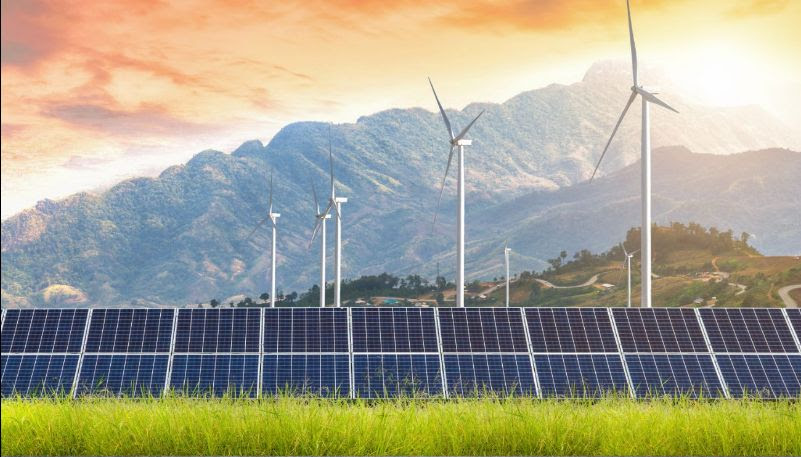 Abu Dhabi, United Arab Emirates, 29 August 2023 – The fossil fuel price crisis has accelerated the competitiveness of renewable power. Around 86 per cent (187 gigawatts) of all the newly commissioned renewable capacity in 2022 had lower costs than fossil fuel-fired electricity.





 CVD
CVD 