Phần này bàn về một số cách dùng Phật giáo từ các tài liệu chữ quốc ngữ vào TK 17 – hay từ thời LM de Rhodes và các giáo sĩ Tây phương sang Á Đông truyền đạo: đạo bụt/tượng bụt, lạy bụt, thờ bụt, nặn bụt, khấn bụt, chú bụt, bắt bụt … cột phướn làm chay, luân hồi, Thích ca, vô thường, đi tu, ăn năn tội… Đây là lần đầu tiên cách dùng này hiện diện trong tiếng Việt qua dạng con chữ La Tinh/Bồ (chữ quốc ngữ), điều này cho ta dữ kiện để xem lại một số cách đọc chính xác hơn so với các dạng chữ Nôm cùng thời, cũng như thông tin về một số sinh hoạt xã hội/tôn giáo từ những nhân chứng lịch sử (mắt thấy tai nghe).
Governments influence a surprising amount of literature. Some of it pretty good
Image: Landmark Media
Nov 3rd 2023|8 min readListen to this story
AI Narrated
“ALL ART is propaganda”, wrote George Orwell in 1940, “but not all propaganda is art.” Few people would argue with the second part of that aphorism. There is nothing artistic about the dreadful ramblings of “Mein Kampf”. But the first seems true only if you are using a broad definition of propaganda. These days great works of art rarely set out to serve the purposes of a government. They may promote causes, but that is not normally why people esteem them. The books on this list, however, partially vindicate the first part of Orwell’s assertion. Governments or ideological groups either encouraged their authors to write them or promoted their writings for political ends. During the cold war Western intelligence agencies subsidised authors, sometimes very good ones. The CIA set up literary magazines in France, Japan and Africa. One purpose was to counter censorship by autocrats. Another was to make global culture friendlier to Western aims. British intelligence services commissioned works of fiction that supported empire. Some writers consciously offered their pens to the state; others did not realise that governments or groups would promote their work. Here are six books, all by authors of merit, that are works of propaganda in one way or another.
19 năm qua (từ năm 2006), chênh lệch giới tính khi sinh ở Việt Nam vẫn ở mức rất cao, có năm 114 bé trai/100 bé gái. Và bình quân mỗi năm Việt Nam có gần 46.000 thai nhi gái không được chào đời, theo Quỹ Dân số Liên hợp quốc (UNFPA).
Người Việt ra cả nước ngoài để chọn giới tính thai nhi. Trong ảnh: bác sĩ của một bệnh viện ở Thái Lan tư vấn, mô phỏng quy trình thực hiện IVF lựa chọn giới tính thai nhi – Ảnh: TRÚC QUYÊN
Nhóm phóng viên Tuổi Trẻ đã có nhiều ngày vào Nam ra Bắc, sang tận Thái Lan – nơi được những tay môi giới lựa chọn giới tính thai nhi gọi là “trung tâm công nghiệp tạo ra con người” – để tìm câu trả lời cho câu hỏi: Vì sao chênh lệch giới tính khi sinh ở Việt Nam vẫn ở mức cao đáng báo động?
The invasion was carried out jointly by the United Kingdom and the Soviet Union, aiming primarily to secure Iranian territory against Axis influence and protect critical supply routes.
Here’s a comprehensive overview:
Lead-Up and Reasons
Strategic Importance:
Iran had a strategically critical position, particularly as a transportation corridor between the Allies and the Soviet Union.
Iranian infrastructure, notably the Trans-Iranian Railway, offered a route for delivering vital supplies from the Allies (mostly Britain and the U.S.) to the USSR following Germany’s invasion (Operation Barbarossa) in June 1941.
Iranian Position and Axis Influence:
Although officially neutral, the Iranian ruler Reza Shah Pahlavi sympathized with Germany, partially due to historical rivalry with Britain and Russia.
Germany had established substantial diplomatic and commercial influence in Iran, with many German nationals working in strategic industries, raising fears of espionage and sabotage among the Allies.
Diplomatic Tensions:
Britain and the Soviet Union demanded Iran expel German nationals perceived as threats; Iran hesitated or refused, increasing Allied suspicions and tension.
Invasion: Operation Countenance
Date and Execution:
Began on August 25, 1941, when British forces advanced from the south and west, while Soviet forces attacked from the north.
Rapid military operations overwhelmed Iran’s defenses, which were relatively weak and poorly equipped compared to the invading powers.
Key Events:
British forces captured key oil fields in Khuzestan (Abadan), securing critical petroleum resources.
Soviet troops quickly took control of northern provinces, including major cities such as Tabriz and Mashhad.
Air and naval superiority allowed quick suppression of Iranian resistance.
Iranian Response: The Iranian army, despite fighting briefly in several locations, was rapidly overwhelmed, with significant casualties but limited overall resistance.
Tehran quickly realized the futility of resistance and began negotiations.
Để thực hiện mục tiêu chiến lược phân bố dân số phục vụ cho phát triển kinh tế – xã hội đất nước và củng cố quốc phòng, ngay từ những năm 1960 của thế kỷ trước, Đảng và Nhà nước ta đã quan tâm phân bố lại dân cư và lao động trong cả nước bằng những chính sách cụ thể như: chính sách vận động nhân dân đi xây dựng kinh tế mới, chính sách định canh định cư ổn định di dân tự do, chính sách di dân ổn định biên giới… Gần đây nhất là các chính sách di dân để phục vụ mục tiêu công nghiệp hóa, hiện đại hóa đất nước, mục tiêu dân sinh trên một số địa bàn miền núi, vùng sâu, biên giới, để vừa đảm bảo cho khai hoang phát triển kinh tế, vừa đảm bảo mục tiêu quốc phòng, an ninh. Đánh giá tình hình thực hiện các chính sách di dân của Đảng, Nhà nước qua các thời kỳ, đã có một số công trình nghiên cứu, các ấn phẩm, bài viết về thực hiện chính sách di dân.
Các nghiên cứu về chính sách di dân
1. Các nghiên cứu về tình hình thực hiện chính sách di dân xây dựng kinh tế mới, di dân định canh định cư, di dân ổn định biên giới. Một trong những nghiên cứu đề cập khá toàn diện đến chính sách di dân là công trình của Đặng Nguyên Anh về Chính sách di dân trong quá trình phát triển kinh tế – xã hội ở các tỉnh miền núi [1]. Trong nghiên cứu này, tác giả đã đi sâu tìm hiểu các loại hình di dân nổi bật ở miền núi trong những năm 1990, bao gồm di dân kinh tế mới, định canh, định cư di dân tự do và di dân ổn định biên giới, chỉ ra thực chất của các loại hình di dân này là loại hình di dân nông thôn – nông thôn. Đặc biệt là nghiên cứu đã đánh giá tổng quan về các chính sách di dân trên ba loại hình, phân tích những mặt được và chưa được trong chủ trương chính sách đối với các loại hình di dân nêu trên. Nhấn mạnh mặt được lớn nhất của chính sách di dân là phân bố lại lao động – dân cư, giãn dân đến những vùng vắng dân, thưa dân, vùng còn nhiều tài nguyên đất để phát triển kinh tế, đảm bảo quốc phòng, an ninh, biên giới. Đồng thời chỉ ra mặt hạn chế của chính sách là nhiều quy định của chính sách đã bộc lộ sự bất cập, ít khả thi như chính sách di dân kinh tế mới với quy mô đầu tư dàn trải, thiếu đồng bộ, mang tính bình quân và chưa tính đến những đặc trưng riêng của từng vùng. Công tác định canh định cư mặc dù được lồng ghép trong các chính sách hỗ trợ cho miền núi song chưa đem lại hiệu quả như mong muốn, chưa góp phần ổn định đời sống của đồng bào tộc người thiểu số ở các tỉnh miền núi.
Quá trình đánh giá thực trạng, kiểm định hiệu quả của các chính sách di dân đối với các loại hình di dân, tác giả đã đi sâu phân tích, đánh giá đặc điểm chủ yếu của các cộng đồng di dân, dựa trên kết quả khảo sát mẫu của đề tài với 7 tỉnh tại miền núi phía Bắc và Tây Nguyên. Kết quả cho thấy, người di cư có cuộc sống tương đối ổn định và có mục đích di cư lâu dài, ổn định cuộc sống. Tuy có sự khác nhau giữa các địa phương trong nội dung các chính sách di dân và định hướng phát triển kinh tế – xã hội, song mức độ hiểu biết về chính sách của người dân địa phương và nhận thức của cán bộ quản lý còn nhiều hạn chế. Khả năng tiếp cận được các chính sách hiện hành phụ thuộc rất nhiều vào công tác thông tin, tuyên truyền và sự triển khai thực hiện đến người dân bằng các lợi ích cụ thể, dù dưới loại hình di dân nào. Vì vậy, việc xây dựng và thực hiện một hệ thống chính sách đồng bộ và hiệu quả, phù hợp với tình hình di dân và điều kiện phát triển kinh tế – xã hội ở các tỉnh miền núi hiện nay là rất cần thiết.
Bảo tồn, phát huy giá trị văn hóa dân tộc nói chung và di sản văn hóa truyền thống của đồng bào dân tộc thiểu số nói riêng luôn là chủ trương nhất quán của Đảng, Nhà nước ta, được đặt trong tổng thể sự phát triển quốc gia, dân tộc. Thời gian qua, nhờ các chính sách tích cực, hiệu quả, các di sản văn hóa vật thể và phi vật thể của đồng bào các dân tộc thiểu số được quan tâm bảo tồn, tôn vinh và phát huy giá trị, góp phần quan trọng nâng cao đời sống tinh thần đồng bào các dân tộc, đóng góp vào sự phát triển chung của đất nước. Tuy nhiên, bên cạnh những kết quả đã đạt được, vẫn còn những hạn chế, bất cập cần quan tâm khắc phục. Báo Quân đội nhân dân giới thiệu loạt bài “Bảo tồn bản sắc văn hóa các dân tộc thiểu số – Trăn trở của những người trong cuộc”.
Bài 1: Những người giữ hồn văn hóa dân tộc giữa lòng Thủ đô
Tại “Ngôi nhà chung” Làng Văn hóa – Du lịch các dân tộc Việt Nam (Sơn Tây, Hà Nội), chúng tôi đã gặp những Nghệ nhân Ưu tú, những người bằng tình yêu, trách nhiệm và cả những băn khoăn, trăn trở đang ngày ngày bền bỉ, lặng thầm giữ gìn hồn cốt văn hóa dân tộc. Họ không chỉ là những người trực tiếp bảo tồn di sản văn hóa mà còn thắp lên ngọn lửa đam mê, truyền cảm hứng để những giá trị quý báu không bị lãng quên, mai một.
Seen in a soft light, Ocean Vuong’s life looks like a modern American fairy tale. In 1990, he and his mother came to this country as refugees from Vietnam. They landed in small-town Connecticut and began muddling their way through an existence limited by low-paying work and cultural and personal alienation. Vuong seemed destined to stay stuck on society’s margins. Until, that is, he discovered literature and his own enormous gift for writing.
Now Vuong is one of the country’s most esteemed poets, winner of a prestigious MacArthur Fellowship (a.k.a. a “genius grant”) and a tenured professor in the creative-writing department at New York University. His bittersweet debut novel, “On Earth We’re Briefly Gorgeous,” a marvel of emotional and narrative compression published in 2019, became a best seller and, over time, a bona fide millennial classic. All this, and he’s only 36.
But there’s another side to Vuong’s narrative, one that doesn’t resolve so neatly. It’s that side of his history that informs his new novel, “The Emperor of Gladness,” which will be published on May 13.
At 400-plus pages, with a large cast of characters and comedic set pieces and touching on fast-food jobs, elder care and the static nature of most American lives, “Emperor” is a bigger book in every way than Vuong’s first. It also provided the occasion for what turned out to be one of the most emotionally intense interviews I’ve ever done.
The narrative around October 7 often overlooks the deep-rooted history of the Israel-Palestine conflict. This timeline reveals key events dating back to 1897, when the First Zionist Congress was held, through the Nakba in 1948, and decades of subsequent violence. The focus on a single day obscures a much longer story of displacement and systemic injustice that continues to affect Palestinians today.
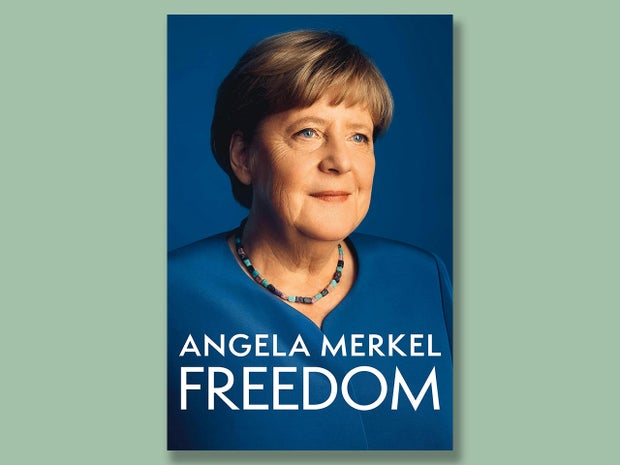
In “Freedom: Memoirs 1954-2021” (published by St. Martin’s Press), former German Chancellor Angela Merkel writes about two lives: her early years growing up under a Communist-controlled police state in East Germany, and her years as leader of a nation reunited following the fall of the Berlin Wall.
Read an excerpt below
Prologue
This book tells a story that will not happen again, because the state I lived in for thirty-five years ceased to exist in 1990. If it had been offered to a publishing house as a work of fiction, it would have been turned down, someone said to me early in 2022, a few weeks after I stepped down from the office of federal chancellor. He was familiar with such issues, and was glad that I had decided to write this book, precisely because of its story. A story that is as unlikely as it is real. It became clear to me: telling this story, drawing out its lines, finding the thread running through it, identifying leitmotifs, could also be important for the future.
For a long time I couldn’t imagine writing such a book. That first changed in 2015, at least a little. Back then, in the night between September 4 and 5, I had decided not to turn away the refugees coming from Hungary at the German-Austrian border. I experienced that decision, and above all its consequences, as a caesura in my chancellorship. There was a before and an after. That was when I undertook to describe, one day when I was no longer chancellor, the sequence of events, the reasons for my decision, my understanding of Europe and globalization bound up with it, in a form that only a book would make possible. I didn’t want to leave the further description and interpretation just to other people.
Pulitzer Prize-winning photographer Nick Ut, center, flanked by Kim Phuc, left, holds the” Napalm Girl”, his Pulitzer Prize winning photo as they wait to meet with Pope Francis during the weekly general audience in St. Peter’s Square at The Vatican, May 11, 2022. (AP Photo/Gregorio Borgia, file)
Nhân 50 năm ngày cuộc chiến kết thúc, BBC News Tiếng Việt giới thiệu lại loạt phóng sự của các phóng viên BBC đã có mặt tại Việt Nam và tường thuật thời khắc lịch sử này.
The intricate histories and niche experiences that we love about Saigon can make it difficult to explore. If you enjoy reading about Saigoneer’s favorite destinations, Urbanist Travel can help create a tailor-made itinerary based on your requests. More Informatio
Read this article in Vietnamese at Sài·gòn·eer.From the very first discussions in 1868 regarding a new marketplace for Saigon, it was not until 1914, that Bến Thành Market became a reality. The birth of the market was like a dream come true, one that came together after nearly five decades of debate in search of solutions for the city’s infrastructure woes.
The five-decade quest to seek a “worthy” marketplace
In her research conducted on the vendors of Bến Thành, anthropologist Ann Marie Leshkowich recounts the lengthy discussions of then Saigon’s colonial administration regarding the establishment of a new commercial center, one that, according to them, must become a place “worthy” of the metropolis they were helping to create.
In 1868, the French had only spent about one decade trying to install a colonial network in Vietnam. Members of the Municipal Council (Conseil Municipal) had the thought of building a new marketplace from metal, replacing traditional thatch markets. In 1869, a budget of 110.000 francs was greenlit, but by 1870, the estimated expenditure had ballooned threefold, causing them to reconsider the planned building methods and amount of materials.
We mark 50 years since the end of the U.S. war on Vietnam with the acclaimed Vietnamese American writer Viet Thanh Nguyen. On April 30, 1975, North Vietnamese troops took control of the South Vietnamese capital of Saigon as video of U.S. personnel being airlifted out of the city were broadcast around the world. Some 3 million Vietnamese people were killed in the U.S. war, along with about 58,000 U.S. soldiers. Hundreds of thousands of Lao, Hmong and Cambodians also died, and the impact of the war is still being felt in Vietnam and the region.
Nguyen says while the Vietnam War was deeply divisive in the United States during the 1960s and ’70s, American interference in Southeast Asia goes back to President Woodrow Wilson in 1919, when he rejected Vietnamese demands for independence from France. “And from that mistake, we’ve had a series of mistakes over the past century, mostly revolving around the fact that the United States did not recognize Vietnamese self-determination,” says Nguyen.
We Are Here Because You Are There”: Viet Thanh Nguyen on How U.S. Foreign Policy Creates Refugees
Pulitzer Prize-winning Vietnamese American writer Viet Thanh Nguyen discusses why he chooses to use the term “refugee” in his books, and speaks about his own experience as a refugee. His new novel tells the story of a man who arrives in France as a refugee from Vietnam, and explores the main character’s questioning of ideology and different visions of liberation. Titled “The Committed,” the book is a sequel to “The Sympathizer,” which won the Pulitzer Prize for Fiction in 2016. Nguyen says his protagonist is “a man of two faces and two minds” whose ability to see beyond Cold War divisions makes him the perfect figure to satirize the facile stories people tell themselves about the world. “He’s always going beyond the surface binaries to look underneath.” Nguyen is the chair of English and professor of English and American studies and ethnicity at the University of Southern California. His other books include “The Refugees” and the edited collection “The Displaced: Refugee Writers on Refugee Lives.”
Viet Thanh Nguyen Interview: The Vietnam War Refugee Experience Behind The Sympathizer
Pulitzer Prize-winning author Viet Thanh Nguyen reflects on his childhood as a refugee in America, his writing career, and family: from the trauma of displacement to the healing found in fatherhood and literature. Nguyen shares how these experiences have shaped his life and work, from his novel The Sympathizer to his commentary on war, cultural identity, and American life.
00:00 Introduction to Viet Thanh Nguyen and The Sympathizer
00:49 Refugee journey, family separation, and overcoming trauma
03:43 Humor, cultural expectations, and Vietnamese Catholic roots 05:29 Cultural identity, rebellion, and hidden writing career
07:14 Family relationships, cultural silence, and lessons in parenting 09:35 Impact of fatherhood, learning from children, and rediscovering play
12:13 Art, personal identity, and American cultural values 14:49 Vietnamese American identity, racism, and vision for the future
17:27 Teaching about war, challenges of digital information overload
20:31 Apocalypse Now, self identity struggles, and power of storytelling
24:41 Vietnam War legacy, draft-era resistance vs. modern volunteer military
26:47 Family history, generational trauma, and refugee story from Vietnam
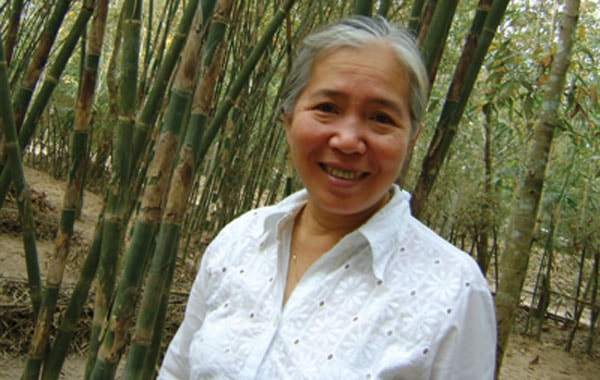
Tiến sĩ Diệp Thị Mỹ Hạnh là người đưa ra ý tưởng, sau đó trực tiếp xây dựng Làng tre Phú An (Bến Cát, Bình Dương) – một bảo tàng tre lớn nhất trong khu vực Đông Nam Á và năm 2010 đã nhận được giải thưởng Xích đạo (Equator Prize) của Liên Hiệp Quốc về đa dạng sinh học.
Tiến sĩ Diệp Thị Mỹ Hạnh là người đưa ra ý tưởng, sau đó trực tiếp xây dựng Làng tre Phú An (Bến Cát, Bình Dương) – một bảo tàng tre lớn nhất trong khu vực Đông Nam Á và năm 2010 đã nhận được giải thưởng Xích đạo (Equator Prize) của Liên Hiệp Quốc về đa dạng sinh học.
Đọc E-paper
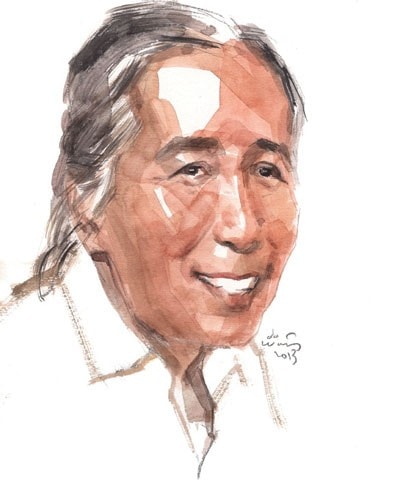
TS Diệp Thị Kiều Trang – Tranh: Hoàng Tường
Bà nhiệt tình và thân thiện với tất cả những ai đến chơi hay tìm hiểu về Làng tre, từ những học sinh tiểu học đến các vị khách nước ngoài chỉ kịp ghé tham quan lúc đã hơn 9 giờ tối.
Bà có vẻ bề ngoài mạnh mẽ và lạc quan nên không mấy ai biết được bà đã phải trăn trở mỗi đêm để tìm cách duy trì làng tre này. Chúng tôi mở đầu câu chuyện với bà bằng câu hỏi thành thực: “Động cơ nào thúc đẩy bà xây dựng Làng tre?” và bà vui vẻ trả lời.
Rất nhiều người thắc mắc vì sao tôi từ bỏ cuộc sống an nhàn cùng gia đình, con cái ở nước ngoài để về đây lăn lộn với Làng tre. Ngay cả tôi cũng không thể lý giải được. Có lẽ vì tôi mê tre quá.
Với tôi, cây tre không chỉ là một loài thực vật vô tri vô giác, mà gần như là một thực thể sống, biết yêu thương và vui buồn. Vì vậy, tôi đã đưa những giống tre từ cao nguyên về trồng ở trên vùng đất đắp cao hay trồng gần những chiếc cầu khỉ của miền Tây và làm thêm dòng kênh nhân tạo để cây… đỡ nhớ nhà!
* Có đặc điểm gì ở tre khiến bà mê loài cây này đến thế?
– Theo quan niệm của người phương Đông, cây tre, cây trúc tượng trưng cho mẫu người quân tử với những tính cách kiên cường, ngay thẳng mà hòa hiếu, độ lượng. Quần thể tre cho thấy một xã hội thuận hòa kỷ cương, theo quy luật “Tre già măng mọc”, chứ không phải tranh sống theo kiểu “Cá lớn nuốt cá bé”.
Tôi thấy vui khi công việc của mình đã “minh oan” cho cây tre nhiều điều. Chẳng hạn dân gian thường cho rằng phải qua vài chục năm, tre mới nở hoa. Khi nở hoa, tất cả mọi tinh hoa, mọi chất dinh dưỡng mà cây tạo ra được đều tập trung trong những bông hoa, chất dinh dưỡng dự trữ trong thân cây cũng bị tiêu hao hết nên tre sẽ chết.
Tuy nhiên, sau khi nghiên cứu, tôi thấy nhiều giống tre mỗi năm trổ hoa một lần, có cây hai, ba năm trổ hoa một lần mà không chết.




 CVD
CVD 