
Use “settings” to turn on English subtitle
Chuyên mục: US
Trump’s fate and an obscure section of the Constitution collide at Supreme Court
BY MARK SHERMAN AND NICHOLAS RICCARDIUpdated 12:04 PM GMT+7, February 6, 2024Share
WASHINGTON (AP) — From civil rights to privacy, the 14th Amendment has been a foundation for forging the norms of American law and democracy. But one of its provisions, adopted after the Civil War in 1868, has gotten almost no attention until now: That’s Section 3, the part that’s meant to keep former officeholders who “engaged in insurrection” from ever regaining power.
Tiếp tục đọc “Trump’s fate and an obscure section of the Constitution collide at Supreme Court”Nga, trừng phạt và mâu thuẫn giữa hai bờ Đại Tây Dương
ANTG – Thứ Hai, 05/02/2024, 08:27
Châu Âu chìm trong khủng hoảng năng lượng. Các công ty châu Âu đang dần chuyển hướng sang Mỹ. Người Mỹ thì lợi dụng điều này để bán khí thiên nhiên hóa lỏng (LNG) cho châu Âu với giá cao.
Không còn lựa chọn nào khác, châu Âu đang bắt đầu xây dựng các bến cảng lớn để tiếp nhận hàng từ Mỹ. Thế nhưng, sau đó, Mỹ tuyên bố đình chỉ các dự án LNG và sẽ không cung cấp cho châu Âu trong những năm tới.
Tổng thống Mỹ Joe Biden ngày 26/1 công bố lệnh tạm dừng xây dựng các kho cảng xuất khẩu LNG mới. Theo dữ liệu do tổ chức quốc tế Cedigaz công bố, trong năm 2023, Mỹ là nước xuất khẩu LNG hàng đầu thế giới. Theo Nhà Trắng, khoảng một nửa lượng xuất khẩu LNG vào năm 2023 được xuất khẩu sang châu Âu, do lục địa này đã chấm dứt việc nhập khẩu khí đốt của Nga kể từ khi nổ ra cuộc xung đột tại Ukraine.

Một cảng xuất khẩu khí thiên nhiên hóa lỏng ở Mỹ.
Tiếp tục đọc “Nga, trừng phạt và mâu thuẫn giữa hai bờ Đại Tây Dương”Lifting of trade embargo paved the way for terrific Việt Nam-US advances
VNN – February 04, 2024 – 15:36
The US lifting the embargo on Việt Nam was considered to mark a new chapter in the diplomatic history of the two countries.
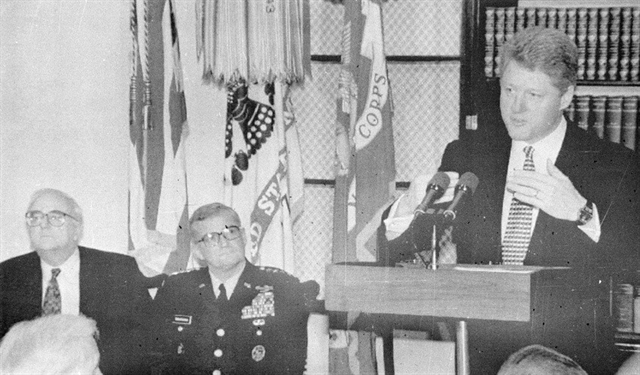 |
| From right: US President Bill Clinton, Chairman of Joint Chiefs John Shalikashvili, and Secretary of Defense Leslie Aspin, Jr at a press conference on dropping the 19-year ban on US trade with Việt Nam on February 3,1994. — AFP/VNA Photo |
HÀ NỘI — US Ambassador to Việt Nam Marc Knapper affirmed that the lifting of the trade embargo by US President Bill Clinton 30 years ago paved the way for terrific advances in bilateral trade and economic relations between Việt Nam and the US.
He made the statement on the occasion of the 30th anniversary of the US lifting the embargo on Việt Nam (1994-2024). The event was considered to mark a new chapter in the diplomatic history of the two countries.
Tiếp tục đọc “Lifting of trade embargo paved the way for terrific Việt Nam-US advances”Nikki Haley is trying to shatter the presidential glass ceiling. She rarely mentions it
Voters tell CNN why they like Nikki Haley
Keene, New HampshireCNN —
Nikki Haley is trying to break the highest glass ceiling in politics, but you won’t hear her say so – at least not directly.
She does, however, offer fleeting glimpses at the historic nature of her Republican presidential campaign.
“There are no saints in DC right now, but that’s why I think you need a badass woman in charge at the White House,” the former South Carolina governor and United Nations ambassador said with a smile in the closing moments of a stop here Wednesday night, answering a voter’s question about criminal charges facing some politicians in Washington.
With the first votes of the Republican presidential primary barely a month away, Haley is drawing larger crowds – and louder applause – from voters like Thalia Floras, who has been eagerly searching for an alternative to former President Donald Trump.
“It would be great to have a female president, but that is not what this is about,” said Floras, a Nashua resident who has surveyed several candidates during their visits to New Hampshire. “I think we’re past the point of talking about that. It’s about the strongest candidate, and she, right now in the Republican Party, is the strongest candidate.”
Of course, not all of Haley’s supporters are women. And not all Republican women are supporting Haley, considering most polls show that Trump still receives a strong majority of support across all demographic groups.
But the makeup of Haley’s crowds is often distinct from those of her rivals, with audiences that include mothers bringing their daughters to see the candidate and older women hoping to see presidential history made in their lifetimes.
Tiếp tục đọc “Nikki Haley is trying to shatter the presidential glass ceiling. She rarely mentions it”The U.S.-South Korea Alliance
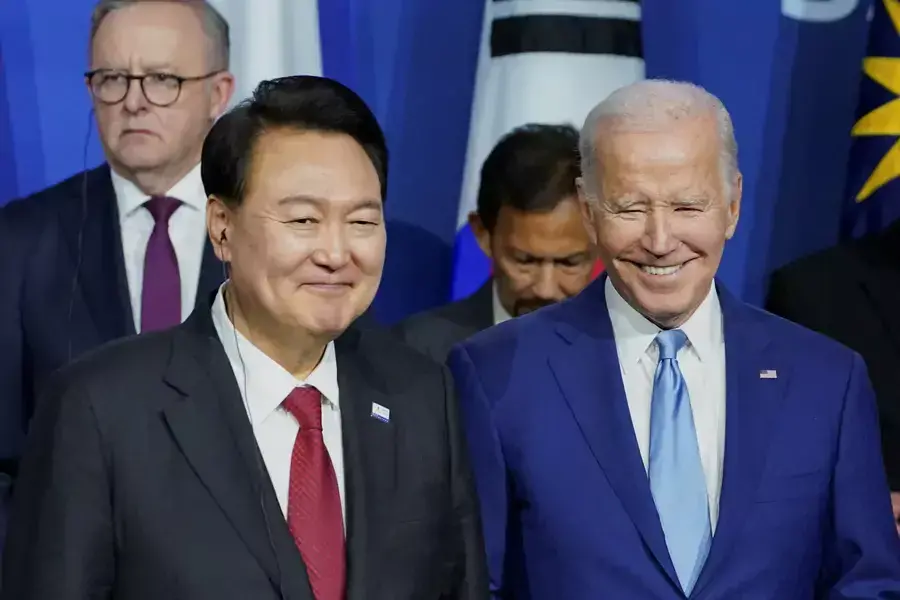
Developments at home and abroad are testing U.S.-South Korea relations.
Blog Post by Michelle Kurilla
December 15, 2023 11:05 am (EST)
The latest episode of The President’s Inbox is live! This week, Jim sat down with Scott Snyder, senior fellow for Korea studies and director of the program on U.S.-Korea policy at the Council. They discussed Scott’s new book, The United States-South Korea Alliance: Why It May Fail and Why It Must Not.The President’s Inbox
The U.S.-South Korea Alliance, With Scott A. Snyder
Scott A. Snyder, a senior fellow for Korea studies and director of the program on U.S.-Korea policy at CFR, sits down with James M. Lindsay to discuss the importance of the U.S.-South Korea military alliance and how domestic and international forces could be undermining it.
Here are five highlights from the discussion:
1.) The U.S.-South Korea alliance is critical to the U.S. interest in preventing China from dominating the Indo-Pacific region. Scott argued that the United States is better equipped to “defend its interests” in East Asia with the “alliance architecture” that includes the U.S.-South Korea alliance as well as the U.S.-Japan alliance. The alliances help deter aggressive Chinese behavior that could roil the region.
Tiếp tục đọc “The U.S.-South Korea Alliance”Cuộc chiến để gây áp lực lên Israel
CAND – Thứ Ba, 12/12/2023, 12:54
Ngày 19/11, quân nổi dậy Houthi tại Yemen đã chiếm tàu container Galaxy Leader. Họ sử dụng máy bay trực thăng để đổ quân lên con tàu khi đang di chuyển trên Biển Đỏ và buộc thủy thủ đoàn phải cập vào cảng Hodeida, Tây Nam Yemen. Tàu Galaxy Leader được điều khiển bởi công ty hàng hải NYK Line của Nhật, nhưng chủ tàu lại là Tập đoàn Ray Car Carriers của tỷ phú Abraham Ungar, một trong những người giàu nhất Israel.

Lực lượng Houthi có những tính toán của riêng họ khi tuyên chiến với Israel.
Phát ngôn viên Yahya Saree của Houthi tuyên bố việc chiếm tàu là đòn trả đũa việc Israel tấn công Dải Gaza: “Nếu cộng đồng quốc tế thật sự quan tâm đến sự ổn định trong khu vực, họ nên tìm cách ngăn chặn Israel hung hăng gây chiến”. Tuyên bố trên cùng vụ chiếm tàu chỉ là một phần nhỏ trong cuộc chiến đang diễn ra giữa những nhóm vũ trang Hồi giáo với Israel và Mỹ được châm ngòi bởi xung đột ở Gaza.
Mảnh đất rực lửa
Houthi tuyên chiến với Israel vào ngày 31/10 vừa rồi bằng việc phóng một loạt tên lửa đạn đạo và máy bay không người lái vào Israel. Đa số tên lửa và máy bay đã bị không quân Israel đánh chặn hoặc rơi nhầm mục tiêu. Vụ đánh chiếm tàu Galaxy Leader nghiêm trọng hơn và đã đánh động công chúng Israel. Tel Aviv cáo buộc vụ bắt cóc tàu diễn ra dưới sự chỉ đạo của Iran. Phát ngôn viên Nasser Kanaami của Bộ Ngoại giao Iran phủ nhận cáo buộc trên và tuyên bố: “Các nhóm vũ trang trong khu vực tự mình đưa ra quyết định quân sự và chính trị của họ, Iran chỉ đóng vai trò giúp đỡ về vật chất và tinh thần”.
Sự thật là kể từ khi cuộc chiến giữa Israel và Palestine nổ ra ở Dải Gaza, nhiều nhóm vũ trang đồng minh với Iran ở Iraq, Syria và Yemen đã tấn công các cơ sở quân sự của Israel và Mỹ trong khu vực. Theo số liệu của Lầu Năm Góc, kể từ ngày 17/10, đã có 61 cuộc tấn công vào các căn cứ quân sự của Mỹ ở Iraq và Syria, 29 cuộc ở Iraq và 32 cuộc ở Syria. Không ai biết rõ những cuộc tấn công này gây ra bao nhiêu thương vong, nhưng theo số liệu nội bộ của quân đội Mỹ thì có ít nhất 60 người đã bị thương.
Tổ chức Quan sát nhân quyền Syria (SOHR) cho biết ngày 20/11 đã xảy ra một vụ tấn công tại căn cứ Al-Tanf của quân Mỹ ở Đông Nam Syria. Những kẻ tấn công sử dụng máy bay không người lái thả lựu đạn vào quân Mỹ và nhóm vũ trang Maghawir al-Thawra (MaT) được CIA huấn luyện trong căn cứ. Không ai tử vong vì vụ tấn công, nhưng có 2 thành viên MaT bị thương nặng. Chưa đầy vài tiếng sau, căn cứ Mỹ trấn giữ mỏ dầu Conoco gần thành phố Deir Ezzor (Đông Syria) phải hứng chịu hơn 10 quả rocket. Ít nhất 3 lính Mỹ bị thương.
Hiện có khoảng 2.000 lính Mỹ ở Iraq và 900 ở Syria. Con số này chưa bao gồm những người mang quốc tịch Mỹ đang nằm dưới sự bảo vệ của quân đội nước này như bác sỹ, kỹ sư, nhân viên cứu trợ nhân đạo, v.v… Mối lo lớn nhất của Mỹ bây giờ là bảo vệ công dân của họ ở Iraq.
Behnam Ben Taleblu, một chuyên gia người Mỹ nghiên cứu về Iran, nhận xét: “Chỉ riêng khu vực biên giới Iraq-Syria đã có ít nhất 10-20 nhóm vũ trang khác nhau nằm dưới sự bảo trợ của Iran… Cái gọi là “mặt trận chống Mỹ chung” của các nhóm vũ trang là cách để lẩn tránh trách nhiệm trong trường hợp họ gây ra cái chết cho lính Mỹ. Kể cả khi căn cứ Mỹ có bị ném bom đi nữa thì quân đội Mỹ cũng không thể tìm ra một mục tiêu chính xác để có cớ đổ thêm quân vào Iraq”.
Không chỉ Trung Đông mà Bắc Phi cũng đang trở nên bất ổn vì cuộc chiến tại Israel. Mới đây, chi nhánh Nusrat al-Islam wal Muslimeen (JNIM) của al-Qaeda đã đánh bom căn cứ quân sự Mali ở sân bay quốc tế Gao và tấn công một con thuyền chở người đi trên sông gần đó. Có ít nhất 49 dân thường và 15 binh lính bị tử vong, trong đó có 2 sỹ quan quân đội Mỹ. Tuy quân đội Pháp đồng minh đã rút khỏi Mali từ năm 2022, người Mỹ vẫn để lại một số quân tại nước này nhằm hỗ trợ quân đội Chính phủ Mali chống khủng bố. JNIM tuyên bố hai vụ tấn công là hành động đáp trả việc Israel ném bom Dải Gaza. Những vụ tấn công tương tự cũng đã diễn ra ở Burkina Faso và Niger. Ngoài Gaza ra thì nơi nguy hiểm nhất ở Israel hiện nay là biên giới với Lebanon. Kể từ khi cuộc chiến tại Dải Gaza được châm ngòi vào ngày 7/10, quân đội Israel (IDF) và Hezbollah liên tục tổ chức những cuộc tấn công nhỏ lẻ vào nhau.
Các ngôi làng Lebanon ở gần biên giới bây giờ đều là làng “ma” vì dân đã di tản hết. Theo số liệu của Liên hợp quốc thì hơn 46.000 người Lebanon đã phải rời bỏ nhà cửa vì xung đột biên giới. Hơn 14.000 người trong số đó đang trú tạm ở thành phố Tyre, miền Nam Lebanon.
Cuộc chiến không ai muốn
Mỹ không hề “khoanh tay đứng nhìn” các căn cứ của mình bị tấn công. Ngày 27/10, máy bay Mỹ đã ném bom vào 2 kho vũ khí của lực lượng Vệ binh Cách mạng Iran (IRGC) nằm gần thành phố Abu Kamal ở miền Đông Syria.
Quân đội Mỹ sẽ đối phó thế nào đối với các hành động gây hấn trên biển? Vụ chiếm tàu Galaxy Leader đang đặt ra dấu hỏi lớn về việc bảo đảm an ninh trên Biển Đỏ. Hằng năm có hơn 17.000 nghìn tàu thuyền đi lại trên Biển Đỏ, trung bình 50 tàu/ngày. Không chỉ Mỹ mà toàn bộ cộng đồng quốc tế mong muốn giao thông trên Biển Đỏ được thuận lợi nhằm tránh mọi ảnh hưởng tiêu cực đến nền kinh tế toàn cầu.
Vấn đề nằm ở chỗ hai quốc gia giáp Biển Đỏ có quân đội hùng mạnh nhất là Ai Cập và Arab Saudi đều không muốn tự mình đứng ra đảm bảo an ninh hàng hải. Ai Cập đã giữ thái độ trung lập kể từ khi cuộc chiến tại Dải Gaza nổ ra. Còn Arab Saudi mới chỉ “rút chân” ra khỏi cuộc nội chiến Yemen và vẫn đang đàm phán hòa bình với quân nổi dậy Houthi. Họ hoàn toàn không muốn làm điều gì ảnh hưởng đến việc đàm phán. Mới đây, quân Houthi đã giết 4 binh sỹ Arab Saudi sau khi nước này bắn hạ 1 tên lửa của họ trên đường bay đến Israel.

Pháo binh Israel tấn công quân Hezbollah ở giáp biên giới với Lebanon.
Bên duy nhất có đủ khả năng đảm bảo an ninh trên Biển Đỏ là hải quân Mỹ. Tại thời điểm này, hạm đội tàu sân bay USS Dwight D. Eisenhower đang đỗ ở vịnh Oman nhằm “để mắt” đến tình hình Israel. Ngoài tàu sân bay USS Dwight D. Eisenhower thì hạm đội này còn có 1 tàu phóng tên lửa, 3 tàu khu trục, và một số tàu hỗ trợ như tàu chở dầu, tàu sửa chữa, v.v… Một hạm đội tương tự dẫn đầu bởi tàu sân bay USS Gerald R. Ford đang đóng trên biển Địa Trung Hải.
Hải quân Mỹ hoàn toàn có thể sử dụng hai hạm đội trên để tuần tra Biển Đỏ. Nhưng, làm vậy thì sẽ ảnh hưởng trực tiếp đến nhiệm vụ của hai hạm đội, đó là “cảnh cáo” các thế lực thân Palestine ở Iraq, Lebanon và Syria. Chuyên gia phân tích quân sự Jonathan Knight (Mỹ) giải thích: “Israel hiện đang dựa vào các tàu đánh chặn tên lửa của Mỹ như USS Carney bảo vệ họ khỏi tên lửa đạn đạo của quân Houthi. Bây giờ mà hải quân Mỹ dùng tàu để đi tuần tra Biển Đỏ thì sẽ đặt Israel vào thế nguy hiểm. Mặt khác, những thế lực thân Hamas ở các nước lân cận có thể thừa thế mà can thiệp sâu hơn vào cuộc chiến”.
Tình thế “tiến thoái lưỡng nan” của Mỹ không chỉ dừng lại trên Biển Đỏ. Trong cuộc chiến này, Israel không có đồng minh trong khu vực mà chỉ có kẻ thù hay bên trung lập. Nỗi lo sợ lớn nhất của Tel Aviv vào thời điểm này là Hezbollah hay IRGC mở mặt trận mới. Đấy là lý do mà IDF vẫn chưa tập trung đổ quân vào Dải Gaza mà chỉ ném bom và tổ chức các đợt đột kích chớp nhoáng. IDF hoàn toàn không muốn điều quân rời xa vùng biên giới.
Các nhóm vũ trang ở Trung Đông và Bắc Phi có tính toán chiến lược của riêng mình khi tuyên chiến với Israel và Mỹ. Thế giới Hồi giáo đang đồng loạt lên án những cuộc tấn công của IDF vào Dải Gaza. Trái lại, nhiều nước phương Tây như Mỹ vẫn tiếp tục hỗ trợ vật chất cho IDF và ủng hộ mọi hành động của họ. Bằng cách nhắm vào quân đội Mỹ đóng trong khu vực, các nhóm vũ trang đang gây được thiện cảm với dư luận trong và ngoài nước họ. Với những lực lượng như quân Houthi đang rất cần uy tín để khẳng định quyền cai trị của họ, việc đặt mình vào thế đối lập với Israel và Mỹ là con đường ngắn nhất để đạt được mục tiêu.
Mặt khác, chính quyền nhiều nước Trung Đông và Bắc Phi cũng đang chịu chỉ trích dữ dội vì thái độ trung lập của họ. Chính phủ các nước như Iraq, Ai Cập, Arab Saudi, Jordan, v.v… là đồng minh của Mỹ. Họ chắc chắn không muốn làm xấu đi quan hệ với Mỹ bằng việc chỉ trích Israel. Nhưng, đại đa số công dân Hồi giáo tại các nước này có thái độ chống Israel và ủng hộ Palestine. Sự lựa chọn duy nhất của chính phủ các nước này là giữ thái độ trung lập. Nếu như họ “ra mặt” ngăn chặn những cuộc tấn công vào Mỹ và Israel thì sẽ ảnh hưởng nghiêm trọng đến uy tín trong và ngoài nước của họ. Quân Houthi nhận thấy rõ cục diện ngoại giao-quân sự hiện thời nên đã lấn tới. Vào ngày 3/12 vừa qua, tên lửa của quân Houthi đã đánh trúng 3 tàu thương mại trên Biển Đỏ. Trước đó, một vụ nổ ở eo biển Bab el-Mandeb – nơi có nhiều tàu thuyền qua lại – cũng nghi là do quân Houthi gây ra. Hải quân Mỹ cho biết họ chưa bị tấn công trực diện nhưng đã phải buộc bắn hạ một số máy bay do thám của quân Houthi do đến quá gần tàu chiến Mỹ.
Chiến sự ở biên giới Lebanon-Israel vẫn chưa có dấu hiệu thuyên giảm. Ngay cả khi lệnh ngừng bắn tại Dải Gaza đang diễn ra, Israel vẫn tiếp dụng bắn pháo vào Lebanon. Liên hợp quốc thông báo lực lượng gìn giữ hòa bình của họ đóng tại Lebanon đã trúng đạn pháo của quân Israel. Ba nhà báo quốc tế đi cùng lực lượng gìn giữ hòa bình đã tử vong vì xe họ trúng đạn. Theo số liệu được hãng tin AFP tổng hợp thì con số thương vong chưa chính thức ở Lebanon hiện nay là 109 người, trong đó có khoảng 77 tay súng Hezbollah và 14 dân thường đã xác định rõ danh tính.
Cuộc chiến gây áp lực lên Israel vẫn sẽ tiếp tục chừng nào chiến sự còn diễn ra ở Dải Gaza. Những cuộc đột kích chớp nhoáng hay ném bom bằng máy bay không người lái gây ra ít tổn thất về mặt vật chất, nhưng chúng vẫn làm tốt nhiệm vụ “trói chân” IDF và quân đội Mỹ, nên chỉ có con đường ngoại giao mới mong giải tỏa được những mối đe dọa sau lưng họ. Câu hỏi hiện nay là liệu họ có thể thành công không trong khi uy tín khu vực của cả hai nước đã bị tổn hại nghiêm trọng.
Lê Công Vũ
The Global Credibility Gap
No one power or group can uphold the international order anymore—and that means much more geopolitical uncertainty ahead.
DECEMBER 6, 2023, 10:42 AM FP
By Jared Cohen, the president of global affairs at Goldman Sachs and a New York Times bestselling author of five books, and Ian Bremmer, the president of Eurasia Group and GZERO Media. He is also the host of the television show GZERO World with Ian Bremmer.

After decades of relative geopolitical calm, the world has entered its most volatile and dangerous period since the depths of the Cold War. Consider recent events. Despite U.S. President Joe Biden’s high-profile meeting with Chinese President Xi Jinping in San Francisco last month, relations between their two countries have deteriorated so sharply that a war between them, though unlikely, is no longer unthinkable. The COVID-19 pandemic, although largely in the rearview mirror, unleashed political and economic shocks that continue to reverberate across the global system. Russia’s brutal invasion of Ukraine plunged Europe into a destabilizing war with far-reaching consequences for trade and markets worldwide. And on Oct. 7, Hamas’s terror attacks against Israel sparked a new Middle East war that threatens to destroy years of progress toward economic transformation and regional stability.
These global shifts and shocks are often grouped together, and for good reason. According to International Monetary Fund (IMF) economists, they are among the drivers of a “policy-driven reversal of global economic integration” termed “geoeconomic fragmentation.” For some analysts, they are constituents of a so-called polycrisis, in which a series of disparate shocks “interact so that the whole is even more overwhelming than the sum of the parts.” And the White House itself has repeatedly highlighted how it helped crystalize thinking about the links between national security and economic policy to produce a “New Washington Consensus.”
Tiếp tục đọc “The Global Credibility Gap”The Masterminds
Washington wants to get tough on China, and the leaders of the House China Committee are in the driver’s seat.
NOVEMBER 27, 2023, 6:00 AM FP
By Robbie Gramer, a diplomacy and national security reporter at Foreign Policy.

My FP: Follow topics and authors to get straight to what you like. Exclusively for FP subscribers. Subscribe Now | Log In
On an overcast day in late October, I headed up to Capitol Hill to report on what might be the last pocket of functioning governance in Congress: the House of Representatives’ China Committee.
Reps. Mike Gallagher, a Republican, and Raja Krishnamoorthi, a Democrat, are the chair and ranking member of what is basically the hottest ticket in Washington. The Select Committee on the Chinese Communist Party, which is its full name, was the brainchild of lawmakers on both sides of the aisle and is focused exclusively on how to map out a new era of U.S. competition with China. It’s a task almost everyone in Washington is on board with, which has made at least some U.S. allies and partners around the world very uneasy, fearful of being dragged into a Cold War 2.0.

Some American experts and officials bristle at the new Cold War moniker; others begrudgingly accept it. But whatever you call it, the new era of U.S. competition with China represents the most significant strategic shift in American foreign policy in decades. Congress wants to carve out its role in the action, and on that front Gallagher and Krishnamoorthi are in the driver’s seat.
I met the two lawmakers in the Krishnamoorthi’s office in the Rayburn House Office Building. Krishnamoorthi’s office is adorned with paraphernalia, including flags and local snacks from his home district in the Chicago suburbs, the Illinois 8th. Gallagher is a fellow Midwesterner and represents Wisconsin’s 8th district.
Tiếp tục đọc “The Masterminds”Chiến tranh Iran – Iraq và hành động của Mỹ (3 phần) (*)
(*) Tiêu đề do admin đặt.
Iraq gây chiến Iran năm 1980: Ồ ạt không kích, điều hàng chục nghìn quân tấn công trên bộ
NĐT – Thứ 7, 18/11/2023 | 00:07
Tháng 9/1980, quân đội Iraq bất ngờ mở chiến dịch tấn công nước láng giềng Iran, khởi đầu cho cuộc chiến tranh Iraq – Iran kéo dài 8 năm, khiến hơn 500.000 người chết, trong đó phần lớn tổn thất thuộc về Iran.

Chiến tranh Iraq – Iran là một trong những cuộc chiến khốc liệt nhất kể từ sau Thế chiến 2.
Tiếp tục đọc “Chiến tranh Iran – Iraq và hành động của Mỹ (3 phần) (*)”Iran ngày nay là một trong những thế lực quân sự hàng đầu ở Trung Đông mà Mỹ và các đồng minh luôn dè chừng. Tuy nhiên, Iran trong lịch sử từng bị quốc gia láng giềng Iraq tấn công bất ngờ vì cho là đang không mạnh. Iran phản ứng ra sao? Mỹ nhìn nhận và hành động như thế nào? Mời độc giả cùng nhìn lại những diễn biến quan trọng trong cuộc chiến qua loạt bài này.
Không gian sáng tạo văn hóa Nhà máy Xe lửa Gia Lâm
Với các giá trị văn hóa, lịch sử, kiến trúc và không gian rộng mở của một di sản công nghiệp, Nhà máy Xe lửa Gia Lâm được lựa chọn để trở thành nơi tổ chức chuỗi hoạt động chính của Lễ hội Thiết kế sáng tạo Hà Nội 2023.
Nhà máy Xe lửa Gia Lâm (còn gọi là Nhà máy Hỏa xa Gia Lâm) thành lập từ năm 1905, được đặt tại giao điểm của 4 tuyến đường sắt phía Bắc, như một nhân chứng lịch sử của Thủ đô xuyên suốt thời kỳ Pháp thuộc. Đến nay, từ một nhà máy cũ nằm trong diện cần di dời, Nhà máy Xe lửa Gia Lâm được cải tạo thành tổ hợp sáng tạo nhằm “đánh thức” di sản lâu đời, làm đẹp thêm diện mạo Thủ đô.
 |
| Một toa tàu trưng bày để du khách tham quan tại Nhà máy Xe lửa Gia Lâm. |
Mô hình cải tạo di sản công nghiệp thành không gian văn hóa đã có từ lâu. Trên thế giới có Station F, được biết đến như vườn ươm khởi nghiệp cho giới kinh doanh, được xây dựng trên nền nhà ga xe lửa cũ Halle Freyssinet (Pháp); hay Công viên Landschafts Park, được chuyển đổi từ một tổ hợp sản xuất quặng than và thép (Đức); khu nghệ thuật Art Zone 798, ban đầu là một nhà máy sản xuất đồ điện tử (Trung Quốc)… Ở Việt Nam cũng đã có những mô hình tương tự như: Khu tổ hợp Complex 01 (quận Đống Đa) dựa trên nền nhà máy in bỏ hoang; Trung tâm văn hóa Pháp L’Espace (quận Hoàn Kiếm) cũng là một bằng chứng cải tạo di sản công nghiệp thành công, từ xưởng in cũ của Báo Nhân Dân…
Chia sẻ với phóng viên Báo Quân đội nhân dân, TS, kiến trúc sư Phan Đăng Sơn, Chủ tịch Hội Kiến trúc sư Việt Nam cho biết: “Nhà máy Xe lửa Gia Lâm là một di sản công nghiệp đáng quý ở Hà Nội. Việc cải tạo nhà máy thành các không gian sáng tạo nhằm viết tiếp câu chuyện “đánh thức” di sản công nghiệp, phục vụ sự phát triển của Thủ đô nói riêng và nền công nghiệp văn hóa đất nước nói chung. Đây cũng là phương pháp mà thế giới đang theo đuổi. Ở nước ta, hoạt động này còn thí điểm cho sự “lột xác” các địa điểm lịch sử khác đang có nguy cơ xuống cấp hoặc phải di dời trên cả nước. Lễ hội lần này thực sự là cơ hội để các kiến trúc sư, nghệ sĩ tài năng tạo nên những không gian trải nghiệm, triển lãm ấn tượng; thổi hồn cho không khí hân hoan của lễ hội, đóng góp cho mục tiêu gìn giữ những giá trị lịch sử, văn hóa truyền thống Thủ đô”.
Không gian rộng lớn khoảng 20ha được cải tạo thiết kế, sắp đặt thành một không gian nghệ thuật độc đáo, Nhà máy Xe lửa Gia Lâm mang tới những câu chuyện lý thú với nhiều cung bậc cảm xúc về Thủ đô ngàn năm văn hiến, một Hà Nội sáng tạo, mới lạ, mang đậm tinh thần nghệ thuật. Không gian triển lãm nhà máy khai thác các tài liệu lịch sử, những di sản công nghiệp, kết hợp với tinh thần sáng tạo ra những giá trị văn hóa mới. Đặc biệt, Triển lãm “Thí điểm kiến trúc và sắp đặt không gian ga” diễn ra ở 3 địa điểm: Ga Long Biên, ga Gia Lâm và ga Hà Nội. Thí điểm này mang đến cách nhìn mới mẻ về 3 nhà ga. Đó còn là sự kết hợp hài hòa giữa kiến trúc và nghệ thuật đương đại, với tinh thần nghệ thuật là một phần quan trọng trong công cuộc bảo tồn di sản công nghiệp.
Tạo điểm nhấn cho triển lãm, Ban tổ chức mời du khách trải nghiệm hành trình xe lửa di sản với điểm tham quan từ bốt Hàng Đậu-ga Long Biên-ga Gia Lâm-Nhà máy Xe lửa Gia Lâm. Từ đây, du khách tham quan nhà máy, nơi tổ chức các hoạt động chính tại Lễ hội Thiết kế sáng tạo Hà Nội 2023, tham quan nhiều công trình kiến trúc và đầu máy xe lửa hơi nước Tự Lực, biểu tượng của ngành đường sắt Việt Nam.
Bài và ảnh: THÁI PHƯƠNG
[Ảnh] Khám phá “không gian nghệ thuật” tại Nhà máy Xe lửa Gia Lâm
nhandan.vn – Trong khuôn khổ Lễ hội Thiết kế Sáng tạo Hà Nội 2023, người dân Thủ đô và du khách thật sự choáng ngợp trước các tác phẩm nghệ thuật sắp đặt được trưng bày tại Nhà máy Xe lửa Gia Lâm.
Chủ nhật, ngày 19/11/2023 – 06:21
Tiếp tục đọc “Không gian sáng tạo văn hóa Nhà máy Xe lửa Gia Lâm”
Readout of President Joe Biden’s Meeting with President Xi Jinping of the People’s Republic of China
NOVEMBER 15, 2023 The White House
President Joseph R. Biden, Jr. today held a Summit with President Xi Jinping of the People’s Republic of China (PRC), in Woodside, California. The two leaders held a candid and constructive discussion on a range of bilateral and global issues including areas of potential cooperation and exchanged views on areas of difference.
President Biden emphasized that the United States and China are in competition, noting that the United States would continue to invest in the sources of American strength at home and align with allies and partners around the world. He stressed that the United States would always stand up for its interests, its values, and its allies and partners. He reiterated that the world expects the United States and China to manage competition responsibly to prevent it from veering into conflict, confrontation, or a new Cold War.
Tiếp tục đọc “Readout of President Joe Biden’s Meeting with President Xi Jinping of the People’s Republic of China”‘The U.S. is complicit in genocide’: Palestinians are suing Biden
AJ+ = 16-11-2023
How the U.S. and France made Haiti poor
AJ+ – 22-7-2021
Haiti is the first Black-led republic, but now it’s often characterized as “poor,” “dangerous” and “unstable.” What has contributed to Haiti’s misery? What is missing in this conversation?
US-CHINA ECONOMIC AND SECURITY REVIEW COMMISSION: 2023 Annual Report to Congress
Report PDFs
Chapter 1 – Year in Review
Chapter 1, Section 1 – U.S.-China Bilateral and China’s External Economic and Trade Relations
Chapter 1, Section 2 – U.S.-China Security and Foreign Affairs
Chapter 2 – China’s Efforts to Subvert Norms and Exploit Open Societies
Chapter 2, Section 1 – Rule by Law: China’s Increasingly Global Legal Reach
Chapter 3 – Potential Risks to China’s Future Economic Competitiveness
Chapter 3, Section 1 – China Educating and Training Its Next Generation Workforce
Chapter 3, Section 2 – Fiscal, Financial, and Debt Problems Weigh Down Beijing’s Ambitions
Chapter 4 – China Seeking Military Influence and Advanced Capabilities
Chapter 4, Section 1 – China’s Relations with Foreign Militaries
Chapter 4, Section 2 – Weapons, Technology, and Export Controls
Chapter 5 – Changing Relations with Europe, Taiwan, Hong Kong
 CVD
CVD 