Stuart Kyle Duncan — a federal appeals court judge appointed by Donald Trump — visited Stanford Law School this month to give a talk. It didn’t go well.
Students frequently interrupted him with heckling. One protester called for his daughters to be raped, Duncan said. When he asked Stanford administrators to calm the crowd, the associate dean for diversity, equity and inclusion walked to the lectern and instead began her remarks by criticizing him. “For many people here, your work has caused harm,” she told him.
In his first appearance before Congress on Thursday, TikTok CEO Shou Chew was grilled by lawmakers who expressed deep skepticism about his company’s attempts to protect US user data and ease concerns about its ties to China.
It was a rare chance for the public to hear from the Chew, who offers very few interviews. Yet his company’s app is among the most popular in America, with more than 150 million active users.
Here are the biggest takeaways from Thursday’s hearing.
Washington has already made up its mind about TikTok
The hearing, which lasted for more than five hours, kicked off with calls from a lawmaker to ban the app in the United States and remained combative throughout. It offered a vivid display of the bipartisan push to crack down on the popular short-form video app and the company’s uphill battle to improve relations with Washington.
Washington Republican Rep. Cathy McMorris Rodgers, the chair of the House Energy and Commerce Committee, opened Thursday’s hearing by telling Shou: “Your platform should be banned.”
Chew used his testimony to stress TikTok’s independence from China and play up its US ties. “TikTok itself is not available in mainland China, we’re headquartered in Los Angeles and Singapore, and we have 7,000 employees in the U.S. today,” he said in his opening remarks.
“Still, we have heard important concerns about the potential for unwanted foreign access to US data and potential manipulation of the TikTok US ecosystem,” Chew said. “Our approach has never been to dismiss or trivialize any of these concerns. We have addressed them with real action.”
(KTSG) – Trung tâm thương mại Saigon Square đã bị Văn phòng Đại diện thương mại Mỹ (USTR) điểm mặt trong Danh sách các ngôi chợ tai tiếng năm 2022 (NML 2022) công bố hôm 31-1. Những gì diễn ra trong thời gian qua tại Saigon Square là sự hợp tác nhiều gian nan giữa Việt Nam và Mỹ trong công cuộc chống hàng giả và bảo vệ quyền sở hữu trí tuệ tại Việt Nam.
Các gian hàng thời trang, giày dép, túi xách được bày bán tại Trung tâm thương mại Saigon Square. Tiểu thương cho biết số lượng gian hàng và khách mua sắm tại đây không còn đông như trước. Ảnh: Ricky Hồ
Nhưng các biện pháp đánh chặn từ xa kiểu Mỹ đến nay cũng là cách duy nhất để bảo vệ hàng Việt trước nạn hàng giả, mạo danh xuất xứ và các đòn thuế phòng vệ tại thị trường lớn nhất của hàng xuất khẩu Việt Nam.
There is a growing acceptance among countries in the Indo-Pacific region that strategic competition between the United States and China is changing perceptions about security and the adequacy of the existing security architecture. While some have characterized the competition between the two as a new Cold War, it is clear that what is happening in the region is far more complex than the competition that characterized the original Cold War between the United States and the Soviet Union. First, the economic integration that has taken place since the early 1990s makes it much more difficult to draw bright ideological lines between the two sides. Further, the Asian context of the emerging competition is one where the two competitors have grown to share power. As the dominant military power, the United States has been the primary security guarantor in Asia and beyond. China, on the other hand, has emerged over the past decades as the primary economic catalyst in Asia and beyond. Currently, each side seems increasingly unwilling to accept that arrangement.
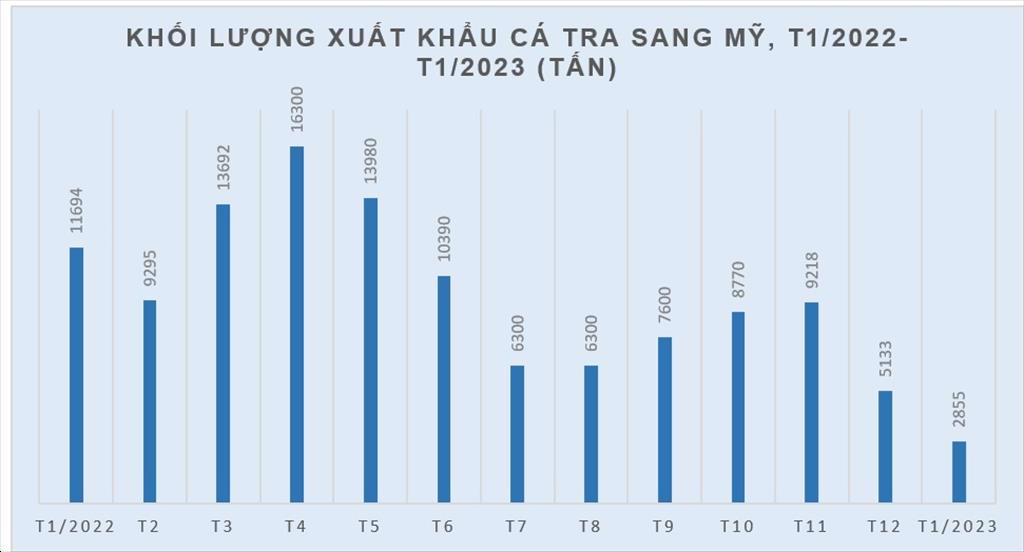
TN – Mỹ, thị trường xuất khẩu cá tra lớn nhất của Việt Nam, liên tục sụt giảm trong thời gian gần đây và hiện đã rớt xuống hạng 3 sau Trung Quốc và EU.
Hiệp hội Chế biến và xuất khẩu thủy sản Việt Nam (VASEP) cho biết: Tất cả các thông số chính của xuất khẩu cá tra sang Mỹ trong tháng 1.2023 đều ở mức âm sâu. Cụ thể, khối lượng xuất khẩu giảm 76% so với cùng kỳ năm trước và giảm 44% so với tháng trước.
Thị trường Mỹ giảm mạnh
Giá trị xuất khẩu sang Mỹ trong tháng 1 chỉ đạt 9,84 triệu USD, giảm 81% so với cùng kỳ năm trước và 40% so với tháng trước. Giá trung bình xuất khẩu chỉ đạt 2,97 USD/kg, giảm 34% so với cùng kỳ 2022.
Good morning everyone. Thank you, Suzanne, for that introduction, and thank you to the team at Brookings for organizing today’s discussion.
You know, when we first talked about doing an event tied to your Global China program, the topic was, in a sense, evergreen. We could have planned this conversation virtually anytime.
The People’s Republic of China, the challenges it poses, the stakes for global norms and values, the strategies and policy choices demanded from the United States and our partners — these questions have stood front and center from the moment President Biden took office.
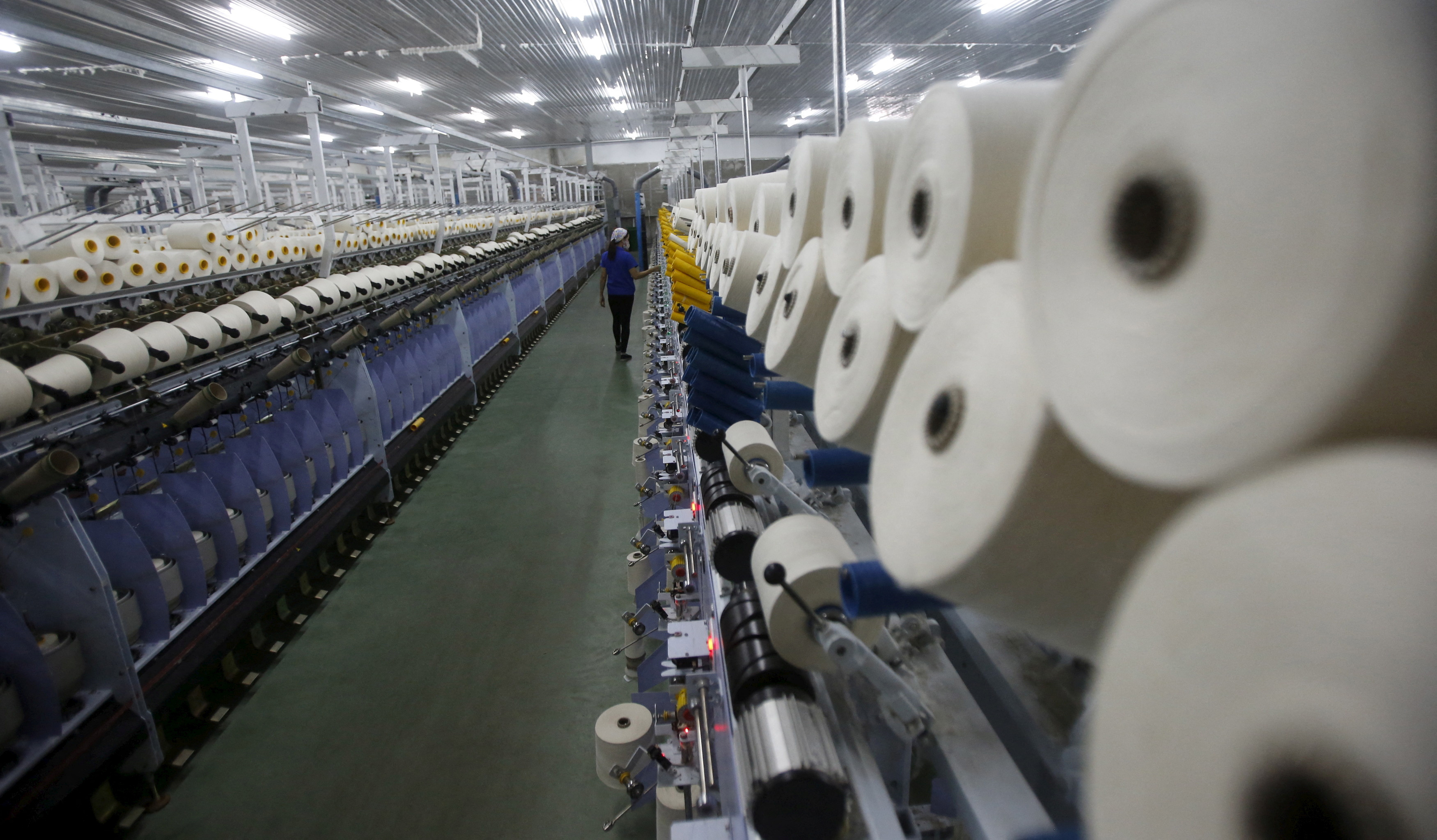
[1/4] A woman works at a yarn weaving plant in Ha Nam province, outside Hanoi, Vietnam October 7, 2015. REUTERS/Kham/File
HANOI, Feb 14 (Reuters) – Concerned Vietnam-based exporters are seeking to ensure they comply with a U.S. ban on imported products using raw materials from China’s Xinjiang as lucrative trade in goods like garments and solar panels comes under closer scrutiny in Washington.
As U.S. Trade Representative Katherine Tai visits Vietnam this week, executives and other people familiar with the situation said some industries in Vietnam may be importing, sometimes unwittingly, raw material from Xinjiang – or might find it hard to prove they were not doing so.
TTCT – Dù là đồng minh có hiệp ước của nhau và vừa thắt chặt thêm tình hữu nghị về quân sự, quan hệ Mỹ – Philippines thật ra không phải lúc nào cũng bằng phẳng.
Khi tôi đến thăm Subic Bay năm 1998, khu chế xuất vừa hoạt động và hãng xưởng còn lưa thưa. Đây là khu miễn thuế, ra vào phải qua kiểm soát hải quan, chỗ mua sắm chỉ có vài hàng quán mới mở và loãng khách với một khu phức hợp và ba rạp phim.
Cả khu còn do quân đội Philippines quản lý, hoang vắng với những nhà kho tiền chế và bungalow quân đội Mỹ bỏ lại nằm bắt bụi từ 1992.
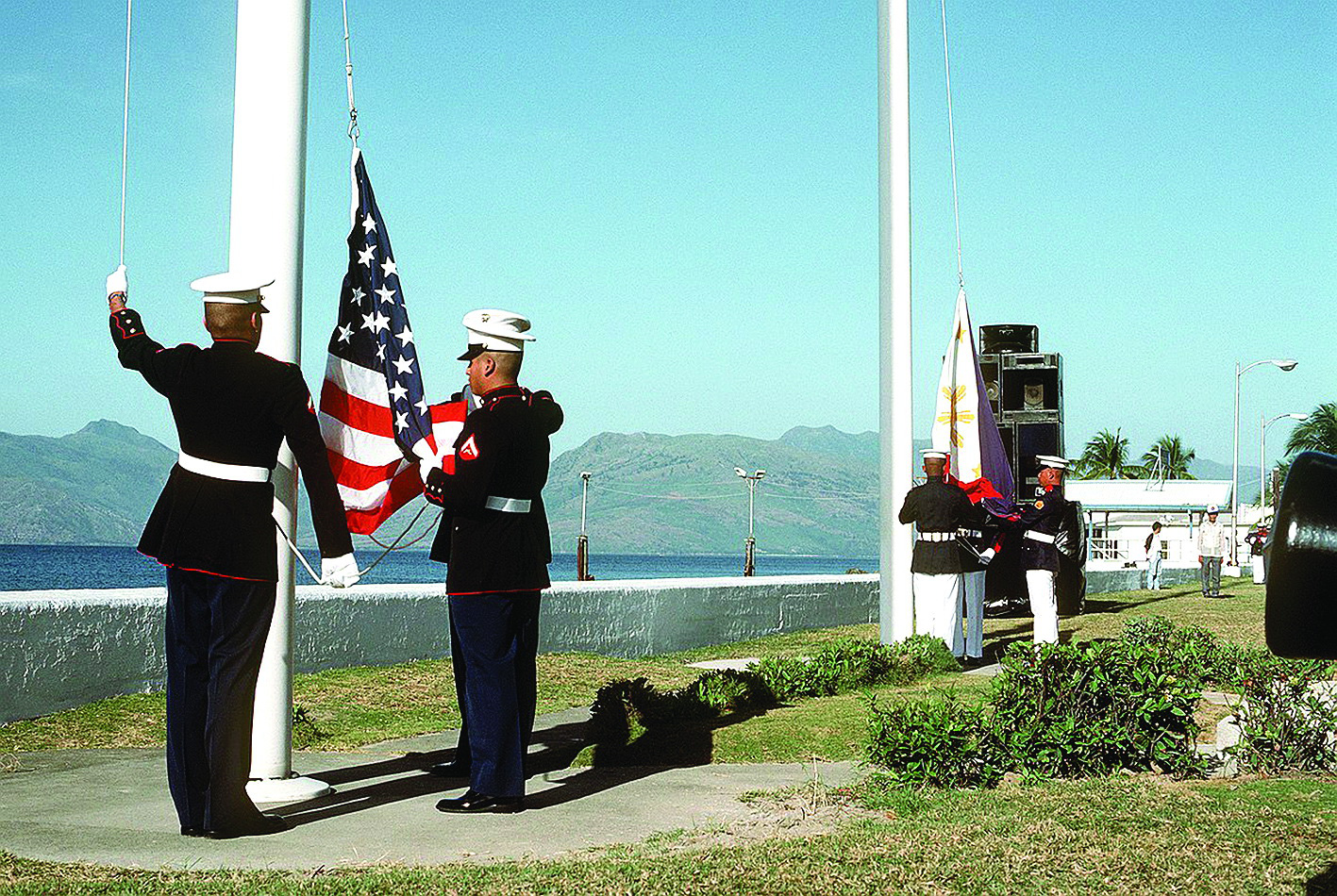
Lễ hạ cờ Mỹ và thượng cờ Philippines ở căn cứ Subic Bay ngày 24-11-1992. Ảnh: Wikipedia
Neither the United States nor China is prepared for a serious crisis.
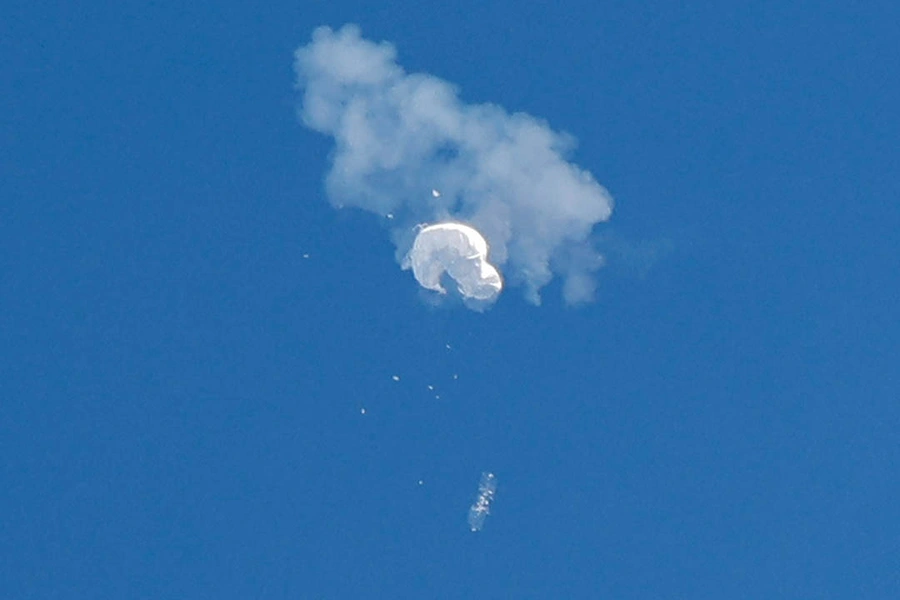
The suspected Chinese spy balloon drifts to the ocean after being shot down off the coast in Surfside Beach, South Carolina, U.S. February 4, 2023. Randall Hill/Reuters
On Saturday afternoon, a U.S. Air Force F-22 fighter jet fired one missile into a high-altitude Chinese surveillance balloon, sending it plunging into the Atlantic Ocean and capping a stretch where the world’s most important bilateral relationship was dominated by a slowly moving object crossing the United States.
The incident raises questions about the extent to which China has been employing these balloons – and in the process violating U.S. territorial airspace and sovereignty – and why it has been doing so when its satellites could glean this information. Far more important, however, is what this says about the ability, or more accurately inability, of Washington and Beijing to manage a future crisis.
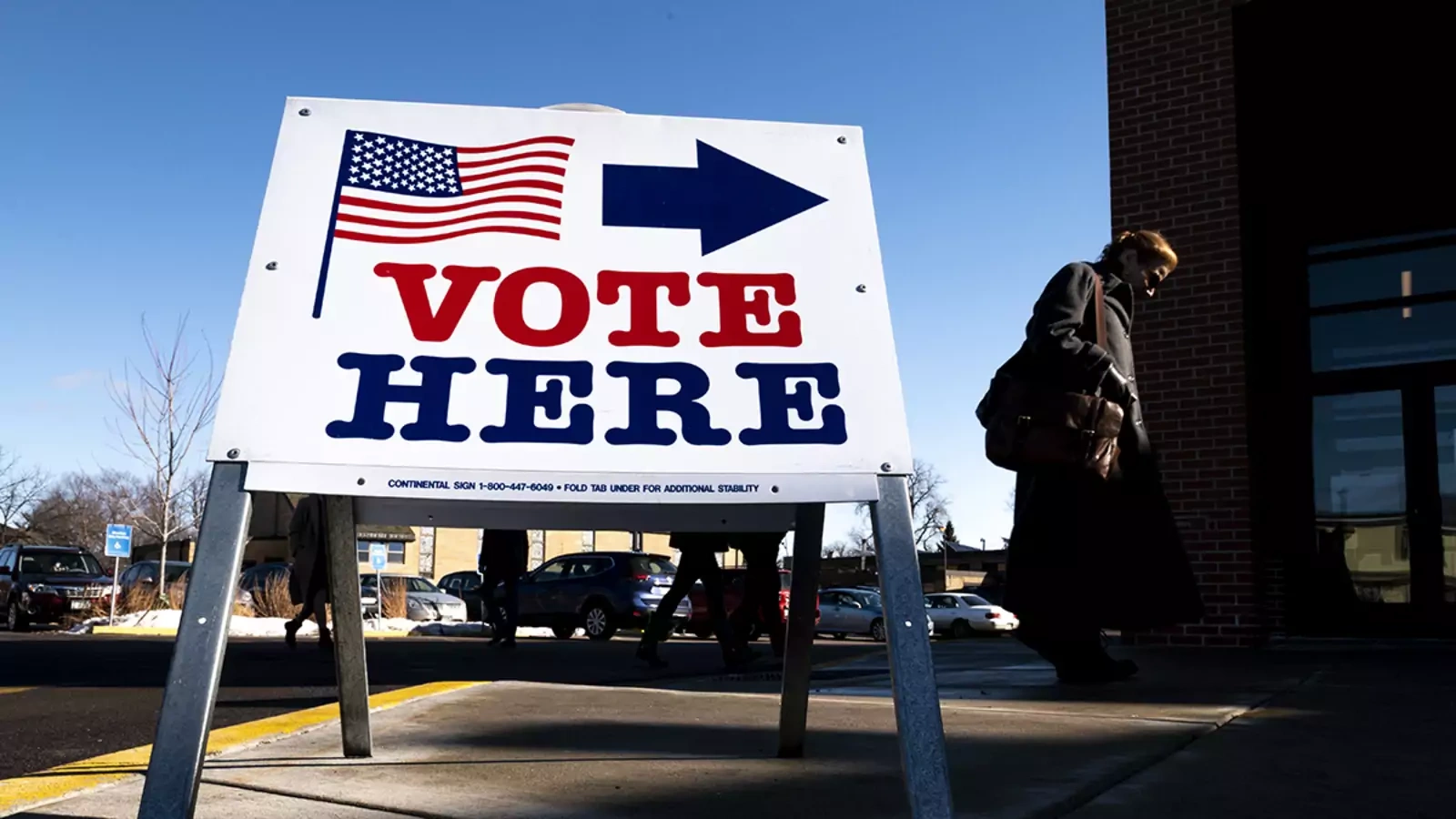
A voter arrives at a polling place on March 3, 2020 in Minneapolis, Minnesota. Stephen Maturen/Getty Images
For more than three-quarters of a century, the United States has played an outsized, constructive role in the world. To be sure, there have been major errors, including the Vietnam War and the 2003 Iraq War, but the US got it right far more often than not.
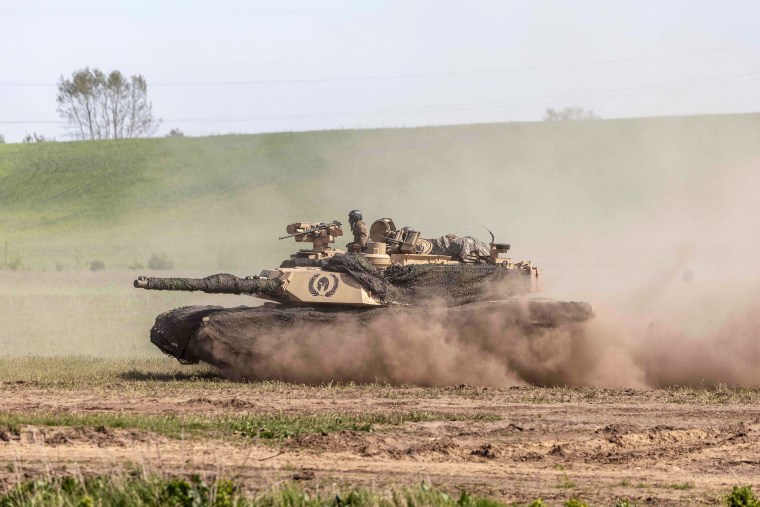
Biden wasn’t initially sold on sending the tanks, despite pressure to do so to give cover to Germany to send Ukraine some Leopard 2 tanks, the officials said. He warmed to the idea after Secretary of State Antony Blinken presented him with potential solutions to an issue that was very publicly exposing divisions within the U.S.-European alliance, the officials said.
theguardian – Accords negotiated by Kissinger and Le Duc Tho in 1973 sealed US exit from war but were soon flouted by North and South Vietnam
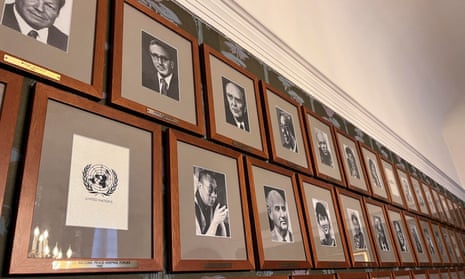
Portraits of Nobel peace prize laureates, including of Henry Kissinger, top second left, at the Norwegian Nobel Institute in Oslo. Photograph: Gwladys Fouche/Reuters
Reuters in OsloWed 11 Jan 2023 17.28 GMT
The 1973 Nobel peace prize to top US diplomat Henry Kissinger and North Vietnam’s Le Duc Tho, among the most disputed in the award’s history, was given in the full knowledge the Vietnam war was unlikely to end any time soon, newly released papers show.
Nominations to the Peace prize remain secret for 50 years. On 1 January, documents about the prize awarded to Kissinger and Hanoi’s chief negotiator Tho were made available on request.
Vietnam is on track this year to bump Britain from its long-time place among the US’s top seven goods trading partners, which would be the first time the UK hasn’t been in that group in records going back at least to 2004.
The UK’s share of the US merchandise trade slid to 2.6% through the first 10 months of this year while Vietnam’s rose to 2.7%, according to Census Bureau data.
In full-year numbers going back almost 20 years, the top seven US partners in goods trade have consistently been Canada, Mexico, China, Japan, Germany, South Korea and the UK, though their position within the group has shifted around.
Vietnam didn’t appear in the bureau’s top-15 list until 2019, and it has climbed ever since, ending last year at No. 10. If Vietnam’s lead over the UK holds for the final two months of 2022, it’ll be the first time that a majority of the top seven are Asian economies.

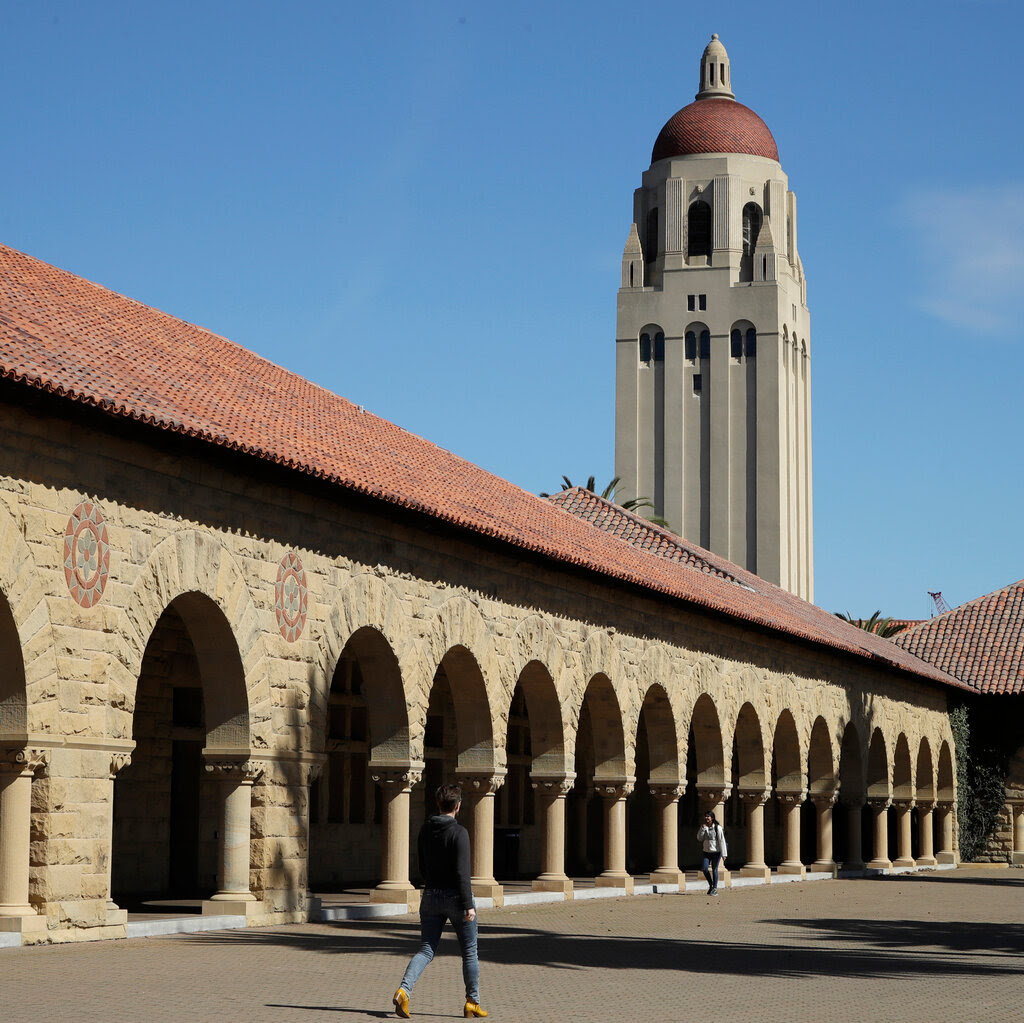 Stanford University.Ben Margot/Associated Press



 CVD
CVD 