Most people who are alive in Viet Nam today only know of one government under the leadership of one party: the Communist Party of Vietnam.
Literally, everything in their lives has something to do with the Party. Take it away and the whole thing may not even be able to stand. The Party has become a function of the State: its spirit and it has been performing admirably, all things considered.
Quá tải du lịch vào các dịp nghỉ lễ, Tết vẫn là điểm nghẽn lớn của du lịch VN. Vì vậy, ngành Du lịch Việt cần sớm có giải pháp điều tiết lưu lượng khách trong mùa cao điểm, đồng thời minh bạch thông tin về sức chứa tại các điểm đến để giúp du khách lựa chọn chuyến đi phù hợp.Tiếp tục đọc “Du lịch Việt Nam đang chịu áp lực quá tải”→
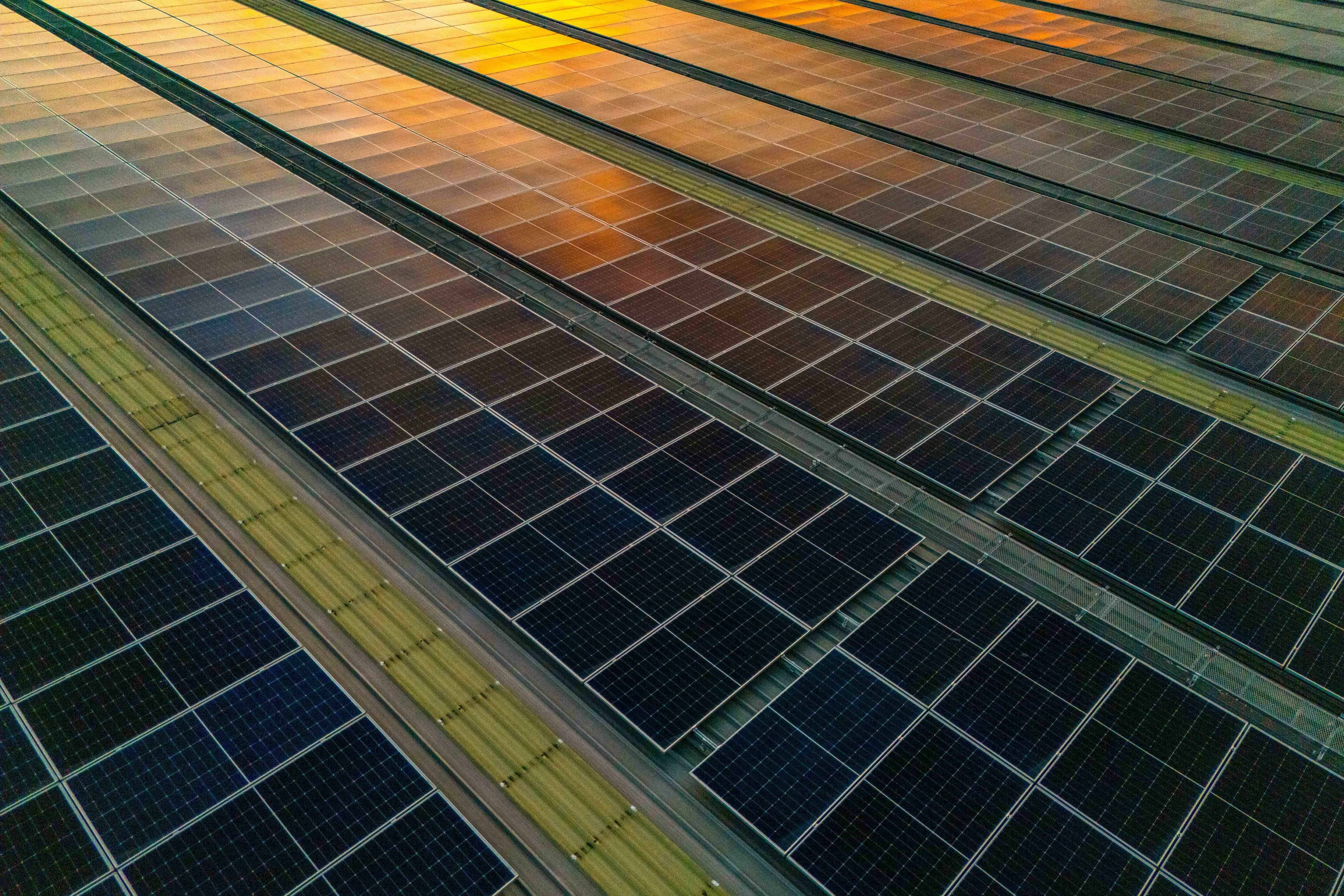
BloombergNEF’s Energy Transition Investment Trends reviews annual investment figures in the global energy transition, including spending to deploy clean technologies, investment in the clean energy supply chain, equity investment in climate-tech companies, and debt issuance for energy transition purposes.
All four of these indicators moved upward in a year marked by trade disruptions and geopolitical tension, showcasing the energy transition’s resilience.
Walmart, the biggest single buyer of goods in the world, has lowered its emissions intensity and sent emissions-reducing ripples throughout its global supply chain. Joe Raedle/Getty Images
The Trump administration has given corporations plenty of convenient excuses to retreat from their climate commitments, with its moves to withdraw from the Paris Agreement, roll back emissions regulations, and scale back clean-energy incentives.
While Buddhism has branched into a number of sects over the centuries, its rich tradition of peace activism continues
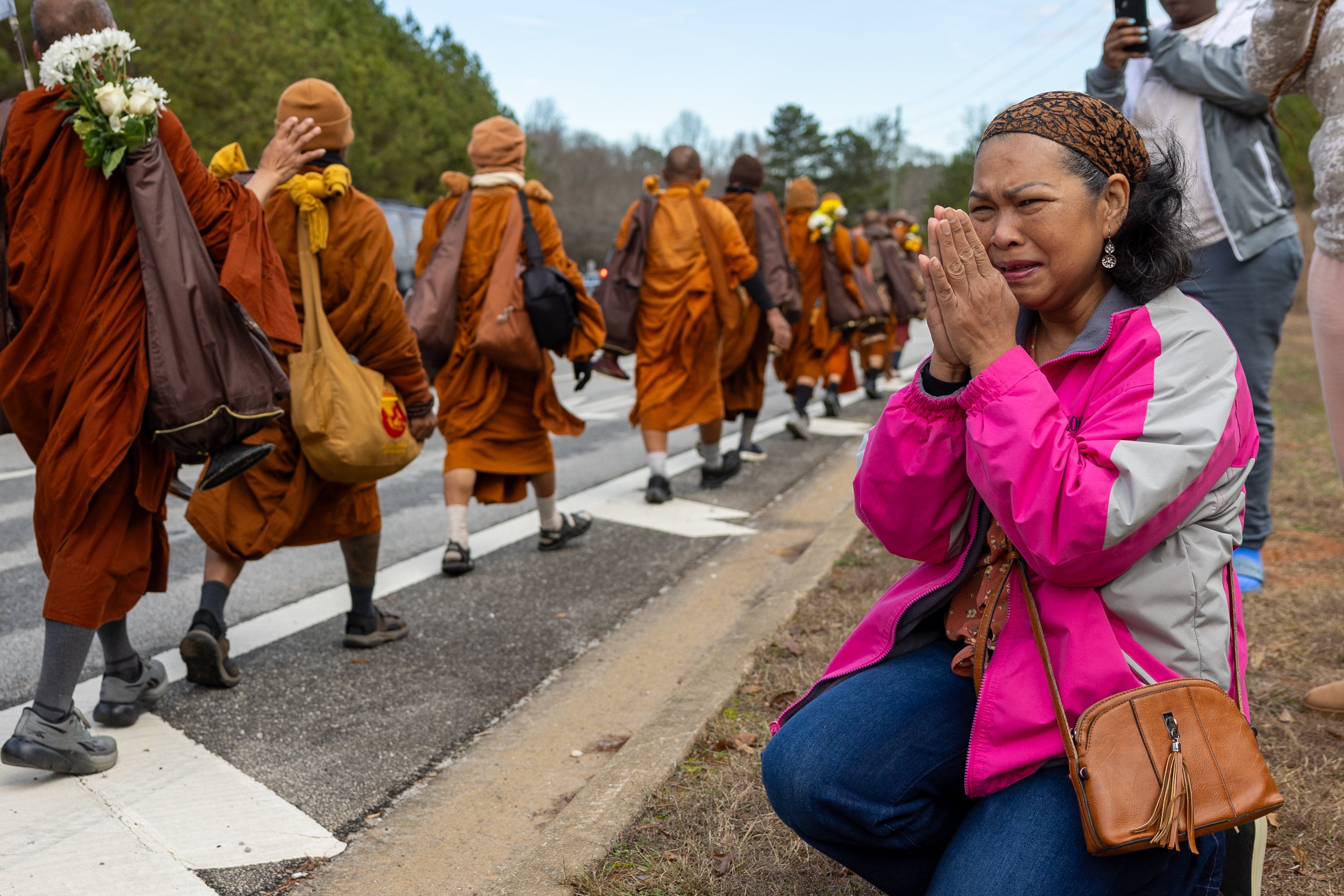
A woman reacts as Buddhist monks on a ‘Walk for Peace’ trek on Veterans Parkway in Fayetteville, Ga., on Monday, Dec. 29, 2025 (Arvin Temkar/Atlanta Journal-Constitution via AP)
A group of Buddhist monks hasn’t let a car wreck stop them from walking across much of the U.S. to promote peace.
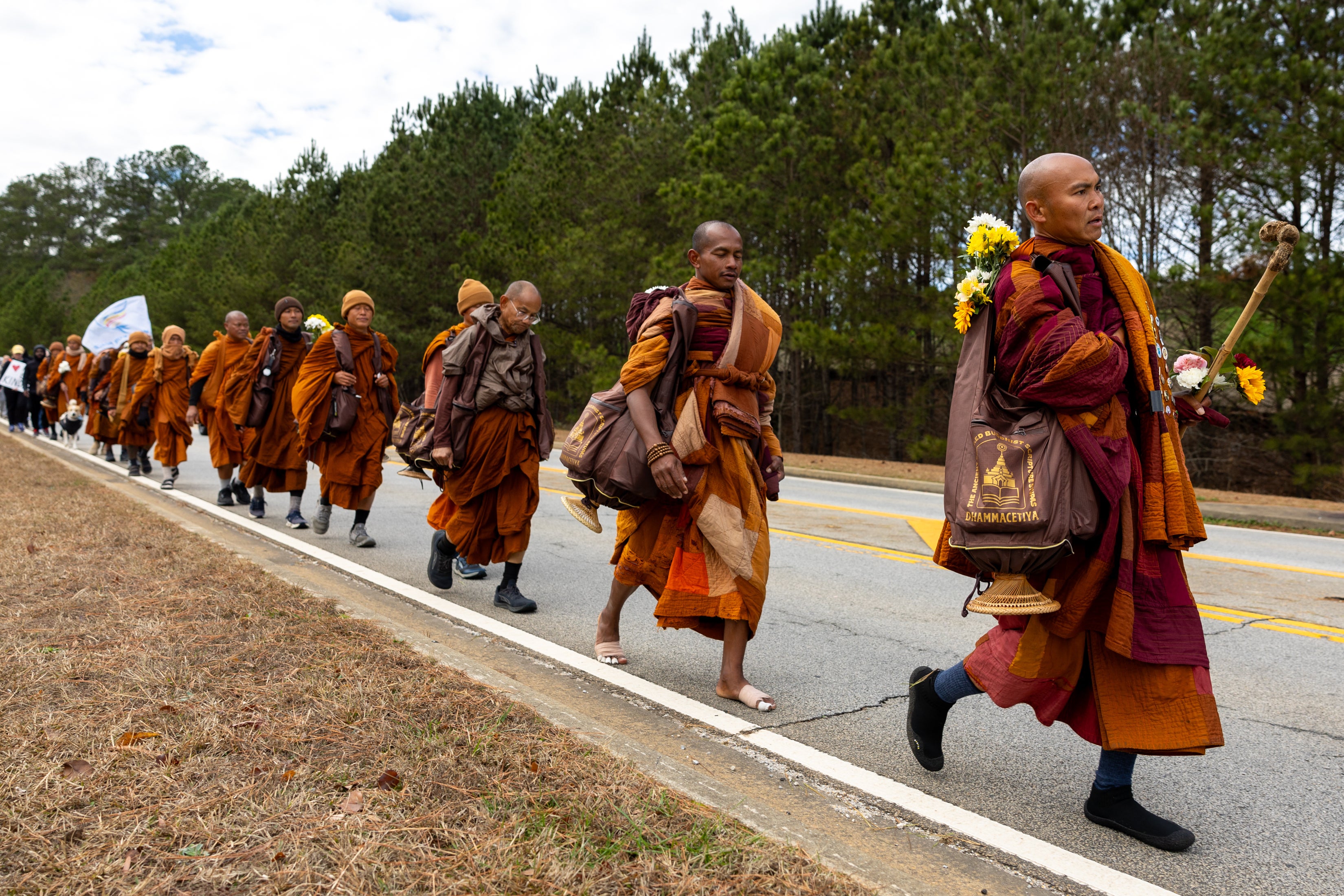
After starting their walk in Fort Worth, Texas, on Oct. 26, the group of about two dozen monks has made it to Georgia as they continue on a path to Washington, D.C., highlighting Buddhism’s long tradition of activism for peace.
The group planned to walk its latest segment through Georgia on Tuesday from the town of Morrow to Decatur, on the eastern edge of Atlanta. Marking day 66 of the walk, the group invited the public to a Peace Gathering in Decatur Tuesday afternoon.
The monks and their loyal dog Aloka are traveling through 10 states en route to Washington, D.C. In coming days, they plan to pass through or very close to Athens, Georgia; the North Carolina cities of Charlotte, Greensboro and Raleigh; and Richmond, Virginia, on their way to the nation’s capital city.
The group has amassed a huge audience on social media, with more than 400,000 followers on Facebook. Aloka has its own hashtag, #AlokathePeaceDog.
Buddhist monks walk through Trilith in Fayetteville, Ga., on Monday, Dec. 29, 2025, from Texas to Washington, D.C. (Arvin Temkar/Atlanta Journal-Constitution via AP)
The group’s Facebook page is frequently updated with progress reports, inspirational notes and poetry.
“We do not walk alone. We walk together with every person whose heart has opened to peace, whose spirit has chosen kindness, whose daily life has become a garden where understanding grows,” the group posted recently.
The trek has not been without danger. Last month outside Houston, the monks were walking on the side of a highway near Dayton, Texas, when their escort vehicle, which had its hazard lights on, was hit by a truck, Dayton Interim Police Chief Shane Burleigh said.
The truck “didn’t notice how slow the vehicle was going, tried to make an evasive maneuver to drive around the vehicle, and didn’t do it in time,” Burleigh said at the time. “It struck the escort vehicle in the rear left, pushed the escort into two of the monks.”
One of the monks had “substantial leg injuries” and was flown by helicopter to a hospital in Houston, Burleigh said. The other monk with less serious injuries was taken by ambulance to another hospital in suburban Houston. The monk who sustained the serious leg injuries was expected to have a series of surgeries to heal a broken bone, but his prognosis for recovery was good, a spokeswoman for the group said.
The group has amassed a huge audience on social media, with more than 400,000 followers on Facebook. Aloka has its own hashtag, #AlokathePeaceDog (Arvin Temkar/Atlanta Journal-Constitution via AP)
Buddhism is a religion and philosophy that evolved from the teachings of Gautama Buddha, a prince turned teacher who is believed to have lived in northern India and attained enlightenment between the 6th and 4th centuries B.C.
The religion spread to other parts of Asia after his death and came to the West in the 20th century. The Buddha taught that the path to end suffering and become liberated from the cycle of birth, death and reincarnation, includes the practice of non-violence, mental discipline through meditation and showing compassion for all beings.
While Buddhism has branched into a number of sects over the centuries, its rich tradition of peace activism continues. Its social teaching was pioneered by figures like the Dalai Lama and Thich Nhat Hanh, who have applied core principles of compassion and non-violence to political, environmental and social justice as well as peace-building efforts around the world.
Anh Phan Khắc Hồng một chủ doanh nghiệp ở Khánh Hòa, người đã chuyển đổi hàng trăm hecta đồn điền keo độc canh sang rừng tái sinh đa loài, đa tầng. Với một tinh thần: chuyển sang dưỡng rừng đa loài là con đường tất yếu, con đường lợi về cả về chi phí tài chính lẫn sinh thái.
GIR 2025 report emphasizes the urgent need to incorporate resilience into infrastructure planning and investment. It shows that economic losses from service disruptions after disasters are, on average, 7.4 times higher than direct infrastructure damage.
The report emphasizes the importance of risk assessments, faster reconstruction, and governance reforms to reduce these losses. It advocates for localized risk modelling, institutional readiness, and innovative financing, including insurance and risk pooling. Businesses must also build end-to-end resilience across supply chains.
With over 75 case studies, GIR 2025 provides actionable insights across key pillars, including technology, finance, governance, and nature-based solutions. It calls for global cooperation to ensure infrastructure systems can withstand, adapt to, and recover from disasters, turning resilience into a driver of sustainable, inclusive growth.
Key points
Economic losses from service disruptions exceed direct infrastructure damage costs.
Faster reconstruction halves the GDP impact compared to delayed recovery efforts.
Risk assessments guide resilient investments and infrastructure planning decisions.
Businesses need resilient supply chains to reduce disaster vulnerabilities.
Financing resilience requires layered tools like insurance and risk pooling.
Governance reforms strengthen infrastructure recovery and long-term development stability.
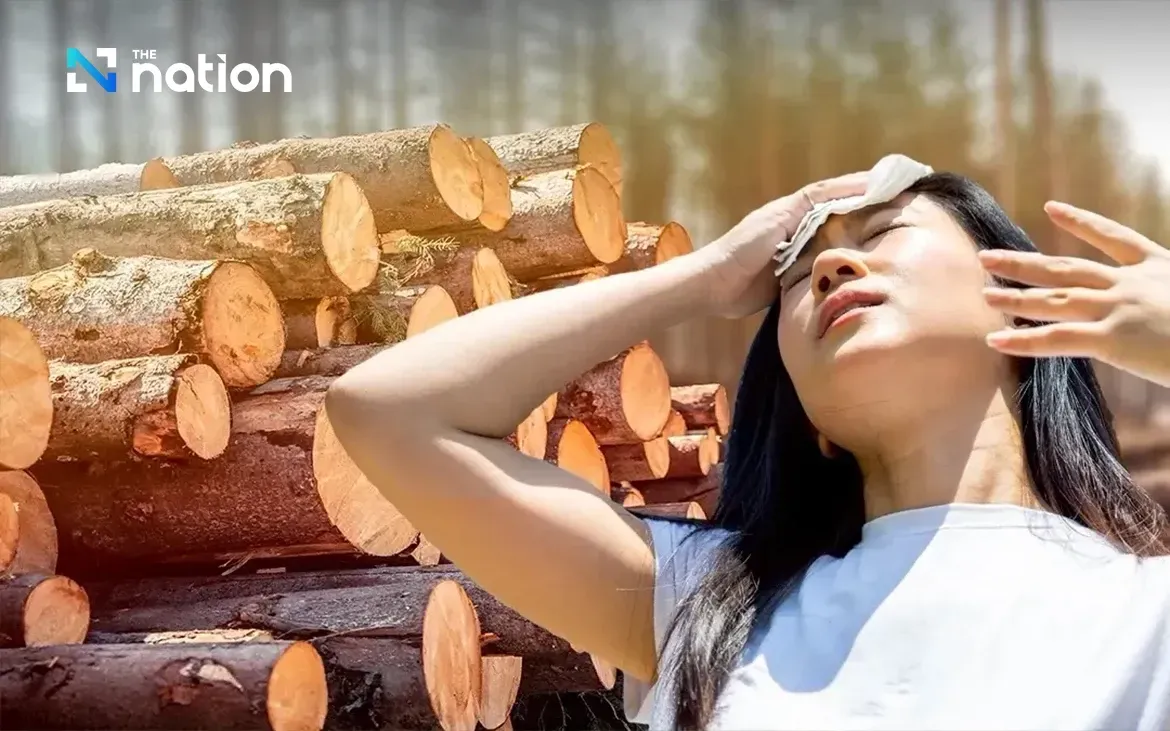
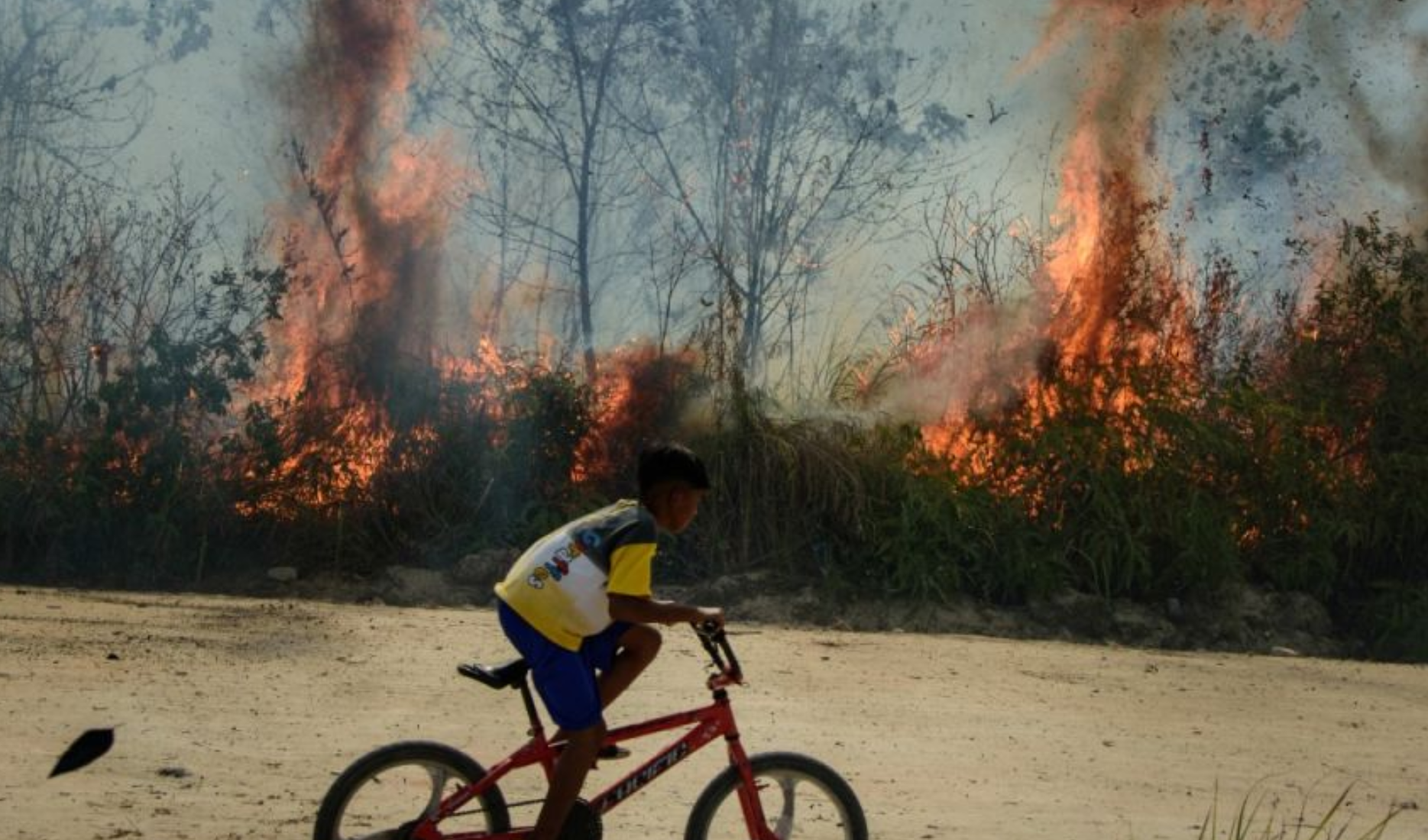
VTV.vn – Nghiên cứu mới do Đại học Leeds (Anh) cho biết hoạt động phá rừng ở Đông Nam Á đang gây ra số ca tử vong liên quan đến nắng nóng cao nhất trong các vùng nhiệt đới.
(Ảnh minh họa: The Nation)
Theo báo cáo được công bố trên tạp chí Nature Climate Change, mỗi năm có khoảng 15.680 người dân nông thôn ở Đông Nam Á tử vong do các biến chứng liên quan đến nắng nóng trầm trọng hơn bởi phá rừng, so với 9.890 người ở châu Phi nhiệt đới và 2.520 người ở châu Mỹ.
Trong giai đoạn 2001 – 2020, Đông Nam Á đã mất khoảng 490.000 km² thảm thực vật, trong khi khu vực Trung và Nam Mỹ mất tới 760.000 km² rừng nhiệt đới. Tuy nhiên, theo Tiến sĩ Carly Reddington, tác giả chính của nghiên cứu, mật độ dân số cao khiến số ca tử vong do nắng nóng ở Đông Nam Á lớn hơn đáng kể. Mặc dù ở Nam Mỹ, diện tích rừng bị mất nhiều hơn, nhưng ít người sinh sống tại các khu vực này.
Nghiên cứu cũng ghi nhận rằng trong 20 năm qua, biến đổi khí hậu kết hợp với phá rừng đã làm nhiệt độ trung bình ở Đông Nam Á tăng thêm 0,72°C. Các khu rừng không chỉ hấp thụ khí CO₂ mà còn giúp làm mát tự nhiên – tán cây tạo bóng râm, còn lá cây bốc hơi nước, làm giảm nhiệt độ xung quanh. Khi rừng bị chặt hạ, hiệu ứng làm mát này biến mất, khiến mặt đất khô, tối màu và hấp thụ nhiệt mạnh hơn, dẫn tới “nhiệt độ địa phương tăng cao, đôi khi còn vượt cả mức nóng lên toàn cầu”, bà Reddington giải thích.
(Ảnh: AFP)
Nhóm nghiên cứu đã kết hợp dữ liệu vệ tinh với hồ sơ y tế để ước tính mối liên hệ giữa phá rừng, nhiệt độ và tử vong do nắng nóng. Họ nhận thấy các cộng đồng nghèo, dân tộc thiểu số và người lao động ngoài trời là những nhóm chịu ảnh hưởng nặng nề nhất, do hạn chế về cơ sở hạ tầng, dịch vụ y tế và khả năng tiếp cận các biện pháp làm mát.
Một nghiên cứu trước đó tại Berau (Đông Kalimantan, Indonesia) cho thấy phá rừng trong giai đoạn 2002 – 2018 đã gây ra hơn 100 ca tử vong do nắng nóng mỗi năm, đồng thời rút ngắn thời gian làm việc an toàn trong ngày tới 20 phút.
Tiến sĩ Reddington nhấn mạnh: “Phá rừng nhiệt đới không chỉ là vấn đề môi trường, nó đang trực tiếp đe dọa sức khỏe con người, đặc biệt ở những cộng đồng ít khả năng thích ứng. Bảo vệ rừng không chỉ cứu hành tinh mà còn cứu mạng sống”.
Các chuyên gia y tế và khí hậu trong khu vực, như Phó giáo sư Kimberly Fornace (Đại học Quốc gia Singapore) và Giáo sư Winston Chow (Đại học Quản lý Singapore), đều đồng tình rằng để giảm thiểu hậu quả do chặt, phá rừng, cần tăng cường nghiên cứu y tế địa phương, cảnh báo sớm nắng nóng và đầu tư vào tái trồng rừng.
“We did not stop the holocaust. We did not stop the genocide in Ruanda. We did not stop the genocide in Srebrenica. We must stop the genocide in Gaza. There are no excuses any more. None.”
Ireland – PM Addresses United Nations “We have recognised the State of Palestine.”
Viet Nam – State President Addresses United Nations “Viet Nam welcomes the recent recognition of the State of Palestine by more countries, and urges the international community to act swiftly to end the humanitarian crisis faced by the Palestinian people.”
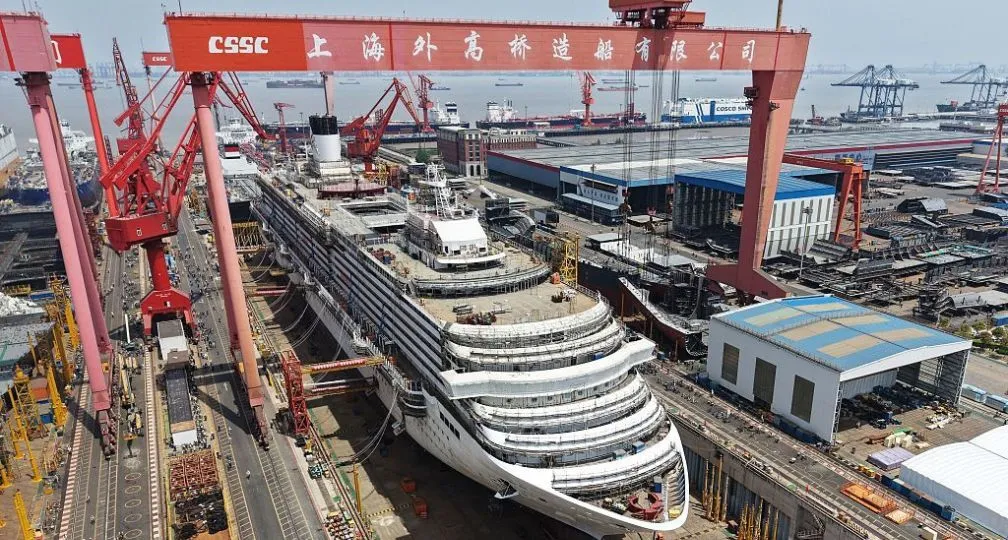
China’s unparalleled shipbuilding capacity has the U.S., Japan and its allies — both military and economic — rightly concerned about maritime threats to trade and security. Without a concerted effort and international cooperation to challenge Beijing’s commanding lead in the global shipbuilding industry, those threats will materialize furthering China’s alarming dominance.
According to 2024 data from the Chinese government, the country ranks first worldwide in ship completions, new orders and order backlogs — claiming global shares of 55.7%, 74.1% and 63.1%, respectively. China is also expanding its capabilities in high value-added vessels, surpassing South Korea and Japan, while consolidating its role as a “shipbuilding superpower.”
Shipbuilding is not merely an economic activity — it underpins both global trade and national defense. Civilian shipbuilding provides the foundation for training engineers and skilled workers essential to naval production. As such, the growth of China’s shipbuilding sector carries profound implications, not only for maritime commerce but also for the international security architecture.
Columbia Climate School identifies 65 ‘Red Zone’ nations across four separate climate scenarios.
43 nations in Sub-Saharan Africa, eight in Latin America and the Caribbean, six in Asia-Pacific, six in the Middle East, and two in Europe are most at-risk.
With support from The Rockefeller Foundation, the “Climate Finance Vulnerability Index” aims to help close the gap between risk assessments and funding allocations.
Microplastics have permeated the region’s food chain, hitting countries like Indonesia and the Philippines the hardest. The programme Insight looks at the health risks and what is being done to boot plastic from our plates.
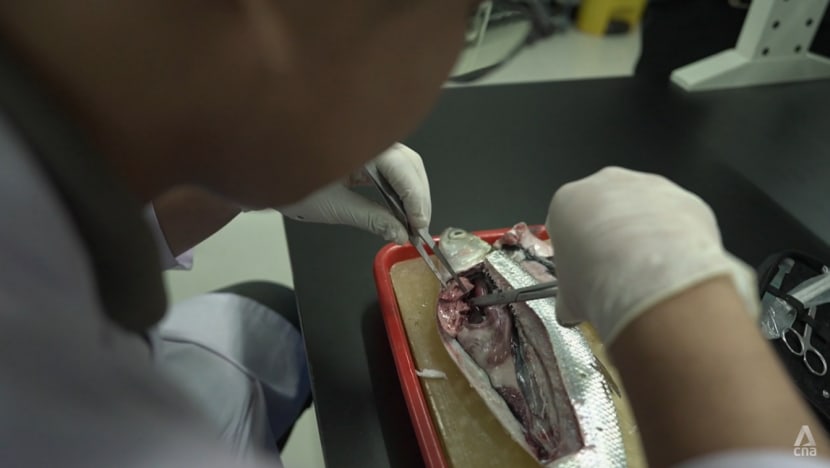
A study found that in nearly 94 per cent of fish sampled from Jakarta Bay, their gills and guts were laced with microplastics.
JAKARTA and MANILA: Milkfish — grilled, fried or floating in fragrant soup — is a staple on Indonesian dining tables. Its flesh is tender, its flavour delicately sweet.
What has no taste, however, would be the microplastics inside its body.
A study last year found that in nearly 94 per cent of fish sampled from Jakarta Bay, their gills and guts were laced with these toxic fragments, each no larger than five millimetres.
“If the microplastics are absorbed by fish and then consumed by humans, it means they’ll accumulate in humans,” warns Widodo Setiyo Pranowo, principal investigator at Indonesia’s National Research and Innovation Agency. “That’s dangerous.”
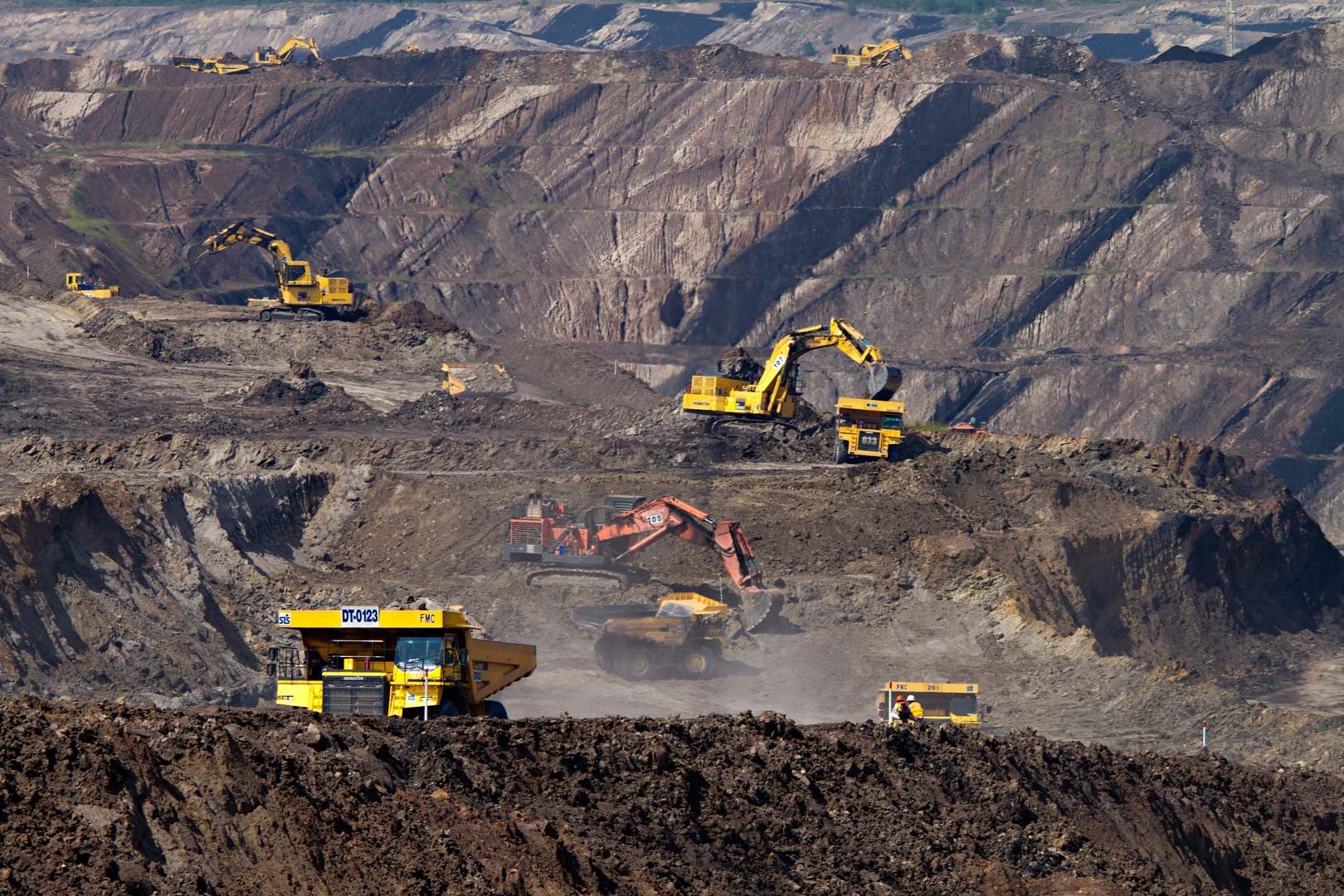
Khai thác khoáng sản đóng vai trò quan trọng trong phát triển kinh tế nhưng cũng đang để lại nhiều hệ lụy nghiêm trọng cho môi trường và hệ sinh thái ở Việt Nam. Bài viết phân tích thực trạng hoạt động khai khoáng hiện nay, đặc biệt là các sai phạm trong cấp phép, quản lý, giám sát môi trường; đồng thời đánh giá tác động tới tài nguyên, đất, nước, không khí và đa dạng sinh học.
LTS: Khai thác khoáng sản là một trong những ngành kinh tế quan trọng, góp phần không nhỏ vào sự phát triển công nghiệp và tăng trưởng GDP của Việt Nam. Tuy nhiên, cùng với những lợi ích kinh tế to lớn, hoạt động khai thác khoáng sản cũng đang đặt ra nhiều thách thức nghiêm trọng đối với môi trường và đời sống cộng đồng. Từ ô nhiễm không khí, đất, nguồn nước, cho đến suy giảm đa dạng sinh học và nguy cơ sạt lở đất, những hệ lụy môi trường do khai thác khoáng sản gây ra ngày càng hiện hữu và khó có thể xem nhẹ.
A deep dive into the rationale behind some of Asia’s reclamation projects, the toll they take on our environment and communities, and the search for more sustainable alternatives.
Reclamation is seen as a solution for countries to deal with increasing land demands, by expanding their territory and rehabilitating previously uninhabitable lands or seas. Yet, the process guzzles an alarming amount of sand, causing massive environmental damage as well as a rise of transnational criminal syndicates trading in illegal sand.
Coastlines, ecosystems, and entire populations are now facing adverse impacts due to increased sand-mining activity, with one of the major driving forces being land reclamation. This practice of creating new land at sea is often touted as a solution to urban expansion and climate change.
High seas cover over half of our planet’s surface, and represent two-thirds of the entire ocean. They serve as a crucial habitat for countless marine species, many of which remain undiscovered. They also play a vital role in climate regulation. The high seas are also home to secret treasures that could potentially reshape medical science. Painkillers, antibiotics and many other drugs have been produced from genetic material found in the depths of the ocean.
Despite their immense ecological and medical importance, only 1% of these international waters are legally protected. Since they fall outside the jurisdiction of any country, high seas are not governed by anyone. This has led to patchy regulation and uncoordinated management, leaving them vulnerable to threats like overfishing, shipping traffic, and ocean acidification.
An international treaty aims to address these concerns. Last year, countries around the world agreed upon the Agreement on Marine Biodiversity of Areas Beyond National Jurisdiction (BBNJ Treaty) after decades of discussions and negotiations. The historic treaty aims to establish legal frameworks for the conservation and sustainable use of marine resources. The treaty has created a blueprint for countries that want to propose and create protected areas in the high seas. It tackles prior assessment of potentially damaging activities like deep sea mining while also trying to figure out a way to share and distribute marine resources in an equitable manner. Sixty countries will have to ratify the treaty before it goes into effect.
Watch this video to learn more about the high seas, the significance of the BBNJ treaty and the questions that remain unanswered





 CVD
CVD 