WASHINGTON, June 15, 2023 – Trillions of dollars are wasted on subsidies for agriculture, fishing and fossil fuels that could be used to help address climate change instead of harming people and the planet, a World Bank report says.
The report, Detox Development: Repurposing Environmentally Harmful Subsidies, says global direct government expenditures in the three sectors are $1.25 trillion a year—around the size of a big economy such as Mexico. To subsidize fossil fuel consumption, countries spend about six times what they pledged to mobilize annually under the Paris Agreement for renewable energies and low-carbon development.
Fossil-fuel subsidies surged to a record $7 trillion last year as governments supported consumers and businesses during the global spike in energy prices caused by Russia’s invasion of Ukraine and the economic recovery from the pandemic.
This report aims to contribute to growing conversations about coal finance mechanisms, particularly as they move from concept to reality. RMI believes that financial mechanisms can be a transformational tool in coal transition efforts—but only if implemented well. Ultimately, the devil will be in the detail as to how financial mechanisms are designed and governed to meet the critical needs of all stakeholders and help deliver a rapid and smooth pathway to a climate-safe future.
RMI’s report, Financing the Coal Transition, shows how financial mechanisms can complement policy and regulation to help achieve a rapid, equitable, and smooth coal transition.
The economics of power generation are shifting rapidly in favor of clean energy, challenging coal’s long history as a mainstay of economic development throughout the world. However, much more work needs to be done to transition the existing coal fleet in line with climate and development goals.
The privileged place coal has occupied in power generation for over a century has entrenched complex barriers—from the way that grids have been built to the incentive structures within electricity systems—that prevent markets from catching up to the economic trend toward clean energy. In the absence of solutions to address these barriers, the costs of uneconomic coal will fall largely on local communities through direct costs and unpriced impacts on local health and the environment.
The global community needs new solutions to address the social and economic complexities of the coal transition while responding to the urgency of the climate challenge. One set of solutions currently under development are the innovative financial mechanisms designed to support the transition from coal to clean energy.
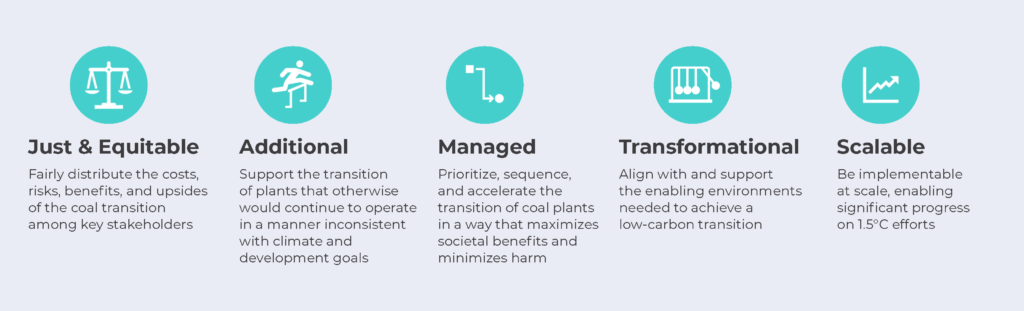
This report helps make sense of the various financial mechanisms proposed to date, and models the impacts of using different financial mechanisms to transition existing coal power plants. While it finds that financial mechanisms have the potential to generate wins for both the climate and communities, it also recognizes the risks of using finance to support the coal transition. To manage these risks, RMI proposes five key principles to guide the design of credible financial mechanisms.
Five key principles to guide the design of financial mechanisms for coal transition
[1/2]View of French utility EDF’s Penly Nuclear Power Plant in Petit-Caux, near Dieppe, France, December 9, 2022. REUTERS/Benoit Tessier Acquire Licensing Rights
PARIS, Dec 9 (Reuters) – France is bracing for possible power outages in the coming days as falling temperatures push up demand while state-controlled nuclear group EDF struggles to bring more production on line.
WHY CAN’T FRANCE MEET DEMAND?
France is one of the most nuclear-powered countries in the world, typically producing over 70% of its electricity with its fleet of 56 reactors and providing about 15% of Europe’s total power through exports.
For 30 years, France undertook nuclear testing in its Pacific territory, French Polynesia.
In recent years, investigations have revealed the effects of the tests were far greater than France has officially acknowledged.
A total of 193 nuclear tests were undertaken, including 41 atmospheric tests that exposed the local population and site workers to high levels of radiation.
Today, children across the Pacific islands are still dealing with the nuclear fallout.
Cancer and other developmental diseases plague new generations born after the last test in 1996.
101 East investigates the costs of France’s nuclear tests in French Polynesia.
(TN&MT) – Quy hoạch phát triển điện lực quốc gia thời kỳ 2021 – 2030, tầm nhìn đến năm 2050 (Quy hoạch Điện VIII) vừa được Thủ tướng Chính phủ phê duyệt với định hướng phát triển các loại hình năng lượng tái tạo chiếm tỷ lệ lớn trong công suất nguồn điện của Việt Nam. Trong đó, điện gió ngoài khơi (ĐGNK) dự kiến sẽ có bước nhảy vọt từ 6GW năm 2030 lên tới 70 – 91,5GW vào năm 2050.
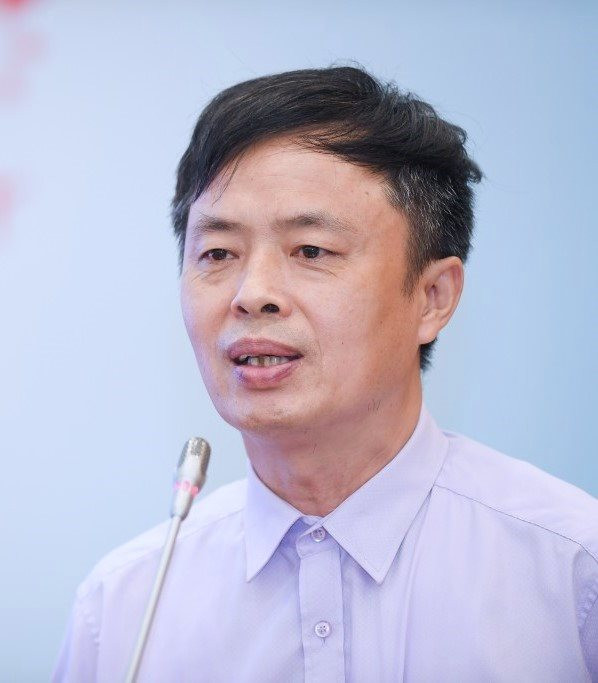
Trò chuyện với phóng viên Báo Tài nguyên và Môi trường xung quanh mục tiêu này, TS. Dư Văn Toán – Viện Nghiên cứu Biển và Hải đảo (Bộ TN&MT) cho rằng, Kế hoạch thực hiện Quy hoạch Điện VIII sắp ban hành cần sàng lọc được các dự án ĐGNK khả thi đối với Việt Nam trong giai đoạn đến năm 2030.
PV: Ông nhận định như thế nào về mục tiêu 6GW đến năm 2030 trong Quy hoạch Điện VIII, thưa ông?
TPO – Theo phương án được Bộ Công Thương xây dựng trình Thủ tướng, các doanh nghiệp sử dụng điện lớn sẽ có thể mua, bán điện trực tiếp với đơn vị phát điện từ năng lượng tái tạo thông qua đường dây riêng, không do Tập đoàn Điện lực Việt Nam (EVN) quản lý.
Bộ Công Thương cho biết, đã hoàn tất xây dựng cơ chế mua bán điện trực tiếp để trình Thủ tướng Chính phủ xem xét. Theo đó, Bộ Công Thương đề xuất hai trường hợp mua bán điện trực tiếp giữa đơn vị phát điện tái tạo với khách hàng sử dụng điện lớn thuộc nhóm sản xuất.
Phương án 1, doanh nghiệp có thể mua bán điện trực tiếp thông qua đường dây riêng do tư nhân đầu tư (không phải mua bán điện thông qua EVN).
Escalating construction costs, the rise of solar and wind power, and mounting public opposition have led to a precipitous decrease in massive new hydropower projects. Experts say the world has hit “peak dams,” which conservationists hail as good news for riverine ecosystems.
Numerous recently published reports reflect this planet-altering fact. One study, conducted by scholars at the United Nations University’s Institute for Water, Environment and Health, found that construction of large dams globally fell from a late-1970s peak of about 1,500 a year to around 50 a year in 2020. “There will not be another ‘dam revolution’ to match the scale of the high-intensity dam construction experienced in the early to middle 20th century,” the 2021 study concluded.
Data compiled by the International Renewable Energy Agency (IRENA), an intergovernmental organization that promotes renewable energy, including hydropower, show that in the 21st century, newly installed hydropower capacity peaked in 2013 at 45,000 megawatts a year and then dropped every year but one through 2021, when it reached only 18,900 megawatts. Similarly, investments in new hydropower dropped from a peak of $26 billion in 2017 to an estimated $8 billion in 2022, according to IRENA.
Dam building in China declined sharply around 2015 and has stagnated ever since.
Note: “Tập đoàn Orsted, Tập đoàn năng lượng lớn nhất Đan Mạch và nhà phát triển điện gió ngoài khơi lớn nhất thế giới, mới đây đã tuyên bố giảm mục tiêu tham vọng và rút khỏi thị trường Việt Nam.“
Năng lượng gió thì vô hạn nhưng nguồn lực đầu tư, vốn thì hữu hạn. Nếu không có những chính sách, cơ chế cụ thể thì nguồn lực đầu tư này sẽ chuyển từ Việt Nam sang những khu vực khác trên thế giới.
Các tổ chức quốc tế đánh giá Việt Nam có tiềm năng về điện gió lớn nhất Đông Nam Á, vượt xa các quốc gia khác. Hội đồng năng lượng gió toàn cầu (GWEC) đã ước tính, Việt Nam có khoảng 600 GWh điện gió chưa khai thác, gồm 300 GWh điện gió ngoài khơi và 300 GWh điện gió trên bờ.
Căn cứ Luật Tổ chức Chính phủ ngày 19 tháng 6 năm 2015; Luật sửa đổi, bổ sung một số điều của Luật Tổ chức Chính phủ và Luật Tổ chức chính quyền địa phương ngày 22 tháng 11 năm 2019;
Căn cứ Luật Quy hoạch ngày 24 tháng 11 năm 2017;
Căn cứ Nghị quyết số 61/2022/QH15 ngày 16 tháng 6 năm 2022 của Quốc hội về tiếp tục tăng cường hiệu lực, hiệu quả thực hiện chính sách, pháp luật về quy hoạch và một số giải pháp tháogỡ khó khăn, vướng mắc, đẩy nhanh tiến độ lập và nâng cao chất lượng quy hoạch thời kỳ 2021 – 2030;
Căn cứ Nghị quyết số 81/2023/QH15 ngày 09 tháng 01 năm 2023 của Quốc hội về Quy hoạch tổng thể quốc gia thời kỳ 2021 – 2030, tầm nhìn đến năm 2050;
Căn cứ Nghị định số 37/2019/NĐ-CP ngày 07 tháng 5 năm 2019 của Chính phủ quy định chi tiết thi hành một số điều của Luật Quy hoạch;
Theo Tờ trình số 4225/TTr-BCT ngày 03 tháng 7 năm 2023 của Bộ Công Thương về việc phê duyệt Quy hoạch tổng thể về năng lượng quốc gia thời kỳ 2021 – 2030, tầm nhìn đến năm 2050; ý kiến của các bộ, ngành, địa phương về Quy hoạch tổng thể về năng lượng quốc gia thời kỳ 2021 – 2030, tầm nhìn đến năm 2050.
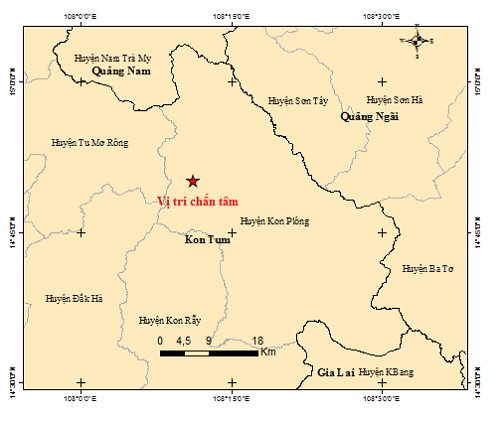
Ngày 16/5, Trung tâm Báo tin động đất và cảnh báo sóng thần – Viện Vật lý Địa cầu, Viện Hàn lâm Khoa học và Công nghệ Việt Nam phát đi thông báo về các trận động đất xảy ra vào sáng cùng ngày tại khu vực huyện Kon Plông, tỉnh Kon Tum.
Vị trí tâm chấn trận động đất 3.7 độ ở Kon Tum trưa ngày 16/5.
Theo đó, trận động đất mới nhất xảy ra lúc 12 giờ 21 phút 21 giây, có độ lớn 2.6 độ richter, độ sâu chấn tiêu khoảng 8km.
Trung tâm Báo tin động đất và cảnh báo sóng thần – Viện Vật lý Địa cầu vẫn đang tiếp tục theo dõi trận động đất này.
Cũng trong sáng ngày 16/5, vào hồi 00 giờ 52 phút 51 giây (giờ GMT) ngày 16 tháng 5 năm 2023 tức 07 giờ 52 phút 51 giây (giờ Hà Nội) ngày 16 tháng 5 năm 2023 một trận động đất có độ lớn 3.0 xảy ra tại vị trí có tọa độ (14.902 độ vĩ Bắc, 108.303 độ kinh Đông), độ sâu chấn tiêu khoảng 8 km. Động đất xảy ra tại khu vực huyện Kon plong, tỉnh Kon Tum. Cấp độ rủi ro thiên tai cấp 0.
Như vậy trong 5 ngày qua, trên địa bàn huyện Kon Plông (tỉnh Kon Tum) liên tiếp diễn ra 10 trận động đất. Trong đó, trận động đất lớn nhất có độ lớn 3.7 vừa xảy ra là trận có cường độ lớn nhất từ đầu năm đến nay. Trước đó, chỉ trong 4 ngày từ 12/5 – 15/5, trên địa bàn huyện này cũng liên tiếp xảy ra 9 trận động đất có độ lớn từ 2.6 đến 3.2 độ Richter. Trong đó riêng 2 ngày đã xảy ra 6 trận, tuy nhiên các trận động đất trên đều không gây thiệt hại về người.
Theo thống kê từ Viện Vật lý địa cầu, từ đầu năm đến nay trên địa bàn huyện Kon Plông đã xảy ra khoảng 100 trận động đất. Trận mạnh nhất có độ lớn 3,9 độ Richter. Các trận động đất thường xảy ra xung quanh khu vực Thuỷ điện Thượng Kon Tum và Thuỷ điện Đắk Đrinh. Trước tình trạng động đất xảy ra liên tục, UBND tỉnh Kon Tum đã yêu cầu chủ đầu tư các công trình thủy điện lắp đặt ngay thêm 5 trạm quan sát động đất theo kiến nghị của đoàn kiểm tra thuộc Viện vật lý địa cầu.
Động đất tại Kon Plông, Kon Tum được Viện Vật lý Địa cầu nhận định là động đất kích thích, xảy ra do hồ chứa thủy điện tích nước gây áp lực lên hệ thống đứt gãy hoạt động bên dưới, khiến động đất xảy ra sớm hơn so với quy luật tự nhiên.
Động đất kích thích ở Kon Plông, Kon Tum xảy ra từ tháng 4/2021, đến nay với ghi nhận hàng trăm trận. Trong đó, trận động đất mạnh nhất có độ lớn 4.7, gây rung chấn cho nhiều tỉnh miền Trung. Các chuyên gia nhận định, động đất tại khu vực này có thể tiếp diễn trong thời gian tới, liên quan chặt chẽ đến chu trình tích nước hồ chứa thủy điện. Tuy nhiên, động đất cực đại ở khu vực này ít khả năng vượt quá độ lớn 5.0.
The film tells the story of J. Robert Oppenheimer (1904–1967), the theoretical physicist who led the effort to build the first atomic bomb, tested in July 1945 at Trinity site in New Mexico.It features interviews with several Manhattan Project scientists, as well as newly declassified archival footage.
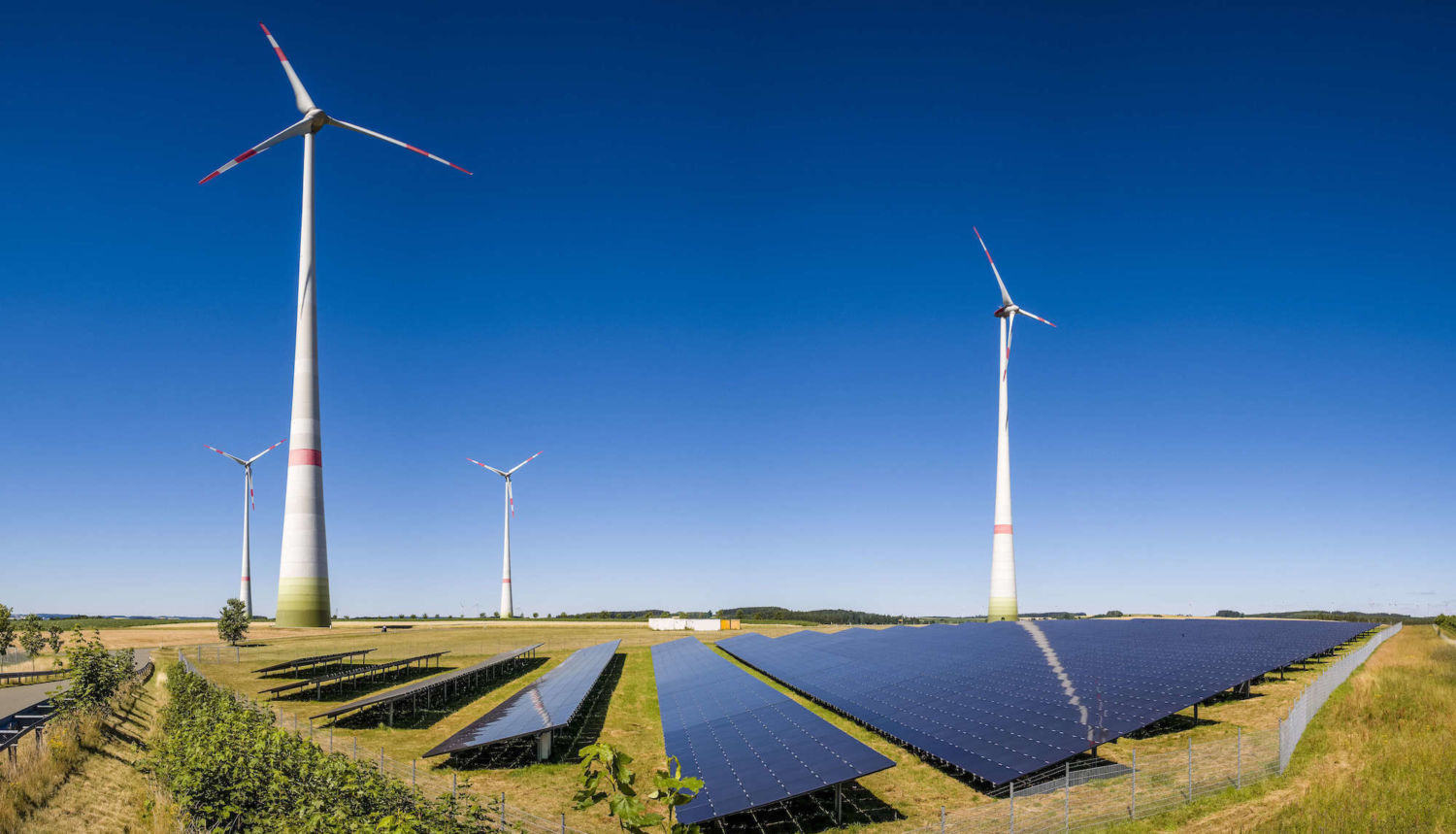
Renewable energy skeptics argue that because of their variability, wind and solar cannot be the foundation of a dependable electricity grid. But the expansion of renewables and new methods of energy management and storage can lead to a grid that is reliable and clean.
As wind and solar power have become dramatically cheaper, and their share of electricity generation grows, skeptics of these technologies are propagating several myths about renewable energy and the electrical grid. The myths boil down to this: Relying on renewable sources of energy will make the electricity supply undependable.
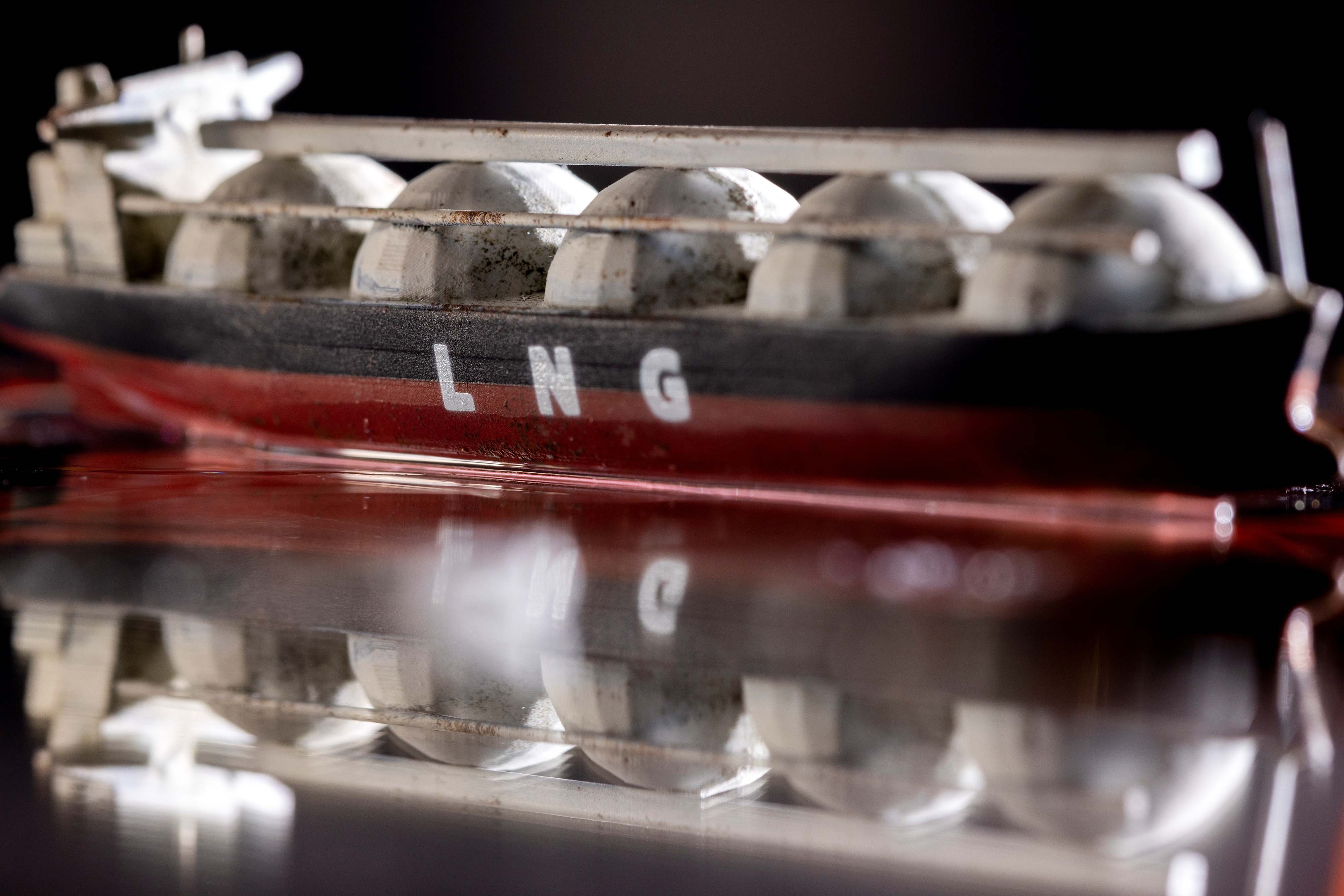
Model of LNG tanker is seen in this illustration taken May 19, 2022. REUTERS/Dado Ruvic/Illustration/File Photo
Electricity-hungry Vietnam looks to become LNG importer
First plant fuelled from imported gas unlikely pre-2026
Investors, Hanoi at odds over volumes, price of power sales
Bold plans exposed to volatile LNG prices as demand grows
HANOI, July 17 (Reuters) – Vietnam received its first shipment of liquefied natural gas this month, a milestone for the energy-hungry country, but various hurdles mean it could take years for imported gas to ease the country’s long-running power shortages.
Disagreement over pricing, plant construction delays and lack of supply contracts are dogging the Southeast Asian manufacturing hub’s adoption of LNG, hampering its ambitions to make imported gas a major fuel, industry insiders say.
Vietnam’s urgent need to boost electricity supply, laid bare by recent rolling blackouts, has raised concerns among foreign investors about whether Vietnam can remain a reliable option to diversify manufacturing away from China.
Half the businesses in a June poll by the European Chamber of Commerce in Vietnam said the power crisis had hurt investment plans. Some were considering alternatives or pausing spending on factories.
This artist’s rendering provided by Solar AquaGrid, shows a wide-span solar canal canopy being piloted in California’s Central Valley. Solar AquaGrid is preparing to break ground in the fall of 2023 on the first solar-covered-canal project in the United States. Solar panels are installed over canals in sunny, water-scarce regions where they make electricity and reduce evaporation. (Solar AquaGrid via AP)
FILE – Indian laborers work amid installed solar panels atop the Narmada canal at Chandrasan village, outside Ahmadabad, India, Feb. 16, 2012. The project brings water to hundreds of thousands of villages in the dry, arid regions of western India’s Gujarat state. (AP Photo/Ajit Solanki, File)
FILE – A worker washes his hands as installed solar panels are visible atop the Narmada canal at Chandrasan village, outside of Ahmadabad, India, Feb. 16, 2012. The project brings water to hundreds of thousands of villages in the dry, arid regions of western India’s Gujarat state. (AP Photo/Ajit Solanki, File)
BY BRITTANY PETERSON AND SIBI ARASUPublished 11:27 PM GMT+7, July 20, 2023
DENVER (AP) — Back in 2015, California’s dry earth was crunching under a fourth year of drought. Then-Governor Jerry Brown ordered an unprecedented 25% reduction in home water use. Farmers, who use the most water, volunteered too to avoid deeper, mandatory cuts.
Brown also set a goal for the state to get half its energy from renewable sources, with climate change bearing down.
Yet when Jordan Harris and Robin Raj went knocking on doors with an idea that addresses both water loss and climate pollution — installing solar panels over irrigation canals — they couldn’t get anyone to commit.

 Five key principles to guide the design of financial mechanisms for coal transition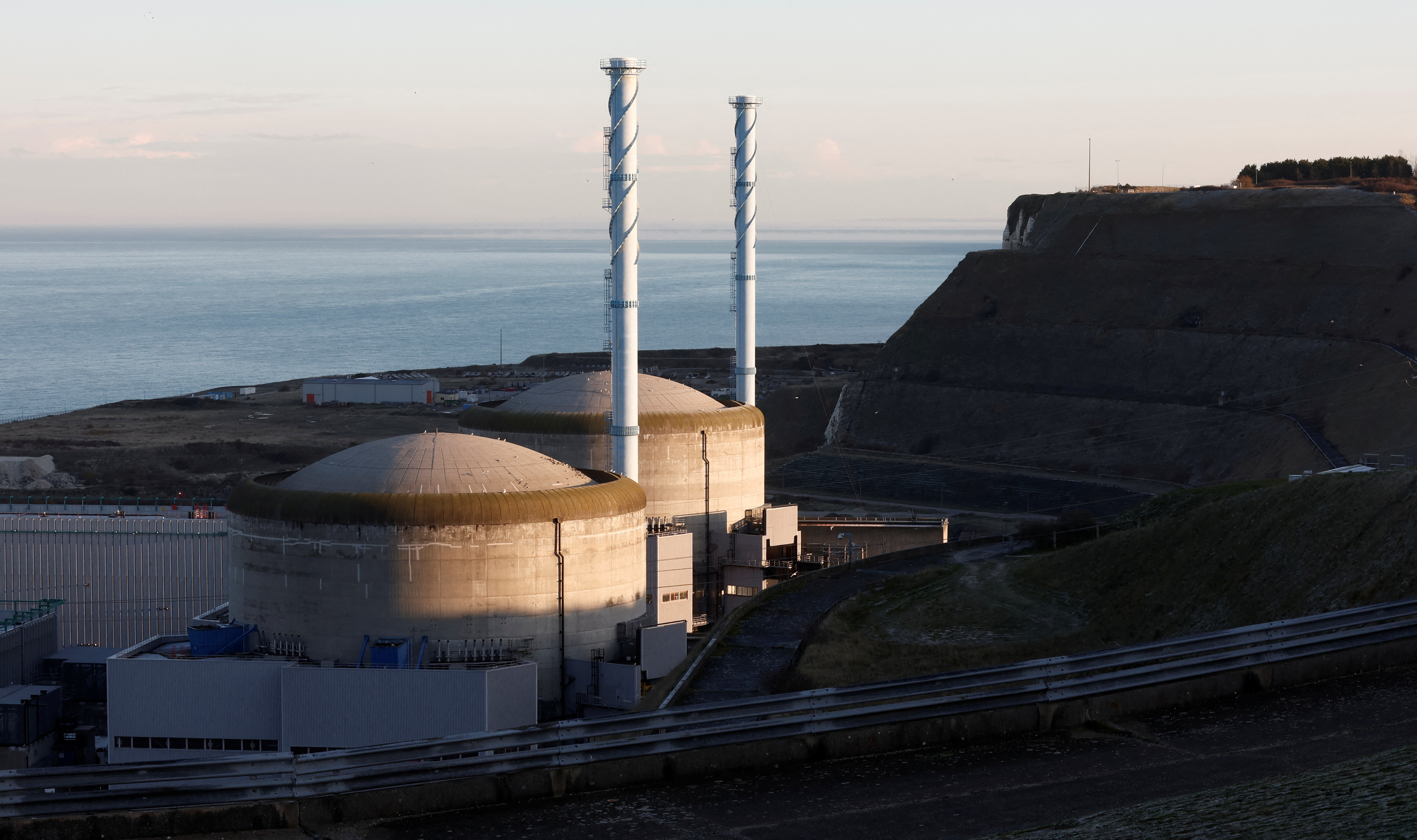

 CVD
CVD 