28-12-2025 – Hảo Linh – Trang Bùi
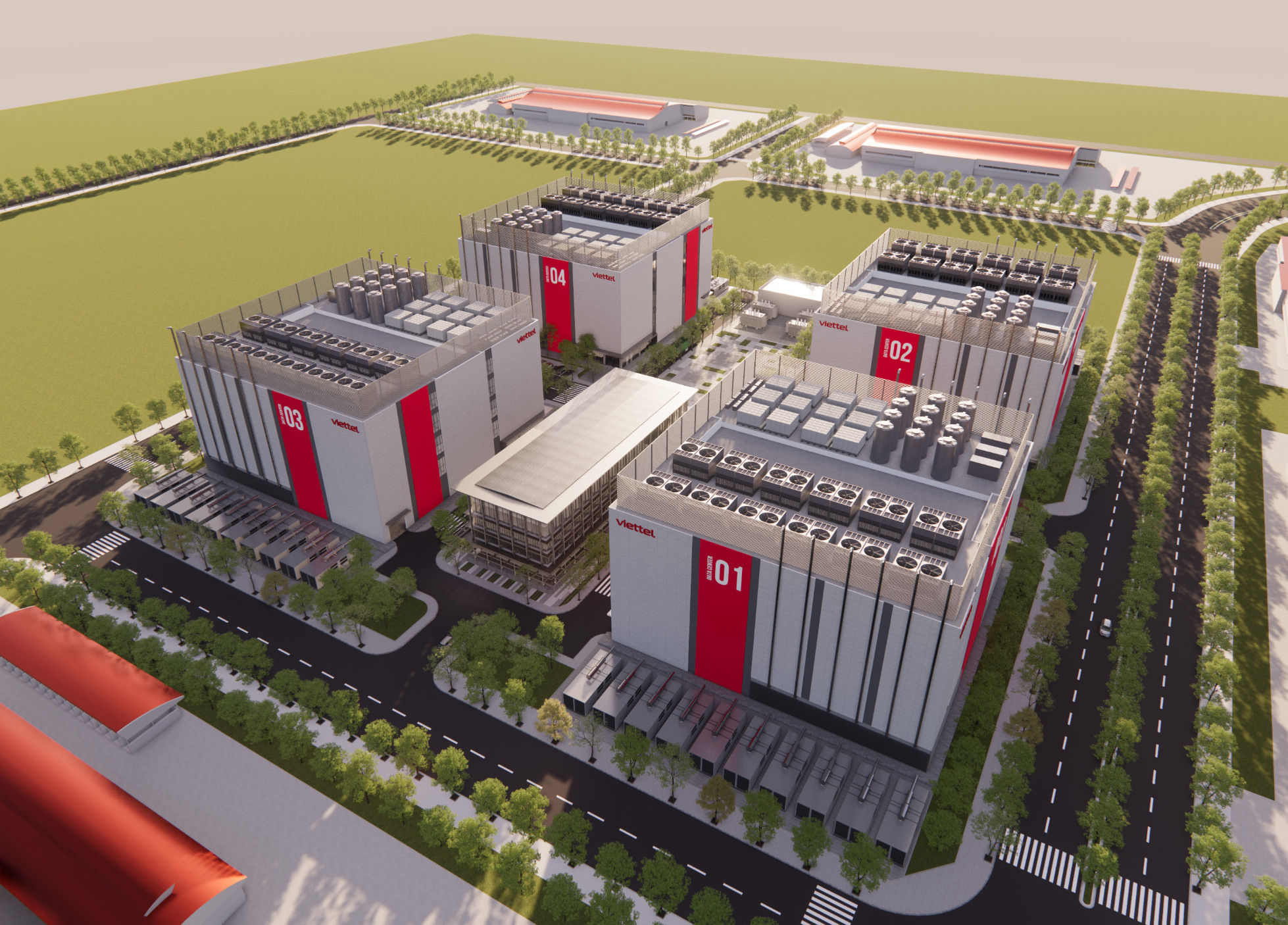
Tiasang – Việt Nam là một “miền đất hứa” trong mắt các nhà đầu tư để đặt trung tâm dữ liệu, nhưng chúng ta chưa sẵn sàng cả về tài nguyên và pháp lí để họ đổ bộ.
Conversations on Vietnam Development

28-12-2025 – Hảo Linh – Trang Bùi
Tiasang – Việt Nam là một “miền đất hứa” trong mắt các nhà đầu tư để đặt trung tâm dữ liệu, nhưng chúng ta chưa sẵn sàng cả về tài nguyên và pháp lí để họ đổ bộ.
fulcrm.sg Published 19 Nov 2025 Le Hong Hiep
In Vietnam, an impasse over feed-in-tariffs for renewable energy producers threatens foreign investors’ confidence in government policies

Afestering legal crisis is threatening to derail Vietnam’s energy development plans. 173 solar and wind projects, representing about US$13 billion in investments, are stuck in limbo due to ongoing disputes regarding their feed-in-tariffs (FITs) – the guaranteed payments that the government would pay for their contribution to the power grid. This situation raises concerns about Vietnam’s business environment and the consistency of its economic policy. If Vietnam does not resolve these disputes promptly, the country could face significant legal, financial, and reputational repercussions.
Between 2018 and 2021, Vietnam experienced a significant boom in renewable energy, primarily fuelled by the government’s commitment to offer attractive 20-year FITs to investors for projects that began commercial operations before designated deadlines. However, in 2023, an investigation by the Government Inspectorate found that many of these projects had not obtained their Construction Completion Acceptance (CCA) certificates before their Commercial Operation Date (COD). Following the inspection, the Ministry of Industry and Trade issued a new circular, effective June 2023, stipulating that renewable energy projects must obtain a CCA certificate before being recognised for COD. This effectively disqualified the affected projects from receiving the original FIT rates.
Tiếp tục đọc “Time for Vietnam to Resolve Its Renewable Energy Legal Quagmire”
vietnamnet.vn Nguyễn Phước ThắngTrường Đại học Hòa Bình
Hãy hình dung giả định phòng điều khiển của một nhà máy thủy điện với không khí căng như dây đàn. Mực nước trong hồ đang nhích dần lên từng centimet. Bên ngoài, mưa vẫn xối xả. Trên bàn điều khiển là văn bản chỉ đạo của Ban chỉ huy phòng chống thiên tai: “Vận hành xả lũ với lưu lượng từ 0 đến 5.000 m³/s”.
Đây chính là lúc tư duy “đánh đu” xuất hiện. Với chủ đầu tư, nước trong hồ là tiền. Mỗi mét khối nước xả qua đập tràn thay vì chạy qua tuabin là một khoản doanh thu bị dòng nước cuốn trôi vĩnh viễn. Nếu xả sớm để đón lũ theo kịch bản an toàn nhất, nhưng sau đó mưa dừng và lũ không về, nhà máy sẽ đối mặt với rủi ro kép: mất nước để phát điện cho mùa khô năm sau và tuabin bị mài mòn nhanh chóng do phải vận hành ở cột nước thấp.
Vì tiếc rẻ “vàng trắng” và vì mệnh lệnh hành chính cho phép một biên độ quá rộng (từ 0 đến 5.000), người vận hành thường chọn cách “câu giờ”. Họ xả cầm chừng, “nhỏ giọt” 200-300 m³/s vào buổi sáng với hy vọng cơn mưa sẽ ngớt. Đó là một ván cược với thiên nhiên.
Tiếp tục đọc “Lũ dữ ở miền Trung và bài học thủy điện xả nước cứu dân được ‘trả tiền’”

(Dân trí) – Từng được kỳ vọng là trụ cột năng lượng xanh, điện gió và mặt trời nay đối mặt không ít nút thắt. Giá điện sau nhiều năm vẫn chưa thống nhất, hàng loạt doanh nghiệp gặp khó về tài chính.
Cách đây gần một thập kỷ, nhắc đến Thuận Nam, Ninh Hải, Bác Ái, Thuận Bắc (Ninh Thuận cũ, nay là Khánh Hòa) hay Tuy Phong, Bắc Bình (Bình Thuận cũ, nay là Lâm Đồng) là nhắc đến những vùng đất khô hạn quanh năm, nơi đồng cỏ cháy vàng dưới cái nắng gay gắt, mặt đất lổn nhổn đá sỏi.
“Chó ăn đá, gà ăn sỏi” là câu nói được người địa phương ví với vùng đất khắc nghiệt mà họ vẫn bám trụ qua bao thế hệ. Nông nghiệp bấp bênh, sinh kế chủ yếu của người dân dựa vào chăn cừu, thả dê.
Rồi một ngày, từng đoàn xe tải hạng nặng nối đuôi nhau về vùng cát trắng, dựng trụ, lắp pin, kéo dây. Chỉ sau vài tháng, những cánh đồng nắng cháy ở Ninh Thuận, Bình Thuận cũ lần lượt được phủ kín bởi hàng triệu tấm pin mặt trời và những trụ tuabin gió trắng muốt.
Khó ai có thể hình dung rằng những vùng đất từng bị xem là “không thể canh tác” ấy lại trở thành điểm đến của hàng loạt nhà đầu tư năng lượng lớn bậc nhất cả nước. Nắng và gió từng là thách thức nay trở thành lợi thế, giúp hai địa phương này đóng góp hàng tỷ kWh điện sạch mỗi năm cho hệ thống điện quốc gia.
Tiếp tục đọc “Điện sạch hậu cơn sốt: Hàng nghìn tỷ đồng kẹt giữa rào cản chính sách?”BY ISABELLA O’MALLEY, JENNIFER MCDERMOTT AND ALEXA ST. JOHN Updated 9:50 PM GMT+7, December 27, 2023 AP
Led by new solar power, the world added renewable energy at breakneck speed in 2023, a trend that if amplified will help Earth turn away from fossil fuels and prevent severe warming and its effects.
Clean energy is often now the least expensive, explaining some of the growth. Nations also adopted policies that support renewables, some citing energy security concerns, according to the International Energy Agency. These factors countered high interest rates and persistent challenges in getting materials and components in many places.
The IEA projected that more than 440 gigawatts of renewable energy would be added in 2023, more than the entire installed power capacity of Germany and Spain together.
Here’s a look at the year in solar, wind and batteries.
Tiếp tục đọc “The year in clean energy: Wind, solar and batteries grow despite economic challenges”ANTG – Thứ Năm, 02/11/2023, 09:59
Thủ tướng Đức Olaf Scholz thăm Nigeria và Ghana trong khi Tổng thống Đức Frank-Walter Steinmeier cũng tới Tanzania và Zambia tuần này. Những chuyến công du cấp tập cho thấy tầm quan trọng ngày càng tăng của châu Phi – một khu vực mà trước đây Berlin ít quan tâm.
Khơi dòng năng lượng mới
Thủ tướng Đức Olaf Scholz đã đến Nigeria vào Chủ nhật (29/10). Đây là chuyến thăm đầu tiên của nhà lãnh đạo nước Đức tới Nigeria kể từ khi quốc gia Tây Phi này thành lập chính phủ mới dưới thời Tổng thống Bola Tinubu.

Thủ tướng Đức Olaf Scholz thăm Nigeria từ ngày 29 đến 31/10. Ảnh: DW
Tiếp tục đọc “Nước Đức và tiếng gọi ở Phi châu”Can Anyone Challenge China’s Near Monopoly On Metals Powering Our Tech? – Part 1/3 | Power Scramble
CNA Insider – 3-11, 2023
We want the newest gadgets, the most advanced electric vehicles, and a fully electrified future, but behind all of that is a class of critical metals: rare earths. These are the only metals in the world, to date, that can be used to create powerful and portable magnets, essential to everything from EVs to wind turbines. So why the worry? For decades, China has maintained an iron grip on the entire supply chain for rare earths. Today, demand is skyrocketing for rare earths, because the world is racing to electrify just about every part of our lives. Kartik Kuna is the first outsider to gain filming access to a particular magnet factory in Dongguan, China – one of many Chinese factories that are producing a huge majority of the world’s rare earth magnets. Just why is it so hard to outcompete China in this space? Kartik also witnesses for himself a startling statistic – China is building up offshore wind power capacity at breakneck pace… all of which requires rare earths. Tiếp tục đọc “Power scramble – 3 parts”
Offshore wind will be critical to achieve the world’s decarbonization and sustainable development goals. Although the cost of offshore wind has dropped dramatically over the past decade, there will be an initial cost premium when developing offshore wind in emerging markets due to a variety of risks and constraints in establishing a new market. Concessional climate finance could help countries overcome this initial cost barrier to help reduce costs for future projects and lay the foundation for the development of successful offshore wind markets.
This report from World Bank’s Energy Sector Management Assistance Program (ESMAP) and International Finance Corporation (IFC), finds that concessional climate financing is essential to unlock offshore wind in emerging markets and estimates that US$15 billion in concessional climate financing, consisting of both grants and loans, could catalyze offshore wind deployment across ten emerging market countries.
Full report https://www.esmap.org/concessional-finance-for-offshore-wind?deliveryName=DM195051
Climate Change News | 4 August 2023
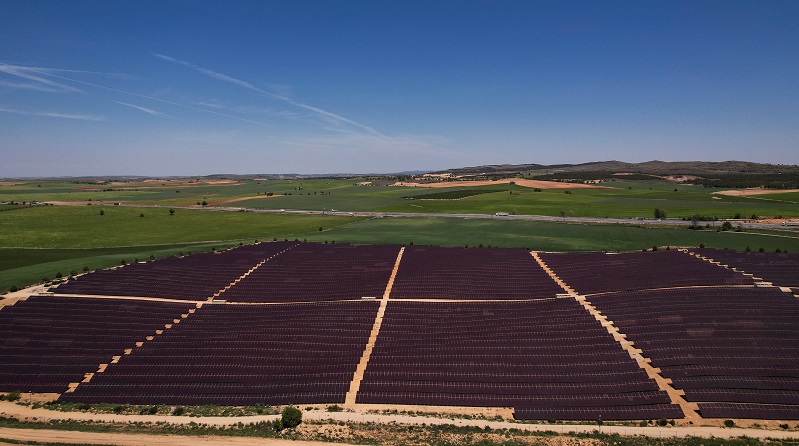
A Spanish solar plant in 2022 (REUTERS/Guillermo Martínez)
London’s High Court has ruled that two investors in Spanish solar energy plants are entitled to seize a Spanish property in London to enforce a judgment in a long-running dispute over renewable energy incentives.
The court’s interim charging order – meaning it is not yet final and can be objected to by the debtor – was issued on Wednesday but made public on Friday.
->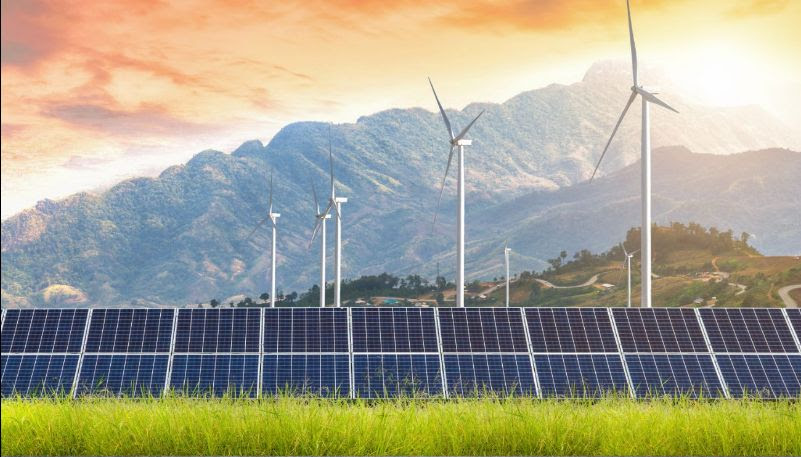 Abu Dhabi, United Arab Emirates, 29 August 2023 – The fossil fuel price crisis has accelerated the competitiveness of renewable power. Around 86 per cent (187 gigawatts) of all the newly commissioned renewable capacity in 2022 had lower costs than fossil fuel-fired electricity.
Renewable Power Generation Costs in 2022, published by the International Renewable Energy Agency (IRENA) today shows that the renewable power added in 2022 reduced the fuel bill of the electricity sector worldwide. New capacity added since 2000 reduced the electricity sector fuel bill in 2022 by at least USD 520 billion. In non-OECD countries, just the saving over the lifetime of new capacity additions in 2022 will reduce costs by up to USD 580 billion.
Tiếp tục đọc “Renewables Competitiveness Accelerates, Despite Cost Inflation”TPO – Theo phương án được Bộ Công Thương xây dựng trình Thủ tướng, các doanh nghiệp sử dụng điện lớn sẽ có thể mua, bán điện trực tiếp với đơn vị phát điện từ năng lượng tái tạo thông qua đường dây riêng, không do Tập đoàn Điện lực Việt Nam (EVN) quản lý.
Bộ Công Thương cho biết, đã hoàn tất xây dựng cơ chế mua bán điện trực tiếp để trình Thủ tướng Chính phủ xem xét. Theo đó, Bộ Công Thương đề xuất hai trường hợp mua bán điện trực tiếp giữa đơn vị phát điện tái tạo với khách hàng sử dụng điện lớn thuộc nhóm sản xuất.
Phương án 1, doanh nghiệp có thể mua bán điện trực tiếp thông qua đường dây riêng do tư nhân đầu tư (không phải mua bán điện thông qua EVN).
https://imasdk.googleapis.com/js/core/bridge3.583.1_en.html#goog_584761853
close
Tiếp tục đọc “Đề xuất mua bán điện trực tiếp, không cần qua EVN”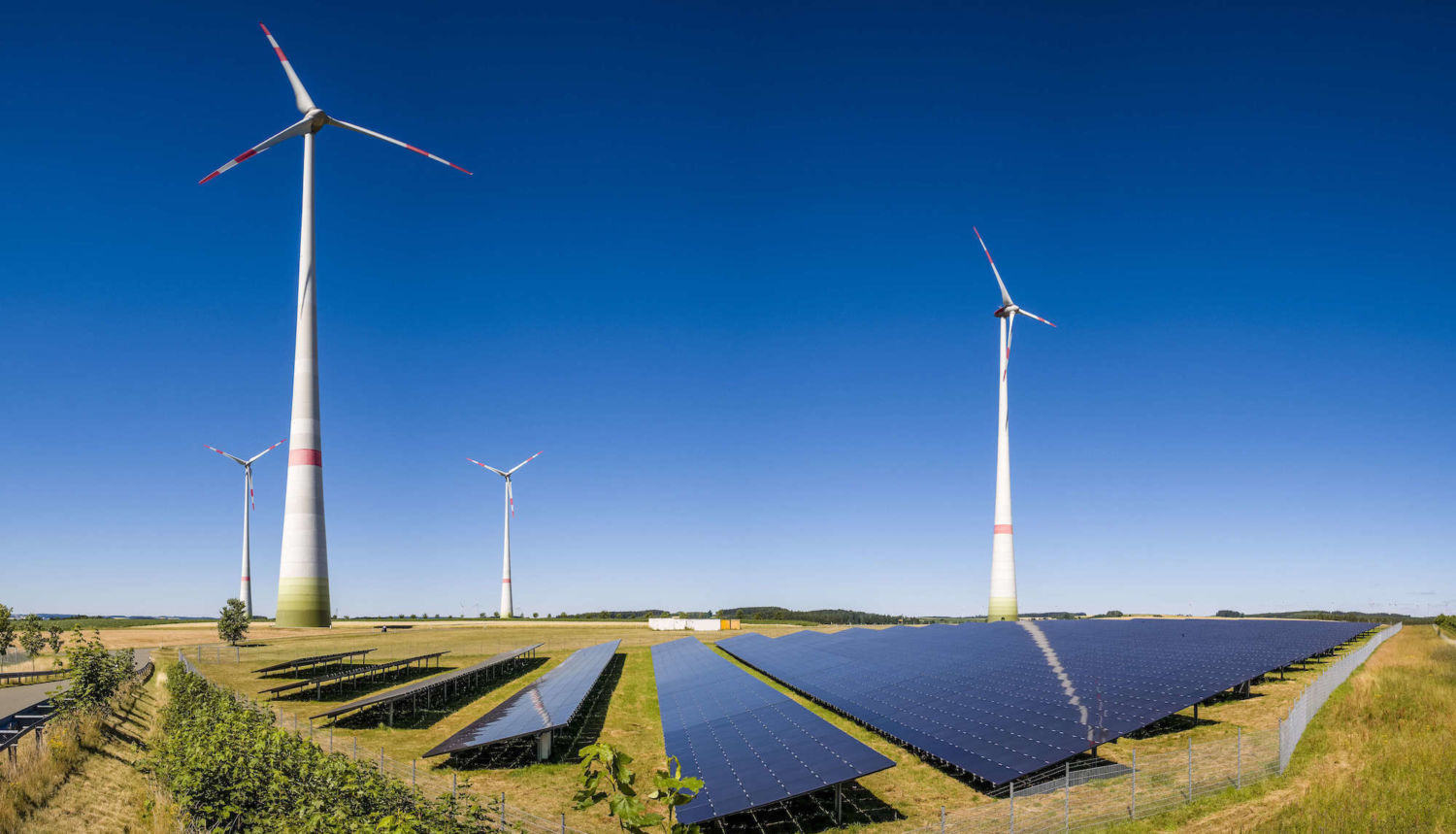
Renewable energy skeptics argue that because of their variability, wind and solar cannot be the foundation of a dependable electricity grid. But the expansion of renewables and new methods of energy management and storage can lead to a grid that is reliable and clean.
BY AMORY B. LOVINS AND M. V. RAMANA • DECEMBER 9, 2023
As wind and solar power have become dramatically cheaper, and their share of electricity generation grows, skeptics of these technologies are propagating several myths about renewable energy and the electrical grid. The myths boil down to this: Relying on renewable sources of energy will make the electricity supply undependable.
Tiếp tục đọc “Three Myths About Renewable Energy and the Grid, Debunked”By Vuong Thi Hao Linh 3 July 2023 at 10:53
The 1% of Vietnamese households without electricity rely on decentralized, micro renewable systems for power supply. Are such innovations sustainable?
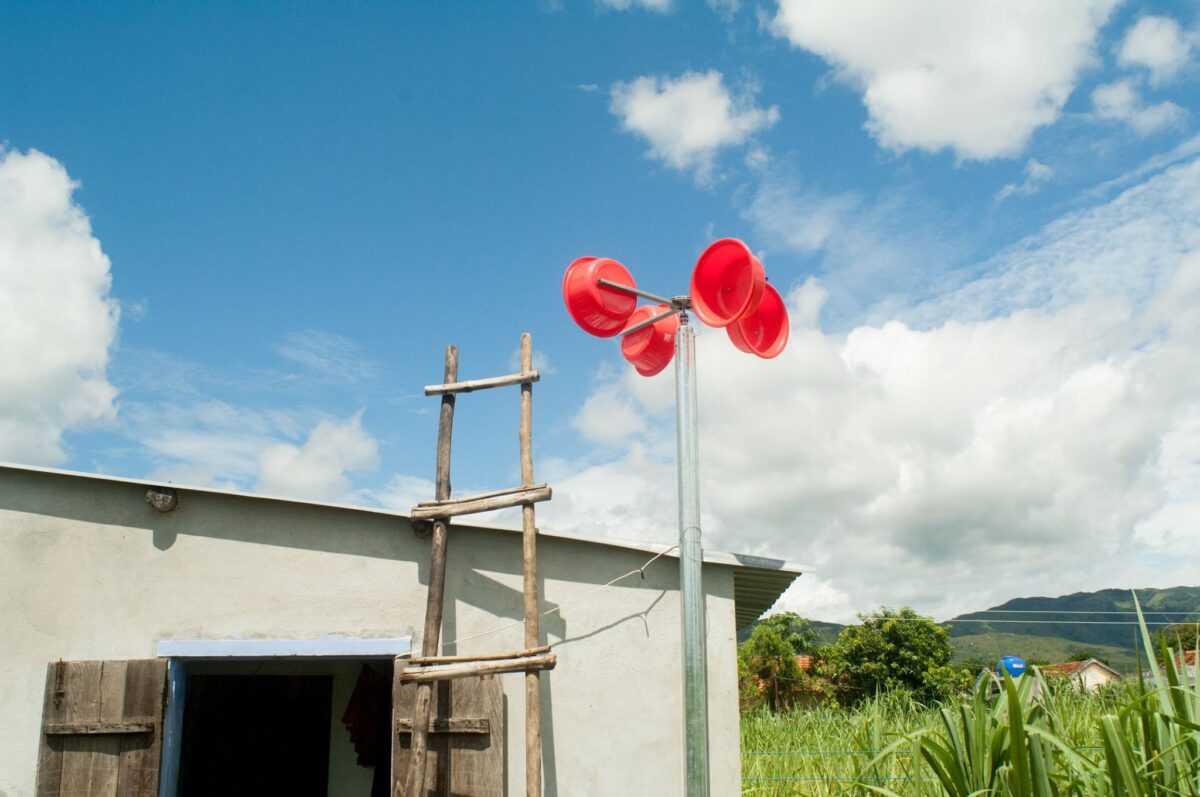
A mini wind turbine set up in the countryside of Vietnam. PHOTO: 1516 energy
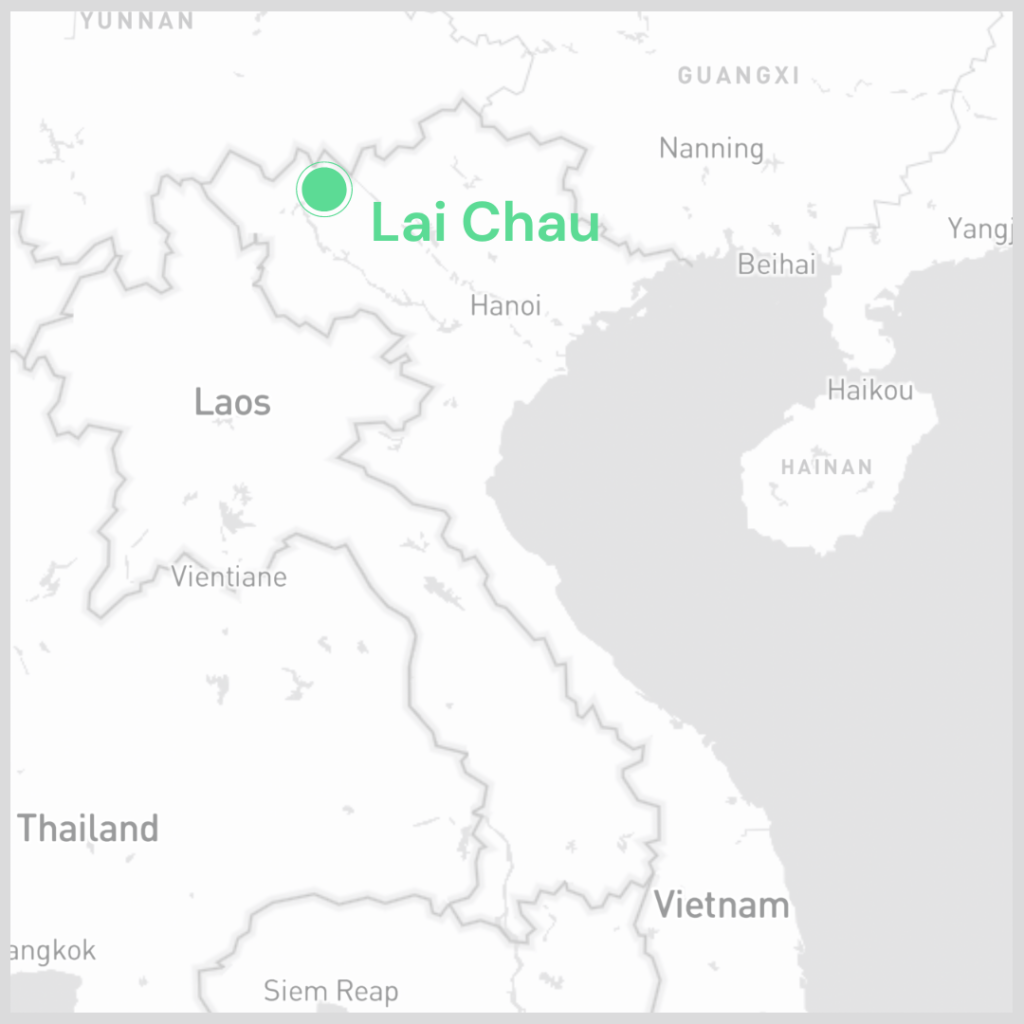
LAI CHAU, VIETNAM – In November 2019, teachers and students at the Pa U elementary boarding school in Muong Te district in Vietnam’s Lai Chau province had electricity for the first time.
The power came from a rudimentary micro wind turbine system, which was sold and delivered to the school by a local startup named 1516 and assembled by the teachers.
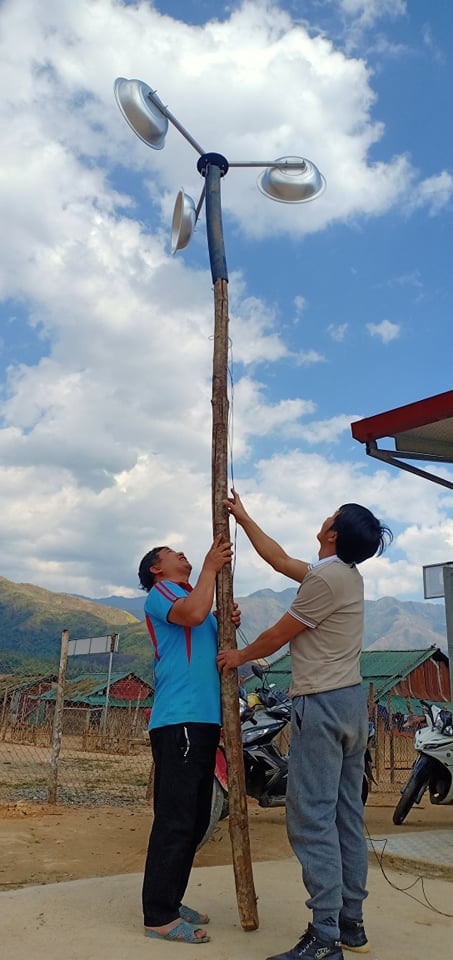
The setup was simple: aluminum tubs affixed to a sturdy wooden rod, linked to a sun box that contains a charge controller, a solar battery and an inverter to generate electricity.
“The children were so excited to see those turbines in action,” recalled teacher Bui Thi Minh Khuyen. Despite a limited output that can only sustain the school’s energy needs until 10pm, the new power supply has made a vast difference.
Previously, the school only had light bulbs powered by cheap solar panels imported from China. Fans, radios, TVs, phones and laptops were luxuries the school could not power.
Tiếp tục đọc “In Vietnam, IKEA-style wind turbines are powering off-grid communities”
Alongside the GEAPP, the bank will support projects in India, Indonesia, Vietnam, Pakistan, and Bangladesh
14 April 2023 Other News[Image: Peter Franken/Unsplash] Renews.biz
European Commission launches green industrial plan1 FEBRUARY 2023NZ investor sets up Singapore clean power arm10 SEPTEMBER 2021Asia Pacific renewables ‘cheaper than coal by 2030’26 NOVEMBER 2020Macquarie unveils 20GW clean power push25 SEPTEMBER 2019Swiss fund eyes green Asia11 JULY 2017
The Asian Development Bank (ADB) and the Global Energy Alliance for People and Planet (GEAPP) have launched a new capital fund to accelerate clean energy access and transitions in countries across South and Southeast Asia including India, Indonesia, Vietnam, Pakistan, and Bangladesh.
GEAPP will provide an initial US$35m of catalytic capital towards the fund, which will be established and administered by ADB.
With this partnership ADB and GEAPP aim to address the challenges of climate change and energy access and transition in Asia and beyond.
Tiếp tục đọc “ABD launches South, Southeast Asia clean transition fund”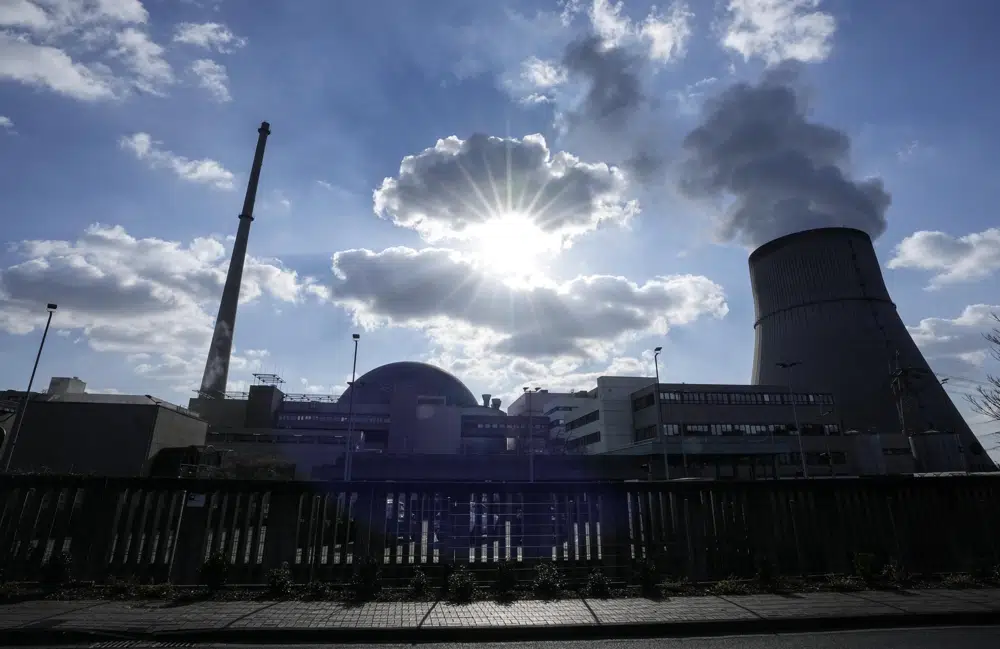
FILE – Water vapor rises from the RWE nuclear power plant Emsland in Lingen, western Germany, March 18, 2022. Germany is shutting down this nuclear power plant and two others on Saturday, April, 2023, as part of an energy transition agreed by successive governments. (AP Photo/Martin Meissner, File)
LINGEN, Germany (AP) — For 35 years, the Emsland nuclear power plant in northwestern Germany has reliably provided millions of homes with electricity and many with well-paid jobs in what was once an agricultural backwater.
Now, it and the country’s two other remaining nuclear plants are being shut down. Germany long ago decided to phase out both fossil fuels and nuclear power over concerns that neither is a sustainable source of energy.
Tiếp tục đọc “Germany bids farewell to its last nuclear plants, eyes hydrogen future” CVD
CVD 