Không có hồ sơ tham gia, Thanh Hóa tiếp tục gia hạn gói thầu siêu dự án 57.000 tỷ

vneconomy.vn Nguyễn Thuấn

Không có nhà đầu tư nào nộp hồ sơ dự thầu cho Dự án Nhà máy Nhiệt điện LNG Nghi Sơn tính đến thời điểm đóng thầu ngày 19/6/2025, Ban Quản lý Khu kinh tế Nghi Sơn và các Khu công nghiệp tỉnh Thanh Hóa đã quyết định gia hạn thời gian lựa chọn nhà đầu tư theo quy định mới của Chính phủ.

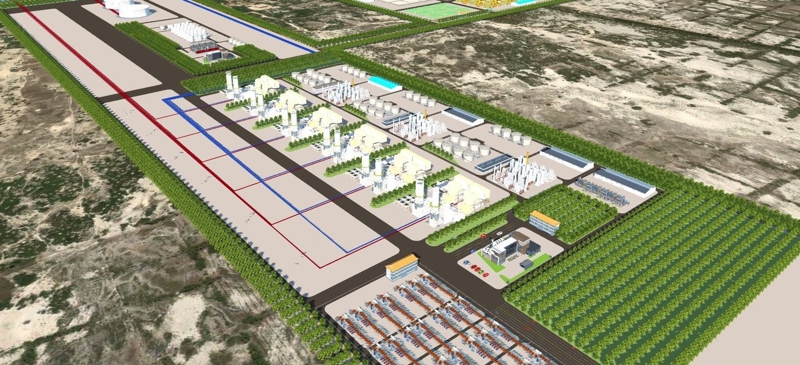
Ảnh minh hoạ
Ảnh minh hoạ

Theo ông Nguyễn Anh Tuấn, Phó Trưởng ban Quản lý Khu kinh tế Nghi Sơn và các khu công nghiệp tỉnh Thanh Hóa, thời điểm đóng thầu lựa chọn nhà đầu tư Dự án Nhà máy Nhiệt điện LNG Nghi Sơn là ngày 19/6/2025 nhưng không có nhà đầu tư nào nộp hồ sơ dự thầu. Ngay sau đó, bên mời thầu đã thực hiện gia hạn thời điểm đóng/mở thầu theo đúng quy định tại Nghị định số 115/2024/NĐ-CP của Chính phủ.

Tiếp tục đọc “Không có hồ sơ tham gia, Thanh Hóa tiếp tục gia hạn gói thầu siêu dự án 57.000 tỷ”

China confirms natural gas find in South China Sea

South China Morning Post – 9-8-2024

China announced the discovery of a major natural gas field in the South China Sea on August 7, 2024. Named Lingshui 36-1, the site is said to be the world’s first “ultra-shallow gas field in ultra-deep waters”. Located southeast of China’s southern island of Hainan, the field lies around 1,500 metres below the sea surface. Its discovery is expected to boost energy security for China, the world’s-largest natural gas importer. But developing oil and gas resources in the South China Sea could raise tensions among rival claimants to parts of the disputed waters.

Nga, trừng phạt và mâu thuẫn giữa hai bờ Đại Tây Dương

ANTG – Thứ Hai, 05/02/2024, 08:27

Châu Âu chìm trong khủng hoảng năng lượng. Các công ty châu Âu đang dần chuyển hướng sang Mỹ. Người Mỹ thì lợi dụng điều này để bán khí thiên nhiên hóa lỏng (LNG) cho châu Âu với giá cao.

Không còn lựa chọn nào khác, châu Âu đang bắt đầu xây dựng các bến cảng lớn để tiếp nhận hàng từ Mỹ. Thế nhưng, sau đó, Mỹ tuyên bố đình chỉ các dự án LNG và sẽ không cung cấp cho châu Âu trong những năm tới.

Tổng thống Mỹ Joe Biden ngày 26/1 công bố lệnh tạm dừng xây dựng các kho cảng xuất khẩu LNG mới. Theo dữ liệu do tổ chức quốc tế Cedigaz công bố, trong năm 2023, Mỹ là nước xuất khẩu LNG hàng đầu thế giới. Theo Nhà Trắng, khoảng một nửa lượng xuất khẩu LNG vào năm 2023 được xuất khẩu sang châu Âu, do lục địa này đã chấm dứt việc nhập khẩu khí đốt của Nga kể từ khi nổ ra cuộc xung đột tại Ukraine.

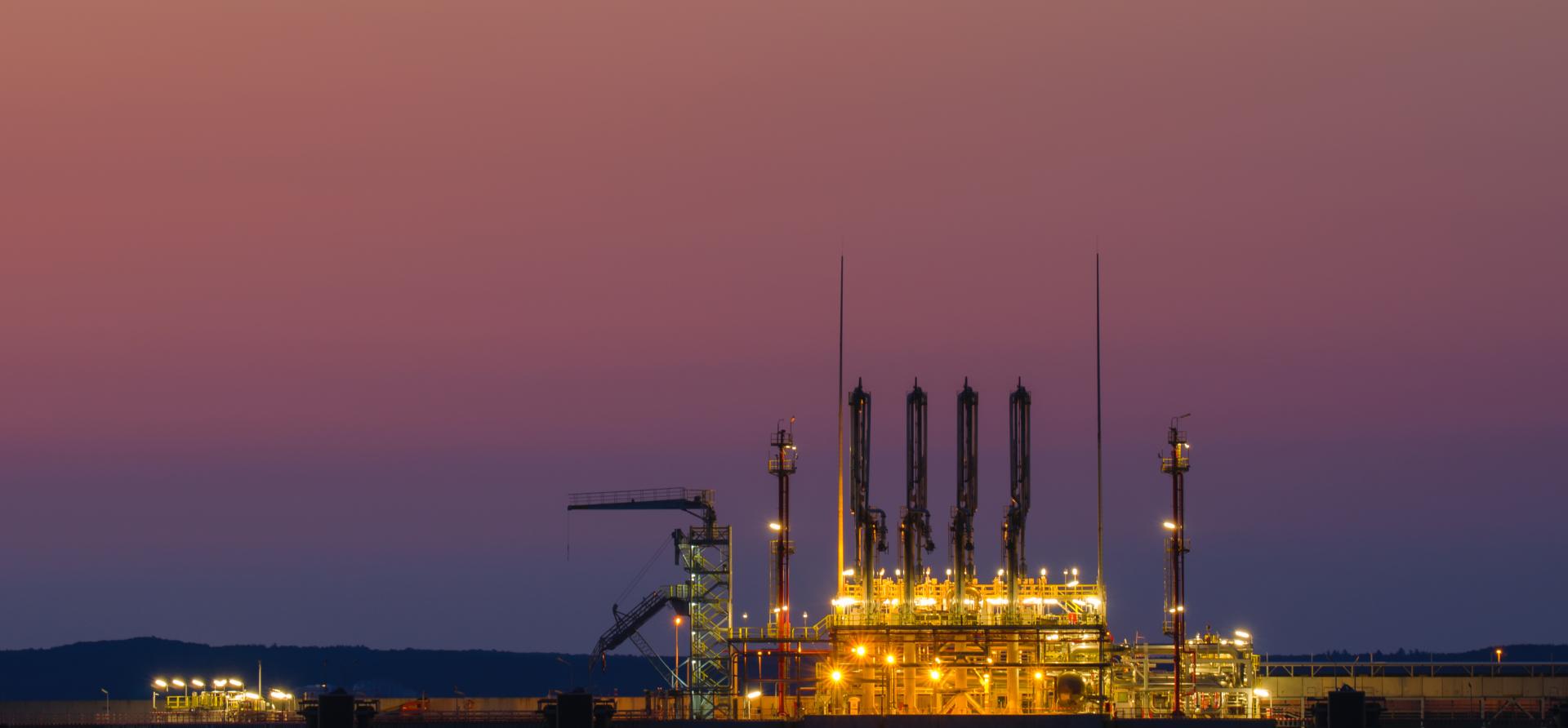
Một cảng xuất khẩu khí thiên nhiên hóa lỏng ở Mỹ.

Tiếp tục đọc “Nga, trừng phạt và mâu thuẫn giữa hai bờ Đại Tây Dương”

Rủi ro địa chính trị cho thị trường khí đốt ở châu Âu

Nguyễn Phán – 10:00 18/11/2023

(KTSG) – “Rủi ro đáng lo ngại nhất khi nó không rõ ràng và không đáng lo khi nó quá rõ ràng”

James Grant

Từ nhiều năm nay, dầu được coi là loại tài sản mang tính kinh tế vĩ mô và quan trọng từ góc nhìn địa chính trị. Nó thường bị ảnh hưởng bởi chiến tranh, chính sách tiền tệ và sức khỏe của nền kinh tế. Khí đốt thì thường bị ảnh hưởng nhiều bởi những biến động trong một khu vực nhất định vì vận chuyển khí đốt thường phức tạp hơn là vận chuyển dầu. Nhưng với chuỗi cung ứng hiện tại, khí đốt cũng bắt đầu bị ảnh hưởng bởi các sự kiện toàn cầu.

Tiếp tục đọc “Rủi ro địa chính trị cho thị trường khí đốt ở châu Âu”

Cambodia scraps coal power project to build gas-fired plant, import LNG

reuters.com By Sudarshan Varadhan

November 29, 202312:52 PM GMT+7Updated 5 days ago

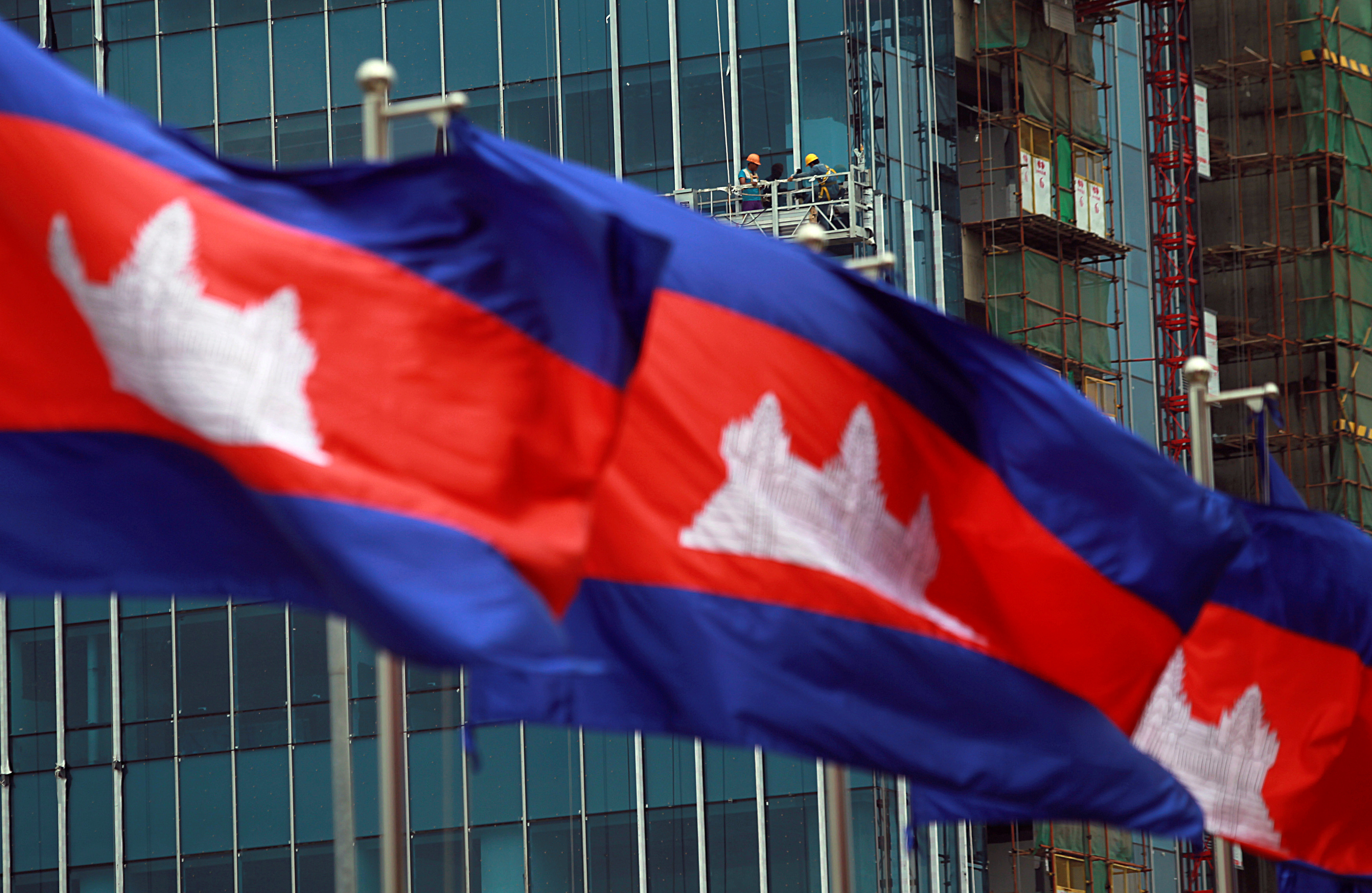
Cambodia's national flags are seen as labourers work at a construction site in Phnom Penh

SINGAPORE, Nov 29 (Reuters) – Cambodia has abandoned plans to build a $1.5 billion 700 megawatt (MW) coal-fired power project in a protected reserve along the southwestern coast and will build an 800 MW natural-gas fired plant instead, its energy minister told Reuters.

As part of the project, Cambodia is exploring construction of a liquefied natural gas (LNG) terminal to import the super-chilled fuel and re-gasify it for use in the power plant, Energy Minister Keo Rottanak told Reuters.

The planned LNG terminal, likely to be a fixed land-based facility, would be Cambodia’s first and would make it a new import market in Southeast Asia. Vietnam and the Philippines took their first shipments this year.

“The Cambodian Prime Minister Hun Manet will announce on Nov. 30 the cancellation of the 700 MW coal power plant project in Koh Kong and the plan to replace it with an 800 MW LNG to be commissioned after 2030,” Rottanak told Reuters.

Tiếp tục đọc “Cambodia scraps coal power project to build gas-fired plant, import LNG”

Infrastructure, planning and market keys to develop LNG power

VNN – November 23, 2023 – 07:46

HÀ NỘI — Infrastructure, planning and a market mechanism were among key issues that must be addressed in order to develop a market for liquefied natural gas (LNG) in Việt Nam, heard participants at a conference on LNG on Wednesday in Hà Nội.

Thị Vải Terminal, an LNG storage facility in the southern province of Bà Rịa-Vũng Tàu. — VNA/VNS Photo

Deputy head of the Electricity and Renewable Energy Department under the Ministry of Industry and Trade (MoIT) Bùi Quốc Hùng said the importation of LNG must follow international trade standards and regulations while Việt Nam is still lacking in many key areas including design, construction, and operation of infrastructure for LNG imports. 

Tiếp tục đọc “Infrastructure, planning and market keys to develop LNG power”

Phát triển bền vững thị trường điện khí: Điện khí LNG chờ khung giá

SGGP 22/11/2023 06:02 (GMT+7)

Mặc dù điện khí LNG nằm trong chiến lược quốc gia nhưng khó khăn lớn nhất hiện nay là chưa có khung giá cho điện LNG, nên các bên khó đàm phán ký kết hợp đồng tiêu thụ, dẫn đến nguy cơ chậm tiến độ.

Nguy cơ khó thực hiện mục tiêu

Những năm gần đây, nhu cầu sử dụng khí LNG trên thế giới tăng nhanh – với tốc độ 6,3% mỗi năm, đồng thời sản lượng LNG trên thế giới cũng đã tăng từ 340 triệu tấn năm 2017 lên 453 triệu tấn vào năm 2022. Tại Việt Nam, theo Quy hoạch Phát triển điện lực quốc gia đến năm 2030, tầm nhìn đến 2045 (Quy hoạch điện VIII) thì đến năm 2030, nguồn nhiệt điện khí sẽ chiếm tới 24,8% tổng công suất toàn hệ thống phát điện – chiếm tỷ trọng lớn nhất trong cơ cấu nguồn điện (trong khi nhiệt điện than, thủy điện, điện gió trên bờ và ngoài khơi lần lượt chỉ còn chiếm tỷ trọng là 20%, 19,5% và 18,5%).

Kho cảng Thị Vải chứa khí LNG. Ảnh: PV GAS

Tiếp tục đọc “Phát triển bền vững thị trường điện khí: Điện khí LNG chờ khung giá”

Fragile Equilibrium: LNG Trade Dynamics and Market Risks

A report by the International Energy Forum and SynMax

Download the Full Report

In just over half a century, the liquefied natural gas (LNG) industry has radically transformed from its nascent stages into a globally traded energy source. LNG trade has quadrupled over the past two decades and is poised to double again in the next 20 years.

While LNG trade is becoming more liquid and inclusive, it remains disproportionately concentrated in production and consumption. Three countries – Japan, China, and South Korea – accounted for half of the world’s total LNG imports in 2022. Meanwhile, another three – Qatar, Australia, and the United States – commanded a staggering 65% of global exports. Despite this stark concentration, the sector is interdependent, and supply disruptions in one corner of the globe can send shockwaves across the entire market.

Tiếp tục đọc “Fragile Equilibrium: LNG Trade Dynamics and Market Risks”

Draft natural gas rules in the Philippines ignore high costs and economic consequences

IEEFA.org September 04, 2023 Sam Reynolds

Key Findings

The Philippines spent nearly US$90 million on its first two shipments of liquefied natural gas (LNG). The price tag for just two cargoes should be a warning sign for the exorbitant LNG import bills to come. 


The Department of Energy’s draft circular aiming to make the country “a major player” in Asia “through the development and operation of LNG facilities” could increase the country’s dependence on one of the most expensive fuels available. 

Tiếp tục đọc “Draft natural gas rules in the Philippines ignore high costs and economic consequences”

Vietnam’s big bet on LNG may not ease its power crisis

Reuters.com

By Francesco GuarascioEmily Chow and Khanh Vu July 17, 2023

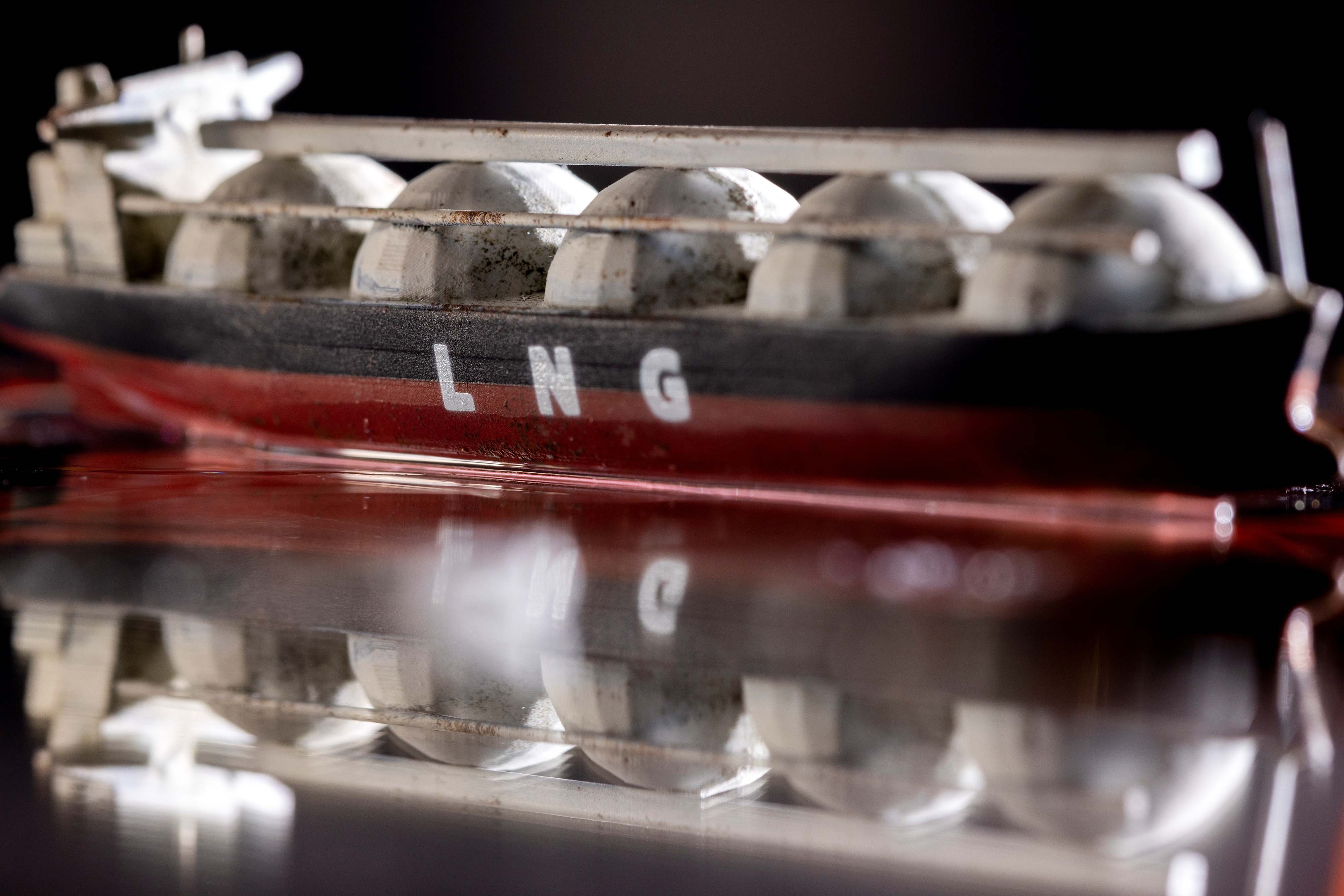
Illustration shows a model of LNG tanker

Model of LNG tanker is seen in this illustration taken May 19, 2022. REUTERS/Dado Ruvic/Illustration/File Photo

  • Electricity-hungry Vietnam looks to become LNG importer
  • First plant fuelled from imported gas unlikely pre-2026
  • Investors, Hanoi at odds over volumes, price of power sales
  • Bold plans exposed to volatile LNG prices as demand grows

HANOI, July 17 (Reuters) – Vietnam received its first shipment of liquefied natural gas this month, a milestone for the energy-hungry country, but various hurdles mean it could take years for imported gas to ease the country’s long-running power shortages.

Disagreement over pricing, plant construction delays and lack of supply contracts are dogging the Southeast Asian manufacturing hub’s adoption of LNG, hampering its ambitions to make imported gas a major fuel, industry insiders say.

Vietnam’s urgent need to boost electricity supply, laid bare by recent rolling blackouts, has raised concerns among foreign investors about whether Vietnam can remain a reliable option to diversify manufacturing away from China.

Half the businesses in a June poll by the European Chamber of Commerce in Vietnam said the power crisis had hurt investment plans. Some were considering alternatives or pausing spending on factories.

Reuters Graphics

Reuters Graphics

Tiếp tục đọc “Vietnam’s big bet on LNG may not ease its power crisis”

Is Australia quietly quitting the LNG business?

oxfordenergy.org

One of the major investors in Australian LNG, INPEX, has recently suggested that the country is quietly quitting the LNG business. This is in the context of increasing government regulation, including the possibility of gas intended for LNG projects being diverted into the domestic market. The federal government has responded by reassuring major buyers that Australia will continue to be a reliable LNG supplier.

However, there are a number of fundamental challenges for the government in living up to its promise. First, Australian gas reserves are not being replaced, with some important legacy gas fields reaching the end of their lives. This includes both LNG and domestic gas fields. This leads to the possibility that shortfalls in the domestic market will have to be met by diversions from LNG projects that also face gas supply challenges. Second, the LNG projects are significant CO2 emitters and many Australian gas fields, including those with the potential to backfill LNG, contain significant volumes of CO2. The new federal government has adopted more ambitious emissions reduction targets. Third, coal-fired generation is being closed faster than it can be replaced with renewables, increasing demand for gas in key periods such as winter and pushing up gas prices.

Tiếp tục đọc “Is Australia quietly quitting the LNG business?”

Turmoil in global LNG markets is curbing long-term demand growth

February 15, 2023, IEEFA


Key Takeaways:

Russia’s invasion of Ukraine upended global LNG markets last year—spurring Europe to buy record amounts of LNG, and pushing prices to their highest level ever

In Asia, LNG has earned a reputation as an expensive and unreliable fuel source, clouding future demand

The EU is taking aggressive steps to trim gas consumption, which could render new LNG import capacity unneeded

Although LNG markets may remain tight for several years, the global LNG market will see a wave of new projects coming online in 2025-27—potentially leading to a supply-demand mismatch and financial risks for LNG suppliers and traders

_________

Tiếp tục đọc “Turmoil in global LNG markets is curbing long-term demand growth”

Nước Đức và nỗi lo năng lượng: Thu qua đông tới, cho lòng hiu quạnh

JULIAN HUESMANN 17/10/2022 09:21 GMT+7

TTCT Trong bối cảnh xung đột giữa các nước châu Âu và Nga, giá năng lượng ở Đức đã tăng vọt đến mức khiến đại đa số người Đức băn khoăn trước tình hình sinh hoạt trong mùa đông sắp tới.

Nước Đức và nỗi lo năng lượng: Thu qua đông tới, cho lòng hiu quạnh - Ảnh 1.

Ảnh: Morning Consult

“Chúng ta lại vô địch thế giới”, một tay phóng viên giễu cợt trên truyền hình Đức, nhưng lần này không phải là chức vô địch World Cup hay số xe hơi bán ra. “Năng lượng của chúng ta có giá cao nhất thế giới”. 

Tôi đã biết trước giá năng lượng ở Đức sẽ tăng cao, kể cả trước khi chiến tranh ở Ukraine nổ ra, nhưng “vô địch thế giới” thì quả là bất ngờ. Tượng trưng cho cuộc khủng hoảng hiện tại, mới đây tòa nhà Reichstag – trụ sở của chính quyền liên bang Đức – đã tắt đèn tối thui “làm gương” trong chuyện tiết kiệm năng lượng.

Suốt mấy thập niên qua, Đức hưởng lợi từ khí đốt giá rẻ của Nga thời Tổng thống Vladimir Putin. Còn năm nay, ngay cả trước khi hai đường ống cung cấp khí đốt chính là Dòng phương Bắc 1 và 2 gặp sự cố, Đức đã không nhận khí đốt từ Nga nữa, mà thay vào đó là từ các nước đồng minh như Hà Lan và Na Uy.

Trước cuộc chiến, Đức phụ thuộc nguồn cung từ Nga cho hơn 50% nhu cầu năng lượng (khí đốt và than đốt), nên cuộc khủng hoảng hiện giờ là dễ hiểu. Đây thậm chí được coi là mối đe dọa chưa từng thấy với cả nền kinh tế và sự giàu có của nước Đức kể từ Thế chiến II. 

Giới lãnh đạo kinh tế và chính trị trong nước đột ngột nhận ra họ đã tham gia một cuộc chơi nguy hiểm và giờ đang phải trả giá đắt, theo đúng nghĩa đen.

Tiếp tục đọc “Nước Đức và nỗi lo năng lượng: Thu qua đông tới, cho lòng hiu quạnh”

‘We were all wrong’: how Germany got hooked on Russian energy – podcast

LUBMIN, GERMANY - NOVEMBER 08:  (From L to R, first row) French Prime Minister Francois Fillon, German Chancellor Angela Merkel, Dutch Prime Minister Mark Rutte, Russian President Dmitry Medvedev and European Union Energy Commissioner Guenther Oettinger turn a wheel to symbolically start the flow of gas through the Nord Stream Baltic Sea gas pipeline at a cemerony on November 8, 2011 in Lubmin, Germany.
 Photograph: Sean Gallup/Getty Images

the guardian – Mon 20 Jun 2022 

Germany has been forced to admit it was a terrible mistake to become so dependent on Russian oil and gas. So why did it happen?

Written by Patrick Wintour, read by Andrew McGregor and produced by Tony Onuchukwu. Executive producers: Max Sanderson and Isabelle Roughol

Tiếp tục đọc “‘We were all wrong’: how Germany got hooked on Russian energy – podcast”

EXCLUSIVE China looks to lock in U.S. LNG as energy crunch raises concerns

A liquified natural gas (LNG) tanker leaves the dock after discharge at PetroChina's receiving terminal in Dalian, Liaoning province, China July 16, 2018.  REUTERS/Chen Aizhu//File Photo

Reuters

A liquified natural gas (LNG) tanker leaves the dock after discharge at PetroChina’s receiving terminal in Dalian, Liaoning province, China July 16, 2018. REUTERS/Chen Aizhu//File Photo

SINGAPORE/NEW YORK, Oct 15 (Reuters) – Major Chinese energy companies are in advanced talks with U.S. exporters to secure long-term liquefied natural gas (LNG)supplies, as soaring gas prices and domestic power shortages heighten concerns about the country’s fuel security, several sources said.

Tiếp tục đọc “EXCLUSIVE China looks to lock in U.S. LNG as energy crunch raises concerns”