How Wolves Change Rivers

25 years after returning to Yellowstone, wolves have helped stabilize the ecosystem

New research shows that by reducing populations and thinning out weak and sick animals, wolves have a role in creating resilient elk herds.

National Geographic

a half eaten carcass and six wolves behind it

Wolves and black-billed magpies scavenge at a dump where carcasses are stored in Yellowstone National Park.

PUBLISHED JULY 10, 2020

LARAMIE, WYOMINGTwenty-five years after gray wolves returned to Yellowstone National Park, the predators that some feared would wipe out elk have instead proved to be more of a stabilizing force. New research shows that by reducing populations and thinning out weak and sick animals, wolves are helping create more resilient elk herds.

Tiếp tục đọc “How Wolves Change Rivers”

Trees alone will not save the world

economist.com

But better markets and better monitoring will let them do more

An image showing a trio of three-dimensional trees made out of an image of a leaf against a bark background.
image: ben denzer

“Everything you see, as far as the eye can see, belongs to us,” says David Beleznay. “Us” is Mosaic, a forest-management company that looks after the upkeep and logging of much of Vancouver Island; Mr Beleznay is its director of climate and watersheds. “As far as the eye can see” takes in a long, deep valley whose forested flanks rise to the rocky top of Mount Arrowsmith. Towering evergreens—Douglas fir, cedar, hemlock—drape the island from its central peaks to the water’s rocky edge.

This drapery is, though, a bit patchy in places. Directly behind Mr Beleznay’s parked pickup are some “polygons”, as the industry calls them, where the trees have been clear-cut, leaving behind jumbled soil, stumps and woody debris; tiny saplings poke through it higgledy-piggledy. Mosaic has an eye to water quality in forest streams, to maintaining biodiversity, to being a partner to the island’s first nations. But the forest it manages is also the basis of a timber business.

Tiếp tục đọc “Trees alone will not save the world”

Đa dạng sinh học và bảo tồn Rừng U Minh

Vườn quốc gia U Minh Thượng, U Minh Hạ là hai vườn quốc gia quan trọng với hệ sinh thái đất ngập nước của đồng bằng sông Mê Kong. Mặc dù có diện tích rất nhỏ so với các vườn quốc gia khác, hai vườn này là ngôi nhà cho rất nhiều loài động vật hoang dã quan trọng của Việt Nam và thế giới như tê tê, rái cá, mèo rừng, nai, các loài chim nước, rùa, rắn, cá. Những năm gần đây, SVW đang triển khai một chuỗi các hoạt động bảo tồn tại 2 Vườn quốc gia U Minh Thượng và U Minh Hạ nhằm bảo vệ, phục hồi và phát triển các loài động vật hoang dã tại đây. Các hoạt động bao gồm: – Thúc đẩy thực thi pháp luật, chống buôn bán động vật hoang dã trái phép. – Thúc đẩy tuần tra bảo vệ rừng. – Nghiên cứu và giám sát đa dạng sinh học. – Giáo dục nâng cao nhận thức và thay đổi hành vi nhằm giảm nhu cầu sử dụng động vật hoang dã.

World Bee Day 20 May – We all depend on the survival of bees

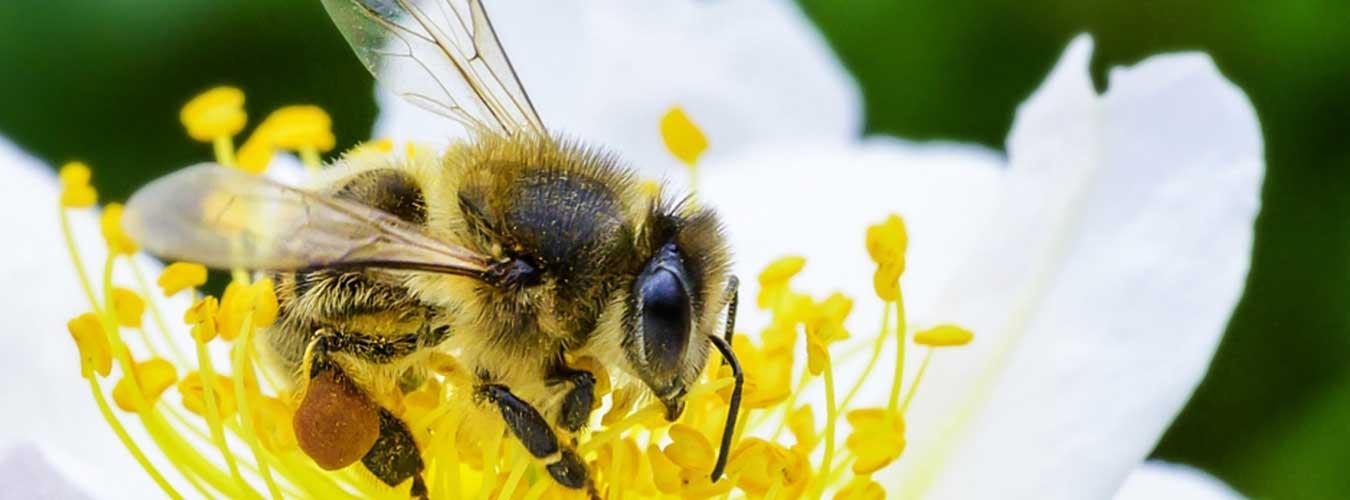
A bee drinks nectar of a flower

Three out of four crops across the globe producing fruits, or seeds for use as human food depend, at least in part, on bees and other pollinators. PHOTO:Photo FAO/Greg Beals

UN.org

Bees and other pollinators, such as butterflies, bats and hummingbirds, are increasingly under threat from human activities.

Pollination is, however, a fundamental process for the survival of our ecosystems. Nearly 90% of the world’s wild flowering plant species depend, entirely, or at least in part, on animal pollination, along with more than 75% of the world’s food crops and 35% of global agricultural land. Not only do pollinators contribute directly to food security, but they are key to conserving biodiversity.

To raise awareness of the importance of pollinators, the threats they face and their contribution to sustainable development, the UN designated 20 May as World Bee Day.

The goal is to strengthen measures aimed at protecting bees and other pollinators, which would significantly contribute to solving problems related to the global food supply and eliminate hunger in developing countries.

We all depend on pollinators and it is, therefore, crucial to monitor their decline and halt the loss of biodiversity.

Bee engaged: Celebrating the diversity of bees and beekeeping  systems

20 May 2022, 13:00–14:45 CEST
Agenda Register | Webcast

Tiếp tục đọc “World Bee Day 20 May – We all depend on the survival of bees”

Muôn kiểu phá rừng – Bài 2: Cổ thụ về xuôi, rừng chảy máu

SGGP 

Vài năm trở lại đây, ở nước ta rộ lên thú chơi cây cảnh cổ thụ được khai thác từ rừng. Ban đầu, đây chỉ là trào lưu nhỏ lẻ của một bộ phận người đam mê cây cảnh, nhưng dần dần nó đã lan rộng trở thành “cơn lốc” triệt hạ, cưỡng bức cây rừng ở khu vực Tây Nguyên – Nam Trung bộ.
Tin liên quan

Những cuộc đào bới, triệt hạ cây rừng bắt đầu từ nương rẫy, dần tấn công cả vào rừng phòng hộ. Rừng bị tàn sát khiến lũ lụt gia tăng. Trong khi đó, các cơ quan chức năng lại kêu khó vì pháp luật còn nhiều kẽ hở.
Tiếp tục đọc “Muôn kiểu phá rừng – Bài 2: Cổ thụ về xuôi, rừng chảy máu”

Vietnam approves $9 billion development within mangrove reserve

A vital mangrove forest hidden in Vietnam’s largest city could be at risk

10 Big Changes for Forests Over the Last Decade

globalforestwatch.org

The last decade was pivotal for the world’s forests. The 2010s saw the rise of unprecedented new commitments — from governments and the private sector alike — to bring deforestation to heel. The UN REDD+ framework, the New York Declaration on Forests and the Sustainable Development Goals set out ambitious targets to conserve and restore millions of hectares of forests.

But as this decade ends and a new one begins, it is also clear the world has fallen short on achieving its forest goals. While the impacts of climate change are being felt around the world, forests — an invaluable climate mitigation tool — are still being lost at high rates. Leaders in key countries are back-tracking on forest protection. Tiếp tục đọc “10 Big Changes for Forests Over the Last Decade”

Đồng Nai: 61 cây cổ thụ trong khu bảo tồn bị ‘chặt nhầm’

Dọn phát dây leo, ‘chặt nhầm’ sang cây cổ thụ

vnexpress.net

ĐỒNG NAI Thị sát khu vực 61 cây bị đốn, Phó chủ tịch UBND tỉnh Võ Văn Chánh cho biết Khu bảo tồn Thiên nhiên văn hoá tự chặt cây rừng là sai phạm.

Ông Võ Văn Chánh, Phó Chủ tịch UBND tỉnh Đồng Nai một mình thị sát khu rừng bị phá. Ảnh: Phước Tuấn

Ông Võ Văn Chánh – Phó chủ tịch tỉnh Đồng Nai tại khu rừng bị chặt phá. Ảnh: Phước Tuấn.

Ngày 28/12, ông Võ Văn Chánh dẫn đầu đoàn kiểm tra, thị sát khu rừng đồi 90 xã Phú Lý, huyện Vĩnh Cửu (thuộc diện quản lý của Khu bảo tồn Thiên nhiên văn hoá Đồng Nai). Gần một hecta rừng tự nhiên tại đây có 61 cây đường kính 14-60 cm vừa bị đốn hạ với hơn 12 m3 gỗ.

Cùng lực lượng chức năng mất khá nhiều thời gian xem xét quy mô rừng thiệt hại và số gỗ bị đốn hạ, ông Chánh cho rằng sai phạm đã quá rõ, còn vi phạm đến mức nào thì phải điều tra thêm. Sau khi cùng đoàn kiểm tra ra về, ông Chánh một mình quay lại khu rừng tìm hiểu, xác minh thêm. “Đồng Nai lâu nay bảo vệ và quản lý rừng rất chặt chẽ. Giờ xảy ra việc cây rừng bị đốn là rất đáng tiếc, phải xử lý nghiêm”, ông Chánh nói.

Tiếp tục đọc “Đồng Nai: 61 cây cổ thụ trong khu bảo tồn bị ‘chặt nhầm’”

Manage Deforestation Risk in Supply Chains

The world lost 12 million hectares of tropical forests in 2018, according to Global Forest Watch, and nearly 40 percent of deforestation is commodity-driven. Why is it so hard for companies to stop deforestation? Commodities like palm oil, cocoa, beef and soy may change hands dozens of times from the moment they’re harvested until they end up in candy bars, toothpaste or baby formula, making it nearly impossible to track deforestation in products. Today, it is finally possible for a company or bank of any size to analyze and manage deforestation risk using GFW Pro.

Solar farm is good for biodiversity

The issue of vast fields of solar panels restricting other types of land use is still a controversial one for the PV industry but, as the head of Germany’s Federal Association of New Energy Industry Robert Busch said: “Germany is not a plains country but for the climate and energy targets the federal government needs a lot more renewable energy, unless it is … all just lip service.” Tiếp tục đọc “Solar farm is good for biodiversity”

Kiến thức bản địa: Các nhà sinh thái học đang học được điều gì từ người bản địa

English:
Native Knowledge: What Ecologists Are Learning from Indigenous People

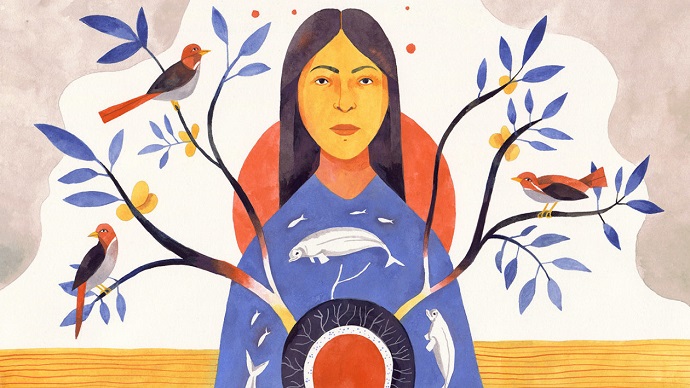
Minh họa – LUISA RIVERA/YALE E360

Từ Alaska tới Australia, các nhà khoa học đang quay sang hiểu kiến thức của người bản địa để hiểu hơn về thế giới tự nhiên. Những gì các nhầ khoa học đang học được giúp họ có những khám phá mới về mọi thứ, từ việc bang tan chảy ở Bắc Cực, cho tới bảo vệ nguồn cá biển, và kiểm soát động vật hoang dã. 


Trong khi đang phỏng vấn những người lớn tuổi sống tại Inuit, Alaska để tìm hiểu thêm kiến thức của họ về cá voi trắng beluga và cách các loài động vật phản ứng với những thay đổi ở Bắc Cực, nhà nghiên cứu Henry Huntington dường như đã mất mạch cuộc trò chuyện khi những người thợ săn vùng Alaska đột nhiên chuyển từ chủ đề cá voi trắng sang chuyện về hải ly.  Tiếp tục đọc “Kiến thức bản địa: Các nhà sinh thái học đang học được điều gì từ người bản địa”

Villages get rich but suffer environmental consequences

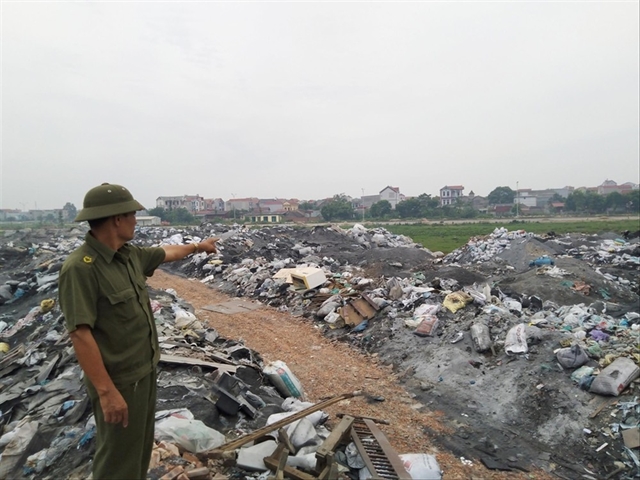
Coal and waste discharged without treatment in Mẫn Xá Village, Văn Môn Commune in Bắc Ninh Province. — Photo tienphong.vn

VNN July, 19/2019 – 09:00

HÀ NỘI — Villages across the country have benefited from the country’s economic development, however, many do not have measures in place to deal with environmental protection.

The village of Trát Cầu in Hà Nội, which produces blankets, bed sheets and pillows, is a typical example.

Nguyễn Quang Thà, chairman of the Trát Cầu Traditional Villages Association, told Tiền Phong (Vanguard) newspaper that over the past 20 years, more and more foreign enterprises have invested in the village.

Now about 30 enterprises from Japan and South Korea are working there.

“The Trát Cầu Village is like a big workshop which runs all day, every day,” said Thà. Tiếp tục đọc “Villages get rich but suffer environmental consequences”

China, EU, US trading with Brazilian firms fined for Amazon deforestation: report

What’s causing deforestation? New study reveals global drivers

MONGABAY

    • Recent advances in satellite-based forest monitoring technology have helped conservationists locate where deforestation may be happening. However, limitations in knowing the causes behind canopy loss have hindered efforts to stop it.
    • A new study released this week provides a step forward toward this goal, identifying the major drivers of tree cover loss around the world.
    • Overall, it finds 27 percent of all forest loss — 50,000 square kilometers per year — is caused by permanent commodity-driven deforestation. In other words, an area of forest a quarter of the size of India was felled to grow commodity crops over 15 years. The next-biggest driver of forest loss worldwide is forestry at 26 percent; wildfire and shifting agriculture amounting to 23 percent and 24 percent, respectively. The study finds less than 1 percent of global forest loss was attributable to urbanization.
    • The study’s authors found commodity-driven deforestation remained constant throughout their 15-year study period, which they say indicates corporate zero-deforestation agreements may not be working in many places. They hope their findings will help increase accountability and transparency in global supply chains.

Tiếp tục đọc “What’s causing deforestation? New study reveals global drivers”