by Charles Pekow on 2 February 2022
- After years of largely neglecting the buildup of plastic waste in Earth’s environment, the U.N. Environment Assembly will meet in February and March in the hopes of drafting the first international treaty controlling global plastics pollution.
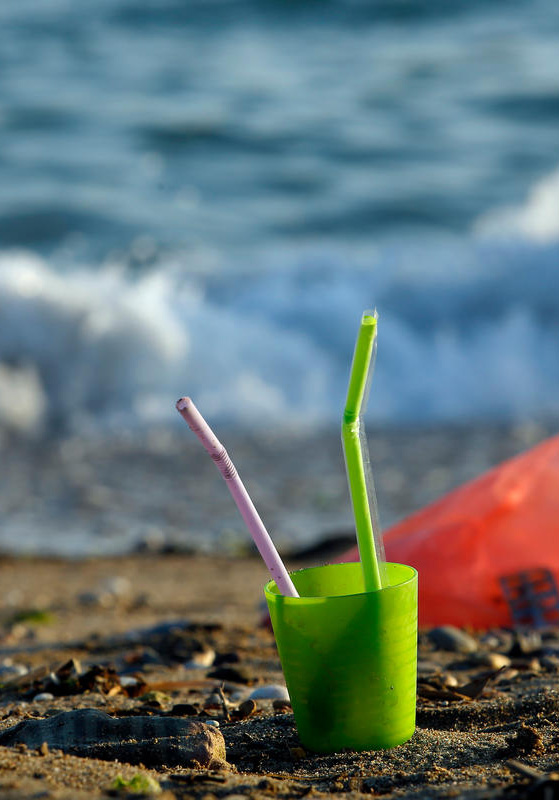
- Discarded plastic is currently killing marine life, threatening food security, contributing to climate change, damaging economies, and dissolving into microplastics that contaminate land, water, the atmosphere and even the human bloodstream.
- The U.N. parties will debate how comprehensive the treaty they write will be: Should it, for example, protect just the oceans or the whole planet? Should it focus mainly on reuse/recycling, or control plastics manufacture and every step of the supply chain and waste stream?
- The U.S. has changed its position from opposition to such a treaty under President Donald Trump, to support under President Joe Biden, but has yet to articulate exactly what it wants in an agreement. While environmental NGOs are pushing for a comprehensive treaty, plastics companies, who say they support regulation, likely will want to limit the treaty’s scope.
At the end of February, the United Nations Environment Assembly (UNEA) will tackle a challenging task: the creation of a landmark treaty to control plastic pollution worldwide. While most nations have agreed to participate, the scope and timing of such an agreement aren’t settled, with many countries, environmental NGOs, and the plastics industry expressing widely different ideas as to what should be included.
Tiếp tục đọc “As world drowns in plastic waste, U.N. to hammer out global treaty”









 CVD
CVD