Remote Sensing for Climate-Sensitive Infectious Diseases

NASA Earth Data

This ARSET training covers general approaches to apply satellite remote sensing data when studying or forecasting climate-sensitive infectious diseases.

Description

Climate-sensitive vector-borne diseases such as malaria impact millions of people each year, causing more than 700,000 deaths annually, according to the World Health Organization (WHO). Satellite remote sensing data can provide valuable insights for monitoring conditions which support disease vectors. In this training, participants will learn the basic principles of how satellite remote sensing data can be applied to track climate-sensitive vector-borne disease outbreaks and provide early warnings for potential outbreaks. Participants will learn about general approaches to apply satellite remote sensing data when studying or forecasting climate-sensitive infectious diseases. These will be illustrated with a case study example in the forecasting of malaria. Participants will also become familiar with some of the common, freely available NASA remote sensing datasets used in these applications, as well as where and how to access them and how to decide which datasets are fit for their purpose.

Part 1: How Remote Sensing Can be Used to Study Climate-Sensitive Infectious Diseases

  • Identify environmental variables and conditions that can be observed from space which are relevant to climate-sensitive infectious disease outbreaks.
  • Identify how satellite observations can improve the assessment and forecasting of climate-sensitive infectious disease outbreaks.
  • List the steps of a conceptual framework for incorporating remote sensing data into the study of climate-sensitive infectious diseases.
  • Recognize several remote sensing datasets commonly used to study and forecast climate sensitive infectious diseases, along with their key attributes such as resolution, coverage, latency, and uncertainty.
  • Select appropriate remote sensing datasets for studying climate-sensitive infectious diseases based on the disease characteristics, region of interest, and relevant environmental parameters.
  • Examine common benefits and challenges of using remote sensing data for studying climate-sensitive infectious diseases.

Host: Assaf Anyamba

Guest Instructors: Tatiana Loboda

Materials

Part 2: Case Study in the Use of Remote Sensing to Study Climate-Sensitive Infectious Diseases

  • Identify environmental variables and conditions relevant to malaria that can be observed from space.
  • Recognize why the remote sensing datasets used in this case study were chosen, based on their key attributes.
  • Recognize the steps taken for accessing and preparing remote sensing data for use in this case study.
  • Identify the steps used by the EPIDEMIA system for integrating remote sensing data.
  • Examine the benefits and challenges of using remote sensing data for tracking and forecasting malaria in Ethiopia, and how these were addressed through the case study.
  • Examine the primary outcomes of the case study and ways its approach might be expanded in the future.

Host: Assaf Anyamba

Guest Instructors: Michael Wimberly

Materials

What happens when you say “Hello” to ChatGPT?

The Hidden Behemoth Behind Every AI Answer

Billions of daily queries are reshaping energy and infrastructure

IEEE.org

Such a simple query might seem trivial, but making it possible across billions of sessions requires immense scale. While OpenAI reveals little information about its operations, we’ve used the scraps we do have to estimate the impact of ChatGPT—and of the generative AI industry in general.

This article is part of The Scale Issue.

OpenAI’s actions also provide hints. As part of the United States’ Stargate Project, OpenAI will collaborate with other AI titans to build the largest data centers yet. And AI companies expect to need dozens of “Stargate-class” data centers to meet user demand.

ChatGPT uses 8.5 Wh/day per user in 2025, equal to running a 10W LED bulb for 1 hour.

Estimates of ChatGPT’s per-query energy consumption vary wildly. We used the figure of 0.34 watt-hours that OpenAI’s Sam Altman stated in a blog post without supporting evidence. It’s worth noting that some researchers say the smartest models can consume over 20 Wh for a complex query. We derived the number of queries per day from OpenAI’s usage statistics below. illustrations: Optics Lab

ChatGPT uses 850 MWh daily, equaling 14,000 EV charges for 2.5 billion global queries.

OpenAI says ChatGPT has 700 million weekly users and serves more than 2.5 billion queries per day. If an average query uses 0.34 Wh, that’s 850 megawatt-hours; enough to charge thousands of electric vehicles every day.

ChatGPT's 912B queries yearly need 310 GWh, equal to powering 29,000 US homes.

2.5 billion queries per day adds up to nearly 1 trillion queries each year—and ChatGPT could easily exceed that in 2025 if its user base continues to grow. One year’s energy consumption is roughly equivalent to powering 29,000 U.S homes for a year, nearly as many as in Jonesboro, Ark.

AI queries need 15 TWh/year, equal to two nuclear reactors\u2019 output.

Though massive, ChatGPT is just a slice of generative AI. Many companies use OpenAI models through the API, and competitors like Google’s Gemini and Anthropic’s Claude are growing. A report from Schneider Electric Sustainability Research Institute puts the overall power draw at 15 terawatt-hours. Using the report’s per-query energy consumption figure of 2.9 Wh, we arrive at 5.1 trillion queries per year.

Generative AI queries projected to reach 120 trillion annually by 2030.

AI optimists expect the average queries per day to jump dramatically in the next five years. Based on a Schneider Electric estimate of overall energy use in 2030, the world could then see as many as 329 billion prompts per day—that’s about 38 queries per day per person alive on planet Earth. (That’s assuming a global population of 8.6 billion in 2030, which is the latest estimate from the United Nations.) As unrealistic as that may sound, it’s made plausible by plans to build AI agents that work independently and interact with other AI agents.

Diagram of 38 Stargate-class data centers with racks of GPUs and construction needed.

The Schneider Electric report estimates that all generative AI queries consume 15 TWh in 2025 and will use 347 TWh by 2030; that leaves 332 TWh of energy—and compute power—that will need to come online to support AI growth. That implies the construction of dozens of data centers along the lines of the Stargate Project, which plans to build the first ever 1-gigawatt facilities. Each of these facilities will theoretically consume 8.76 TWh per year—so 38 of these new campuses will account for the 332 TWh of new energy required.

Graphic: 347 TWh requires 44 nuclear reactors with icons of cooling towers.

While estimates for AI energy use in 2030 vary, most predict a dramatic jump in consumption. The gain in energy consumption will be driven mostly by AI inference (the power used when interacting with a model) instead of AI training. This number could be much lower or much higher than the Schneider Electric estimate used here, depending on the success of AI agents that can work together—and consume energy—independent of human input.

Công an nhận đơn trình báo về dự án tiền ảo AntEx

VNExpress
Chiều 6/10, trao đổi với báo giới, đại tá Nguyễn Đức Long, Phó giám đốc Công an Hà Nội, cho hay thời gian qua cơ quan chức năng đã tiếp nhận phản ánh qua cơ quan truyền thông, báo chí về “vụ việc đầu tư tiền ảo liên quan dự án blockchain AntEx” .

Đại tá Nguyễn Đức Long, Phó giám đốc Công an Hà Nội trong họp báo chiều 6/10. Ảnh: Phạm Dự
Đại tá Nguyễn Đức Long, Phó giám đốc Công an Hà Nội, trong cuộc họp báo chiều 6/10 tại Bộ Công an. Ảnh: Phạm Dự

Phòng An ninh mạng và phòng, chống tội phạm sử dụng công nghệ cao, Cục cảnh sát Hình sự, Cục Cảnh sát Điều tra, Công an Hà Nội đang xác minh thông tin. Bước đầu, một nhà đầu tư trú tỉnh Ninh Bình gửi đơn trình báo đã đầu tư 2.000 USD (tương đương 47 triệu đồng).

Đại tá Long khẳng định “tất cả phản ánh đều sẽ được tiếp nhận, xử lý với tinh thần không có ngoại lệ, không có vùng cấm”. Kết quả điều tra sẽ sớm được thông tin với báo chí trong thời gian sớm nhất.

Tiếp tục đọc “Công an nhận đơn trình báo về dự án tiền ảo AntEx”

Microsoft terminates services for Israeli military after investigation into mass surveillance of Palestinians

CNN

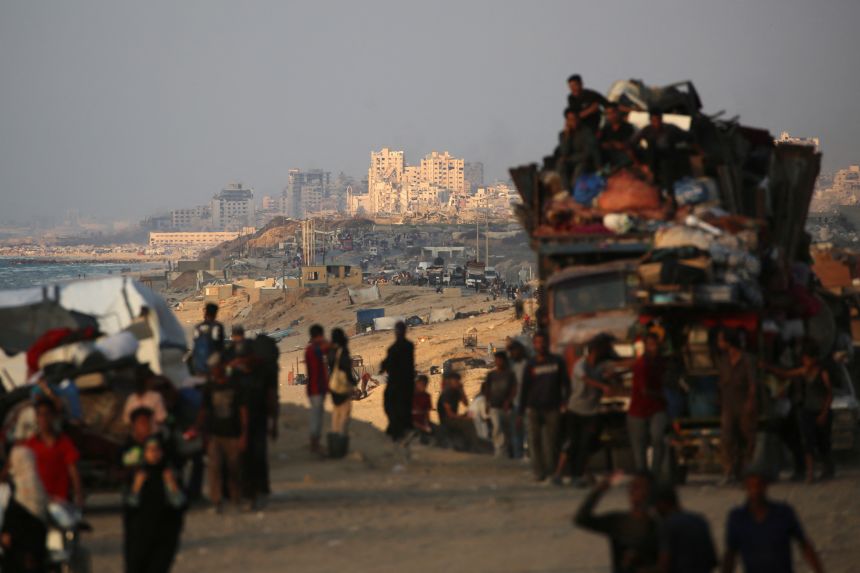
Displaced Palestinians move with their belongings southwards on a road in the Nuseirat refugee camp area in the central Gaza Strip.

Displaced Palestinians move with their belongings southwards on a road in the Nuseirat refugee camp area in the central Gaza Strip. Eyad Baba/AFP/Getty Images

Microsoft has terminated a set of services for the Israeli military after an investigation suggested Israel was using the company’s cloud computing technology for mass surveillance of Palestinians.

In a statement posted the company’s blog, Microsoft President Brad Smith said the company had “ceased and disabled a set of services to a unit within the Israel Ministry of Defense.” The move comes after an investigation by The Guardian and Israel’s +972 Magazine in early-August reported that Israel’s military intelligence unit, known as 8200, relied on Microsoft Azure to store millions of phone calls made by Palestinians in Gaza and the occupied West Bank.

Microsoft announced on August 15 that it had begun a review of the allegations. Smith said Microsoft does not provide technology “to facilitate mass surveillance of civilians,” a principle it has applied “in every country around the world.” The review, Smith said, focused on business records, financial statements, internal documents and other records without accessing the content of the stored material.

During the investigation, the company says it found evidence that supports elements of the investigation from the news outlets, including Israel’s “consumption of Azure storage capacity in the Netherlands and the use of AI services.” Microsoft informed Israel of the decision “to cease and disable specific [Israel Defense Ministry] subscriptions and their services, including their use of specific cloud storage and AI services and technologies.”

An Israeli security official said, “There is no damage to the operational capabilities of the IDF.”

Microsoft said the review was still ongoing.

Thí điểm thị trường tài sản mã hóa tại Việt Nam – câu hỏi thường gặp

BBW.VN

Việt Nam lần đầu bật đèn xanh cho việc thí điểm thị trường tài sản mã hóa. Dù còn cần thời gian để hoàn thiện chi tiết, khung pháp lý mới được kỳ vọng sẽ mở ra một sân chơi chính thống cho loại tài sản vốn lâu nay tồn tại trong vùng xám.

Hình ảnh: Angel Garcia/Bloomberg

Hình ảnh: Angel Garcia/Bloomberg

Tác giả: Giang Lê 23 tháng 09, 2025 lúc 2:00 PM

Có gì mới?

Sau khoảng một năm chuẩn bị, ngày 9.9.2025, nghị quyết 5/2025/NQ-CP bắt đầu có hiệu lực, đặt nền móng cho một thị trường giao dịch và phát hành tài sản mã hóa có kiểm soát. Đây là lần đầu tiên Việt Nam cho phép thử nghiệm chính thức loại tài sản này. Thời gian thử nghiệm dự kiến kéo dài 5 năm. 

Tài sản mã hóa là gì?

Hiểu đơn giản, theo nghị quyết, tài sản mã hóa là loại tài sản tồn tại dưới dạng dữ liệu số và được bảo đảm bằng công nghệ mã hóa. Người ta có thể tạo ra, lưu giữ, chuyển nhượng hay giao dịch chúng trên mạng. Nhưng lưu ý đó không phải chứng khoán, cũng không phải tiền do ngân hàng Nhà nước phát hành (tiền pháp định). Như vậy tài sản mã hóa không chỉ là tiền mã hóa như Bitcoin mà còn bao gồm cả các tài sản số như token, NFT…

Tiếp tục đọc “Thí điểm thị trường tài sản mã hóa tại Việt Nam – câu hỏi thường gặp”

Làn sóng biểu tình ở Indonesia: thực trạng, dự báo và vấn đề đặt ra đối với Việt Nam

Phạm Quang Hiền – 01/09/2025

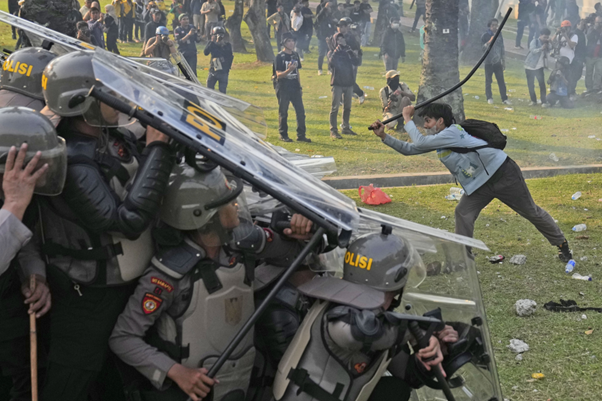
Cuối tháng 8/2025, Indonesia chứng kiến làn sóng biểu tình dữ dội bùng nổ sau sự việc của một tài xế xe công nghệ trong vụ va chạm với xe bọc thép cảnh sát. Từ một sự cố mang tính bộc phát, phong trào nhanh chóng lan rộng khắp các đô thị lớn, tập hợp hàng chục nghìn sinh viên, tài xế và các tầng lớp lao động trẻ xuống đường. Các cuộc đụng độ với cảnh sát đã khiến nhiều người thiệt mạng và hàng trăm người bị bắt giữ, làm dấy lên lo ngại về một cuộc khủng hoảng chính trị sâu sắc. Sự kiện này diễn ra trong bối cảnh Indonesia vừa giữ vai trò trung tâm của ASEAN vừa phải cân bằng giữa cạnh tranh Mỹ–Trung ở khu vực Ấn Độ Dương – Thái Bình Dương. Bởi vậy, sự kiện khủng hoảng này không chỉ đặt ra vấn đề nội bộ của riêng Indonesia mà còn gợi mở nhiều tín hiệu đáng lưu ý với các quốc gia lân cận trong đó có Việt Nam.

Tiếp tục đọc “Làn sóng biểu tình ở Indonesia: thực trạng, dự báo và vấn đề đặt ra đối với Việt Nam”

Việt Nam – Từ trung tâm tiền ảo đến Danh sách Đen của FATF

  • (PTH) – Chơi tiền ảo thì trái tim có trong sáng không?
  • (Báo TN) – Tổng Bí thư: Không để chậm chân, mất cơ hội với tiền kỹ thuật số
  • (Báo TN) – Thủ tướng: Phát triển đồng tiền số trong trung tâm tài chính quốc tế 
  • (TVPL) – FATF là gì? Danh sách xám của FATF có ý nghĩa như thế nào đến nền kinh tế?
  • (Báo VN+) – FATF đang xem xét đưa Việt Nam vào Danh sách Đen

***

Chơi tiền ảo thì trái tim có trong sáng không?

ĐCN, Phạm Thu Hương, 18-2-2024

Chào các bạn,

Tiền ảo là tiền không có thật, chỉ là những con số (1).

Tiền ảo giúp tội phạm chuyển tiền khắp thế giới để rửa tiền (2). Tháng 3-2023, Việt Nam có một tiến sĩ bị Cục Điều tra Liên bang Mỹ FBI truy nã vì rửa tiền Bitcoin 3 tỉ đô (3). Tháng 6-2023, Việt Nam bị đưa vào Danh sách Xám của Lực lượng Đặc nhiệm Tài chính về chống rửa tiền (FATF) (4). Nếu không nhanh chóng thoát ra Danh sách Xám thì dễ có nguy cơ bị đưa vào Danh sách Đen (5). Tiếp tục đọc “Việt Nam – Từ trung tâm tiền ảo đến Danh sách Đen của FATF”

Báo cáo tội phạm Crypto 2025 – The 2025 Crypto Crime Report

How crypto is scaling traditional crime types, like drug trafficking, money laundering, and fraud.

Download repport https://go.chainalysis.com/2025-Crypto-Crime-Report.html

Ransomware 

Darknet Markets 

Market Manipulation 

Scams 

Stolen Funds 

Extremism 

Organized Crime

Báo cáo tội phạm mạng hoạt động ở Đông Nam Á – Compound crime: Cyber scam operations in Southeast Asia

Repurposed hotels, casinos, and private compounds across Cambodia, Laos, Myanmar and the Philippines have become centres of global fraud. These compounds are operated by organized criminal networks that exploit hundreds of thousands of people, many of whom are trafficked and forced to perpetrate online scams. Victims include not only those defrauded online but also the scam workers themselves, subjected to threats, violence, sexual exploitation and extreme working conditions. 

The report details how cyber scams —including ‘pig-butchering’ romance-investment scams, crypto fraud, impersonation and sextortion— now generate tens of billions of dollars annually.  

Download report https://globalinitiative.net/analysis/compound-crime-cyber-scam-operations-in-southeast-asia/

Thống kê và xu hướng tội pham Crypto 2025 – Crypto Crime Report: 2025 Statistics & Trends

Crypto crime is escalating fast and shifting in form. In 2024 alone, $51 billion flowed into illicit wallets, with $40 billion laundered and over $2 billion stolen outright. Bitcoin is no longer king in the shadows; stablecoins now dominate criminal crypto flows. This report breaks down who’s losing money, how it’s being funneled, and why tracking these shifts is critical. The insights ahead reveal patterns that can help spot emerging threats and shape stronger policy.

How much cryptocurrency has been stolen in the world

How many Bitcoins have been stolen?
How much Ethereum was stolen?
How much Solana has been stolen?
The biggest crypto rug pulls
Cryptocurrency money laundering statistics
The biggest crypto scams in history
Insights & Implications:
Methodology:
References:

Download report https://coinledger.io/research/crypto-crime-report

Lừa đảo ngày càng tinh vi trên thị trường tài sản mã hóa

Việt Nam đứng thứ 3 thế giới về giao dịch tiền ảo

tapchitaichinh.vn Thanh Hằng 17:35 25/05/2025

Thị trường tài sản mã hóa mang đến cơ hội, nhưng cũng đầy rẫy cạm bẫy. Trong bối cảnh các thủ đoạn lừa đảo ngày càng tinh vi, các nhà đầu tư cần học cách nhận diện, phòng tránh các mô hình lừa đảo để tự bảo vệ mình.

Trong những năm gần đây, thị trường tài sản mã hóa (crypto) đã bùng nổ tại Việt Nam, thu hút một lượng lớn nhà đầu tư, đặc biệt là giới trẻ. Với tiềm năng lợi nhuận cao và tốc độ tăng trưởng ấn tượng của các đồng tiền như Bitcoin, Ethereum, hay các mô hình tài chính phi tập trung (DeFi), không ít người đã kỳ vọng đây sẽ là cơ hội đổi đời.

Cạm bẫy lừa đảo ngày càng tinh vi trên thị trường tài sản mã hóa.

Theo số liệu từ Triple-A, năm 2024 có hơn 17 triệu người Việt Nam đang sở hữu tài sản mã hóa, chiếm gần 17% dân số. Tuy nhiên, sự phát triển nhanh chóng này cũng đi kèm một lỗ hổng lớn: phần lớn nhà đầu tư là người mới, tiếp cận thị trường thông qua mạng xã hội hoặc lời rỉ tai, không có nền tảng về công nghệ blockchain, pháp lý tài sản số hay các phương thức lừa đảo phổ biến hiện nay.

Mới đây, thông tin về “Madam Ngo” bị Interpol truy nã vì tội lừa đảo đầu tư tiền điện tử và ngoại hối, lừa đảo hơn 2.000 nạn nhân người Việt Nam số tiền khoảng 300 triệu USD đã gióng lên hồi chuông cảnh báo về những rủi ro tiềm ẩn trong thị trường này.

Tiếp tục đọc “Lừa đảo ngày càng tinh vi trên thị trường tài sản mã hóa”

Vì sao băng nhóm tội phạm Crypto ở Đông Nam Á nở rộ –  Why scam gangs in Southeast Asia are a growing global threat

Griffith.edu.au May 19, 2025 By Dr Hai Thanh Luong

From fake job offers to cryptocurrency fraud and online romance scams, Southeast Asia has become a global hub for transnational scam operations. 

These aren’t isolated crimes, they are organised, cross-border and industrial-scale criminal enterprises that exploit vulnerable people and expose the limits of international law enforcement.

New research shows this surge in scams represents more than just a regional issue. It’s a transnational emergency, and it demands an urgent, coordinated response.

Why Southeast Asia?

Several factors have turned Southeast Asia into a hotbed for scam syndicates. 

The collapse of rule of law in parts of Myanmar has created ungoverned spaces where criminal operations flourish. 

Meanwhile, countries like Cambodia, Laos and the Philippines offer a fertile environment for transnational crime due to weak governance, corruption, and limited oversight.

These scam centres don’t just target foreign victims. They also lure and trap workers—many of them young people from poorer nations—under the false promise of legitimate employment. Once inside, many are subjected to forced labour, abuse and trafficking.

This has become a humanitarian crisis as scam compounds across Southeast Asia have held thousands of people against their will, forcing them to commit fraud under threat of violence.

The rise of digital technologies has only made these operations harder to trace and easier to scale. From encrypted messaging to unregulated cryptocurrency, scam networks have globalised rapidly, while enforcement efforts remain stuck behind borders.

Why national responses aren’t working

One of the key challenges in confronting this crisis is the fragmented nature of law enforcement. 

Scams that begin in one country can target victims in another, while using platforms, payment systems, and communication tools hosted across multiple jurisdictions.

But many national police forces are not equipped to act beyond their borders. And transnational criminal syndicates have exploited the lack of international coordination to operate with relative impunity.

Even where political will exists, legal mismatches and diplomatic bottlenecks prevent timely investigations, arrests or prosecutions. 

Countries tend to focus inward, launching isolated crackdowns that fail to dismantle the broader networks.

This mismatch between the global nature of the threat and the localised nature of responses is precisely what allows these scams to thrive.

What needs to happen

To seriously confront this growing criminal economy, regional governments must prioritise coordinated responses, cross-border investigations, and robust intelligence sharing.

This includes:

  • Building shared databases and real-time intelligence channels to track trends, suspects and operations;
  • Developing harmonised legal tools to enable prosecutions and asset recovery across jurisdictions;
  • Working with tech and financial platforms to shut down scam infrastructure;
  • Protecting and rehabilitating victims, particularly those trafficked into scam compounds.

ASEAN, Interpol, and UNODC all have a role to play. But meaningful cooperation remains patchy, slow and overly politicised. Tackling scams as a global crisis, not just a regional one, will require serious investment and political leadership.

A crisis we can’t ignore

Scams are often dismissed as digital annoyances or consumer issues. 

The response to this crisis cannot be local, slow or siloed. The fight against transnational scams cannot be won in isolation. 

Only by working together can states dismantle the criminal networks exploiting the region’s vulnerabilities.

But what we are seeing in Southeast Asia is a complex ecosystem of transnational organised crime, often underpinned by exploitation and violence.

Billions of dollars are being stolen. Thousands of people are being trafficked and abused. And public trust in digital systems is eroding as scams become more sophisticated.

“Một loại ung thư” – UN cảnh báo tập đoàn tội phạm mạng Châu Á mở rộng khắp thế giới – ‘A cancer’: UN warns Asia-based cybercrime syndicates expanding worldwide

Al Jazeera

Agency says gangs caused $37bn in losses in Asia as they gain new footholds in Africa, South America, and Middle East.

Tiếp tục đọc “Vì sao băng nhóm tội phạm Crypto ở Đông Nam Á nở rộ –  Why scam gangs in Southeast Asia are a growing global threat”

Crypto Crime – Tội phạm crypto, tài sản mã hoá, tiền ảo

Thị Trường Crypto Đen toàn cầu – Global Crypto Black Market – National Geographic

Đế chế tội phạm mạng tỉ đô được xây ở Cambodia như thế nào?- How a Billion Dollar Cambodian Cybercrime Empire Was Built  – Bloomberg 

Vì sao băng nhóm tội phạm Crypto ở Đông Nam Á nở rộ –  Why scam gangs in Southeast Asia are a growing global threat

Griffith.edu.au May 19, 2025 By Dr Hai Thanh Luong

From fake job offers to cryptocurrency fraud and online romance scams, Southeast Asia has become a global hub for transnational scam operations. 

Tiếp tục đọc “Crypto Crime – Tội phạm crypto, tài sản mã hoá, tiền ảo”

Nhận diện các thủ đoạn rửa tiền thông qua tiền mã hóa – crypto currency

a. Thông qua các sàn giao dịch tiền mã hóa tập trung (Centralised exchanges). 
b. Thông qua hệ thống tài chính phi tập trung (Decentralised Finance – DeFi)
c. Thông qua Máy trộn tiền mã hóa (Mixers hoặc Tumblers) và Cầu nối chuỗi (cross-chain bridge)
d. Thông qua thị trường mua bán trao tay OTC (Over the counter market)
e. Thông qua tiền mã hóa ẩn danh (Privacy coins)
f. Thông qua các sàn đánh bạc trực tuyến
g. Sử dụng tiền mã hóa mua bất động sản, tác phẩm nghệ thuật và hàng hóa bán lẻ

Tạp chí pháp lý 19:10 07/04/2025

(Pháp lý). Bài viết nghiên cứu về thực trạng lợi dụng các đồng tiền mã hóa để phục vụ các hoạt động phạm tội nói chung và tội phạm rửa tiền nói riêng tại Việt Nam và trên thế giới. Trên cơ sở đó, tác giả đề xuất các giải pháp mà các lực lượng chức năng nghiên cứu áp dụng để chủ động phòng, chống tội phạm rửa tiền thông qua các giao dịch tiền mã hóa.

image001-1729504752.png
 

1. Tiền mã hóa – công cụ mới được “ưa chuộng” của tội phạm và rửa tiền 

Trong những năm gần đây, các đồng tiền mã hóa (CryptoCurrency) đã và đang phát triển mạnh mẽ, với hàng loạt các đồng tiền mới được ra đời, dựa trên các công nghệ tiên tiến, và độ phổ biến không ngừng được mở rộng với số lượng người sử dụng và tổng giá trị giao dịch ngày một tăng. 

Tiếp tục đọc “Nhận diện các thủ đoạn rửa tiền thông qua tiền mã hóa – crypto currency”

Is Cambodia serious about ending organized cyberscams?

DW.com

Cambodia’s central bank has reportedly revoked the banking license of a conglomerate accused of illicit online activities. But doubts abound about Phnom Penh’s commitment to taking action against cyberfraud networks.

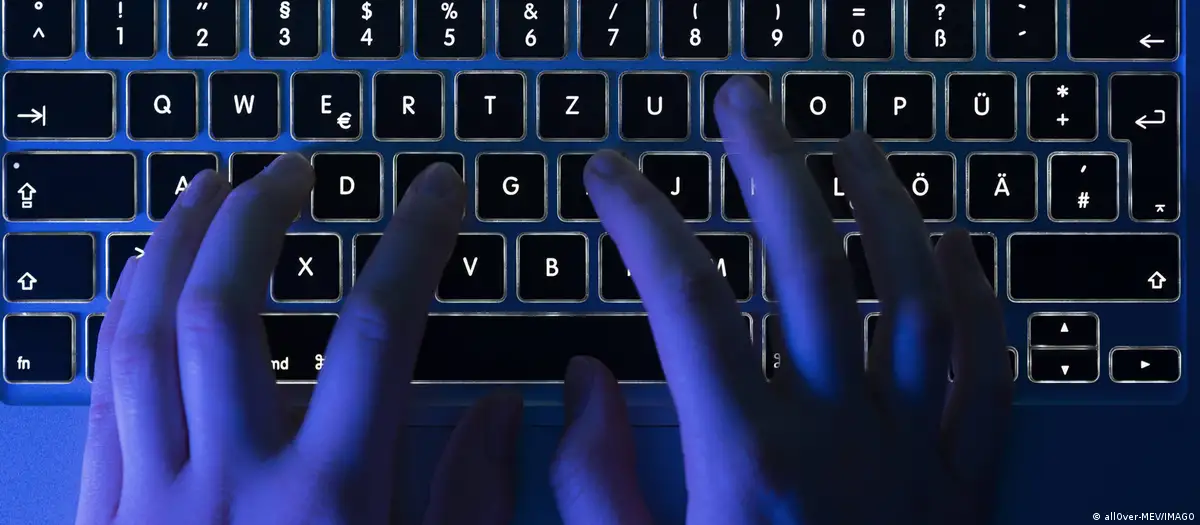
A symbolic image of cybercrime, a person typing on a keyboard
Southeast Asia’s vast cyber scam industry exploded during the COVID-19 pandemic when many of the region’s illegal casino operators turned to online fraudImage: allOver-MEV/IMAGO

The banking arm of a Cambodia-based conglomerate accused of running the world’s “largest ever illicit online marketplace” has had its banking license revoked by the Cambodia’s central bank, Radio Free Asia reported last week.  

Huione Guarantee, the Telegram marketplace of Huione Group, has reportedly processed up to €22 billion ($24 billion) in illicit transactions since 2021, making it by far the world’s largest illegal online marketplace, cryptocurrency compliance firm Elliptic reported last year.

Huione Pay, the group’s banking arm, had its license withdrawn because of noncompliance with “existing regulations and recommendations that may have been made by the regulators,” a National Bank of Cambodia spokesperson told Radio Free Asia, a US Congress-funded media outlet.

Hub for cyberscams

Tiếp tục đọc “Is Cambodia serious about ending organized cyberscams?”

“More than 0s and 1s”: Cambodia battles cybercrime

UNODC.org

Through training held in Phnom Penh, UNODC is helping to build a more robust response to cybercrime in Cambodia.

Photo: UNODC / Laura Gil

Through training held in Phnom Penh, UNODC is helping to build a more robust response to cybercrime in Cambodia.

All the screens in the room, including the one projected on the wall, have turned black, and a series of green letters have started to rain down. “Your wallet has been stolen,” one of the trainers says. All participants —some in uniform, others in suits— start scrolling down, looking for the fictitious cybercriminal.

The mix of Cambodian cybercops, law enforcement officials and judges in the room each have a laptop, and each have a task at hand: to seize the cryptocurrencies before it’s too late. If they collect and manage the digital evidence, they have succeeded, because that evidence can be later presented to the court. On their screens, what they are seeing is a simulation of a cyber-enabled fraud case involving cryptocurrencies in which criminals operate nowadays.

Tiếp tục đọc ““More than 0s and 1s”: Cambodia battles cybercrime”