Article 82
War crimes | Điều 82
Hình tội chiến tranh |
| 1. The Court shall have jurisdiction in respect of war crimes in particular when committed as part of a plan or policy or as part of a large-scale commission of such crimes. | 1. Tòa sẽ có thẩm quyền tài phán về các hình tội chiến tranh đặc biệt khi được thực hiện như một phần của kế hoạch hoặc của chính sách hoặc như một phần của vi phạm những tội đó ở quy mô lớn. |
| 2. For the purpose of this Statute, “war crimes” means: | 2. Cho mục đích của Đạo luật này, “hình tội chiến tranh” nghĩa là: |
(a) Grave breaches of the Geneva Conventions of 12 August 1949, namely, any of the following acts against persons or property protected under the provisions of the relevant Geneva Convention:
(i) Wilful killing;
(ii) Torture or inhuman treatment, including biological experiments;
(iii) Wilfully causing great suffering, or serious injury to body or health;
(iv) Extensive destruction and appropriation of property, not justified by military necessity and carried out unlawfully and wantonly;
(v) Compelling a prisoner of war or other protected person to serve in the forces of a hostile Power;
(vi) Wilfully depriving a prisoner of war or other protected person of the rights of fair and regular trial;
(vii) Unlawful deportation or transfer or unlawful confinement;
(viii) Taking of hostages. | (a) Vi phạm nghiêm trọng các Công ước Geneva ngày 12-8-1949, nghĩa là, bất cứ hành vi nào sau đây nhằm vào người hoặc tài sản được bảo vệ dưới các điều khoản của Công ước Geneva liên quan:
(i) Cố ý giết người;
(ii) Tra tấn hoặc đối xử vô nhân đạo, kể cả các thí nghiệm sinh học;
(iii) Cố ý gây ra đau đớn lớn hoặc làm tổn thương nghiêm trọng đến cơ thể hoặc sức khỏe;
(iv) Hủy diệt và chiếm đoạt tài sản trên diện rộng, không có lý do chính đáng bởi nhu cầu quân sự và được thực hiện phi pháp và bừa bãi;
(v) Buộc tù nhân chiến tranh hoặc người được bảo vệ khác phục vụ trong lực lượng của Thế lực thù địch;
(vi) Cố ý tước quyền được xét xử trong phiên tòa công bằng và bình thường của tù nhân chiến tranh hoặc người được bảo vệ khác;
(vii) Trục xuất phi pháp hoặc chuyển phi pháp hoặc giam giữ phi pháp;
(viii) Bắt làm con tin. |
(b) Other serious violations of the laws and customs applicable in international armed conflict, within the established framework of international law, namely, any of the following acts:
(i) Intentionally directing attacks against the civilian population as such or against individual civilians not taking direct part in hostilities;
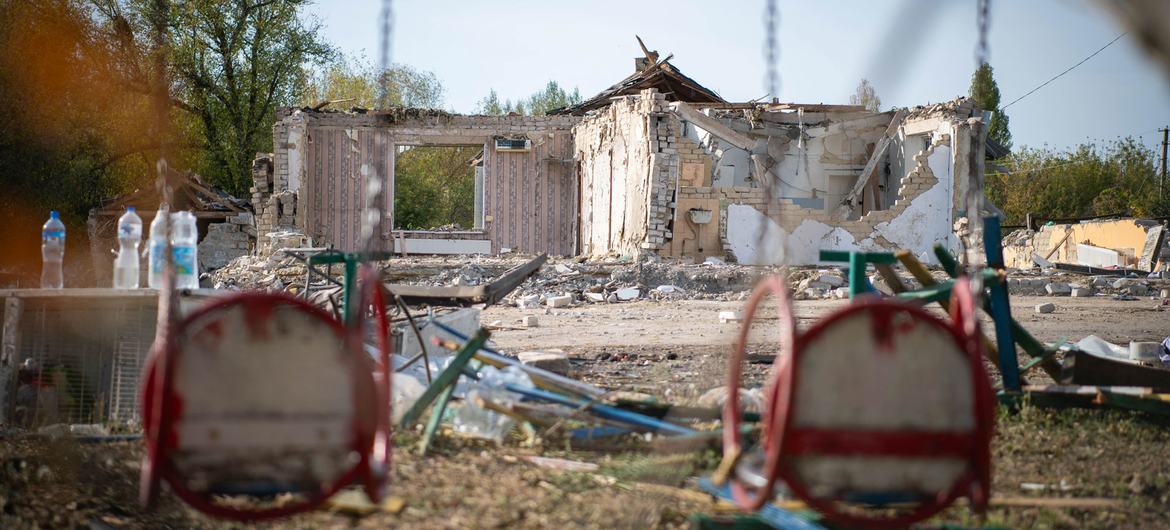
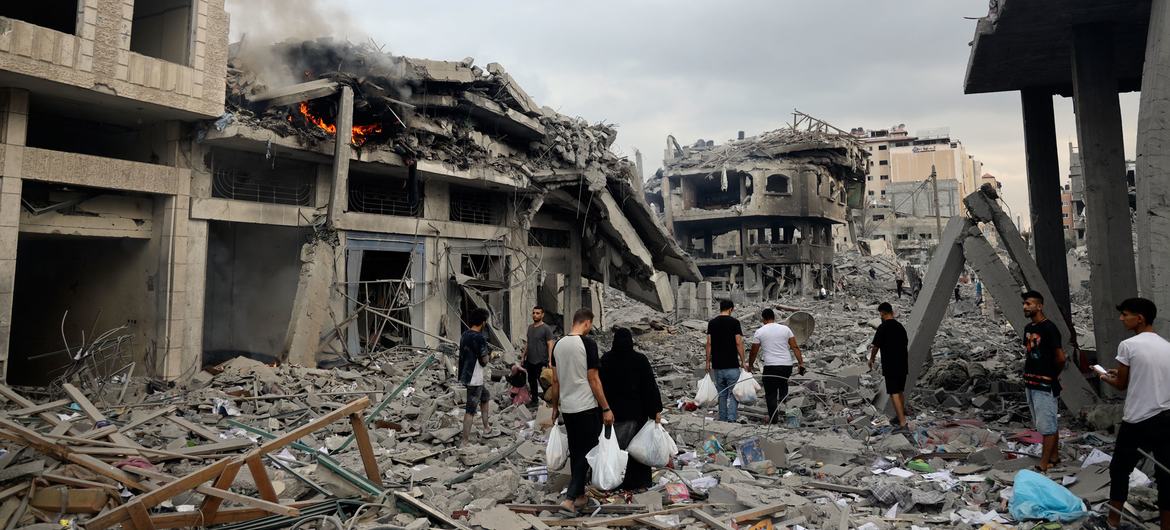
(ii) Intentionally directing attacks against civilian objects, that is, objects which are not military objectives;
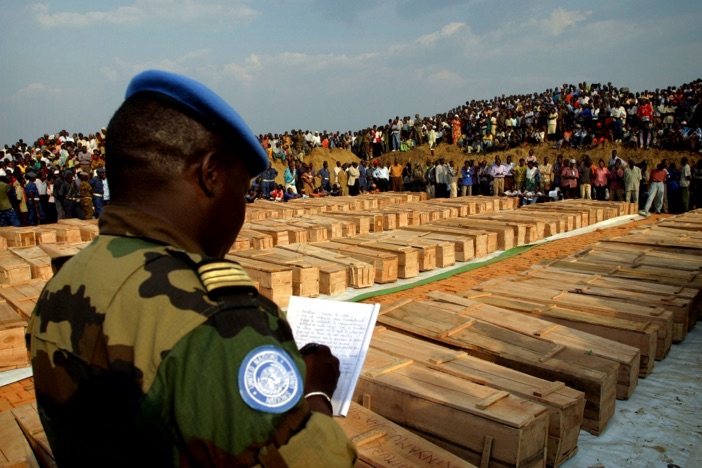
(iii) Intentionally directing attacks against personnel, installations, material, units or vehicles involved in a humanitarian assistance or peacekeeping mission in accordance with the Charter of the United Nations, as long as they are entitled to the protection given to civilians or civilian objects under the international law of armed conflict;
(iv) Intentionally launching an attack in the knowledge that such attack will cause incidental loss of life or injury to civilians or damage to civilian objects or widespread, long-term and severe damage to the natural environment which would be clearly excessive in relation to the concrete and direct overall military advantage anticipated;
(v) Attacking or bombarding, by whatever means, towns, villages, dwellings or buildings which are undefended and which are not military objectives;
(vi) Killing or wounding a combatant who, having laid down his arms or having no longer means of defence, has surrendered at discretion;
(vii) Making improper use of a flag of truce, of the flag or of the military insignia and uniform of the enemy or of the United Nations, as well as of the distinctive emblems of the Geneva Conventions, resulting in death or serious personal injury;
(viii) The transfer, directly or indirectly, by the Occupying Power of parts of its own civilian population into the territory it occupies, or the deportation or transfer of all or parts of the population of the occupied territory within or outside this territory;
(ix) Intentionally directing attacks against buildings dedicated to religion, education, art, science or charitable purposes, historic monuments, hospitals and places where the sick and wounded are
collected, provided they are not military objectives;
(x) Subjecting persons who are in the power of an adverse party to physical mutilation or to medical or scientific experiments of any kind which are neither justified by the medical, dental or hospital treatment of the person concerned nor carried out in his or her interest, and which cause death to or seriously endanger the health of such person or persons;
(xi) Killing or wounding treacherously individuals belonging to the hostile nation or army;
(xii) Declaring that no quarter will be given;
(xiii) Destroying or seizing the enemy’s property unless such destruction or seizure be imperatively demanded by the necessities of war;
(xiv) Declaring abolished, suspended or inadmissible in a court of law the rights and actions of the nationals of the hostile party;
(xv) Compelling the nationals of the hostile party to take part in the operations of war directed against their own country, even if they were in the belligerent’s service before the commencement of the war;
(xvi) Pillaging a town or place, even when taken by assault;
(xvii) Employing poison or poisoned weapons;
(xviii) Employing asphyxiating, poisonous or other gases, and all analogous liquids, materials or devices;
(xix) Employing bullets which expand or flatten easily in the human body, such as bullets with a hard envelope which does not entirely cover the core or is pierced with incisions;
(xx) Employing weapons, projectiles and material and methods of warfare which are of a nature to cause superfluous injury or unnecessary suffering or which are inherently indiscriminate in violation of the international law of armed conflict, provided that such weapons, projectiles and material and methods of warfare are the subject of a comprehensive prohibition and are included in an annex to this Statute, by an amendment in accordance with the relevant provisions set forth in articles 121 and 123;
(xxi) Committing outrages upon personal dignity, in particular humiliating and degrading treatment;
(xxii) Committing rape, sexual slavery, enforced prostitution, forced pregnancy, as defined in article 7, paragraph 2 (f), enforced sterilization, or any other form of sexual violence also constituting a grave breach of the Geneva Conventions;
(xxiii) Utilizing the presence of a civilian or other protected person to render certain points, areas or military forces immune from military operations;
(xxiv) Intentionally directing attacks against buildings, material, medical units and transport, and personnel using the distinctive emblems of the Geneva Conventions in conformity with international law;
(xxv) Intentionally using starvation of civilians as a method of warfare by depriving them of objects indispensable to their survival, including wilfully impeding relief supplies as provided for under the Geneva Conventions;
(xxvi) Conscripting or enlisting children under the age of fifteen years into the national armed forces or using them to participate actively in hostilities.
| (b) Các vi phạm nghiêm trọng khác về luật và tập tục được áp dụng trong xung đột vũ trang quốc tế, trong khuôn khổ luật quốc tế đã thiết lập, nghĩa là, bất cứ hành vi nào sau đây:
(i) Cố ý chỉ đạo các tấn công nhằm vào nhóm dân thường hoặc nhằm vào cá nhân dân thường không tham gia chiến sự trực tiếp;
(ii) Cố ý chỉ đạo các tấn công nhằm vào các mục tiêu dân thường, là những mục tiêu không có mục đích quân sự;
(iii) Cố ý chỉ đạo các tấn công nhằm vào nhân viên, cơ sở, vật chất, đơn vị hoặc phương tiện giao thông liên quan đến hỗ trợ nhân đạo hoặc nhiệm vụ giữ hòa bình theo Hiến chương Liên hợp quốc, trong khi những người và vật dụng này được quyền nhận bảo vệ dành cho dân thường hoặc các mục tiêu dân thường theo luật quốc tế về xung đột vũ trang;
(iv) Cố ý phát động tấn công với ý thức tấn công đó sẽ gây tổn hại đi kèm về tính mạng hoặc thương tích cho dân thường hoặc thiệt hại cho các mục tiêu dân thường hoặc thiệt hại nghiêm trọng trên diện rộng và lâu dài đối với môi trường tự nhiên rõ ràng là quá mức so với toàn bộ lợi thế quân sự cụ thể và trực tiếp đã tính trước;
(v) Tấn công hoặc ném bom, bằng bất kỳ phương tiện nào, phố, làng, nhà ở hoặc các tòa nhà không phòng thủ và không có mục đích quân sự;
(vi) Giết hoặc làm bị thương chiến sĩ đã hạ vũ khí hoặc không còn phương tiện phòng thủ, đã đầu hàng không điều kiện;
(vii) Dùng không đúng phép cờ ngừng bắn, cờ hiệu hoặc quân hiệu và quân phục của kẻ thù hoặc của Liên hợp quốc, cũng như các biểu tượng đặc biệt của Công ước Geneva, tạo ra chết hoặc bị thương nghiêm trọng;
(viii) Việc Lực lượng Đang chiếm đóng chuyển, trực tiếp hoặc gián tiếp, một phần dân số của mình vào lãnh thổ mình chiếm đóng, hoặc trục xuất hoặc chuyển, bên trong hoặc bên ngoài lãnh thổ bị chiếm đóng, tất cả hoặc một phần dân số của lãnh thổ bị chiếm đóng;
(ix) Cố ý chỉ đạo các tấn công nhằm vào các tòa nhà dành cho tôn giáo, giáo dục, nghệ thuật, khoa học hoặc mục đích từ thiện, di tích lịch sử, bệnh viện và những nơi gom tụ người bệnh và người bị thương, miễn là những nơi đó không có mục đích quân sự;
(x) Bắt những người thuộc quyền bên địch để cắt xẻo cơ thể hoặc để thí nghiệm y tế hoặc khoa học dưới bất kỳ dạng nào mà không có lý do chính đáng về điều trị y tế, nha khoa hoặc bệnh viện cho người đó cũng như không được thực hiện vì lợi ích của họ, và gây chết hoặc gây nguy hiểm nghiêm trọng cho sức khoẻ của người đó hoặc những người đó;
(xi) Một cách xảo trá giết hoặc gây thương tích những người thuộc quốc gia hoặc quân đội bên địch;
(xii) Tuyên bố không tha chết;
(xiii) Tiêu diệt hoặc tịch thu tài sản của bên địch trừ khi tiêu diệt hoặc tịch thu đó là bị yêu cầu bắt buộc do nhu cầu chiến tranh;
(xiv) Tuyên bố bãi bỏ, đình chỉ hoặc không chấp nhận trước tòa các quyền và hành động của kiều dân bên địch;
(xv) Buộc kiều dân bên địch tham gia các hoạt động chiến tranh nhằm vào chính nước của họ, ngay cả khi họ đã phục vụ tham chiến trước khi bắt đầu chiến tranh;
(xvi) Cướp một thành phố hay một địa phương, ngay cả khi đã chiếm được bằng tấn công;
(xvii) Dùng chất độc hoặc vũ khí có độc;
(xviii) Dùng khí ngạt, khí độc hoặc khí khác, và mọi chất lỏng, vật liệu hoặc thiết bị tương tự;
(xix) Dùng đạn dễ nở hoặc dễ thành mỏng và rộng trong cơ thể con người, như đạn có vỏ cứng không bọc lõi hoàn toàn hoặc đạn có xẻ các khía;
(xx) Dùng vũ khí, vật phóng và nguyên liệu và cách thức chiến tranh có tính gây thương tích quá mức hoặc đau khổ không cần thiết hoặc có tính sát thương bừa bãi vi phạm luật quốc tế về xung đột vũ trang, miễn là các vũ khí, vật phóng, nguyên liệu, và cách thức chiến tranh đó là đối tượng của lệnh cấm toàn diện và được ghi ra trong phụ lục của Đạo luật này, bằng một tu chính án phù hợp với các quy định liên quan được nêu tại điều 121 và 123;
(xxi) Xúc phạm nhân phẩm một cách tàn bạo, đặc biệt là sỉ nhục và hạ thấp nhân phẩm;
(xxii) Hiếp dâm, nô lệ tình dục, cưỡng bức mại dâm, cưỡng bức mang thai, như được định nghĩa trong điều 7, khoản 2 (f), cưỡng bức triệt sản hoặc bất kỳ hình thức bạo lực tình dục nào khác cũng tạo thành vi phạm nghiêm trọng Công ước Geneva;
(xxiii) Dùng sự có mặt của dân thường hoặc người được bảo vệ khác để làm cho các điểm, vùng hoặc lực lượng quân sự nào đó được khỏi bị tấn công quân sự;
(xxiv) Cố ý chỉ đạo các tấn công nhằm vào các tòa nhà, vật chất, đơn vị và phương tiện giao thông, và nhân viên y tế có các biểu tượng đặc biệt của Công ước Geneva phù hợp với luật quốc tế;
(xxv) Cố ý sử dụng nạn bỏ đói thường dân như một phương thức chiến tranh bằng cách tước đoạt của họ những đồ vật cần thiết cho sự sống còn của họ, bao gồm cả việc cố ý cản trở hàng cứu trợ theo quy định của Công ước Geneva;
xxvi. Bắt đi lính hoặc tòng quân trẻ dưới 15 tuổi vào lực lượng vũ trang quốc gia hoặc dùng các em để tích cực tham gia chiến sự. |
(c) In the case of an armed conflict not of an international character, serious violations of article 3 common to the four Geneva Conventions of 12 August 1949, namely, any of the following acts committed against persons taking no active part in the hostilities, including members of armed forces who have laid down their arms and those placed hors de combat by sickness, wounds, detention or any other cause:
(i) Violence to life and person, in particular murder of all kinds, mutilation, cruel treatment and torture;
(ii) Committing outrages upon personal dignity, in particular humiliating and degrading treatment;
(iii) Taking of hostages;
(iv) The passing of sentences and the carrying out of executions without previous judgement pronounced by a regularly constituted court, affording all judicial guarantees which are generally recognized as indispensable. | (c) Trường hợp xung đột vũ trang không có tính quốc tế, vi phạm nghiêm trọng Điều 3 chung của cả 4 Công ước Geneva ngày 12-8-1949, nghĩa là, bất kỳ hành vi nào sau đây chống lại những người không tích cực tham gia chiến sự, kể cả thành viên của các lực lượng vũ trang đã hạ vũ khí và những người không thể chiến đấu do đau yếu, thương tích, cầm tù hoặc bất kỳ lý do nào khác:
(i) Bạo lực đối với tính mạng và bản thân, đặc biệt là giết người dưới mọi hình thức, cắt xẻo, đối xử và tra tấn dã man;
(ii) Xúc phạm nhân phẩm một cách tàn bạo, đặc biệt là sỉ nhục và hạ thấp nhân phẩm;
(iii) Bắt làm con tin;
(iv) Phán án và thực hiện các vụ hành quyết mà trước đó không có phán quyết được tuyên án bởi một tòa án được thành lập bình thường, với tất cả bảo đảm tư pháp nói chung được công nhận là phải có. |
| (d) Paragraph 2 (c) applies to armed conflicts not of an international character and thus does not apply to situations of internal disturbances and tensions, such as riots, isolated and sporadic acts of violence or other acts of a similar nature. | (d) Đoạn 2 (c) áp dụng cho các xung đột vũ trang không có tính quốc tế và do đó không áp dụng cho các tình huống nhiễu loạn và căng thẳng nội bộ, chẳng hạn như bạo loạn, các hành động bạo lực cô lập và lẻ tẻ hoặc các hành vi khác có tính chất tương tự. |
(e) Other serious violations of the laws and customs applicable in armed conflicts not of an international character, within the established framework of international law, namely, any of the following acts:
(i) Intentionally directing attacks against the civilian population as such or against individual civilians not taking direct part in hostilities;
(ii) Intentionally directing attacks against buildings, material, medical units and transport, and personnel using the distinctive emblems of the Geneva Conventions in conformity with international law;
(iii) Intentionally directing attacks against personnel, installations, material, units or vehicles involved in a humanitarian assistance or peacekeeping mission in accordance with the Charter of the United Nations, as long as they are entitled to the protection given to civilians or civilian objects under the international law of armed conflict;
(iv) Intentionally directing attacks against buildings dedicated to religion, education, art, science or charitable purposes, historic monuments, hospitals and places where the sick and wounded are
collected, provided they are not military objectives;
(v) Pillaging a town or place, even when taken by assault;
(vi) Committing rape, sexual slavery, enforced prostitution, forced pregnancy, as defined in article 7, paragraph 2 (f), enforced sterilization, and any other form of sexual violence also constituting a serious violation of article 3 common to the four Geneva Conventions;
(vii) Conscripting or enlisting children under the age of fifteen years into armed forces or groups or using them to participate actively in hostilities;
(viii) Ordering the displacement of the civilian population for reasons related to the conflict, unless the security of the civilians involved or imperative military reasons so demand;
(ix) Killing or wounding treacherously a combatant adversary;
(x) Declaring that no quarter will be given;
(xi) Subjecting persons who are in the power of another party to the conflict to physical mutilation or to medical or scientific experiments of any kind which are neither justified by the medical, dental or hospital treatment of the person concerned nor carried out in his or her interest, and which cause death to or seriously endanger the health of such person or persons;
(xii) Destroying or seizing the property of an adversary unless such destruction or seizure be imperatively demanded by the necessities of the conflict;
(xiii) Employing poison or poisoned weapons;
(xiv) Employing asphyxiating, poisonous or other gases, and all analogous liquids, materials or
devices;
(xv) Employing bullets which expand or flatten easily in the human body, such as bullets with a hard envelope which does not entirely cover the core or is pierced with incisions.
2. Paragraphs 2 (e) (xiii) to 2 (e) (xv) were amended by resolution RC/Res.5 of 11 June 2010 (adding paragraphs 2 (e) (xiii) to 2 (e) (xv)). | (e) Các vi phạm nghiêm trọng khác về áp dụng luật và tập tục trong xung đột vũ trang không có tính quốc tế, trong khuôn khổ luật quốc tế đã thiết lập, nghĩa là, bất cứ hành vi nào sau đây:
(i) Cố ý chỉ đạo các tấn công nhằm vào nhóm dân thường hoặc nhằm vào cá nhân dân thường không tham gia chiến sự trực tiếp;
(ii) Cố ý chỉ đạo các tấn công nhằm vào các tòa nhà, vật chất, đơn vị ý tế và phương tiện giao thông, và nhân viên có các biểu tượng đặc biệt của Công ước Geneva phù hợp với luật quốc tế;
(iii) Cố ý chỉ đạo các tấn công nhằm vào nhân viên, cơ sở, vật chất, đơn vị hoặc phương tiện giao thông liên quan đến hỗ trợ nhân đạo hoặc nhiệm vụ giữ hòa bình theo Hiến chương Liên hợp quốc, khi những người và vật này được quyền nhận bảo vệ dân thường hoặc các mục tiêu dân thường theo luật quốc tế về xung đột vũ trang;
(iv) Cố ý chỉ đạo các tấn công nhằm vào các tòa nhà dành cho tôn giáo, giáo dục, nghệ thuật, khoa học hoặc mục đích từ thiện, di tích lịch sử, bệnh viện và những nơi gom tụ người bệnh và người bị thương, miễn là những nơi đó không có mục đích quân sự;
(v) Cướp một thành phố hay địa phương, ngay cả khi đã chiếm được bằng tấn công;
(vi) Hiếp dâm, nô lệ tình dục, cưỡng bức mại dâm, cưỡng bức mang thai, như được định nghĩa trong điều 7, khoản 2 (f), cưỡng bức triệt sản hoặc bất kỳ hình thức bạo lực tình dục nào khác cũng tạo thành vi phạm nghiêm trọng trọng Điều 3 chung của 4 Công ước Geneva;
(vii) Bắt đi lính hoặc tòng quân trẻ dưới 15 tuổi vào nhóm hoặc lực lượng vũ trang hoặc dùng các em để tích cực tham gia chiến sự;
(viii) Ra lệnh di dời nhóm dân thường vì những lý do liên quan đến xung đột, trừ khi vì lý do an ninh của những người dân thường đó hoặc vì lý do quân sự bắt buộc đòi hỏi;
(ix) Một cách xảo trá giết hoặc làm bị thương chiến sĩ bên địch;
(x) Tuyên bố không tha chết;
(xi) Bắt những người thuộc quyền bên khác trong xung đột để cắt xẻo cơ thể hoặc để thí nghiệm y tế hoặc khoa học dưới bất kỳ dạng nào mà không có lý do chính đáng về điều trị y tế, nha khoa hoặc bệnh viện cho người đó cũng như không được thực hiện vì lợi ích của họ, và gây chết hoặc gây nguy hiểm nghiêm trọng cho sức khoẻ của người đó hoặc những người đó;
(xii) Tiêu diệt hoặc tịch thu tài sản của bên địch trừ khi tiêu diệt hoặc tịch thu đó là bị yêu cầu bắt buộc do nhu cầu xung đột;
(xiii) Dùng chất độc hoặc vũ khí có độc;
(xiv) Dùng khí ngạt, khí độc hoặc khí khác, và mọi chất lỏng, vật liệu hoặc thiết bị tương tự;
(xv) Dùng đạn dễ nở hoặc dễ thành mỏng và rộng trong cơ thể con người, như đạn có vỏ cứng không bọc lõi hoàn toàn hoặc đạn có xẻ các khía.
2. Khoản 2 (e) (xiii) đến 2 (e) (xv) đã được sửa đổi theo nghị quyết RC/Res.5 ngày 11- 6-2010 (bổ sung khoản 2 (e) (xiii) thành 2 (e) (xv)). |
| (f) Paragraph 2 (e) applies to armed conflicts not of an international character and thus does not apply to situations of internal disturbances and tensions, such as riots, isolated and sporadic acts of violence or other acts of a similar nature. It applies to armed conflicts that take place in the territory of a State when there is protracted armed conflict between governmental authorities and organized armed groups or between such groups. | (f) Khoản 2 (e) áp dụng cho các xung đột vũ trang không có tính quốc tế và do đó không áp dụng cho các tình huống nhiễu loạn và căng thẳng nội bộ, chẳng hạn như bạo loạn, các hành động bạo lực cô lập và lẻ tẻ hoặc các hành vi khác có tính chất tương tự. Khoản 2 (e) áp dụng cho các xung đột vũ trang diễn ra trong lãnh thổ Quốc gia khi có xung đột vũ trang kéo dài giữa các cơ quan chính quyền và các nhóm vũ trang có tổ chức hoặc giữa các nhóm vũ trang có tổ chức. |
| 3. Nothing in paragraph 2 (c) and (e) shall affect the responsibility of a Government to maintain or re-establish law and order in the State or to defend the unity and territorial integrity of the State, by all legitimate means. | 3. Không quy định nào trong khoản 2 (c) và (e) sẽ ảnh hưởng đến trách nhiệm của Chính phủ trong duy trì hoặc thiết lập lại luật và trật tự trong Quốc gia hoặc bảo vệ sự thống nhất và toàn vẹn lãnh thổ của Quốc gia, bằng mọi cách chính đáng. |