Dạy thêm, học thêm chỉ là hệ quả của nền giáo dục còn nặng về học thi và nhiều rào cản khiến cho học sinh khó vào lớp 10 và đại học.
Vấn đề này sẽ được tháo gỡ khi Bộ Giáo dục và Đào tạo tiến hành phổ cập giáo dục đại học để giúp học sinh vào đại học dễ dàng. Đây là giải pháp gốc rễ cho tình trạng học thêm, dạy thêm vốn khó kiểm soát và gây tranh cãi tại VN suốt nhiều năm qua.
Tại VN, trường hợp nhận tiền chuyển khoản nhầm mà không chịu trả lại ngày càng trở nên phổ biến. Dù pháp luật đã có quy định xử lý hành vi này nhưng trên thực tế, người nhận tiền mà không hoàn trả rất ít khi bị xử phạt còn người chuyển khoản nhầm lại gặp nhiều khó khăn khi muốn lấy lại tiền.Tiếp tục đọc “Gian nan đòi lại tiền chuyển khoản nhầm”→
“Ba nhà mạng đồng loạt tăng giá cước Internet cố định”. VN đã có Luật Chống độc quyền từ năm 2004. Cùng nhau đồng lõa định giá của 1 sản phẩm trên thị trường là trọng tội vi phạm Luật Chống độc quyền (Luật Cạnh tranh), đôi khi có thể là vấn đề Hình sự. Ba nhà mạng này (FPT, VNPT và Viettel) có hỏi ý kiến tư vấn của luật sư nào chưa vậy?
Lần trước đây, cũng 3 nhà mạng này “thực hiện động thái tương tự là năm 2023. Khi đó, cả ba ngừng cung cấp gói cước giá rẻ, gói data không giới hạn, còn dịch vụ Internet cố định yêu cầu trả phí lắp đặt 300.000 đồng, thay vì miễn phí như trước . Họ cũng ‘bắt tay’ từ chối ký hợp đồng mới với người còn nợ cước ở nhà mạng khác. ” (Trích).Tiếp tục đọc “Ba nhà mạng đồng loạt tăng giá cước Internet cố định”→
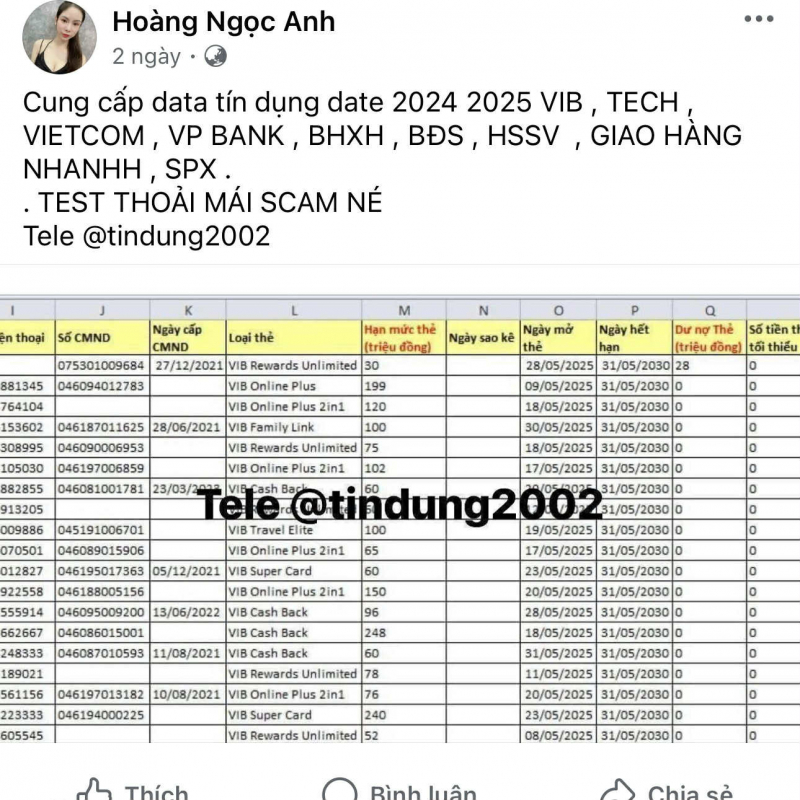
Chỉ với vài thao tác tìm kiếm trên mạng xã hội, không khó để bắt gặp những bài rao bán thông tin cá nhân như: số điện thoại, tài khoản ngân hàng, data người mua nhà, data phụ huynh trường quốc tế… Việc mua bán dữ liệu nhạy cảm diễn ra công khai, tràn lan, tiềm ẩn nguy cơ trở thành công cụ cho các hành vi lừa đảo, chiếm đoạt tài sản.
VOV.VN – Hai nữ ứng viên khuyết tật – Nguyễn Thị Minh Tâm (Đồng Tháp) và Huỳnh Ngọc Hồng Nhung (Cần Thơ) – mang khát vọng đưa tiếng nói cộng đồng yếu thế vào nghị trường, khẳng định năng lực bình đẳng và thúc đẩy chính sách công bằng cho mọi công dân: Không ai bị bỏ lại phía sau.
Mang tiếng nói của người yếu thế vào nghị trường
Chị Nguyễn Thị Minh Tâm, ở phường Cao Lãnh (Đồng Tháp), là người khuyết tật vận động sau một tai nạn giao thông trong chuyến đi vận động học sinh ra lớp. Biến cố ấy giúp chị thấu hiểu sâu sắc những rào cản mà người yếu thế gặp phải trên hành trình học tập và cống hiến.
Hiện, là giáo viên Toán Trường THPT Thiên Hộ Dương (Cao Lãnh), chị Tâm còn giữ nhiều trọng trách trong các tổ chức xã hội: Ủy viên Ban Thường vụ Hội Liên hiệp Thanh niên Khuyết tật Việt Nam, Ủy viên Hội Bảo trợ Người tàn tật, Trẻ mồ côi và Bệnh nhân nghèo tỉnh Đồng Tháp, Ủy viên Ủy ban Mặt trận Tổ quốc thành phố Cao Lãnh và Hội Liên hiệp Thanh niên Việt Nam tỉnh. Chị đang chuẩn bị ứng cử đại biểu Quốc hội với mong muốn đưa tiếng nói của người khuyết tật đến gần hơn với cơ quan lập pháp.
Tảo hôn vẫn diễn ra dai dẳng ở nhiều nhóm dân tộc thiểu số tại Việt Nam. Để giải quyết tình trạng này, Nhà nước cần tạo mọi điều kiện nhằm giúp trẻ em DTTS, đặc biệt là trẻ em gái, được dễ dàng tiếp cận các cơ hội học tập và tìm kiếm việc làm. Khi thấy tương lai rộng mở phía trước, các em gái DTTS sẽ thêm vững tin trên con đường học tập và tự chủ kinh tế. Từ đó, các em có thể làm chủ cuộc đời mình và góp phần nâng cao nhận thức cộng đồng để đẩy lùi nạn tảo hôn.
(vhds.baothanhhoa.vn) – Tảo hôn. Học sinh bỏ trường, bỏ lớp đi… “lấy chồng”, rồi lại làm bố, làm mẹ ở cái tuổi “ăn chưa no, lo chưa tới”. Giấc mơ đời, vì thế cứ quẩn quanh…
Thứ 6, 27/06/2025 | 08:00 GMT+7
Trường PTDT Bán trú THCS Trung Lý (Mường Lát) tổ chức cho học sinh thi bóng chuyền.
1. Nghị quyết này quy định các cơ chế, chính sách để phát triển năng lượng quốc gia giai đoạn 2026 – 2030 bao gồm: điều chỉnh cập nhật quy hoạch phát triển điện lực, phương án phát triển mạng lưới cấp điện trong quy hoạch tỉnh; đầu tư xây dựng dự án điện lực; phát triển điện gió ngoài khơi; mua bán điện trực tiếp; đầu tư xây dựng dự án, công trình dầu khí, than.
2. Nghị quyết này không áp dụng đối với các dự án thuộc chức năng, nhiệm vụ của Ban chỉ đạo được thành lập theo Quyết định số 751/QĐ-TTg ngày 11 tháng 4 năm 2025 của Thủ tướng Chính phủ.
Sự phát triển công nghệ góp phần tạo công ăn việc làm cho lao động tự do, tạo ra các nghề mới như tài xế công nghệ và shipper. Tuy nhiên, nhóm lao động này đang ở thế yếu khi phải đối mặt với nhiều rủi ro an toàn mà không được hưởng quyền lao động chính đáng.
Trước thực trạng trên, Nhà nước cần ban hành quy định nhằm bảo vệ quyền lợi cho tài xế công nghệ và shipper. Đồng thời, cần xác định rõ vai trò trách nhiệm của các công ty nền tảng khi hoạt động tại VN, để người lao động tự do trong nước được hưởng phúc lợi lao động hợp pháp.
TP – Với gần một triệu doanh nghiệp, khoảng 5 triệu hộ kinh doanh cá thể, khu vực kinh tế tư nhân hiện đóng góp khoảng 51% GDP, hơn 30% ngân sách Nhà nước, tạo ra hơn 40 triệu việc làm, chiếm hơn 82% tổng số lao động trong nền kinh tế, đóng góp gần 60% vốn đầu tư toàn xã hội.
Dù được coi là thành tố quan trọng để phát triển nền kinh tế, đóng góp ngày càng lớn, kinh tế tư nhân hiện vẫn đối mặt với nhiều rào cản, không thể bứt phá về quy mô và năng lực cạnh tranh.
Bài 1: Nguồn lực chưa được khơi thông
Những hạn chế phát triển của doanh nghiệp tư nhân thời gian qua xuất phát một phần từ những bất cập của hệ thống thể chế, chính sách kinh tế và môi trường kinh doanh. Những điểm nghẽn này không chỉ kìm hãm tốc độ tăng trưởng của khu vực kinh tế tư nhân, khiến tỷ trọng đóng góp của khu vực này trong GDP gần như không thay đổi trong hơn một thập kỷ qua, mà còn cản trở nền kinh tế nâng cao giá trị gia tăng, thoát khỏi bẫy thu nhập trung bình.
Doanh nghiệp tư nhân còn gặp nhiều rào cản trong tiếp cận nguồn lực, đặc biệt là vốn tín dụng, đất đai, tài nguyên và nhân lực chất lượng cao, nhất là trong các ngành công nghệ, kỹ thuật và tài chính. Ảnh: Nguyễn BằngTiếp tục đọc “Đòn bẩy cho một Việt Nam thịnh vượng (13 bài)”→
Tuoitre – Chỉ thị 57 mới đây của Ban Bí thư và nghị định 147 trước đây của Chính phủ xác định tất cả người dùng tham gia mạng xã hội đều phải được định danh và xác thực, không còn tài khoản ảo trên không gian mạng Việt Nam.
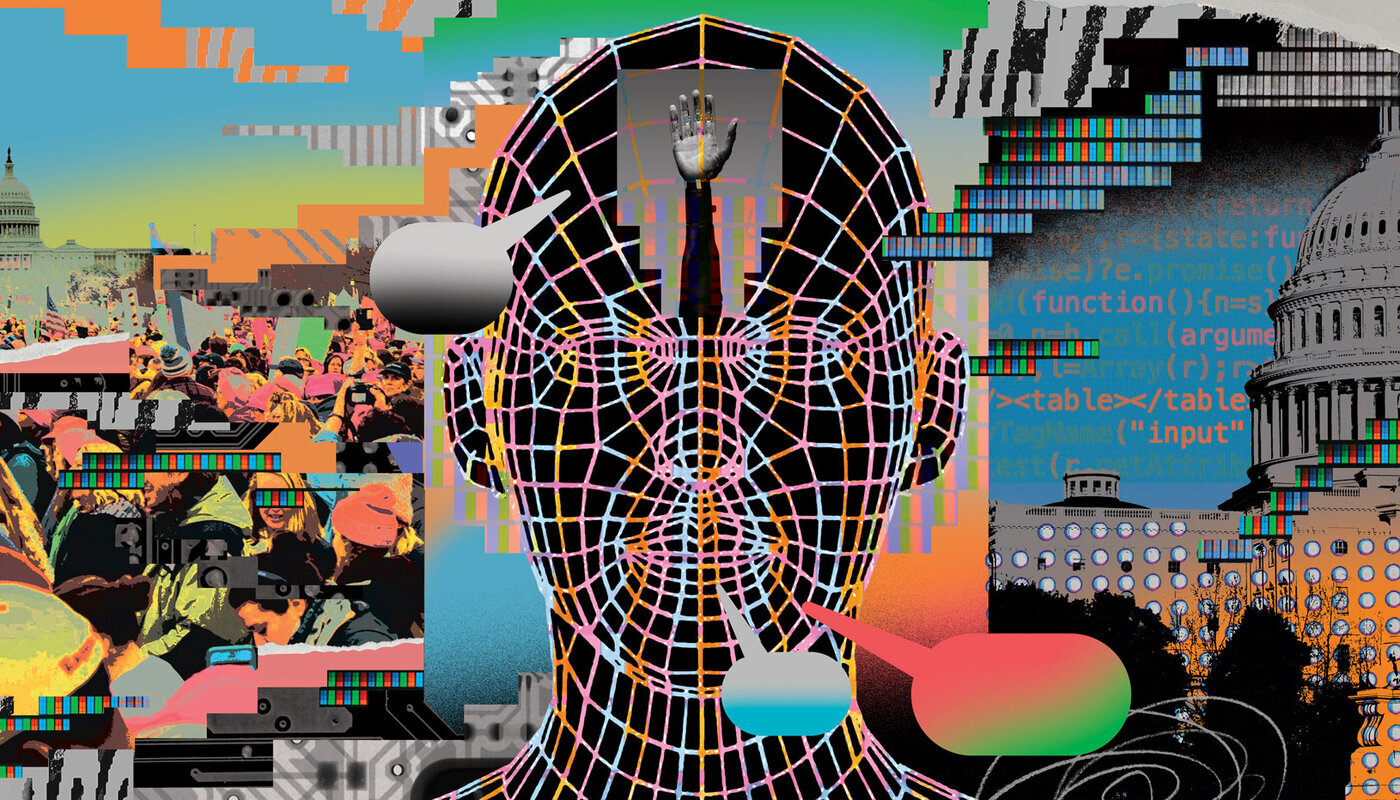
Ảnh minh họa sử dụng công nghệ AI – Thực hiện: T.ĐẠT
Theo các chuyên gia, khi thế giới ảo và thực ngày càng giống nhau, việc xác thực một cá nhân trong thế giới ảo cũng quan trọng như trong thế giới thực. Định danh cá nhân trên mạng là một trong những việc phải làm nhanh, làm sớm để giảm, tránh nhiều thiệt hại về kinh tế, an ninh, an toàn cho cả cá nhân và quốc gia.
Tiasang – Ở Việt Nam, AI đang được thúc đẩy trong nhiều lĩnh vực – từ dịch vụ công, ngân hàng đến tuyển dụng. Nhưng liệu người dân đã có cơ hội để lựa chọn, hay đang bước vào kỷ nguyên số mà “quyền từ chối AI” vẫn còn là một khái niệm xa lạ?
Bảo hiểm xã hội là lưới an toàn cả đời cho cuộc sống của người lao động.
Nhiều doanh nghiệp trong nước cố tình nợ đóng bảo hiểm. Đó là chọc thủng lưới an toàn của người lao động, không những chỉ là phi pháp mà còn là bất nhân và vô đạo đức.
Cơ quan chức năng cùng doanh nghiệp cần sớm giải quyết vấn đề nghiêm trọng này. Cần tăng cường kiểm tra và mạnh tay xử phạt những hành động bất nhân, vô đạo đức và phi pháp này.
Không ít người lao động trên cả nước đang rơi vào tình cảnh khốn đốn vì doanh nghiệp nợ, trốn đóng bảo hiểm xã hội trong thời gian dài dẫn đến không có thẻ BHYT để khám chữa bệnh, không được hưởng chế độ thai sản, nghỉ ốm, tai nạn lao động hay thậm chí mất luôn quyền nhận lương hưu…
Trong khi đó, không ít doanh nghiệp vẫn hoạt động bình thường, né tránh trách nhiệm và đẩy gánh nặng lên vai người lao động. Trước thực trạng đáng báo động này, cơ quan chức năng cần có biện pháp quyết liệt hơn để bảo vệ quyền lợi chính đáng cho người lao động.
Luật Quy hoạch (sửa đổi) đã được thông qua ngày 10/12/2025 và sẽ có hiệu lực từ 01/03/2026. Nếu mọi sự suôn sẻ, đây sẽ là lần đầu tiên nước ta có Luật Quy hoạch, nghĩa là, trước giờ nước ta không có luật quy hoạch. Mong là đã có luật rồi, Nhà nước sẽ enforce luật một cách nghiêm chỉnh, vì nước ta có đủ luật nhưng đa số luật đều không có enforcement của Nhà nước.
Câu chuyện về Sapa là điển hình: Sapa từng được coi là viên ngọc quý của du lịch vùng Tây Bắc, nhờ quy hoạch địa phương. Thế nhưng sự yếu kém trong quản lý và enforcement đã khiến cho quy hoạch đó trở nên “nát tươm” và có thể còn “nát” hơn nữa trong tương lai. (Trích bài Băm nát quy hoạch Sapa: Ai là người chịu trách nhiệm?)
Các tỉnh sau sáp nhập với chính quyền 2 cấp đã bắt đầu vận hành. Trong những bước tiếp theo để định hình diện mạo quốc gia, việc sửa luật Quy hoạch là vô cùng quan trọng trong chương trình nghị sự của Quốc hội, dù luật Quy hoạch hiện hành rất tiến bộ.
TP.HCM đang điều chỉnh quy hoạch sau khi sáp nhập 2 tỉnh Bình Dương và Bà Rịa-Vũng Tàu
phobienphapluat – “Lỗ hổng cốt lõi của cơ chế hậu kiểm hiện nay chính là sự lệ thuộc quá mức vào hồ sơ – giấy tờ, trong khi kiểm soát thực chất và trách nhiệm chuỗi bị làm mờ”, Luật sư Tuấn cho biết.
Sản phẩm Pate Cột đèn của Công ty CP Đồ hộp Hạ Long không đảm bảo anh toàn vệ sinh thực phẩm. Ảnh: Báo Tiền phong
Vụ việc 130 tấn lợn đông lạnh nhiễm bệnh, dương tính với virus tả lợn châu Phi của Công ty CP Đồ hộp Hạ Long bị Phòng Cảnh sát Kinh tế Công an TP Hải Phòng phát hiện và khởi tố vừa qua đã gióng lên một hồi chuông cảnh báo về cơ chế hậu kiểm an toàn thực phẩm, truy xuất nguồn gốc và quản lý chuỗi cung ứng trong kiểm soát an toàn vệ sinh thực phẩm thực chất hiện nay. Để hiểu rõ hơn về vấn đề này, chúng tôi đã trao đổi với Luật sư Nguyễn Văn Tuấn – Giám đốc Công ty Luật TNHH TGS (thuộc Đoàn Luật sư Thành phố Hà Nội).
PV:Xin ông hãy cho biết, từ góc độ pháp lý, vụ phát hiện 130 tấn lợn nhiễm dịch tại Đồ hộp Hạ Long cho thấy những lỗ hổng lớn nào trong cơ chế hậu kiểm an toàn thực phẩm hiện nay?
Thương mại điện tử tại VN tăng trưởng nhanh chóng nhưng lại thiếu kiểm soát. Hàng loạt shop ảo, sản phẩm giả và kém chất lượng được đăng bán online trên các sàn thương mại điện tử, gây ảnh hưởng tới quyền lợi và niềm tin của người tiêu dùng.
Trước thực trạng này, việc hoàn thiện Luật Thương mại điện tử, siết chặt quản lý, xây dựng thị trường minh bạch và thúc đẩy kinh doanh thành thật chính là yếu tố sống còn để thương mại điện tử phát triển bền vững và vươn xa.



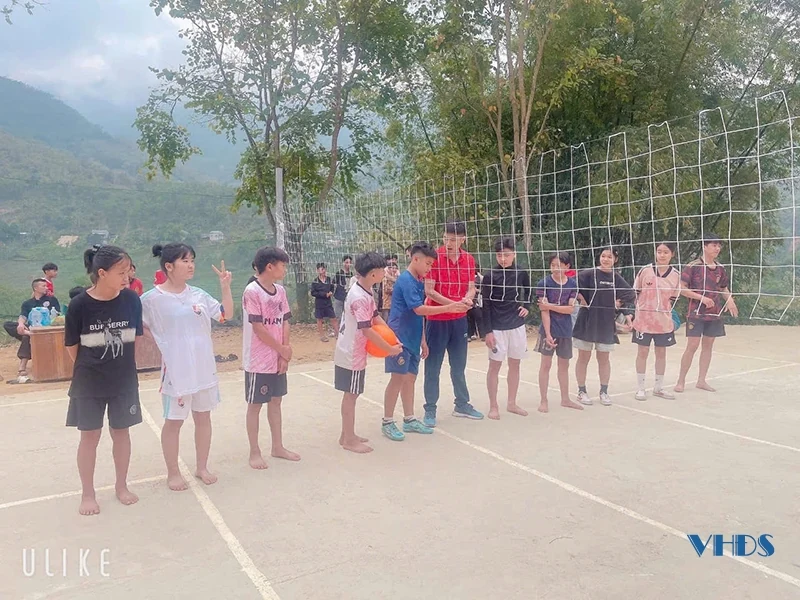 Trường PTDT Bán trú THCS Trung Lý (Mường Lát) tổ chức cho học sinh thi bóng chuyền.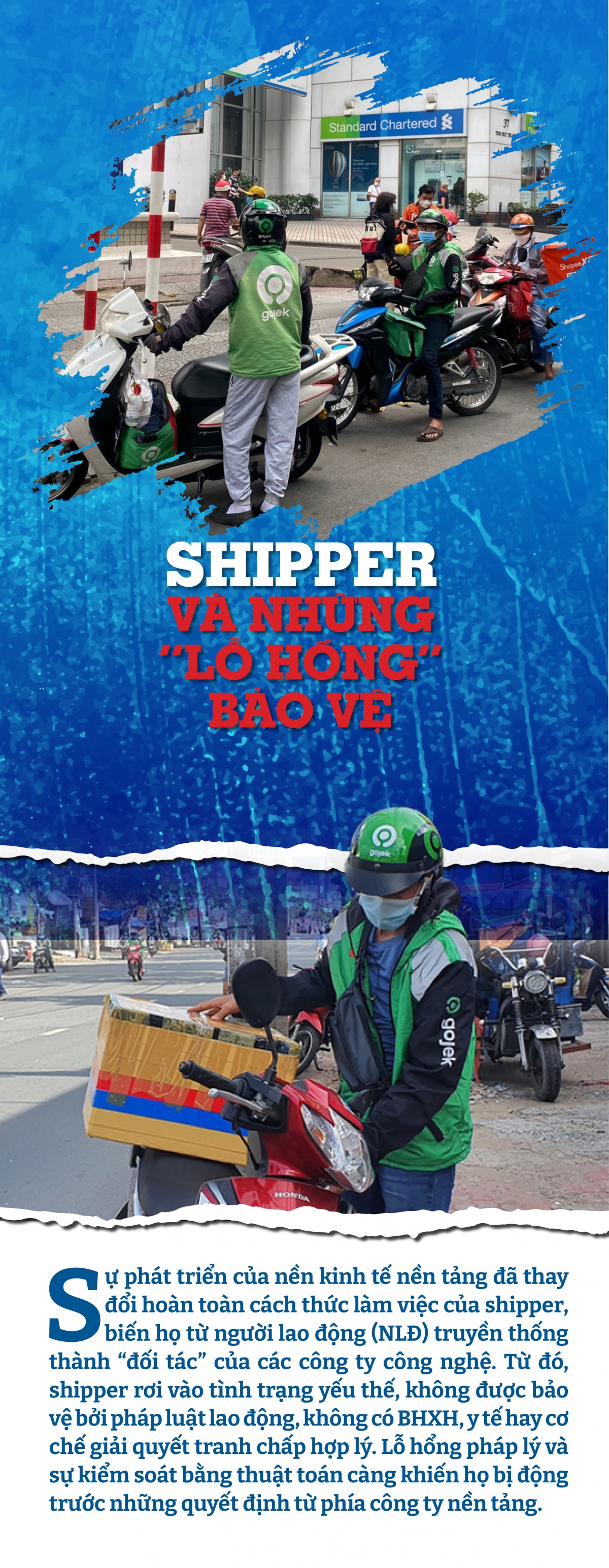




 CVD
CVD 