Consumers shopping at a supermarket in HCMC’s District 3 in January 2023. Photo by VnExpress/Thanh Tung
Dang Hoang of HCMC has been cutting back on discretionary purchases like dining out, coffee and branded clothing since the beginning of this year.
The 31-year-old marketing employee says he has been waiting for discounts to find cheap clothes and cooking at home to reduce expenses.
A survey by market research company NielsenIQ Vietnam found 62% of consumers chose to cook at home in the first quarter of the year to save money, a three point increase from the previous quarter.
The Asian Development Bank (ADB) keeps the growth outlook for Việt Nam in 2024 and 2025 unchanged at 6 per cent and 6.2 per cent respectively, on the back of a strong first-half performance.
A cashew processing line for exports in the southern province of Bình Phước. VNA/VNS Hồng Nhung
HÀ NỘI — The Asian Development Bank (ADB) has kept the growth outlook for Việt Nam in 2024 and 2025 unchanged at 6 per cent and 6.2 per cent respectively, on the back of a strong first-half performance in 2024.
The forecast was released on Wednesday in the latest edition of Asian Development Outlook (ADO), which periodically provides assessment of recent economic developments in Asia and the Pacific and medium-term macroeconomic projections for the region.
Ho Chi Minh City is one of the most unaffordable housing markets in the world, with the median home costing 32.5 times median household income. Can young people ever afford to save for their first property? A young engineer in Vietnam’s biggest city shares her strategies for reaching this goal.
Many poor people in HCM City are forced to live in makeshift houses along canals, where the environment is dirty, dangerous and unhealthy. They all hope for a more stable life in better places. Hear what they have to say.
Xăng sinh học E5: Xăng xanh thành… đống nợ Bài 1: Vốn nhà nước ngàn tỷ “trùm mền” Bài 2: Nhà máy tư nhân mòn mỏi… qua ngày Bài 3: Chưa xanh đã… tàn Bài 4: Bỏ thì thương, vương thì tội! Phản hồi loạt bài “Xăng sinh học E5: Xăng xanh thành… đống nợ”: Những lo ngại trước đây đã thành sự thực
Quang cảnh Nhà máy Nhiên liệu sinh học Phú Thọ bị bỏ hoang nhiều năm qua. Ảnh: GIA KHÁNH
***
Xăng sinh học E5: Xăng xanh thành… đống nợ – Bài 1: Vốn nhà nước ngàn tỷ “trùm mền”
Tham gia sản xuất xăng sinh học E5 có khối nhà nước và tư nhân. Các dự án có nguồn vốn nhà nước gồm: Nhà máy Nhiên liệu sinh học (Ethanol) ở huyện Tam Nông, tỉnh Phú Thọ với vốn đầu tư 1.500 tỷ đồng; nhà máy ở Khu kinh tế Dung Quất (huyện Bình Sơn, tỉnh Quảng Ngãi) với vốn đầu tư hơn 2.200 tỷ đồng và nhà máy ở huyện Bù Đăng, tỉnh Bình Phước với vốn đầu tư 1.600 tỷ đồng. Thế nhưng, cả 3 nhà máy này đã đóng cửa trong nhiều năm qua.
Cuối tháng 4 vừa qua, điện lưới quốc gia đã về đến làng Canh Giao (xã Canh Hiệp, huyện Vân Canh, tỉnh Bình Định) sau bao nhiêu năm sử dụng đèn dầu và bình ắc quy thắp sáng.
Tại trường, các em học sinh được ngồi trong lớp có quạt mát rất thoải mái
Từ khi có điện, tối đến người lớn và trẻ em quây quần bên nhau, nhà nhà tiếng cười không ngớt. Những chiếc tivi, tủ lạnh, quạt, nồi cơm điện… xuất hiện ngày một nhiều hơn.
Bà Nguyễn Thị Trang (42 tuổi) chia vui: “Trước đây cứ tối đến là nhà ai nấy ở, xung quanh tối đen như mực. Từ khi có điện, đường sá sáng sủa, mọi người đến nhà nhau chơi. Thanh niên, trẻ em sinh hoạt, ca hát vui vẻ hơn trước rất nhiều”.
Trong kho sinh trắc sẽ có nhiều mức độ, mỗi lần phải sử dụng một mức độ cao hơn là một bước đi “không thể đảo ngược”. Và nếu cứ leo thang mức độ dần dần, rồi đến nước phải sử dụng cả dữ liệu gene, đó sẽ là bước tận cùng, để rồi nếu thua là không còn vũ khí nào khác.
Phải sử dụng hình ảnh thực, tức thời để xác nhận giao dịch (trên 10 triệu)? Điều gì sẽ xảy ra khi những kho dữ liệu này bị tấn công, đường truyền, thiết bị đầu cuối bị đe doạ?
Siridzayi Dzukwa, a grandmother, right, talks to a colleague while seated at a bench in Hatfcliffe on the outskirts of the capital Harare, Zimbabwe, Saturday, May 11,2024. In Zimbabwe, talk therapy involving park benches and a network of grandmothers has become a saving grace for people with mental health issues. Now the concept is being adopted in parts of the United States and elsewhere. (AP Photo/Tsvangirayi Mukwazhi)
BY FARAI MUTSAKAU pdated 12:41 PM GMT+7, July 5, 2024
HARARE, Zimbabwe (AP) — After her son, the family’s shining light and only breadwinner, was arrested last year, Tambudzai Tembo went into meltdown. In Zimbabwe, where clinical mental health services are scarce, her chances of getting professional help were next to zero. She contemplated suicide.
“I didn’t want to live anymore. People who saw me would think everything was okay. But inside, my head was spinning,” the 57-year-old said. “I was on my own.”
A wooden bench and an empathetic grandmother saved her.
Ban đầu chỉ là bãi đất trống, trải qua 110 năm, quảng trường chợ Bến Thành trở thành đầu mối kết nối giao thông sầm uất bậc nhất, gắn bó nhiều thế hệ người Sài Gòn.
Mới đây, UBND TP HCM giao quận 1 lập kế hoạch triển khai cải tạo cảnh quan trước chợ Bến Thành, dự kiến hoàn thành trước 30/4/2025. Tổng diện tích chỉnh trang khoảng 45.000 m2, chia làm 4 vùng, bao gồm quảng trường và các con đường, vỉa hè, công trình gắn với quảng trường được xem là lâu đời nhất Sài Gòn. Sau khi hoàn thành cải tạo, nơi đây có thêm nhiều tiện ích công cộng, mảng xanh, phục dựng lại các công trình kiến trúc, tượng đài gắn với ký ức người dân thành phố.
Bấm để lật ảnh sau/trước
Bùng binh trước chợ Bến Thành những năm 1920, hiện khu vực này được tổ chức giao thông tạm trong thời gian chờ cải tạo, chỉnh trang. Ảnh: Quỳnh Trần – Tư liệu
Theo các tư liệu lịch sử, khu vực quảng trường vốn nằm ở bờ phía Đông của đầm lầy lớn, gọi là ao Bồ Rệt (Marais Boresse). Thị trưởng đầu tiên của thành phố Sài Gòn Eugène Cuniac (1851-1916) đã cho lấp ao để xây ngôi chợ mới thay cho chợ Bến Thành cũ ở giữa đại lộ Charner và Rue d’Adran (đường Nguyễn Huệ và Hồ Tùng Mậu ngày nay) đã xuống cấp.
Quảng trường được khởi công cùng lúc với chợ Bến Thành vào năm 1912 do hãng thầu Brossard et Maupin xây dựng, hoàn tất sau gần hai năm. Lễ khai thị chợ Bến Thành mới được báo chí thời đó gọi là “Tân Vương Hội”, gồm các hoạt động vui chơi kéo dài ba ngày 28, 29 và 30/3/1914 với hơn 100.000 người ở Sài Gòn và các tỉnh đổ về.
Các mặt chợ được bao bọc bởi bốn con đường, trong đó quảng trường nằm ở mặt tiền phía Nam, rộng 3.220 m2. Trong quá trình xây dựng, chính quyền phải di dời depot xe lửa thuộc tuyến đường sắt Sài Gòn – Mỹ Tho hoạt động gần 30 năm, về nhà ga phía Tây Nam của quảng trường. Khu vực này hiện là công viên 23 tháng 9.
Giai đoạn đầu, người Sài Gòn gọi khu vực này là Place du Marché (quảng trường Chợ), trong khi chợ Bến Thành được gọi là chợ Sài Gòn hoặc chợ Mới để phân biệt với chợ cũ. Đến tháng 7/1916, để tưởng niệm thị trưởng Cuniac vừa qua đời, quảng trường được đặt tên là Place Eugène – Cuniac. Những năm 1920, nơi đây diễn ra nhiều lễ hội vui chơi buôn bán. Các gánh xiếc giải trí, cải lương, nhạc tài tử, múa, ca nhạc với đánh võ quyền anh đã được tổ chức tại đây.
Cùng với đó, ga Sài Gòn mới được khánh thành vào năm 1915, sau đó một trạm xe điện được xây dựng ở khu chợ này vào năm 1923. Sau đó là hai trạm xe buýt ở phía Đông, Tây của chợ đã biến quảng trường Place Eugène – Cuniac Cuniac thành một trong những đầu mối kết nối giao thông tấp nập và quan trọng nhất của thành phố khi đó.
Trước năm 1929, quảng trường chỉ là một khoảng đất trống đơn giản. Sau đó chính quyền mới xây thêm một bùng binh và khu vườn kiểng ở trung tâm.
Khu vực bùng binh trước chợ Bến Thành năm 1970, tại đây xây hai cầu vượt để thuận tiện cho người đi bộ, kết nối với bến xe buýt, công trình được tháo dỡ năm 1972. Ảnh: Tư liệu
Từ năm 1955, chính quyền Bảo Đại đổi tên Place Eugène – Cuniac thành quảng trường Diên Hồng. Tên gọi được lấy từ hội nghị diễn ra vào thế kỷ 13, vua Trần Thánh Tông triệu tập bô lão trong cả nước để bàn về việc chống quân Nguyên Mông. Tinh thần “Sát Thát” của hội nghị Diên Hồng đã trở thành biểu tượng cho sự đoàn kết và quyết tâm bảo vệ đất nước. Ngoài ý nghĩa tôn vinh lịch sử, khơi dậy tinh thần dân tộc, việc đổi tên còn là một phần nỗ lực loại bỏ dấu ấn Pháp của chính quyền lúc bấy giờ.
Thời gian sau này, do địa thế rộng rãi, dễ tập hợp và phân tán vì có nhiều con đường xung quanh, quảng trường Diên Hồng trở thành nơi đấu tranh của những người phản đối chính quyền.
Ngày 25/8/1963, trong cuộc biểu tình đòi tự do dân chủ, chống thiết quân luật tại quảng trường, nữ sinh Quách Thị Trang, 15 tuổi, bị cảnh sát bắn chết. Hội Sinh viên Sài Gòn quyên góp tiền để tạc và dựng tượng Quách Thị Trang ở vườn kiểng, đúng nơi nữ sinh qua đời. Từ đó người thành phố gọi khu vực này là công trường hay bùng binh Quách Thị Trang. Hai năm sau, tượng tướng quân Trần Nguyên Hãn cưỡi ngựa thả chim được đặt trên bệ đá cao tại khu vực bùng binh.
Nhìn từ trên cao, tổng thể phần đảo giao thông với hai bức tượng như một nhụy hoa, trong khi phần cánh là 7 tuyến đường tỏa ra các hướng gồm Lê Lợi, Trần Hưng Đạo, Hàm Nghi, Huỳnh Thúc Kháng, Lê Lai, Phan Bội Châu và Phan Chu Trinh. Xoay quanh bùng binh là chợ Bến Thành, tòa nhà hỏa xa, bến xe, công viên, bệnh viện, tượng đài, bảo tàng, phố đồ cổ, phố ngân hàng… Nơi đây trở thành đầu mối giao thông sầm uất nhất thành phố, trở thành một phần ký ức của các thế hệ người dân Sài Gòn.
Bấm để lật ảnh sau/trước
Những thay đổi của khu vực trước chợ Bến Thành từ năm 2000 đến 2024. Ảnh: Google Maps
Năm 2014, hai bức tượng được dời để thi công ga ngầm Metro Bến Thành – Suối Tiên. Toàn bộ khu vực trước chợ được trưng dụng để triển khai hạng mục quan trọng của tuyến metro đầu tiên của thành phố. Nơi này mới được tái lập mặt bằng hai năm nay. Hiện, thành phố chuẩn bị cải tạo không gian, làm quảng trường trước chợ. Tượng Trần Nguyên Hãn, Quách Thị Trang dự kiến được đặt lại ở vị trí hài hòa với không gian mới…
KTS Khương Văn Mười, nguyên phó chủ tịch Hội Kiến trúc sư Việt Nam, cho biết bùng binh chợ Bến Thành là một phần ký ức bao gồm cả văn hóa, giao thương kinh tế và lịch sử đấu tranh của người dân Sài Gòn. Thành phố cho cải tạo không gian, giữ lại tượng Trần Nguyên Hãn, Quách Thị Trang và bố trí nơi trang trọng, nổi bật đã góp phần lưu giữ hình ảnh cũ, ký ức của người dân.
Theo chuyên gia, thành phố dự kiến khai thác không gian đường Lê Lợi, công viên 23/9 và nhiều dự án khác để nâng cao giá trị của trung tâm thành phố. Do đó, bùng binh thay đổi thành quảng trường là “phù hợp với xu thế”.
“Trung tâm thương mại lúc nào cũng cần một quảng trường rộng lớn bởi khách đến không phải bước vào chợ ngay”, KTS Mười nói. Do đó, thành phố làm quảng trường ở phía trước, xung quanh tổ chức phố ẩm thực, ăn uống, tạo ra nhiều điểm lợi ích là tính ưu việt của dự án.
Phối cảnh quảng trường trước chợ Bến Thành trong tương lai. Ảnh: Sở Quy hoạch kiến trúc TP HCM
Quan trọng hơn, trong tương lai khi tuyến Metro 1 hoạt động, cửa hầm lên xuống ngay chợ Bến Thành. Đây cũng là một hình thức TOD (phát triển đô thị theo định hướng giao thông công cộng), các trạm đều có công trình công cộng với bên này có bệnh viện, bên kia công viên, quảng trường… tạo điều kiện để người dân đi metro thuận lợi.
“Phương án cải tạo quảng trường chợ Bến Thành vừa bảo tồn được các giá trị nhưng cũng phù hợp yêu cầu phát triển mới”, ông Mười nói.
Cơ chế bất cập, quy hoạch thiếu thực tế, chất lượng xây dựng kém khiến hàng nghìn căn hộ tái định cư ở Hà Nội và TP HCM không có người ở chục năm qua.
Khu tái định cư Vĩnh Lộc B (huyện Bình Chánh) quy mô hơn 1.900 căn, nhưng đang bỏ trống gần 80%, tháng 6/2024. Ảnh: Thanh Tùng
Gia đình 5 người nhà bà Lê Thị Liễn, 62 tuổi, đã sinh sống hàng chục năm trong căn nhà rộng khoảng 12 m2 nằm sâu trong ngõ Hàng Chiếu (quận Hoàn Kiếm, Hà Nội). Căn nhà chật hẹp được cơi nới thêm một phòng ngủ trên gác xép, sau khi con trai lấy vợ.
Cuối tháng 10/2020, Ngân hàng Nhà nước Việt Nam đã long trọng tổ chức buổi gặp mặt các đồng chí cán bộ thuộc Quỹ đặc biệt (Tiền thân là Quỹ ngoại tệ đặc biệt) chi viện chiến trường miền Nam, gọi tắt là Quỹ hoặc Ban B29.
Cuộc gặp mặt chỉ còn 4 bậc lão thành về dự. Cuộc gặp mặt trước đó vào tháng 3/2017 cũng chỉ có 7 vị “nguyên lão” có thể về dự. Quân số ít ỏi, song những gì cán bộ, nhân viên của Quỹ B29 đã làm được đều là kỳ tích, góp một phần quan trọng vào cuộc đấu tranh giải phóng miền Nam, thống nhất đất nước.
“Mạch máu” cho chiến trường miền Nam
Từ cuối năm 1960, chuyển sang giai đoạn đẩy mạnh đấu tranh vũ trang, nhu cầu trang bị vũ khí, khí tài cho chiến trường miền Nam ngày một tăng cao. Bộ Chính trị đã quyết định chi viện tiền mặt ngoại tệ cho miền Nam đấu tranh.
Xe tải chở vũ khí đạn dược vào chiến trường miền Nam qua ngã ba Đồng Lộc, Can Lộc, Hà Tĩnh. (Ảnh tư liệu)Tiếp tục đọc “Mật danh B29”→
Chia sẻNhà Bè như một tờ giấy trắng về du lịch đang dần được vẽ lên những hình ảnh đặc trưng về lịch sử, địa lý, văn hóa và ẩm thực rất riêng
“Nhà Bè nước chảy chia hai
Ai về Gia Định, Đồng Nai thì về”.
Câu ca được dân gian truyền miệng từ thuở Nhà Bè chỉ là địa danh dân gian gọi nơi xưa kia dân thương hồ neo thuyền, đóng bè họp chợ trên sông cho đến khi Nhà Bè trở thành địa danh hành chính vào đầu thế kỷ XX tới nay.
Đây là quyết định 2345 của Ngân hàng Nhà nước, nhằm tăng cường đảm bảo an toàn cho người dân khi chuyển tiền.
Khách hàng được tư vấn thực hiện giao dịch qua app – Ảnh: QUANG ĐỊNH
Trao đổi với Tuổi Trẻ, ông Phạm Anh Tuấn – vụ trưởng Vụ Thanh toán (Ngân hàng Nhà nước) – cho biết:
– Thời gian qua có không ít người dân đã bị đối tượng lừa đảo chiếm đoạt tiền. Thủ đoạn của bọn lừa đảo rất tinh vi như tự xưng là cơ quan chức năng như công an, thanh tra giao thông… rồi đưa ra các tình huống khiến người dân mất cảnh giác, truy cập vào phần mềm và đường link có mã độc.
Sau đó, bọn chúng vào tài khoản, thậm chí chiếm quyền kiểm soát điện thoại để lấy sạch tiền trong tài khoản.
TP HCMBị VKS đề nghị mức án tử hình về 3 tội danh, bà Trương Mỹ Lan ngã quỵ, được cảnh sát dìu, cho phép ngồi để đảm bảo sức khỏe.
Bà Trương Mỹ Lan tại tòa, chiều 19/3. Ảnh: Thanh Tùng
Chiều 19/3, VKS hoàn tất luận tội đối với bà Trương Mỹ Lan (68 tuổi, Chủ tịch Tập đoàn Vạn Thịnh Phát) và 85 người liên quan đến các sai phạm tại Ngân hàng Thương mại cổ phần Sài Gòn (SCB).
A young and technology-savvy population, favourable policies and rich cultural heritage coupled with the rapid digitalisation and economic integration will fuel the boom of the creative economy in Việt Nam.
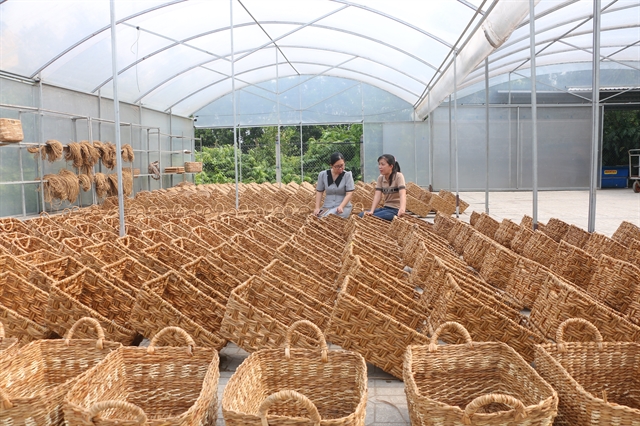
Handicraft products of MFC Mỹ Quới Cooperative in Sóc Trăng Province. Việt Nam has significant opportunities to promote the development of the creative economy. — VNA/VNS Photo Minh Hưng
HÀ NỘI — Việt Nam is in the top 10 developing economies in exporting creative products with a value of US$14.153 billion, heard a conference on Tuesday.
The conference, co-organised by the Central Institute for Economic Management (CIEM) and the German Agency for International Cooperation (GIZ), discusses opportunities and recommendations for Việt Nam to promote the development of its creative economy.


 CVD
CVD 