Jonathan Hanitzsch rests after collecting trash off the coast of Hon Mot Island on Feb. 7, 2025, in Nha Trang, Vietnam. (AP Photo/Yannick Peterhans)
By YANNICK PETERHANS and ANIRUDDHA GHOSALUpdated 9:02 AM GMT+7, March 5, 2025Share
NHA TRANG, Vietnam (AP) — The gentle waves off the coast of central Vietnam’s Nha Trang obscure an open secret: The life-giving coral reefs below are dying. The waters are eerily devoid of fish. The bounty of the ocean is coming to an end.
This is why Binh Van — who fished in these waters for over two decades — now charters his boat to Vietnamese tourists wanting to experience the thrill of fishing in the deep waters of the South China Sea. But there is only squid, which is flourishing in oceans warmed by climate change, to catch. His passengers don’t mind as the boat moves away from Nha Trang’s twinkling beach resorts. But Van is pensive.
Nguyen Tuan Hai drives Rainbow Diver’s boat to Madonna Rock, Feb. 7, 2025, in Nha Trang, Vietnam. (AP Photo/Yannick Peterhans)
It wasn’t always like this. There was a time when he’d catch 70 kilograms (154 pounds) of fish, like tuna and grouper, in one night. He can’t make money on the squid.
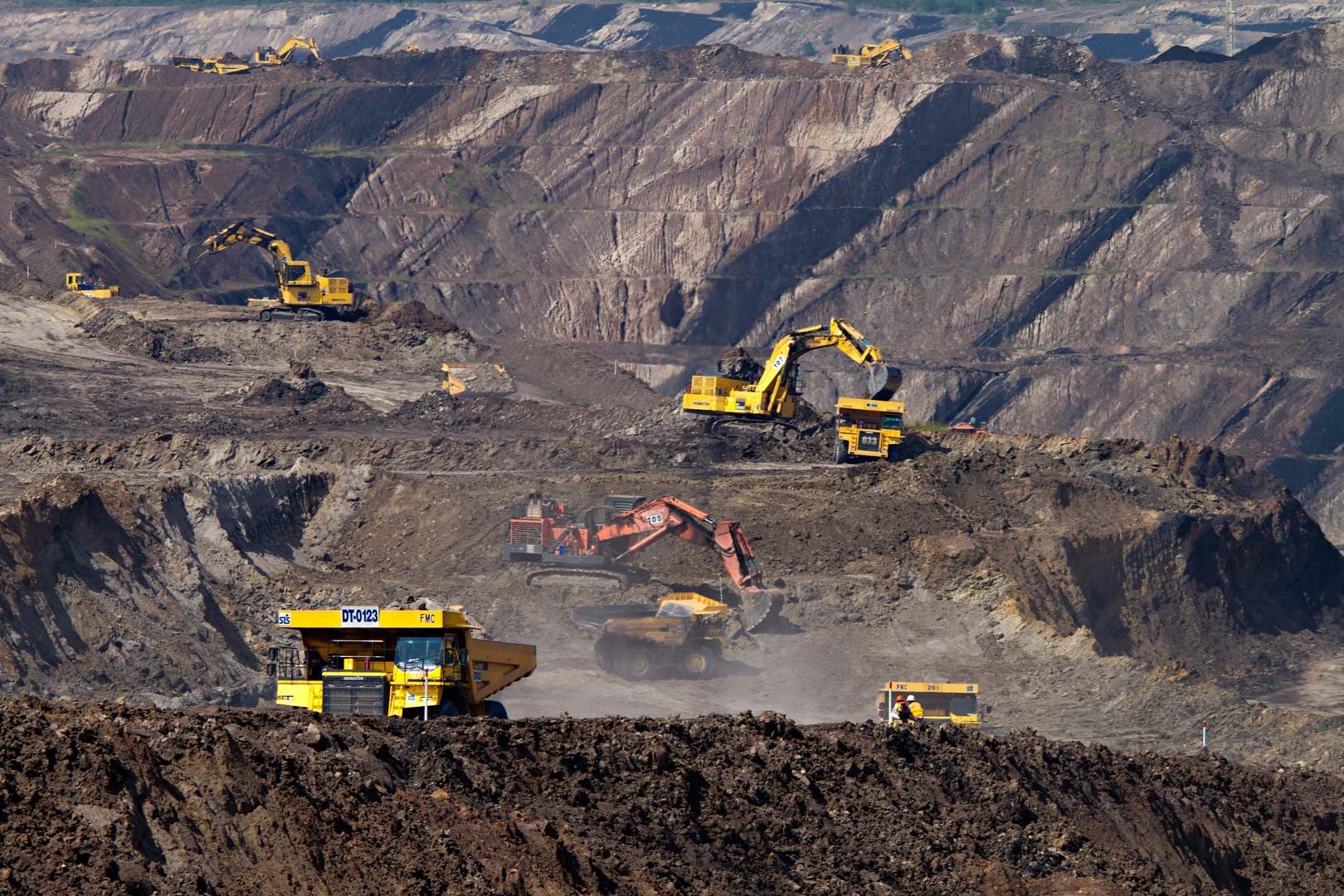
Khai thác khoáng sản đóng vai trò quan trọng trong phát triển kinh tế nhưng cũng đang để lại nhiều hệ lụy nghiêm trọng cho môi trường và hệ sinh thái ở Việt Nam. Bài viết phân tích thực trạng hoạt động khai khoáng hiện nay, đặc biệt là các sai phạm trong cấp phép, quản lý, giám sát môi trường; đồng thời đánh giá tác động tới tài nguyên, đất, nước, không khí và đa dạng sinh học.
LTS: Khai thác khoáng sản là một trong những ngành kinh tế quan trọng, góp phần không nhỏ vào sự phát triển công nghiệp và tăng trưởng GDP của Việt Nam. Tuy nhiên, cùng với những lợi ích kinh tế to lớn, hoạt động khai thác khoáng sản cũng đang đặt ra nhiều thách thức nghiêm trọng đối với môi trường và đời sống cộng đồng. Từ ô nhiễm không khí, đất, nguồn nước, cho đến suy giảm đa dạng sinh học và nguy cơ sạt lở đất, những hệ lụy môi trường do khai thác khoáng sản gây ra ngày càng hiện hữu và khó có thể xem nhẹ.
Indonesia received the most funding from China over the last decade, according to a new report by Zero Carbon Analytics. But uncertainties caused by US-driven tariff plans could see Southeast Asian countries retract green investments, said an analyst.
China’s PowerChina Huadong Engineering Corporation Limited constructed the Cirata floating solar plant in West Java, Indonesia. Image: PLN Nusantara
China is the leading source of public clean energy investments in Southeast Asia over the last decade, channeling over US$ 2.7 billion into projects across the region, according to a report by international research organisation Zero Carbon Analytics.
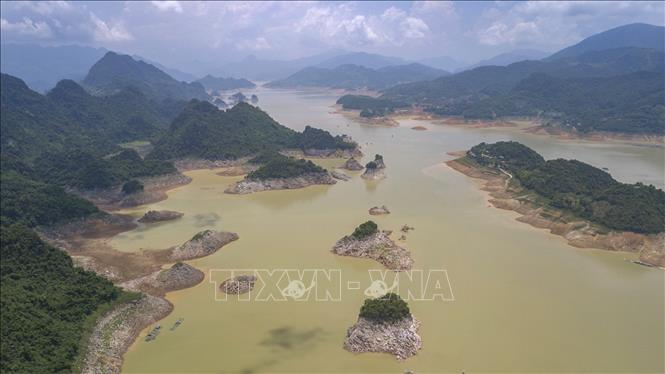
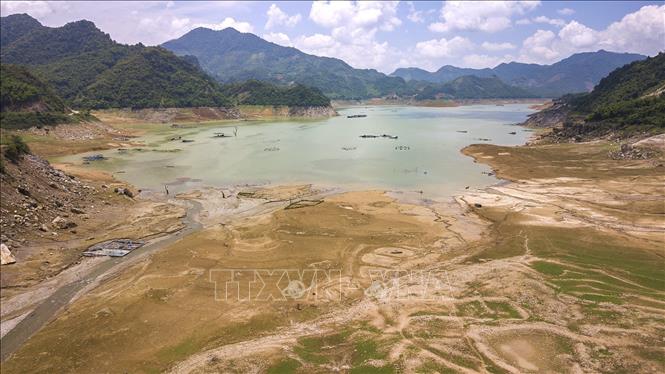
Từ tháng 3/2025, mực nước hồ thủy điện Hòa Bình liên tục xuống thấp đến mức kỷ lục, nhiều nơi trên lòng hồ cạn trơ đáy. Điều này đã ảnh hưởng nghiêm trọng đối với đời sống và sản xuất của người dân tại các xã ven hồ thuộc huyện Đà Bắc.
Đặc biệt, các hộ nuôi cá lồng, các bến cảng, các điểm du lịch cộng đồng, du lịch nghỉ dưỡng ở các xã Vầy Nưa, Hiền Lương và Tiền Phong của huyện Đà Bắc đang bị ảnh hưởng nặng nề do môi trường nước thay đổi bất thường.
Hình ảnh lòng hồ Hòa Bình khi mực nước xuống thấp kỷ lục đã làm những dãy đảo đá trơ trọi xơ xác trên nền màu nước đục ngầu.Nhiều năm qua, hồ Hòa Bình đang đối mặt với nguy cơ sụt giảm lượng nước nghiêm trọng vào mùa khô điều này đang gây ra nhiều tác động tiêu cực đến đời sống và sản xuất của người dân.
Hiện cả nước có trên 80 khu vực lấn biển, trong đó có khoảng trên 70 khu vực/dự án thuộc loại hình lấn biển, còn lại là các dự án đê chắn song, đường ống dẫn dầu…; có 19 tỉnh, thành phố ven biển phát triển các dự án lấn biển, với mục đích xây dựng cầu cảng, phát triển quỹ đất để xây dựng khu đô thị (KĐT), dân cư, du lịch, nghỉ dưỡng, khu công nghiệp… tiêu biểu như: Dự án đầu tư xây dựng, kinh doanh cơ sở hạ tầng khu công nghiệp – cảng biển – phi thuế quan Nam Đình Vũ (Hải Phòng), diện tích 1.329 ha; KĐT phức hợp Hạ Long Xanh tại thị xã Quảng Yên và TP. Hạ Long, với tổng diện tích đất ước tính khoảng 4.109,64 ha; KĐT du lịch Hùng Thắng (Bãi Cháy – Quảng Ninh), diện tích 224 ha; KĐT mới Hạ Long Marina (Hạ Long – Quảng Ninh), diện tích 230 ha; KĐT quốc tế Đa Phước (Đà Nẵng), diện tích 210 ha; KĐT sinh thái biển Phương Trang New Town (Đà Nẵng), diện tích 117 ha; KĐT mới Rạch Giá (Kiên Giang), diện tích 420 ha; Dự án Khu đô thị du lịch Cần Giờ, TP. Hồ Chí Minh, diện tích 2.870 ha [5].
(Dân trí) – Chủ đầu tư đang tiến hành lấp gần 50ha mặt nước biển ở vịnh trung tâm Cát Bà, thuộc thị trấn Cát Bà, huyện đảo Cát Hải (TP Hải Phòng) để xây dựng dự án khu du lịch, dịch vụ thương mại.
Vịnh trung tâm Thị trấn Cát Bà trước và sau khi lấn biển
Thị trấn Cát Bà là trung tâm hành chính, kinh tế, xã hội của huyện Cát Hải, TP Hải Phòng. Diện tích tự nhiên của thị trấn Cát Bà khoảng 336ha.
Ngoài ra, thị trấn Cát Bà còn là trung tâm du lịch, dịch vụ hậu cần nghề cá của huyện Cát Hải và TP Hải Phòng. Cát Bà là trung tâm du lịch của huyện Cát Hải và TP Hải Phòng.
Trong ảnh là khu vực trung tâm thị trấn Cát Bà nhìn ra vịnh Cát Bà
As well as sending remittances, many are returning to their homeland
Photograph: Hannah Reyes Morales/New York Times/Redux /Eyevine
May 22nd 2025|HO CHI MINH CITYShareListen to this story
Fifty years ago Thinh Nguyen left his homeland aboard an American navy ship. Some of his compatriots escaped in helicopters. Tens of thousands fled in makeshift boats. Many more, including Mr Nguyen’s father and brother, were left behind as troops from North Vietnam stormed into Saigon, then the capital of American-backed South Vietnam. The chaotic evacuation marked the end of the Vietnam war, badly damaged American credibility and left Vietnam in Communist hands. It also helped create one of the world’s biggest diasporas.
The recent power outage in Spain and Portugal has raised questions about the stability of solar and wind power. It also reignited the debate around the phasing out of nuclear energy.
At 12:33 p.m. on April 28, swathes of Spain and parts of Portugal were plunged into darkness: trains were stranded, phone and internet coverage faltered, and ATMs stopped working.
The electricity blackout across the Iberian Peninsula is believed to be one of the worst in Europe’s history.
Last week, Spain’s energy minister Sara Aagesen said so far it was clear an abrupt loss of power at a substation in Granada, followed by failures in Badajoz and Seville, led to a loss of 2.2 gigawatts of electricity, but that the precise cause was unknown.
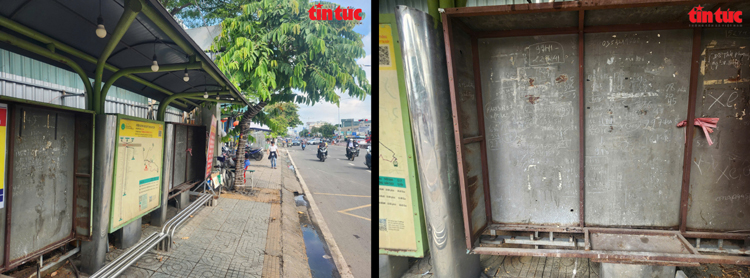
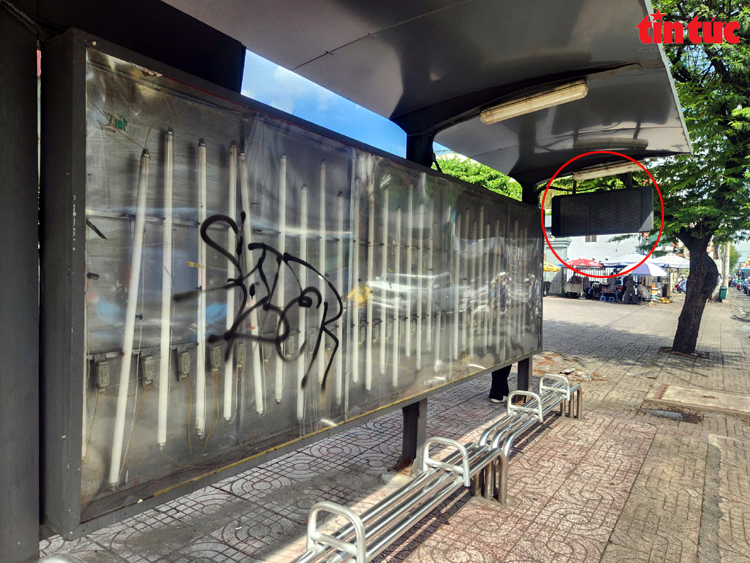
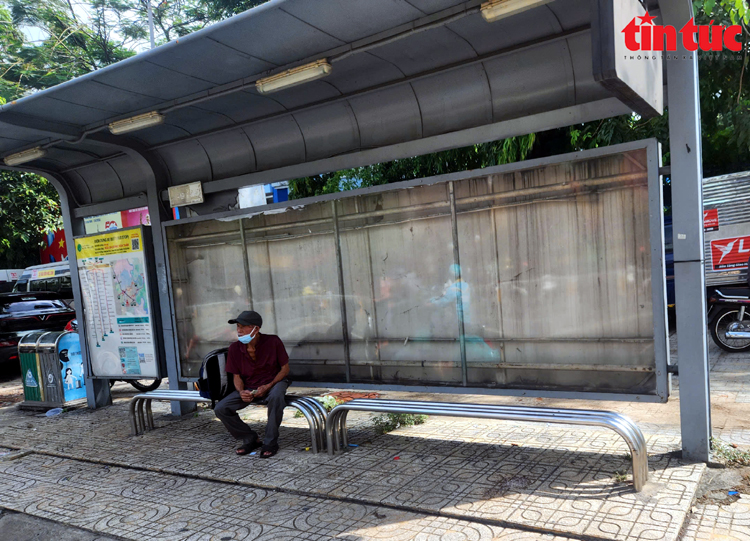
TP Hồ Chí Minh từng đầu tư đồng bộ nhiều nhà chờ xe buýt hiện đại với mái che, bảng thông tin điện tử, camera… nhằm nâng cao trải nghiệm cho người dân khi sử dụng phương tiện giao thông công cộng. Tuy nhiên, hiện nay nhiều nhà chờ và bảng thông tin điện tử đã rơi vào tình trạng xuống cấp, hư hỏng, gây bất tiện cho hành khách.
Theo ghi nhận của phóng viên báo Tin tức và Dân tộc, tại nhiều tuyến đường như Lê Lợi, Nguyễn Thị Minh Khai (Quận 1); Hồng Bàng, Thuận Kiều (Quận 5); Nguyễn Hữu Thọ (Quận 7); Trường Chinh (Quận Tân Bình); Lê Trọng Tấn (Quận Tân Phú) và khu vực huyện Nhà Bè… nhiều bảng đèn nhà chờ xe buýt hư hỏng, rỉ sét, bị vẽ bậy và bảng thông tin điện tử không còn hoạt động. Tình trạng này đặc biệt phổ biến trước các trường học, bệnh viện – nơi có lượng lớn người dân cần di chuyển bằng xe buýt.
Bảng đèn nhà chờ xe buýt trên đường Lê Trọng Tấn (quận Tân Phú) xuống cấp bị hư hỏng, rỉ sét.Bảng đèn 2 nhà chờ xe buýt trên đường Trường Chinh (quận Tân Bình) không có thông tin và bị vẽ bậy.
Bộ Nông nghiệp và Môi trường vừa chính thức kiến nghị về áp dụng lộ trình kiểm định khí thải xe máy.
Hà Nội sẽ bắt đầu kiểm định khí thải xe máy từ 2027. Ảnh: Xuyên Đông
Bộ Nông nghiệp và Môi trường trình dự thảo Quyết định của Thủ tướng Chính phủ quy định lộ trình áp dụng quy chuẩn kỹ thuật quốc gia về khí thải xe mô tô, xe gắn máy 9 (xe máy) lưu hành ở Việt Nam.
Thời điểm bắt đầu thực hiện kiểm định khí thải xe máy đang lưu hành như sau:
Từ 1 tháng 1 năm 2027 đối với xe máy lưu hành trên địa bàn 2 thành phố trực thuộc Trung ương, gồm thành phố Hà Nội và Thành phố Hồ Chí Minh.
Từ 1 tháng 1 năm 2028 đối với xe máy lưu hành trên địa bàn 4 thành phố trực thuộc Trung ương còn lại, gồm thành phố Hải Phòng, thành phố Đà Nẵng, thành phố Cần Thơ và thành phố Huế.
Từ 1 tháng 1 năm 2030 đối với xe máy lưu hành trên địa bàn các tỉnh, thành phố còn lại. Tùy theo tình hình thực tế, các tỉnh, thành phố này có thể quy định áp dụng thời hạn sớm hơn.
Xe mô tô sản xuất trước năm 2008, áp dụng Mức 1 – Giới hạn lớn nhất cho phép của khí thải quy định tại Quy chuẩn kỹ thuật môi trường quốc gia về khí thải xe mô tô, xe gắn máy lưu hành ở Việt Nam.
Xe mô tô sản xuất từ năm 2008 đến năm 2016, áp dụng Mức 2 – Giới hạn lớn nhất cho phép của khí thải quy định tại Quy chuẩn kỹ thuật môi trường quốc gia về khí thải xe mô tô, xe gắn máy lưu hành ở Việt Nam.
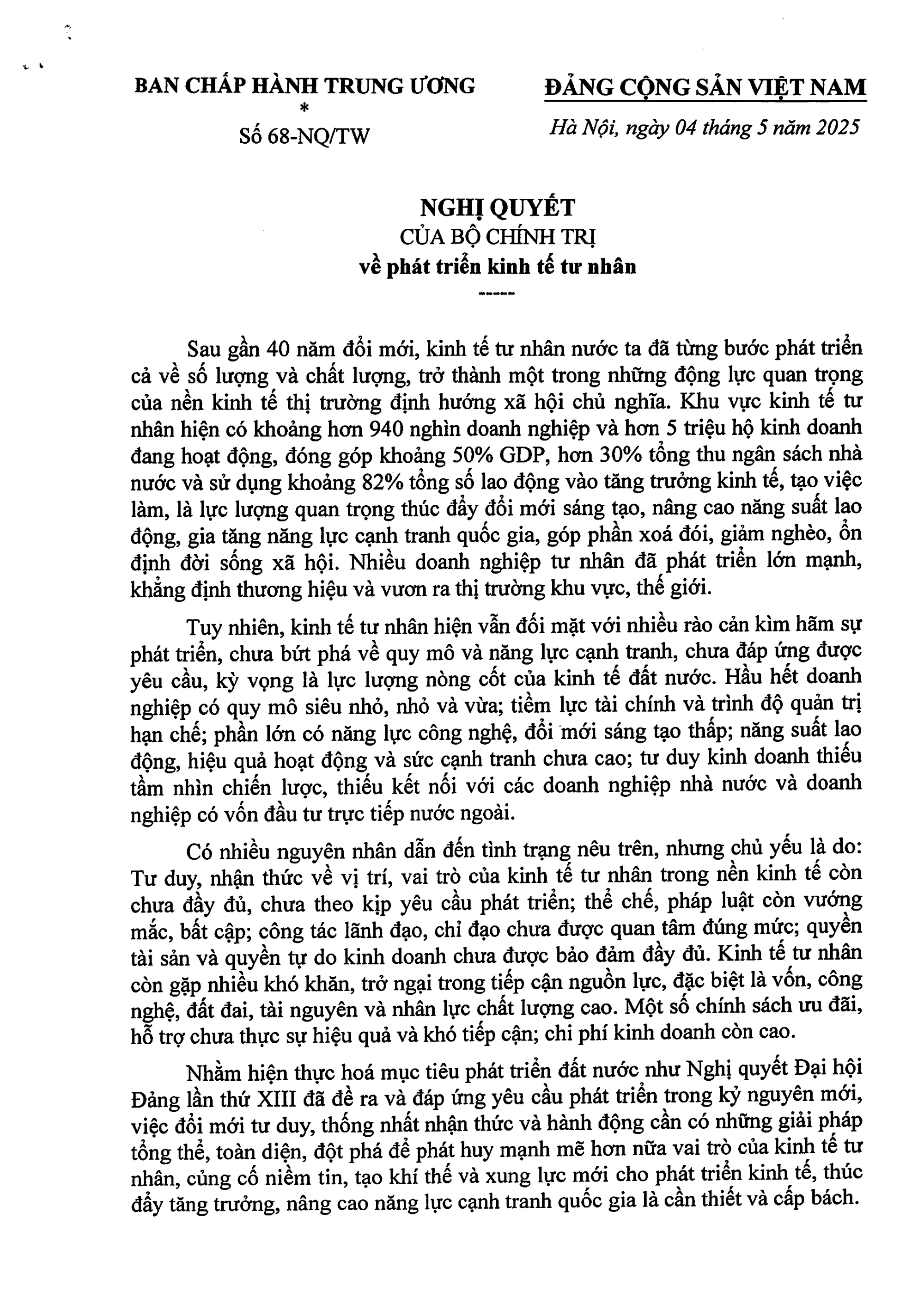
(Chinhphu.vn) – Thay mặt Bộ Chính trị, Tổng Bí thư Tô Lâm vừa ký Nghị quyết số 68-NQ/TW ngày 4/5/2025 của Bộ Chính trị về phát triển kinh tế tư nhân. Cổng Thông tin điện tử Chính phủ trân trọng giới thiệu toàn văn Nghị quyết này.
Nghị quyết số 68-NQ/TW của Bộ Chính trị về phát triển kinh tế tư nhân
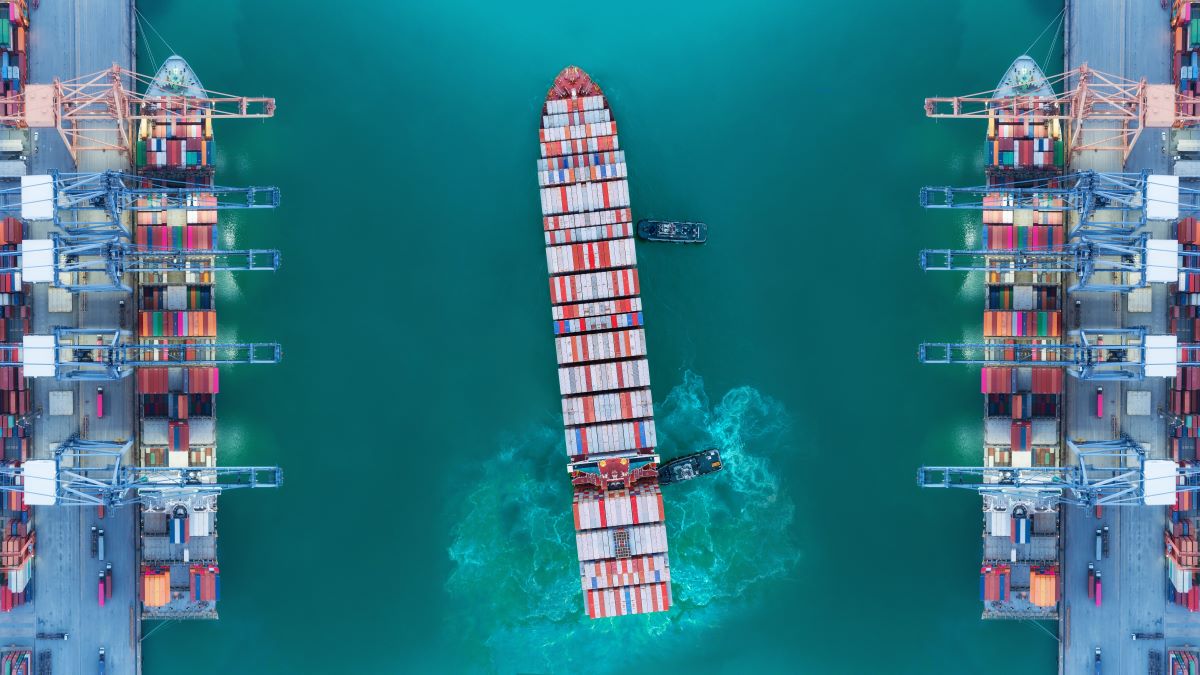
Maritime transport moves over 80% of goods traded worldwide. Country-level seaborne trade data is vital for shaping better transport, trade and investment policies.
UN Trade and Development (UNCTAD) released on 15 April newseaborne trade data. For the first time, the dataset includes country-level statistics.
Maritime transport is the backbone of global trade, moving over 80% of goods traded worldwide by volume. It connects global value chains, carrying raw materials and semi-processed goods to production hubs and delivering finished products to consumers. These flows are vital for industrialization, economic growth and job creation.
Seaborne trade has evolved over the decades, shaped by containerization, the rise of developing economies and shifting production and consumption patterns. Today, digitalization, geopolitics and the push for sustainability and climate resilience are redefining the sector.
A clearer picture of who ships what – and how much
Reliable, up-to-date country-level data is key to understanding trade flows and guiding better transport and trade policies and investment decisions.
Built from official trade data reported by governments to UN Comtrade, the new dataset offers a more accurate and comparable view of global maritime cargo movements, helping countries to:
Monitor trade performance and competitiveness.
Assess integration into global supply chains and trade networks.
Inform port and transport infrastructure investment decisions.
Track progress on Sustainable Development Goal 9.1.2 to develop quality, reliable, sustainable and resilient infrastructure – for which maritime freight and port cargo volumes are indicators.
Data highlights developing countries’ rising share of maritime trade
Historically, developing countries served mainly as loading hubs – major exporters of raw materials but marginal importers of manufactured goods. But this has evolved since the 1970s, driven by structural changes such as the oil crises, trade liberalization, increased private sector participation in port operations, the rise of container shipping and reforms to liner shipping alliances.
The shift accelerated in the early 2000s as developing countries increased trade among themselves – including in raw materials, oil and manufactured goods. Their share of global maritime freight rose from 38% in 2000 to 54% in 2023. The surge was led by Asia, with China driving much of the growth.
This article is on the page FiscalData of Treasury.gov, the website of the US Treasury.
It explains every thing you need to know about the National Debt (or National Deficit). Very good economic lesson. Though it talks about the US Federal government, it is very much true to all governments of the world as far as economic principles and fiscal policies are concern.








 CVD
CVD 