Hơn 300.000 tài khoản đăng kí sử dụng, nhiều quận tại TP.HCM sắp có xe đạp công cộng

danviet.vn Thứ hai, ngày 13/03/2023 16:39 PM (GMT+7)

Sau hơn một năm thí điểm ở trung tâm quận 1 (TP.HCM), xe đạp công cộng đã thu hút hơn 300.000 tài khoản đăng ký sử dụng. Mô hình này nhận nhiều phản hồi tích cực và mong muốn nhân rộng từ người dân.

Hơn 300.000 tài khoản đăng kí sử dụng, nhiều quận tại TP.HCM sắp có xe đạp công cộng

Hơn 300.000 tài khoản đã đăng kí, TP.HCM dự kiến mở rộng mô hình xe đạp công cộng trong năm 2023

Xe đạp công cộng thu hút người dân TP.HCM

Thời gian qua, nhiều người dân đi lại khu vực trung tâm TP.HCM đã quen thuộc với hình ảnh dãy xe đạp cộng cộng được bố trí trên vỉa hè nhiều tuyến đường, có màu xanh đẹp mắt. Để sử dụng xe đạp, người dân chỉ cần tải ứng dụng, quét mã code mở khóa.

Chị Võ Thị Mai Hoa (28 tuổi, nhân viên văn phòng, ngụ Bình Thạnh), cho biết là công việc văn phòng, làm việc với máy tính nên chị ít có thời gian vận động. Bởi vậy, dịp cuối tuần chị Hoa thường vào quận 1 để cà phê với bạn bè sẽ thỉnh thoảng lại ghé thuê xe. Đây là hình thức vừa tập thể dục, vừa có thể ngắm phố phường, giúp thư thái đầu óc sau thời gian làm việc căng thẳng.

Tiếp tục đọc “Hơn 300.000 tài khoản đăng kí sử dụng, nhiều quận tại TP.HCM sắp có xe đạp công cộng”

17 billion USD needed to build railway connecting to seaports

As much as 17 billion USD is needed to build two railway routes connecting to seaports, namely Lao Cai-Hanoi-Hai Phong and Bien Hoa-Vung Tau, according to the Ministry of Transport (MoT).

Monday, July 17, 2023 at 17:06

17 billion USD needed to build railway connecting to seaports

A pre-feasibility study is underway for the Bien Hoa-Vung Tau route with 1,435mm gauge tracks. It is 128km long with a total investment of 6.2 billion USD.

Meanwhile, the detailed planning of the 380km-long Lao Cai-Hanoi-Hai Phong project has been basically completed at a cost of about 11 billion USD.

According to the MoT, a large amount of the money for the two projects will come from the public investment fund.

Due to their big investment, the two projects have been included in the list of those that call for foreign investment in the 2021-2025 period, the ministry said, adding that it is preparing for capital mobilisation so that construction of the projects will start before 2030.

VNA

RELATED NEWS

Railway sector’s revenue up 17% in H1

Forming a policy framework to develop the railway sector

Railway, seaport networks need to be arteries of economy: Deputy PM

Vietnam to have 16 more railway lines by 2030

Railway sector identifies major pillars in 2023

Thailand: Moving from punishment to treatment of people who use drugs

news.un.org Health

People who use drugs in Thailand are receiving more help to reduce the harm caused by their habit thanks to a change in formerly punitive drug laws and support from the UN Office on Drugs and Crime (UNODC).

“I first started taking drugs when I was 15,” says 49-year-old Prapat Sukkeaw. “I smoked marijuana, but it was laced with heroin. I felt like I was floating, and it meant that I could forget about all the problems that I faced as a teenager. It was a beautiful feeling.”

Prapat Sukkeaw is one of an estimated 57,000 people who currently injects drugs in Thailand. His drugs of choice, marijuana and heroin, reflect a period in Thailand’s recent history when both illegal narcotics were the main stimulants being trafficked out of the storied Golden Triangle, a remote and somewhat inaccessible region which includes northern Thailand as well as Myanmar and Laos.

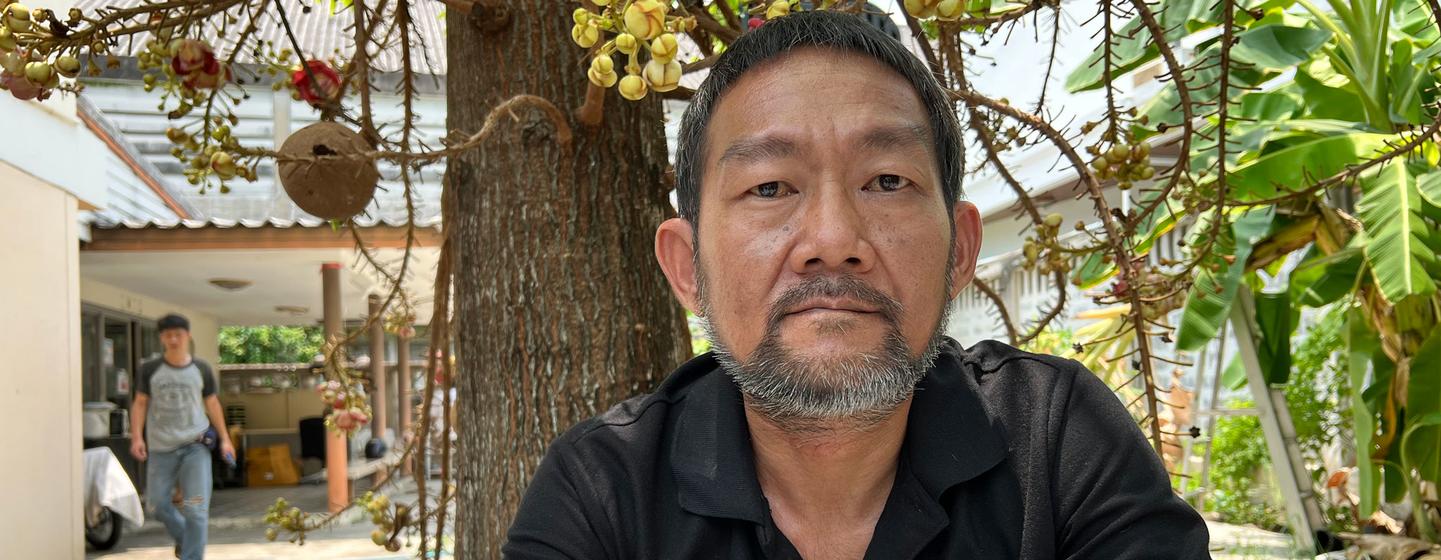
49-year-old Prapat Sukkeaw has used drugs since the age of 15.

UN News/Daniel Dickinson

49-year-old Prapat Sukkeaw has used drugs since the age of 15.

Employed by a non-governmental organization (NGO), he has on occasion wanted to give up heroin due to pressure from family and friends. Now, he has recognized that, even if he admits to being addicted, taking drugs “is my preference and my right”. He has now started taking the synthetic drug methamphetamine, as heroin has become progressively more expensive.

Tiếp tục đọc “Thailand: Moving from punishment to treatment of people who use drugs”

“The Mekong is Dying”: How China’s River Diplomacy Neglects Locals, Exacerbates Climate Change

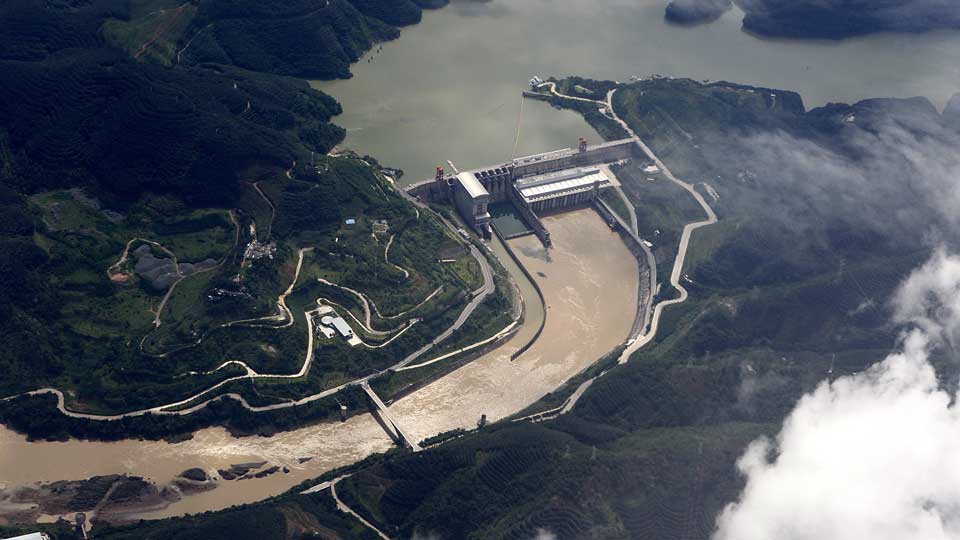
File image of the aerial view of the Jinghong Hydropower Station on the Lancang River, the Chinese part of the Mekong River, in Jinghong city, Xishuangbanna Dai Autonomous Prefecture, southwest China’s Yunnan province. Imaginechina Limited / Alamy Stock Photo

Chinaglobalsouth.com

The rainy season would usually start in May, but this was late June and it was still not raining much. Niwat Roykaew, who grew up on the bank of the Mekong River in Thailand’s northern Chiang Rai province, noticed. 

Born and raised in the Chiang Khong district, Roykaew, 63, was taught to observe the Mekong River to tell the season. But, in the past two decades, the river has become unpredictable like it has “pulsated out of tune”.

Niwat Roykaew is a Thai activist who campaigns for China to share data about water restrictions by its dams upstream.

“The water would get high for two days, then on the third day it would suddenly drop, even during the rainy season,” said Roykaew. 

Local residents like him knew that this delay could mean another year of drought. Since at least 2019, that’s what has happened: the monsoon rain is late, and when it comes, it departs early.

The Mekong River’s water levels in the lower basin, including in Thailand, are now very unstable, being heavily affected both by climate change and hydropower dams upstream that are mostly powered by China, according to local residents, activists, and experts.

Tiếp tục đọc ““The Mekong is Dying”: How China’s River Diplomacy Neglects Locals, Exacerbates Climate Change”

EVN đang mua điện giá bao nhiêu?

ERAV.vn

EVN mua điện từ nhiều nguồn như thủy điện, nhiệt điện than, điện gió, điện mặt trời, tuabin khí, nhập khẩu. Trong đó, thủy điện đang có giá rẻ nhất, còn nhiệt điện than lại rất đắt do giá than cao.

Điện than đang đắt lên

Thông tin từ Tập đoàn Điện lực Việt Nam (EVN) cho thấy, giá mua điện bình quân các loại hình nguồn trong 3 tháng đầu năm 2023 là 1.844,9 đồng/kWh. Đây là thời điểm giá bán điện vẫn ở mức 1.864,44 đồng/kWh. Như vậy, giá mua điện của EVN gần ngang bằng với giá bán điện của tập đoàn này khi chưa được điều chỉnh tăng.

Nếu cộng thêm các chi phí khác như phân phối, truyền tải, dịch vụ phụ trợ, điều độ… thì giá điện mua vào sẽ cao hơn giá bán ra. 

Biểu đồ dưới đây cho thấy nhiệt điện than có giá lên tới gần 2.000 đồng/kWh. Nguyên nhân là giá than vẫn duy trì ở mức cao.


Ngoài ra, EVN còn mua gián tiếp trên thị trường điện. Mức giá cụ thể như biểu đồ dưới đây cho thấy giá điện than cũng lên tới hơn 2.100 đồng/kWh.

Tiếp tục đọc “EVN đang mua điện giá bao nhiêu?”

Nam Thủy Bắc Điều – tham vọng chuyển nước nhiều tranh cãi của Trung Quốc

VNE – Thứ ba, 30/8/2022, 19:00 (GMT+7)

Nam Thủy Bắc Điều – tham vọng chuyển nước nhiều tranh cãi của Trung Quốc

Nam Thủy Bắc Điều là đại dự án đưa nước từ các con sông miền nam tới miền bắc khô hạn của Trung Quốc, nhưng gây nhiều tranh cãi về môi trường.

Sơ đồ các tuyến dẫn nước trong dự án Nam Thủy Bắc Điều. Nguồn dữ liệu: Global Times

Hãng thông tấn Xinhua của Trung Quốc cho biết dự án Nam Thủy Bắc Điều, hệ thống vận chuyển nước lớn nhất thế giới, đưa nước từ miền nam lên miền bắc Trung Quốc xuyên qua lòng sông Hoàng Hà, được thử nghiệm thành công ngày 25/8. Đợt thử nghiệm được tiến hành nhằm đánh giá quá trình vận hành toàn bộ 155 đơn vị và đưa toàn bộ đại dự án vào hoạt động.

Tiếp tục đọc “Nam Thủy Bắc Điều – tham vọng chuyển nước nhiều tranh cãi của Trung Quốc”

As livelihoods clash with development, Vietnam’s Cần Giờ mangroves are at risk

Mongabay – by Lam Nguyen and Danielle Keeton-Olsen on 28 February 2023

  • Cần Giờ, a coastal district of Ho Chi Minh City, is home to a 75,740-hectare (187,158-acre) mangrove forest, planted and maintained as part of post-war reforestation efforts.
  • The district’s residents largely depend on aquaculture, shellfish gathering and small-scale ecotourism for their livelihoods.
  • The government and developers hope to market the area as an ecotourism city based on its natural beauty and post-war success story, but major projects could disrupt Cần Giờ’s precarious balance between ecosystems and livelihoods.
  • All names of sources in Cần Giờ have been changed so people could speak freely without fearing repercussions from authorities.

Tiếp tục đọc “As livelihoods clash with development, Vietnam’s Cần Giờ mangroves are at risk”

Ten hydroelectric reservoirs reach ‘dead level’

vietnamplus.vn

Hydroelectric reservoirs’ water levels are lower than annual averages, according to a May 10 report from Vietnam Electricity Group (EVN), and 10 are either close to or under the ‘dead level’.

Current water levels at Lai Chau hydroelectric reservoir. (Photo: kinhtedothi.vn)

Hanoi (VNS/VNA) – Hydroelectric reservoirs‘ water levels are lower than annual averages, according to a May 10 report from Vietnam Electricity Group (EVN), and 10 are either close to or under the ‘dead level’.

During the monitoring of the national electricity system in April and early May, prolonged intense heat waves across a wide area led to a significant increase in electricity consumption.

Even though the early May heatwave in the northern region only lasted a few days, it resulted in very high levels of power capacity and electricity consumption throughout the country.

For instance, the total power consumption on May 6, albeit a Saturday, reached 43,300 megawatts, while the total energy consumption reached 895 million kilowatts per hour (kWh).

Forecast for the upcoming months of May, June, and July indicates that the northern region will enter the peak period of hot weather, resulting in an increasing trend of electricity consumption, surpassing the planned operation of the national power system approved by the Ministry of Industry and Trade.

Meanwhile, the hydrological situation of reservoirs in recent months has experienced unfavourable fluctuations, significantly lower than the multi-year average.

Many hydropower reservoirs across the country are facing water shortages, with several hydropower reservoirs in the central and southern regions experiencing low water levels.

According to the EVN, 10 are close or under the “dead level”, which means that the total consumption is under 4,500 megawatts.

These reservoirs are Lai Chau, Tri An, Ialy, Ban Chat, Huoi Quang, Trung Son, Buon Kuop, Buon Tua Srah, Srepok 3, and Song Ba Ha.

The remaining electricity production in the entire system is 4.5 billion kWh, which is 1.6 billion kWh lower than the planned amount and 4.1 billion kWh lower than the same period in 2022.

According to the forecast by the National Centre for Hydro-Meteorological Forecasting (NCHMF), as El Nino is expected to occur in the later months of 2023, there will be higher temperatures and lower rainfall compared to the multi-year average, which will further contribute to a decreasing trend in water inflow to reservoirs during the second half of the year.

To deal with this situation, EVN asked its customers to tighten energy-saving consumption, especially in the noon and evening hours.

EVN recommends putting air conditioners at a reasonable level, between 26 to 27 degrees Celsius, and avoiding using multiple high-capacity electrical devices simultaneously./.

Con đường Facebook

Mai Thanh Hải – Nguyễn Độc Lập

13/11/2022 06:34 GMT+7

TN Bản Máy là xã biên giới thuộc H.Hoàng Su Phì, Hà Giang. Đây là xã nằm trong danh sách đặc biệt khó khăn, do ở địa bàn hẻo lánh, đi lại khó khăn, thời tiết khí hậu khắc nghiệt, kinh tế chủ yếu tự cung tự cấp.

Xã Bản Máy có 4 thôn bản, trong đó cụm Mã Tẻn là khó khăn nhất. Từ trung tâm xã, chỉ có cách đi xe máy (thời tiết nắng ráo) hoặc đi bộ (trời mưa, mùa đông mây mù), với quãng đường gần 7 km mới tới trung tâm của thôn là điểm trường mầm non Mã Tẻn (thuộc Trường mầm non Bản Máy), nằm cách đường biên khoảng 300 m theo đường chim bay. Từ vị trí này có thể nhìn rõ người, xe bên Trung Quốc.

Mã Tẻn nằm trên vùng núi cao, mây mù bao phủ nhiều tháng trong năm – NGUYỄN ĐỘC LẬP

Tiếp tục đọc “Con đường Facebook”

Vietnam’s power blackouts hit multinationals’ manufacturing hubs

reuters.com

By Khanh Vu  and Francesco Guarascio

June 5, 2023 – 4:33 PM GMT+7

Vietnam's power blackouts hit multinationals' manufacturing hubs

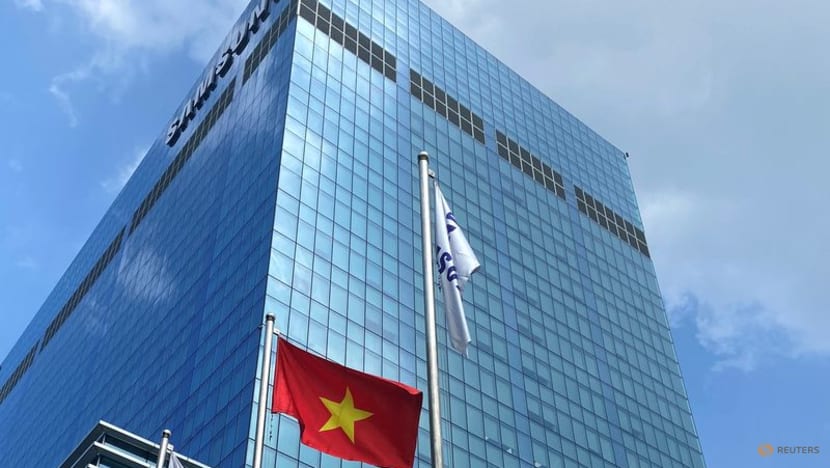
FILE PHOTO: Samsung centre building is seen in Hanoi Vietnam May 29, 2023. REUTERS/Francesco Guarascio

HANOI, June 5 (Reuters) – Vietnam’s rolling power cuts have hit industrial parks in the country’s northern provinces where top global manufacturers such as Foxconn and Samsung have factories, officials said on Monday, as a surge in consumption amid a heatwave stretched the power supply system.

The frequent and often unannounced power cuts prompted EuroCham, which represents European companies in the country, to send a letter on Monday to the industry and trade ministry urging quick measures to address the emergency.

Some industrial parks in the northern provinces of Bac Ninh and Bac Giang have been facing blackouts, said two local investment officials, declining to be named as they were not authorised to speak to media.

“We are working with EVN later today to discuss the situation and possible measures to limit the impacts,” one of the officials said, referring to the country’s state utility Electricity of Vietnam.

The provinces house production facilities of Samsung Electronics , Foxconn, Canon Inc and Luxshare, among others.

Tiếp tục đọc “Vietnam’s power blackouts hit multinationals’ manufacturing hubs”

Vì sao thiếu điện mà EVN chưa mua điện gió?

vietnamnet.vn

Để các dự án năng lượng tái tạo được sớm phát lên lưới, trách nhiệm không chỉ nằm ở EVN mà còn của Bộ Công Thương, UBND các tỉnh và nhất là các chủ đầu tư.

Được mở đường, nhà đầu tư vẫn lừng khừng

Đến nay có 85 dự án điện tái tạo (gồm 8 dự án điện mặt trời và 77 dự án điện gió), với tổng công suất hơn 4.700MW đã và đang đầu tư, xây dựng và lỡ hẹn giá ưu đãi vì giá FiT cho điện gió kết thúc vào tháng 31/10/2021 và điện mặt trời kết thúc vào tháng 12/2020.

Nhiều dự án điện gió, điện mặt trời lỡ hẹn giá FiT. Ảnh: Thạch Thảo

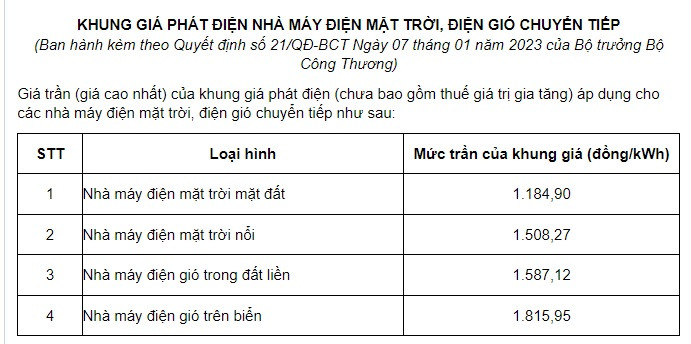
Mãi đến ngày 7/1/2023, Bộ trưởng Công Thương mới ban hành quyết định về khung giá phát điện nhà máy điện mặt trời, điện gió chuyển tiếp. Sự chậm trễ này rõ ràng có phần trách nhiệm của Bộ Công Thương.

Nhưng từ đó đến giữa tháng 5/2023, rất ít chủ đầu tư gửi hồ sơ đàm phán đến Công ty mua bán điện thuộc EVN (EPTC) vì nhà đầu tư “chê” mức giá đó là quá thấp.

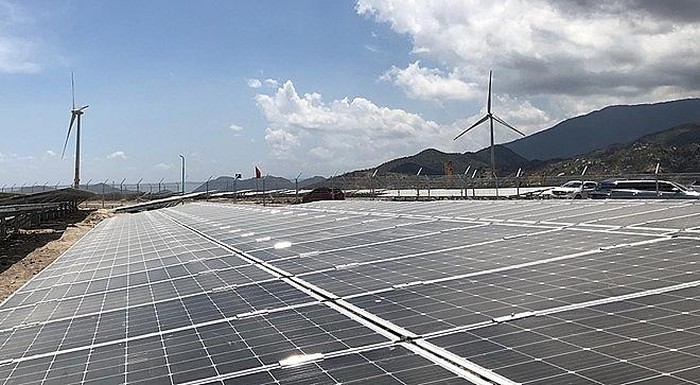
Căn cứ mức giá trần này, mỗi kWh điện mặt trời mặt đất có giá tạm tính là 592,45 đồng; điện mặt trời nổi là 754,13 đồng; điện gió trong đất liền là 793,56 đồng; điện gió trên biển là 907,97 đồng.

Tiếp tục đọc “Vì sao thiếu điện mà EVN chưa mua điện gió?”

Competitive market key to expanding Electric Vehicle charging network

renewableenergymagazine.com

Electric vehicle (EV) charging stations will better serve EV owners if lawmakers and regulators enable a level playing field for competitive providers, concludes a new report entitled “Serving Customers Best: The Benefits of Competitive Electric Vehicle Charging Stations.”

New report finds competitive market key to expanding EV charging network

Courtesy of Ernest Ojeh, Unsplash.

The 52-page report addresses a key aspect of the clean energy transition, finding that utility ownership of EV charging stations is generally not in the public interest and that allowing monopoly utilities to own charging stations will deliver less efficient, lower-quality service and choice to EV owners. This will result in unfair cost shifting to other electricity consumers.

“Regulators and legislators will serve the EV charging public best if they provide for a competitive and nondiscriminatory environment for public charging stations” said Rob Gramlich, President of Grid Strategies and one of the four co-authors of the study. “We should enable the market to work if we want to build-out EV charging infrastructure and give drivers the best prices and services possible along the way.”

The report stresses that extending the monopoly position of utilities into the EV charging sector would hurt the EV charging public and, by extension, the overall effort to electrify transportation.

Frank Lacey, a co-author, emphasises a key finding in the study: “Regulators should proclaim EV charging to be a competitive service and then focus on policies to support the development of the charging network. Competition in charging will lead to the best results for the build-out of EV charging, for consumer pricing of electricity, and for service of EV drivers. The time to make these policy choices is now, before charging becomes monopolised.”

The report makes the following recommendations:

Regulated Rate Policies – Regulators need to consider the impact of regulated rates and rate design on EV charging stations and station owners.

Utility Ownership – Regulators should ban or disfavor utility ownership of charging stations.

Distribution Planning – Regulators should support an increased focus on planning using state-of-the-art tools and should allow for proactive, rather than reactive, development of the distribution systems.

Interconnection Policies – Regulators should support the development of dedicated interconnection personnel, work with utilities to standardise and streamline timelines and processes, allow more flexible policies with respect to inventory and supply chain issues, and ensure that nonutility owners of charging stations receive fair and equal service from the utility when developing charging stations.

Private Sector Access – Regulators should work with utilities to develop, train, and certify third parties to work with private investors to build out the distribution network, where feasible.

Cost Allocation – Regulators should create cost-allocation policies fair to all parties to recover the costs of developing the infrastructure required for robust EV charging.

Meeting Public Need at the Lowest Cost – If a public need arises, regulators should look for solutions other than a utility to meet the need.

Divestiture of utility-owned charging stations – Regulators should have utilities sell any utility-owned EV charging stations to nonutility entities.

The report was sponsored by the National Association of Convenience Stores (NACS), which represents a business sector with considerable investment in robust distribution and service networks designed to meet the motoring public’s needs. Convenience stores sell an estimated 80 percent of the fuels purchased by drivers.

For additional information:

Grid Strategies

Report: “Serving Customers Best: The Benefits of Competitive Electric Vehicle Charging Stations.”

Những người vá đường xuyên đêm

VNE – Thứ ba, 23/5/2023, 12:07 (GMT+7)

HÀ NỘI – 22h, trên đoạn đường giao với cao tốc Pháp Vân – Cầu Giẽ, nhóm 7 thanh niên hối hả bê từng bao nhựa đường đổ xuống ổ gà dài gần 3 m.

Sau khi đổ nhựa đường, 5 thành viên của nhóm dùng búa đập nhỏ và dàn đều, hai người khác được phân nhiệm vụ chốt chặn, phân luồng phương tiện bởi càng về khuya, lượng ôtô di chuyển lớn.

Thấy một xe tải đến gần, Phạm Văn Hiếu ra hiệu cho tài xế đánh lái đi qua vị trí vừa đổ nhựa đường. Dường như đã quen với việc này, chiếc xe cán qua rồi cài số lùi để cán thêm lần nữa. “Chắc rồi, cảm ơn anh. Chúng tôi đỡ phải dùng nhiều sức để đầm cho chặt”, bà Chiến (57 tuổi), một thành viên trong nhóm nói.

Sau gần hai tiếng trong đêm 17/5, đoạn sụt lún được san phẳng, các phương tiện di chuyển dễ dàng hơn. Đây là một trong hàng nghìn buổi vá đường nhóm anh Phạm Văn Hiếu (32 tuổi) ở huyện Thường Tín làm hơn mười năm qua.

Một điều phối viên hướng dẫn tài xế xe tải cán qua đoạn vừa rải nhựa đường để ép phẳng, tạo kết cấu bền chắc, tối 17/5. Ảnh: Quỳnh Nguyễn

Tiếp tục đọc “Những người vá đường xuyên đêm”