Tiểu đa phương ASEAN ở Biển Đông

TT – 17/01/2022 – 15:56

Cục diện cấu trúc an ninh ở Biển Đông dường như đã tiến triển sang một giai đoạn mới khi Indonesia, nơi đặt trụ sở của tổ chức ASEAN, quyết định thúc đẩy các hoạt động hợp tác an ninh hàng hải mang tính đa phương với các quốc gia trong khu vực.

Tiểu đa phương ASEAN ở Biển Đông - Ảnh 1.

Một tàu hải cảnh Trung Quốc được nhìn từ tàu hải quân Indonesia đang trong cuộc tuần tra ở khu vực Biển Bắc Natuna – Ảnh: REUTERS

Điều này cũng trùng hợp với căng thẳng gần đây giữa Indonesia với Trung Quốc ở khu vực ngoài khơi quần đảo Natuna thuộc chủ quyền Indonesia.

Tiếp tục đọc “Tiểu đa phương ASEAN ở Biển Đông”

China is still the ultimate prize that Western banks can’t resist

edition.cnn.com

Analysis by Laura HeCNN Business

Updated 1041 GMT (1841 HKT) January 14, 2022

Jamie Dimon on China joke: 'I regret and should not have made that comment'

A version of this story appeared in CNN’s Meanwhile in China newsletter, a three-times-a-week update exploring what you need to know about the country’s rise and how it impacts the world. Sign up here.

Hong Kong (CNN Business)For many companies, doing business in China is getting trickier by the day. But Western banks and asset managers are more than willing to up their bets on the world’s second biggest economy, convinced that the opportunities remain too good to pass up.Major banks in recent weeks have inked deals to expand their footprint in China — or are otherwise attempting to take greater control of their businesses there — after years of being forced to enter the market via joint ventures. That’s despite fraught geopolitics, a slowing economy and an increasingly hostile environment for private business.Late last month, HSBC (HBCYF) received approval from Chinese regulators to take full control of its life insurance joint venture, which was created in 2009 in equal partnership with a Chinese company under rules that were rolled back in 2020. The bank said the move underscored its “commitment to expanding business in China.”

Tiếp tục đọc “China is still the ultimate prize that Western banks can’t resist”

Mỹ đi loạt bước rắn với TQ về Biển Đông ngay đầu 2022

PLO 14/01/2022 – 05:42

Mỹ đi loạt bước rắn với Trung Quốc về Biển Đông ngay đầu năm 2022 khi cùng lúc công bố báo cáo bác yêu sách chủ quyền của Bắc Kinh ở Biển Đông và điều hai nhóm tàu sân bay tới vùng biển này.

Mỹ đi loạt bước rắn với TQ về Biển Đông ngay đầu 2022 - ảnh 1
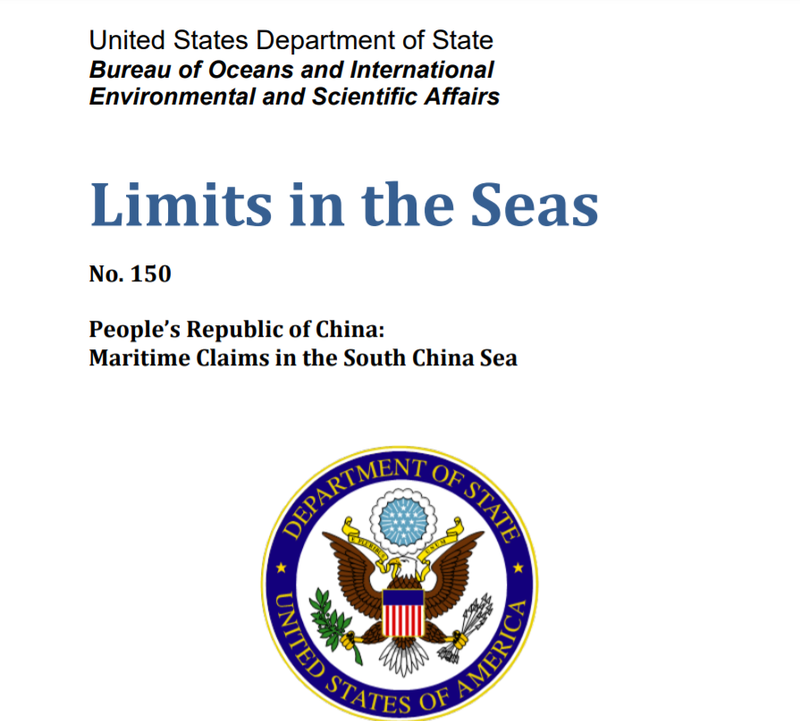
Báo cáo  “Limits in the Seas” (Giới hạn trên các vùng biển) của Mỹ.

Năm 2021 khép lại với sự kiện Tổng thống Mỹ Joe Biden ban hành Đạo luật Ủy quyền Quốc phòng (NDAA) vào ngày 27-12. Theo đó, Mỹ sẽ chi 770 tỉ USD cho chi tiêu quốc phòng, trong đó dành 7,1 tỉ USD cho chiến lược chống Trung Quốc ở khu vực Ấn Độ Dương – Thái Bình Dương.  Có lẽ đây là bước chuẩn bị cho một năm 2022 đầy căng thẳng giữa hai siêu cường ở khu vực Ấn Độ Dương – Thái Bình Dương, mà một trong những trọng tâm là ở Biển Đông.

Chưa đầy nửa tháng đầu của năm 2022, Mỹ đã có những động thái quyết liệt thách thức yêu sách chủ quyền phi pháp của Trung Quốc ở Biển Đông.

Tiếp tục đọc “Mỹ đi loạt bước rắn với TQ về Biển Đông ngay đầu 2022”

How will China’s SOE reform fare with three-year action?

Xinhuanet.com


— Central authorities deem the 2020-2022 period a “crucial stage” for SOE reform. Making the state-owned economy more competitive, innovative and resistant to risks is among the major goals they have in mind.
— The transition into modern enterprises is imperative as China continues to level the playing field, creating a fairer competition environment. Key industries, such as energy, railway, automobile, telecommunications and public utilities, have been gradually opened for private and foreign investment.
— Regulators are giving SOE executives more autonomy in making corporate decisions, including drafting annual investment schemes, arranging mixed-ownership reform of subsidiaries, and issuing short-term bonds.

by Xinhua writers Wang Xiuqiong, Zhao Yang, Wang Xi

BEIJING, Jan. 29 (Xinhua) — As a three-year action plan kicks reform into high gear, changes are gathering steam to remold China’s state-owned enterprises (SOEs) — the country’s economic backbone.
The 2020-2022 action plan, part of the decades-long efforts to transform SOEs into competitive, modern enterprises, is expected to leave a strong mark on the world’s second-largest economy.

Tiếp tục đọc “How will China’s SOE reform fare with three-year action?”

Has China given up on state-owned enterprise reform?

lowyinstitute.org

Rather than allowing the private sector more space, Beijing wants a tool for the implementation of government policy.

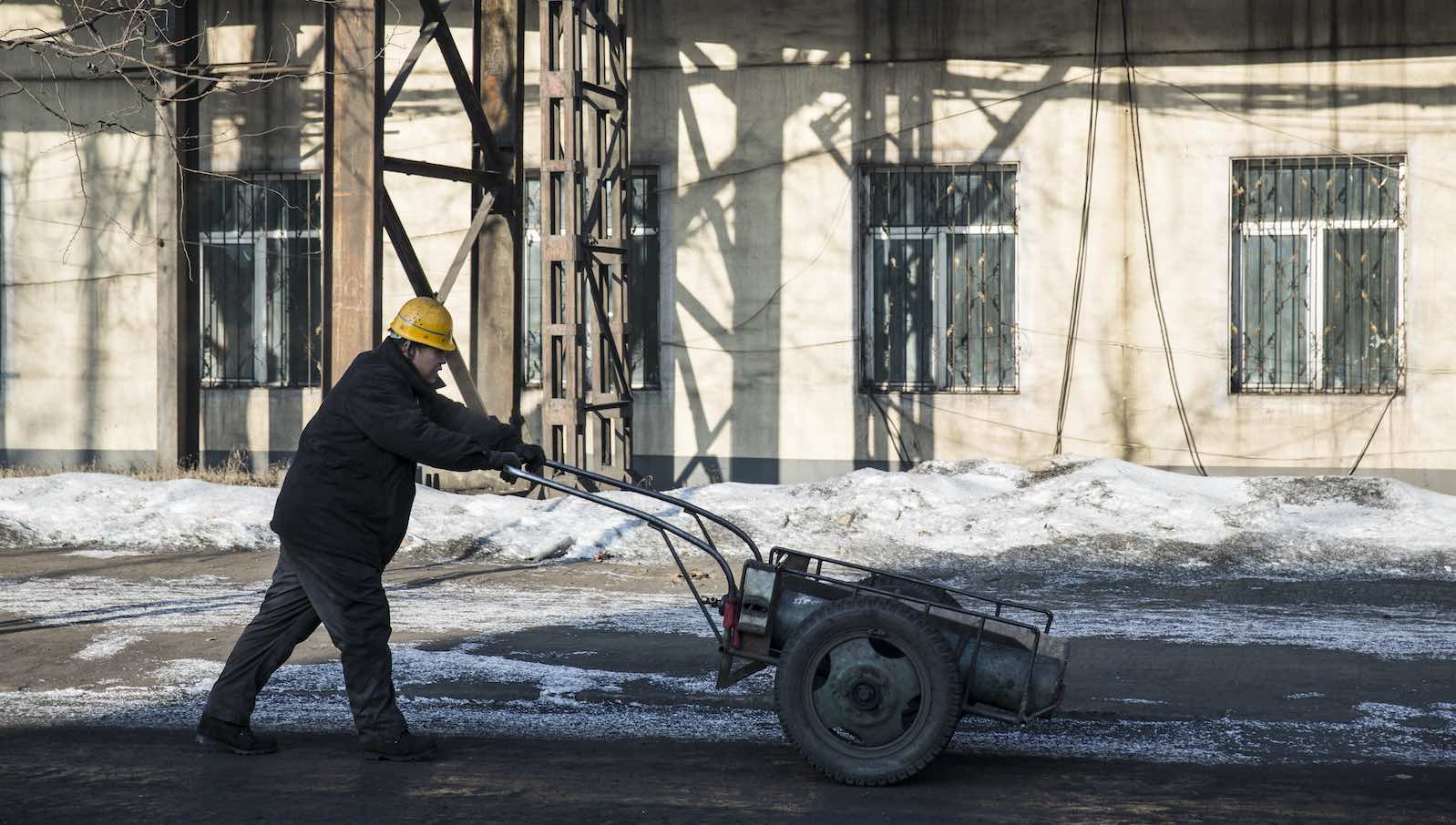
The Tonghua Iron and Steel Mill in Tonghua, Jilin province, China, in 2016, one of many state-run steel mills that struggled to modernise (Qilai Shen/In Pictures via Getty Images Images)The Tonghua Iron and Steel Mill in Tonghua, Jilin province, China, in 2016, one of many state-run steel mills that struggled to modernise (Qilai Shen/In Pictures via Getty Images Images)Published 15 Apr 2021 10:00   0 Comments   

Outside observers have all but given up hope that China will engage in meaningful state-owned enterprise (SOE) reform. There is a pervasive sense that rather than shrinking SOEs, China’s leaders are committed to increasing their prominence within the economy.

Tiếp tục đọc “Has China given up on state-owned enterprise reform?”

Nương bóng người khổng lồ

KHÁNH LINH 12/1/2022 6:00 GMT+7

TTCT Các hoạt động kinh tế với Trung Quốc luôn không dễ dàng, nhất là với các quốc gia láng giềng, nhưng không phải là không có những cơ hội lớn có thể tận dụng.

Trung Quốc có biên giới đường bộ với 13 quốc gia. Ngoại trừ đất nước thuần Phật giáo Bhutan, vốn không chọn phát triển là hướng đi, 12 quốc gia còn lại đều là con nợ của Trung Quốc. 

Trong đó, 5 nước đã rơi vào tình trạng “bẫy nợ công” – tức số nợ vay để xây dựng cơ sở hạ tầng, đường sá, cầu cảng… với các tổ chức tín dụng của Trung Quốc dần trở thành không trả nổi, nếu không có các nhượng bộ mang tính chính trị hay gán nợ bằng tài sản quốc gia. 

 Ảnh: MIT Technology Review

Tiếp tục đọc “Nương bóng người khổng lồ”

Squid Game và “thế hệ từ bỏ” của Hàn Quốc

XUÂN TÙNG 2/11/2021 6:05 GMT+7

TTCT Trong bộ phim Hàn Quốc đình đám vừa ra mắt trên Netflix Squid Game (Trò chơi con mực), hàng trăm con nợ đường cùng tình nguyện tham gia một trò chơi sinh tử, nơi người thắng chung cuộc lĩnh hàng chục triệu đô, còn kẻ thua ngay lập tức bỏ mạng. Liệu thực tế xã hội Hàn Quốc có bế tắc đến vậy?

 Người Hàn Quốc biểu tình trong trang phục Squid Game.

Ngày 20-10, một nhóm người biểu tình đã diện đồng phục, mặt nạ lính trong Squid Game xuống đường phố Seoul nhằm yêu cầu Chính phủ Hàn Quốc cải thiện tình trạng sống bế tắc của người lao động – một đề tài được đề cập xuyên suốt bộ phim. 

Tiếp tục đọc “Squid Game và “thế hệ từ bỏ” của Hàn Quốc”

ASEAN and the new geopolitics of the Indo-Pacific

29 December 2021 Author: Amitav Acharya, American University

eastasiaforum.org

Southeast Asia is no stranger to strategic competition. But its ‘new geopolitics’ is different from those that existed during the Cold War.

China Premier Li Keqiang attends Southeast Asian leaders virtual summit Tuesday 26 October 2021 without Myanmar military leader Min Aung Hlaing after its top general failure of Myanmar's army to adhere to a peace road map it had agreed with the southeast Asian bloc following the coup in February.

In fighting communism, the United States extended its security umbrella to the region. This gave ASEAN members breathing space and allowed them to focus on economic growth and domestic stability. It also stimulated unity among Indonesia, Malaysia, Singapore, Thailand and the Philippines due to fear of being entangled in great power intervention. Aid and investment from Japan, a US ally and Asia’s then fastest rising economy, helped industrialise several Southeast Asian countries.

Now, China has displaced Japan as Asia’s largest economy and ASEAN’s largest trade partner. China’s GDP today is more than five times that of ASEAN’s combined. It spends five times more on defence. Unlike the Soviet Union, China is Southeast Asia’s immediate neighbour — a dragon breathing down its neck.

Tiếp tục đọc “ASEAN and the new geopolitics of the Indo-Pacific”

Kỳ 2: Rối loạn bên trong sẽ thua bên ngoài

Nguyên Thứ trưởng Bộ Quốc phòng Nguyễn Chí Vịnh và nguyên Giám đốc Học viện Quốc phòng Võ Tiến Trung:

ANTGCT – 10:06 16/12/2021

Người Việt Nam có thể nhân nhượng việc A, việc B, việc C nhưng không bao giờ nhân nhượng chủ quyền cả. Chúng ta phải vận động nhân dân hiểu rõ bảo vệ biển đảo là trách nhiệm và nghĩa vụ của người dân, từ đó tạo ra thế trận lòng dân và thế trận chiến tranh nhân dân trên biển…

Kỳ 2: Rối loạn bên trong sẽ thua bên ngoài -0

Tiếp tục đọc “Kỳ 2: Rối loạn bên trong sẽ thua bên ngoài”

Khổng Tử phán rằng…

15/12/2021 6:00 GMT+7

LÊ QUANG – Sinh năm 1956 ở Hà Nội, học kiến trúc tại ĐH Bauhaus Weimar (Đức). Từ 2000 đến nay đã dịch khoảng 40 đầu sách.

TTCTNhiệm kỳ thứ tư của nữ Thủ tướng Đức Angela Merkel đã qua, nhưng dấu chân bà để lại trong chính trường và xã hội Đức sau ba thập kỷ làm chính trị sẽ còn làm tốn nhiều giấy mực. Ít nhất thì về quan hệ kinh tế giữa Đức – chắc chắn là một cường quốc kinh tế – với một Trung Hoa đang có tham vọng nổi lên dẫn đầu thế giới, hôm nay đã có thể lược ra vài nét sơ kết mang màu sắc Merkel.

Giao tiếp với người Đức những năm gần đây, chợt nhận ra mỗi khi cần mở đầu chủ đề gì sâu xa là họ có cách vào đề mới: “Khổng Tử đã phán rằng …”; cho dù đôi khi kèm ý bông đùa, nhưng không hẳn vô cớ. 

Mà cũng không phải phỏng đoán xa xôi, các con số thực tế có trọng lượng của nó: Trung Quốc trong 16 năm trị vì của Merkel đã trở thành đối tác thương mại lớn nhất của Đức, vượt xa các nước châu Âu đồng minh và thậm chí cả Hoa Kỳ. 

Ảnh: The Economist

Tiếp tục đọc “Khổng Tử phán rằng…”

Has Washington’s Policy Toward Taiwan Crossed the Rubicon?

December 10, 2021  by Paul Heer, The National Interest

Testimony from officials in the State Department and Defense Department this week included subtle but important shifts in the U.S. policy toward Taiwan

The ground shifted under Washington’s policy toward Taiwan on December 8, a shift no less seismic for being subtle and semantic. During a hearing of the Senate Foreign Relations Committee, Assistant Secretary of Defense for Indo-Pacific Security Affairs Ely Ratner asserted that Taiwan is “a critical node within the first island chain (in the Western Pacific), anchoring a network of U.S. allies and partners … that is critical to the region’s security and critical to the defense of vital U.S. interests in the Indo-Pacific.”

Tiếp tục đọc “Has Washington’s Policy Toward Taiwan Crossed the Rubicon?”

Campuchia: 30 năm nhìn lại

DANH ĐỨC 13/12/2021 6:00 GMT+7

TTCTThứ năm 14-11-1991, Hoàng thân Sihanouk hồi loan từ Bắc Kinh, cùng theo ông có hoàng tử Ranariddh. Chủ nhật 5-12-2021 vừa rồi, hoàng tử hồi hương từ Paris trong một quan tài, sau nhiều năm dài xa xứ. Cũng tuần rồi, Thủ tướng Hun Sen giới thiệu con trai cả là ứng viên thủ tướng thay ông. Trong 30 năm qua, Campuchia thay đổi chính thể, triều đại, nền kinh tế, song có một thứ không thay đổi: quan hệ với Trung Quốc.

9h sáng thứ hai 6-12-2021, báo Khmer Times hoan hỉ đăng tin: “Đại sứ Trung Quốc tại Campuchia Vương Văn Thiên cho biết dự kiến Campuchia sẽ sản xuất vắc xin Covid-19 vào năm tới”. Số là ông đại sứ sáng đầu tuần ấy dự lễ khánh thành một con đường ở tỉnh Prey Veng, nhân tiện báo tin tốt lành đó.

Ông Hun Sen (phải) và đại sứ Trung Quốc Vương Văn Thiên. Ảnh: AFP

Tiếp tục đọc “Campuchia: 30 năm nhìn lại”

Mỏ kim loại khủng ở Lào: Việt Nam dừng bước, “của hiếm” đổ hết sang Trung Quốc

vpdf – Ngày đăng: 09/12/2021 – 17:17

Dự kiến hàng triệu tấn kali khai thác ở Lào sẽ được xuất khẩu sang Trung Quốc nhờ tuyến đường sắt cao tốc mới khánh thành.

Mỏ kim loại khủng ở Lào: Việt Nam dừng bước, "của hiếm" đổ hết sang Trung

Tiếp tục đọc “Mỏ kim loại khủng ở Lào: Việt Nam dừng bước, “của hiếm” đổ hết sang Trung Quốc”

US Congressional Research Service: China’s Political System in Charts – A Snapshot Before the 20th Party Congress

Read and download full report >>

Introduction

The political system of the People’s Republic of China (PRC or China) defies easy categorization. China is both a nation state and a Leninist “Party-state,” with the Party being the Communist Party of China (CPC or Party), also known as the Chinese Communist Party (CCP).

The political system operates under two “constitutions,” one for the Party, China’s dominant political institution, and one for the state.1 State institutions operate fundamentally differently from their Western counterparts. In the case of China’s national parliament, for example, because China eschews separation of powers, a third of the delegates are sitting senior Party and state officials, with China’s top leader, CPC General Secretary Xi Jinping, among them.2

The parliament, like every other political institution in China, both reports to the Party and includes a Party cell within it. Atop the political system is a leader, Xi, who is not subject to direct or competitive indirect election, and who has signaled an intention to remain in power indefinitely.3

As strategic competition between the United States and China has grown more acute in recent years, Congress has shown a strong interest in understanding China’s political system. In the 116th Congress, Members introduced 99 bills referencing the CPC, six of which were enacted into law.4 More than 100 such bills are pending in the 117th Congress. This report seeks to provide Congress with a detailed understanding of China’s political system ahead of the CPC’s 20th
National Congress, which is scheduled to convene in the second half of 2022.

The report openswith a discussion of how the CPC exercises its self-anointed leadership role in China’s Partystate.

The report then briefly discusses the ways the CPC has embedded its claim to Taiwan within China’s political system.

The main part of the report introduces readers to China’s major political institutions through 16 organization charts and accompanying explanatory text.

All individuals’ names are listed in Chinese style, with family names preceding given names. CRS Visual Information Specialist Mari Y. Lee created all the charts in this report.

Note on Sources and Language
Much of the information in this report is drawn from PRC sources, including Chinese-language official websites and Chinese-language reports from China’s state-controlled media. Where English translations of these sources are known to exist, CRS has endeavored to identify them in the footnotes. Because of the difficulty of tracing Romanized personal names back to their original Chinese characters, and because the names of Chinese political bodies can often be translated into English in multiple ways, CRS has included Chinese characters in the charts in this report for reference.

1. Although in English the Party-state refers to both documents as “constitutions,” the Chinese-language terms are different. The Party document is a “ zhangcheng章程.” The state document is a “ xianfa 宪法.” The Party constitution is also sometimes referred to in English as the Party “charter.” “Constitution of the Communist Party of China,” Xinhua, October 24, 2017, at http://www.xinhuanet.com//english/download/Constitution_of_the_Communist_Party_of_China.pdf; “Constitution of the People’s Republic of China,” at http://www.npc.gov.cn/englishnpc/constitution2019/constitution.shtml.
2.
“领导干部比例降低!一图看懂第十三届全国人大代表构成” (“The Proportion of Leadership Cadres Has Fallen! See the Composition of the 13th NPC Delegates in One Chart”), 新京报(Beijing News) via Huanqiu, March 4, 2018, at https://lianghui.huanqiu.com/article/9CaKrnK6PUS.
3. Chris Buckley and Adam Wu, “Ending Term Limits for China’s Xi Is a Big Deal. Here’s Why,” New York Times, March 10, 2018.
4. The six laws from the 116th Congress referencing the CPC are the Let Everyone Get Involved in Opportunities for National Service Act (P.L. 116-35), the National Defense Authorization Act for FY2020 (P.L. 116-92), the Uyghur Human Rights Policy Act of 2020 (P.L. 116-145), the Holding Foreign Companies Accountable Act (P.L. 116-222), Consolidated Appropriations Act, 2021 (P.L. 116-260 ), and the William M. (Mac) Thornberry National Defense Authorization Act for Fiscal Year 2021 (P.L. 116-283).

Read and download full report >>

China’s disappearing ships: The latest headache for the global supply chain

CNN

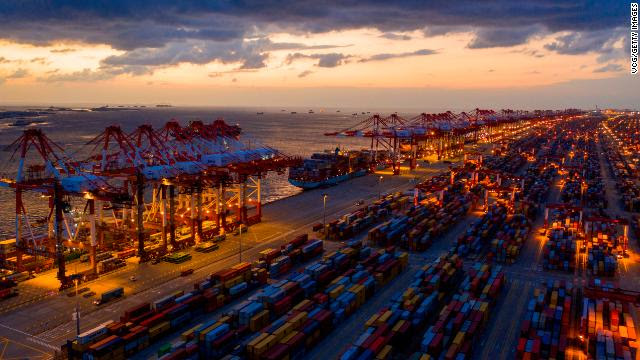
 A cargo ship loaded with exhibits for the upcoming 4th China International Import Expo (CIIE) is seen at Yangshan Deepwater Port on October 23 in Shanghai.

Ships in Chinese waters are disappearing from global trackers, creating yet another headache for the global supply chain. China’s growing isolation from the rest of the world — along with a deepening mistrust of foreign influence — may be to blame.

Analysts say they started noticing the drop-off in shipping traffic toward the end of October, as China prepared to enact legislation governing data privacy.

Tiếp tục đọc “China’s disappearing ships: The latest headache for the global supply chain”