Massive island-building and international law

June 15, 2015

AMTI. CSIS – Within the short span of a year, China’s rapid construction of artificial islands in the disputed Spratlys has radically changed the geographical and security landscapes in the South China Sea.

This island construction has so far created over eight million square metres of real estate in the open sea, outstripping other countries’ reclamation activities by far, and shows no sign of abating. Hundreds of millions of tons of sand and coral have been dredged from the seabed and dumped atop fragile coral reefs that are vital components of the maritime ecology. Marine experts expect that the work has already caused disastrous and essentially irreversible environmental impacts. Tiếp tục đọc “Massive island-building and international law”

Biển Đông dậy sóng tại Hội nghị Liên Hiệp Quốc

TNTại Liên Hiệp Quốc, đại diện Việt Nam và Philippines đều lên tiếng cảnh báo về hậu quả từ những hoạt động bồi đắp quy mô lớn phi pháp ở Biển Đông.
Trung Quốc xây đại công trình phi pháp ở đá Gạc Ma thuộc Trường Sa - Ảnh: Mai Thanh Hải
Trung Quốc xây đại công trình phi pháp ở đá Gạc Ma thuộc Trường Sa – Ảnh: Mai Thanh Hải

Từ ngày 8 – 12.6 (giờ địa phương) tại trụ sở của Liên Hiệp Quốc ở thành phố New York, Mỹ diễn ra Hội nghị lần thứ 25 các quốc gia thành viên Công ước Liên Hiệp Quốc về luật Biển (UNCLOS) với sự tham dự của 136/167 quốc gia thành viên cùng các nước quan sát viên và nhiều tổ chức quốc tế.

Tiếp tục đọc “Biển Đông dậy sóng tại Hội nghị Liên Hiệp Quốc”

Southeast Asia’s Geopolitical Centrality and the U.S.-Japan Alliance

JUN 11, 2015

CSIS – Building on a careful analysis of Southeast Asia’s recent history, politics, economics, and place within the Asia Pacific, this report looks forward two decades to anticipate the development of trends in the region and how they will impact the U.S.-Japan alliance. How will Southeast Asian states come to grips with the political and economic rise of China? How will they modernize their military forces and security relationships, and what role can the United States and Japan play? How will they manage their disputes in the South China Sea, and how will they pursue greater regional integration? These questions will prove critical in understanding Southeast Asia’s role in the Asia Pacific, and in the U.S.-Japan alliance, in the decades ahead.

Publisher CSIS/Rowman & Littlefield
ISBN 978-1-4422-4086-5 (pb); 978-1-4422-4087-2 (eBook)


Sabah’s Shadow on the South China Sea

• By Jay L. Batongbacal I May 27, 2015

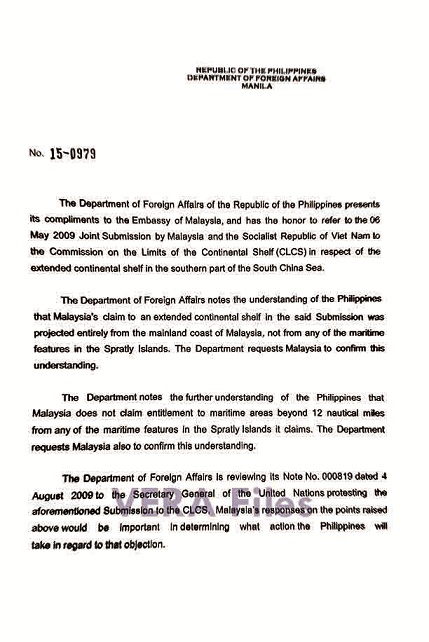
cogitasia – Philippine media went into a minor frenzy with the startling news that Manila purportedly offered Kuala Lumpur a quid pro quo in March: dropping the Philippine claim to North Borneo (Malaysia’s Sabah State) in exchange for Malaysian support for Manila’s arbitration case over the South China Sea. The media reports were quickly denied by the Philippines Department of Foreign Affairs, which noted the total absence of any reference to such a deal in the note that set off the firestorm. Recently, President Benigno Aquino III had to reiterate that his administration was not dropping the claim, prompting Malaysia to summon the Philippine Charge d’Affaires. Tiếp tục đọc “Sabah’s Shadow on the South China Sea”