Nước hồ thủy điện Hòa Bình liên tục xuống thấp đến mức kỷ lục

baotintuc.com Thứ Bảy, 07/06/2025 19:49 | 

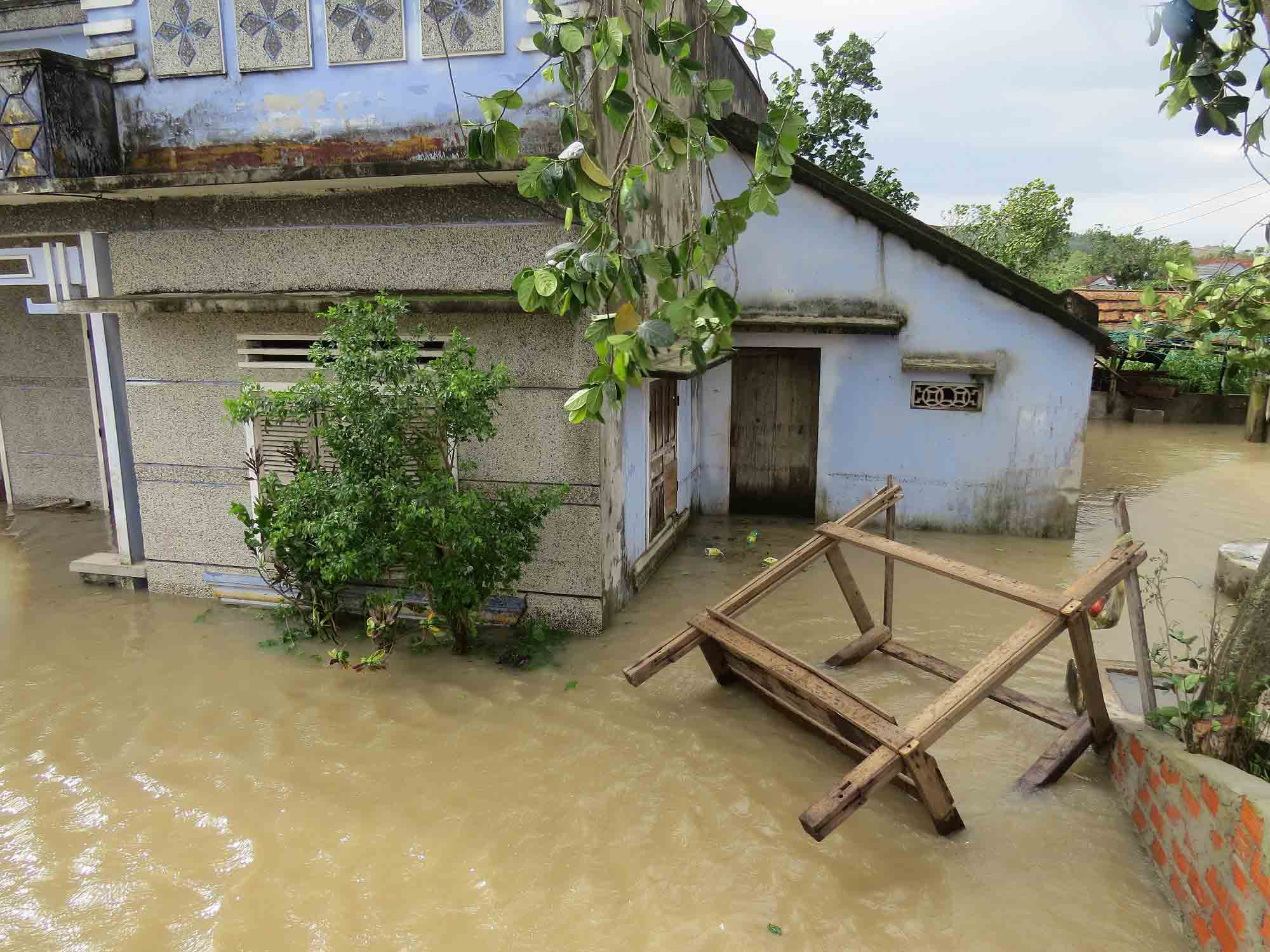
Từ tháng 3/2025, mực nước hồ thủy điện Hòa Bình liên tục xuống thấp đến mức kỷ lục, nhiều nơi trên lòng hồ cạn trơ đáy. Điều này đã ảnh hưởng nghiêm trọng đối với đời sống và sản xuất của người dân tại các xã ven hồ thuộc huyện Đà Bắc.

 Đặc biệt, các hộ nuôi cá lồng, các bến cảng, các điểm du lịch cộng đồng, du lịch nghỉ dưỡng ở các xã Vầy Nưa, Hiền Lương và Tiền Phong của huyện Đà Bắc đang bị ảnh hưởng nặng nề do môi trường nước thay đổi bất thường.

Chú thích ảnh
Hình ảnh lòng hồ Hòa Bình khi mực nước xuống thấp kỷ lục đã làm những dãy đảo đá trơ trọi xơ xác trên nền màu nước đục ngầu.
Chú thích ảnh
Nhiều năm qua, hồ Hòa Bình đang đối mặt với nguy cơ sụt giảm lượng nước nghiêm trọng vào mùa khô điều này đang gây ra nhiều tác động tiêu cực đến đời sống và sản xuất của người dân.

Tiếp tục đọc “Nước hồ thủy điện Hòa Bình liên tục xuống thấp đến mức kỷ lục”

A “Turning Point”: How International Courts Are Addressing The Climate Emergency

climatecourt.com

Dana Drugmand May 15, 2025

A "Turning Point": How International Courts Are Addressing The Climate Emergency
Credit: Ben Bohane

Co-published with One Earth Now

The climate crisis is the single greatest global public health threat of this century, health professionals say. Human rights experts warn it poses an unprecedented risk to human rights. For the world’s poor and most vulnerable people and communities on the frontlines of climate impacts like rising seas, it is an existential crisis threatening their very survival.

Yet the global response to what scientists say is undoubtedly a global emergency has fallen woefully short, through a United Nations governance framework that essentially rests upon voluntary pledges that nations of the world submit – called Nationally Determined Contributions – to reduce their greenhouse gas emissions. Last year, leading climate experts wrote to top UN officials calling for reform of the international climate negotiations, arguing that the “current structure simply cannot deliver the change at exponential speed and scale, which is essential to ensure a safe climate landing for humanity.”

Tiếp tục đọc “A “Turning Point”: How International Courts Are Addressing The Climate Emergency”

Emergency reserves, high prices, rationing. How did Japan’s rice crisis get this far?

Japan’s agriculture minister has resigned because of political fallout over his comment that he “never had to buy rice” because he got it from supporters as gifts.Read More

Japan’s agriculture minister has resigned because of political fallout over his comment that he “never had to buy rice” because he got it from supporters as gifts. (Produced by Elaine Carroll)Read More

A rice field in Mito, Japan, where farmers are being encouraged to grow more of the staple crop to make up for shortages on store shelves, on Wednesday, May 22, 2025. (AP Photo/Elaine Kurtenbach)

Tiếp tục đọc “Emergency reserves, high prices, rationing. How did Japan’s rice crisis get this far?”

What the blackout in Spain, Portugal says about renewables

DW.com Holly Young 05/20/2025May 20, 2025

The recent power outage in Spain and Portugal has raised questions about the stability of solar and wind power. It also reignited the debate around the phasing out of nuclear energy.

People walk down the street between flashlights and light reflections during the power outage that affects Spain on April 28, 2025

At 12:33 p.m. on April 28, swathes of Spain and parts of Portugal were plunged into darkness: trains were stranded, phone and internet coverage faltered, and ATMs stopped working.

The electricity blackout across the Iberian Peninsula is believed to be one of the worst in Europe’s history.

While most power was restored by the next morning, weeks later the investigation into the blackout is ongoing.

Last week, Spain’s energy minister Sara Aagesen said so far it was clear an abrupt loss of power at a substation in Granada, followed by failures in Badajoz and Seville, led to a loss of 2.2 gigawatts of electricity, but that the precise cause was unknown.

In the wait for answers, some have pointed the finger at Spain’s high reliance on renewables and reignited debates over plans to phase out nuclear power by 2035.

Are renewables to blame for the blackout?

Tiếp tục đọc “What the blackout in Spain, Portugal says about renewables”

Number of internally displaced people tops 80 million for first time

“Internal displacement refers to the forced movement of people within the country they live in.” 

Internal-displacement.org

     –  83.4 million people were living in internal displacement at the end of 2024, more than twice as many as only six years ago (2018).

     –  90 per cent had fled conflict and violence. In Sudan, conflict led to 11.6 million internally displaced people (IDPs), the most ever for one country. Nearly the entire population of the Gaza Strip remained displaced at the end of the year.

     –  Disasters triggered nearly twice as many movements in 2024 as the annual average over the past decade. The 11 million disaster displacements in the United States were the most ever recorded for a single country. 

GENEVA, Switzerland – The number of internally displaced people (IDPs) reached 83.4 million at the end of 2024, the highest figure ever recorded, according to the Global Report on Internal Displacement 2025 published today by the Internal Displacement Monitoring Centre (IDMC). This is equivalent to the population of Germany, and more than double the number from just six years ago.  

“Internal displacement is where conflict, poverty and climate collide, hitting the most vulnerable the hardest,” said Alexandra Bilak, IDMC director“These latest numbers prove that internal displacement is not just a humanitarian crisis; it’s a clear development and political challenge that requires far more attention than it currently receives.”

Tiếp tục đọc “Number of internally displaced people tops 80 million for first time”

What Happened to Forests in 2024?

Fires Drove Record-breaking Tropical Forest Loss in 2024

A new analysis of 2024 tree cover loss data, released today on the Global Forest Review, shows record-breaking loss caused by devastating fires.

2024 had the most tropical primary forest loss since our records began two decades ago — disappearing at a rate of 18 football (soccer) fields per minute, nearly double that of 2023.
– Almost half of this loss was due to fires, around 5 times more than a typical year in the tropics. Latin America was particularly hard hit with major fires across Brazil, Bolivia and numerous other countries.
– Fires also continued to drive tree cover loss outside of the tropics, with high levels of loss once again in Russia and Canada. Overall, the world lost an area of forests nearly the size of Panama.

This data must be a wake-up call for global policies and finance that incentivize keeping forests standing. Read our analysis for more findings from the University of Maryland GLAD Lab’s annual data 

Another year, another rise in food insecurity – including famine

UN.org

Hundreds of thousands of Sudanese have sought refuge in Chad due to the ongoing conflict and resulting food shortages.

© WFP/Lena von Zabern

Hundreds of thousands of Sudanese have sought refuge in Chad due to the ongoing conflict and resulting food shortages.

 Humanitarian Aid

In July 2024, famine was detected in the Sudan’s Zamzam IDP camp. In the following months, the official alert expanded to other camps in Darfur and Western Nuba Mountains. From December until now, famine has been confirmed in five other areas of the war-torn country. A further 17 areas are at risk. 

It is the first time since 2017 that a famine has been declared anywhere on Earth.

In the 20 months since the war between rival militaries erupted, 13 million Sudanese have been forcibly displaced and over 30.4 million are in desperate need of humanitarian assistance, according to UN estimates.

Tiếp tục đọc “Another year, another rise in food insecurity – including famine”

As Saltwater Intrudes More of Mekong Delta, Durian Farmers Struggle to Stay Afloat

Saigoneer.com

Friday, 25 April 2025. Written by Minh Ha and Lue Palmer. Photos by Minh Ha. Top graphic by Ngàn Mai.

AAANguyễn Văn Quại, 63, walked slowly on the muddy dirt path in his yard, his hands clasped behind his back. He stopped beside a tree split in half, its branches dipping into the stagnant water of a narrow moat, and gestured towards the rest of his leafless crop — their trunks yellow, their bark cracked and brittle.

This story was supported by the Pulitzer Center.

Nguyễn Văn Quại points to his durian trees in Ngũ Hiệp.

For decades, Quại has called Ngũ Hiệp home. The small island on the Mekong River in Tiền Giang Province is less than two hours inland from the sea. His family first farmed rice but turned to durian, a more lucrative crop, in the early 1990s. Now, more than 200 trees stand in his yard, their thorny fruit bringing in hundreds of millions of VND.

Tiếp tục đọc “As Saltwater Intrudes More of Mekong Delta, Durian Farmers Struggle to Stay Afloat”

Pest Migration from Southeast Asia Threatens Crops in Southern China, Research Found

laotiantime.com By Kheuakham Chanlivong May 8, 2025

Rice field (Photo: 123RF)

Southern China is facing a surge in agricultural pests migrating from neighboring Southeast Asian countries, including Laos, Myanmar, and Cambodia. This pest migration, driven by climate-related factors, poses a growing threat to regional food security.

recent study highlights the role of extreme weather in this phenomenon. Researchers found that the ongoing El Niño event, marked by unusually warm ocean temperatures in the Equatorial Pacific, is contributing to hotter and more humid conditions, which are ideal for pest breeding.

In addition to favorable breeding conditions, strong seasonal winds are carrying these pests into Southern China, facilitating their rapid spread and increasing the risk of crop damage. 

While wind is a major factor in their movement, scientists note that insect migration is also influenced by environmental stressors such as extreme heat, drought, and the presence of predators.

Insects migrate in response to immediate environmental cues, the study explains. They may move to escape harsh conditions, find food, avoid overcrowding, or locate new habitats suitable for reproduction.

The problem isn’t confined to China. In Laos, climate change is also taking a toll. The country has experienced record-breaking heatwaves, reaching 43.2 degrees Celsius in 2024, along with persistent water shortages and weakened agricultural infrastructure. 

These factors have led to crop failures, livestock losses, and growing food insecurity. An estimated 82 percent of households lack access to safe water, compounding the crisis for rural communities.

Globally, climate change is expected to worsen food insecurity. Rising temperatures and shifting rainfall patterns are already making it more difficult to grow crops in traditional farming regions. 

By 2100, nearly 30 percent of the world’s food crops may be exposed to climate conditions they have never encountered before. While much of the focus is on staple crops like rice and wheat, many other plants grown in equatorial regions could also suffer under the changing climate.

Sổ tay – Hệ thống cảnh báo sớm hiểm họa tự nhiên tại Việt Nam

Cuốn “Sổ tay hệ thống cảnh báo sớm hiểm họa tự nhiên tại Việt Nam” nhằm cung cấp một cách khoa học và hệ thống thông tin về các loại hình hiểm họa tự nhiên (bao gồm: hiểm họa khí tượng – thủy văn và hiểm họa địa vật lý), đồng thời đề cập việc quản lý rủi ro thảm họa tiếp cận thông qua “Hệ thống cảnh báo sớm đa thiên tai tại Việt Nam”, qua đó góp phần nâng cao hiểu biết và nhận thức của đội ngũ cán bộ Hội, các cấp chính quyền, các tổ chức cộng đồng và nhân dân về thiên tai, thảm họa 

Tải báo cáo tại đây: http://www.dmc.gov.vn/chi-tiet-tai-lieu/so-tay—he-thong-canh-bao-som-hiem-hoa-tu-nhien-tai-viet-nam-doc628.html?lang=vi-VN

Philippines declares ‘food security emergency’ to tame retail rice prices

By Reuters

February 3, 20255:50 PM GMT+7Updated 3 months ago

A farmer removes weeds growing alongside with ride stalks at a ricefield in Naujan, Oriental Mindoro

MANILA, Feb 3 (Reuters) – The Philippines, among the world’s largest rice importers, declared on Monday a food security emergency to bring down the cost of rice, which it said has stayed elevated despite lower global prices and a reduction in rice tariffs last year.

The declaration, which was widely expected, will allow the government to release buffer stocks to help bring down retail prices of the national staple, Agriculture Secretary Francis Tiu Laurel said in a statement, adding it would remain in effect until the price situation improves.

Despite efforts to liberalise rice imports and reduce tariffs, the agriculture department said, the domestic market has been slow to respond, with retail prices surpassing expectations.

Half of the 300,000 metric tons buffer stock the National Food Authority currently holds could be released over the next six months to ensure supply for emergencies and disaster response, it added.

The annual rate of increase in rice prices in the Philippines hit a 15-year high of 24.4% in March last year, but has since moderated to 0.8% in December, helping keep overall inflation for 2024 within the government’s 2% to 4% target.

Last year, the Philippines lowered tariffs on rice and extended existing tariff cuts on some other commodities to combat inflation and ensure ample supply

Reporting by Karen Lema; Editing by Martin Petty

A Million Cuts: India’s C-Section Epidemic – Dịch Bệnh Mổ Đẻ ở Ấn Độ

A C-section is the surgical method of delivering a baby, meant to be used in complicated pregnancies. It’s a lifesaving procedure, but in India, millions of mothers are going under the knife unnecessarily. The Cesarean section rate in India’s private hospitals is a whopping 47.4%, far greater than the 15% threshold recommended by the WHO. As private hospitals of all kinds mushroom across the country, C-sections have become a money-making racket. An increasing number of doctors have little patience for normal deliveries and are in a hurry to wield the scalpel. Hapless mothers in their hands are forced to undergo surgeries which comes with risks for both mother and baby.

Giấc mơ trên đảo Muối

Hồng Lĩnh: Thứ bảy 29/03/2025, 09:26 (GMT+7)

Nghề làm muối tại ấp đảo Thiềng Liềng, xã đảo Thạnh An, huyện Cần Giờ (TP Hồ Chí Minh) ra đời cùng với những cư dân đến đây khai hoang, bắt đầu vào khoảng năm 1973.

vovgiaothong.vn

Tại Thiềng Liềng, có khoảng 243 hộ dân với 152 hộ sản xuất muối trên diện tích gần 400 héc-ta. Người làm nghề muối còn được gọi là diêm dân.

——–
Ngày nắng làm, ngày mưa nghỉ, 6 tháng còn lại, diêm dân phải kiếm các công việc khác để mưu sinh. Họ làm việc trong điều kiện thời tiết nắng nóng khắc nghiệt với thu nhập ít ỏi. Hầu hết những diêm dân chỉ kiếm đủ sống.

Ước tính trung bình mùa vụ thu hoạch khoảng 20.000 tấn muối, giá bán tuỳ theo thời năm và thời điểm, thấp nhất 800 đồng/kg, cao nhất 3.000 đồng/kg. Nếu được giá, mỗi héc-ta thu được từ 80 – 100 triệu đồng/vụ.

Ấp đảo Thiềng Liềng, xã đảo Thạnh An, huyện Cần Giờ, TP.HCM

Tiếp tục đọc “Giấc mơ trên đảo Muối”

Climate change and overfishing threaten Vietnam’s traditional fish sauce makers

Overfishing and warming seas threaten stocks of anchovies, the key ingredient of the nuoc mam fish sauce villagers in central Vietnam make

SCMP.com

A villager makes fish sauce in his home in Nam O, Da Nang, Vietnam. Climate change is affecting the supply of anchovies on which the traditional trade depends. Photo: AP

Associated Press

Published: 11:15am, 31 Mar 2025

Bui Van Phong faced a choice when the Vietnam war ended 50 years ago: stay in his small village and help his parents carry on the family’s centuries-old tradition of making fish sauce, or join the hundreds of thousands of people fleeing his country for a better life.

Phong chose to stay behind and nurtured a business making the beloved condiment, known as nuoc mam in Vietnam, that is now in its fourth generation with his son, Bui Van Phu, 41, at the helm.

Tiếp tục đọc “Climate change and overfishing threaten Vietnam’s traditional fish sauce makers”

What are the High Seas (and why should we care?)

Mongbay.com Abhishyant Kidangoor 23 Oct 2024

High seas cover over half of our planet’s surface, and represent two-thirds of the entire ocean. They serve as a crucial habitat for countless marine species, many of which remain undiscovered. They also play a vital role in climate regulation. The high seas are also home to secret treasures that could potentially reshape medical science. Painkillers, antibiotics and many other drugs have been produced from genetic material found in the depths of the ocean.

Despite their immense ecological and medical importance, only 1% of these international waters are legally protected. Since they fall outside the jurisdiction of any country, high seas are not governed by anyone. This has led to patchy regulation and uncoordinated management, leaving them vulnerable to threats like overfishing, shipping traffic, and ocean acidification.

An international treaty aims to address these concerns. Last year, countries around the world agreed upon the Agreement on Marine Biodiversity of Areas Beyond National Jurisdiction (BBNJ Treaty) after decades of discussions and negotiations. The historic treaty aims to establish legal frameworks for the conservation and sustainable use of marine resources. The treaty has created a blueprint for countries that want to propose and create protected areas in the high seas. It tackles prior assessment of potentially damaging activities like deep sea mining while also trying to figure out a way to share and distribute marine resources in an equitable manner. Sixty countries will have to ratify the treaty before it goes into effect.

Watch this video to learn more about the high seas, the significance of the BBNJ treaty and the questions that remain unanswered