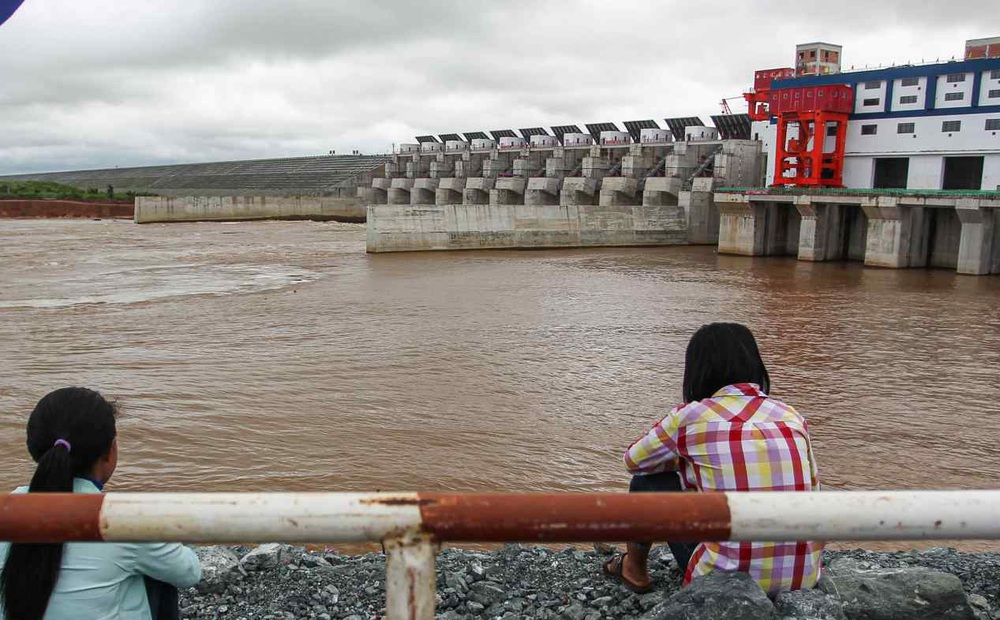
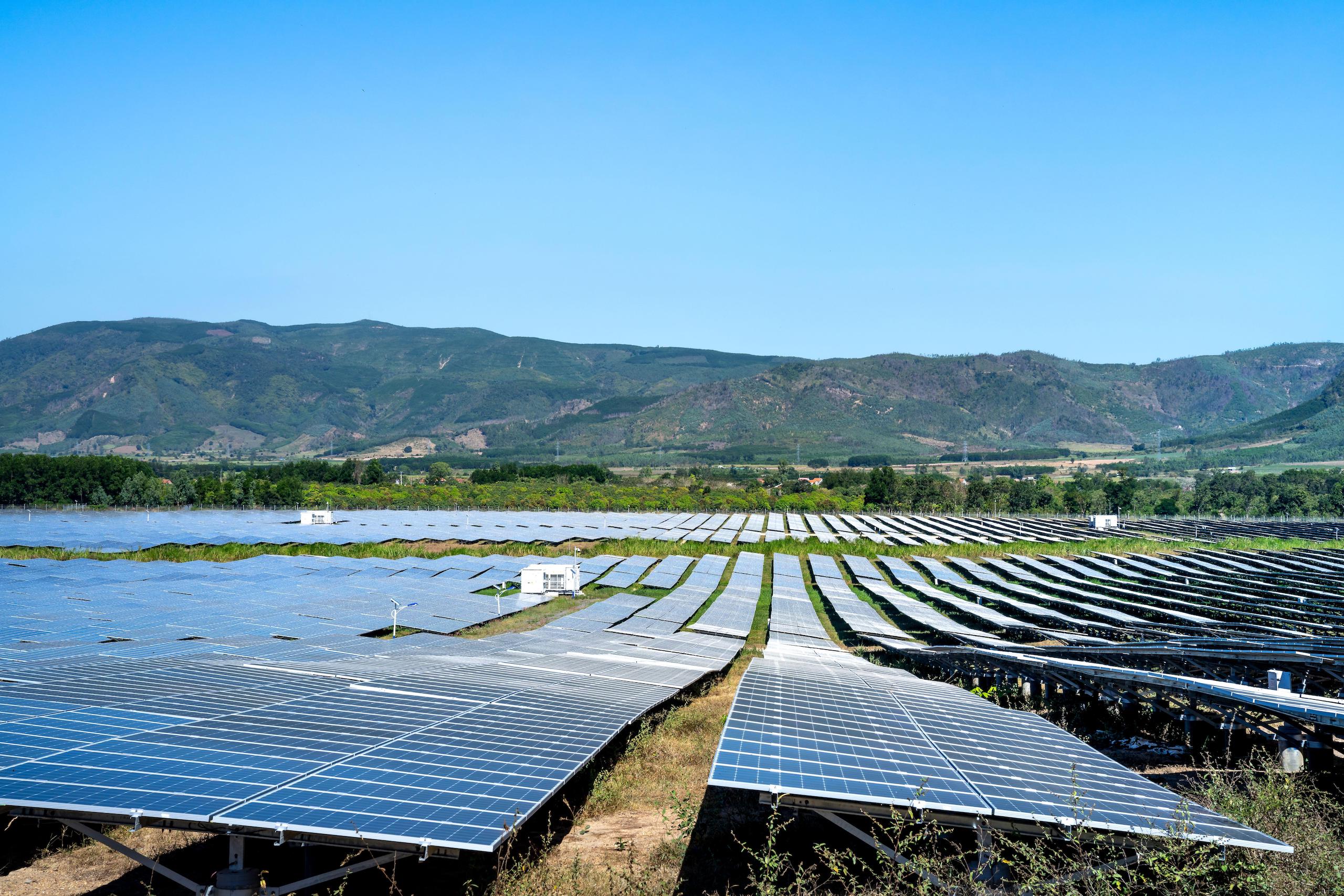
Thị trường điện cạnh tranh vẫn chậm tiến độ

Nguyễn HoàngThứ tư, 30/6/2021 | 07:59 GMT+7

doanhnhansaigon.vn

Chính phủ yêu cầu Bộ Công Thương rà soát và trình lại Quy hoạch điện VIII trước ngày 15/6/2021, trong đó cần ưu tiên đẩy nhanh tiến độ thị trường điện cạnh tranh, đảm bảo sự tham gia công bằng của các nhà đầu tư và thu hút được nguồn lực xã hội để phát triển năng lượng.

Thị trường điện cạnh tranh đã được quy định trong Luật Điện lực (năm 2004) và Luật Điện lực sửa đổi (năm 2013), được cụ thể hóa trong Quyết định số 26/2006/QĐ-TTg ngày 26/1/2006 của Thủ tướng Chính phủ. Theo quyết định này, thị trường điện Việt Nam sẽ hình thành và phát triển theo ba cấp độ: phát điện cạnh tranh, bán buôn cạnh tranh và bán lẻ cạnh tranh.

Việt Nam đã có gần 20 năm nghiên cứu và thực hiện, nhưng thị trường phát điện cạnh tranh vẫn chưa có mô hình đúng theo nguyên tắc thị trường cạnh tranh: hiệu quả, lành mạnh và bình đẳng, không phân biệt đối xử giữa các đối tượng tham gia thị trường điện. 

Tiếp tục đọc “Thị trường điện cạnh tranh vẫn chậm tiến độ”

Giữa dịch Covid-19, gần 300 công nhân quét rác bị nợ lương nhiều tháng

vietnamnet.vn

25/06/2021    05:11 GMT+7

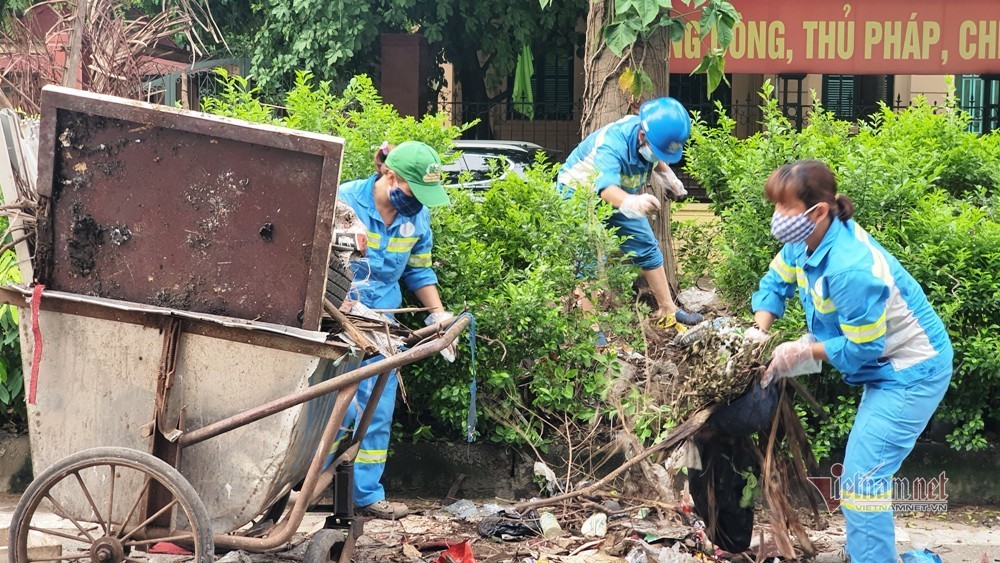
Gần 300 công nhân vệ sinh môi trường của Công ty Minh Quân (nay đổi tên là Tập đoàn Nam Từ Liêm) bị nợ lương nhiều tháng, rơi vào tình cảnh khốn khó giữa mùa Covid-19.

Chiều 23/6, một nhóm công nhân vệ sinh môi trường vẫn cặm cụi dọn dẹp rác dưới cái nắng như đổ lửa trong Khu liên cơ (quận Nam Từ Liêm, Hà Nội).

Chị Nguyễn Thị Phương là Tổ trưởng của Tổ vệ sinh có số lượng 80 công nhân cho hay, Công ty Minh Quân nợ lương gần 300 công nhân (từ tháng 6 đến tháng 12/2020). Hiện tại, công ty mới thanh toán được một phần sau khi người lao động đấu tranh ròng rã nhiều tháng.

Tổ công nhân của chị Phương dọn vệ sinh tại khu vực Khu liên cơ, quận Nam Từ Liêm chiều 23/6

“Đó là giai đoạn vô cùng khốn đốn của nhiều gia đình công nhân vệ sinh – nghề vất vả, khổ cực nhất mà không mấy ai muốn làm”, chị cho hay.

Tiếp tục đọc “Giữa dịch Covid-19, gần 300 công nhân quét rác bị nợ lương nhiều tháng”

Nước của phương Nam, mượn về phương Bắc

ĐỨC HOÀNG  8/6/2016 10:06 GMT+7

TTCTCao nguyên Thanh – Tạng là nơi bắt nguồn của 10 hệ thống sông quan trọng bậc nhất trong khu vực Nam và Đông Nam châu Á, trong đó có sông Mekong. Và vấn đề bảo vệ nguồn nước từ vùng đất này hiện phụ thuộc vào quốc gia đang quản lý nó, Trung Quốc.

Những công trình nắn dòng chảy thô bạo của Trung Quốc sẽ ảnh hưởng rất nhiều đến nguồn nước ở các nước hạ lưu-washingtontimes.com

Tiếp tục đọc “Nước của phương Nam, mượn về phương Bắc”

2 in 5 schools around the world lacked basic handwashing facilities prior to COVID-19 pandemic — UNICEF, WHO

UNICEF.org

NEW YORK/GENEVA/HA NOI, 14 August 2020 – As schools worldwide seek to put in place safety measures that allow them to reopen, the latest data from the WHO/UNICEF Joint Monitoring Programme (JMP) reveals that 43 per cent of schools around the world lacked access to basic handwashing with soap and water in 2019 – a key condition for schools to be able to operate safely in the midst of the COVID-19 pandemic.

“Global school closures since the onset of the COVID-19 pandemic have presented an unprecedented challenge to children’s education and wellbeing,” said Henrietta Fore, UNICEF Executive Director. “We must prioritize children’s learning. This means making sure that schools are safe to reopen – including with access to hand hygiene, clean drinking water and safe sanitation.” 

Tiếp tục đọc “2 in 5 schools around the world lacked basic handwashing facilities prior to COVID-19 pandemic — UNICEF, WHO”

Students, parents concerned about school toilets

vietnamnet.vn

School toilets have been a concern for students for many years. And not only students, but teachers and cleaners are also complaining.

A ‘letter from a mother’ has spread on the internet and caught the attention of parents and students. The mother wrote that her son doesn’t want to go to school because the toilets are too dirty.

Students, parents concerned about school toilets

Parents, after reading the letter, realized that their children are also facing the same problem at school.
Tiếp tục đọc “Students, parents concerned about school toilets”

Class Reflection Activities to Close Out a Tough Year

edutopia.org

After a challenging year of pandemic schooling, these activities help students reflect on what they’ve learned and look forward to what’s coming next.By Hoa P. NguyenJune 4, 2021

Was this school year “The Bestest, Most Funnest and Absolutely Wonderfulest School Year Ever” or “The Baddest, Most Awfulest, Absolutely Worstest School Year Ever?” Fourth graders at Nebo Elementary School in North Carolina are still deciding, says their reading teacher, Lori Brenneise.

Tasked with writing a five-paragraph, humorous essay about the epic last year, Brenneise’s students have come up with different reasons why they picked one answer over the other. For some, “every day is pajamas day” or “noisily slurping cereal through the first block, sleeping through second, and noisily slurping ramen through third” were the highlights of their year. For others, the year brought challenges like messing up a class recording by unmuting and shouting “CHICKEN WINGS!” or getting kicked out of Google Meet and having unsupervised time. The whole class may never forget when they all unmuted at once, screaming and scaring a student who was sleeping through a lesson.

Tiếp tục đọc “Class Reflection Activities to Close Out a Tough Year”

Unlocking a Renewable Energy Future: How Government Action Can Drive Private Investment

WRI.org

Download full paper here >>

This Working Paper is part of the Clean Energy within our Energy Program. Reach out to Norma Hutchinson for more information.AuthorsNorma HutchinsonMaggie Dennis, Emil Damgaard Grann, Tyler Clevenger, Michelle Manion, Johannes Bøggild and Jennifer LaykePrimary Contacts

LicenseCreative Commons

A renewable energy future is within our grasp: the technology is now widely available and cost-effective in most places around the world. But the current rates of deployment remain well below what is required to avert the worst impacts of climate change. The private sector is poised to invest billions of dollars to massively speed up, scale and support the energy transition. However, many investors, particularly in the private sector, are deterred by some of the risks related to renewable energy investments. As the energy transition is likely to be financed largely by the private sector, governments must work with the private sector to remove barriers and incentivize investment in renewable energy.

This working paper, produced in partnership with Ørsted, focuses on the challenges and solutions to scaling investment in renewable energy generation and provides actionable policy solutions to unlock the private sector investment needed to support the energy transition.

Key Findings

  • The global transition to renewable energy is likely to be financed largely by the private sector, including utility companies, corporations, project developers, and various investment funds.
  • One critical element of the energy transition will be decarbonization of the world’s electricity supply. The needed technology is developing rapidly and the scale of the requisite investment is manageable, but current rates of deployment remain well below what is required to avert the worst impacts of climate change.
  • Challenges that inhibit decarbonization of the power sector fall into three categories: market structure that lacks appropriate incentives to catalyze private investment in new projects, lack of public support for siting renewable energy development, and incompatible or inadequate grid infrastructure.
  • Governments will play a critical role in scaling renewable energy capacity by providing regulatory frameworks and policy solutions to the challenges that are slowing down private sector investment.
  • Top priorities for governments will be to establish renewable energy targets, policies, and market instruments that incentivize and de-risk green energy investments; improve planning and permitting, and address community concerns, while balancing other concerns; and invest in modern electricity grids and infrastructure.

25 năm phát triển nhà kính của Đà Lạt: Qua hân hoan là mất mát

TTCT“Cùng với quá trình biến đổi khí hậu, nhiệt độ trung bình ở đây đã tăng, biên độ nhiệt cũng giãn ra. Bạn nghĩ xem, nếu nhà kính lan rộng nữa, cùng những tác động tiêu cực của biến đổi khí hậu, Đà Lạt sẽ còn mất gì? Mất mát về khí hậu và cảnh quan đồng nghĩa với suy thoái ngành du lịch và phát sinh nhiều vấn đề xã hội” – Tiến sĩ LeeHyun Suk – Viện Tài nguyên sinh học quốc gia Hàn Quốc (NIBR) nói với TTCT về câu chuyện nhà kính của Đà Lạt.

Đà Lạt một thuở nông nghiệp thuận tự nhiên  (Ảnh: Mai Vinh)

Tiếp tục đọc “25 năm phát triển nhà kính của Đà Lạt: Qua hân hoan là mất mát”

Asia’s oil refiners aren’t going away anytime soon

bloomberg.com

Predictions of peak oil and the impending demise of fossil fuels will hit Asian oil refiners especially hard. The region is home to three of the top four oil-guzzling nations, and more than a third of global crude processing capacity. Yet, Asian refiners are expanding at a breakneck pace, even building massive new plants designed to run for at least half a century.

What is going on?

After a century of powering the world’s vehicles, oil refiners are having to plan for an oil-free future in mobility as cars begin switching to batteries, ships burn natural gas, and innovation brings on other energy sources such as hydrogen. Goldman Sachs Group Inc. predicts oil demand for transportation will peak as early as 2026.

Yet, even as a slew of headlines announce oil major BP Plc selling its prized Alaskan fields or Royal Dutch Shell Plc pulling the plug on refineries from Louisiana to the Philippines, Asia’s big refineries are planning for a much longer transition. Chinese refining capacity has nearly tripled since the turn of the millennium, and the nation will end more than a century of U.S. dominancethis year. And China’s capacity will continue climbing – to about 20 million barrels a day by 2025, from 17.4 million barrels at the end of 2020. India’s processing is also rising rapidly and could jump by more than half to 8 million barrels a day in the same time.

Phương pháp tính biểu giá điện cho các hoạt động khác nhau tại EU

English: Methodology For Electricity Tariff Calculation For Different Activities EU- INOGATE programme

Chương trình EU- INOGATE

Chương trình EU- INOGATE

Dự án: “Hỗ trợ tích hợp Thị trường Năng lượng và Năng lượng Bền vững trong nhóm công ty năng lượng ở Đông Nam Âu” (SEMISE)

Chịu trách nhiệm cho nội dung của báo cáo này hoàn toàn thuộc về đơn vị tư vấn và không phản ánh bất cứ quan điểm nào của Liên minh Châu Âu

MỤC LỤC:

  1. Các kinh nghiệm cải cách biểu giá điện của liên minh châu Âu (EU) và nhóm các công ty năng lượng Đông Nam Âu

1.1 Cơ sở của chi phí cho thiết lập biểu giá điện

1.2 Các cách tiếp cận khác nhau để tính biểu giá điện của Châu Âu

1.2.1 Các ví dụ về giá truyền tải

1.2.2 Các ví dụ về hệ thống phân phối giá từ các nước Châu Âu

1. Các kinh nghiệm cải cách biểu giá điện của Liên Minh châu Âu và nhóm các công ty năng lượng Đông Nam Âu

  Giữa các Quốc gia Thành viên châu Âu thì điều quan trọng cần được lưu ý đó là việc thiết lập biểu giá điện cho các công ty độc quyền tích hợp theo chiều dọc được quy định và không thể tách rời khỏi cơ quan điều tiết nơi có chức năng xây dựng các phương pháp tính biểu giá và phê duyệt biểu giá do các công ty tiện ích đề xuất và tuân theo các phương pháp của cơ quan điều tiết.

Tiếp tục đọc “Phương pháp tính biểu giá điện cho các hoạt động khác nhau tại EU”

Reshore, Reroute, Rebalance: A U.S. Strategy for Clean Energy Supply Chains

CSIS.org

May 19, 2021DOWNLOAD THE REPORT

Clean energy technologies are now big business. Vast sums of money in clean energy supply chains promise to rearrange the geopolitics of industrial competition and energy security. Further, to achieve their increasingly ambitious climate goals, countries are likely to do far more to reshape industrial sectors, compressing in a few years a process that normally takes decades.

Tiếp tục đọc “Reshore, Reroute, Rebalance: A U.S. Strategy for Clean Energy Supply Chains”

What We Know—and Do Not Know—About Achieving a National-Scale 100% Renewable Electric Grid

NREL.GOV

NREL and DOE Experts Offer Fresh Perspective on Technical and Economic Challenges, Call for Collaborative Solutions to Decarbonization

May 19, 2021

3D rendering of a future high-renewable city with frameless solar panels, battery energy storage, wind turbines, and skyscrapers in the background.

With recently announced federal emissions-reduction targets, a push for national power-sector decarbonization, and plummeting wind and solar costs, the United States is poised to deploy major amounts of renewables, and fast.

At smaller scales, hundreds of U.S. cities, states, and corporations have already taken bold action in setting their own local targets for 100% renewable energy—and with recent analyses like the Los Angeles 100% Renewable Energy Study (LA100), we have growing confidence that reliable, 100% renewable power grids are feasible.

Tiếp tục đọc “What We Know—and Do Not Know—About Achieving a National-Scale 100% Renewable Electric Grid”

Battery parts can be recycled without crushing or melting

Dailyscience.com Date:April 29, 2021 Source:Aalto University Summary:Researchers have now discovered that electrodes in lithium batteries containing cobalt can be reused as is after being newly saturated with lithium. In comparison to traditional recycling, which typically extracts metals from crushed batteries by melting or dissolving them, the new process saves valuable raw materials, and likely also energy.

The proliferation of electric cars, smartphones, and portable devices is leading to an estimated 25 percent increase globally in the manufacturing of rechargeable batteries each year. Many raw materials used in the batteries, such as cobalt, may soon be in short supply. The European Commission is preparing a new battery decree, which would require the recycling of 95 percent of the cobalt in batteries. Yet existing battery recycling methods are far from perfect.

Researchers at Aalto University have now discovered that electrodes in lithium batteries containing cobalt can be reused as is after being newly saturated with lithium. In comparison to traditional recycling, which typically extracts metals from crushed batteries by melting or dissolving them, the new process saves valuable raw materials, and likely also energy. ‘In our earlier study of how lithium cobalt oxide batteries age, we noticed that one of the main causes of battery deterioration is the depletion of lithium in the electrode material. The structures can nevertheless remain relatively stable, so we wanted to see if they can be reused,’ explains Professor Tanja Kallio at Aalto University. Tiếp tục đọc “Battery parts can be recycled without crushing or melting”

Những phận người đặc biệt dưới tán rừng ngập mặn Cần Giờ

 nguoidothi – 11:52 | Thứ tư, 30/12/2020 

Hơn mười triệu dân TP.HCM được che chắn bởi hệ sinh thái rừng ngập mặn Cần Giờ. Để bảo vệ “tấm khiên xanh” này, có những người phụ nữ đã gắn bó gần cả cuộc đời với khu rừng ngập mặn này…

Chân trần trong rừng thẳm

Cách trung tâm TP.HCM 40km về hướng Đông Nam, trên bậc thang bắc lên gian nhà sàn nhỏ nằm trơ trọi bên rìa rừng ngập mặn Cần Giờ, Sang xỏ đôi ủng cao su vào. Đó là lần hiếm hoi Sang không đi chân trần. 

“Ở nhà đi qua đi lại vài bước chân là hết đất. Mình chỉ mang dép khi về đất liền”,  Sang nói. “Nhà” trong lời cô cũng chính là chốt giữ rừng được xây trên vài mét đất đắp cao, sát mép sông chảy qua Cần Giờ. Sang là người giữ khu rừng ấy. Bùn phèn khô bám lên hai bàn chân cô. Ở đây khan hiếm nước ngọt, cũng hiếm khi có khách nên Sang chẳng mấy khi để ý. Nước mưa trữ trong thùng không đủ cho hai vợ chồng cô sinh hoạt. Vào kỳ kinh nguyệt cô vẫn phải tắm giặt bằng nước sông, sau đó tráng lại vài gáo nước ngọt. 

Như bao lần khác, một mình Sang ngồi đợi… Ảnh: Võ Kiều Bảo Uyên

Tiếp tục đọc “Những phận người đặc biệt dưới tán rừng ngập mặn Cần Giờ”