Study finds ‘direct evidence’ of polar amplification on continent as scientists warn of implications of ice loss
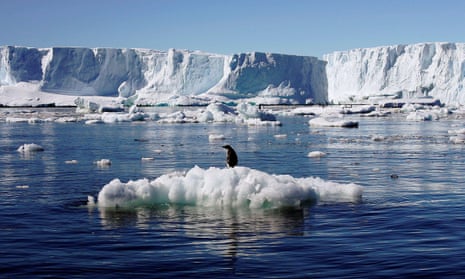
An Adelie penguin in Antarctica. The icy continent is heating faster than climate models had predicted, a study has found. Photograph: Reuters/Alamy
Antarctica is likely warming at almost twice the rate of the rest of the world and faster than climate change models are predicting, with potentially far-reaching implications for global sea level rise, according to a scientific study.
Scientists analysed 78 Antarctic ice cores to recreate temperatures going back 1,000 years and found the warming across the continent was outside what could be expected from natural swings.
In West Antarctica, a region considered particularly vulnerable to warming with an ice sheet that could push up global sea levels by several metres if it collapsed, the study found warming at twice the rate suggested by climate models.
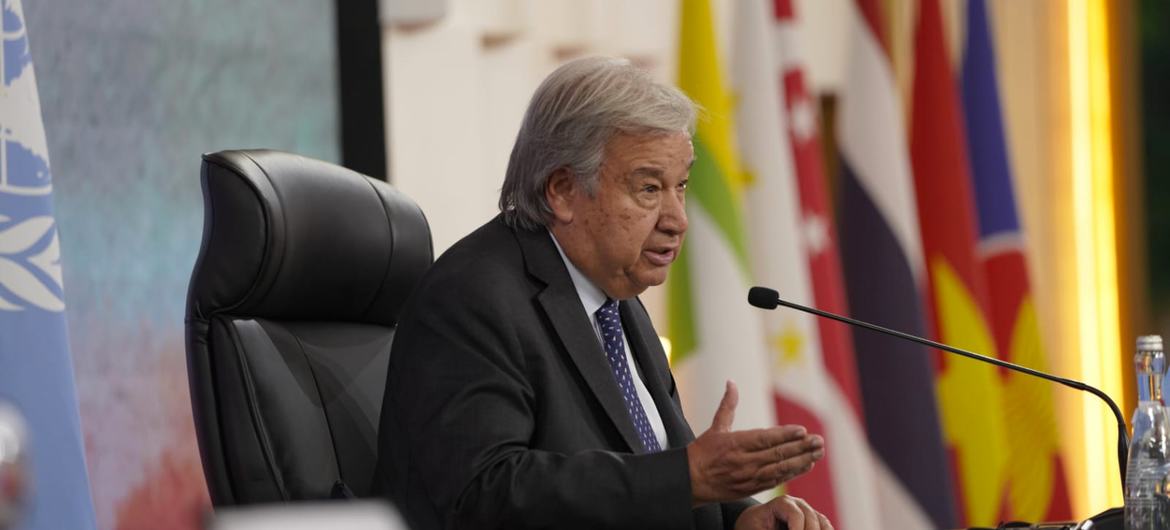
Amid rising geopolitical tension, Southeast Asia is fulfilling a “vital role in building bridges of understanding” worldwide said the UN chief on Thursday.
António Guterres was speaking in Jakarta, Indonesia, at the opening of the ASEAN-United Nations Summit, addressing Member States of the Association of Southeast Asian Nations and declaring “our partnership is more important than ever.”
nhandan.vn – WHO cho biết, tỷ lệ mắc sốt xuất huyết ngày càng gia tăng trên phạm vi toàn cầu, với 4,2 triệu ca bệnh được ghi nhận trong năm 2022, cao hơn gấp 8 lần so với con số thống kê năm 2000.
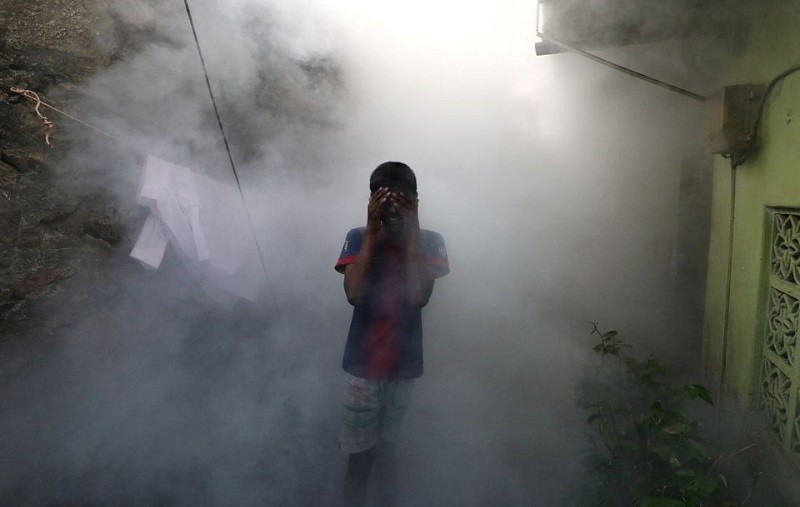
Một cậu bé che mặt để tránh khói khi khi nhân viên y tế hun khói đuổi muỗi phòng sốt xuất huyết tại một khu dân cư ở Colombo, Sri Lanka, ngày 12/7/2023. (Ảnh: Reuters)
Theo báo cáo của WHO hồi tháng 3, bệnh sốt xuất huyết đã lần đầu tiên xuất hiện tại thủ đô Khartoum của Sudan. Châu Âu gần đây ghi nhận số ca mắc tăng đột biến, trong khi Peru đã phải tuyên bố tình trạng khẩn cấp về dịch bệnh ở hầu hết các khu vực.
Đầu năm nay, WHO đã cảnh báo sốt xuất huyết là bệnh nhiệt đới lây lan nhanh nhất thế giới, và đồng thời là một “mối đe dọa đại dịch”.
Chia sẻ tại họp báo ở Geneva, Thụy Sĩ ngày 21/7, Tiến sĩ Raman Velayudhan, chuyên gia thuộc bộ phận kiểm soát các bệnh nhiệt đới bị lãng quên của WHO, cho biết khoảng một nửa dân số thế giới đang đối mặt với nguy cơ nhiễm bệnh sốt xuất huyết.
Năm 2019, số ca mắc sốt xuất huyết toàn cầu đạt mức cao nhất trong lịch sử với 5,2 triệu trường hợp được ghi nhận tại 129 quốc gia. Sau 4 năm, thế giới một lần nữa chứng kiến sự bùng phát mạnh mẽ của căn bệnh này khi số người nhiễm bệnh đang trên đà chạm mốc 4 triệu.
Tiến sĩ Velayudhan thông tin thêm, gần 3 triệu trường hợp mắc sốt xuất huyết đã được báo cáo ở châu Mỹ, đồng thời bày tỏ quan ngại về sự lây lan của dịch bệnh xuống khu vực phía nam sang các nước Bolivia, Paraguay và Peru.
“Tình hình sốt xuất huyết đang diễn biến khá tồi tệ ở khu vực châu Mỹ. Chúng tôi hy vọng khu vực châu Á có thể kiểm soát được dịch bệnh”, chuyên gia của WHO cho hay.
Theo WHO, các trường hợp mắc sốt xuất huyết được báo cáo cho đến nay chỉ chiếm một phần nhỏ trong tổng số ca nhiễm toàn cầu vì hầu hết đều không có triệu chứng, trong đó tỷ lệ số ca tử vong chưa đến 1%.
Khí hậu ấm hơn được cho là nguyên nhân giúp muỗi sinh sôi nhanh hơn và tạo điều kiện cho virus trong cơ thể chúng phát triển. Ngoài ra, nhu cầu vận chuyển hàng hóa và di chuyển của con người ngày càng cao, quá trình đô thị hóa và các vấn đề liên quan đến vệ sinh cũng là những yếu tố dẫn đến sự gia tăng số ca bệnh.
Trả lời câu hỏi về tình trạng nắng nóng hiện nay ở Bắc bán cầu ảnh hưởng thế nào đến sự lây lan của dịch sốt xuất huyết, Tiến sĩ Velayudhan cho biết còn quá sớm để nói về điều này.
Chuyên gia của WHO giải thích, về lý thuyết, ở nhiệt độ trên 45 độ C, số lượng muỗi bị tiêu diệt nhiều hơn số muỗi sinh ra. Tuy nhiên, muỗi là loài côn trùng rất thông minh, và nó có thể sinh sản trong các vật chứa nước nơi nhiệt độ không tăng đến mức như vậy.
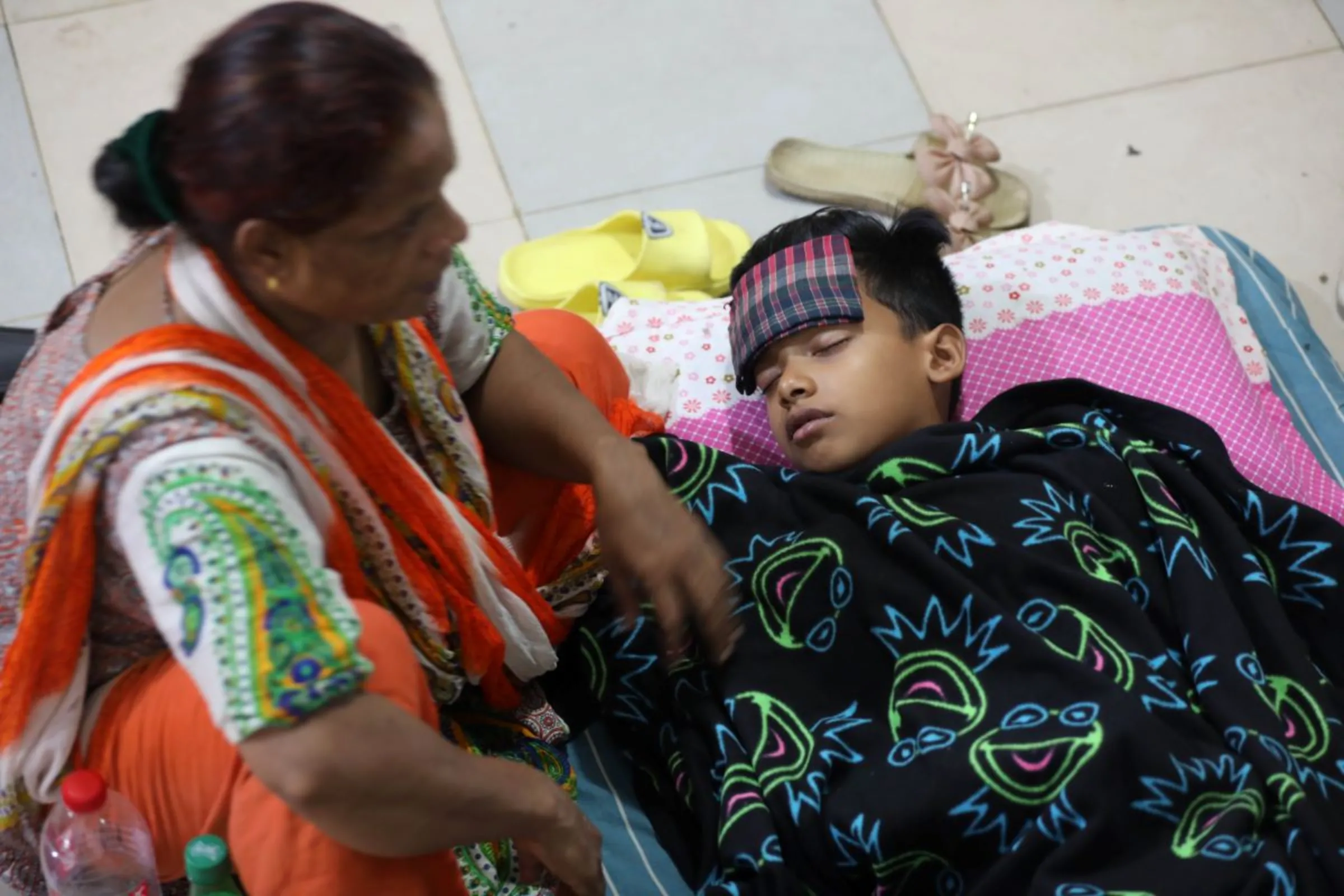
A grandmother keeps her vigil at the side of her sick grandchild at the dengue wards at the Mugda Medical College and Hospital, Dhaka, August 30, 2023, Thomson Reuters Foundation/Mosabber Hossain
What’s the context?
Virus is posing an ever-greater threat in Bangladesh and Nepal where rise and spread of cases are linked to climate change impacts
Dengue on the rise and spreading in Bangladesh, Nepal
Heat and longer monsoon linked to worsening outbreaks
Authorities struggle to respond but aid groups helping
DHAKA/KATHMANDU – Mosquito-borne dengue fever is taking a heavy toll on South Asian nations this year as Bangladesh grapples with record deaths and Nepal faces cases in new areas, with disease experts linking worsening outbreaks to the impacts of climate change.
Authorities in the two countries are scrambling to contain and treat the disease – which is also known as “breakbone fever” for the severe muscle and joint pains it induces. Entomologists and epidemiologists say rising temperatures and longer monsoon seasons are providing ideal breeding conditions for mosquitoes.
The threat is not restricted to South Asia as dengue rates are rising globally with 4.2 million cases reported in 2022 – up eight-fold from 2000 – the World Health Organization (WHO) says.
‘Breakthrough’ funded by G7+ investors misses deadline; Hanoi’s $15.5bn plan delayed
Leaders of ASEAN and G20 nations gather this month with climate change, and how to finance tackling it, looming large after one of the hottest summers on record. Illustration by Hiroko Oshima
SAYUMI TAKE and ERWIDA MAULIA, Nikkei staff writersSEPTEMBER 5, 2023 06:00 JST
TOKYO/JAKARTA — Last November, G20 leaders in Bali hailed what they said was a transformational climate change finance deal to help wean Indonesia off coal. Nine months on, not a single dollar of the $20 billion package has been spent on actively closing down fossil fuel projects.
As the Northern Hemisphere sweats out one of the planet’s hottest-ever summers, and G20 leaders prepare to gather again in India this month, the project that was supposed to provide a breakthrough model in paving the way for the developed world to assist emerging countries to reduce carbon while their economies grow remains mired in meetings on operational details.
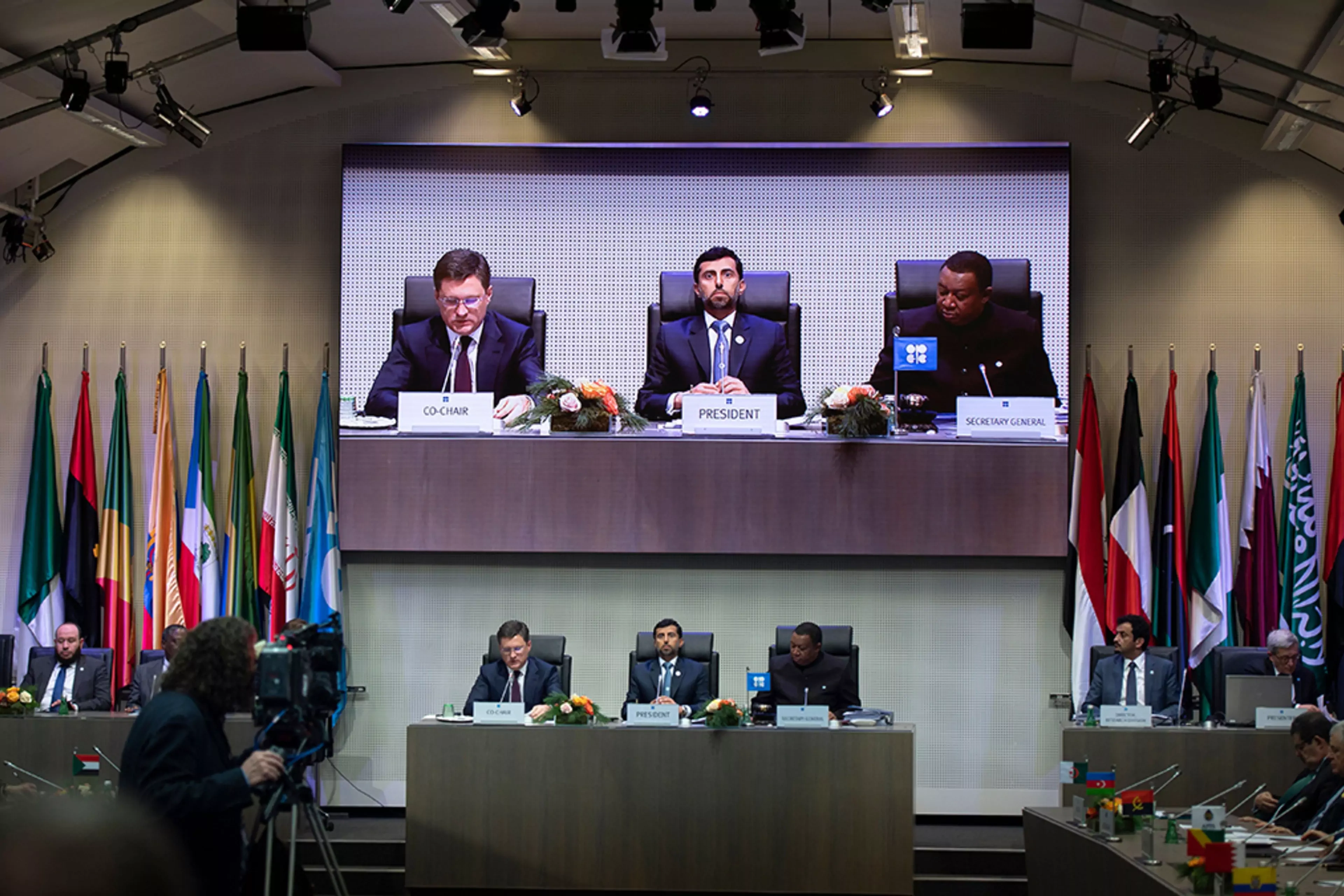
Western leaders have long criticized OPEC’s power to raise oil prices, and the bloc continues to influence the global market even as U.S. oil production has soared and alternative energies have come to the fore.
Russian and Emirati energy ministers speak alongside the OPEC secretary-general in Vienna. Joe Klamar/AFP/Getty Images
WRITTEN BY Anshu Siripurapu and Andrew Chatzky Last updated March 9, 2022 2:25 pm (EST)
Summary
The Organization of the Petroleum Exporting Countries (OPEC) is a group of oil-rich countries that together control nearly 40 percent of the world’s oil supply.
Russia’s war in Ukraine has caused global oil prices to surge, giving the bloc more leverage.
However, as the world shifts away from fossil fuels, OPEC’s power could diminish.
The Organization of the Petroleum Exporting Countries (OPEC) is a bloc of thirteen oil-rich member states spanning the Middle East, Africa, and South America. Combined, the group controls close to forty percent of world oil production. This dominant market position has at times allowed OPEC to act as a cartel, coordinating production levels among members to manipulate global oil prices. As a result, U.S. presidents from Gerald Ford to Donald Trump have railed against the oil cartel as a threat to the U.S. economy.
Climate security refers to the impacts of the climate crisis on peace and security, particularly in fragile and conflict-affected settings.
Climate change impacts can trigger competition over natural resources, insecure livelihoods, and mass displacement, increasing the risk of social tensions and instability.
Investing in climate action can be an opportunity to strengthen cooperation, rebuild trust, and mend the social fabric in fragile and conflict-affected settings.
UNDP supports countries in fragile settings align responses to climate change with conflict prevention and peacebuilding actions.
What is climate security?
Climate security refers to the impacts of the climate crisis on peace and security, particularly in fragile and conflict-affected settings.
Climate change can exacerbate food, water, and livelihood insecurity, with cascading effects such as increased competition over natural resources, social disruptions, and displacement. This can lead to increased tensions, conflict, and instability in a country or region.
In settings where conflict already exists, the impacts of climate change can aggravate or prolong it, making it more difficult to reach and sustain peace. Conflict can in turn disrupt or impede climate action, either through the active destruction of energy, water, and agricultural assets, or by delaying or blocking mitigation and adaptation interventions.
Why does climate security matter?
By 2030, climate change could push up to 130 million more people into poverty, not only exacerbating existing vulnerabilities, including food and water insecurity, but also socio-economic fragility, and political grievances. Within already fragile settings, these impacts can escalate security challenges and worsen instability. Furthermore, climate-related security risks often affect women at disproportionate levels.
Không có bất cứ hàng hóa và sản phẩm nào được phép đưa vào thị trường châu Âu nếu chúng được sản xuất trên đất bị chặt phá rừng hay suy thoái rừng…
Sản phẩm sản xuất trên đất chặt phá rừng sẽ không được phép vào thị trường châu Âu. Ảnh: UNDP
Ngày 24/2, Chương trình Phát triển LHQ (UNDP), Liên minh châu Âu, và Tổng cục Lâm nghiệp trực thuộc Bộ Nông nghiệp và Phát triển nông thôn phối hợp tổ chức hội thảo kỹ thuật về sản xuất và thương mại nông sản không gây mất rừng.
Hội thảo là cơ hội để đại biểu lắng nghe ý kiến đa dạng từ các diễn giả với hiểu biết và kinh nghiệm quý giá liên quan tới sản xuất và thương mại nông sản không gây mất rừng.
Theo ông Patrick Haverman, Phó Trưởng Đại diện Chương trình Phát triển Liên hợp quốc (UNDP) tại Việt Nam, việc phá rừng và suy thoái rừng đang là những nguyên nhân quan trọng gây ra biến đổi khí hậu và mất mát đa dạng sinh học trên toàn cầu.
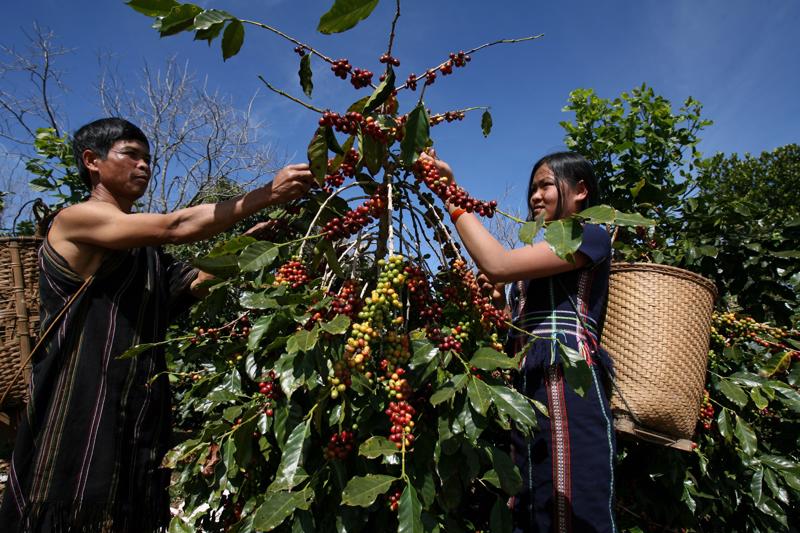
Các hàng hóa dự kiến sẽ chịu tác động bởi Quy định này gồm: Dầu cọ, đậu nành, gỗ, gia súc, ca cao, cà phê, cao su và một số sản phẩm có nguồn gốc từ đó (ví dụ: sôcôla, đồ nội thất, lốp xe, sản phẩm in).
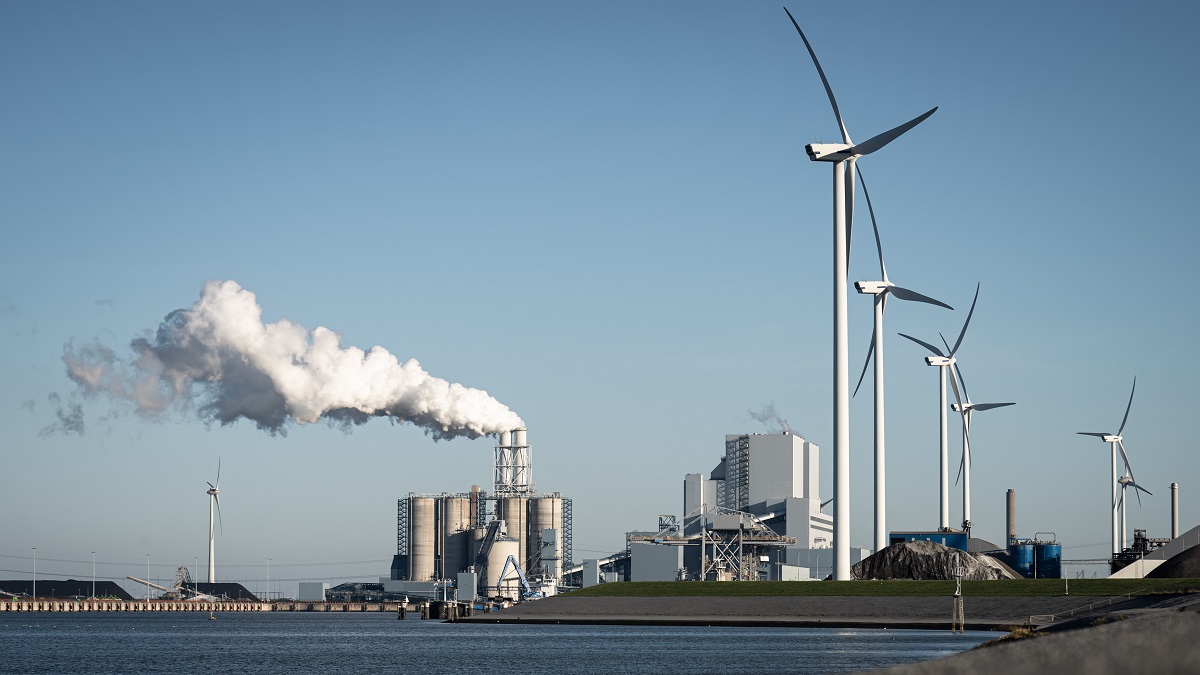
Sweltering heatwaves each year underline the need for a faster energy transition and speedier reform of international investment agreements (IIAs) to support the shift away from fossil fuels.
But many investment treaties, especially older ones, can hinder the transition. As countries try to cut ties with fossil fuels, oil and gas firms might use these treaties to challenge policy changes. An example is a coal phase-out claim against the Netherlands.
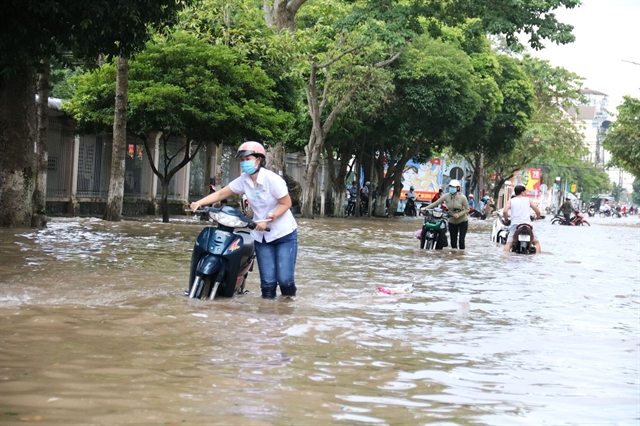
The region is also witnessing faster sea level rise than forecast, with all 13 cities and provinces of the delta are at high risk of flooding due to climate change.
People in Vĩnh Long Province struggled to get through a flooded street due to high tides. — VNA/VNS Photo Lê Thúy Hằng
HCM CITY — The Mekong (Cửu Long) Delta has seen significant strides in urban development, yet the increasing climate change risks mean long-term and practical strategies must be put in place for sustainable growth.
The delta currently has 211 urban areas, with an urbanisation rate of 32 per cent against that of the country at 40.5 per cent. These figures are predicted to rise in the near future.
The region is also witnessing faster sea level rise than forecast, with extreme weather phenomena that affect people’s livelihoods.
The Directorate for Standards, Metrology and Quality under the Ministry of Science and Technology has issued International Standardisation Organisation (ISO) standards regarding climate change adaption as a practical action to realise Vietnam’s net zero commitments.
VNA Wednesday, August 23, 2023 09:06 https://link.gov.vn/cxKMN5Hf
Hanoi (VNA) – The Directorate for Standards, Metrology and Quality under the Ministry of Science and Technology has issued International Standardisation Organisation (ISO) standards regarding climate change adaption as a practical action to realise Vietnam’s net zero commitments.
The standards named TCVN ISO 14090:2020 contain principles, requirements and guidelines to instruct organisations and sectors to adapt to climate change. They can be applied to every organisation of all sizes, local, regional, international, and at all types of business, corporation, sector, and natural resource manager.
The plaintiffs, who range in age from 5 to 22, successfully argued that the state’s refusal to consider climate change impacts before supporting fossil fuel development violated their right a clean environment under the Montana state constitution. Their lawsuit was the first to reach trial among several similar cases in the United States and is likely to bolster other actions seeking to use the legal system to force action on curbing emissions.
VHO- Có thể nói, hòn Trống Mái nằm ngay ở ví trí trung tâm của di sản thiên nhiên thế giới vịnh Hạ Long, là biểu tưởng du lịch nổi tiếng trong nước và quốc tế của vùng đất này, nhưng lại đang phải đối mặt với nhiều nguy cơ đổ, trượt nếu chính quyền, cơ quan chức năng sở tại không có ngay giải pháp bảo tồn cấp thiết.
Hòn Trống Mái được giới chuyên gia cảnh báo có nguy cơ cao bị gãy, trượt
Cuộc hội thảo góp ý cho Báo cáo tổng kết và các sản phẩm chính của nhiệm vụ khoa học công nghệ “Nghiên cứu đánh giá hiện trạng và các yếu tố ảnh hưởng làm cơ sở đề xuất các giải pháp bảo tồn hòn Trống Mái, vịnh Hạ Long” diễn ra từ hồi cuối tháng 7 vừa qua, tuy nhiên cho đến nay theo tìm hiểu của chúng tôi, các bên liên quan vẫn chưa có những động thái mạnh mẽ cho vấn đề “cấp cứu” biểu tượng có một không hai của di sản vịnh Hạ Long.
Còn nhớ vào cuối năm ngoái, chúng tôi cùng đoàn chuyên gia thuộc nhiều lĩnh vực khác nhau có chuyến tham quan vịnh Hạ Long, và một trong những điểm đến là hòn Trống Mái. Cơ duyên đưa đến địa điểm này không hề xuất phát từ sự tò mò hay chụp ảnh lưu niệm vì biểu tượng này đã nằm lòng trong sự yêu thích của biết bao du khách, mà trong đoàn có một chuyên gia về địa chất mong muốn mọi người có cái nhìn thực địa ở khoảng cách gần nhất có thể để nhận diện rõ hơn về sự ăn mòn đáng sợ đối với “hai chân” của hòn Trống Mái. Bằng con mắt chuyên môn, vị chuyên gia về địa chất đã cảnh báo rằng, với tốc độ xâm thực và bào mòn của sóng, gió và tác động của con người như hiện nay, chẳng bao lâu nữa độ kết cấu “hai chân” của hòn Trống Mái sẽ bị cưa đứt. Tại thời điểm đó có người nói đùa rằng, hòn Trống Mái đang đứng trên hai “que tăm” bởi trông nó rất chênh vênh, chung chiêng nhất là khi những đợt sóng cao ập vào. Vị chuyên gia còn nói thêm, cũng đã nhiều lần lên tiếng cảnh báo qua mối quan hệ công việc nhưng nhìn chung chưa mấy ai tin, hoặc nhận được câu trả lời đại loại như “trông thế thôi, nó còn vững chãi lắm”.
Southern Vietnam is the country’s food bowl. But water shortages are driving Mekong Delta farmers to despair, with many of them opting to move to other provinces to find work. Read: https://cna.asia/3ViZLjr
This report aims to contribute to growing conversations about coal finance mechanisms, particularly as they move from concept to reality. RMI believes that financial mechanisms can be a transformational tool in coal transition efforts—but only if implemented well. Ultimately, the devil will be in the detail as to how financial mechanisms are designed and governed to meet the critical needs of all stakeholders and help deliver a rapid and smooth pathway to a climate-safe future.
RMI’s report, Financing the Coal Transition, shows how financial mechanisms can complement policy and regulation to help achieve a rapid, equitable, and smooth coal transition.
The economics of power generation are shifting rapidly in favor of clean energy, challenging coal’s long history as a mainstay of economic development throughout the world. However, much more work needs to be done to transition the existing coal fleet in line with climate and development goals.
The privileged place coal has occupied in power generation for over a century has entrenched complex barriers—from the way that grids have been built to the incentive structures within electricity systems—that prevent markets from catching up to the economic trend toward clean energy. In the absence of solutions to address these barriers, the costs of uneconomic coal will fall largely on local communities through direct costs and unpriced impacts on local health and the environment.
The global community needs new solutions to address the social and economic complexities of the coal transition while responding to the urgency of the climate challenge. One set of solutions currently under development are the innovative financial mechanisms designed to support the transition from coal to clean energy.
This report helps make sense of the various financial mechanisms proposed to date, and models the impacts of using different financial mechanisms to transition existing coal power plants. While it finds that financial mechanisms have the potential to generate wins for both the climate and communities, it also recognizes the risks of using finance to support the coal transition. To manage these risks, RMI proposes five key principles to guide the design of credible financial mechanisms.
Five key principles to guide the design of financial mechanisms for coal transition




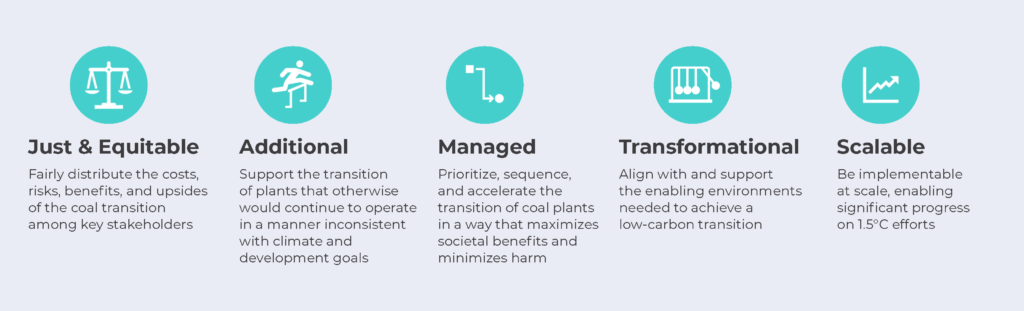 Five key principles to guide the design of financial mechanisms for coal transition
 CVD
CVD 