
Chuyên mục: Biến đổi khí hậu – Climate change
Main South Africa Power Union Calls to Suspend Climate Finance Pact
- Transition to renewable energy generation must be ‘just’
- As many as 51,000 jobs could be affected, union says
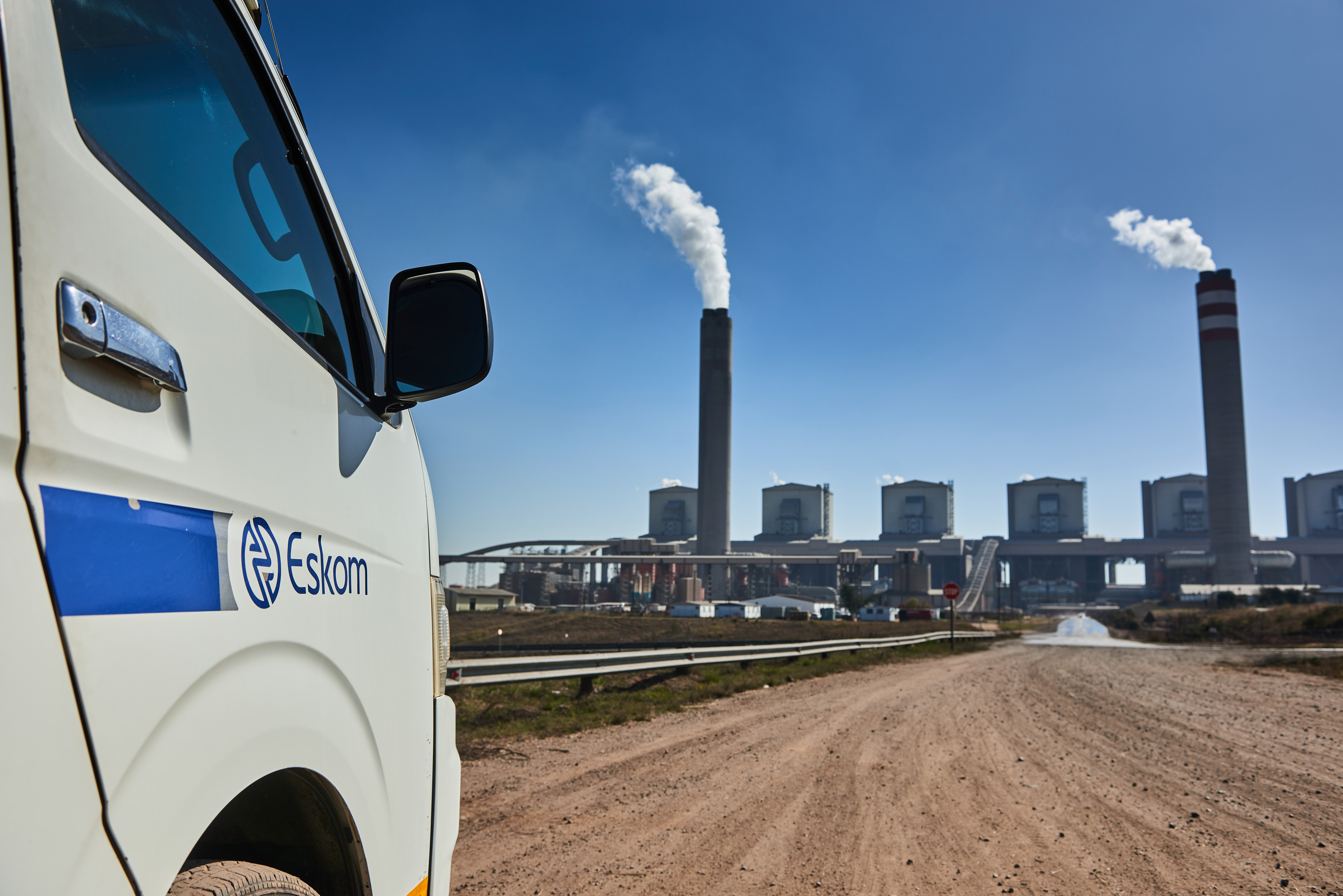
The main labor union at South Africa’s state power utility called for the suspension of an $8.5 billion climate finance pact with some of the world’s richest nations as well as plans to break up Eskom Holdings SOC Ltd. into separate units.
Under the Just Energy Transition Partnership, South Africa agreed to begin moving away from generating electricity from coal, the dirtiest fossil fuel, to producing more renewable energy using financing from Germany, France, the UK, the US and the European Union. As part of a broader transition plan, which didn’t use funding from the so-called JETP, Eskom last year shuttered its Komati coal-fired power plant, with more closures slated to follow.
Tiếp tục đọc “Main South Africa Power Union Calls to Suspend Climate Finance Pact”Mất an ninh lương thực và nước ngày càng trầm trọng do biến đổi khí hậu
05-09-2023 |
Một trong những vấn đề toàn cầu quan trọng hiện đang đe dọa nhân loại là tình trạng mất an ninh lương thực và nước. Tình trạng này ngày càng gia tăng bất chấp nhiều tiến bộ công nghệ vượt trội.

Trung Đông và Bắc Phi là các khu vực dễ bị tổn thương nhất khi xảy ra biến đổi khí hậu.
Ảnh: ec.europa.eu
Đó là nhận định của Tiến sĩ Majid Rafizadeh, nhà khoa học chính trị người Mỹ gốc Iran, từng tốt nghiệp Đại học Harvard, với mạng tin tức Arab (arabnews.com) ngày 3/9.
Theo Tiến sĩ Rafizadeh, khi nói đến hệ thống lương thục, điều quan trọng cần chỉ ra là mối quan hệ chặt chẽ giữa sản xuất lương thực và biến đổi khí hậu. Quá trình sản xuất lương thực toàn cầu tạo ra hơn 1/3 tổng lượng khí thải nhà kính. Đây là một trong những nguyên nhân góp phần gây ra hiện tượng nóng lên toàn cầu và biến đổi khí hậu.
Nhưng tại sao chỉ riêng quá trình sản xuất lương thực có thể tạo ra hơn 1/3 lượng khí thải nhà kính do con người gây ra? Điều này phần lớn liên quan đến quy trình sản xuất, chế biến, bảo quản, đóng gói, phân phối, tiêu thụ và thậm chí thải bỏ.
Các quy trình sản xuất lương thực, bao gồm cả việc sử dụng phân bón, là nguyên nhân hàng đầu gây ra “lượng khí thải tổng thể từ hệ thống sản xuất lương thực, hay 39% tổng lượng khí thải, trong khi khí methane từ chăn nuôi và trồng trọt chiếm 35% lượng khí thải nhà kính từ sản xuất lương thực.
Tiếp tục đọc “Mất an ninh lương thực và nước ngày càng trầm trọng do biến đổi khí hậu”Climate Security 101 – AN NINH KHÍ HẬU LÀ GÌ
I. Is climate change a security risk?
II. Will climate change cause wars?
III. Where is climate change the biggest threat to security?
IV. Why do militaries care about climate change?
V. How does climate change compare to other security risks?
VI. What does climate security mean for diplomacy and development?
VII. How can address the security risks of climate change?
VIII. Are only poor nations at risk?
IX. Is climate change only a long-term risk?
X. What’s more important for security: climate change adaptation or mitigation?
XI. What role does technology play in addressing the security risks of climate change?
XII. Should we be worried about “black swan” events?
XIII. Is there a list of relevant government and nongovernmental documents onclimate and security?
XIV. Is there a list of relevant government and nongovernmental documents on climate and security? By year of publication?
See Full report
Biến đổi khí hậu đang trở thành thách thức an ninh
(Chinhphu.vn) – Dù ở mức độ quốc gia hay toàn cầu thì biến đổi khí hậu (BĐKH) luôn được xem là vấn đề cấp bách, có tác động tới tiến trình phát triển bền vững trên toàn thế giới. Tác động do BĐKH đang trở thành nguyên nhân gây ra những thách thức an ninh khí hậu.
Nhân Ngày Khí tượng thế giới (23/3) với chủ đề “Đại dương-thời tiết và khí hậu của chúng ta”, Báo điện tử Chính phủ có bài phỏng vấn TS. Tăng Thế Cường, Cục trưởng Cục Biến đổi Khí hậu, Bộ Tài nguyên và Môi trường.
Việt Nam là một trong những quốc gia chịu ảnh hưởng nặng nề nhất của BĐKH, xin ông cho biết tình trạng BĐKH đang diễn ra cực đoan như thế nào trên quy mô toàn cầu và ở Việt Nam?
TS. Tăng Thế Cường: BĐKH đang diễn ra nhanh, trực tiếp tác động mạnh đến an ninh lương thực toàn cầu do nhiệt độ tăng, thay đổi lượng mưa, tần suất các hiện tượng cực đoan, đồng thời làm gia tăng sức ép lên hệ thống đất đai, qua đó bùng phát nguy cơ cao về hoang mạc hoá, suy thoái đất. Những đợt sóng nhiệt, tăng cường, mưa bão, hạn hán, thiên tai, ngập lụt diễn ra ở phạm vi rộng hơn, đặc biệt là ở các thành phố ven biển, gây thiệt hại nặng nề đến cuộc sống con người và tiếp tục hủy hoại các hệ sinh thái. Nước biển dâng sẽ gây ra các đợt tị nạn quy mô lớn do BĐKH.
Tiếp tục đọc “Biến đổi khí hậu đang trở thành thách thức an ninh”Vision to Reality: Empowering Countries Worldwide to Deliver the Paris Agreement


Asia is driving two-thirds of new oil and gas development
Led by China and Southeast Asia, new oil and gas facilities are being developed that will make decarbonisation harder to achieve.
eco-buBy Robin Hicks 4 minute readSept. 20, 2023
Tiếp tục đọc “Asia is driving two-thirds of new oil and gas development”
Net Zero Roadmap: A Global Pathway to Keep the 1.5 °C Goal in Reach
| The path to limiting global warming to 1.5 °C has narrowed, but clean energy growth is keeping it open |
IEA full report
Some key takeaways:
- Record growth in solar power capacity and electric car sales are in line with a pathway towards net zero emissions globally by mid-century, as are industry plans for the roll-out of new manufacturing capacity for them. This is significant, since those two technologies alone deliver one-third of the emissions reductions between today and 2030 in the pathway.
- Clean energy innovation has also been delivering more options and lowering technology costs. In the IEA’s original Roadmap in 2021, technologies not yet available on the market delivered nearly half of the emissions reductions needed for net zero in 2050. That number has now fallen to around 35% in this year’s update. Tiếp tục đọc “Net Zero Roadmap: A Global Pathway to Keep the 1.5 °C Goal in Reach”
Singapore energy appetite fuels ASEAN’s renewable power grid
Network taps Laos hydropower, solar and wind energy from Indonesia and Vietnam

Wind farms in southern Vietnam have the potential to generate 600 gigawatts of power, according to one estimate. (Photo obtained by Nikkei)
YUJI NITTA, Nikkei staff writerSeptember 20, 2023 06:02 JST
HANOI — A web of international renewable energy deals is spreading across Southeast Asia as the region works to transition away from fossil fuels, with electricity-hungry Singapore as a driving force.
The city-state, where natural gas makes up around 95% of the energy mix, aims to import 4 gigawatts of low-carbon electricity by 2035, equivalent to 30% of its supply. This ambitious plan, in turn, is creating an opportunity for neighboring nations that are expanding power generation from renewable sources.
Imports kicked off in 2022 with the start of hydropower transmission from Laos via Thailand and Malaysia, totaling 100 megawatts over two years. Regulators have approved plans to bring in 2 GW from five solar projects in Indonesia, and the country will also buy power from a floating solar farm off Indonesia’s coast.
Tiếp tục đọc “Singapore energy appetite fuels ASEAN’s renewable power grid”Từ một lời hẹn đến chương trình Treebank Đắk Lắk 2023
Chương trình TreeBank Đắk Lắk 2023 do Hội Từ Tâm Đắk Lắk tiếp tục triển khai sẽ diễn ra trong mùa mưa năm 2023, với sự hỗ trợ của Viện nghiên cứu truyền thông và phát triển- RED.
Mối liên kết và tiếp sức này sẽ giúp Hội Từ Tâm Đắk Lắk tiếp tục phát huy thành quả TreeBank năm trước: Chỉ trong tháng 9/2022 Hội Từ Tâm Đắk Lắk đã trao tặng được 11.300 cây ăn quả và bóng mát, phối hợp chính quyền 9 xã phía Nam tỉnh, thuộc 2 huyện Lắk và huyện Krông Bông, trao tặng cây đúng đối tượng, hỗ trợ vật tư và kỹ thuật chăm sóc, góp phần hỗ trợ sinh kế cho dân nghèo, chung tay phủ xanh Trái Đất.


https://red.org.vn/chuyen-muc/ve-red/gioi-thieu/
Sáng kiến ” Treebank- Vườn ở khắp nơi” là một trong nhiều hoạt động của dự án CFLI “Giảm thiểu biến đổi khí hậu bằng cách phục hồi đất có rừng ở Việt Nam thông qua mô hình Ngân hàng Cây”; Thúc đẩy sự tham gia của phụ nữ trong công tác xã hội và khuyến khích các sáng kiến dựa vào cộng đồng trong phát triển bền vững” do Quỹ Canada dành cho các sáng kiến địa phương tài trợ và Tổ chức RED Communication thực hiện.
Còn nhớ, vào chiều thứ Sáu ngày 25/02/2022, buổi gặp gỡ ra mắt chương trình TreeBank đầu tiên tại Việt Nam đã diễn ra tại thành phố Hồ Chí Minh, với sự tham dự đông đảo của các khách mời đến từ các Cơ quan Báo chí, Doanh nghiệp, Marketer, Tổ chức xã hội, Chủ vườn rừng đến từ khắp nơi… Phát triển từ sáng kiến “Vườn ở khắp nơi” của chị Phan Diệu Linh, với sự hỗ trợ của Quỹ Sáng kiến Cộng đồng Canada (CFLI), thuộc Đại sứ quán Canada tại Việt Nam, TreeBank được tạo ra nhằm góp phần phục hồi đất rừng ở Việt Nam, giảm thiểu tác động của biến đổi khí hậu, tăng cường sự tham gia của phụ nữ trong các hoạt động xã hội nhằm đạt được các mục tiêu phát triển bền vững.


Tiếp tục đọc “Từ một lời hẹn đến chương trình Treebank Đắk Lắk 2023”
Việt Nam có tỷ lệ người khuyết tật cao trên tổng dân số trong khu vực
Phần lớn người khuyết tật Việt Nam sống ở vùng nông thôn, có cuộc sống rất khó khăn, đặc biệt là người khuyết tật bị ảnh hưởng bởi chất độc da cam/dioxin trong chiến tranh

Lễ kỷ niệm 30 năm Ngày Quốc tế về người khuyết tật (3/12). (Ảnh: Hoàng Hiếu/TTXVN)
Hiện nay Việt Nam có khoảng 7 triệu người khuyết tật, chiếm hơn 7,06% dân số từ 2 tuổi trở lên, trong đó người khuyết tật nặng và đặc biệt nặng chiếm khoảng 28,9%, khoảng 10% người khuyết tật thuộc hộ nghèo. Số liệu này cho thấy, Việt Nam là một trong những nước có tỷ lệ người khuyết tật khá cao so với tổng dân số trong khu vực châu Á-Thái Bình Dương.
Đây là thông tin được đưa ra tại lễ kỷ niệm 30 năm Ngày Quốc tế về người khuyết tật (3/12) và diễn đàn “Lắng nghe tiếng nói của người khuyết tật” do Ủy ban quốc gia về người khuyết tật Việt Nam, Chương trình phát triển của Liên hợp quốc (UNDP) và Hội Người khuyết tật thành phố Hà Nội phối hợp tổ chức hôm nay 1/12.
Tiếp tục đọc “Việt Nam có tỷ lệ người khuyết tật cao trên tổng dân số trong khu vực”Home – Ngôi nhà Trái đất
Home – là một bộ phim tài liệu bởi đạo diễn Yann Arthus-Bertrand, ra mắt vào ngày 5/6/2009 nhân Ngày môi trường thế giới. Bộ phim được quay trong vòng 18 tháng, tại 54 quốc gia, với một chiếc máy quay Cineplex & tốn chi phí 12 triệu USD. Bộ phim khắc họa nguồn gốc và đa dạng sự sống trên Trái Đất cũng như mối đe dọa từ các hoạt động của con người tới sự cân bằng sinh thái Trái Đất. Phim lập kỷ lục công chiếu trên hơn 50 quốc gia trên các kênh truyền hình và Youtube
How much progress is being made on the UN’s Sustainable Development Goals?

A slowdown in progress on key areas is putting the 2030 Sustainable Development Goals ‘in peril’.
- Multiple global crises continue to put the 2030 Sustainable Development Goals ‘in peril’, the UN says.
- Its 2023 update report shows a significant reversal of progress in key areas such as child vaccination rates and income inequality between countries.
- These challenges will be the focus of the World Economic Forum’s Sustainable Development Impact Meetings on 18-22 September 2023.
The 2030 Agenda for Sustainable Development was adopted by all United Nations’ (UN) member states in 2015. “A shared blueprint for peace and prosperity for people and the planet, now and into the future”, it is based on 17 Sustainable Development Goals (SDGs), which the UN describes as an urgent call for action. The organization says that ending global poverty requires focusing on strategies that reduce inequality and spur economic growth, while also tackling climate change.
The Sustainable Development Goals Report 2022 painted a worrying picture of progress in almost all areas, but the 2023 update delivers an even graver warning: “The promises enshrined in the SDGs are in peril,” the UN states. This year marks the halfway point to the 2030 Agenda deadline, increasing global urgency to ignite progress.
Tiếp tục đọc “How much progress is being made on the UN’s Sustainable Development Goals?”Four Asian nations to lose $65bn this decade as heat and flooding shock clothing industry (Bangladesh, Cambodia, Pakistan and Vietnam)
Researchers call on brands to invest in adaptation measures instead of mitigation
https://cdn.jwplayer.com/previews/XzNy1PQ3
Extreme heat and flooding could erase $65bn in apparel export earnings from four Asian countries by 2030 as it jeopardises the health of the workers, new research has revealed.
The slow growth from extreme climate conditions will also result in one million fewer jobs being created, found the study by Cornell University and Schroders.
The research mapped out the climate vulnerability of 32 apparel production hubs of six global brands in Bangladesh, Cambodia, Pakistan and Vietnam. It found flooding and heat pose material risks to entire fashion industry, leading to a 22 per cent decline in export earnings.
These projections are expected to rise significantly by 2050, representing about 69 per cent in foregone export earnings and 8.64 million fewer jobs, warned the researchers.
But brands, investors or regulators are not prioritising in planning for these risks in the countries that collectively represent 18 per cent of global apparel export due to the industry’s focus on mitigation rather than adaptation measures, said the study.
CÒN CÂY, CÒN RỪNG – CON NGƯỜI MỚI CÒN THỞ
Chào các bạn
Nếu các bạn để ý, từ đầu mùa hè năm cho đến hiện nay tháng 9-2023 có quá nhiều thiên tai, bão lụt, cháy rừng thảm khốc trên toàn thế giới từ Hồng Kông, Libya cho đến Pakistan. Việt Nam ta không ngoại lệ. Chúng ta đang phòng đón các mùa bão ngày càng bất thường. Thêm vào đó, sạt lở đất ngày càng thường xuyên ở các dự án phát triển xây dựng. Các dự án này có nguy cơ lấy đất rừng, chặt phá rừng tự nhiên. Việc này sẽ càng làm trầm trọng tình trạng sạt lở đất khi lũ đến ở Việt Nam.
Có lẽ không cần phải nhắc lại nhiều rằng chúng ta đang chứng kiến những ảnh hưởng tàn khốc của biến đổi khí hậu ra sao: từ thiên tai đến thời tiết cực đoan. Điều này không hề mới. Điểm khác là những thiên tai sẽ còn tiếp diễn khó lường và chúng ta không phản ứng kịp.
Từ những thế kỷ trước đây trải qua nhiều cuộc cách mạng công nghiệp cho đến đầu những 1980s, thế giới chưa chính thức nói đến và bàn nhiều về biến đổi khí hậu. Và nhiều người vẫn tin rằng thiên tai bất thường là do Thượng Đế tạo ra – The Acts of God – để nhắc nhở và trừng phạt những tội lỗi con người gây nên trên trái đất này.
Tiếp tục đọc “CÒN CÂY, CÒN RỪNG – CON NGƯỜI MỚI CÒN THỞ” CVD
CVD 