
Chuyên mục: Biến đổi khí hậu – Climate change
Why the Global Stocktake is a Critical Moment for Climate Action
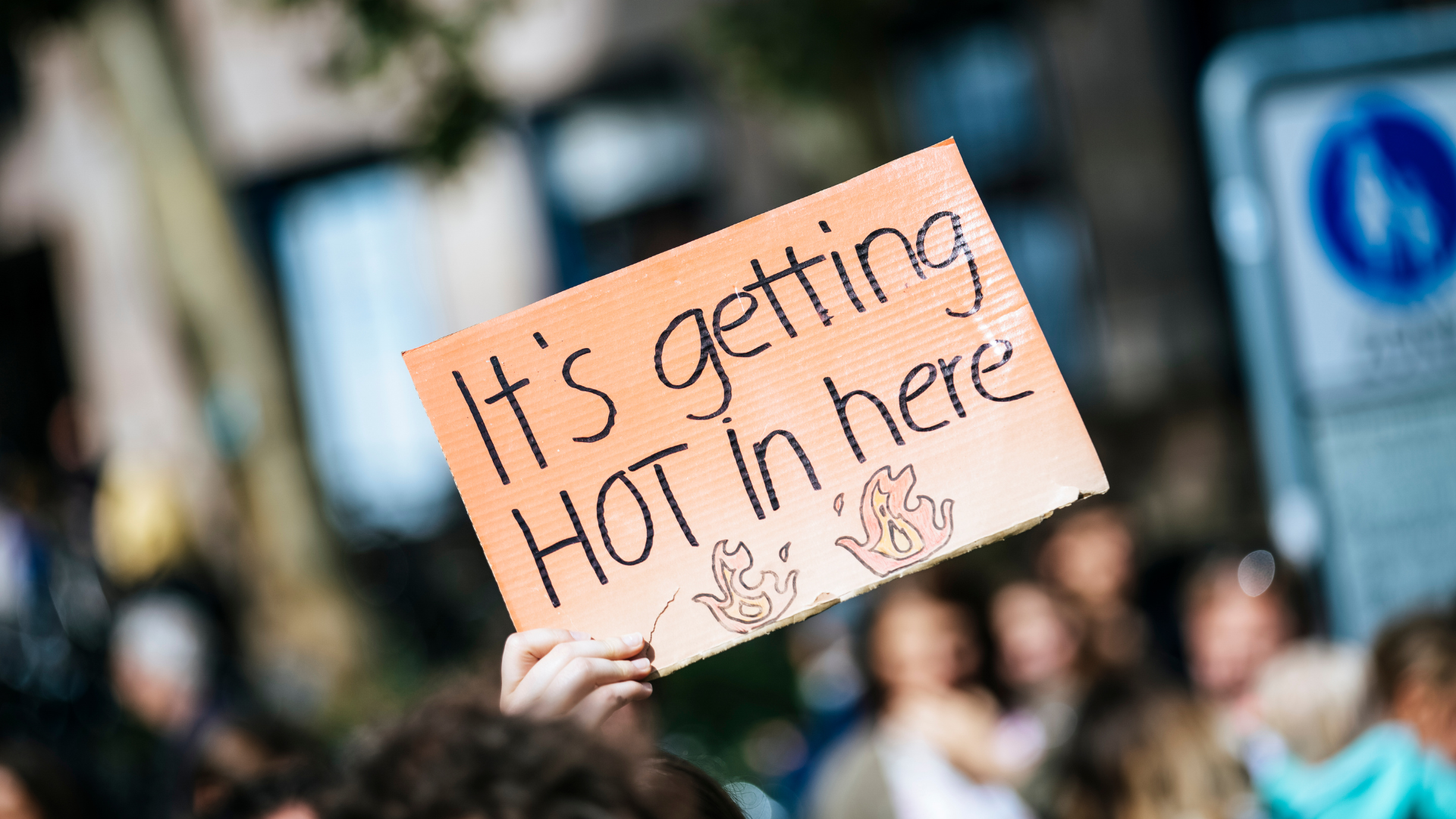
The global stocktake is a critical turning point in our battle against the escalating climate crisis – a moment to take a long, hard look at the state of our planet and chart a better course for the future.
“The global stocktake is an ambition exercise. It’s an accountability exercise. It’s an acceleration exercise,” said UN Climate Change Executive Secretary Simon Stiell. “It’s an exercise that is intended to make sure every Party is holding up their end of the bargain, knows where they need to go next and how rapidly they need to move to fulfill the goals of the Paris Agreement.”
- What is the global stocktake?
- Why is this so urgent?
- How does the stocktake tie into other key deliverables?
- What happens next?
What is the global stocktake?
Tiếp tục đọc “Why the Global Stocktake is a Critical Moment for Climate Action”Climate Change History – PM of the UK, Margaret Thatcher – Speech to UN (Nov. 8, 1989)
Prime Minister of the UK, Margaret Thatcher studied chemistry at Oxford, and worked briefly as a research chemist before becoming a barrister
Mr President, it gives me great pleasure to return to the Podium of this assembly. When I last spoke here four years ago, on the 40th anniversary of the United Nations, the message that I and others like me gave was one of encouragement to the organisation to play the great role allotted to it.
Of all the challenges faced by the world community in those four years, one has grown clearer than any other in both urgency and importance—I refer to the threat to our global environment. I shall take the opportunity of addressing the general assembly to speak on that subject alone.
INTRODUCTION
Fukushima wastewater issue will further divide a nation, split families, and cause ‘atomic divorce’
thebulletin.org By Maxime Polleri | October 17, 2023
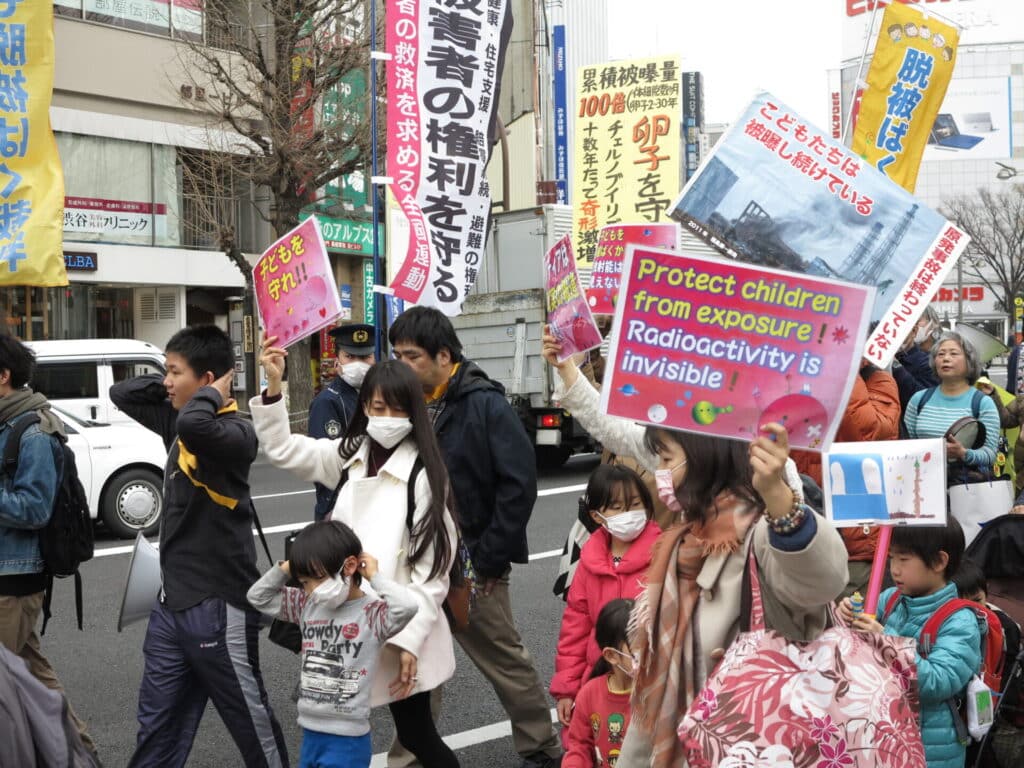 Mothers march in Tokyo against radiation exposure risks five years after the Fukushima nuclear disaster on March 5, 2016. (Photo by Maxime Polleri)Share
In a bid to dispel seafood worries around the release of Fukushima nuclear wastewater into the ocean, Japan’s Prime Minister Fumio Kishida ate an array of sashimi late in August; the raw fish ranged from flounder to sea bass caught in the Fukushima area. It is “safe and delicious,” he joyfully declared during a public relations effort to revitalize the fishing industry, which has been affected by a Chinese seafood ban and consumer anxieties over the wastewater release.
Many applauded Kishida’s comment, which echoes the same government narrative around post-Fukushima food safety, as well as his firm support for the release of tritium-contaminated water—a discharge process that the International Atomic Energy Agency stated complies with operational safety limits for radiation.
But as someone who studied the aftermath of the Fukushima nuclear disaster for more than a decade, I believe that this decision will irreversibly erode public trust and create irreparable long-lasting tensions. During my years of research in Japan as an anthropologist, I witnessed first-hand how state policies around Fukushima’s economic recovery are fragmenting communities, which constitutes an enduring catastrophe of its own.
Tiếp tục đọc “Fukushima wastewater issue will further divide a nation, split families, and cause ‘atomic divorce’”Why Is Britain Retreating from Global Leadership on Climate Action?
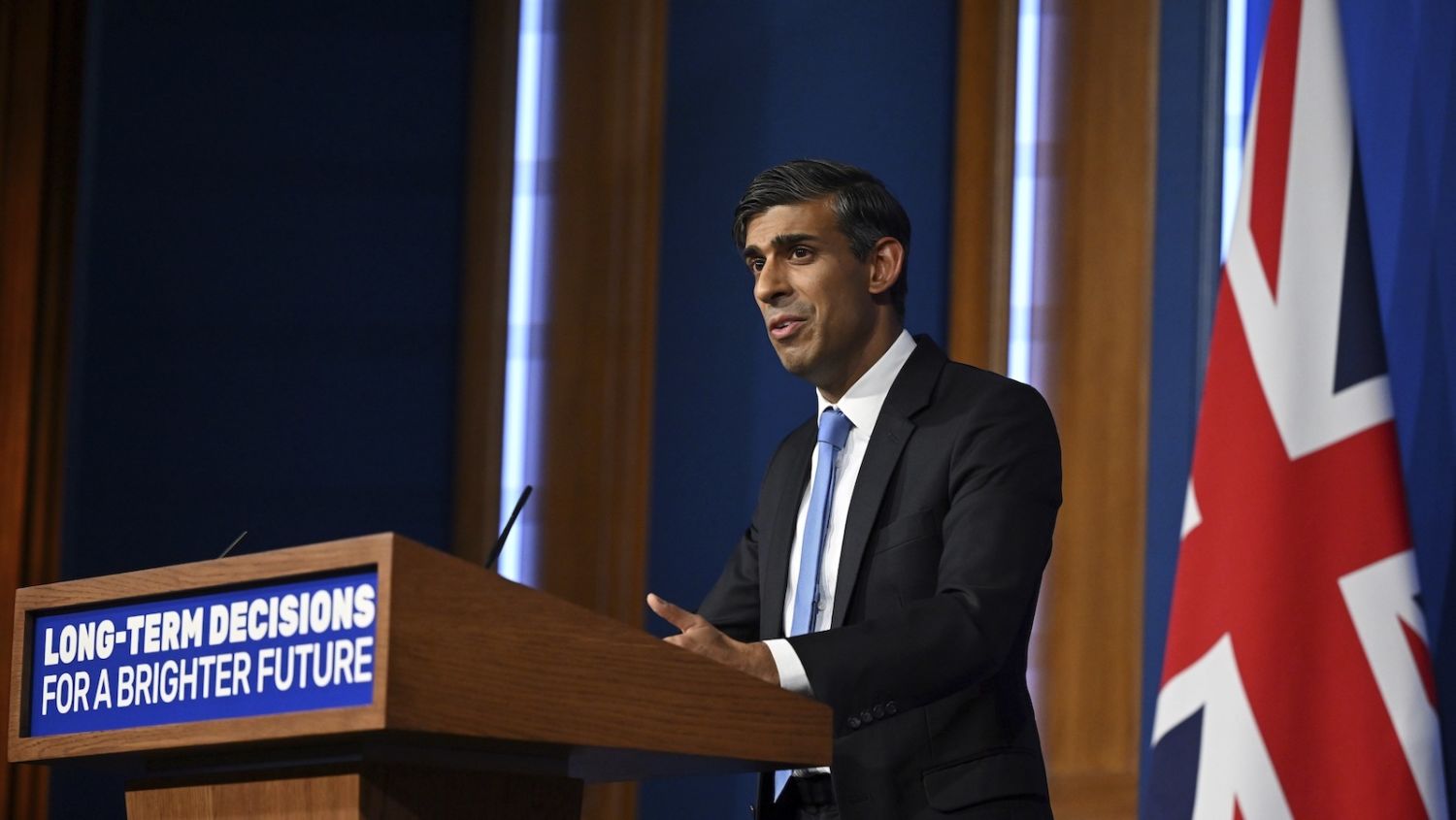
While Britain has long been a leader in cutting emissions, Prime Minister Rishi Sunak is now implementing a stunning reversal of climate-friendly policies, with new plans to “max out” oil production. Business leaders have joined environmentalists in condemning the moves.
BY FRED PEARCE • OCTOBER 17, 2023
In 1988, British Prime Minister Margaret Thatcher became the first world leader to take a stand on fighting climate change. Last month, exactly a quarter-century later, her successor Rishi Sunak tore up a cross-party consensus on the issue that had survived the intervening eight general elections and replaced it with a populist assault on what had been his own government’s environmental policies.
Thatcher, who trained as a chemist before entering politics, took her stand at a packed meeting of the country’s most prestigious science body, the Royal Society, on September 27, 1988. She told the assembly that “we are creating a global heat trap which could lead to climate instability” and promised action to curb global warming and achieve “stable prosperity”.
Tiếp tục đọc “Why Is Britain Retreating from Global Leadership on Climate Action?”Amazon River hits lowest level in over a century
The Amazon River fell to its lowest level in over a century on Monday at the heart of the Brazilian rainforest as a record drought upends the lives of hundreds of thousands of people and damages the jungle ecosystem.
Rapidly drying tributaries to the mighty Amazon have left boats stranded, cutting off food and water supplies to remote villages, while high water temperatures are suspected of killing more than 100 endangered river dolphins.
Advertisement · Scroll to continue
Tiếp tục đọc “Amazon River hits lowest level in over a century”24 hours with … climate negotiator Vicente Paolo Yu III
Brokering for the environment for the G77, the biggest negotiating bloc of low-income countries, comes with both challenges and triumphs, says the Filipino lawyer. He shares what it is like to spend sleepless nights at the climate meetings, ahead of COP28.
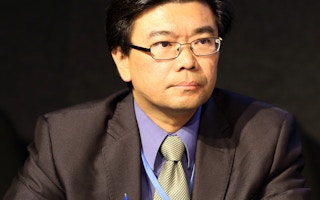
It is 12 midnight on the last Saturday before the conclusion of the world’s biggest climate summit.
The Conference of the Parties (COP) to the United Nations Framework Convention on Climate Change (UNFCCC) are two-week gatherings that have been held yearly for almost three decades in a bid to make major resolutions to combat worsening impacts of global warming.
The crowd of delegates from nearly 200 countries, dozens of world leaders and hundreds of the biggest companies and nonprofits has dissipated. At the venue, negotiators, however, are huddling in a room to grapple with the final wording of text that could potentially shift the discourse on climate change for the long term. Most of them have not eaten a proper meal, and are surviving on energy bars and the water served for free at the venue.
This is a typical scene into the last hours at the COPs, said Vicente Paolo Yu III, coordinator for the biggest negotiating bloc of low-income countries at the conference, the Group of 77 (G77) and China. The Asian superpower is not classified a developed country under international standards and has provided consistent support to the G77 on climate issues.
Tiếp tục đọc “24 hours with … climate negotiator Vicente Paolo Yu III”Hơn 20 năm: những lớp dạy bơi miễn phí cho trẻ em
Hơn 5.000 trẻ em đã biết bơi và thành thạo kỹ năng sinh tồn vùng sông nước qua lớp dạy bơi miễn phí của bà Sáu ở Đồng Tháp
Lớp dạy bơi trẻ em miễn phí ở Hưng Yên
Sạt lở đất – Thiên tai hay nhân tai?
[VOV2] – Các hoạt động nhân sinh đang làm trầm trọng thêm các hình thái bất thường của thời tiết và đã đến lúc không thể chỉ nói rằng thảm hoạ xảy ra là do thiên tai, mà trong nhiều trường hợp cần phải nói đến là do cả nhân tai.
Chỉ trong vòng hơn 2 tháng qua, cả nước đã xảy ra 47 trận sạt lở đất, đá gây thiệt hại nghiêm trọng về người và tài sản. Điều đáng nói, không chỉ khu vực Tây Nguyên, Nam Bộ, Tây Bắc, mà ngay cả Hà Nội cũng đã xuất hiện những trận sạt lở lớn. Vậy đâu là nguyên nhân gây ra tình trạng này? Cần có những giải pháp hữu hiệu nào để phòng tránh những vụ sạt lở tương tự?
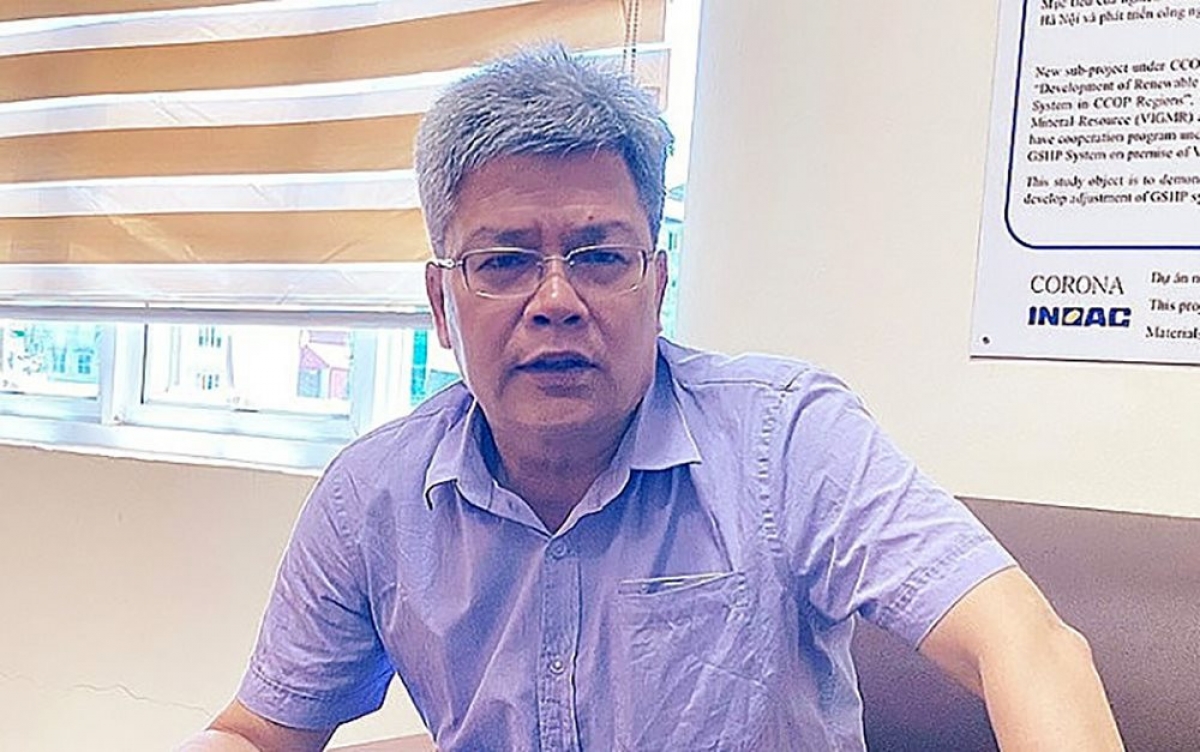
Trong cuộc trao đổi với phóng viên VOV2, PGS.TS Trần Tân Văn, nguyên Viện trưởng Viện Khoa học địa chất và khoáng sản Việt Nam, Bộ Tài nguyên và Môi trường đã có những nhận định và phân tích khá thẳng thắn xung quanh vấn đề này.
Heavy rains batter Central Vietnam, cut off roads, shut down schools
SGGP October 13, 2023 at 15:27:32
Heavy rains have continuously drenched the Central region of Vietnam, unleashed floods and landslides, marooned vast areas, cut off roads and shut down schools.
Related News
Central region to continue to suffer from widespread flooding
Mekong Delta facing increasingly serious flooding
This afternoon, the Department of Education and Training of Da Nang City announced that students should not go to school because many roads in the city were flooded due to heavy rains.
After the Steering Committee for Natural Disaster Prevention and Control, Search and Rescue and Civil Defense of Da Nang City announced heavy rain will pummel the city from 9 a.m. to 4 p.m. today, the Department of Education and Training of Da Nang City requested heads of schools to let students stay at home for their safety as some roads are deeply flooded.
Tiếp tục đọc “Heavy rains batter Central Vietnam, cut off roads, shut down schools”
14,000 displaced in Myanmar after record rain sparks floods
Residents of Myanmar’s flood-hit Bago city navigate the city’s submerged streets, salvaging food and belongings from their waterlogged homes, after record rainfall triggered floods that authorities said have displaced 14,000 people. “My house is flooded. This is the first time my house has been flooded in my life,” says Phwar Than Hme, a 101-year-old resident of Bago.
https://www.youtube.com/watch?v=2NC-aNirB5kQuảng Ninh makes effort to preserve old fishing villages in Hạ Long Bay
Urgent action is needed to breath new life into Cửa Vạn and Vung Viêng fishing villages.
.jpg) |
| A view of conservation area of Vung Viêng fishing village in Hạ Long Bay. VNA/VNS Photo |
QUẢNG NINH – Cửa Vạn and Vung Viêng, two renowned fishing villages located in Hạ Long Bay in northern Quảng Ninh Province, are facing severe deterioration, with some structures slowly sinking into the sea.
Tiếp tục đọc “Quảng Ninh makes effort to preserve old fishing villages in Hạ Long Bay”Dengue will ‘take off’ in southern Europe, US, Africa this decade, WHO scientist says
By Jennifer Rigby October 6, 2023
LONDON, Oct 6 (Reuters) – Dengue fever will become a major threat in the southern United States, southern Europe and new parts of Africa this decade, the WHO’s chief scientist said, as warmer temperatures create the conditions for the mosquitoes carrying the infection to spread.
The illness has long been a scourge in much of Asia and Latin America, causing an estimated 20,000 deaths each year. Rates of the disease have already risen eight-fold globally since 2000, driven largely by climate change as well as the increased movement of people and urbanization.
Many cases go unrecorded, but in 2022 4.2 million cases were reported worldwide and public health officials have warned that near-record levels of transmission are expected this year. Bangladesh is currently experiencing its worst-ever outbreak, with more than 1,000 deaths.
Tiếp tục đọc “Dengue will ‘take off’ in southern Europe, US, Africa this decade, WHO scientist says”
6 reasons why global temperatures are spiking right now
The world is very warm right now. We’re not only seeing record temperatures, but the records are being broken by record-wide margins.
Take the preliminary September global-average temperature anomaly of 1.7°C above pre-industrial levels, for example. It’s an incredible 0.5°C above the previous record.
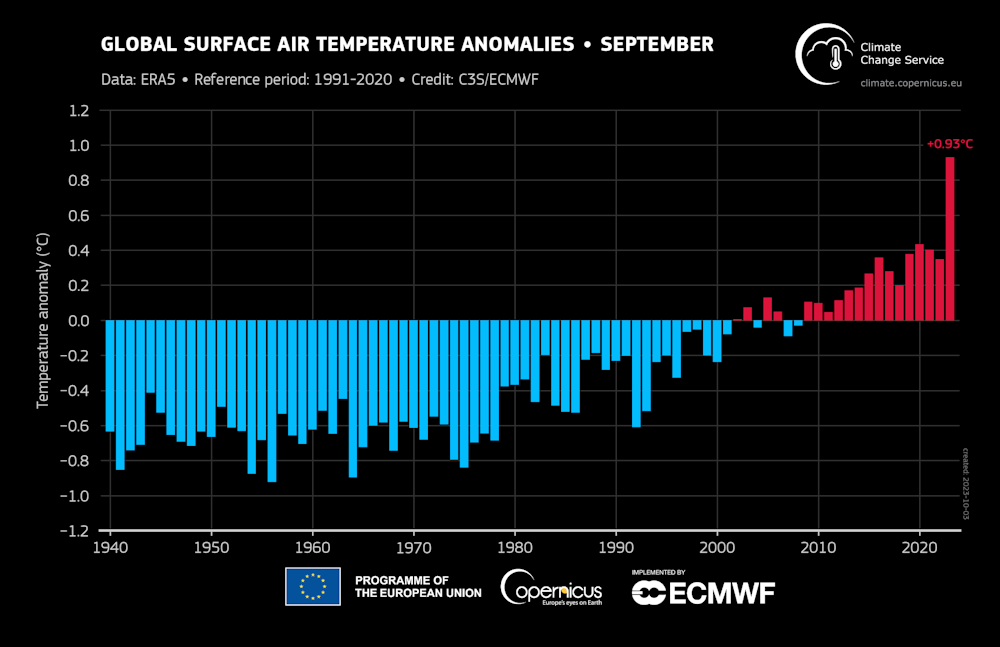
So why is the world so incredibly hot right now? And what does it mean for keeping our Paris Agreement targets?
Here are six contributing factors – with climate change the main reason temperatures are so high.
1. El Niño
One reason for the exceptional heat is we are in a significant El Niño that is still strengthening. During El Niño we see warming of the surface ocean over much of the tropical Pacific. This warming, and the effects of El Niño in other parts of the world, raises global average temperatures by about 0.1 to 0.2°C.
Tiếp tục đọc “6 reasons why global temperatures are spiking right now”What is climate finance and why do we need more of it?
UNDP.org October 2, 2023
Summary
- Climate finance refers to financial resources and instruments that are used to support action on climate change.
- Examples of climate finance include grants provided by multilateral funds, market-based and concessional loans from financial institutions, sovereign green bonds issued by national governments, and resources mobilized through carbon trading and carbon taxes.
- Investments in climate action can yield results that dramatically outweigh the upfront costs, yet significant funding gap remains to advance the green transition and enhance resilience in developing countries.
- Current financial flows for climate change mitigation need to increase at least three times, if we are to limit global warming to 2°C or below and achieve the Paris Agreement targets.
- UNDP is one of the major entities supporting countries access and effectively use climate finance.
What is climate finance?
Tiếp tục đọc “What is climate finance and why do we need more of it?”
 CVD
CVD 