Việt kiều Mỹ: ‘Từng con đường, góc phố Việt như thầm gọi tôi trở về’

11:29 AM – 12/11/2016 Thanh Niên Online
GS Kiều Linh Caroline Valverde /// Ảnh: Trung Dung
GS Kiều Linh Caroline ValverdeẢnh: Trung Dung


Lần đầu tiên về Việt Nam, GS Kiều Linh (Việt kiều Mỹ) có cảm nhận rất thân thiết với những người xa lạ, chưa từng quen biết, từ con đường, góc phố đến cột đèn, vỉa hè ở phố cổ như thầm gọi bà trở về.
Sáng 12.11, hội nghị người Việt Nam ở nước ngoài toàn thế giới với chủ đề “Kiều bào chung sức xây dựng TP.HCM phát triển nhanh, bền vững và hội nhập quốc tế” diễn ra ở TP.HCM.

Phát biểu tại hội nghị, GS Kiều Linh Caroline Valverde (Việt kiều Mỹ) nói về tham luận tiềm năng phát triển vủa VN và TP.HCM và vai trò của kiều bào giới thiệu văn hóa VN ra nước ngoài. Bà Kiều Linh hiện là GS giảng dạy tại Đại học UC Davis và dành nhiều thời gian để nghiên cứu về mối quan hệ giữa VN và cộng đồng Việt kiều. Tiếp tục đọc “Việt kiều Mỹ: ‘Từng con đường, góc phố Việt như thầm gọi tôi trở về’”

“One Belt, One Road:” What’s in It For Us?

CSIS

By Ambassador Chas W. Freeman, Jr. 07 Nov. 2016
Alexander the Great is said to have declared that “logisticians are a humorless lot … they know if my campaign fails, they are the first ones I will slay.” He was the one of the first strategists to understand the importance of connectivity and also to point out that there are not a lot of jokes about it. The speed and reliability of transport and other forms of communication matter greatly to economic efficiency as well as to war. Tiếp tục đọc ““One Belt, One Road:” What’s in It For Us?”

Susan Rice: American Leadership in the Asia-Pacific Must Continue

National Interest

“Unmatched American leadership has laid a strong foundation for regional peace and prosperity in the region. But, in a dangerous and uncertain world, we cannot relinquish that leadership.”

November 12, 2016

Seven years ago, President Obama joined the leaders of 20 other economies for the APEC summit in Singapore—his first trip to Asia as president. When President Obama took office, the global economy was still reeling from the worst financial crisis since the Great Depression. The United States was consumed with two major, costly ground wars in Iraq and Afghanistan, but not nearly as engaged in the world’s fastest growing region, the Asia-Pacific. Tiếp tục đọc “Susan Rice: American Leadership in the Asia-Pacific Must Continue”

Thú nhận muộn màng của báo chí Mỹ sau khi Donald Trump chiến thắng

Chủ nhật, 13/11/2016 | 08:20 GMT+7 VnExpress
Chia sẻ bài viết lên facebook Chia sẻ bài viết lên twitter Chia sẻ bài viết lên google+ |

Nhiều tờ báo uy tín của Mỹ thú nhận không thể theo sát và nắm bắt đúng tâm lý của tất cả tầng lớp cử tri Mỹ trong kỳ bầu cử tổng thống được đánh giá kỳ lạ nhất lịch sử.

thu-nhan-muon-mang-cua-bao-chi-my-sau-khi-donald-trump-chien-thang

Báo chí Mỹ đa số đều dự đoán chiến thắng cho bà Hillary Clinton. Ảnh: Newsweek

Ngoài việc đánh dấu một bước chuyển quan trọng trong đời sống chính trị Mỹ, chiến thắng áp đảo của Tổng thống đắc cử Donald Trump còn bộc lộ rõ hạn chế của nền báo chí nước này đối với nhiệm vụ nắm bắt, phản ánh đúng nhịp đập và xu hướng của đất nước, theo Figaro.

Tiếp tục đọc “Thú nhận muộn màng của báo chí Mỹ sau khi Donald Trump chiến thắng”

Donald Trump Is the End of Global Politics as We Know It

CSIS – Negotiating with China: Lessons from the Hangzhou G20 Bilateral Meeting

COMMENTARY
Negotiating with China: Lessons from the Hangzhou G20 Bilateral Meeting
By Claire Reade
November 7, 2016

As the Obama administration’s tenure comes to a close, many are doing a stocktaking of its China policy, what has worked and where things could be made more effective. One useful question to consider is how to strengthen the returns from the various bilateral and multilateral venues where we engage each other. September’s G20 summit in Hangzhou, China, culminated in a multicountry leaders’ communique, but it also produced outcomes from concomitant bilateral meetings. The results of the U.S-China economic meeting, listed in a joint fact sheet, included an astoundingly long list of trade and investment outcomes. Tiếp tục đọc “CSIS – Negotiating with China: Lessons from the Hangzhou G20 Bilateral Meeting”

America’s Pacific Century

FP

America’s Pacific Century

As the war in Iraq winds down and America begins to withdraw its forces from Afghanistan, the United States stands at a pivot point. Over the last 10 years, we have allocated immense resources to those two theaters. In the next 10 years, we need to be smart and systematic about where we invest time and energy, so that we put ourselves in the best position to sustain our leadership, secure our interests, and advance our values. One of the most important tasks of American statecraft over the next decade will therefore be to lock in a substantially increased investment — diplomatic, economic, strategic, and otherwise — in the Asia-Pacific region. Tiếp tục đọc “America’s Pacific Century”

NSG payback? India tries to take on China over South China Sea

| TNN | Updated: Nov 7, 2016, 11.48 AM IST

Highlights

  • Sino-Indian ties have taken a hit with China blocking India’s entry into the Nuclear Suppliers Group
  • India seems to want the joint statement with Vietnam, to serve as a template for similar documents with countries in the region
  • Japan officially told TOI recently that it was encouraging India to speak its mind on SCS dispute

NEW DELHI: The Sino-Indian ties have taken a hit with China blocking India’s entry into NSG+ and also preventing UN from sanctioning Pakistan based Jaish-e-Mohammed (JeM) chief Masood Azhar but India seems to have finally decided it’s payback time.

India proposed to Singapore last month that the 2 countries make a specific mention in a joint statement of the international tribunal order in July this year dismissing China’s “historical” rights as claimed by Beijing over almost all of South China Sea waters+ , top sources said. Tiếp tục đọc “NSG payback? India tries to take on China over South China Sea”

Obama’s legacy in South-east Asia

Nov 8 marks the close of a tumultuous presidential election campaign in the United States. As the end of incumbent President Barack Obama’s administration nears, six scholars working with the ISEAS – Yusof Ishak Institute evaluate the Obama legacy in South-east Asia, and examine challenges for the incoming administration. In the first of this two-part series written for The Straits Times, we feature perspectives on Indonesia, Malaysia and the Philippines. Tomorrow, we will publish viewpoints on Thailand and Vietnam, as well as an assessment of US engagement with Asean.

The friendliest US president to Asean

Tang Siew Mun, Senior fellow and head of the Asean Studies Centre

President Barack Obama is held in high regard in the region, especially in Indonesia, where he lived from 1967-71. Undoubtedly the most South-east Asia-friendly president, he has visited all but one state during his term of office. He would have completed the full “Asean circuit” if not for the cancelled visit to Brunei in 2013 to attend to the pressing business of averting the looming shutdown of the US government. Tiếp tục đọc “Obama’s legacy in South-east Asia”

US-Asean relations: From rebalance to reset?

President Obama putting his hands together before bowing at the end of his address on the sidelines of the Asean Summit in Vientiane, Laos, in September. While his presidency has seen significant engagement with the 10-nation bloc, much could change, thanks to the uncertainty of his succession. PHOTO: REUTERS

In the second of a two-part series, scholars from the Iseas -Yusof Ishak Institute evaluate the legacy of outgoing US President Barack Obama in South-east Asia, and look to the challenges for the incoming administration after the Nov 8 presidential election.

On Friday, we featured perspectives on Indonesia, Malaysia and the Philippines.

Today, we offer viewpoints on Thailand, Vietnam, and US engagement with Asean. Tiếp tục đọc “US-Asean relations: From rebalance to reset?”

It’s not just Trump casting political cloud over Asean


duterte-xi-jinpingIn Photo: President Duterte (left) and Chinese President Xi Jinping shake hands after a signing ceremony in Beijing on October 20.

Donald Trump’s protectionist policies aside, rising political risk in Southeast Asia is casting a shadow over economies that have been a driver of global growth in recent years.

Foreign investors pulled out of Thailand stocks at the fastest pace this year in October. The Philippine peso has sunk close to levels last traded during the global financial crisis. Malaysia’s currency is also in a funk. Tiếp tục đọc “It’s not just Trump casting political cloud over Asean”

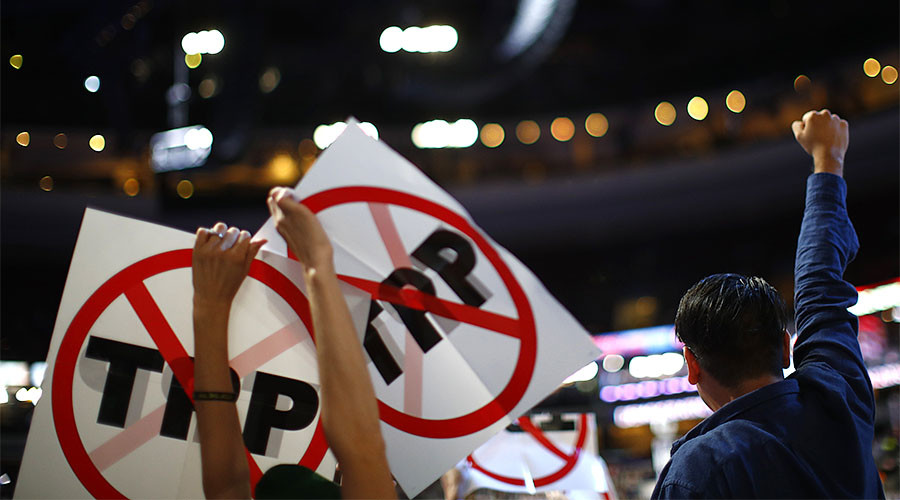
Why you should care about the TPP trade deal

On Duterte’s heels, Malaysia is the next Asian country to embrace China