Warren Buffett’s shifting Asian portfolio

Geopolitics push ‘Oracle of Omaha’ to move away from China and invest in Japan

asia.nikkei.com

KENJI KAWASE, Nikkei Asia chief business news correspondentMAY 24, 2023 04:30 JST

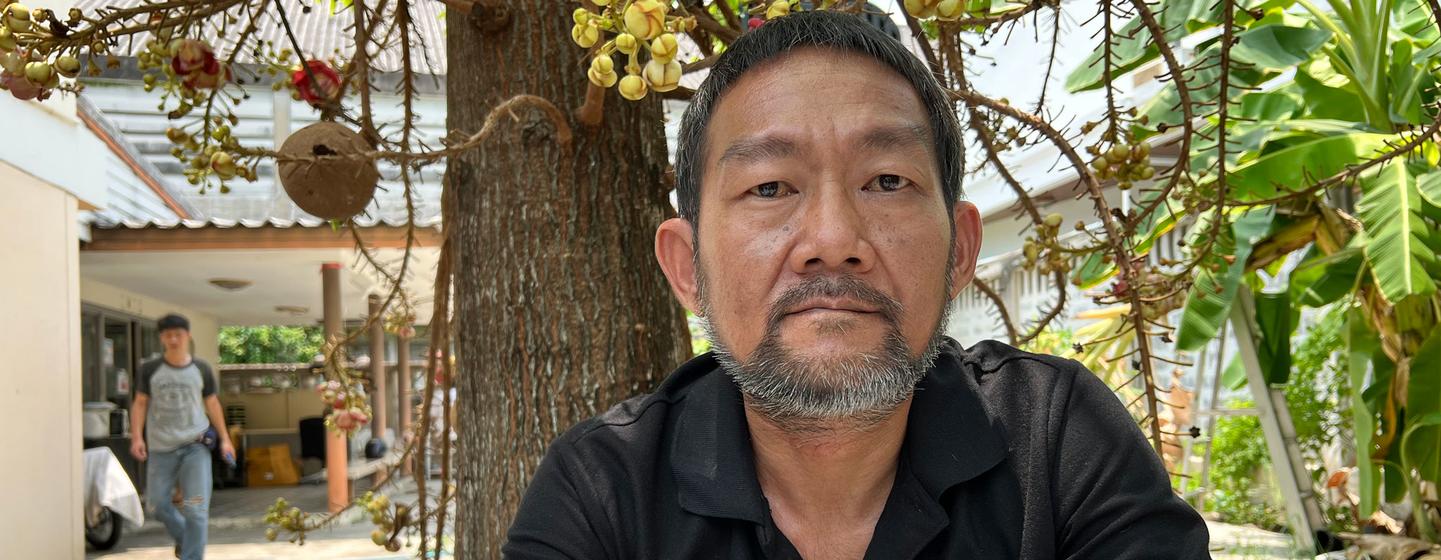
OMAHA, U.S. — For Antonius Budianto, an independent stock investor from Indonesia, it was a dream come true to be in Omaha, Nebraska for the first time.

Traveling from East Java with his wife and 14-year-old daughter, Antonius was standing in a queue in front of Omaha’s CHI Health Center at 3 a.m. to grab a seat at the annual general shareholders meeting of investment company Berkshire Hathaway on May 6. Antonius said they wanted to be “as close as possible” to the podium as his two business idols — Warren Buffett and Charlie Munger — sat and took questions from shareholders in the audience and around the world.

Antonius has been investing in listed stocks in Indonesia for over 20 years, faithfully following the Buffett method: focus on a few companies with strong earnings, handsome dividend payments and sound corporate governance, and hold on to them, sometimes for decades. At Berkshire, this strategy has been distilled into the oft-repeated maxim: “Just hold the goddamn stock,” as Munger put it that day.

For his part, Antonius has been making a living as a full-time professional investor since 2010.

Tiếp tục đọc “Warren Buffett’s shifting Asian portfolio”

Xi upends secret world of US$10,000 an hour China experts

bloomberg.com

Beijing clamps down on ‘expert networks’ over threats to national security, sending shockwaves through the financial world with experts saying the move will derail China’s push to attract foreign investors

Private conversations with corporate insiders and ex-government officials that cost upwards of US$10,000 an hour. Coded language and blurred regulatory lines.

For hedge funds and other global investors, China’s vast web of “expert networks” has become a key tool for navigating an opaque but potentially lucrative economic powerhouse. For Xi Jinping’s (習近平) Communist Party, the secretive industry represents something far more ominous: a threat to national security that must be reined in.

That contradiction is now sending shockwaves through the financial world as China’s government cracks down on the expert networks it had showered in praise less than a decade ago during Xi’s first term as president. The anti-espionage campaign — which centers on Capvision, a giant of the industry with offices in Shanghai and New York — has reignited concern among China watchers that Xi’s fixation on security and tightening grip on information will derail his push to attract foreign investors.

In this image taken from undated video footage run by China’s CCTV, Chinese police raid the Capvision office in Shanghai. China’s chief foreign intelligence agency has raided the offices of business consulting firm Capvision in Beijing and other Chinese cities as part of an ongoing crackdown on foreign businesses that provide sensitive economic data. Photo: AP

ABRUPT CRACKDOWN

Tiếp tục đọc “Xi upends secret world of US$10,000 an hour China experts”

Competitive market key to expanding Electric Vehicle charging network

renewableenergymagazine.com

Electric vehicle (EV) charging stations will better serve EV owners if lawmakers and regulators enable a level playing field for competitive providers, concludes a new report entitled “Serving Customers Best: The Benefits of Competitive Electric Vehicle Charging Stations.”

New report finds competitive market key to expanding EV charging network

Courtesy of Ernest Ojeh, Unsplash.

The 52-page report addresses a key aspect of the clean energy transition, finding that utility ownership of EV charging stations is generally not in the public interest and that allowing monopoly utilities to own charging stations will deliver less efficient, lower-quality service and choice to EV owners. This will result in unfair cost shifting to other electricity consumers.

“Regulators and legislators will serve the EV charging public best if they provide for a competitive and nondiscriminatory environment for public charging stations” said Rob Gramlich, President of Grid Strategies and one of the four co-authors of the study. “We should enable the market to work if we want to build-out EV charging infrastructure and give drivers the best prices and services possible along the way.”

The report stresses that extending the monopoly position of utilities into the EV charging sector would hurt the EV charging public and, by extension, the overall effort to electrify transportation.

Frank Lacey, a co-author, emphasises a key finding in the study: “Regulators should proclaim EV charging to be a competitive service and then focus on policies to support the development of the charging network. Competition in charging will lead to the best results for the build-out of EV charging, for consumer pricing of electricity, and for service of EV drivers. The time to make these policy choices is now, before charging becomes monopolised.”

The report makes the following recommendations:

Regulated Rate Policies – Regulators need to consider the impact of regulated rates and rate design on EV charging stations and station owners.

Utility Ownership – Regulators should ban or disfavor utility ownership of charging stations.

Distribution Planning – Regulators should support an increased focus on planning using state-of-the-art tools and should allow for proactive, rather than reactive, development of the distribution systems.

Interconnection Policies – Regulators should support the development of dedicated interconnection personnel, work with utilities to standardise and streamline timelines and processes, allow more flexible policies with respect to inventory and supply chain issues, and ensure that nonutility owners of charging stations receive fair and equal service from the utility when developing charging stations.

Private Sector Access – Regulators should work with utilities to develop, train, and certify third parties to work with private investors to build out the distribution network, where feasible.

Cost Allocation – Regulators should create cost-allocation policies fair to all parties to recover the costs of developing the infrastructure required for robust EV charging.

Meeting Public Need at the Lowest Cost – If a public need arises, regulators should look for solutions other than a utility to meet the need.

Divestiture of utility-owned charging stations – Regulators should have utilities sell any utility-owned EV charging stations to nonutility entities.

The report was sponsored by the National Association of Convenience Stores (NACS), which represents a business sector with considerable investment in robust distribution and service networks designed to meet the motoring public’s needs. Convenience stores sell an estimated 80 percent of the fuels purchased by drivers.

For additional information:

Grid Strategies

Report: “Serving Customers Best: The Benefits of Competitive Electric Vehicle Charging Stations.”

Tiền xu “mất tích” trong tiêu dùng, vì sao?

laodong.vn

Thứ năm, 05/12/2013 11:52 (GMT+7)

Đến nay, không ít gia đình ở Việt Nam chắc vẫn còn vài đồng tiền kim loại (phát hành năm 2003) vương vãi đâu đó trong nhà. Nhưng ngoài lưu thông, đồng tiền kim loại đã vắng bóng hoàn toàn trong các giao dịch tiền mặt. Ứng xử với tiền kim loại thế nào vẫn là câu chuyện còn bỏ ngỏ.

Tiền xu “mất tích” trong tiêu dùng, vì sao?

Bài 1: Tại sao tiền xu không được ưa chuộng? 

Tuy vẫn còn nguyên giá trị lưu hành như những đồng tiền giấy, nhưng hiện nay, tiền xu đang bị “phân biệt đối xử” một cách thậm tệ trong lưu thông. Trong vai những người đi mua hàng, PV Báo Lao Động đã nhận được phản ứng của các hộ kinh doanh, các siêu thị, các trung tâm thương mại về chuyện phân biệt đối xử với loại đồng tiền này.

Không còn chấp nhận tiền xu
Dư luận về việc phân biệt đối xử với tiền xu thì đã nhiều, để chứng minh đó là sự thật, trong vai người cần đổi một ít tiền giấy sang tiền kim loại mệnh giá 2.000đ và 5.000đ, PV Báo Lao Động vào siêu thị Maxximart trên đường 3 Tháng 2 (quận 10, TPHCM) để đổi.

Tiếp tục đọc “Tiền xu “mất tích” trong tiêu dùng, vì sao?”

Investor-State Dispute Settlement: Obstructing a Just Energy Transition

FAQ: What is Investor-State Dispute Settlement and What Does it Mean for Climate Action?

Boston University Global Development Policy Center

Photo by Zachary Theodore via Unsplash.

A controversial legal process known as investor-state dispute settlements (ISDS) is making it difficult for governments to mobilize finance for ambitious climate action.

When assets are protected by international investment treaties, like the Energy Charter Treaty, legal claims can be brought against countries by investors who feel they are negatively impacted by government policies. For example, Italy was recently ordered to pay UK-based oil/gas company Rockhopper more than €190 million for the Italian government’s refusal to grant an offshore oil concession. A May 2022 study in Science found potential ISDS claims globally could total as much as $340 billion.

Tiếp tục đọc “Investor-State Dispute Settlement: Obstructing a Just Energy Transition”

Energy charter treaty makes climate action nearly illegal in 52 countries – so how can we leave it?

theconversation.com

Published: July 6, 2022 6.28pm BST

Five young people whose resolve was hardened by floods and wildfires recently took their governments to the European Court of Human Rights (ECHR). Their claim concerns each country’s membership of an obscure treaty they argue makes climate action impossible by protecting fossil fuel investors.

The energy charter treaty has 52 signatory countries which are mostly EU states but include the UK and Japan. The claimants are suing 12 of them including France, Germany and the UK – all countries in which energy companies are using the treaty to sue governments over policies that interfere with fossil fuel extraction. For example, the German company RWE is suing the Netherlands for €1.4 billion (£1.2 billion) because it plans to phase out coal.

The claimants aim to force their countries to exit the treaty and are supported by the Global Legal Action Network, a campaign group with an ongoing case against 33 European countries they accuse of delaying action on climate change. The prospects for the current application going to a hearing at the ECHR look good. But how simple is it to prise countries from the influence of this treaty?

Tiếp tục đọc “Energy charter treaty makes climate action nearly illegal in 52 countries – so how can we leave it?”

Chủ nhiệm Ủy ban Kinh tế: Nền kinh tế đang rất khó khăn

vnexpress.net

Ông Vũ Hồng Thanh, Chủ nhiệm Ủy ban Kinh tế, nhận xét tình hình đang khó khăn và quý II khó có đột phá về tăng trưởng.

Nhận định này được Ủy ban Kinh tế nêu khi thẩm tra báo cáo của Chính phủ kết quả bổ sung phát triển kinh tế xã hội năm 2022; thực hiện các tháng đầu năm 2023, tại phiên khai mạc Quốc hội sáng 22/5.

Ông Vũ Hồng Thanh, Chủ nhiệm Ủy ban Kinh tế, cho biết kinh tế có dấu hiệu xấu đi từ cuối năm 2022, kéo dài sang đầu năm 2023, kết quả là tăng trưởng GDP quý I chỉ tăng 3,32%. Để đạt mục tiêu tăng trưởng 6,5% năm nay, bình quân mỗi quý còn lại năm nay phải tăng khoảng 7,5%.

Những khó khăn trên thị trường tài chính, trái phiếu doanh nghiệp khiến doanh nghiệp khó tiếp cận và hầu như không huy động được vốn, dẫn tới bất động sản “đóng băng”. Các động lực chính của tăng trưởng như xuất khẩu, đầu tư trực tiếp nước ngoài, nhất là sản xuất công nghiệp giảm, trên đà suy yếu.

“Nền kinh tế thực sự rất khó khăn”, ông nói.

Tiếp tục đọc “Chủ nhiệm Ủy ban Kinh tế: Nền kinh tế đang rất khó khăn”

Xem tư dinh quan chức làm mất rừng sở hữu ‘kiệt tác’ gỗ đồ sộ

tienphong.vn

TPO – Vô số quán cà phê, nhà rường quan chức…được thiết kế với không gian bằng gỗ đẹp, to lớn mọc lên ở TP Pleiku (Gia Lai) và tỉnh Đắk Lắk thời gian gần đây. Có quan chức làm nhà gỗ đồ sộ, nhưng bị kỷ luật mất rừng; thậm chí có vị sử dụng gỗ không nguồn gốc xây tư dinh…

Một biển hiệu rao “Bán gỗ quý 1000 năm” ven Hồ EA KAO, cách không xa trụ sở UBND xã

Căn nhà gỗ này của ông Trần Ngọc Quang, nguyên Chủ tịch UBND huyện Ea Súp (Đắk Lắk). Theo Quyết định thi hành kỷ luật số 1262-QĐTU của Ủy ban Kiểm tra Tỉnh ủy Đắk Lắk, ông Trần Ngọc Quang sử dụng 84,81 m3 gỗ thành phẩm, quy gỗ tròn ra gần 136m3 (không có hồ sơ chứng minh). Đến nay, cơ quan chức năng tỉnh Đắk Lắk chưa công bố kết quả xử lý về nguồn gốc số gỗ của ông Quang

Nhà gỗ của ông Nguyễn Văn Quyến, nguyên Phó giám đốc Cty TNHH MTV Lâm nghiệp Cư M’lan, nay là Phó tổng giám đốc Cty Chế biến thực phẩm, lâm nghiệp Đắk Lắk nổi tiếng ở tỉnh Đắk Lắk. Hiện ông Quyến đang sở hữu 2 căn nhà gỗ “khủng” ở địa bàn thị trấn Ea Súp (huyện Ea Súp). Ông Quyến từng bị kỷ luật cảnh cáo vì những sai phạm liên quan đến công tác quản lý bảo vệ rừng, để mất hơn 10.500 ha rừng và đất rừng trong lâm phần được giao quản lý và bảo vệ

Tiếp tục đọc “Xem tư dinh quan chức làm mất rừng sở hữu ‘kiệt tác’ gỗ đồ sộ”

The EU just passed a historic anti-deforestation law. Now it needs to go after the banks

globalwitness.org

Governments from across the European Union today adopted a historic new law which will ensure that a raft of commodities linked to deforestation and forest degradation won’t be able to enter the EU market unless proven to be sustainably sourced. 

The green light from EU national governments means that by end of next year, imports of palm oil, cattle, soy, coffee, cocoa, timber and rubber will have to comply with strict traceability obligations and evidence must show that they have not been grown on deforested or degraded land.

It’s the first law of its kind in the world, and a historic blueprint for the approaches that other markets should look at to help preserve the world’s forests – which are essential in the fight against climate breakdown and biodiversity loss.

Now the first milestone towards deforestation-free supply chains has been achieved, it’s time to ensure that the European Union can fully end its role in forest destruction – which means cutting the money pipeline to deforesting businesses.  This is the final piece of the puzzle.

Tiếp tục đọc “The EU just passed a historic anti-deforestation law. Now it needs to go after the banks”

Emissions from Oil and Gas Operations in Net Zero Transitions

IEA.org

A World Energy Outlook Special Report on the Oil and Gas Industry and COP28

Today, oil and gas operations account for around 15% of total energy-related emissions globally, the equivalent of 5.1 billion tonnes of greenhouse gas emissions. In the International Energy Agency’s Net Zero Emissions by 2050 Scenario, the emissions intensity of these activities falls by 50% by the end of the decade. Combined with the reductions in oil and gas consumption in this scenario, this results in a 60% reduction in emissions from oil and gas operations to 2030.

Fortunately, oil and gas producers have a clear opportunity to address the problem of emissions from their activities through a series of ready-to-implement and costeffective measures. These include tackling methane emissions, eliminating all non-emergency flaring, electrifying upstream facilities with low-emissions electricity, equipping oil and gas processes with carbon capture, utilisation and storage technologies, and expanding the use of hydrogen from low-emissions electrolysis in refineries.

Upfront investments totalling USD 600 billion would be required to halve the emissions intensity of oil and gas operations globally by 2030. This is only a fraction of the record windfall income that oil and gas producers accrued in 2022 – a year of soaring energy prices amid a global energy crisis. This report aims to inform discussions on these issues in the run-up to the COP28 Climate Change Conference in Dubai in November and is part of a broader World Energy Outlook special report to be released later in 2023 focusing on the role of the oil and gas industry in net zero transitions.

Full report here

Một số bất cập của pháp luật về giá đất do cơ quan nhà nước xác định

tapchicongthuong.vn

17/05/2023 lúc 13:30 (GMT) Theo dõi Tạp chí công thương trên 

TCCT ThS. Nguyễn Đắc Văn (Khoa Luật, Trường Đại học Đà Lạt)

Tóm tắt: 

Giá đất là một chế định pháp lý quan trọng trong Luật Đất đai 2013, sau một thời gian áp dụng, những quy phạm về giá đất do cơ quan nhà nước xác định đã bộc lộ nhiều hạn chế cần phải sửa đổi, bổ sung. Bài viết tập trung phân tích, đánh giá làm rõ thực trạng pháp luật về giá đất do cơ quan nhà nước xác định tại Việt Nam hiện nay, cũng như chỉ ra một số bất cập của quy định pháp luật về vấn đề này, từ đó đề xuất một số kiến nghị hoàn thiện pháp luật về giá đất.

Từ khóa: giá đất, pháp luật đất đai, bất cập và phương hướng hoàn thiện.

1. Đặt vấn đề

Giá đất là một chế định pháp lý quan trọng trong Luật Đất đai 2013, sau một thời gian áp dụng, những quy phạm về giá đất do cơ quan nhà nước xác định đã bộc lộ nhiều hạn chế cần phải sửa đổi, bổ sung như: giá đất quy định trong khung giá đất, bảng giá đất thường thấp hơn nhiều lần giá đất phổ biến trên thị trường; những nguyên tắc xác định giá đất chưa được tuân thủ nghiêm chỉnh do sự thiếu rõ ràng của pháp luật; quy định về các phương pháp định giá đất, về Hội đồng thẩm định giá còn nhiều bất cập… Thực trạng pháp luật này đặt ra nhu cầu cần nghiên cứu để làm rõ những hạn chế trong quy định hiện hành, từ đó đề xuất một số kiến nghị hoàn thiện pháp luật về giá đất. Bài viết phân tích thực trạng pháp luật về giá đất do cơ quan nhà nước có thẩm quyền xác định nhằm đáp ứng nhu cầu đó.

2. Một số vấn đề pháp lý về giá đất do cơ quan nhà nước xác định theo quy định của pháp luật đất đai hiện nay

2.1. Về xác định giá đất phù hợp với giá đất phổ biến trên thị trường của loại đất có cùng mục đích sử dụng đã chuyển nhượng

Tiếp tục đọc “Một số bất cập của pháp luật về giá đất do cơ quan nhà nước xác định”

Japan’s quiet leadership as it hosts the G7 summit in Hiroshima

brookings.edu

Mireya Solís, director of the Center for East Asian Policy Studies at Brookings, explains the significance of Japan hosting the G7 summit in Hiroshima, and how Tokyo centers its foreign policy on promoting a free and open Indo-Pacific region. “This is Japan’s grand strategy,” Solís says, “this is really the roadmap that Japan has charted to achieve its security and prosperity.”

Mireya Solís, director of the Center for East Asian Policy Studies at Brookings, explains the significance of Japan hosting the G7 summit in Hiroshima, and how Tokyo centers its foreign policy on promoting a free and open Indo-Pacific region. “This is Japan’s grand strategy,” Solís says, “this is really the roadmap that Japan has charted to achieve its security and prosperity.”

TRANSCRIPT

[music]

DOLLAR: Hi, I’m David Dollar, host of the Brookings Trade podcast Dollar and Sense. Today, my guest is Mireya Solís, director of the Center for East Asian Policy Studies here at Brookings. Mireya is a leading expert on Japan’s trade and economic diplomacy, and she has a book coming out this summer on Japan’s quiet leadership. And one aspect of this quiet leadership, or maybe not so quiet right now, is Japan will be hosting the G7 summit in Hiroshima starting on May 19. That’s the main thing we’re going to talk about.

Because of the Memorial Day holiday in the United States, we’re going to push back production one week. So, the next episode will come out on June 5th.

So, welcome to the show, Mireya.

SOLÍS: Thank you so much, David. It’s a pleasure to be here.

Tiếp tục đọc “Japan’s quiet leadership as it hosts the G7 summit in Hiroshima”

Gần 72% doanh nghiệp thừa nhận tình trạng cán bộ nhũng nhiễu

vietnam.net

Để có “phong bao” không ít công chức, viên chức đã “mê cung hóa” những quy trình xử lý, làm doanh nghiệp không thể không móc hầu bao.

Nhũng nhiễu tăng vọt

Giám đốc một doanh nghiệp tại Hà Nội cho biết, công ty ông phải tiếp các đoàn thanh tra khá thường xuyên. Mà trong mỗi lần kiểm tra thì y như rằng, họ yêu cầu, xét nét đủ thứ, không có “phong bao” thì không được. Có cán bộ còn chủ động xin số zalo để kết nối dễ, mỗi lần “có việc” là họ lại chủ động liên hệ “xin”.

Đây chính là hành vi nhũng nhiễu, hay nói chính xác là tham nhũng vặt, của những người có chức vụ, quyền hạn, nhằm vụ lợi từ doanh nghiệp. Những hành vi này đã diễn ra từ lâu và diễn ra hàng ngày ở nhiều nơi, nhiều cơ quan, tổ chức khác nhau, thậm chí gần như trở thành thông lệ, thói quen, của không ít cán bộ hiện nay.

Chi phí không chính  thức vẫn tồn tại phổ biến trong nhiều lĩnh vực quản lý Nhà nước. Ảnh minh họa: Hoàng Hà

Tiếp tục đọc “Gần 72% doanh nghiệp thừa nhận tình trạng cán bộ nhũng nhiễu”

Cop28 will be the first to dedicate a day to health and climate

thebulletin.org

By Fiona Harvey | May 4, 2023

masked women working at a food stall Photo by Jérémy Stenuit on Unsplash

Editor’s note: This story was originally published by The Guardian. It appears here as part of the Climate Desk collaboration.

The next UN climate summit will be the first to consider health issues in depth, with a meeting of global health ministers to highlight the consequences of the climate crisis for wellbeing.

Sultan Al Jaber, the president of Cop28, which will take place in Dubai this November, said on Tuesday: “We will be the first Cop to dedicate a day to health and the first to host a health and climate ministerial. And we need to broaden our definition of adaptation to enable global climate resilience, transform food systems and enhance forestry land use and water management.”

Tiếp tục đọc “Cop28 will be the first to dedicate a day to health and climate”