
Find more statistics at Statista
Monthly number of ransomware victims worldwide from January 2023 to November 2024

Find more statistics at Statista
Conversations on Vietnam Development

A C-section is the surgical method of delivering a baby, meant to be used in complicated pregnancies. It’s a lifesaving procedure, but in India, millions of mothers are going under the knife unnecessarily. The Cesarean section rate in India’s private hospitals is a whopping 47.4%, far greater than the 15% threshold recommended by the WHO. As private hospitals of all kinds mushroom across the country, C-sections have become a money-making racket. An increasing number of doctors have little patience for normal deliveries and are in a hurry to wield the scalpel. Hapless mothers in their hands are forced to undergo surgeries which comes with risks for both mother and baby.
Tỉ lệ sinh mổ tại Việt Nam gần 50% và ngày càng gia tăng
laodong.vn Thứ tư, 16/10/2024 10:54 (GMT+7)
Tỉ lệ sinh mổ ở Việt Nam tăng 37% do các sản phụ “quyết” chọn ngày đẹp, giờ đẹp để sinh con.
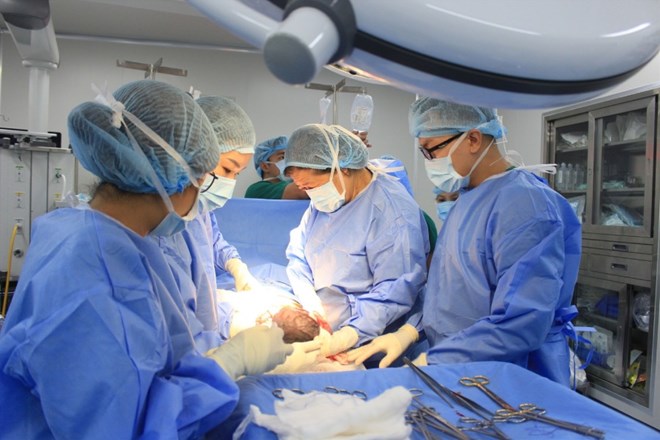
Quyết tâm “khép chân ở nhà” do kiêng đẻ mùng một
Một sản phụ 34 tuổi (Hà Nội) mang thai lần hai, đến tuần 40 của thai kỳ, chị không đi khám đúng hẹn. Nguyên nhân do gia đình không muốn sinh con mồng một, sợ sẽ khó nuôi nên cố chờ qua ngày. Chị nói bé đầu tiên cũng chọn ngày giờ, sinh mổ ở tuần 41 không vấn đề gì xảy ra nên yên tâm.
Khi tới khám, BS Nguyễn Trung Đạo – Khoa Sản bệnh A4, Bệnh viện Phụ sản Hà Nội – phát hiện ối xanh, đầu con lọt thấp và chỉ định nhập viện ngay. Nếu kéo dài, nguy cơ rủi ro tăng gấp 10 lần. May mắn, sản phụ chuyển dạ an toàn, sức khỏe mẹ và thai nhi ổn định. Bé trai chào đời nặng 3.8kg, khóc to, hồng hào.
Trước đó, Bệnh viện Phụ sản Hà Nội cũng tiếp nhận thai phụ 39 tuổi suýt tử vong do tiền sản giật nặng ở tuần thai 37 nhưng quyết không mổ vì kiêng ngày mùng một. Bác sĩ cấp cứu mất rất nhiều thời gian để thuyết phục. May mắn bé gái chào đời an toàn, sức khỏe người mẹ ổn định.
Tỉ lệ sinh mổ ở Việt Nam tăng lên 37%
PGS.TS Vũ Văn Du – Phó giám đốc Bệnh viện Phụ sản Trung ương – cho biết: “Tại Việt Nam, tỉ lệ mổ lấy thai tăng liên tục trong 15 năm qua, từ 12% năm 2005 lên 37% vào năm 2022. Bên cạnh các chỉ định từ bác sĩ, nhiều thai phụ và gia đình yêu cầu được sinh mổ chủ động.
Tỉ lệ sinh mổ cao đã trở thành một vấn đề cấp bách, làm dấy lên mối lo ngại về tác động của nó đối với sức khỏe của bà mẹ cũng như hậu quả lâu dài”.
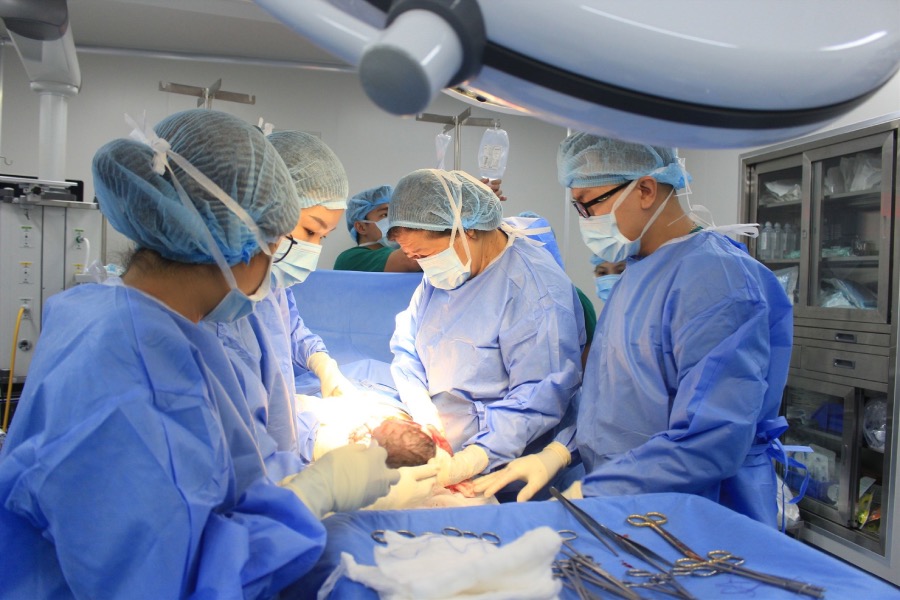
Theo Tổ chức Y tế thế giới (WHO) khuyến nghị, tỉ lệ sinh mổ chỉ từ 10-15%. Trong y khoa, khi vượt quá 15% được coi là không cần thiết. Tuy nhiên, trong những thập niên gần đây, tỉ lệ sinh mổ tăng trên toàn thế giới. Theo dự báo, năm 2030, tỉ lệ mổ lấy thai toàn cầu là 29%.
PGS Trần Danh Cường – bác sĩ sản phụ khoa – cho biết, người mẹ sinh thường không gặp các biến chứng của sinh mổ như gây tê màng cứng, gây mê, chảy máu vết mổ sau đẻ.
Sau sinh thường, sản phụ sữa sẽ về nhiều do được kích hoạt hệ thống nội tiết trong quá trình chuyển dạ. Mặt khác, thời gian hồi phục của sản phụ đẻ thường sẽ nhanh hơn. Em bé sinh thường phải trải qua một thời gian dài trong quá trình chuyển dạ nên phổi hoạt động tốt, hệ hô hấp tốt hơn trẻ sinh mổ.
Các bác sĩ khuyến cáo, khi không có chỉ định sinh mổ, sản phụ nên lựa chọn sinh thường. Bác sĩ sẽ cân nhắc lợi ích giữa việc sinh thường và sinh mổ chủ động một cách hợp lý nhất. Do khi tỉ lệ sinh mổ lặp lại cao, sản phụ thường có nguy cơ mắc rau tiền đao, rau cài răng lược và cắt bỏ tử cung khi có thai tăng lên sau mỗi lần sinh mổ.
Mẹ bầu và gia đình không nên quá mê tín, chọn ngày đẹp, giờ đẹp để sinh mổ chủ động. Đứa trẻ ra đời sớm có thể khiến bé bị thiếu tháng, hệ hô hấp chưa hoàn thiện, viêm phổi, ảnh hưởng phát triển sau này. Chưa kể, đẻ mổ để lại nhiều biến chứng ở mẹ, như nhiễm trùng, sẹo, vết mổ không lành, ngứa, nguy cơ vỡ tử cung khi có sẹo mổ cũ hai lần cao gấp đôi so với sẹo mổ cũ một lần.
We go deep into the vast world of India’s scam call centers, meeting those behind the deception and the new breed of international scambaiters who are trying to bring these scammers down. After seven years of running tech support scams, ‘Leo’ has leveled up. He is now an entrepreneur or a scam call center consultant who sets up scamming outfits for those with money to invest. From hiring to hardware, he has it down to a science, especially on how long it will take to generate returns for the investors. At the other end of the spectrum, we follow an Indian scambaiter ‘Sven’ as he investigates a local company that’s running a scam call center. The majority of their victims are English-speaking foreigners overseas. Through reverse tracking, he has managed to get into the company’s systems, securing access to their confidential files and real-time CCTV footage of scams taking place. Will ‘Sven’ be able to find enough evidence to submit to the police and conduct a crackdown?
00:00 Introduction
01:54 Why one Nepali man joined into the Russian army 04:07 Is this human trafficking?
05:45 Nepali soldiers fighting for foreign armies
07:36 Chinese mercenaries share their experiences on Douyin
12:51 Fighters from Central Asia killed on the frontlines
13:55 Kyrgyz prisoners summoned to war
15:55 What happened to a fallen Kyrgyz prisoner?
19:29 A contract only in Russian with a hidden clause
22:35 Amateur soldiers face the horrors of war
25:03 Mercenaries captured by Ukraine
26:08 Inside a Ukrainian POW camp
26:58 Why one POW joined the Russian army
28:19 Infantry soldier turned POW
29:16 Russia is not claiming its POWs
30:38 Mercenary’s family hopes for his return to Nepal
33:51 Prisoners promised freedom if they survived
36:04 Arrested in Kyrgyzstan for participating in a foreign war
36:53 Russia’s influence in Central Asia
38:22 Nepali activists fight to bring their men home
39:41 Hunting for a missing Nepali mercenary
41:58 Families meet with members of parliament
43:58 What are the mercenaries doing now?
==========
About Undercover Asia: CNA’s award-winning investigative series Undercover Asia uncovers the hard truths in the underbelly of Asia, and exposes the unintended fallout of change in the fast-moving continent.
Hồng Lĩnh: Thứ bảy 29/03/2025, 09:26 (GMT+7)
Tại Thiềng Liềng, có khoảng 243 hộ dân với 152 hộ sản xuất muối trên diện tích gần 400 héc-ta. Người làm nghề muối còn được gọi là diêm dân.
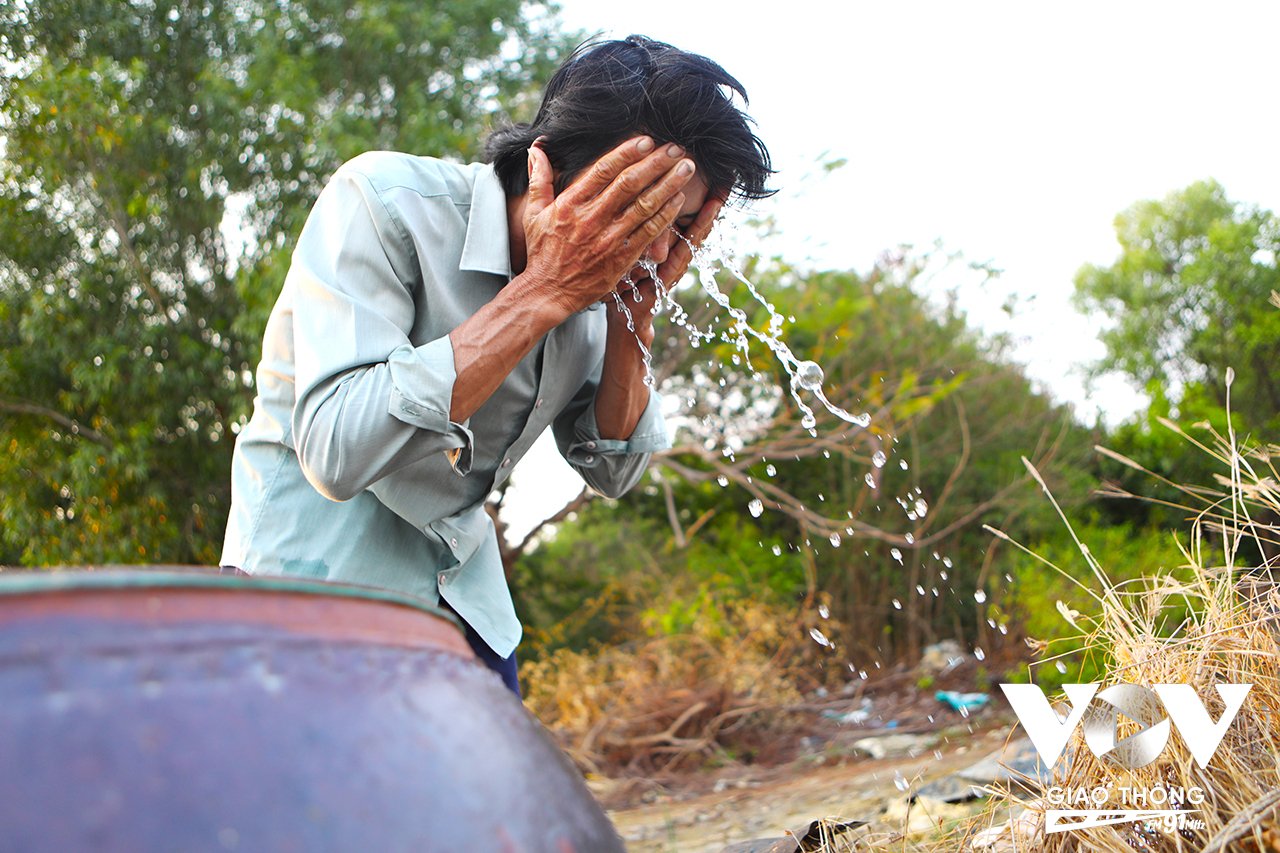
Ước tính trung bình mùa vụ thu hoạch khoảng 20.000 tấn muối, giá bán tuỳ theo thời năm và thời điểm, thấp nhất 800 đồng/kg, cao nhất 3.000 đồng/kg. Nếu được giá, mỗi héc-ta thu được từ 80 – 100 triệu đồng/vụ.
Published: 11:15am, 31 Mar 2025
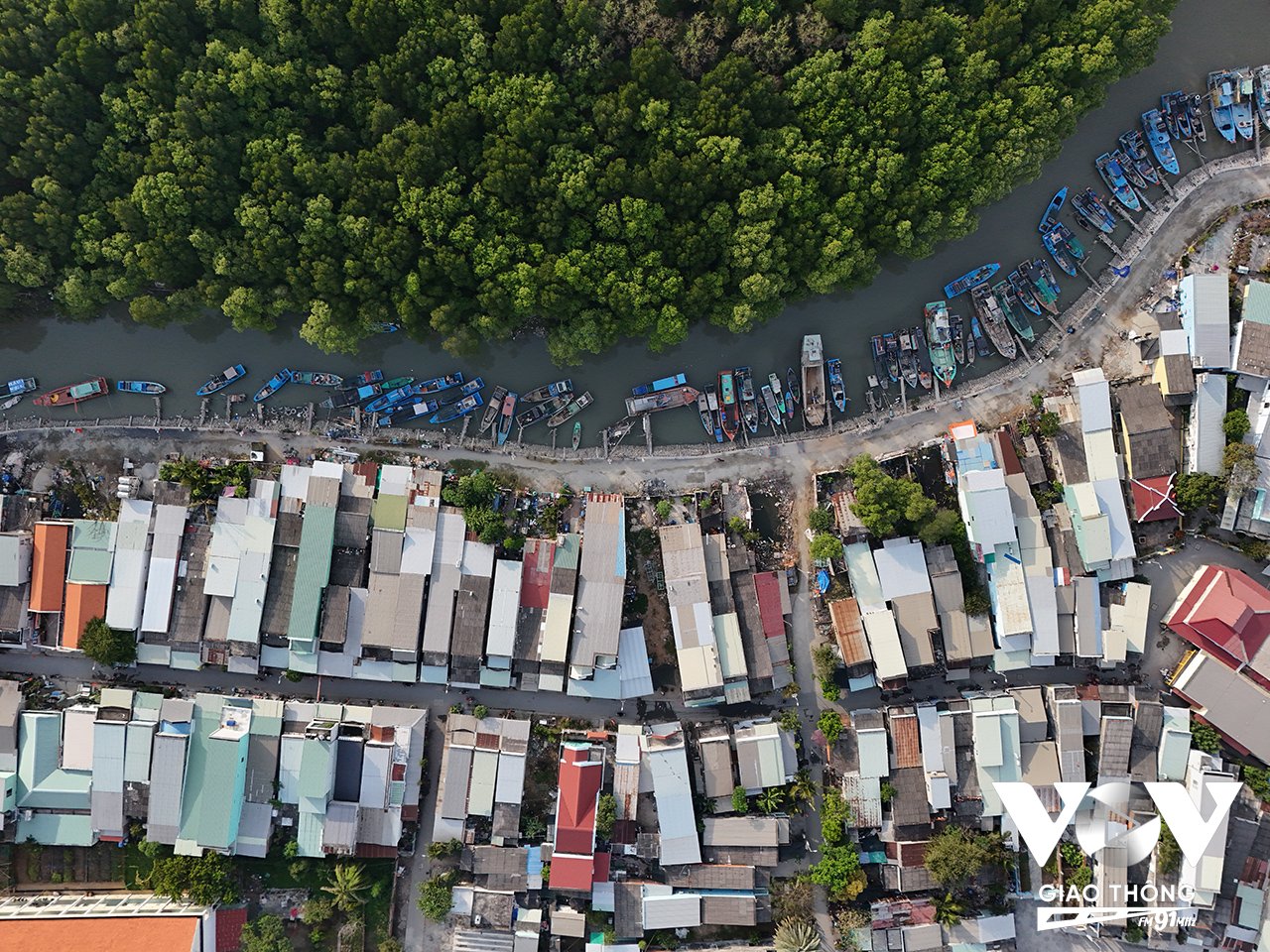
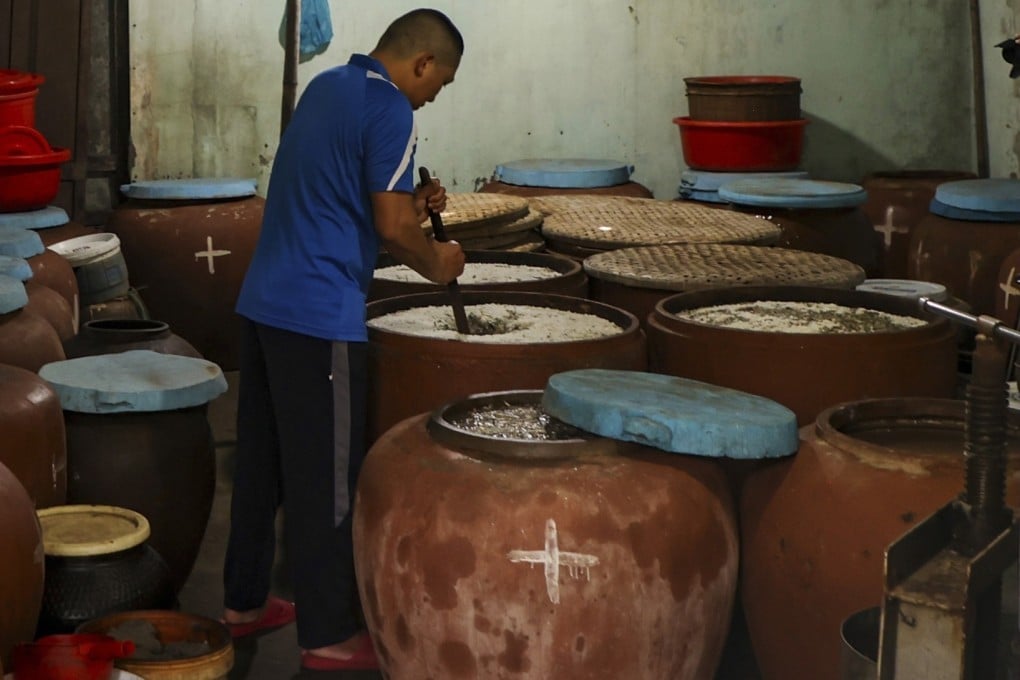
Bui Van Phong faced a choice when the Vietnam war ended 50 years ago: stay in his small village and help his parents carry on the family’s centuries-old tradition of making fish sauce, or join the hundreds of thousands of people fleeing his country for a better life.
Phong chose to stay behind and nurtured a business making the beloved condiment, known as nuoc mam in Vietnam, that is now in its fourth generation with his son, Bui Van Phu, 41, at the helm.
Tiếp tục đọc “Climate change and overfishing threaten Vietnam’s traditional fish sauce makers”
briliantmap.com Last Updated: March 24, 2025

The map above shows the huge difference in the size of the UK vs Japan’s highspeed rail networks in 1963 compared to 2025.
The UK’s Stockton and Darlington Railway (25 miles; 40km long) opened in 1825 as the first passenger railway anywhere in the world.
And according to the Institution of Civil Engineers
“Allowing for stops, the first train to run on the S&DR averaged a speed of 8mph (13km/h) on its inaugural journey.”
It also cost £5.1m (in today’s money) and took only 3 years to complete.
Thus 2025, is the 200th anniversary of the existence of passenger rail.
At that time, the Tokugawa shogunate (Edo period) still ruled Japan, which remained more or less closed off to the rest of the world. And wouldn’t start opening up until it was forced to do so by the Americans from 1853.
Japan wouldn’t open it’s first railway line from Tokyo to Yokohama until 1872 almost 50 years after the UK.
Read more at https://brilliantmaps.com
Mongbay.com Abhishyant Kidangoor 23 Oct 2024
High seas cover over half of our planet’s surface, and represent two-thirds of the entire ocean. They serve as a crucial habitat for countless marine species, many of which remain undiscovered. They also play a vital role in climate regulation. The high seas are also home to secret treasures that could potentially reshape medical science. Painkillers, antibiotics and many other drugs have been produced from genetic material found in the depths of the ocean.
Despite their immense ecological and medical importance, only 1% of these international waters are legally protected. Since they fall outside the jurisdiction of any country, high seas are not governed by anyone. This has led to patchy regulation and uncoordinated management, leaving them vulnerable to threats like overfishing, shipping traffic, and ocean acidification.
An international treaty aims to address these concerns. Last year, countries around the world agreed upon the Agreement on Marine Biodiversity of Areas Beyond National Jurisdiction (BBNJ Treaty) after decades of discussions and negotiations. The historic treaty aims to establish legal frameworks for the conservation and sustainable use of marine resources. The treaty has created a blueprint for countries that want to propose and create protected areas in the high seas. It tackles prior assessment of potentially damaging activities like deep sea mining while also trying to figure out a way to share and distribute marine resources in an equitable manner. Sixty countries will have to ratify the treaty before it goes into effect.
Watch this video to learn more about the high seas, the significance of the BBNJ treaty and the questions that remain unanswered
As global demand for critical minerals grows, it will be important to anticipate and address the potential harms the mining and metals sector can have on societies, communities and the environment. Overlooking these risks can ultimately disrupt supply for clean energy technologies.
Traceability systems can, when used as part of a wider risk-based due diligence process, help meet emerging policy goals by providing ways to integrate data on origin, evolution, and ownership of minerals. Some traceability approaches can also provide a platform for embedding data on environmental, social and governance issues. To work effectively, however, traceability systems must be carefully designed – balancing standardisation and context, maintaining data quality, and adapting to varying supply chain complexities. They also require strong collaboration among companies, governments and civil society, backed by cost-sharing, reliable verification and secure data-sharing protocols. Above all, traceability should serve clear objectives rather than become an end in itself: policy makers and practitioners should adopt a measured approach, progressively deploying mechanisms where necessary while allowing for inclusive participation and access to markets and investment.
This report includes a practical eight-step roadmap, from setting policy objectives to building trust mechanisms, which can help ensure traceability systems are fit for purpose and aligned with the realities of global supply chains.
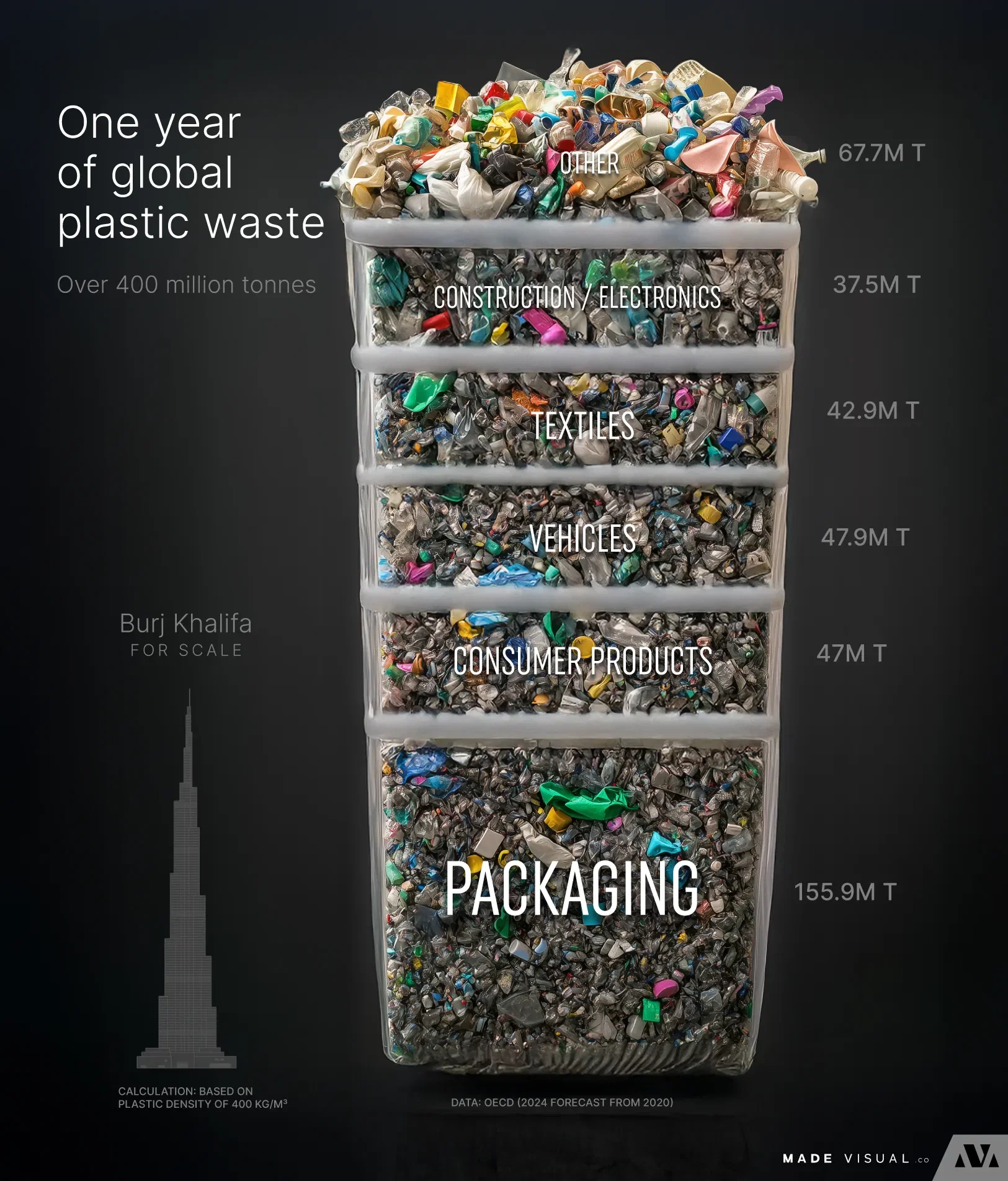
Over 400 million tonnes of plastic was projected to be wasted in 2024 according to an OECD report from 2020. Further, plastic waste is expected to nearly triple worldwide by 2060, with half of all waste expected to be in landfill while less than one-fifth of it will be recycled.
Unbelievably, if all this plastic waste were put in a kitchen bin and scaled up uniformly, this would double the height of the Burj Khalifa.
| Category | Weight of Waste (Millions of Tonnes) |
|---|---|
| Other | 67.7 |
| Construction/Electronics | 37.5 |
| Textiles | 42.9 |
| Vehicles | 47.9 |
| Consumer Products | 47 |
| Packaging | 155.9 |
OECD, Statista
https://www.statista.com/chart/32385/global-plastic-waste-production-by-application/
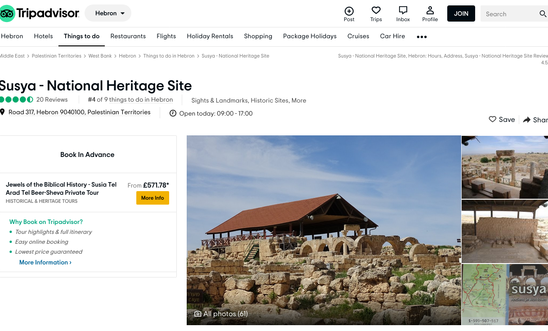
TripAdvisor listing of settler-managed historical sight on Palestinian land
The image above is a TripAdvisor listing of a heritage site managed by settlers in the village of Susiya – on Palestinian land. The UN has released a list of over 100 other companies that also have business interests in Israeli settlements built on Palestinian land.
But why is this a problem?
In 1967, Israel began the process of building settlements on occupied Palestinian territory.
Firstly, what is a settlement?
It is Israel’s building of villages, towns and cities on occupied Palestinian territory.
What makes them illegal?
The transfer of Israeli civilians to these settlements is illegal under international law. In fact it is a war crime according to the Rome Statute of the International Criminal Court.
Since 1948, hundreds of thousands of Palestinians had to flee their homes to escape violence or were forcibly removed. Not just their they lost their land and businesses too. Many are remain in refugee camps till this day. Here they have become parents and even grand parents.
Some Palestinians stayed behind and refused to give up their land. Their lives have been made impossible as consecutive governments have introduced discriminatory laws and policies, in the hope they will eventually leave. But as the settlements continue to expand some are still standing their ground.
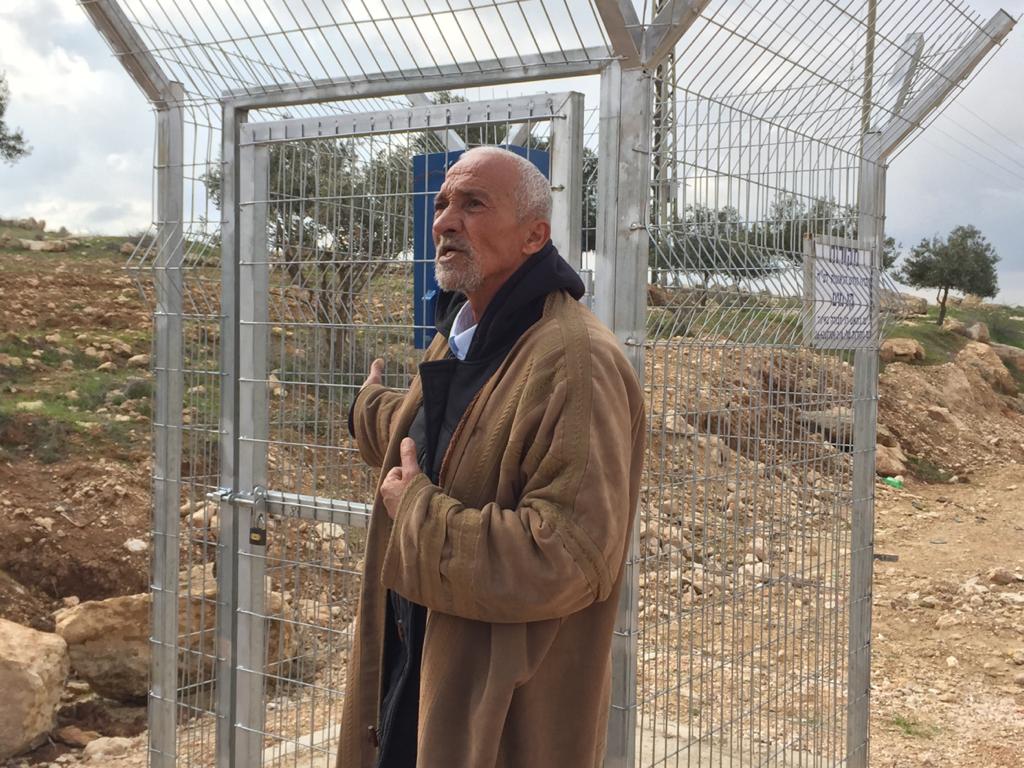
(A resident of Susiya shows us a water system installed on his land for the sole benefite of the nearby settlement)
The Palestinian village of Susiya, in the occupied West Bank is home to around 300 Palestinians. The village has a few tents and shacks, a couple of water cisterns and some sheep. There is no access to electricity or running water.
Tiếp tục đọc “UN exposes companies involved in Israeli settlements”
 CVD
CVD 