Những câu hỏi cho một cuộc “làm từ thiện” – poverty porn (kích dục thương hại)?

Khi thấy những hoàn cảnh đáng thương, đặc biệt liên quan đến phụ nữ và trẻ em, trước khi trao tiền quyên góp, hãy tự hỏi mình có đang bị “kích dục thương hại” (“poverty porn”) hay không, rồi mới tự hỏi “Quỹ từ thiện vận hành bằng gì?”

Hoạt động từ thiện ở VN cần trở nên chuyên nghiệp, cả người cho tiền, lẫn tổ chức điều hành từ thiện, lẫn báo chí truyền thông. Quan trọng hơn, hoạt động từ thiện ở VN cần đặt nhân phẩm người nhận lên hàng đầu.

PTH

***

Những câu hỏi cho một cuộc “làm từ thiện”

ĐINH ĐỨC HOÀNG – 19/01/2026 10:16 GMT+7

TTCT Một lệnh chuyển khoản không làm nên một cuộc từ thiện. Ở giữa đó là những câu hỏi mà chúng ta đang lảng tránh trả lời.

CÁCH LÀM TỪ THIỆN  - Ảnh 1.

Tiếp tục đọc “Những câu hỏi cho một cuộc “làm từ thiện” – poverty porn (kích dục thương hại)?”

Chinese vlogger Canyue has a piece on Vietnam.

QOURA

Icon for China - World Leader.

China – World Leader. · 

Posted by BL CheahJan 18

In just 13 minutes, he succinctly sums up most of Vietnam’s structural and systemic challenges as seen in Chinese eyes. And explains why these guys are not heading in an ideal direction.

If you understand Mandarin you should watch his video. His diction is clear, his language is good and his analysis is sound.

If you don’t understand Mandarin, he doesn’t have a transcript or subtitles. But he always works off a summary of his points. I have cut and pasted it at the very bottom, translated by google.

I have realized how the situation is likely to play out over the next few decades.

Vietnam is not going to make it. They will miss their goals and milestones, and always be far behind China. They might even break apart again. Recurring cycles of unity and separation is very much part of Vietnamese tradition.

Tiếp tục đọc “Chinese vlogger Canyue has a piece on Vietnam.”

Is the Forbidden City in Vietnam built according to the architectural style of the Forbidden City in China?

[TĐH: The original name of this article is: “Is it true that
China Forbidden City was built by a Vietnamese architect?
.”
I have changed the title, to reflect accurately the answer below]

QUORA

Profile photo for Richard Wang

Richard Wang · Knows Chinese Updated 9mo

Even Chinese people, few people know that the Forbidden City in Beijing is not very big. The current palace in Beijing is actually a simplified version of the Forbidden City in Nanjing, while the one in Nanjing is the original & complete version.

The missionary Matteo Ricci, who visited Beijing and Nanjing, once commented, “Nanjing, whether it is the palace or the entire city, has a larger scale than Beijing.” According to the ruins of the Forbidden City in Nanjing, its area is 1.13 sq km; The area of the Forbidden City in Beijing is 0.72 sq km.

Tiếp tục đọc “Is the Forbidden City in Vietnam built according to the architectural style of the Forbidden City in China?”

Thai nhi sau phá thai là chất thải y tế? – Is fetus after abortion medical waste?

Chào các bạn,

Việt Nam là nước cho phép phá thai. Ước tính mỗi năm tại Việt Nam có khoảng hơn nửa triệu trường hợp phá thai (1). Về tỷ lệ phá thai, Việt Nam đứng nhì thế giới. So với quốc gia có tỷ lệ phá thai thấp nhất là Mexico, thì tỷ lệ phá thai Việt Nam cao gấp 352 lần.

Phá thai cũng là một hình thức giết người, có nhiều tranh cãi. Việt Nam đứng nhì thế giới về tỷ lệ phá thai – đó có phải là điều chúng ta cần quan tâm hay không? (2).

Câu chuyện vẫn chưa hết. Tiếp tục đọc “Thai nhi sau phá thai là chất thải y tế? – Is fetus after abortion medical waste?”

Tăng thuế với đồ uống có đường để bảo vệ sức khỏe của người Việt

“WHO khuyến cáo, Việt Nam cần xây dựng lộ trình thuế suất thuế tiêu thụ đặc biệt với đồ uống có đường để đến năm 2030 thuế suất đạt 20% giá bán lẻ (tương đương mức thuế tiêu thụ đặc biệt 40% theo giá xuất xưởng ở Việt Nam). Đây là mức thuế đủ mạnh để đạt hiệu quả bảo vệ sức khỏe theo khuyến cáo của WHO.”

Dù được WHO khuyến cáo, VN dường như vẫn lo ngại về việc áp dụng mức thuế cao với mặt hàng đồ uống có đường sẽ ảnh hưởng tới hoạt động của doanh nghiệp và sự tăng trưởng kinh tế. Tiếp tục đọc “Tăng thuế với đồ uống có đường để bảo vệ sức khỏe của người Việt”

Xây dựng chiến lược dài hạn phòng chống thiên tai và thảm hoạ – Kinh nghiệm từ Nhật Bản

nhandan.vn Chủ Nhật, ngày 08/02/2026

Năm 2025, được ghi nhận là một trong những năm đặc biệt, có diễn biến thiên tai cực đoan, đặt ra áp lực lớn đối với công tác chỉ đạo, điều hành. Tuy nhiên, nhờ cách làm mới, chuyển từ ứng phó sự vụ sang chiến lược dài hạn; lấy khoa học công nghệ, chuyển đổi số làm nền tảng, đã giúp giảm đáng kể tác hại do thiên tai gây ra.

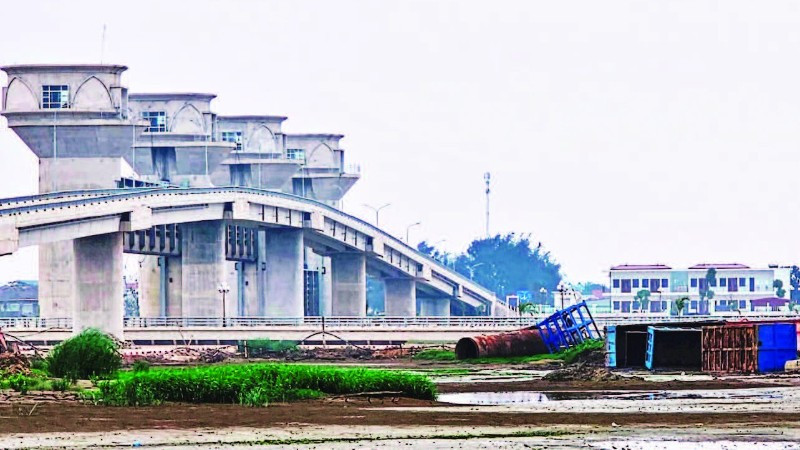
Đập ngăn mặn, trữ ngọt trên sông Lèn, phục vụ sản xuất, đời sống nhân dân các địa phương phía đông bắc tỉnh Thanh Hóa. (Ảnh: MAI LUẬN)

Theo Cục trưởng Cục Quản lý đê điều và Phòng, chống thiên tai (Bộ Nông nghiệp và Môi trường) Phạm Đức Luận: Tại Việt Nam, trong năm 2025, thiên tai đã gây ra những con số thiệt hại lớn, với 468 người chết và mất tích, 741 người bị thương, thiệt hại kinh tế ước tính gần 98.700 tỷ đồng. Đó không chỉ là tổn thất về vật chất, mà còn là những hệ lụy lâu dài đối với đời sống và sinh kế của hàng triệu người dân. Trong năm, đã chứng kiến những cơn bão chồng bão, mưa lớn vượt ngưỡng kỷ lục, sạt lở đất kinh hoàng xảy ra ở nhiều vùng, miền… Trong bối cảnh đó, song song với ứng phó, công tác phòng ngừa và kiểm soát rủi ro thiên tai được đặc biệt chú trọng. Cục Quản lý đê điều và Phòng, chống thiên tai đã tham mưu hoàn thiện cơ chế chỉ đạo phòng, chống thiên tai, không để gián đoạn trong giai đoạn cả nước kiện toàn tổ chức vận hành theo mô hình chính quyền địa phương 2 cấp.

Tiếp tục đọc “Xây dựng chiến lược dài hạn phòng chống thiên tai và thảm hoạ – Kinh nghiệm từ Nhật Bản”

China and Russia challenge the Arctic order

But understanding how means looking beyond their partnership

DIIS.dk DIIS Policy Brief 9 July 2025

Sino-Russian Arctic cooperation is real but limited – and should not distract from the broader strategic challenges each country poses individually. While the partnership merits attention, some aspects are more symbolic than substantive, with Russia ultimately controlling the pace and direction.

Media narratives often highlight the growing alignment between China and Russia in the Arctic and the potential threat this poses to other states. Yet the partnership remains constrained by diverging priorities, Russia’s wariness of Chinese influence, and China’s reluctance to expose itself to sanctions or engage in risky ventures.

At the same time Russia’s increasing dependence on China since its full-scale invasion of Ukraine in 2022 has given Beijing opportunities to pursue deeper access to the Russian Arctic on its own terms and in areas that align with its long-term objectives. Rather than engaging broadly, China is selective in how and where it invests or participates – a dynamic that could intensify underlying frictions between the two even as global geopolitical shifts continue to draw them closer in the region.

Tiếp tục đọc “China and Russia challenge the Arctic order”

Who owns the Arctic and Why the Arctic is climate change’s canary in the coal mine

Global warming is heating up the Arctic, and global powers like the United States, Russia and China are manoeuvring to stake a claim to the resources under its melting ice. Some experts say the region, once known as an exception – an island of international cooperation in the midst of geopolitical struggles – is becoming the site of a second cold war.

The Arctic may seem like a frozen and desolate environment where nothing ever changes. But the climate of this unique and remote region can be both an early indicator of the climate of the rest of the Earth and a driver for weather patterns across the globe. William Chapman explains why scientists often describe the Arctic as the “canary in the coal mine” when it comes to climate change

1 in 10 Singaporeans have Dyslexia: What school is like for us | I’m not stupid, I’m Dyslexic


CNA Insider
24/2/2026

Imagine growing up being told you’re stupid, simply for having difficulty reading. That was the experience of singer-songwriter, Inch Chua. In Singapore, one in ten people are dyslexic and Inch is one of them. In this documentary, she meets fellow dyslexics – both those who have since carved out successful careers like her and those who are still in school – and find out if things have changed for people like them. She also finds out how the dyslexic brain works and how dyslexia, the hidden disability, can affect self-confidence and yet, at the same, become a superpower. Tiếp tục đọc “1 in 10 Singaporeans have Dyslexia: What school is like for us | I’m not stupid, I’m Dyslexic”